Every city changes. That’s just how it goes. But Chicago has a particular way of making you feel its losses — because this is a city where people are deeply, almost stubbornly attached to the places and things that made it theirs.
So we asked our Facebook community a simple question: what do you miss most about old Chicago?
The answers came flooding in. Some were funny. Some were surprisingly emotional. And almost all of them had one thing in common — the feeling that something real was lost, and that whatever replaced it just isn’t quite the same.
Here’s what Chicagoans are still not over.
1. Marshall Field’s
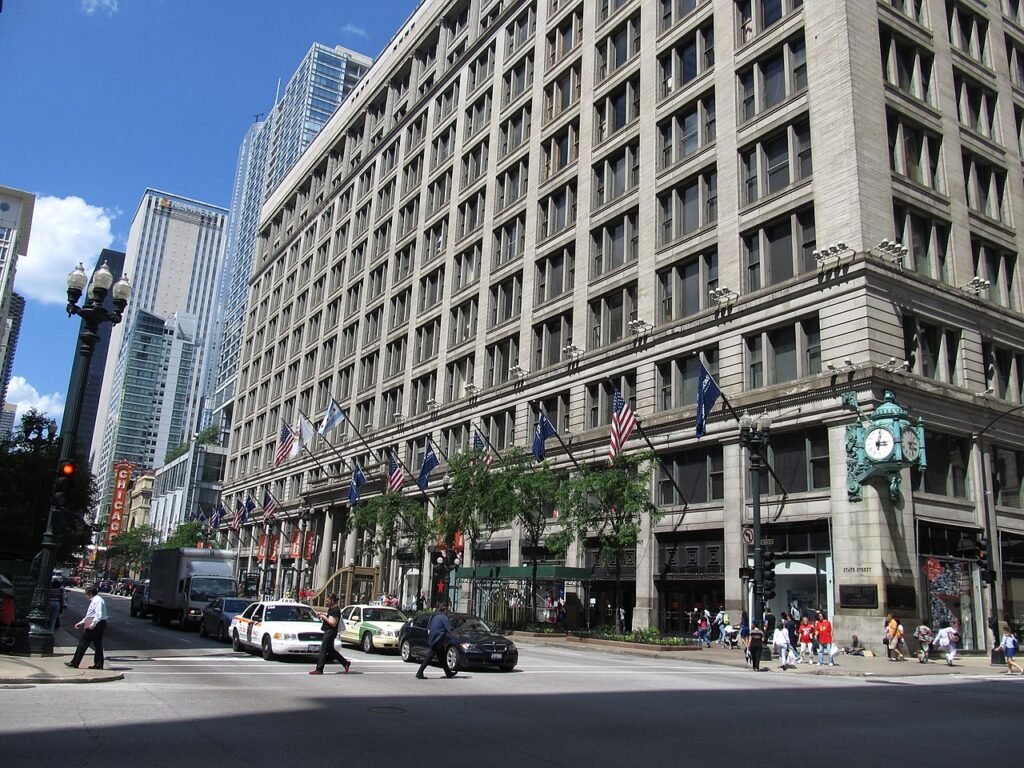
No loss hits Chicagoans quite like this one.
Marshall Field’s wasn’t just a department store. It was a Chicago institution in the truest sense — a place where generations of families marked the holidays, celebrated milestones, and spent Saturday afternoons in a building that felt like it belonged to the city rather than to a corporation.
The Walnut Room at Christmas. The Frango Mints. The clocks on State Street that every Chicagoan used as a meeting point for decades. The window displays that people lined up in the cold to see every November. These weren’t just retail experiences — they were civic ones.
When Macy’s took over in 2006 it wasn’t just a rebrand. For a lot of Chicagoans it felt like a betrayal. The protests were real, the anger was real, and nearly twenty years later the wound still hasn’t fully closed. Ask any Chicagoan over 40 and they’ll still call it Marshall Field’s. Every single time.
The building is still there. The Walnut Room still technically exists. But it’s not the same and everybody knows it.
What people said: Our community didn’t hold back on this one. “The day it became Macy’s was the day downtown lost its soul” was one of the more printable responses.
2. The Blommer Chocolate Factory Smell
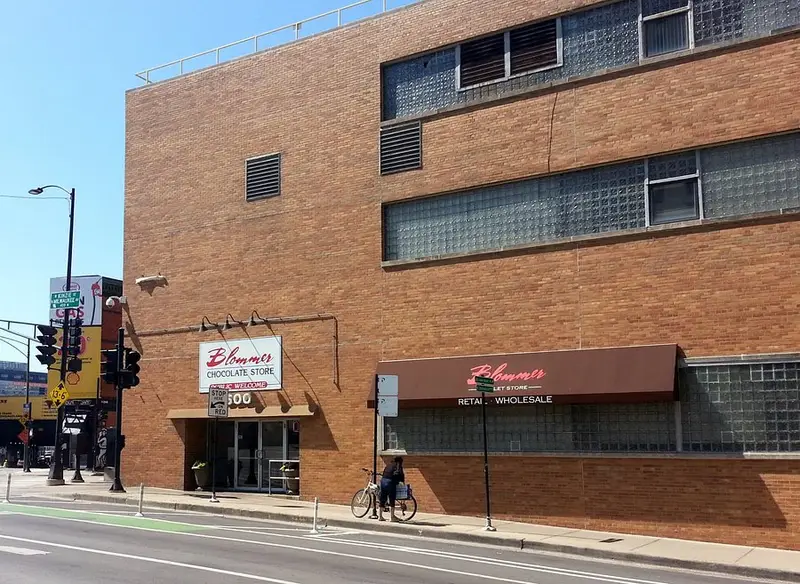
There is no way to explain this to someone who didn’t grow up in Chicago.
On certain mornings, depending on the wind, a thick wave of warm chocolate would drift across the north side of the city from the Blommer Chocolate Factory on Kinzie Street. It wasn’t subtle. It was full, rich, slightly overwhelming — and completely, unmistakably Chicago.
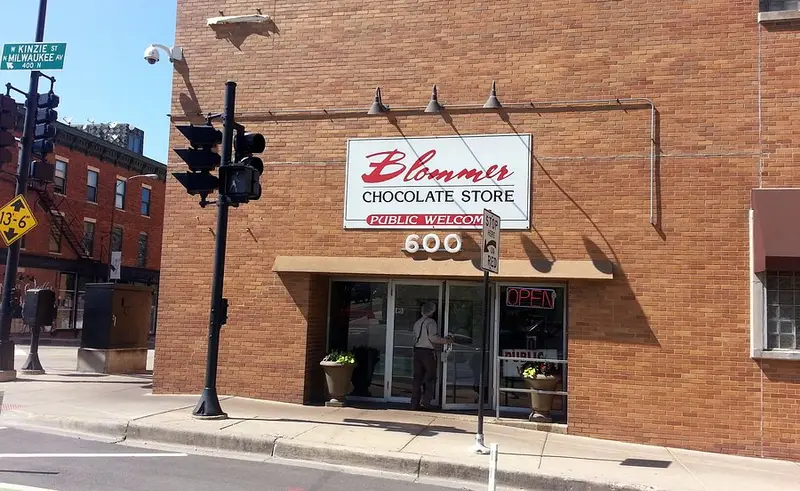
Locals called it “chocolate air pollution” and they meant it as the highest possible compliment. It was the kind of thing you’d forget about entirely until one day the wind shifted and suddenly you were eight years old again with no explanation for why.
Blommer is still technically there, but Chicagoans who lived near the factory in its heyday will tell you the smell isn’t what it used to be — and that something about the city is quieter for it.
It sounds ridiculous to mourn a smell. But spend five minutes in the comments of any Chicago nostalgia post and you’ll find dozens of people who will tell you, completely seriously, that it’s one of the things they miss most about the old city.
Some losses are hard to explain. This one just smells like chocolate.
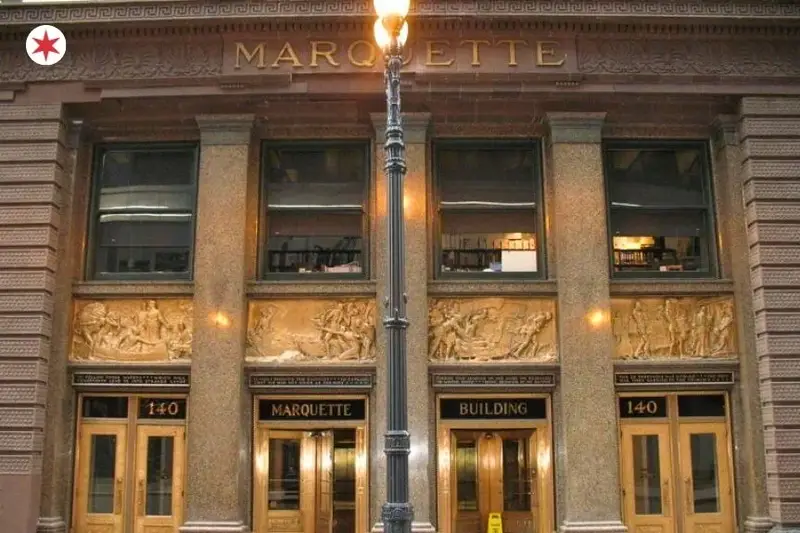
10 Hidden Architectural Details Chicago Locals Walk Past Every Day (But Tourists Never Notice)
3. The 3rd of July Fireworks at Taste of Chicago
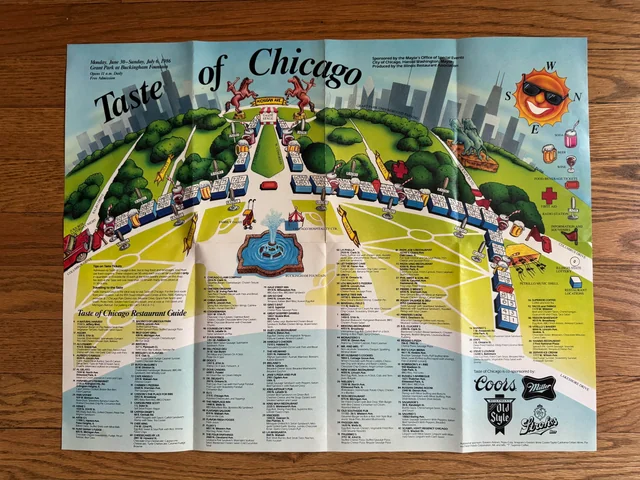
Ask anyone who was there in the 80s and 90s and watch their face change.
For years, the combination of Taste of Chicago and the 3rd of July fireworks over Grant Park was one of the great free civic celebrations in America. Millions of people would descend on the lakefront — blankets, lawn chairs, paper plates piled with food from every corner of the city — and watch one of the best fireworks displays in the country reflected off Lake Michigan.
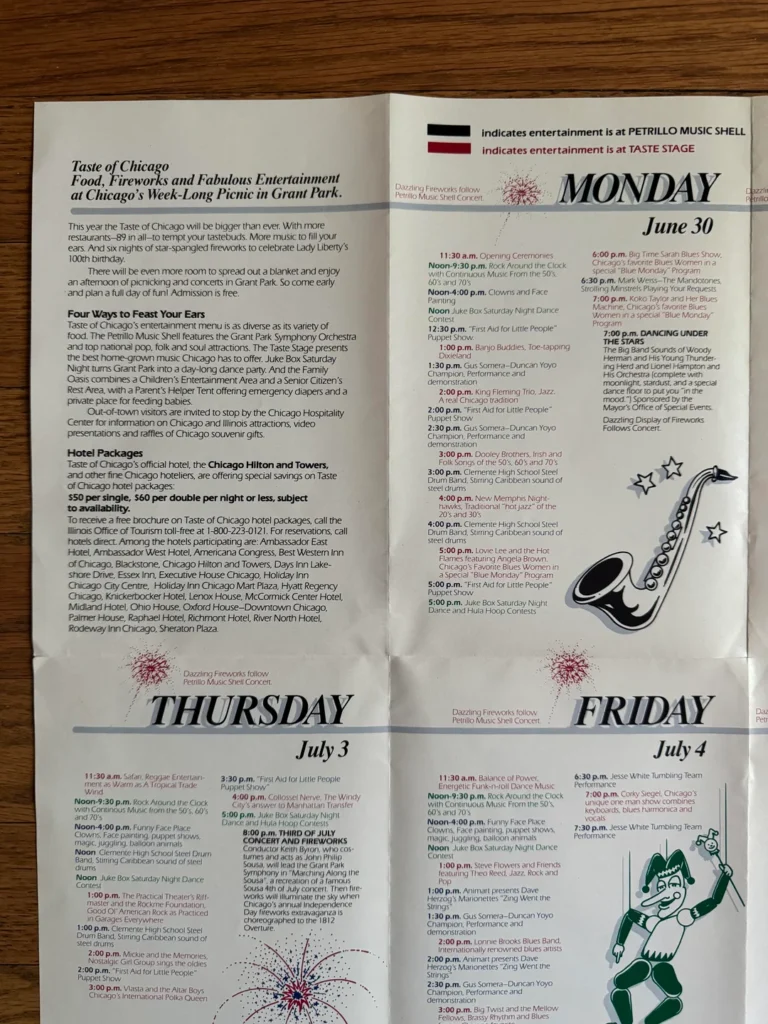
It wasn’t just a party. It was a ritual. The kind of annual event that entire childhoods get built around. The smell of the food, the crush of the crowd, the moment the fireworks started and the whole lakefront went quiet for just a second before erupting.
The Taste of Chicago still exists. The 3rd of July fireworks still technically happen. But the scale, the energy, and the feeling of the whole city showing up together for one night — that version of it is largely gone, a casualty of budget cuts and changing times.
Chicagoans who remember the original will tell you there was nothing else like it anywhere in the country. They’re not wrong.
What people said: “We’d set up at noon for a 9pm fireworks show and nobody thought that was crazy. That’s just what you did.”
4. Cheap Late Night Hole-in-the-Wall Eats
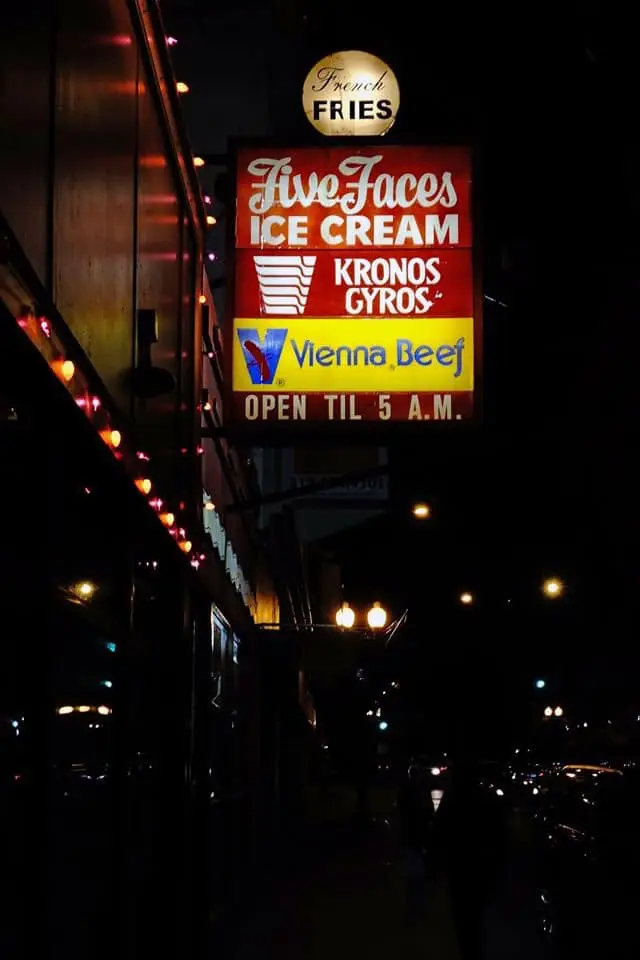
Every great city has a late night food culture. Chicago’s used to be something special.
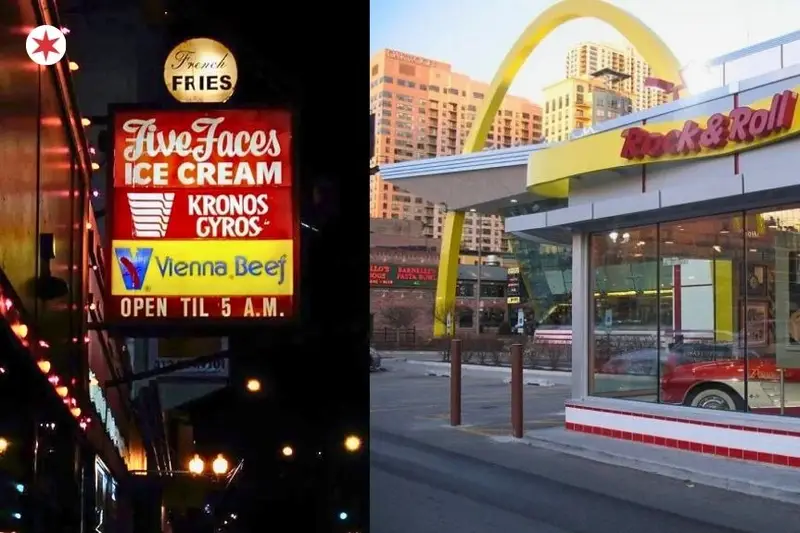
There was a time when finishing a night out in this city meant ending up in a brightly lit, slightly chaotic, completely unpretentious little spot somewhere on the north side at 1am — formica counters, fluorescent lights, a guy behind the counter who had seen everything — and ordering a gyros plate that cost you maybe six dollars and tasted like the greatest thing you’d ever eaten.
The gyros were the thing. Shaved off the rotating spit, stuffed into warm pita, drowned in tzatziki, wrapped in foil and handed to you over a scratched plastic counter. It didn’t matter what the place looked like. It didn’t matter that you were eating it standing up on the sidewalk. It was perfect every single time.
Chicago still has gyros. But the $5 late night gyros plate in a tiny spot that’s been on the same corner for 35 years and closes whenever the owner feels like it? That version of the city gets harder to find every year as rents climb and the old neighbourhood spots get replaced by something shinier and twice the price.
The food was never just about the food. It was about the city being alive at 2am and having somewhere to go.
What people said: “Niko’s on Clark. That’s all I have to say. If you know, you know.”
The old Belmont/Clark counterculture scene is exactly the kind of entry that will make this article go viral with a certain generation of Chicagoans. Neo, Double Door, Mutiny — these are names that will stop people mid-scroll.
5. The Old Belmont & Clark Counterculture Scene
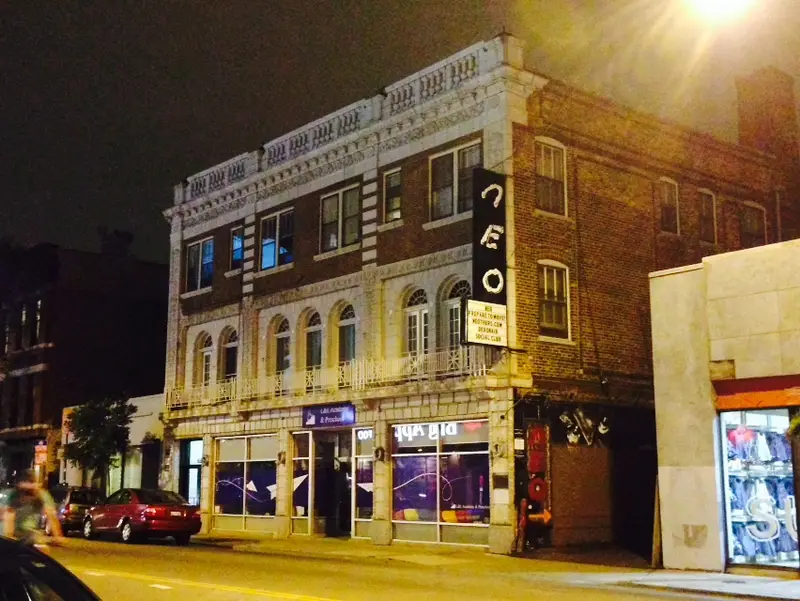
There was a version of Belmont and Clark that no longer exists, and the people who were there will never stop mourning it.
Neo. The Double Door. Mutiny. The Belmont Army Navy Surplus store when it was still the kind of place where you could accidentally spend three hours and leave looking like a completely different person. A stretch of the city that was genuinely weird, genuinely alive, and completely its own thing — the kind of neighbourhood that attracted misfits and musicians and people who didn’t quite fit anywhere else and needed somewhere that felt like theirs.
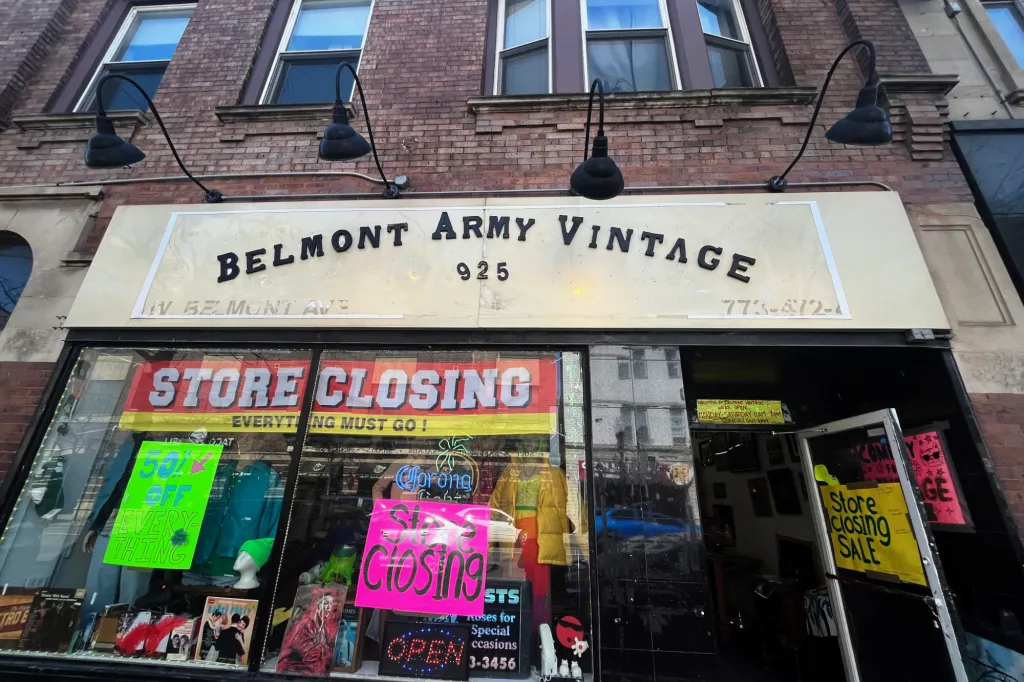
It wasn’t polished. It wasn’t particularly safe. It was grimy and loud and completely electric in a way that sanitised city neighbourhoods almost never are anymore.
Today that corner is a Target. Which tells you everything you need to know.
The people who were there in their 20s will tell you it wasn’t just a night out — it was an identity. A community. A reason to be in Chicago rather than anywhere else. And they’re right. You can’t manufacture that kind of scene and you can’t get it back once it’s gone.
What people said: “Belmont and Clark was so cool back then. A big part of why I wanted to move to Chicago. All of the punk and subculture bars are very missed.”
6. The Rock N Roll McDonald’s
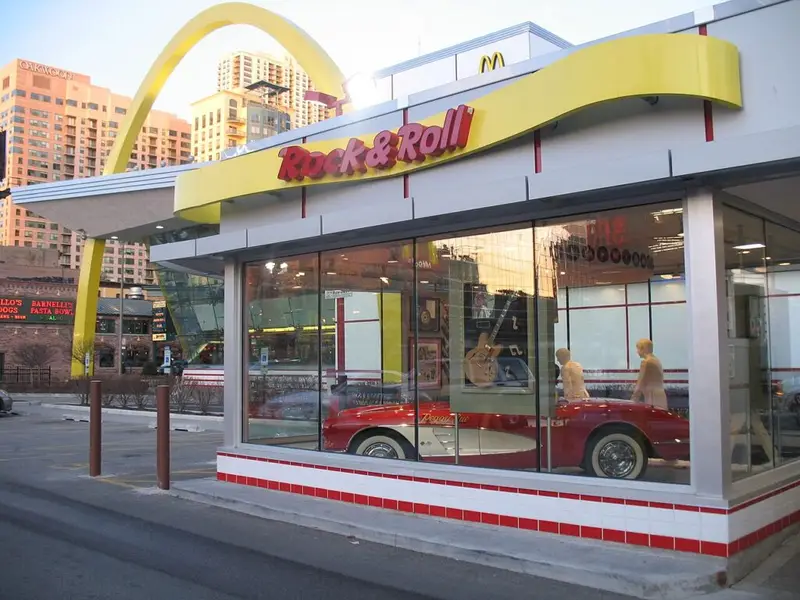
This one needs no introduction to anyone who grew up in Chicago.
The original Rock N Roll McDonald’s on Clark and Ontario was not just a McDonald’s. It was a destination. A landmark. A place where Friday and Saturday nights in the summer meant pulling up, hanging out, and being part of something that felt uniquely, unmistakably Chicago.
It was loud and chaotic and completely unpretentious — music memorabilia covering every wall, booths packed with people who had nowhere else to be and no desire to be anywhere else. For a certain generation of Chicagoans it was the hangout spot, full stop. The place you ended up after everything else, or sometimes instead of everything else.
The location still exists in a renovated form. But the original — the one that felt like the city’s living room on a summer night — is gone. What replaced it is fine. It’s just a McDonald’s.
Some places are bigger than what they serve. The Rock N Roll McDonald’s was one of them.
What people said: “The original Rock N Roll McDonald’s. It was the hangout spot every Fri/Sat, especially in the summer.”
7. White Hen Pantry
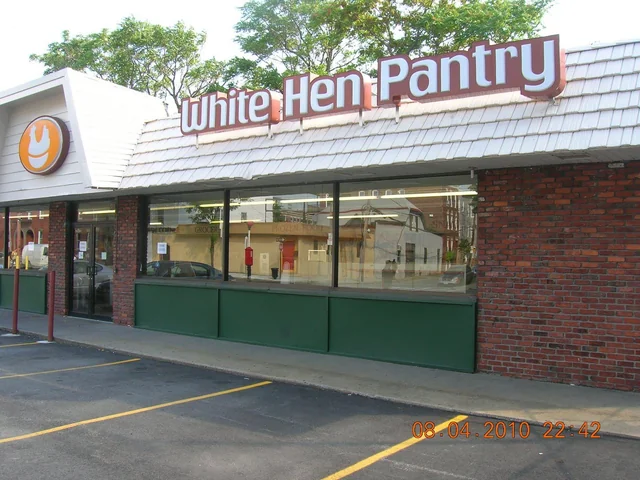
Just two words and every Chicagoan of a certain age immediately knows exactly what you mean.
White Hen Pantry was a convenience store chain that was so woven into the fabric of everyday Chicago life that most people never stopped to appreciate it until it was gone. It was where you ran when you were out of something. Where you grabbed a sandwich that was genuinely better than it had any right to be. Where the guy behind the counter knew your name if you came in enough times.
It wasn’t fancy. It wasn’t trying to be. It was just there — reliably, comfortably, on corners all over the city — in the way that only truly neighbourhood businesses ever manage to be.
When 7-Eleven quietly absorbed the chain in 2011 there were no protests, no viral moments, no public outcry. It just disappeared. Which is somehow sadder than if there had been a fight.
The jingle alone is enough to send a certain generation of Chicagoans into full nostalgia spiral. If you know, you know. And if you know, you’ve definitely already started humming it.
What people said: “White Hen Pantry disappeared quietly.”
8. Double Door
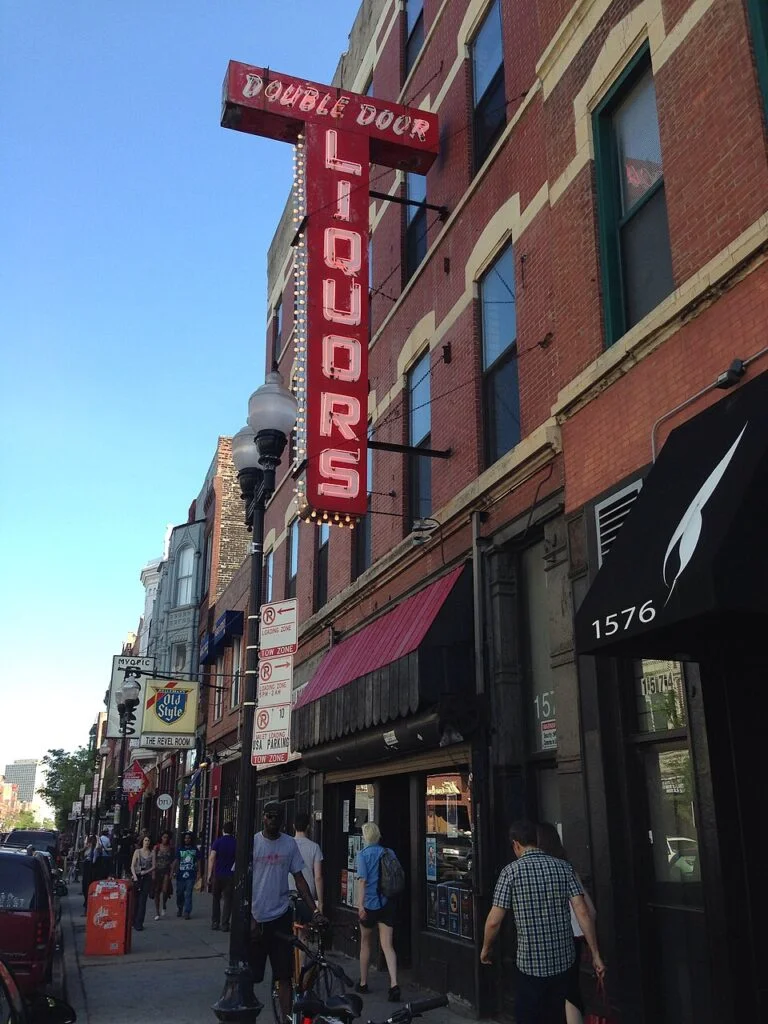
For a certain generation of Chicago music fans, this one still hurts.
Double Door was a mid-size music venue on Milwaukee Avenue in Wicker Park that managed to be exactly the right size for exactly the right moment in Chicago’s music history. Big enough to feel like an event, small enough that you were always close to the stage. The kind of room where you saw bands before they were huge and remembered it for the rest of your life.
But it wasn’t just the venue. It was the whole ecosystem around it — the Blue Note, the Red Dog, Borderline Tap, Estelles after midnight. Wicker Park in the late 90s and early 2000s was one of the great music neighbourhoods in America and Double Door was at the centre of it. Open until 4am, loud, sweaty, and completely alive in a way that felt like it would last forever.
It didn’t. The venue closed in 2017 after a landlord dispute and the neighbourhood around it had already been changing for years. Subterranean is still there, holding the fort. But the full constellation of that scene is gone.
What people said: “The combo of Double Door and Estelles was elite back in my twenties.” “I’ll never get over that.” Neither will a lot of people.
Here’s Kiddieland:
9. Kiddieland
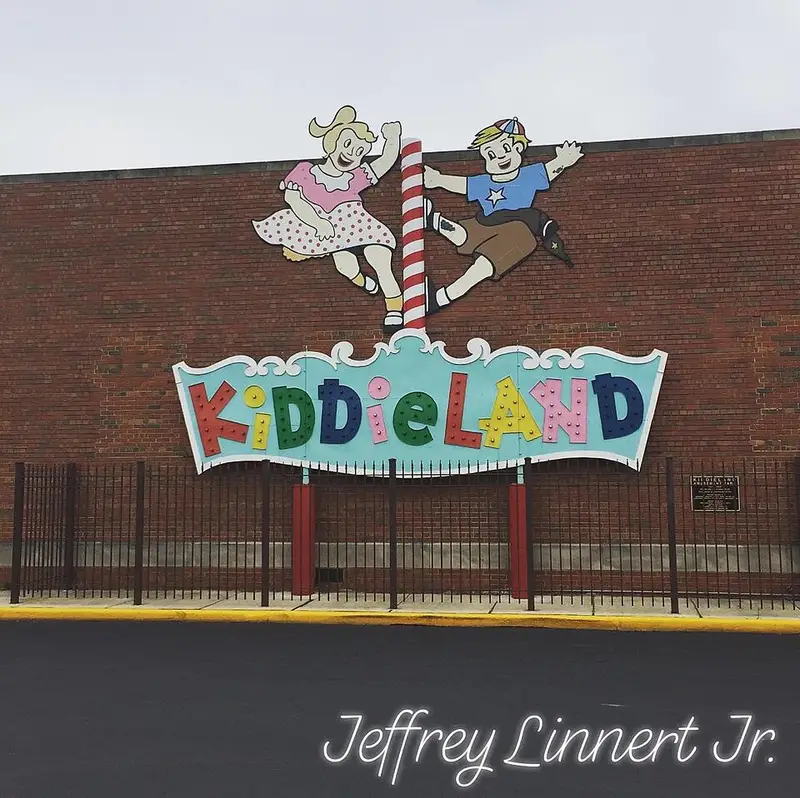
This one hits different if you grew up in Chicago — or if you grew up anywhere near it.
Kiddieland was an amusement park in Melrose Park that operated for nearly 80 years before closing in 2009. It wasn’t Six Flags. It wasn’t trying to be. It was small and slightly rickety and completely beloved in the way that only genuinely local institutions ever manage to be — the kind of place where your parents took you, and their parents took them, and the whole point was the continuity as much as the rides.
The Little Dipper. The Carousel. The Ferris Wheel that felt enormous when you were seven years old. The smell of popcorn and sunscreen and summer. For generations of Chicago families it was the first amusement park they ever visited and the one they measured everything else against for the rest of their lives.
When it closed in 2009 after nearly eight decades, the owners cited rising costs and declining attendance. The land was eventually redeveloped. Today there’s a shopping centre where the rides used to be.
There is something particularly brutal about losing a place that existed specifically to be magical for children. Those memories don’t have anywhere to go.
What people said: “Kiddieland 💔” “And the roller rink… And the mini golf course… And the driving range…” Sometimes two words and a broken heart emoji is all you need.
10. The Swedish Bakery
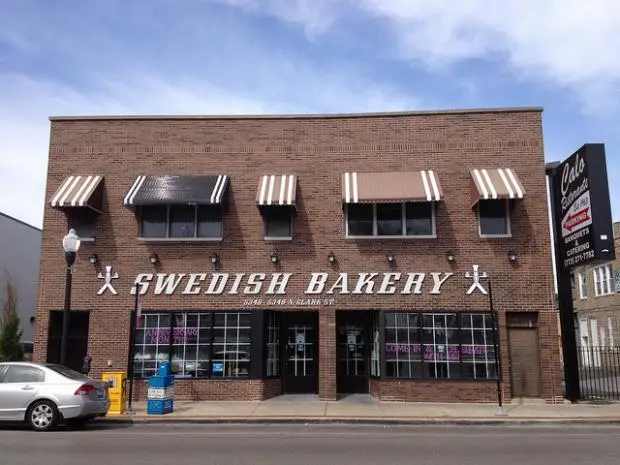
Andersonville lost something irreplaceable when this one closed.
The Swedish Bakery on Clark Street operated for 88 years before shutting its doors in 2017. Eighty-eight years. That’s not a business — that’s a neighbourhood institution across multiple generations of the same families, the kind of place where your grandmother brought your mother and your mother brought you and you fully expected to bring your own kids someday.
The pastries were legendary. The Princess Cake. The cardamom rolls. The smell that hit you the moment you walked through the door on a cold Chicago morning — butter and sugar and something warm that had no English translation but meant safety and comfort and home.
When the owners announced the closure the line stretched around the block for days. People came from all over the city to say goodbye to a bakery the way you’d say goodbye to a person. Because that’s what it was. Not just a place to buy bread but a place that held something of the neighbourhood’s identity inside it.
Andersonville is still a wonderful neighbourhood. But there’s a Clark Street shaped hole in it that nothing has quite managed to fill.
What people said: “Still mad about Swedish Bakery!” Eight years later, 63 people immediately agreed.
11. Rainbo Skate Rink
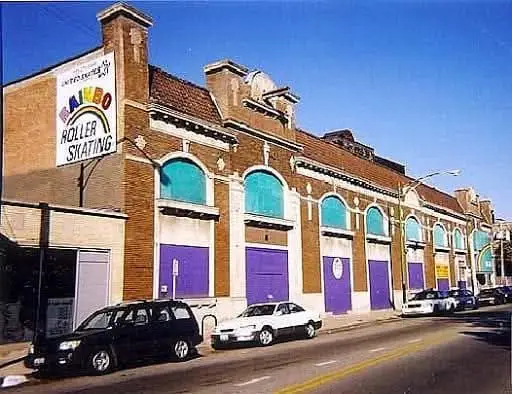
Ask anyone who grew up on the north side and watch their eyes go somewhere else for a second.
Rainbo Skate Rink on Clark Street in Uptown was a Chicago institution that operated for decades before closing, and for generations of kids it was the place where everything happened. Birthday parties. First crushes. Friday nights when you were too young for bars and too old to stay home. The kind of place that exists at the exact intersection of childhood and adolescence that you can never quite get back to no matter how hard you try.
The rink itself was nothing fancy. Scuffed wooden floors, rental skates that had seen better days, a DJ booth that took requests, and a snack counter that somehow always had exactly what you wanted. It didn’t need to be fancy. It just needed to be there — and for decades it was, reliably and completely, every weekend.
When it closed the city lost one of those rare spaces that belonged equally to every kid in the neighbourhood regardless of where they came from or what school they went to. The skating rink was the great equaliser. You were all just trying not to fall down.
What people said: “Rainbo skate rink 😭” No further explanation required.