
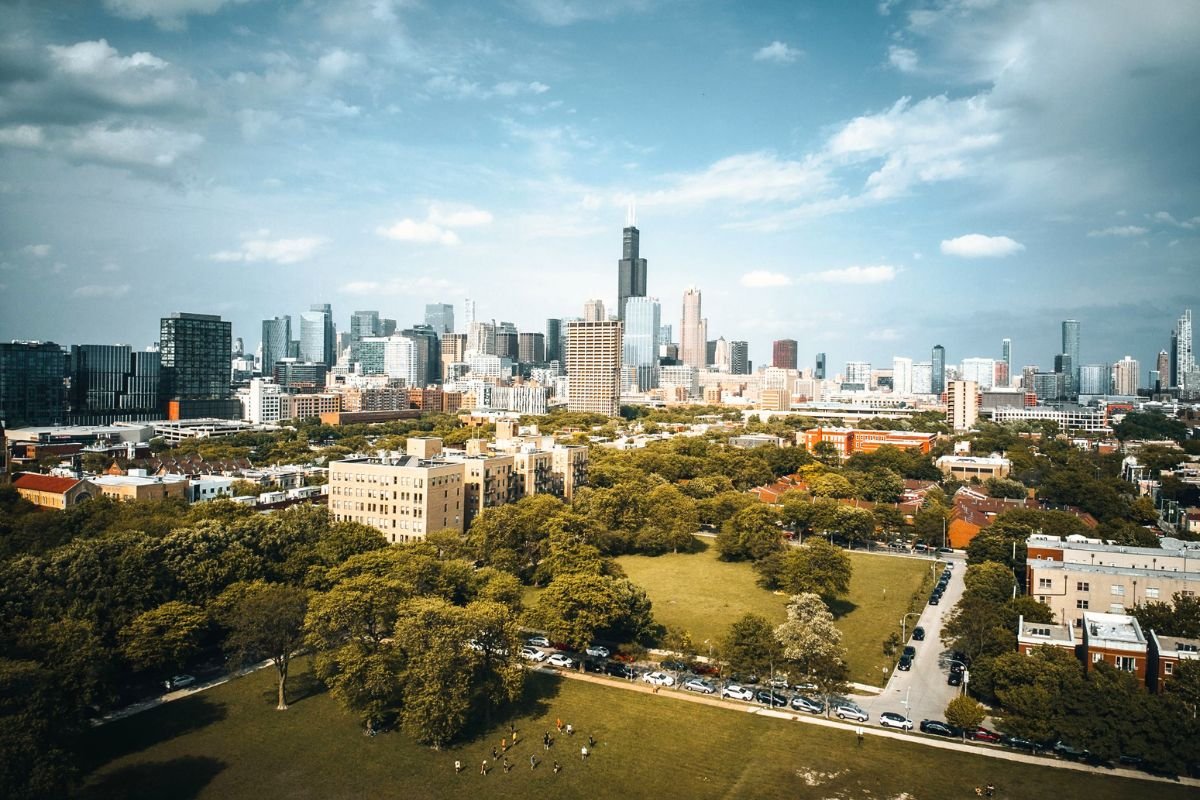
Watch enough national news and you’d think Chicagoans dodge bullets on the way to get coffee and that Michigan Avenue looks like a dystopian movie set. Then you land, walk to a deep dish place, ride the L to Wrigley, and wonder what all the fuss was about.
Is Chicago safe for tourists? Yes. Absolutely. Over 50 million visitors come here every year, and millions of us take the train and walk these streets every single day without incident. In fact, what rarely makes the national headlines is that Chicago’s violent crime has plummeted—recently hitting its lowest homicide rate since 1965.
Still, this is a massive city of 2.75 million people (nearly 10 million across the metro area), and the stuff that actually trips up visitors has nothing to do with the cable news cycle. It’s a phone grabbed off a corner in River North, a smashed rental car window, or an empty train car that’s empty for a reason.
Here are the 17 rules locals follow without thinking, so you can too.
 JM
AK
1. Understand The “Two Chicagos”
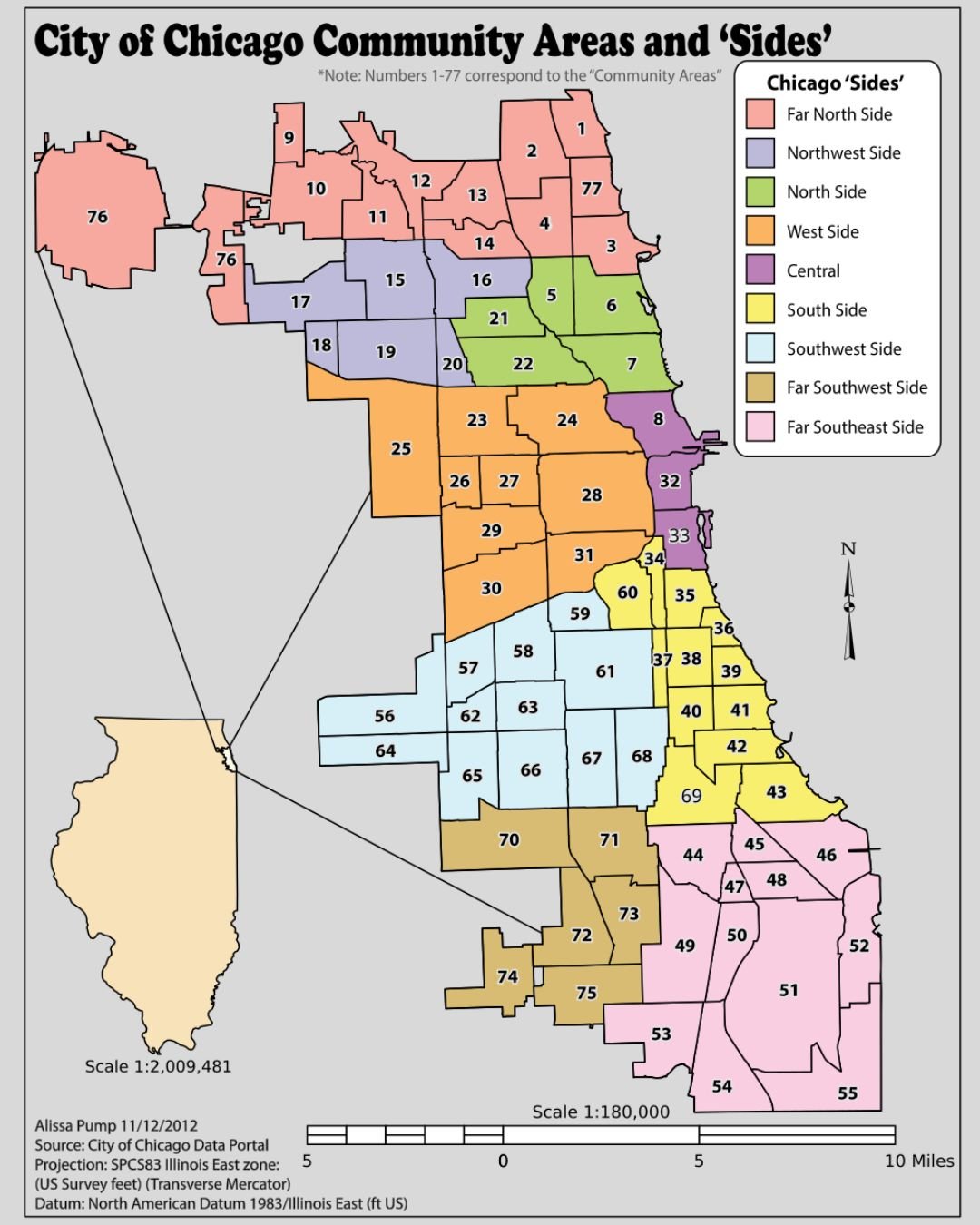
Chicago covers 234 square miles (about 228 square miles of land) across 77 distinct community areas. You could fit the entire landmass of Manhattan inside it ten times over, and most of that territory is nowhere near anything a visitor would ever have on their itinerary.
That geography matters because the violent crime on the news is tragic, but it is also hyper-localized. The vast majority of it happens in a handful of specific neighborhoods on the far South and West sides—like Englewood, Austin, or West Garfield Park—that tourists rarely, if ever, have a reason to visit.
Stick to Downtown (The Loop), River North, Gold Coast, Lincoln Park, Lakeview/Wrigleyville, Wicker Park, or the West Loop, and the biggest financial hit you’ll take is a $20 cocktail. The statistical risk of violent crime in those tourist corridors is tiny.
Don’t wander into random neighborhoods at 2 AM without doing research, but don’t assume the whole city is a war zone either (and note that the historic South Side areas around Hyde Park, home to the University of Chicago and the Griffin Museum of Science and Industry, are lovely and heavily patrolled). Both mistakes come from the same place: not knowing the map.
2. The Real Threat Is “Apple Picking”
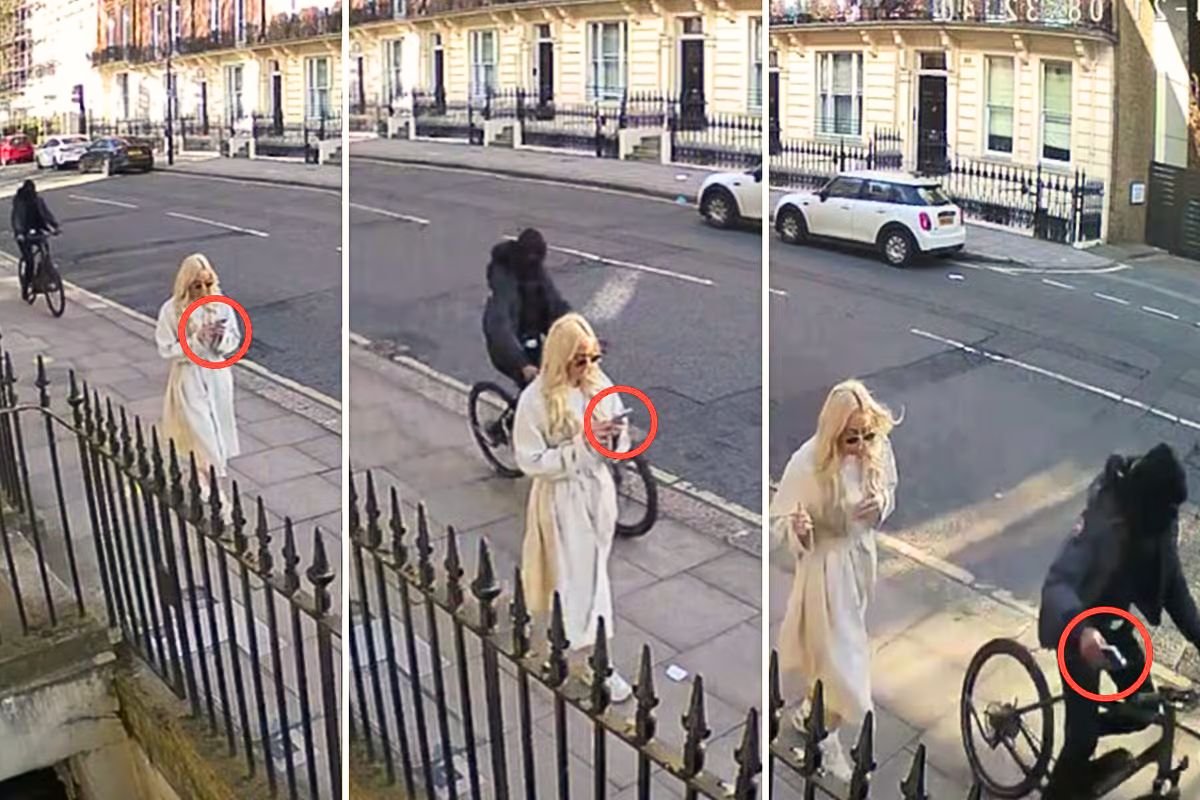
A guy on an e-bike or a rented Divvy scooter can take an iPhone out of your hand and be half a block away before your brain registers what happened. That’s the crime you should actually plan around.
“Apple Picking,” or phone snatching, is practically a sport downtown. Stand on a corner in River North or along the Magnificent Mile holding your phone loosely while squinting at Google Maps and you’ve basically volunteered.
The train version is just as common: someone sits right by the doors, phone out, and a hand reaches in right as the “doors closing” chime goes off. The thief is sprinting down the platform before the doors seal, and the train is already moving.
Grip your phone with both hands. Turn on Apple’s “Stolen Device Protection” before your trip so thieves can’t lock you out of your iCloud even if they see you type your passcode. Don’t leave your phone sitting on the edge of the table at sidewalk brunch, and when you’re lost, step into a store lobby or put your back against a building wall to check your map.


3. The “Clean Car” Rule
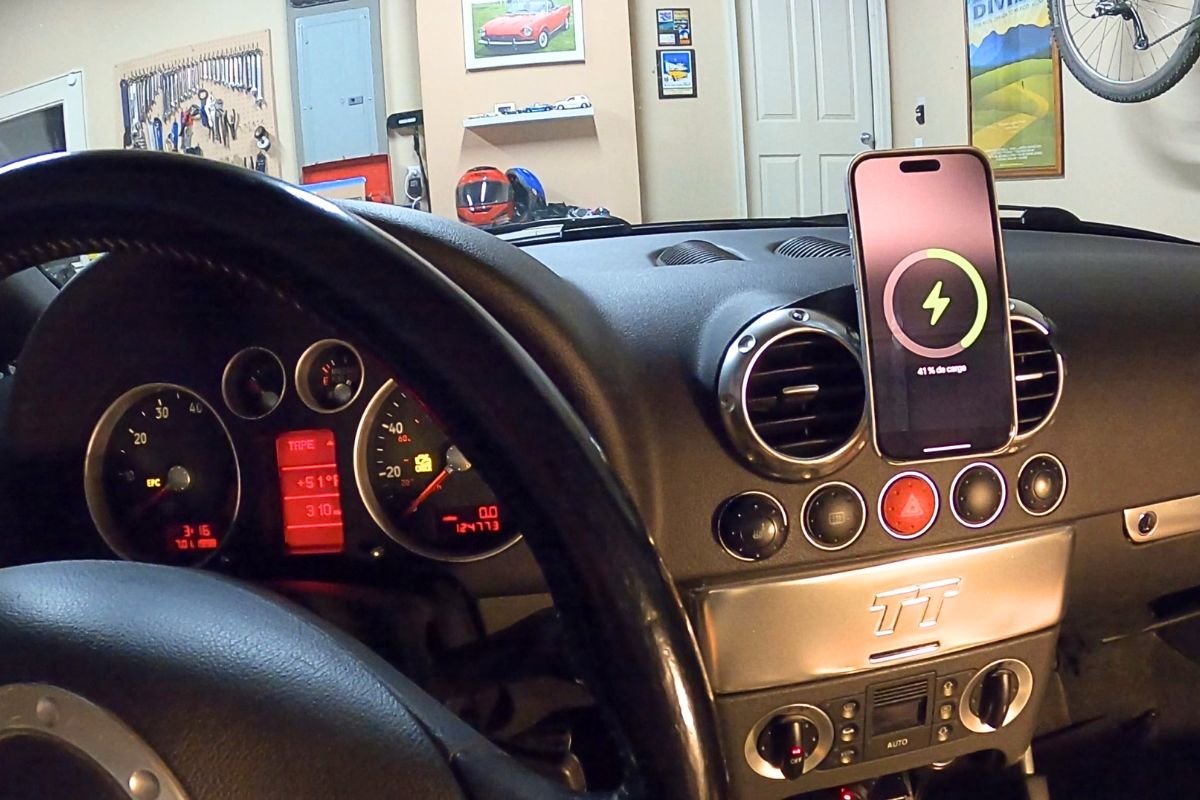
A white charging cord dangling from the console is enough to get a window smashed. Not a laptop, not a purse: a $10 cable.
The logic from the thief’s side is simple. Cord visible means a device might be attached to the other end, or stashed in the glovebox. Even worse, modernized thieves drive slowly down residential streets and parking lots using Bluetooth and Wi-Fi scanners on their phones to detect “sleeping” iPads and laptops hidden inside trunks. Same goes for a backpack full of dirty gym clothes, a puffy coat on the back seat, or a handful of quarters in the cupholder. They won’t know it’s worthless until your glass is already on the pavement.
Whether it’s your own car or a rental, the rule is religious: leave nothing visible, and power electronics completely off if you must leave them in the trunk. Better yet, put items in the trunk before you arrive at your parking spot so nobody watches you load it up. Park in a secure garage when you can (use the SpotHero app—which was actually invented in Chicago—to save up to 50% on garage rates), and make sure the interior looks like it just rolled off the factory floor. Broken glass and a new window on a rental count among the priciest mistakes visitors make here.
4. Never Get In The Empty Train Car
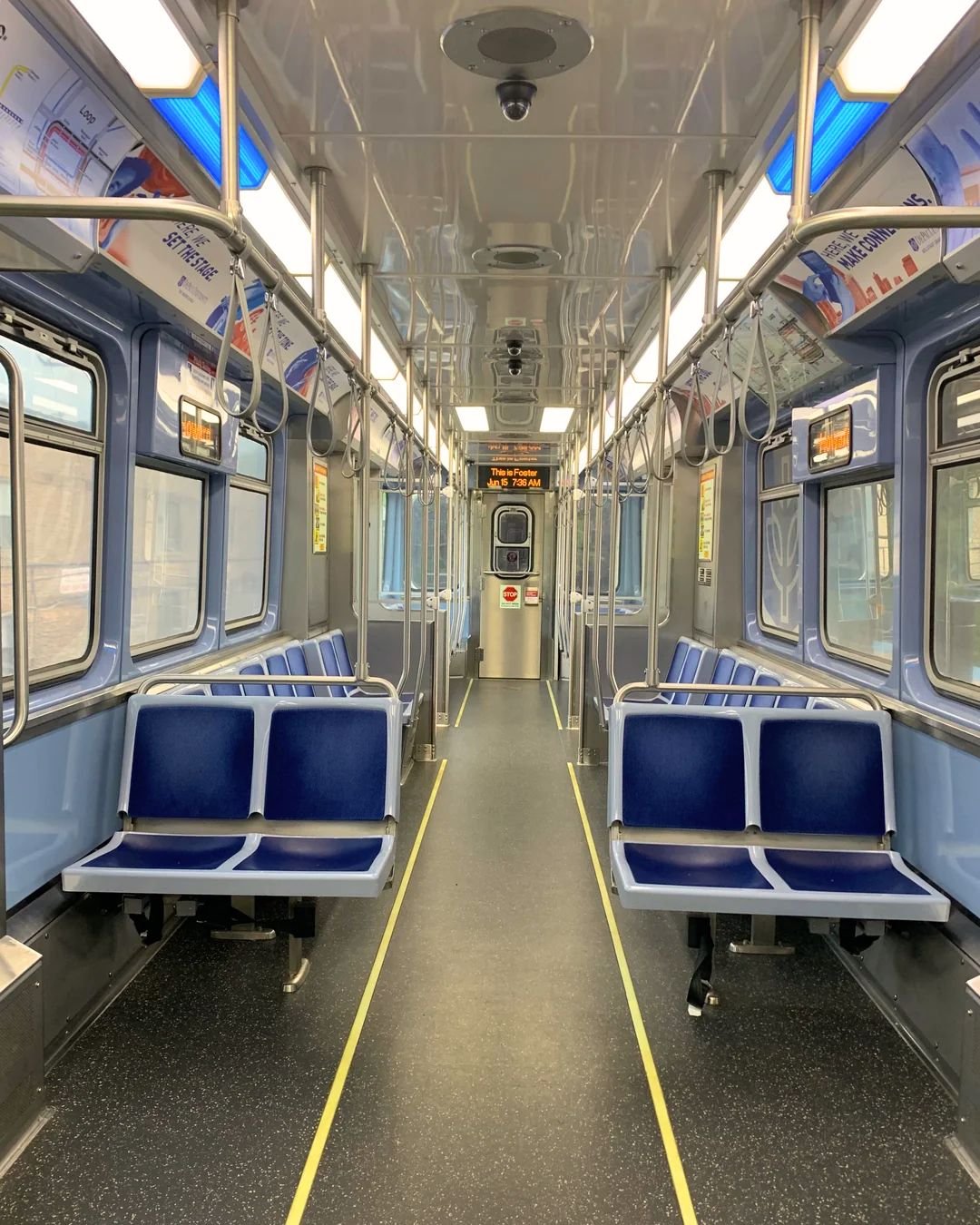
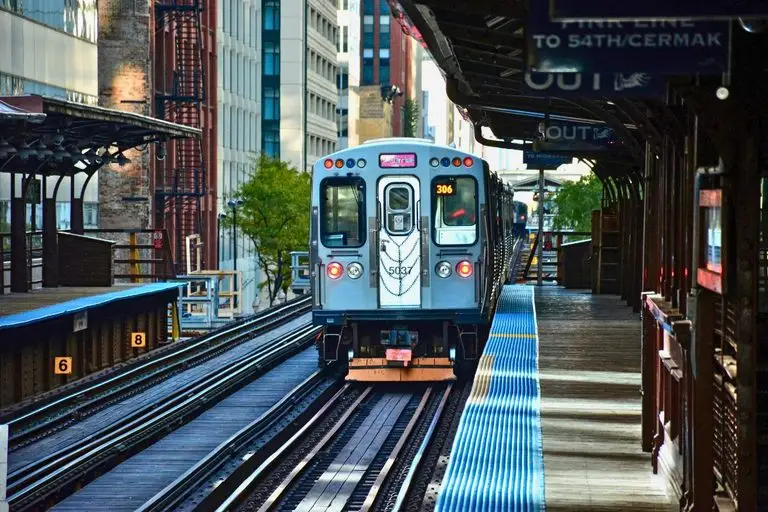
A rush-hour train pulls in, every car is packed shoulder to shoulder, and one car sits completely empty. Tourists see a miracle. Locals see a warning.
That car is empty for a reason. Usually the reason is a smell that will follow you around for days, broken air conditioning in July, or a biohazard situation you do not want on your shoes. Occasionally, it’s an erratic passenger or someone smoking that everyone else has quietly decided to avoid.
Taking the L isn’t a death wish; it’s how hundreds of thousands of us get to work. Just squeeze into the crowded car with everyone else. Bonus local tip: when in doubt, board the very first car at the front of the train. That’s where the CTA train operator sits in their cab, which naturally makes it the most supervised and drama-free car on the tracks. There’s a whole set of habits that mark you as an L regular, and this is the one you learn first.
5. Know The “Cinderella Hour” For The L
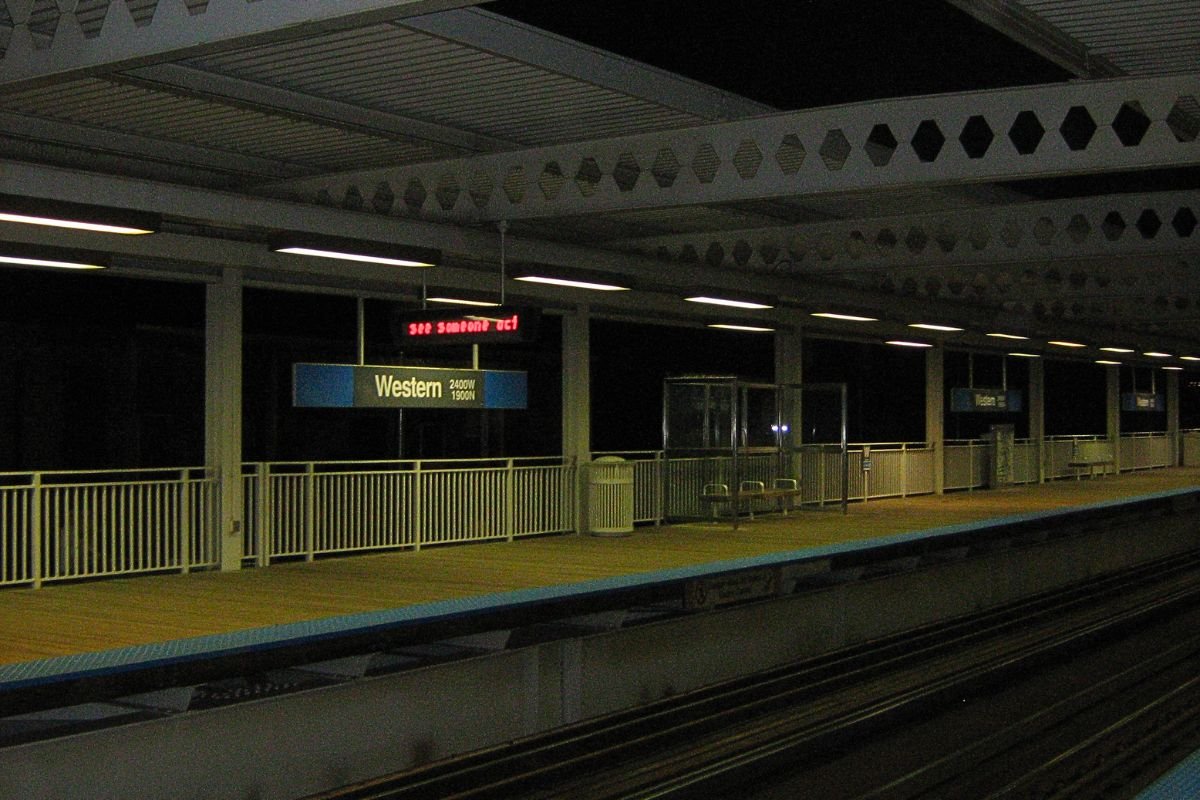
Leaving a bar at 1:30 AM on a Tuesday? Call the Uber, Lyft, or Curb cab. That’s the whole rule.
The train is great, and during the day and evening rush you should ride it as much as you like. While the CTA recently overhauled its transit safety—cutting unarmed guard contracts in favor of deploying more armed Chicago Police officers and K-9 security units across the system—locals still know the vibe shifts late at night. Past 10:30 or 11:00 PM (unless a massive concert or Cubs game just let out), the commuters are gone, the platforms go quiet, and whoever is left at an empty station at 1 AM tends to bring an energy that is, let’s say, erratic.
The few dollars you save on a $2.50 fare aren’t worth standing alone under a flickering light waiting 20 minutes for a late-night train. Same logic applies if your flight lands at O’Hare after midnight.
6. The “Earbud” Rule Is Non-Negotiable
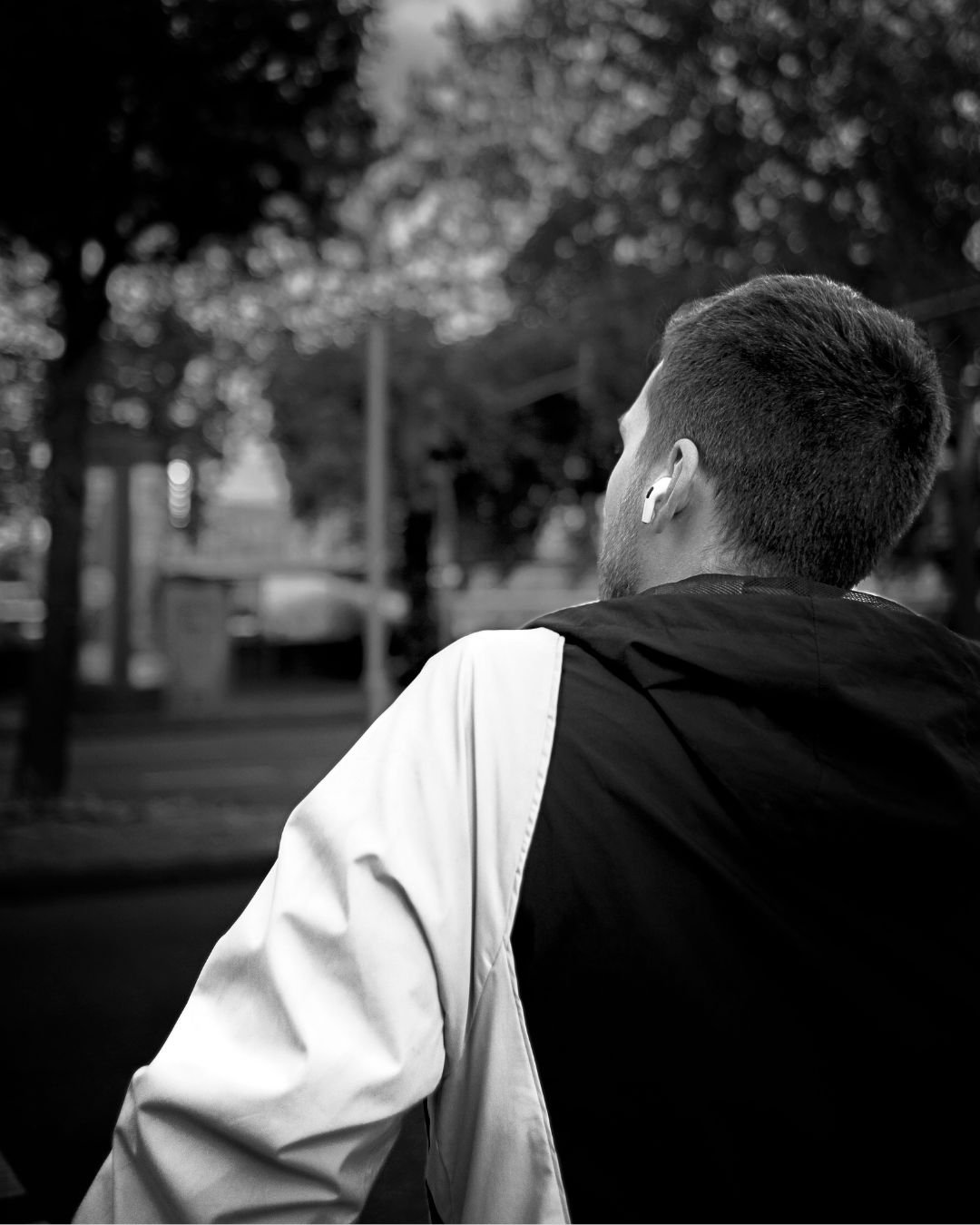
Loudly saying “I’m just turning the corner now, see you in two minutes!” into a dead phone makes creeps evaporate. It’s one of the most useful tricks in the city, and it only works if you’ve already got an earbud in.
Which brings us to the number one rule for walking downtown: do not stroll around with big, over-ear noise-canceling headphones on full blast. You need your situational awareness intact to hear an e-bike zooming up behind you, a delivery rider yelling “on your left,” or the general mood on the street shifting half a block ahead.
The local move is AirPods on “Transparency Mode,” or just one earbud in with no music playing at all. You look unavailable to street hustlers, you can still hear everything around you, and if someone starts trying a little too hard to get your attention, you can immediately launch into that fake phone call.
7. Walk With Purpose (And Watch Out For Fake Monks & QR Codes)
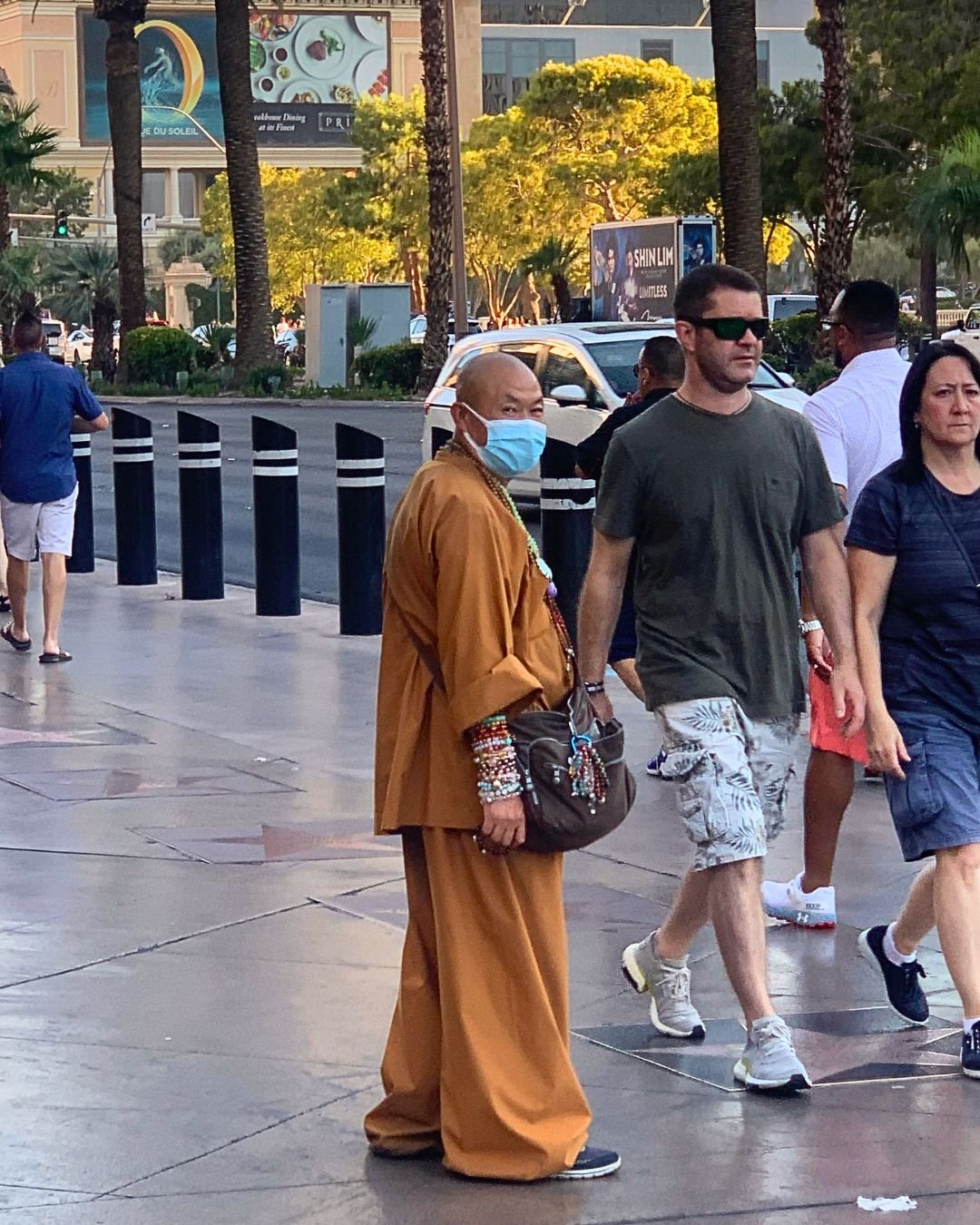
The mixtape guy on Michigan Avenue will hand you a CD like a gift, sign it with your name, and then aggressively demand $20 with three of his friends suddenly standing behind you. The “buddhist monk” in Millennium Park will slip a cheap beaded bracelet onto your wrist and demand a cash donation. And the newest hustle? Teens with clipboards claiming to raise money for “youth basketball” or a “local charity” who ask you to tap your phone, scan a QR code, or open Venmo/Zelle—only to grab your unlocked phone or type $500 instead of $5 while holding it.
All of these scams work the exact same way: they rely on Midwestern politeness. They need you to stop walking.
So don’t. Chicagoans are genuinely warm people and will happily point you toward the Bean, but we also have street smarts. Keep your hands in your pockets when passing street hustlers so nobody can slap a bracelet or CD into your palm. Walk like you’re late for a meeting—head up, shoulders back, moving fast. A firm “No, thank you” without breaking stride is all the defense you need, and it’s not rude. It’s just how the sidewalk works here.
8. Respect The Lake (And Its Concrete Ledges)
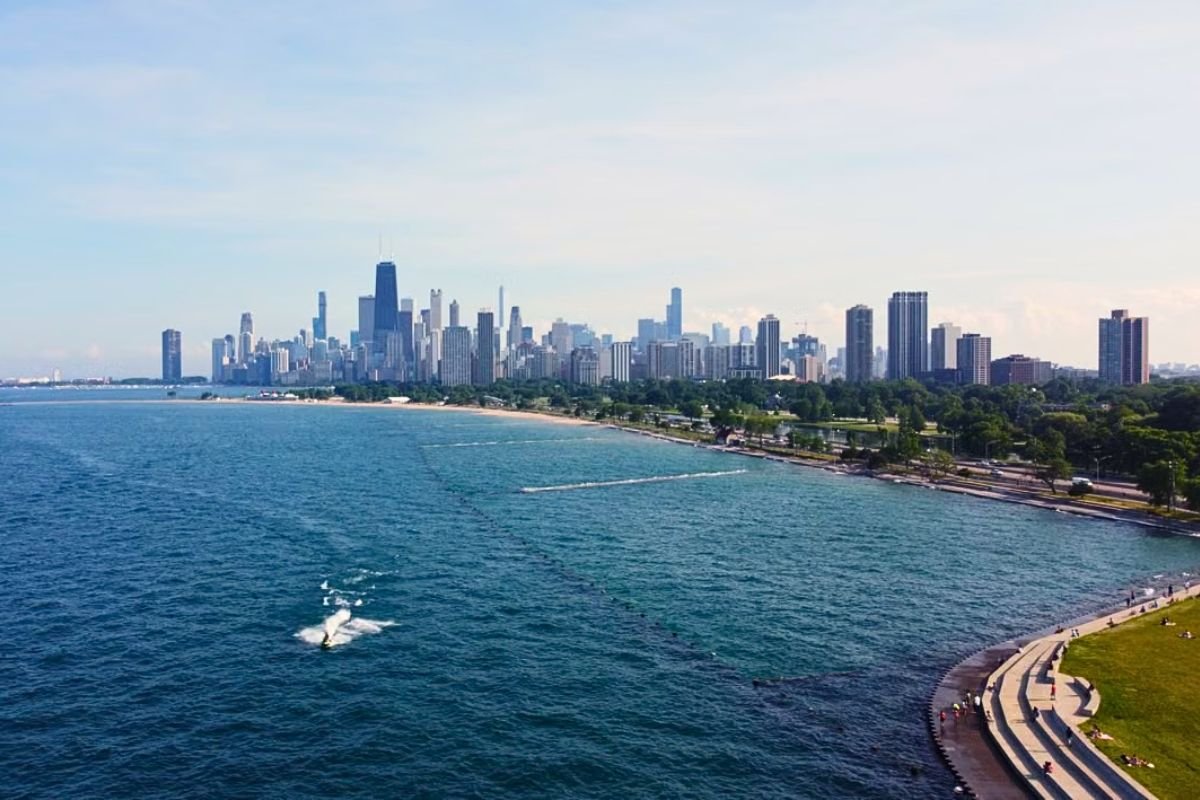
Lake Michigan drowns dozens of people every year—more than any other Great Lake—and its rip currents and sudden drop-offs catch swimmers off guard every summer. It looks like a calm blue pool from the top of the Hancock (officially 875 N. Michigan Ave / 360 CHICAGO). In reality, it is a 22,000-square-mile inland sea with waves that can top 15 feet during storms.
The 18-mile Lakefront Trail is our front yard, and we love it, but do not go down to the water alone late at night, and never after drinking. Much of Chicago’s shoreline isn’t sand; it’s lined with tiered concrete revetments and deep-water breakwalls covered in slick green algae. Slipping off that wet concrete into dark, deep, choppy water with no ladder nearby is how tragic stories happen every single year.
One more lake fact, this one helpful: in Chicago, the Lake is always East. Get turned around coming out of a subway station anywhere in the city and all you have to do is spot the water (or know which way it is). Once you know where the Lake is, you have an instant compass.
9. Master The “Penguin Walk” (And Look Up)

Between December and March, the sidewalk itself is the safety hazard. Forget muggers; the thing most likely to put you in a Northwestern Memorial ER is a patch of black ice outside a Walgreens.
Start with the coat. It needs to go past your hips and cover your bum, because the wind whipping off Lake Michigan cuts straight through denim like it isn’t there. Then, when the pavement ices over, adopt the “Penguin Walk”: keep your hands out of your pockets for balance, put your center of gravity directly over your front leg, and take short, flat-footed steps.
Also: keep an eye out for “Falling Ice” signs on the sidewalk. When the sun comes out after a snowstorm, sheets of ice detach from 80-story skyscrapers and plummet toward the pavement. If part of a block is roped off with yellow tape in January, cross the street. Looking silly doing the penguin shuffle beats a broken wrist every time, and it’s part of the unspoken code of a Chicago winter.
10. Ditch The Convention Lanyard
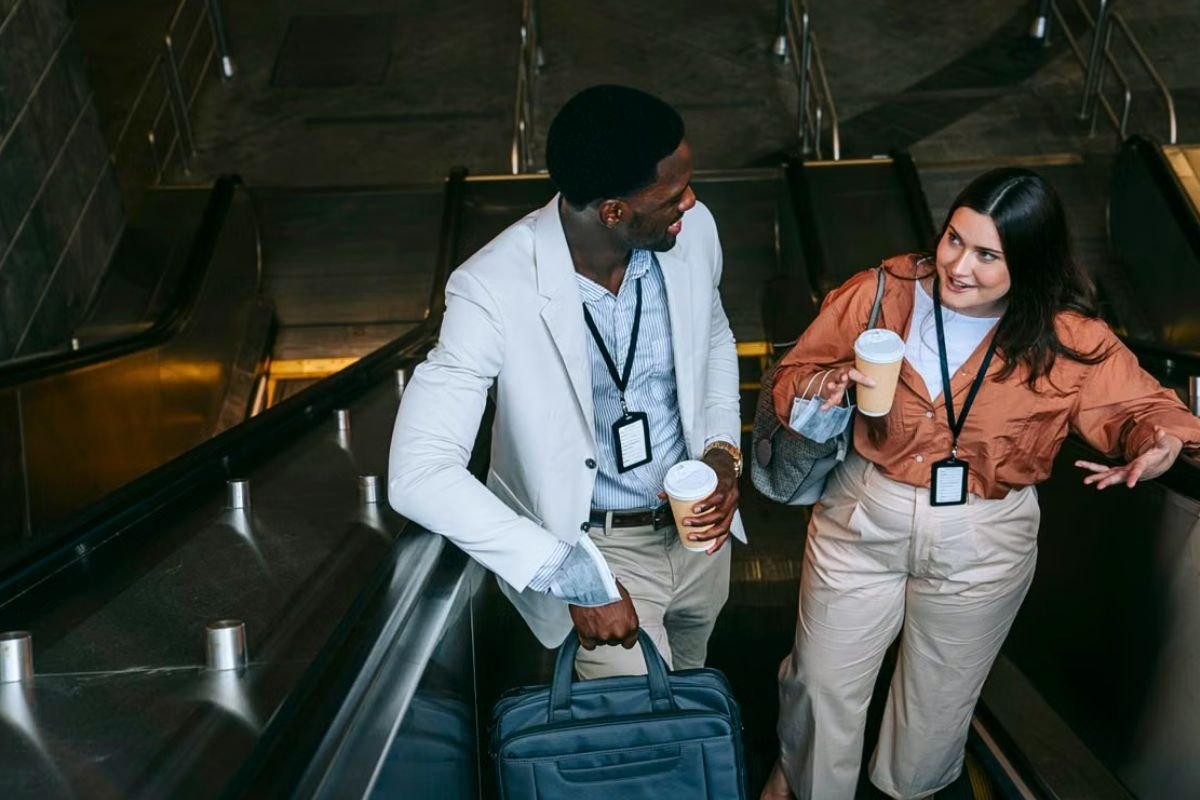
That badge around your neck might as well read “I have a corporate expense card, I’m carrying a work laptop, and I don’t know where I am.” Scammers and pickpockets can spot it from across a steakhouse.
Chicago is one of the biggest convention capitals in the world, and McCormick Place—the largest convention center in North America—pulls in massive crowds that fill hotels from the South Loop to River North. Which means plenty of opportunistic thieves make a living working those exact crowds during big trade shows.
The fix takes two seconds. Take the lanyard off the moment you step off the convention floor, drop the badge in your pocket or bag, and blend in with the locals heading to dinner.
11. The Pedway Is For Daytime Only
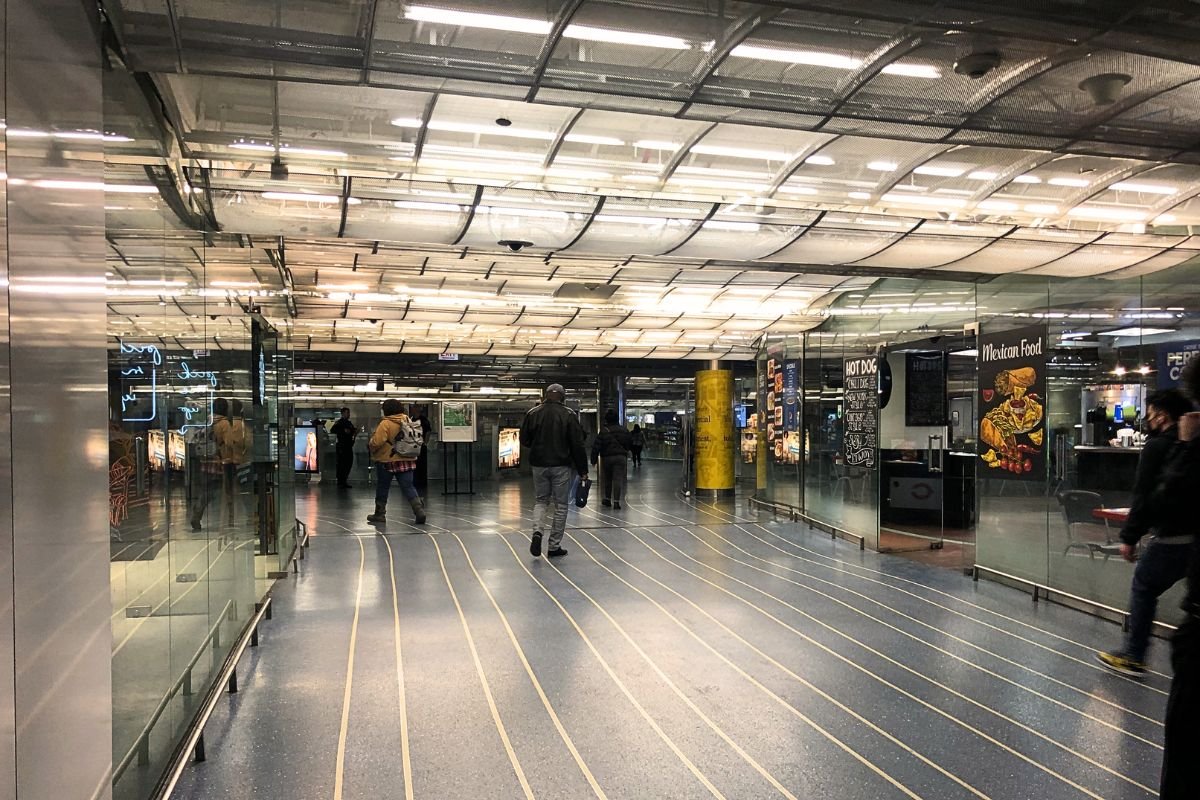
There is a roughly five-mile network of underground tunnels and overhead bridges connecting more than 50 buildings under the Loop. It lets you cross downtown in January in a sweater without ever feeling the sub-zero wind. At Noon in February, the Pedway is the greatest thing about the city. At 6:30 PM, it’s a different place entirely.
The Pedway works because of office workers. Tens of thousands of commuters flow through it between Metra/CTA stations, City Hall, Macy’s, and underground food courts all day long. After 5:00 PM on weekdays—and all weekend long—stay out of it.
Once the 9-to-5 crowd goes home, the underground coffee shops roll down their shutters, the foot traffic vanishes, and many building connections lock their doors. What’s left is an empty, poorly marked maze of subterranean corridors where it is incredibly easy to get cornered or turned around. After work hours, stick to street level where there are streetlights and people.
12. Know Your 24/7 Train Lines (Blue vs. Red)
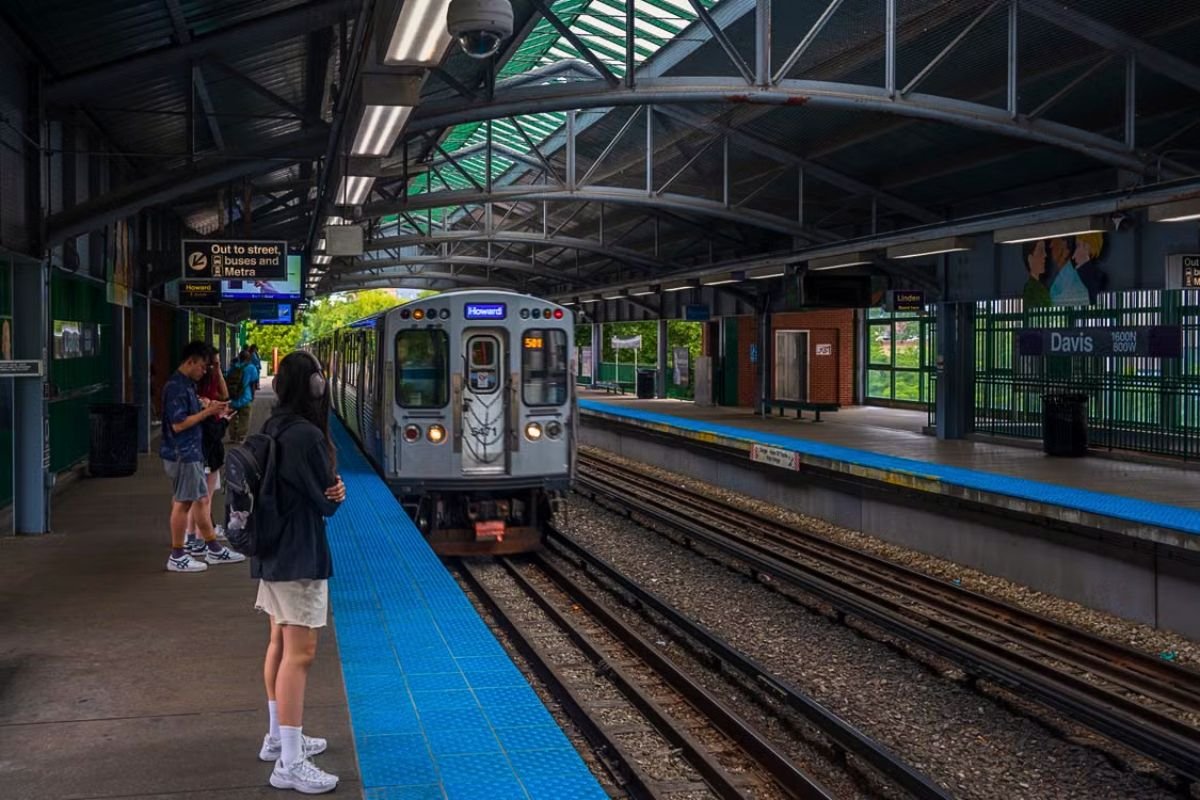
Chicago is one of the very few cities on earth with 24-hour rapid transit. Specifically, both the Red Line and the Blue Line run 24 hours a day, seven days a week—and that single fact explains most of their late-night reputation. Any train that never stops running will eventually carry everyone, especially in the dead of winter.
Visitors rely heavily on both. The Blue Line connects O’Hare Airport to Wicker Park and downtown; during the day, it’s packed with commuters and travelers wrangling suitcases, which keeps it pretty tame. The Red Line is the city’s main artery, running North/South straight past Wrigley Field (Addison) and Rate Field (Sox-35th). It moves the most people and gets much rowdier late at night or in the hour after a ballgame lets out.
Keep your wits about you on both lines, especially off-peak. Don’t stare at or engage with erratic passengers, and if the mood in your particular car feels off, simply step out onto the platform at the next stop and walk one car forward. No drama, no eye contact, just a quiet relocation. Locals do it without thinking.
13. Avoid Lower Wacker Drive (Unless You’re Batman)
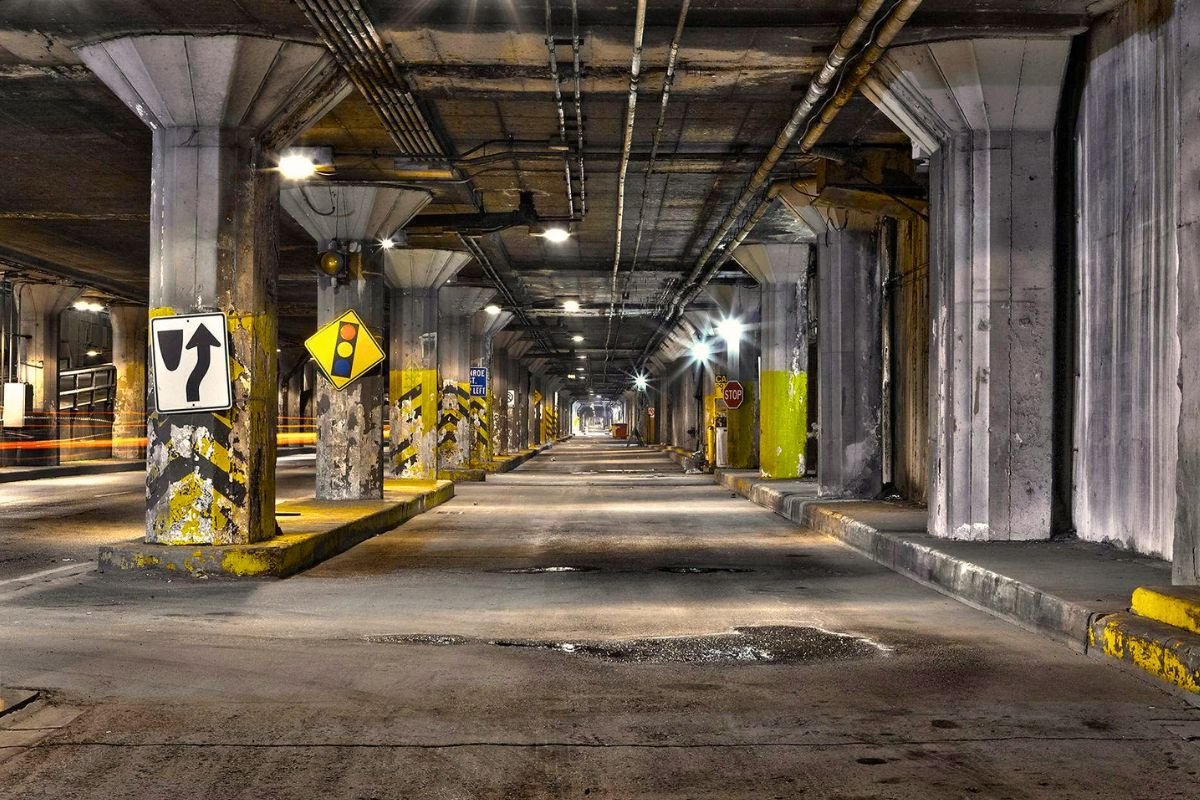
Chicago’s downtown streets are famous for being stacked on multiple levels—sometimes three tiers deep. Upper Wacker Drive is a gorgeous, postcard-ready boulevard curving along the Chicago River. Lower Wacker Drive, directly beneath it, is a subterranean concrete abyss where GPS signals go to die.
There’s a reason Christopher Nolan filmed the Batmobile chase scenes in The Dark Knight down there. It’s dark, loud, filled with concrete pillars, and used by service trucks, tow drivers, and locals who have memorized its blind merges. If you walk down a staircase or drive a rental car onto Lower Wacker by mistake, your Google Maps will immediately lose satellite connection and spin in circles.
Never walk down onto Lower Wacker or Lower Michigan Avenue on foot—there’s nothing down there for pedestrians except exhaust fumes, loading docks, and dark corners. And if you’re driving, stay on the upper deck.
14. Do The “Uber Check” And Beware Of Fake Black Cars
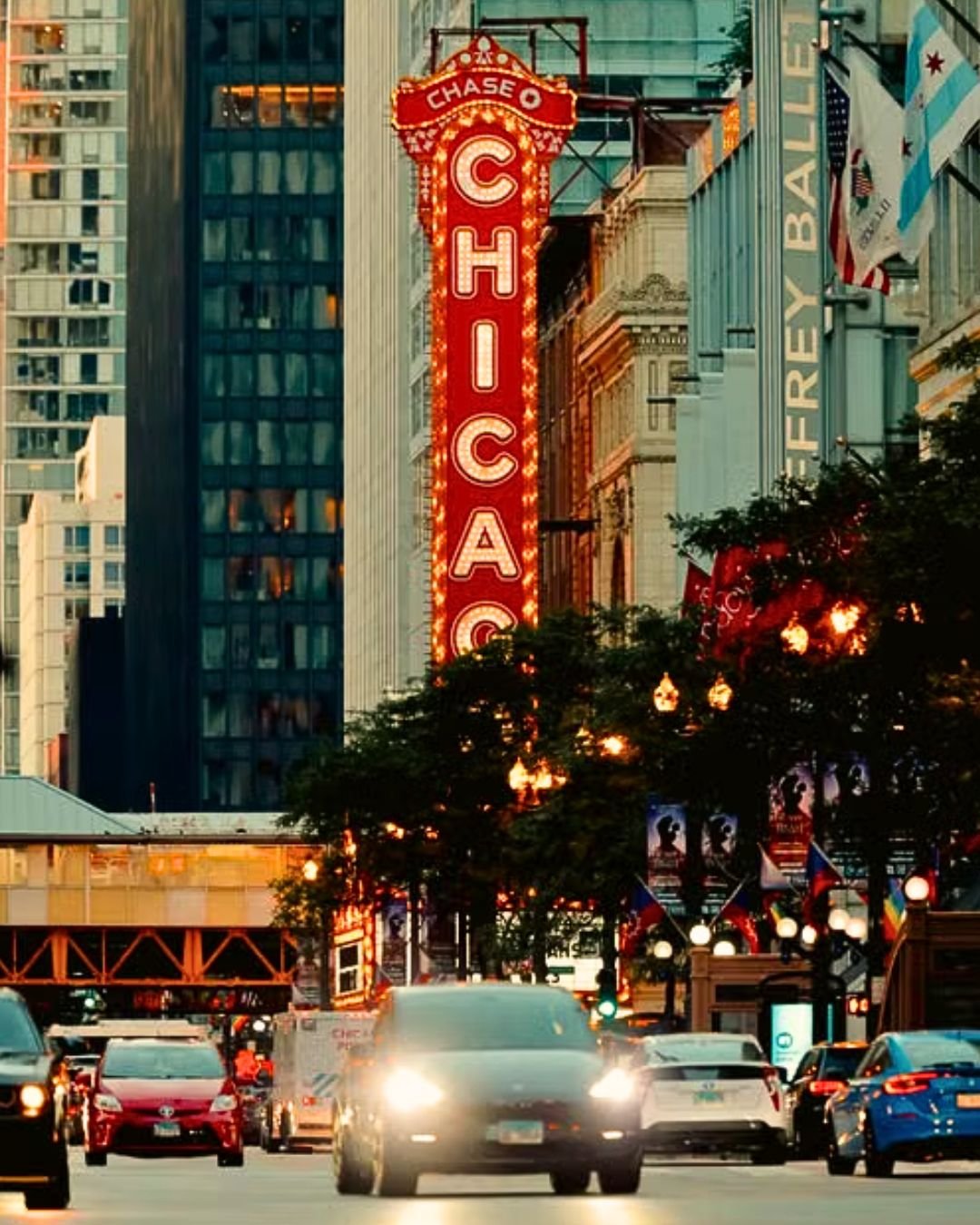
Walk out of a concert at Soldier Field, the United Center, or a club in River North at 1:00 AM, and you’ll see a line of sleek black SUVs idling at the curb. A driver will roll down the window and ask, “Need an Uber?” Never get in that car.
Unlicensed “gypsy cabs” and rideshare scammers prey on tired, freezing, or tipsy tourists outside major venues and at O’Hare baggage claim. They’ll promise a flat rate, or claim they can run your card through a square reader, and end up charging you $250 for a three-mile ride—or worse, putting you in an untracked vehicle with no insurance.
Only take rides you booked inside the official Uber, Lyft, or Curb (official Chicago taxi) apps. Even then, always do the local three-step check before pulling the door handle: check the license plate on the bumper, check the make and model, and make the driver tell you who they are picking up (“Who are you here for?”) before you get in.
15. Mind The Weekend “Curfew” Around Millennium Park
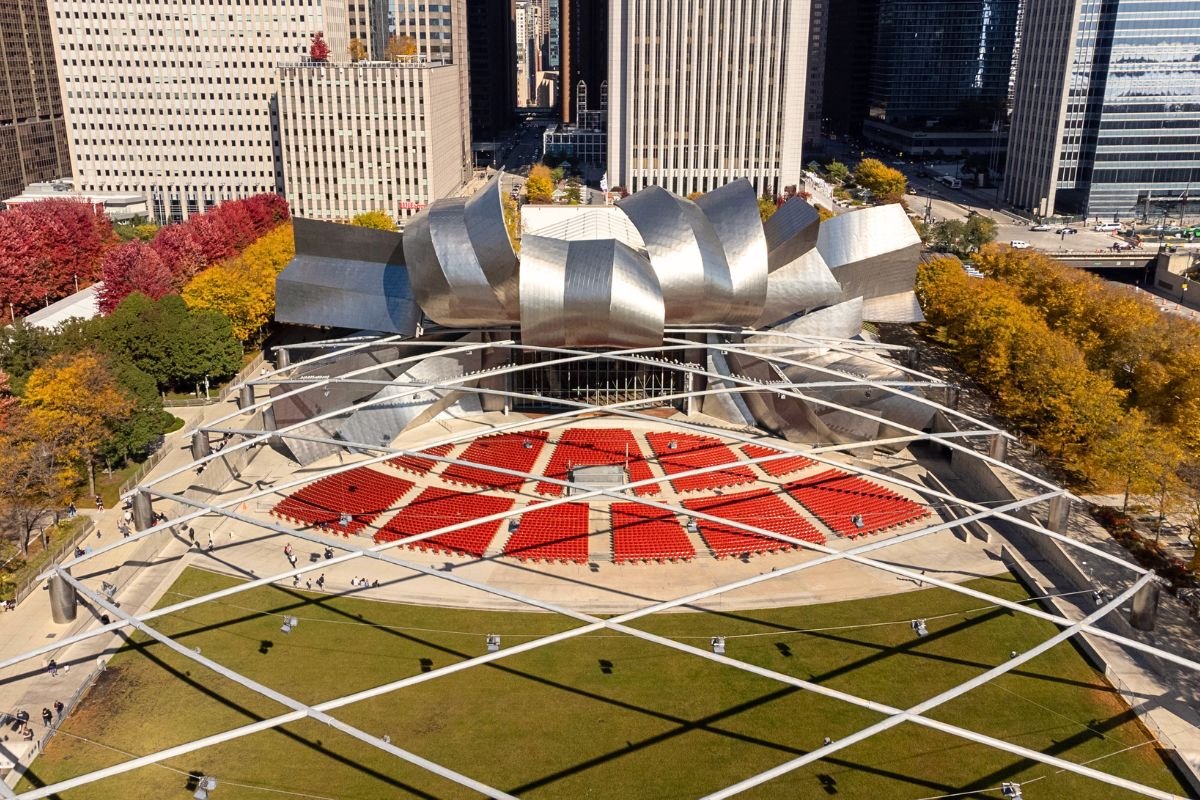
On the first unexpectedly warm 75-degree Friday or Saturday evening of spring and summer, downtown sometimes experiences what local news calls “teen trends” or large social-media-organized flash mobs of hundreds of teenagers congregating in the South Loop or around Millennium Park.
While mostly just loud and chaotic, these massive crowds can turn rowdy fast, leading to street closures and a heavy police presence. Because of this, the City of Chicago strictly enforces an unaccompanied minor policy at Millennium Park from Thursday through Sunday after 6:00 PM—anyone under 18 must be accompanied by an adult over 21, and security checks IDs and bags at the park entrances (and police now also carry “snap curfew” authority to clear out rowdy youth gatherings downtown within 30 minutes).
If you’re traveling with teenagers, keep your IDs handy for evening strolls by the Bean. And if you’re walking downtown on a warm summer night and suddenly see dozens of teenagers sprinting in one direction or a wall of blue police lights forming on Michigan Avenue, don’t stop to film it for TikTok. Duck into a hotel lobby, grab a drink, or walk two blocks west until the crowd clears.
16. Treat The Lakefront Bike Path Like A Two-Way Highway
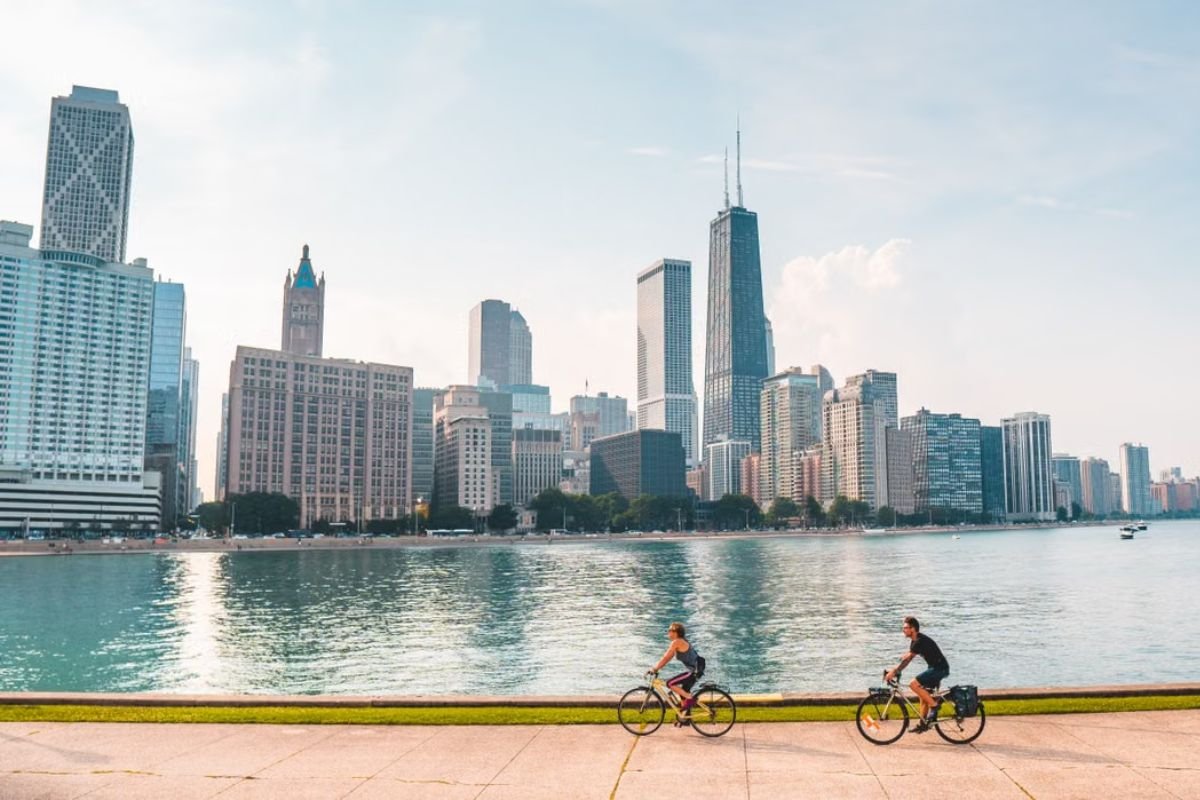
Ask a Chicago paramedic what actually sends tourists to the hospital in July, and right behind dehydration is getting leveled by a guy in full Tour de France spandex going 25 MPH on a carbon-fiber road bike.
Years ago, Chicago split the 18-mile Lakefront Trail into two completely separate paths: one paved path strictly for pedestrians/runners (marked with walking icons), and another strictly for cyclists, e-bikes, and scooters (marked with bike icons). Yet every single weekend, tourists wander directly into the bike lanes near Navy Pier and North Avenue Beach, stop dead in the middle of the asphalt, and back up to take a skyline selfie.
Look down at the pavement markings before you walk. Treat the green-and-yellow striped bike trail exactly like an active street: look both ways before crossing it, never walk four-abreast across it, and if you rent a Divvy bike yourself, stay to the right and pass on the left.
17. Know The “Late-Night Ghost Town” Effect In The Loop
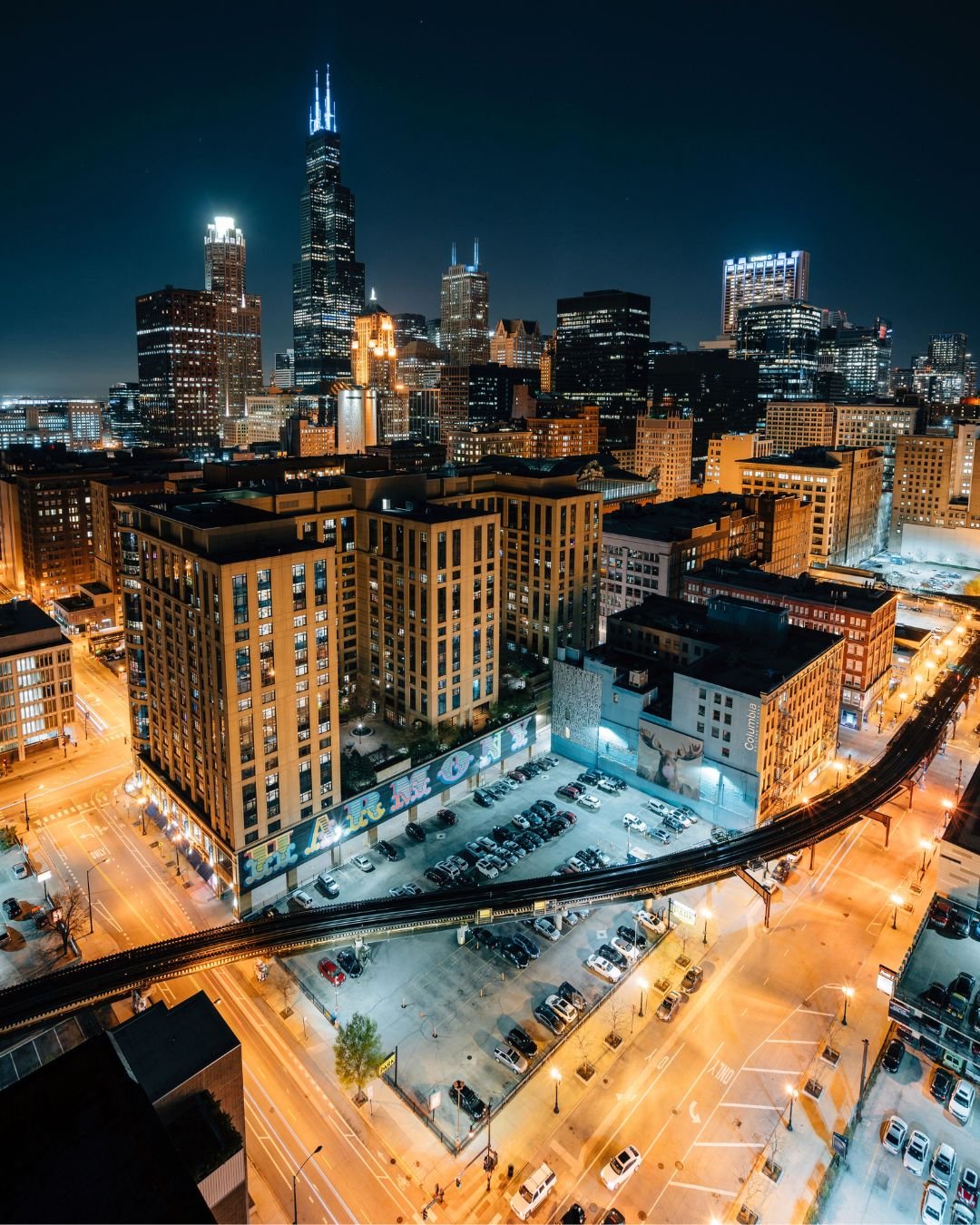
First-time visitors often book hotels right in the heart of the central business district (The Loop—roughly the box inside the elevated train tracks south of the river) assuming that “Downtown” means 24/7 bustling nightlife like Times Square. Then they walk outside their hotel on a Sunday at 9:30 PM and realize they are the only person on the block.
Outside of the Theater District and Michigan Avenue, the central Loop is predominantly a financial and government district. Once the markets close and the office workers catch the Metra home, whole stretches of LaSalle, Monroe, and Adams streets roll up the sidewalks and go eerily quiet.
Is it dangerous? Not particularly, as it’s heavily monitored by cameras and building security. Does it feel desolate and sketchy when you’re walking four quiet blocks past dark bank buildings late at night? Definitely. If you want vibrant, well-lit streets packed with diners and bar-goers until midnight, spend your evenings just across the river in River North, West Loop (Fulton Market), Lincoln Park, or Wicker Park—and when heading back to a Loop hotel late at night, stick to brightly lit State Street or Michigan Avenue rather than cutting through empty financial canyons or alleys.
The Bottom Line: Trust Your Gut
Every rule on this list boils down to the exact same thing: pay attention. Head up, phone gripped tight, moving with purpose. Do that and you’ve already sidestepped 99% of what actually goes wrong for visitors here.
Chicago is a world-class city, and it deserves to be experienced. Don’t let sensationalized headlines keep you from the Michelin-starred food, the best architecture on the planet, and the greatest urban lakefront in the country. The mistakes that genuinely ruin trips here are almost never about safety.
Now, we want to hear from the locals.
What is your number one safety tip for visitors coming to Chicago? Is there a rookie mistake you constantly watch tourists make on the L or along the Lakefront?
Drop your tips in the comments below to help out our visitors.
JM
AK

Do not count your money in public especially on the train!
A lot of good advice in these tips on how to be safe in Chicago. But it’s sad that everybody has to keep all these things in mind when visiting this really special city. Both of my parents were born in Chicago as was I and I remember them telling me of all the things they were able to do in the city without having to worry about crime like there is today. Altho we left when I was little I clearly remember being in the city at all hours and my parents never expressing any fear. One of the best times I had was smelt fishing with my dad and grandfather on the rocks surrounding Lk Michigan at night. Years later my aunt, also a Chicagoian, was driving in broad daylight, stopped for a red light, somebody smashed the passenger side window and grabbed her purse. Sad crime was escalating in the ’80’s. Chicago has always been my favorite city….smaller than NYC but laid out so much better and easier to get around. So many great memories.