
Tourists always look up at the skyscrapers.
They completely ignore what is hiding inside them.
Chicago is a city obsessed with architectural preservation.
We don’t just tear down old buildings.
We turn them into massive, breathtaking public sanctuaries.
If you want to experience pure, unadulterated luxury without spending a dime, skip the observation decks.
Head to the libraries.
We aren’t talking about your average neighborhood book drop.
We are talking about soaring glass domes, 19th-century marble staircases, and restored bank vaults.
Here are the first three incredibly beautiful Chicago libraries that you can walk right into for absolutely free.
1. Harold Washington Library Center (The Loop)
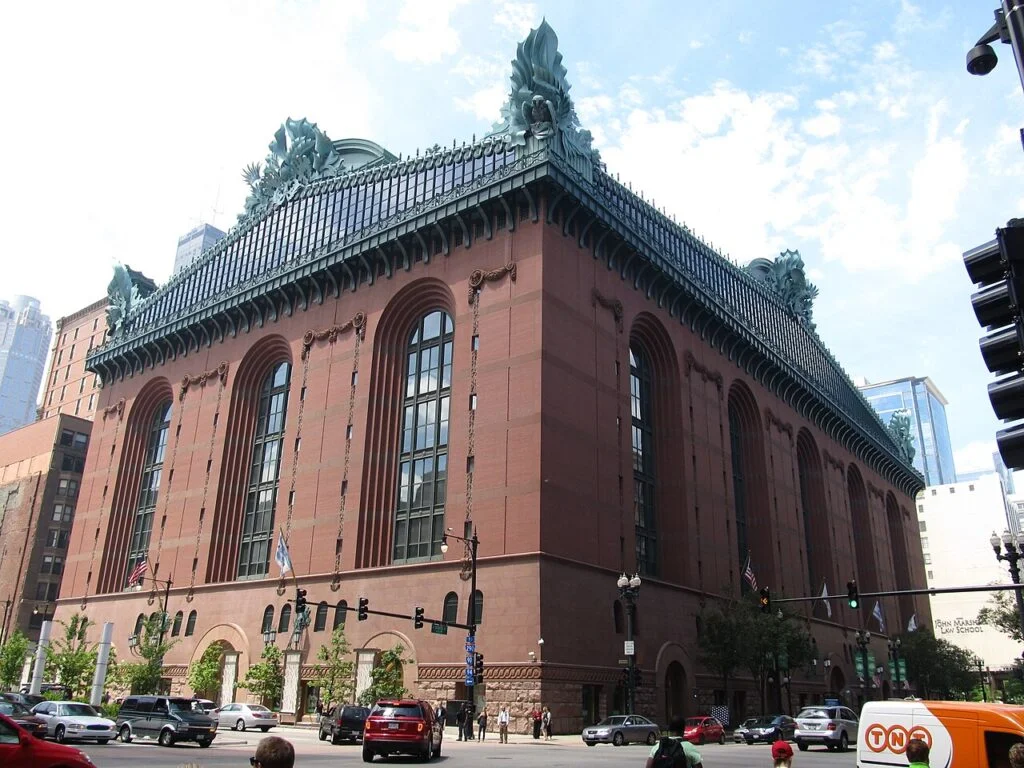
The Harold Washington Library Center is an absolute behemoth.
It takes up an entire city block on State Street.
From the street, the massive red-brick fortress looks incredibly intimidating.
But the real magic is hiding exactly 90 feet in the air.
Take the elevators all the way up to the 9th floor.
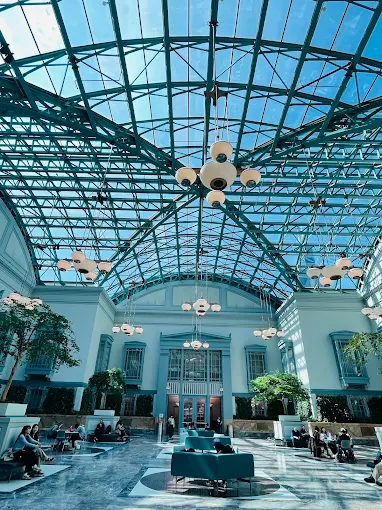
Step off the elevator and the heavy brick aesthetic instantly vanishes.
You are standing in the Winter Garden.
It is a staggering, 52-foot-tall glass dome that floods the room with natural light.
The floors are pristine terrazzo marble.
Olive trees are planted directly into the floor.
If you ask locals on downtown community boards, they will tell you this is the ultimate sanctuary.
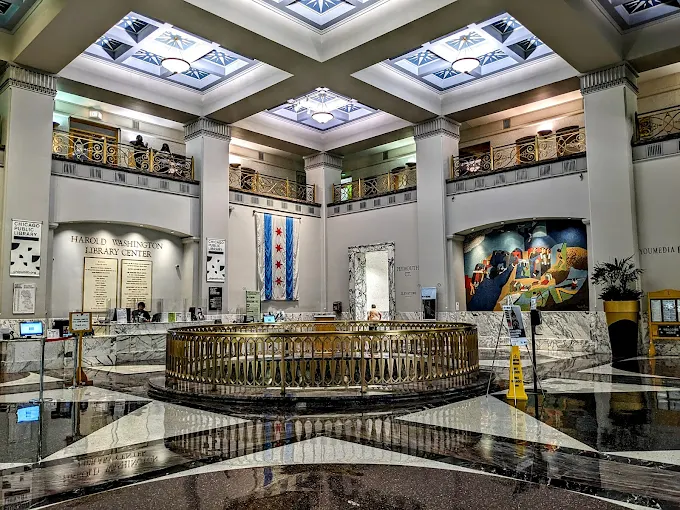
It is completely silent.
You can sit at the wooden tables for hours, completely separated from the L trains screaming outside.
It is easily one of the best places in Chicago to escape the city without ever leaving it
Exact Address: 400 S State St, Chicago, IL 60605
Cost: Free
Access: Open daily. Mon-Thu 9am-8pm, Fri-Sat 9am-5pm, Sun 1pm-5pm.
Local Pro-Tip: Do not take the stairs. The building is massive and the escalators are slow. Take the express elevators directly to the 9th floor to save yourself 15 minutes of walking.
2. The Newberry Library (Gold Coast)
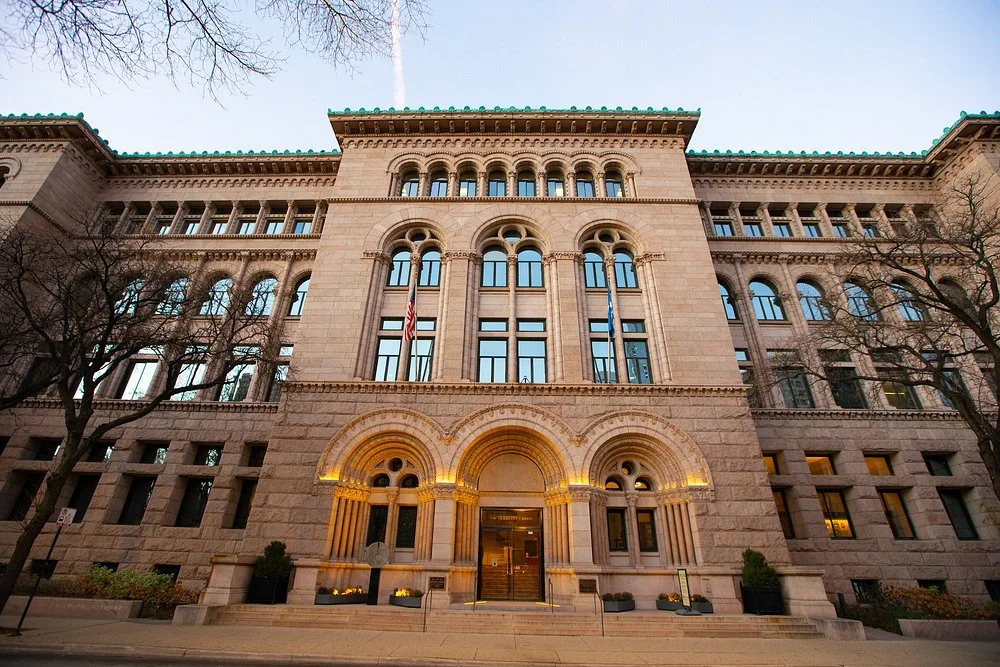
The Gold Coast is famous for old money and historic mansions.
The Newberry Library fits right in.
Founded in 1887, this is an independent research library.
It sits right across from Washington Square Park.
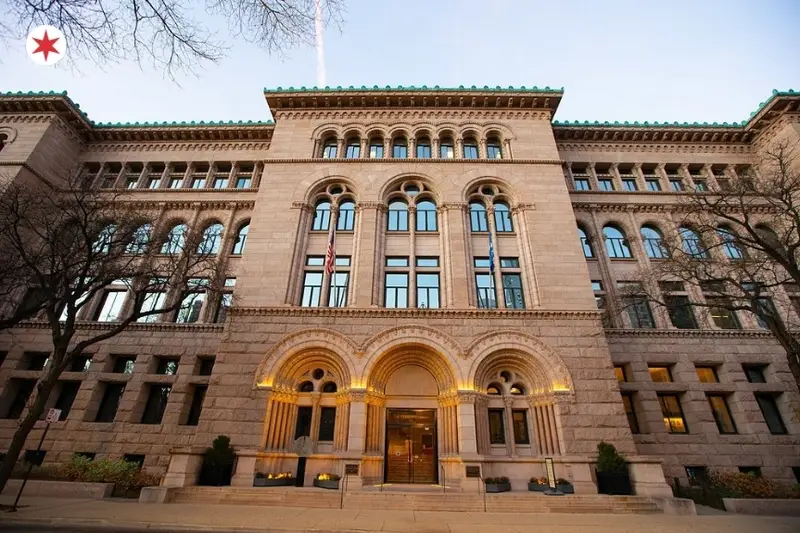
The exterior is a massive, pinkish-granite Romanesque fortress.
Walk through the heavy wooden doors and you are instantly transported to the 19th century.
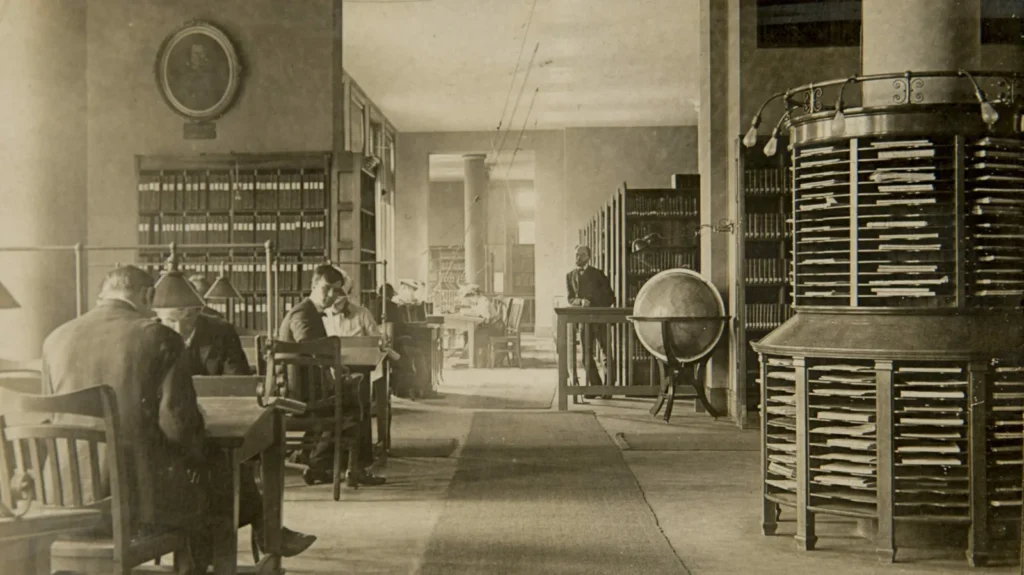
The smell of old paper and polished mahogany hits you immediately.
You will find sweeping marble staircases and ornate, hand-painted ceilings.
Check the local neighborhood forums, and residents constantly recommend this over the crowded downtown museums.
It feels exactly like stepping into a secret European university.
Anyone can walk in, view the rotating historical exhibits, and sit in the reading rooms.
You just have to register for a free reader’s card at the front desk.
This is hands down one of the best free and cheap things to do in Chicago
Exact Address: 60 W Walton St, Chicago, IL 60610
Cost: Free
Access: Open Tue-Sat 10am-4pm. Closed Sun-Mon.
Local Pro-Tip: You cannot bring bags or pens into the reading rooms. They provide free secure lockers on the first floor to stash your gear before you head upstairs.
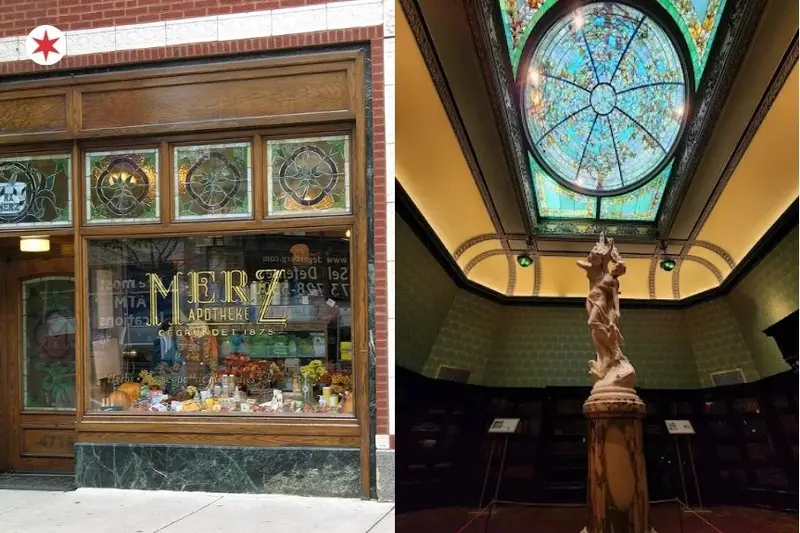
3. Stony Island Arts Bank (South Shore)
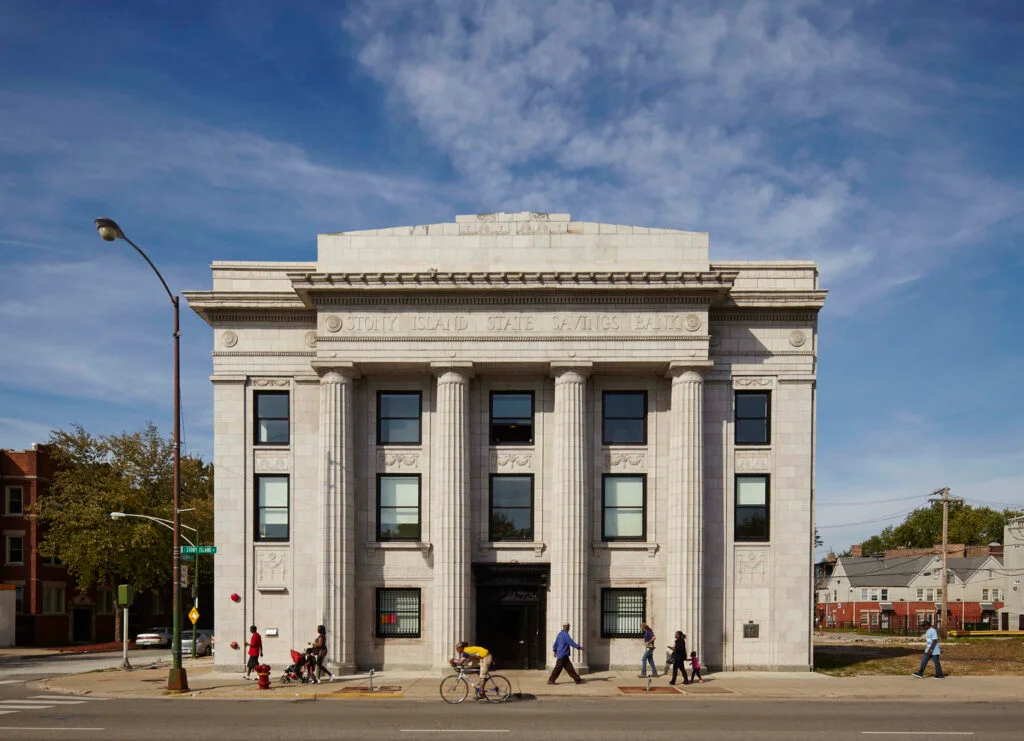
We are heading down to the South Shore.
This is not a traditional library.
It is a masterclass in architectural salvage and cultural preservation.
Built in 1923, this structure was a bustling neighborhood savings bank.
By the 1980s, it was completely abandoned.
It sat rotting for decades, filled with standing water and peeling plaster.
Then, local artist Theaster Gates bought the ruined building from the city for exactly one dollar.
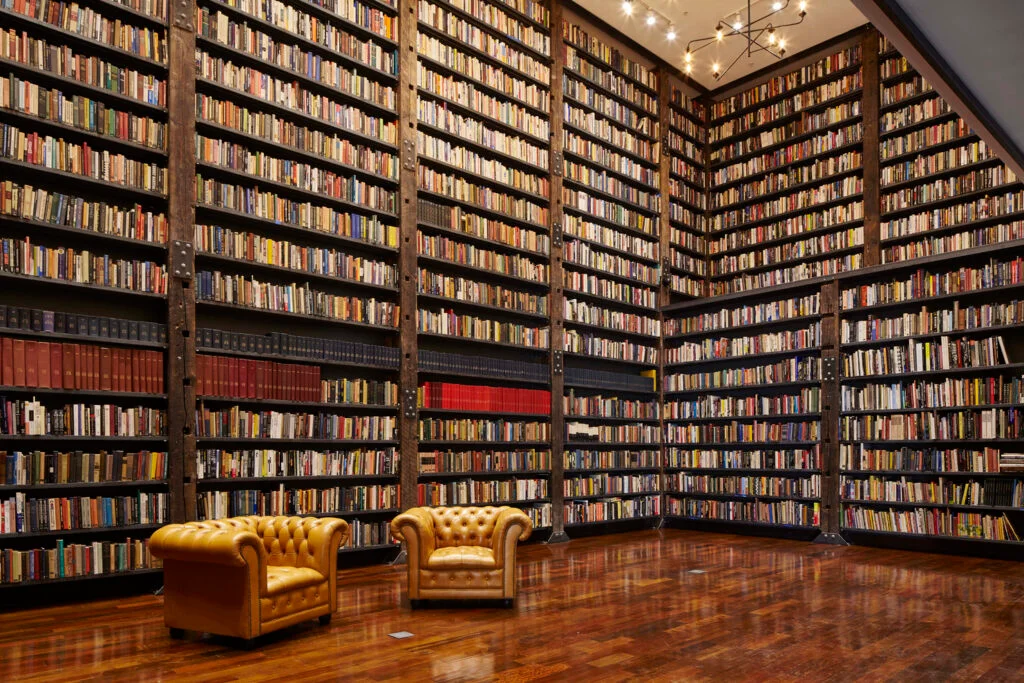
He transformed it into a world-class gallery and archival library.
Walk inside the main hall and look up.
The original arched bank ceiling is still there.
It was intentionally left with its chipped, distressed paint.
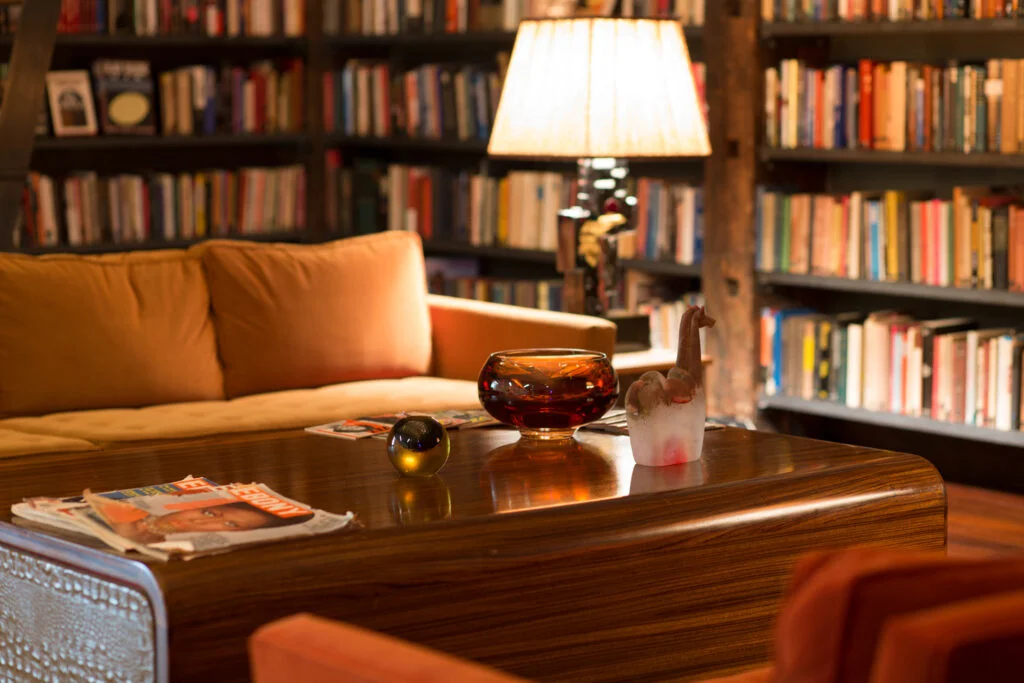
It perfectly contrasts with the massive, floor-to-ceiling wooden bookshelves.
This library holds the personal vinyl collection of Frankie Knuckles, the godfather of house music.
It also houses the entire book archive of the Johnson Publishing Company.
South Side locals fiercely protect this space.
It is a living monument to Black history and neighborhood resilience.
It is easily one of the most incredible Chicago hidden gems you will ever step foot in.
Exact Address: 6760 S Stony Island Ave, Chicago, IL 60649
Cost: Free
Access: Open to the public during specific exhibition hours. Check their website before visiting as hours fluctuate.
Local Pro-Tip: Ask the staff about the glass lantern slides. The library holds over 60,000 vintage slides of art and architectural history that you can actually view in person.
3. Poetry Foundation Library (River North)
River North is loud.
It is packed with tourists, traffic, and massive nightclubs.
But sitting quietly on Superior Street is a literal soundproof box.
The Poetry Foundation is one of the most stunning modern buildings in the city.
In 2002, a pharmaceutical heiress donated 200 million dollars to the magazine.
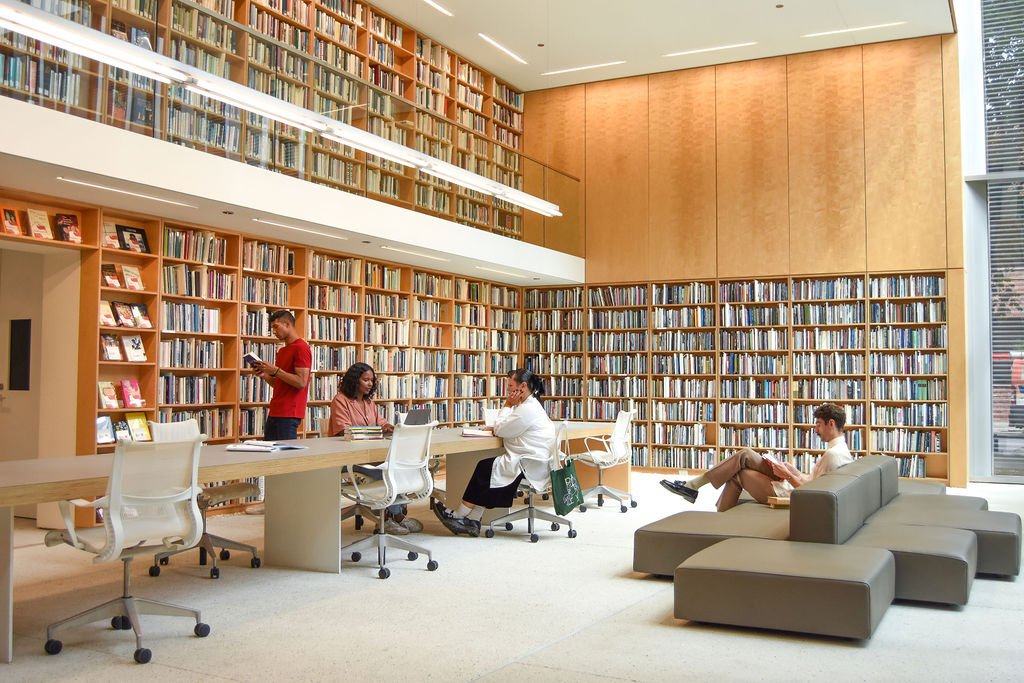
They used that money to build an architectural masterpiece.
You do not just walk through a front door.
You enter through a massive, perforated zinc wall.
It opens up into a serene, tree-lined courtyard.
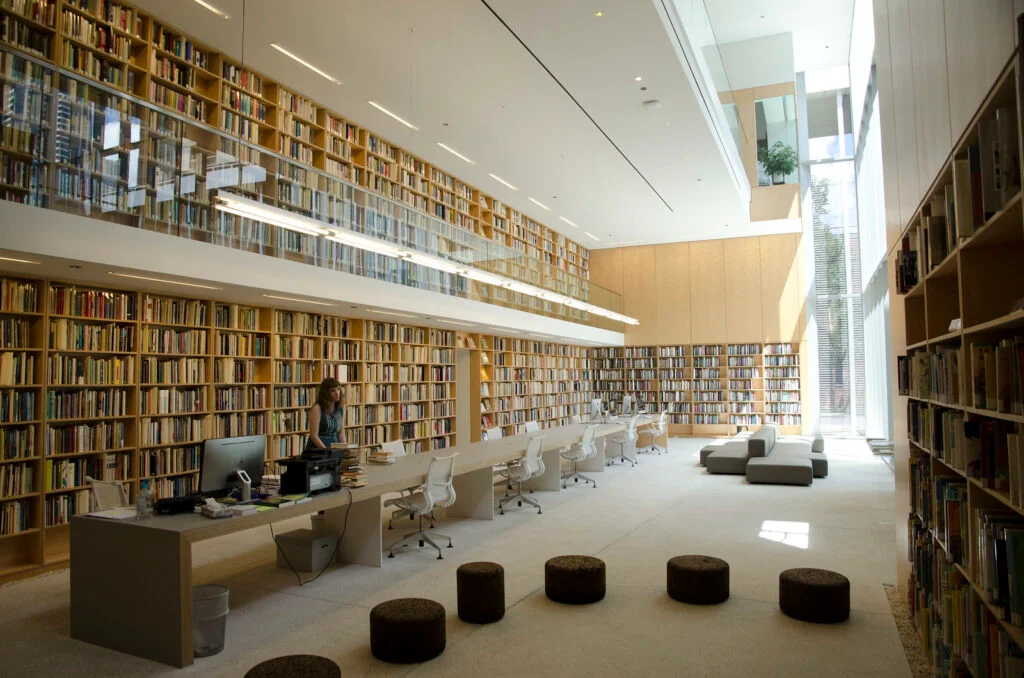
The library itself is a massive glass pavilion.
It holds over 30,000 volumes of poetry.
The wood paneling and natural light make it feel like a Scandinavian spa.
If you read the local architecture message boards, designers absolutely rave about this space.
They will tell you it is the quietest room in downtown Chicago.
It is easily one of the most photogenic places in Chicago
Exact Address: 61 W Superior St, Chicago, IL 60654
Cost: Free
Access: Open Wed-Fri 11am-4pm. Closed Sat-Tue.
Local Pro-Tip: Sit in the reading room and look out at the courtyard. The zinc wall was specifically designed to filter the harsh city light into soft, readable shadows.
4. Chinatown Public Library (Chinatown)
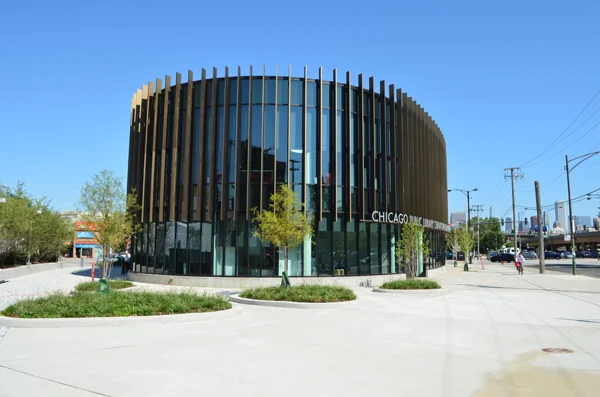
Most neighborhood libraries look like boring brick boxes.
The Chinatown branch looks like a glowing glass pebble.
It was designed by Skidmore, Owings & Merrill.
That is the exact same legendary firm that built the Willis Tower.
They built this two-story masterpiece in 2015.
It completely redefined what a public building could look like.
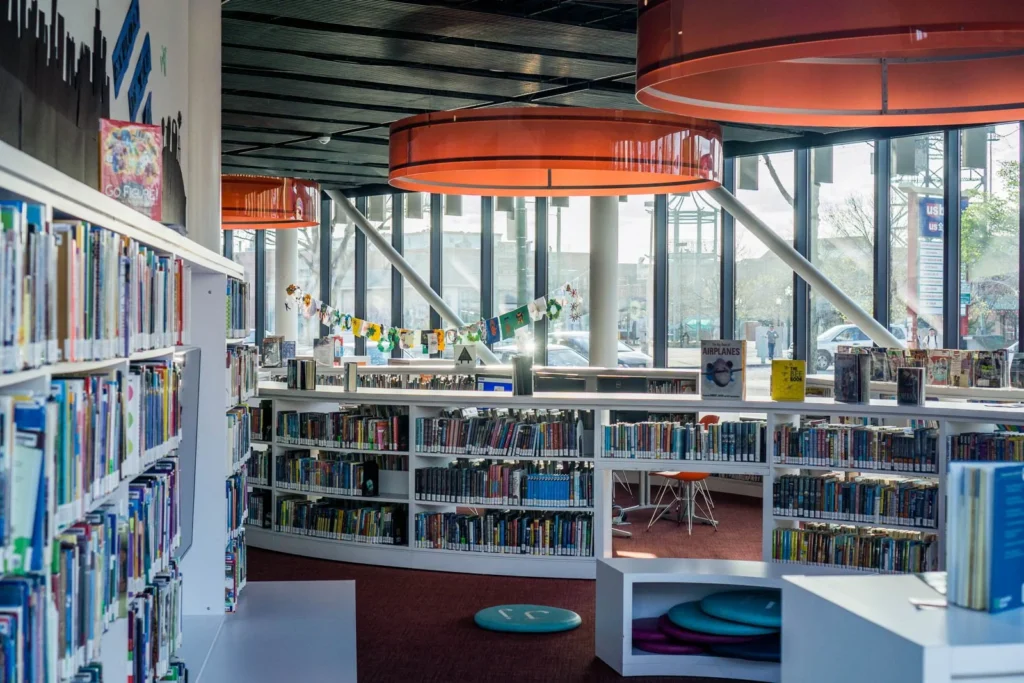
There are absolutely no sharp corners on the exterior.
The building curves softly to align with the ancient principles of Feng Shui.
Walk inside and look up.
The two-story central atrium is bathed in natural sunlight.
The massive solar-shading fins on the outside keep the reading rooms perfectly cool.
South Side locals constantly brag about this building on neighborhood forums.
They fiercely protect it as a community hub.
After you browse the shelves, you can step right outside to grab dim sum.
It makes Chinatown one of the best Chicago neighborhoods to explore.
Exact Address: 2100 S Wentworth Ave, Chicago, IL 60616
Cost: Free
Access: Open Mon-Thu 10am-6pm, Fri-Sat 9am-5pm, Sun 1pm-5pm.
Local Pro-Tip: Head up to the second floor. You get a stunning, unobstructed view of the downtown Chicago skyline perfectly framed by the curved glass windows.
5. Blackstone Memorial Library
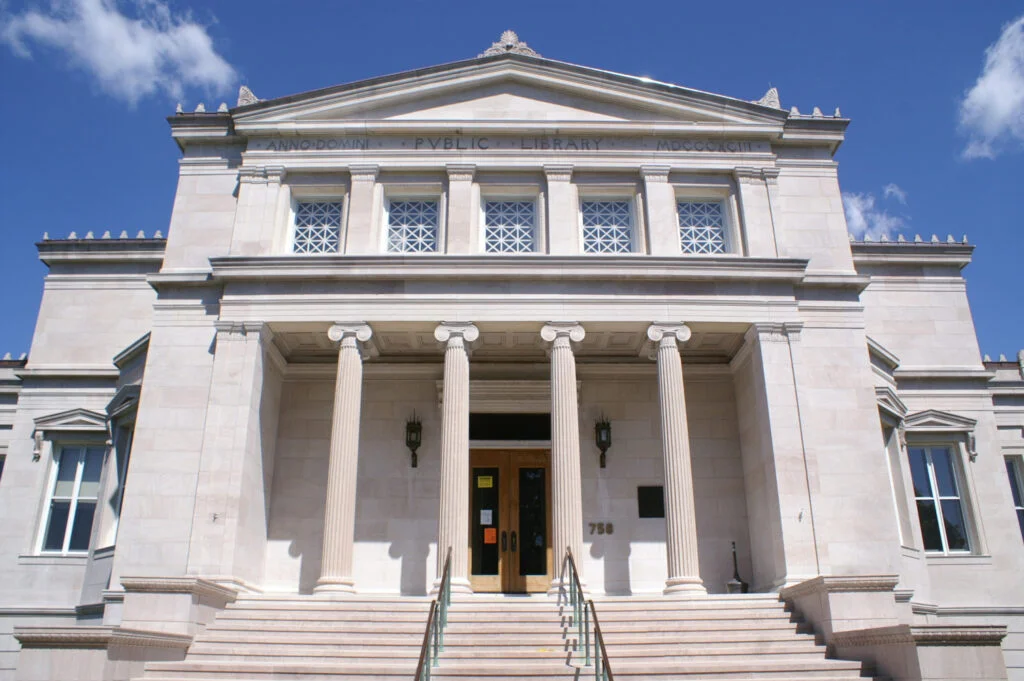
We are heading back in time.
The Blackstone Memorial Library looks like it belongs in ancient Greece.
It was built in 1904.
It has the prestigious title of being the very first branch of the Chicago Public Library system.
The architect literally modeled it after the Erechtheion temple in Athens.
You walk up massive granite steps.
You enter through gigantic, heavy bronze doors.
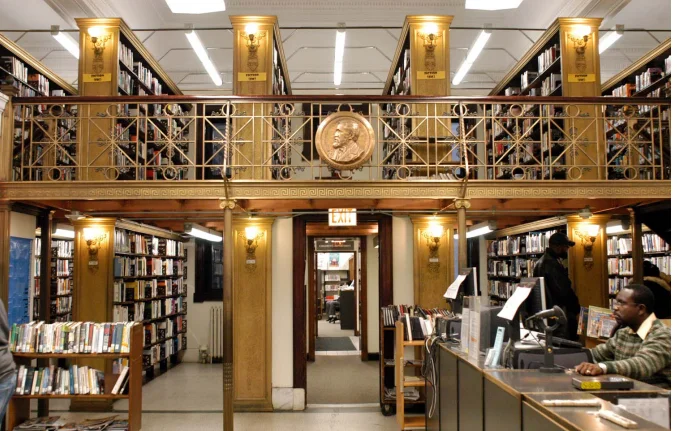
The interior will make your jaw drop.
You are standing inside a soaring marble rotunda.
Look straight up at the ceiling.
There is a massive, intricate stained-glass dome illuminating the room.
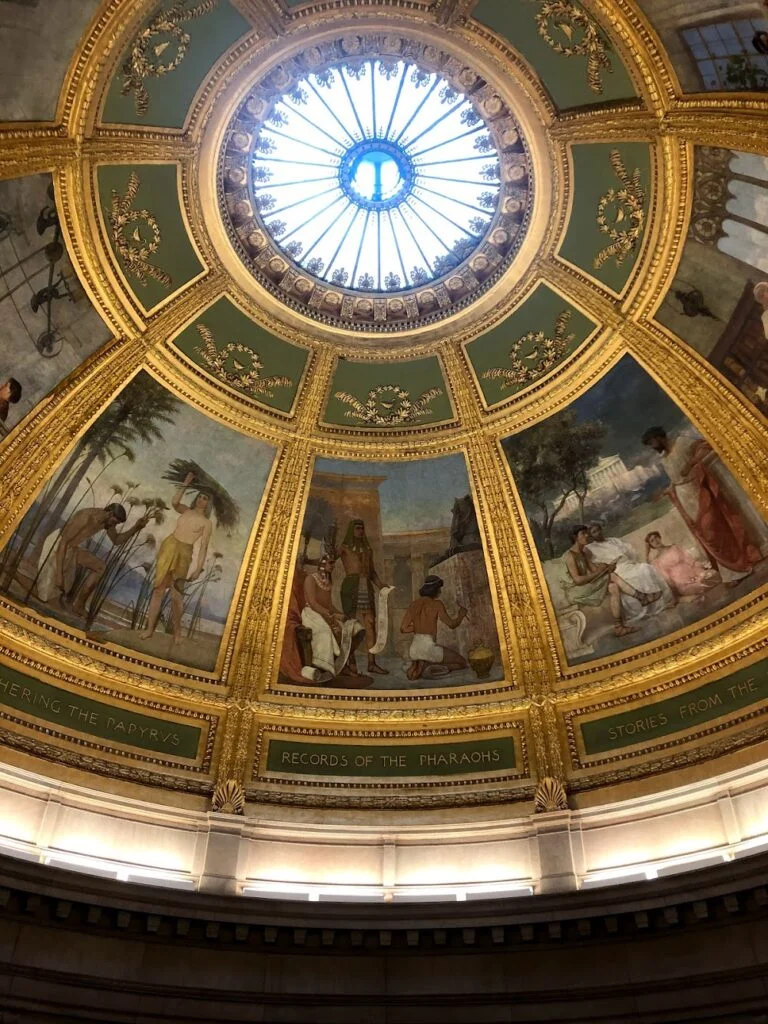
The dome is surrounded by four massive murals painted by a local 19th-century artist.
Hyde Park residents take immense pride in this building.
Talk to the locals, and they will tell you it feels like studying inside an art museum.
It is packed with the kind of hidden architectural details Chicago locals walk past every day but tourists never notice
Exact Address: 4904 S Lake Park Ave, Chicago, IL 60615
Cost: Free
Access: Open Mon-Thu 10am-6pm, Fri-Sat 9am-5pm, Sun 1pm-5pm.
Local Pro-Tip: Look closely at the bronze doors when you walk in. They weigh over a thousand pounds each and were cast in the exact same foundry that made the doors for the United States Capitol building.
6. Joe and Rika Mansueto Library (Hyde Park)
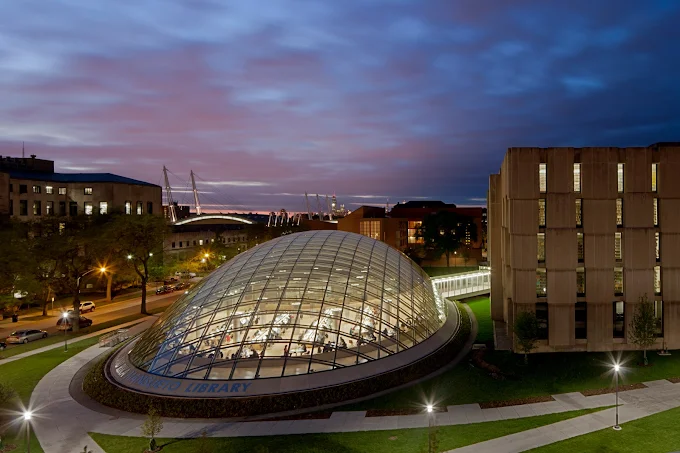
Hyde Park is home to the University of Chicago.
It is packed with ancient, ivy-covered Gothic architecture.
But sitting right in the middle of campus is a literal spaceship.
The Mansueto Library is a massive, elliptical glass dome.
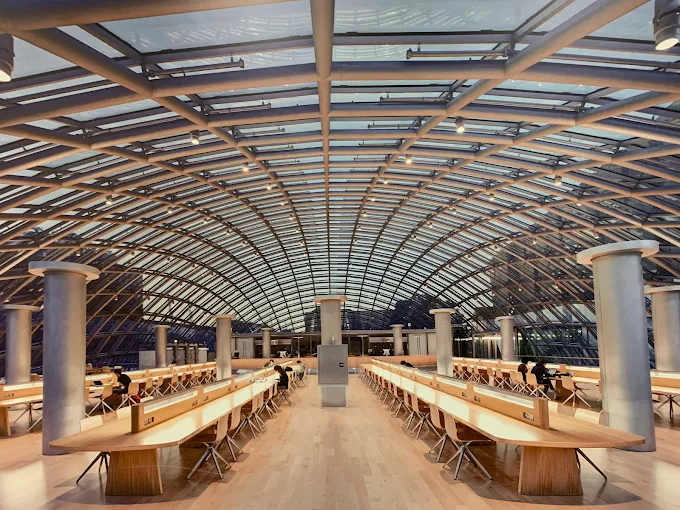
It looks like a futuristic greenhouse.
Walk inside and the scale of the glass ceiling will completely disorient you.
You are flooded with 360 degrees of natural sunlight.
But the real secret is hiding 50 feet beneath the floor.
There are no traditional bookshelves here.
The books are stored in a massive underground climate-controlled vault.
When you request a book, a massive robotic crane retrieves it and sends it up to the desk.
Check the local university message boards, and students brag about this building constantly.
They fiercely protect it as the ultimate quiet zone.
It is a brilliant piece of modern engineering.
It stands toe-to-toe with the 14 most iconic buildings in Chicago.
Exact Address: 1100 E 57th St, Chicago, IL 60637
Cost: Free
Access: Open to the public. You must present a valid government ID at the Regenstein Library ID and Privileges Office to get a free visitor pass.
Local Pro-Tip: Go on a rainy day. The sound of the rain hitting the massive glass dome is incredibly loud and deeply relaxing.
7. Water Works Branch Library (Magnificent Mile)
The Magnificent Mile is loud, crowded, and incredibly expensive.
Most locals avoid it entirely.
But hiding right on Michigan Avenue is a piece of raw Chicago history.
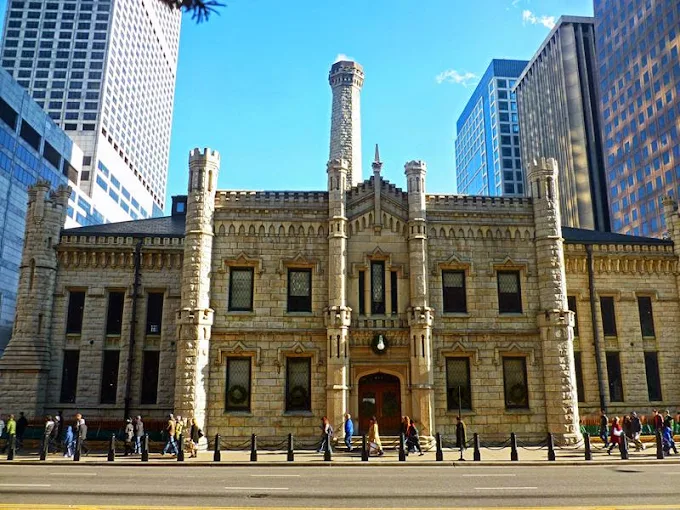
The Water Works branch is built directly inside the historic Chicago Avenue Pumping Station.
This is one of the only buildings to actually survive the 1871 Great Chicago Fire.
You do not just see books here.
You are sitting inside a fully functioning, 19th-century industrial water facility.
The bookshelves are separated from massive, churning water pumps by a single wall of glass.
You can literally read a paperback while watching the city’s water supply get pumped in from Lake Michigan.
Talk to any local history buff, and they will tell you this is the perfect escape.
When the sidewalks get too chaotic, you just duck inside the heavy stone walls.
It is the ultimate antidote if you want to know which Chicago tourist traps to avoid.
Exact Address: 163 E Pearl St, Chicago, IL 60611
Cost: Free
Access: Open Mon-Thu 10am-6pm, Fri-Sat 9am-5pm, Sun 1pm-5pm.
Local Pro-Tip: Look at the massive limestone blocks on the exterior before you walk in. You can still see the dark, scorched marks left behind by the Great Chicago Fire over 150 years ago.
8. Ryerson and Burnham Libraries (The Loop)
The Art Institute of Chicago is world-famous.
It is also expensive, with admission tickets running around thirty dollars.
But there is a massive secret hiding inside the museum.
You can access one of the most beautiful rooms in the building for absolutely free.
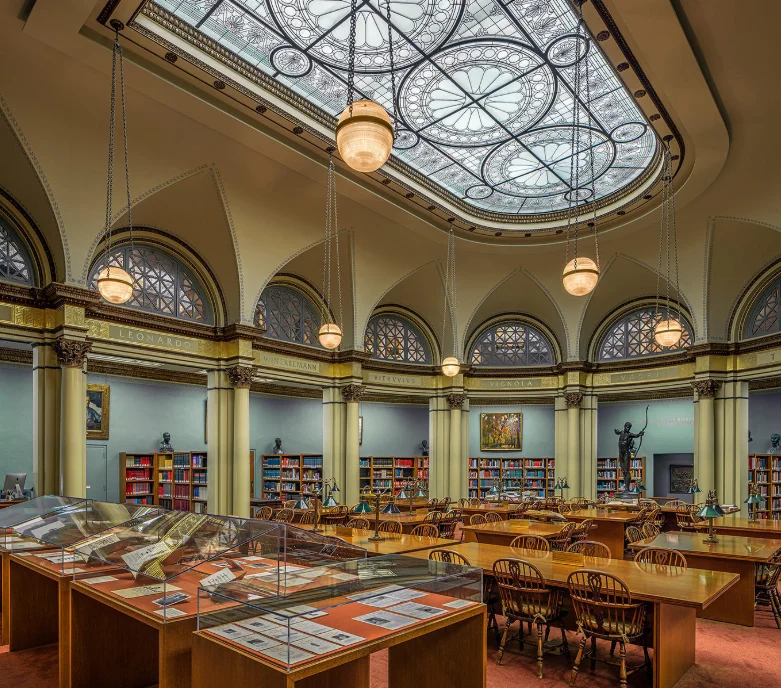
The Ryerson and Burnham Libraries are an architectural research sanctuary.
They are tucked away in a quiet wing of the museum.
Walk through the doors and look straight up.
You will see a breathtaking, intricate glass skylight designed by legendary architect Louis Sullivan.
The room is lined with heavy oak tables and glowing bronze lamps.
If you listen to the local art historians, they guard this loophole fiercely.
You do not have to pay the museum entrance fee to get inside.
You just have to bypass the ticket line and ask the front desk for a library pass.
It is the perfect quiet detour before you go see the 15 masterpieces you need to see at the Art Institute of Chicago
Exact Address: 111 S Michigan Ave, Chicago, IL 60603
Cost: Free
Access: Open Mon-Fri 1:30pm-5pm. Closed weekends.
Local Pro-Tip: You must use the Michigan Avenue entrance, not the Modern Wing entrance. Tell the security guard you are visiting the reading room, and they will direct you to the library pass desk.
9. Sulzer Regional Library (Lincoln Square)
Lincoln Square is deeply rooted in German history.
The Sulzer Regional Library reflects that heritage perfectly.
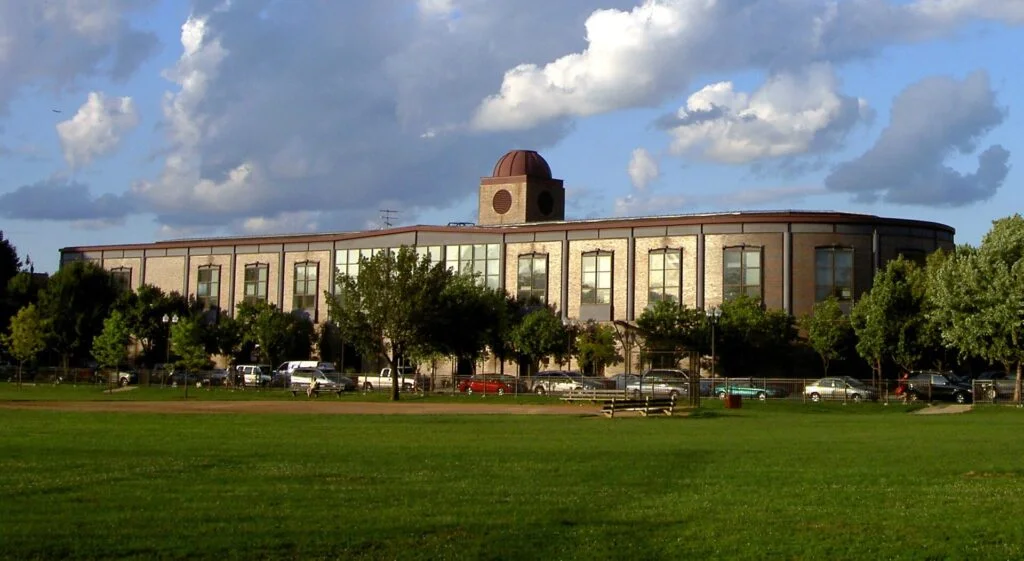
It was designed by the legendary architectural firm Hammond Beeby and Babka in 1985.
From the outside, it looks like a massive, 19th-century European civic fortress.
You are greeted by towering arched windows and thick, heavy masonry walls.
Walk through the main entrance and the heavy exterior completely gives way.
You are standing inside a soaring, light-filled oval rotunda.
The floors are polished terrazzo, and the natural light pours in from the massive skylights.
If you check the local North Side neighborhood groups, residents constantly praise this building.
They fiercely protect it as the architectural crown jewel of the area.
It is a quiet, stunning place to read, and it will make you rethink everything you thought you knew about modern civic design.
If you are thinking about relocating to this neighborhood, read up on the 11 things people wish they knew before moving to Chicago.
Exact Address: 4455 N Lincoln Ave, Chicago, IL 60625
Cost: Free
Access: Open Mon-Thu 10am-6pm, Fri-Sat 9am-5pm, Sun 1pm-5pm.
Local Pro-Tip: Head up to the second floor to check out the massive, sweeping historical archives dedicated exclusively to the history of Chicago’s North Side neighborhoods.
10. Gerber/Hart Library and Archives (Rogers Park)
We are heading to the far north side for this one.
The Gerber/Hart Library is not a building with towering marble columns.
It is something much more important.
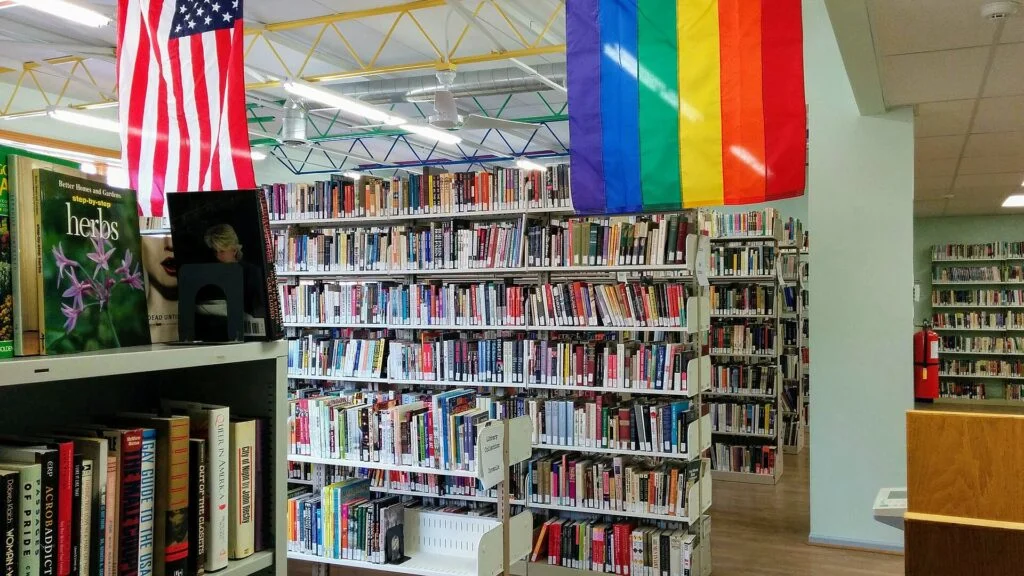
It is the largest circulating library of LGBTQ history and culture in the entire Midwest.
Founded in 1981, this space is an absolute treasure trove of marginalized history.
You can walk right in and read original zines, protest posters, and books from the 1970s liberation movements.
If you talk to local historians, they will tell you this is one of the most vital rooms in the entire city.
It feels exactly like stepping into a deeply personal, incredibly welcoming living room.
The staff is fiercely knowledgeable and will gladly help you navigate the massive archives.
It completely shatters the generic stereotypes about the city, making it a perfect follow-up to the 11 things people get wrong about Chicago.
Exact Address: 6500 N Clark St, Chicago, IL 60626
Cost: Free
Access: Open Wed-Thu 6pm-9pm, Fri 12pm-4pm, Sat 10am-4pm. Closed Sun-Tue.
Local Pro-Tip: You do not need an appointment to view the general collection, but if you want to see specific historical archival boxes, email the staff a few days before you arrive so they can pull them for you.
11. The Library at 190 South LaSalle (The Loop)
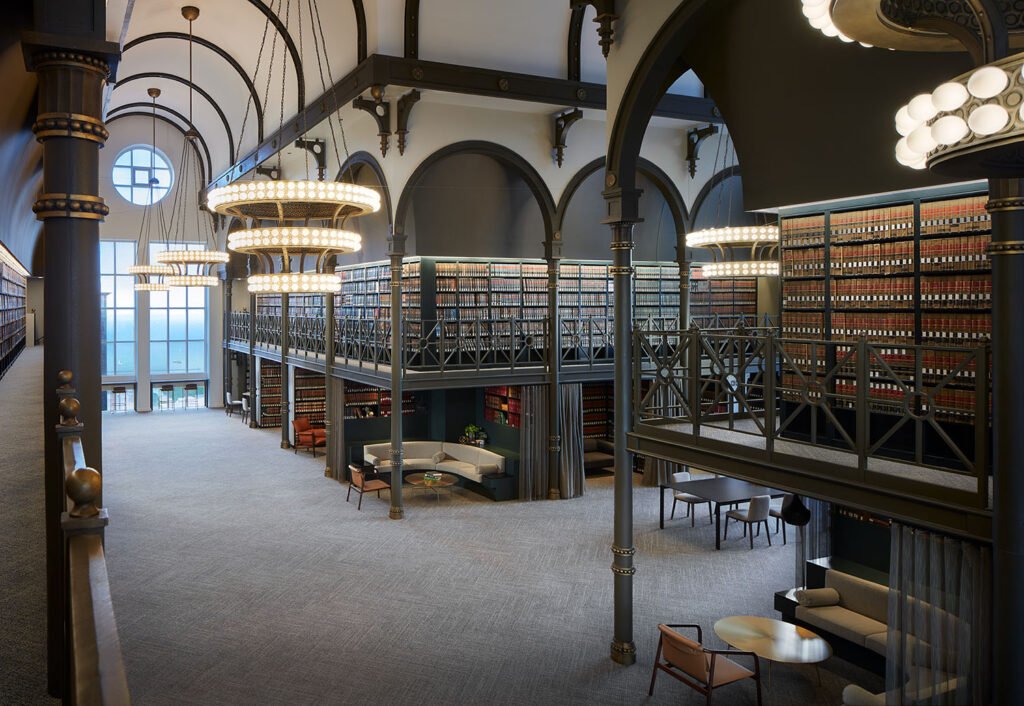
The building itself was designed by legendary architect Philip Johnson.
Take the elevator up to the 40th floor, and you step into a scene straight out of a billionaire’s private estate.
The walls are two stories high and lined with over 50,000 vintage, leather-bound law books.
You are surrounded by rich mahogany, deep leather sofas, and a custom bar.
Walk over to the massive Palladian windows.
You get a staggering, eye-level view of the faceless Ceres statue standing on top of the Chicago Board of Trade.
It is the kind of view that makes this one of the most photogenic places in Chicago.
So, how do you get in for free?
Local architecture buffs will tell you the ultimate cheat code is Open House Chicago.
Every October, the city unlocks its most exclusive private buildings for one weekend, and this library is always the crown jewel of the lineup.
If you can’t wait until fall, dress well, walk into the lobby, and politely ask the security desk if you can take a quick look.
If there isn’t a private event happening, they will sometimes let respectful architecture fans ride the elevator up.
After you sneak a peek, head north to explore the rest of the 14 most iconic buildings in Chicago.
Exact Address: 190 S LaSalle St, 40th Floor, Chicago, IL 60603
Cost: Free (if you use the loopholes).
Access: Private event space. Accessible to the public during the annual Open House Chicago weekend in October, or by politely asking lobby security on a quiet weekday.
Local Pro-Tip: Do not try to sneak up here on a Saturday afternoon. It is one of the most heavily booked wedding venues in the city, and security will immediately bounce you out of the lobby.