The grid system, the corn sweat, the Vitamin D crash, and 8 other things the brochures won’t tell you.
Moving to Chicago is one of the great American urban experiences. The architecture. The lakefront. The food. The 77 neighborhoods. The civic pride that genuinely borders on patriotism.
The list of reasons people fall in love with Chicago is long.
The list of things that catch transplants off guard is also long, and most of those things don’t show up in any guidebook. The hibernation that hits in late January and won’t release you until April. The summer humidity locals call “corn sweat.” The grid system that long-time Chicagoans expect you to learn within your first six months. The fact that you absolutely have to make the first move on every new friendship.
We asked our Facebook regulars what they wish they’d known before moving to Chicago. The answers came in fast. Some are practical. Some are emotional. Some are climate-related. All of them are the kind of things locals assume everyone knows, until a transplant proves otherwise.
Here are 11 things locals wish you knew before you move.
1. You Need To Learn The Grid. Seriously.
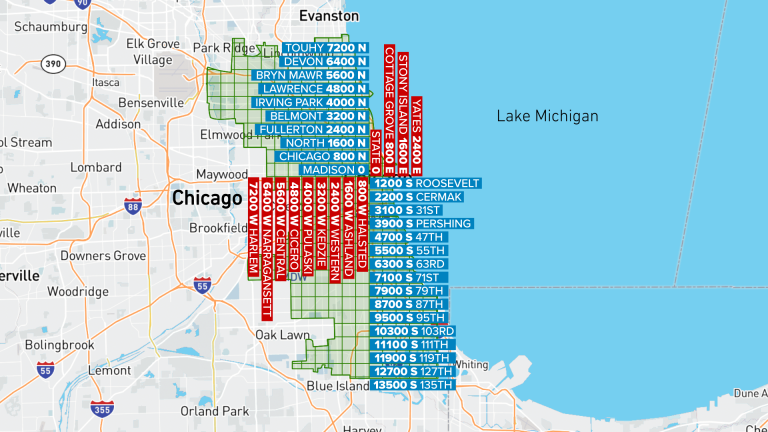
This is the single most passionately repeated piece of advice locals give new transplants. Long-time Chicagoans are genuinely baffled by anyone, especially other Chicagoans, who navigate the city using nothing but Google Maps. The grid is the secret code that long-time residents use to know exactly where they are at all times.
The system starts at the intersection of State Street and Madison Street, the 0/0 point. From there, every 800 address numbers equals roughly one mile. So if a friend tells you to meet them at 3200 N Halsted, that’s 4 miles north of Madison. If you’re at Belmont (3200 N) and you need to get to North Avenue (1600 N), that’s 2 miles south. You can navigate the entire city in your head once you internalize this.
A few useful anchor points to memorize: 800 N is Chicago Avenue. 1200 N is Division. 1600 N is North Avenue. 2400 N is Fullerton. 3200 N is Belmont. 4000 N is Irving Park. 6000 N is Peterson. South of Madison: 1200 S is Roosevelt. 2200 S is Cermak. 3500 S is 35th and the White Sox stadium.
Locals who learn the grid never get lost. Transplants who don’t will spend years awkwardly typing addresses into their phones every time they want to go anywhere.
Local tip: If you take the L regularly, the grid teaches itself. Pay attention to the cross streets at each station. Within a few months you’ll automatically know that “Damen and Milwaukee” is in Wicker Park because Damen is 2000 W and Milwaukee runs diagonally through the Bucktown-Wicker corridor.
2. The Winter Hibernation Is Real (And So Is The Seasonal Depression)
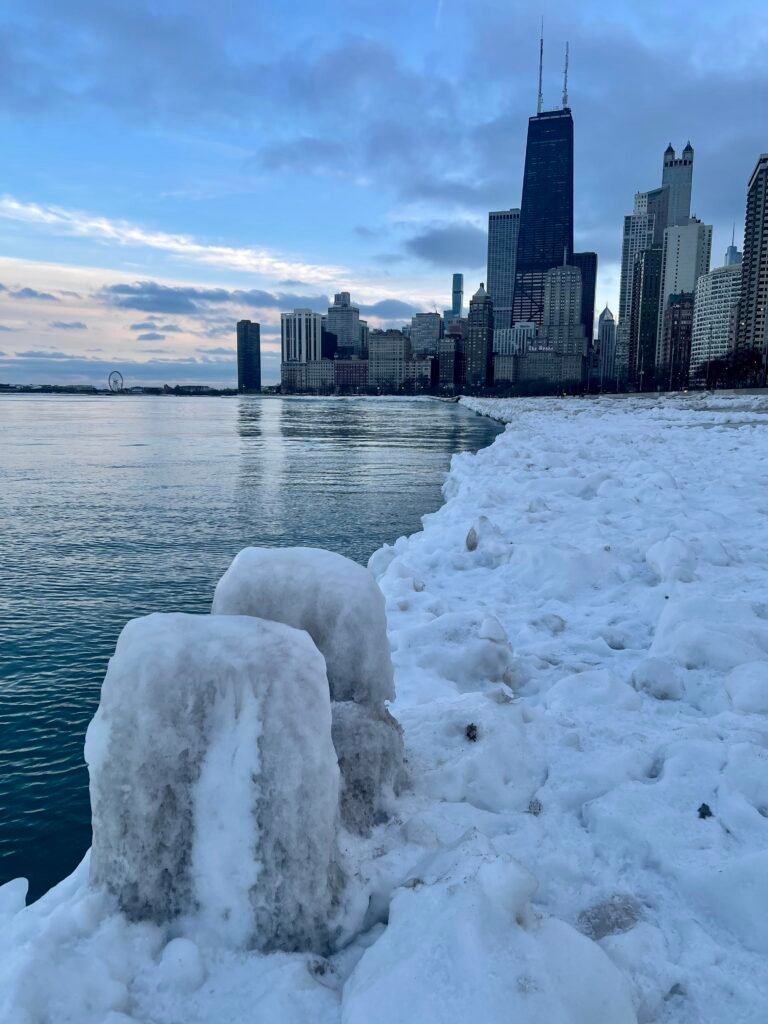
Everyone knows about Chicago winters. What they don’t know is that the cold isn’t actually the worst part.
The worst part is the dark. Chicago sits at 41.8 degrees north latitude, which means by mid-December the sun sets around 4:20pm. You’ll leave for work in the dark and come home in the dark for nearly two months straight. Combined with the cold and the limited outdoor time, the resulting psychological hit is not subtle. Seasonal Affective Disorder is genuinely common in Chicago, even among people who’d never had it before moving here.
The advice from locals: be proactive about it. Stock up on Vitamin D supplements. Get a sun lamp. Find indoor hobbies that get you out of the house. Force yourself to be social even when you don’t feel like it. Plan a tropical trip somewhere in February or March if you can afford it (locals call this “the Chicago tax”).
Both the Garfield Park Conservatory and the Lincoln Park Conservatory are free, year-round, indoor tropical environments. Walking into 70-degree humidity and a wall of green plants when it’s 15 degrees outside is genuinely therapeutic. Locals use them as winter escape valves and so should you.
Local tip: February is the worst month. Genuinely. Plan accordingly. Book the gym membership now. Schedule the dinner plans now. Don’t wait until you’re already in the dark months to set up the structures that get you through them.
10 Hidden Architectural Details Chicago Locals Walk Past Every Day (But Tourists Never Notice)


3. Your Car Might Be More Trouble Than It’s Worth
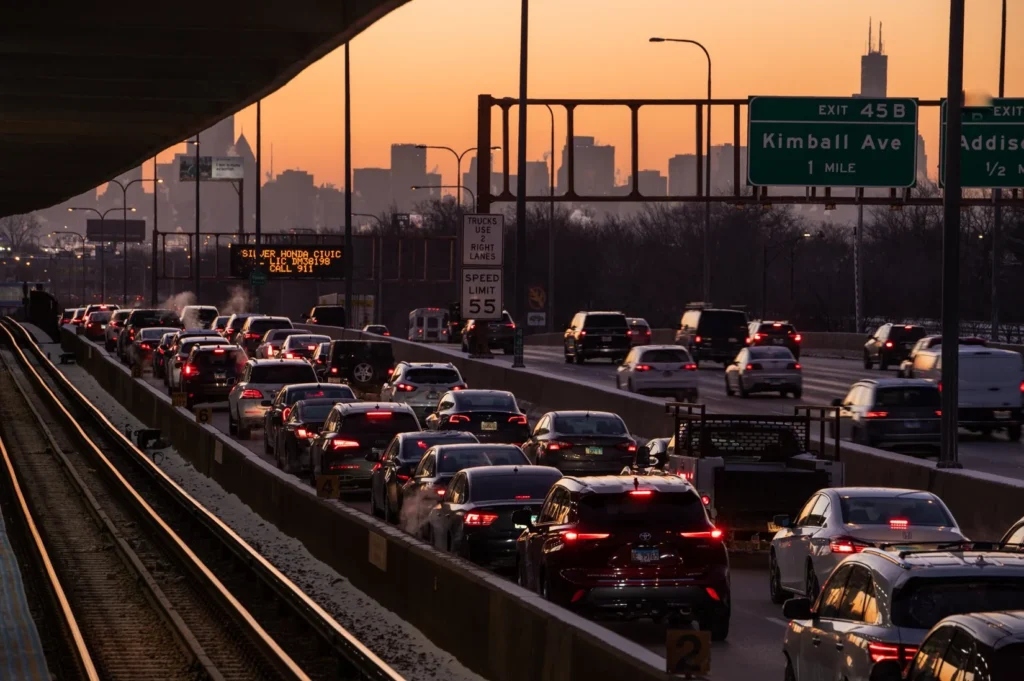
If you’re moving to Chicago from a car-dependent city, prepare for a complete recalibration. Many transplants discover within six months that the car they brought with them is more burden than asset.
The bureaucratic maze starts immediately. The Chicago city sticker (mandatory annually for all city residents who park their car in Chicago, costs around $90 to $145 depending on your vehicle). The Illinois emissions test if your car is older than four years. The neighborhood permit zones that require a separate sticker if you live in certain areas. The street cleaning schedule that changes weekly between April and November and will absolutely tow your car if you’re parked on the wrong side of the street on cleaning day.
Then there’s the parking itself. Downtown garages run $50 to $80 per night. Permit street parking spots in popular neighborhoods take months to find. Car break-ins are common enough that most local drivers leave nothing visible inside the car ever.
Many transplants sell their car within the first year and discover they don’t miss it. The L runs nearly everywhere. Divvy bikes are at every corner. Rideshare fills the gaps. The math often works out cheaper than car ownership when you actually add up insurance, parking, gas, the city sticker, and the inevitable parking tickets.
Local tip: If you’re moving here, don’t sell your car back home immediately. Bring it for the first three months and see how often you actually use it. If you’re not driving it weekly, sell it then. You’ll save thousands of dollars per year.
4. Chicago Is A Drinking Town (But Not Only A Drinking Town)
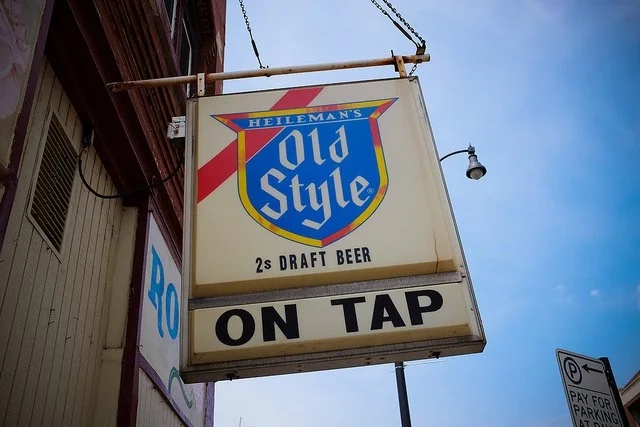
Chicago’s social culture revolves around bars in a way that catches some transplants off guard. Especially during the long winter months, “let’s grab a drink” is the default setting for any new friendship, work meetup, or social gathering. The bar scene is legendary. Dive bars on every corner, world-class cocktail bars in every neighborhood, beer halls, wine bars, and the 13 best speakeasies we covered separately.
But the city has shifted significantly in recent years. Non-alcoholic options are everywhere now. Most cocktail bars carry full mocktail menus. Cannabis-infused drinks are legal and available at most lounges and dispensaries. Coffee shops stay open later than they used to. Restaurants now expect non-drinking patrons rather than treating them as exceptions.
The locals’ takeaway: yes, the culture is built around drinks. No, you won’t feel out of place not drinking. Specific recommendations for non-drinkers: Sip & Savor in Bronzeville for non-alcoholic mocktails. Marz Community Brewing’s non-alcoholic line. The cannabis lounges in River North if that’s your scene.
Local tip: First-meeting-someone protocol in Chicago: “let’s grab a coffee” or “let’s grab a drink” are both totally acceptable opening moves. Coffee meetups during the day are increasingly common. The drinking culture isn’t pressure to drink, just a shared social shorthand.
5. Your Entertainment Calendar Will Stay Permanently Full
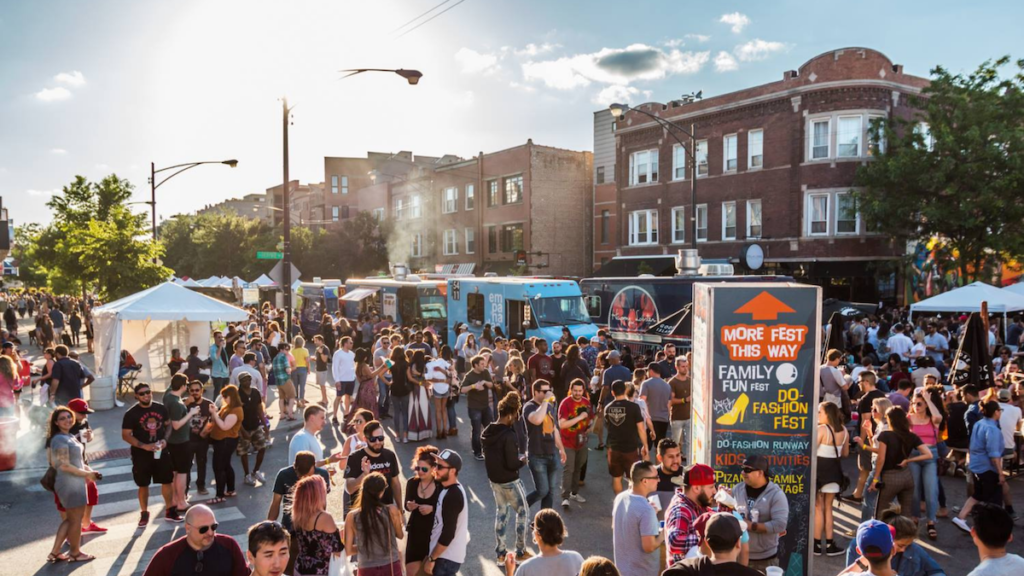
One of the most common pleasant surprises for transplants is realizing how much there is to do every single weekend. Chicago has more festivals per summer weekend than most cities have all year. The neighborhood block parties run May through September. The free outdoor concert series at Millennium Park runs from June through September. The Chicago Architecture Center runs daily walking tours. The comedy and live music scene rivals New York and LA at a fraction of the cost.
A typical Chicago summer weekend might offer: a free concert at the Pritzker Pavilion, a neighborhood street festival in Andersonville or Pilsen, a Cubs game at Wrigley, multiple outdoor markets, free programming at the Cultural Center, kayaking on the Chicago River, beach volleyball at North Avenue Beach, and four or five different theatrical or comedy options at night.
Specific recommendations: Taste of Randolph in June. Pitchfork Music Festival in Union Park. Chicago Air and Water Show. Lollapalooza if you’re into that. The Chicago Jazz Festival in Millennium Park. Open House Chicago in October (one weekend a year, hundreds of normally private buildings open to the public for free). The Christkindlmarket in November and December.
Local tip: Subscribe to the Chicago Reader’s weekly newsletter and the Block Club Chicago neighborhood updates. Both will keep you ahead of every festival, free event, and neighborhood block party in the city.
6. The Weather Has Two Settings: Frozen Tundra And Tropical Swamp
You’re prepared for the cold. You probably weren’t prepared for the heat.
Chicago summers are humid in a way that genuinely surprises transplants from drier climates. The heat index regularly hits 100 to 110 degrees during July and August heatwaves. The humidity comes off Lake Michigan and gets compounded by what locals call “corn sweat,” the moisture released by the surrounding Midwestern corn fields that pushes humidity into the city like a wet wall. A 90-degree day in Chicago can feel hotter than a 100-degree day in Phoenix.
The result is that you need two completely different wardrobes. Heavy parkas, insulated boots, thermal layers, balaclavas, and gloves for winter. Linen, cotton, breathable everything for summer. Storage for the off-season clothes. Plus shoulder-season layers for the brief two-month windows of pleasant weather in late spring and early fall.
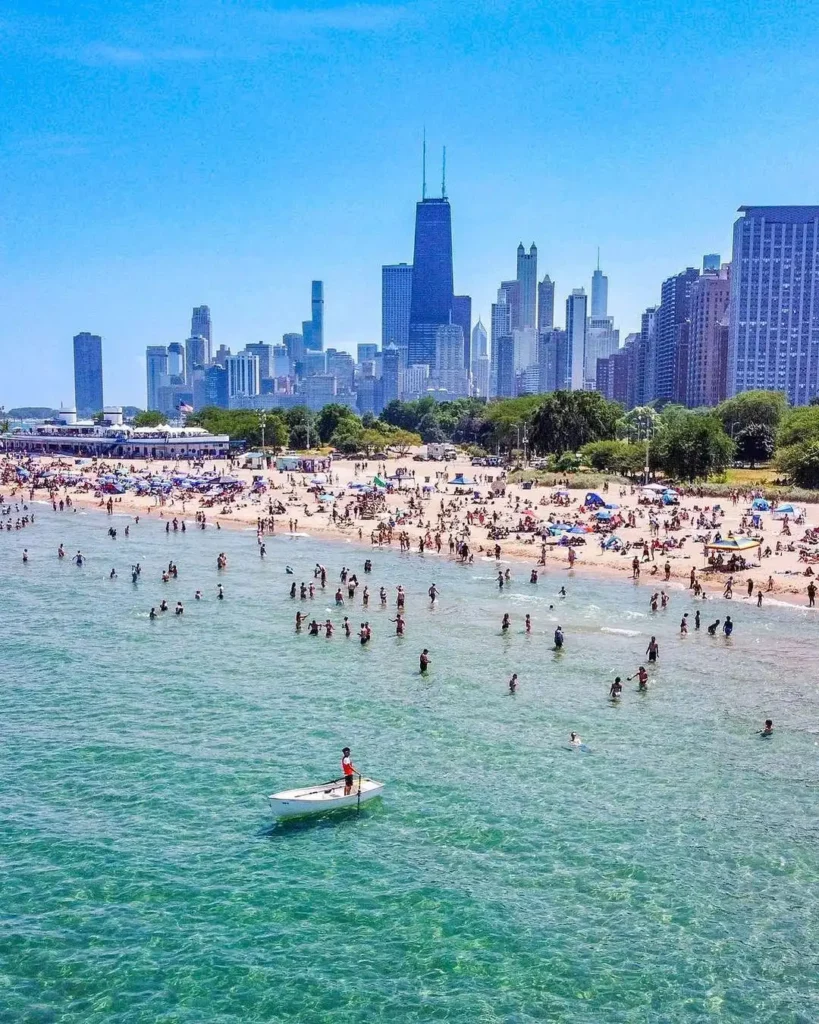
The flip side is that Chicago summers are genuinely magical. The lakefront. The beaches. The rooftop bars. The outdoor festivals. The 8pm sunsets. Locals who survive the winters earn the summers, and the contrast makes both feel more intense than they would in a milder climate.
Local tip: Buy a quality winter coat from Patagonia, Canada Goose, or Eddie Bauer your first winter here. Don’t try to layer regular jackets. The lake effect wind will find you, and a $400 winter coat saves you years of misery.
7. Making Friends Is A DIY Project
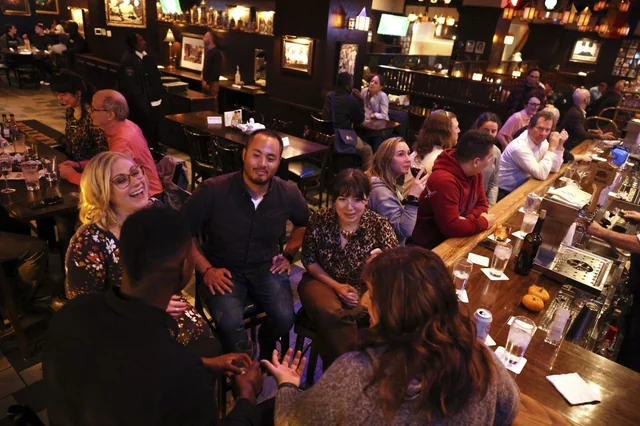
Chicagoans are friendly. Chicago is also a hard city to make friends in if you’re new. These two things sound contradictory but they aren’t.
The reason is that long-time Chicagoans tend to have established friend groups from college, work, neighborhood, sports leagues, or church. They’re not unfriendly. They’re just full. New transplants who expect organic friend-making to happen passively usually wait a long time. The locals’ advice is unanimous: you have to be proactive.
The good news is that Chicago has more structured ways to meet people than almost any major American city. The Chicago Sport and Social Club runs adult kickball, volleyball, softball, and bowling leagues across the city. Park District classes (yoga, dance, pottery, fitness) are cheap and full of new transplants. The Newcomers Club of Chicago. Volunteer organizations like Greater Chicago Food Depository or Cradles to Crayons. Run clubs (Lincoln Square Run Club, Fleet Feet, Chicago Area Runners Association). Book clubs through Volumes Bookcafe or Women & Children First.
The trick is committing to a thing for three months. Show up to the same league or class every week. By month three, you’ll know people. By month six, you’ll have plans. By year one, you’ll have a real friend group.
Local tip: If you can do it, join a sports league before any other group activity. Sports leagues create faster bonds than almost any other context because you’re showing up weekly with the same group of people who all want to meet new friends. Most leagues end with team drinks at a designated bar.
8. The Wind is Not Just a Lake Thing
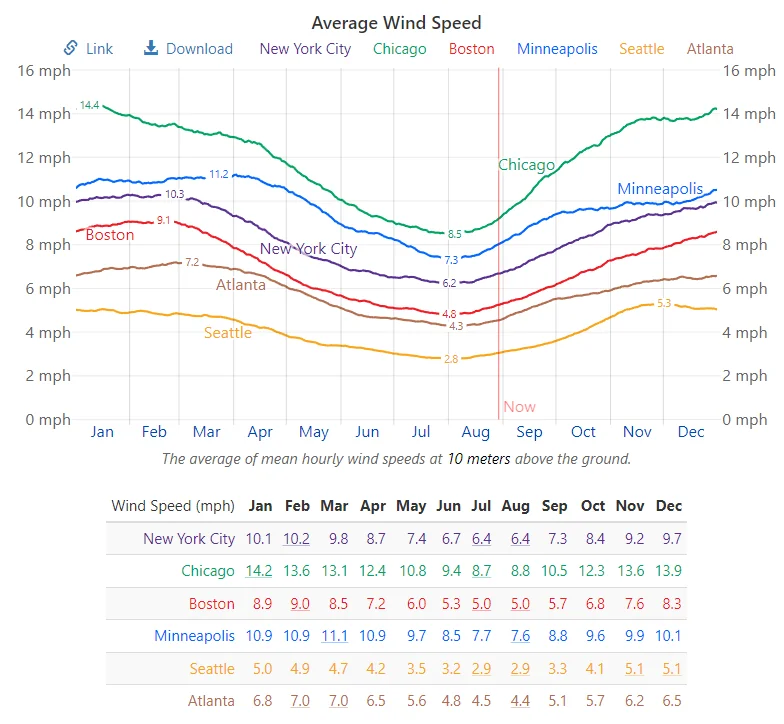
You think you understand the “Windy City.” You picture a stiff breeze blowing off Lake Michigan during a winter walk along the lakefront.
You are wrong.
Chicago wind blows from every direction in every neighborhood. You’ll be five miles inland on a 30-degree winter day and a sudden 40 mph gust will turn the entire walk into a survival exercise. The wind tunnels created by downtown skyscrapers can knock you sideways. The lake-effect wind can drop the actual temperature by 15 degrees in minutes. Bone-chilling gusts in February can take the wind chill to -30 degrees Fahrenheit.
The key, as every local knows, is layering. Thermal base layer. Mid-layer fleece or sweater. Insulated outer shell. A hat that covers your ears. Gloves. A scarf or balaclava for the worst days. Layers also let you adjust as you move from outside to indoor heat.
Important note: as we covered in our misconceptions article, the “Windy City” nickname is widely believed to be about Chicago’s long-winded politicians, not the weather. But the weather earns the nickname anyway.
Local tip: Real winter coats matter. Cheap winter coats will fail you the first time the wind chill hits zero. Invest in one good coat. Locals recommend Canada Goose, Patagonia, Eddie Bauer, or Lands’ End for serious winter outerwear.
9. It’s The World’s Biggest Small Town
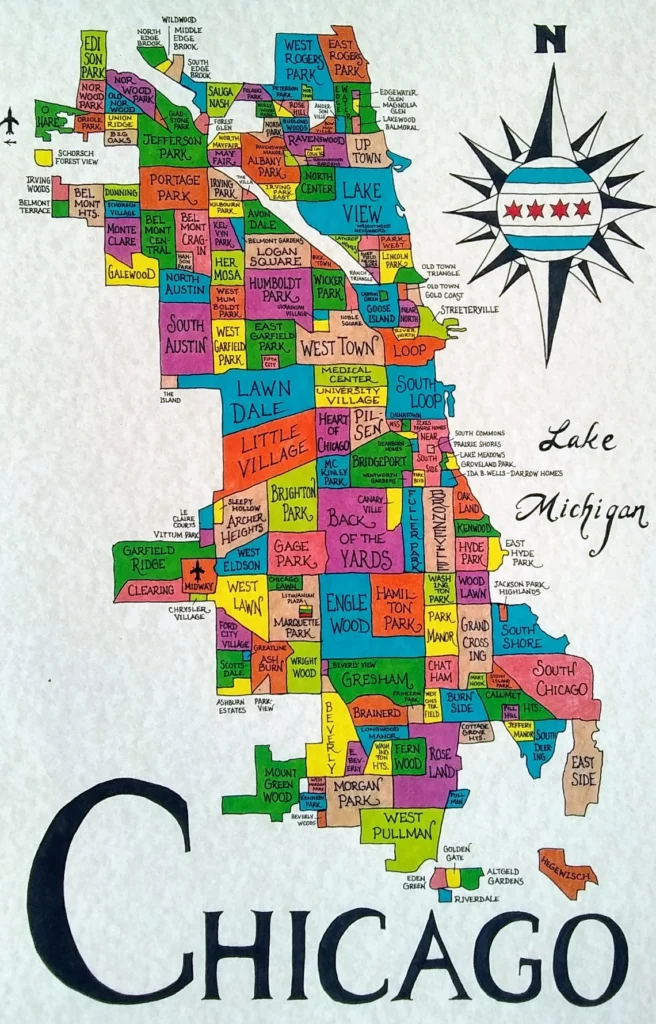
Chicago has nearly 3 million people. It feels surprisingly small.
Transplants frequently mention this as one of the most unexpected aspects of moving here. You’ll run into people you know at the grocery store. You’ll see a coworker on the L. You’ll go to a neighborhood bar and recognize three other regulars from your gym. The neighborhoods are small enough and locals stay loyal enough to their neighborhoods that you build a community fast once you actually live somewhere for a year.
The reason is the neighborhood structure. Most Chicagoans spend most of their time within a small radius of where they live. Same coffee shop. Same gym. Same dog park. Same handful of bars and restaurants. Within six to twelve months, you become a regular at a few places, and the regulars start to recognize you back. Within two years, you’re nodding at people on the sidewalk who you couldn’t quite remember meeting.
This is the charm of Chicago and occasionally the curse. You’re part of a community, whether or not you’re ready to socialize on your grocery run.
Local tip: Pick a neighborhood you genuinely love and stay there for at least a year before considering moving. The community-building happens slowly and resets if you switch neighborhoods every six months.
10. The Segregation Is Real, And It Matters
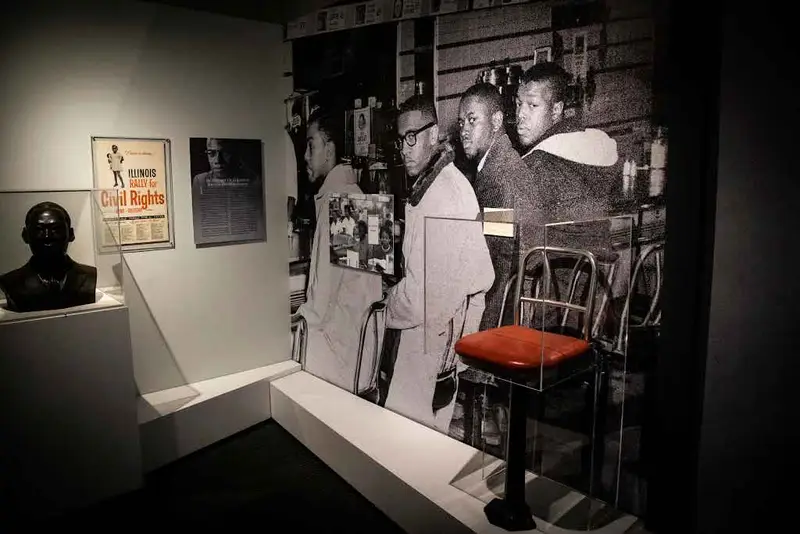
This isn’t a fun topic but locals were clear that it needed to be on the list. Chicago is one of the most segregated major cities in the United States, and the geographic patterns of race and class run along clear neighborhood lines that have been shaped by over a century of housing policy, redlining, white flight, and disinvestment.
The result is that the lived experience of Chicago is dramatically different depending on where you live and what neighborhoods you visit. The North Side, downtown, and the lakefront get most of the city’s attention, investment, and tourist traffic. Large stretches of the South and West Sides have been systematically underserved for decades, with the consequences visible in school quality, grocery access, healthcare, and policing patterns.
For new transplants, this matters in two ways. First, the Chicago you experience is shaped by where you live and where you’re willing to go. Staying entirely on the North Side gives you one version of the city. Spending time in Bronzeville, Pilsen, Hyde Park, Beverly, and other South and West Side neighborhoods gives you a fuller, more honest one. Second, understanding the history matters. Books like Family Properties by Beryl Satter and The Color of Law by Richard Rothstein give context for how the city ended up this way.
The locals’ advice: don’t be a transplant who spends five years here without ever crossing south of the river. Visit the neighborhoods. Eat at the restaurants. Support the businesses. Read the history. Be a thoughtful resident.
Local tip: Specific places to start: the DuSable Black History Museum in Washington Park, the National Museum of Mexican Art in Pilsen, the Bronzeville Walk of Fame on King Drive, and a Sox game at Guaranteed Rate Field. The South Side has some of the best restaurants, museums, and architecture in Chicago, and most North Siders never see them.
11. Civic Pride Is Off The Charts
Be prepared for an almost startling level of local pride.
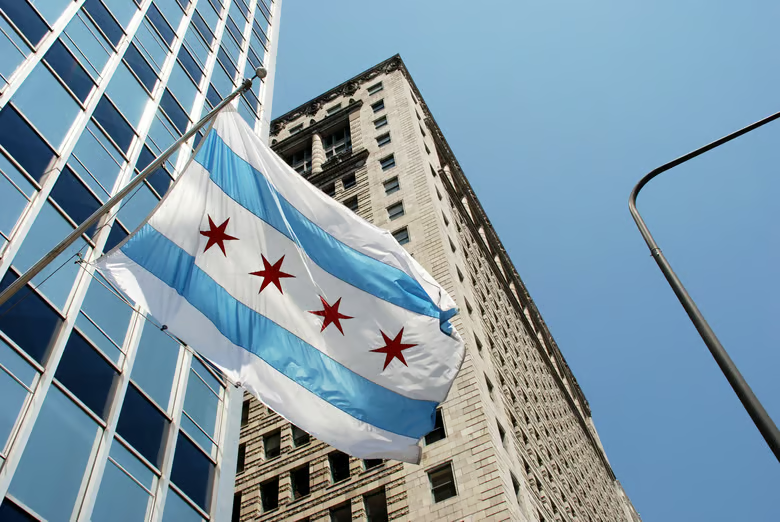
Chicagoans love Chicago. They will defend the pizza, the sports teams, the architecture, the food, and the flag with a passion that borders on patriotic. The Chicago flag itself is hung outside homes, tattooed on bartenders, embroidered on jackets, and printed on basically every wearable item you can find. Locals talk about Chicago the way Texans talk about Texas.
The pride is genuine and infectious. It’s also slightly defensive, because Chicago has spent decades being unfairly characterized in national media. Locals are tired of the warzone narrative. Tired of the deep-dish-only stereotypes. Tired of being lumped in with whatever the cable news cycle decided about the city this week. The pride functions partly as a response to that.
After about two years here, you’ll start defending Chicago to out-of-state friends without thinking about it. You’ll get sharp when someone says “isn’t it dangerous?” You’ll develop opinions about ketchup. You’ll know which neighborhoods are which. You’ll roll your eyes when tourists order deep dish for every meal. You’ll become, in the local vernacular, “patriotic for your country (Chicago).”
Local tip: The flag has specific meaning. Two blue stripes for the Chicago River and Lake Michigan. White bands for the North, West, and South Sides. Four red stars for Fort Dearborn (1803), the Great Fire (1871), the World’s Columbian Exposition (1893), and the Century of Progress (1933). Knowing this makes you significantly cooler at any Chicago bar.
The Bottom Line
Moving to Chicago is one of the best decisions an American can make. The architecture is extraordinary. The food is world-class. The summer is genuinely magical. The neighborhoods are walkable, the transit is solid, and the people are friendlier than most major American cities. After a year, most transplants stop calling themselves transplants. After three years, you’ll start calling out other people for ordering ketchup on a hot dog.
But the city does ask you to adjust. Learn the grid. Buy the winter coat. Sell the car if you don’t need it. Be proactive about friendships. Visit the neighborhoods most North Siders skip. Invest in a sun lamp before the seasonal depression hits.
Do those things and you’ll fall in love with Chicago the way Chicagoans do. Hard, defensively, and forever.