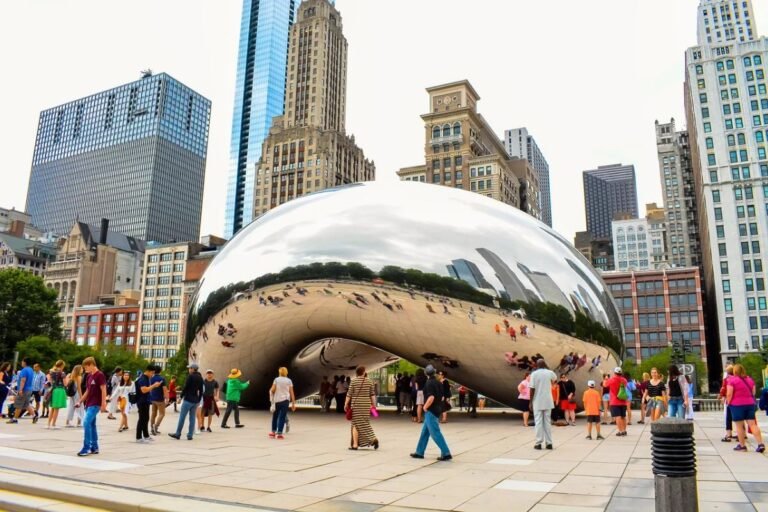

A Chicagoan thought they were giving a few dollars to a kids’ basketball team. Their card company ended up chasing hundreds of dollars in charges.
After they asked r/AskChicago what other scams to watch for, locals piled in with their own warnings. Scammers work the sidewalks, the front door and the “L”, and they count on your kindness and your distraction.
Here are the 14 scams Chicagoans mention most, what each one looks like and the one rule that beats it. We checked each against the Illinois Attorney General, ComEd, the City of Chicago, Chicago police and local news reporting, and added three newer scams from this year at the end. Some target visitors, some target residents, so we’ve tagged each one. Not sure what’s normal here? Our guide to whether Chicago is safe for tourists has the unwritten local rules.
Last reviewed: November 2026.
⚠️ 1. The ‘Basketball Team’ Fundraiser
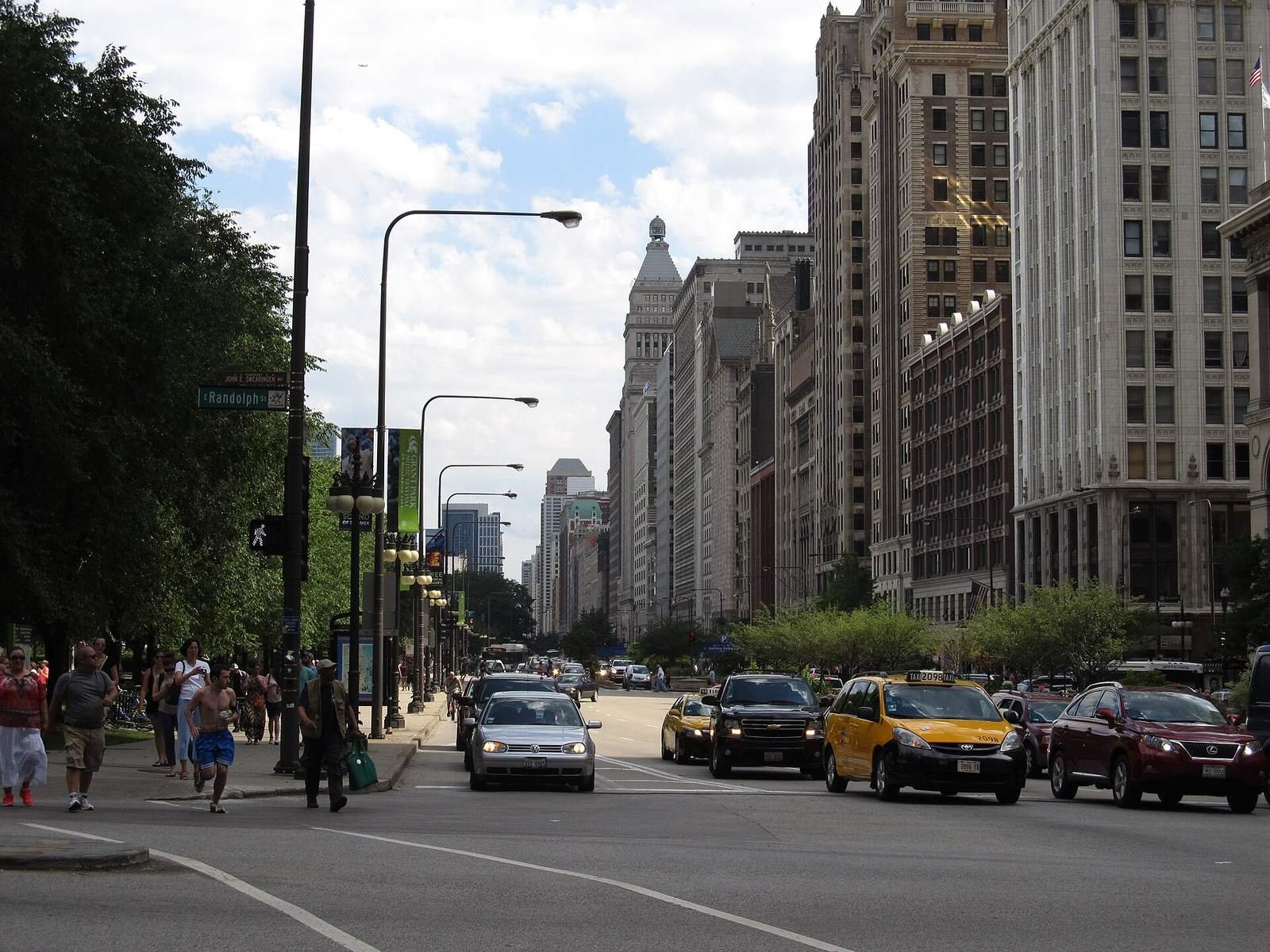
This is the scam that started the conversation. Someone approaches with a laminated flyer or a story about a youth team, a school cause or a sick relative. They won’t take cash. They want to swipe your card on a handheld reader.
Then the amount changes. In one West Loop case reported by NBC Chicago, donors were each hit with a $2,400 charge they never agreed to. Others say the screen is quickly changed before you tap.
Who it targets: visitors and residents alike. Chicago’s Better Business Bureau CEO put it well: legitimate charities “will want your money today, will want it tomorrow, they’ll want it next year.” Scammers want it now. (NBC Chicago)
Rule: Never hand your card or phone to a stranger, and walk away from any “charity” that refuses cash. If you were charged, call your card issuer straight away.
⚠️ 2. The Energy Supplier Scam
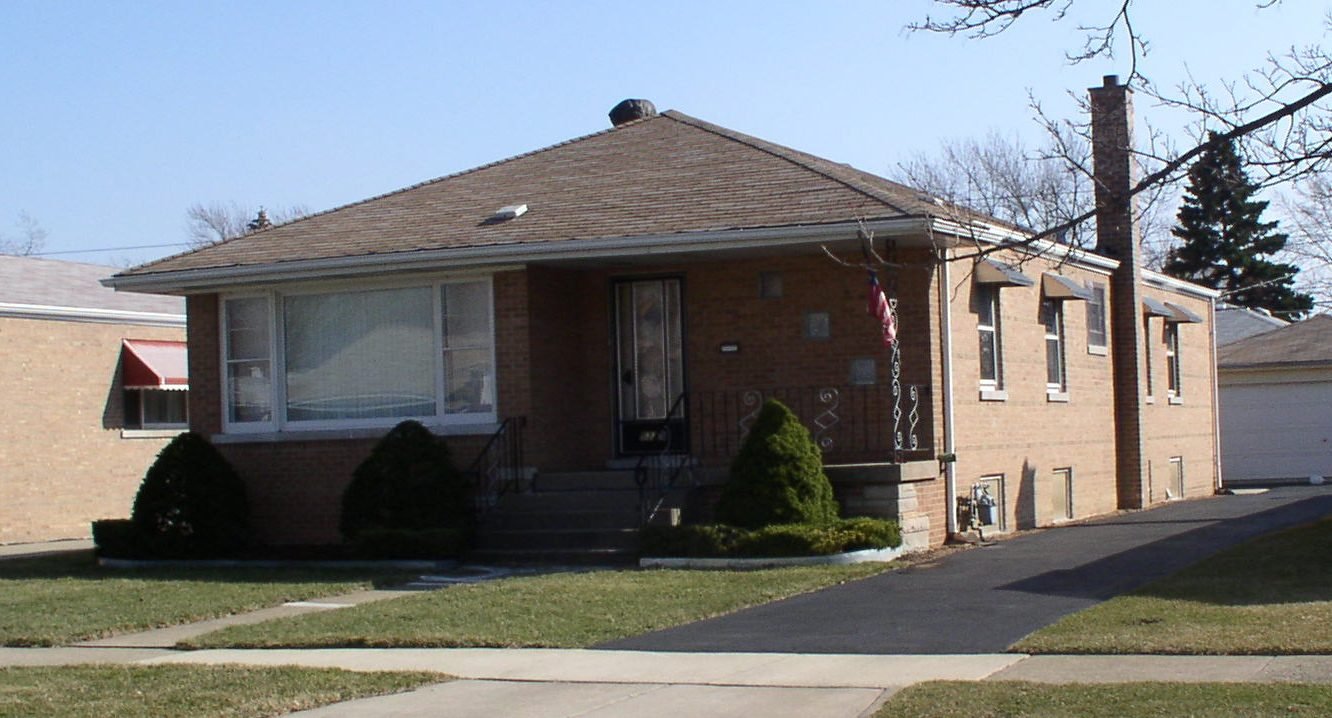
Arguably the most-mentioned scam. Someone knocks in a vest and badge and says they’re from “the energy company” or ComEd. They’re pushy, and they want to see your bill to “check for clean energy credits” or “make sure you’re not being overcharged.”
The real goal is your account number, which can be used to switch you to an alternative energy supplier. The Illinois Attorney General says these suppliers are not affiliated with or endorsed by your utility and usually charge higher prices. ComEd says it will never come to your door to sell you electricity or ask to see your bill.
Who it targets: residents and long-stay renters. Rule: Never show your utility bill or account number to a door-to-door salesperson. A real ComEd field worker wears a uniform with the blue ComEd logo and an ID badge. If in doubt, close the door and call 800-334-7661 (800-EDISON1). (ComEd, Illinois Attorney General)
Did you know? If you’re signed up with an alternative supplier, its name appears in the supply section of your utility bill, and Illinois law says you can’t be charged an early termination fee for cancelling. The Attorney General’s Consumer Fraud Bureau in Chicago is 1-800-386-5438.
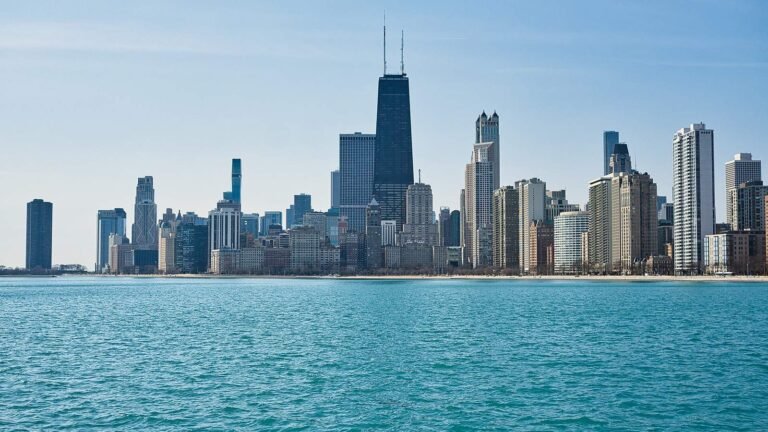
Is Chicago Safe For Tourists? Yes, As Long As You Follow These 17 Unwritten Local Rules


⚠️ 3. The Digital Payment & Distraction Scam
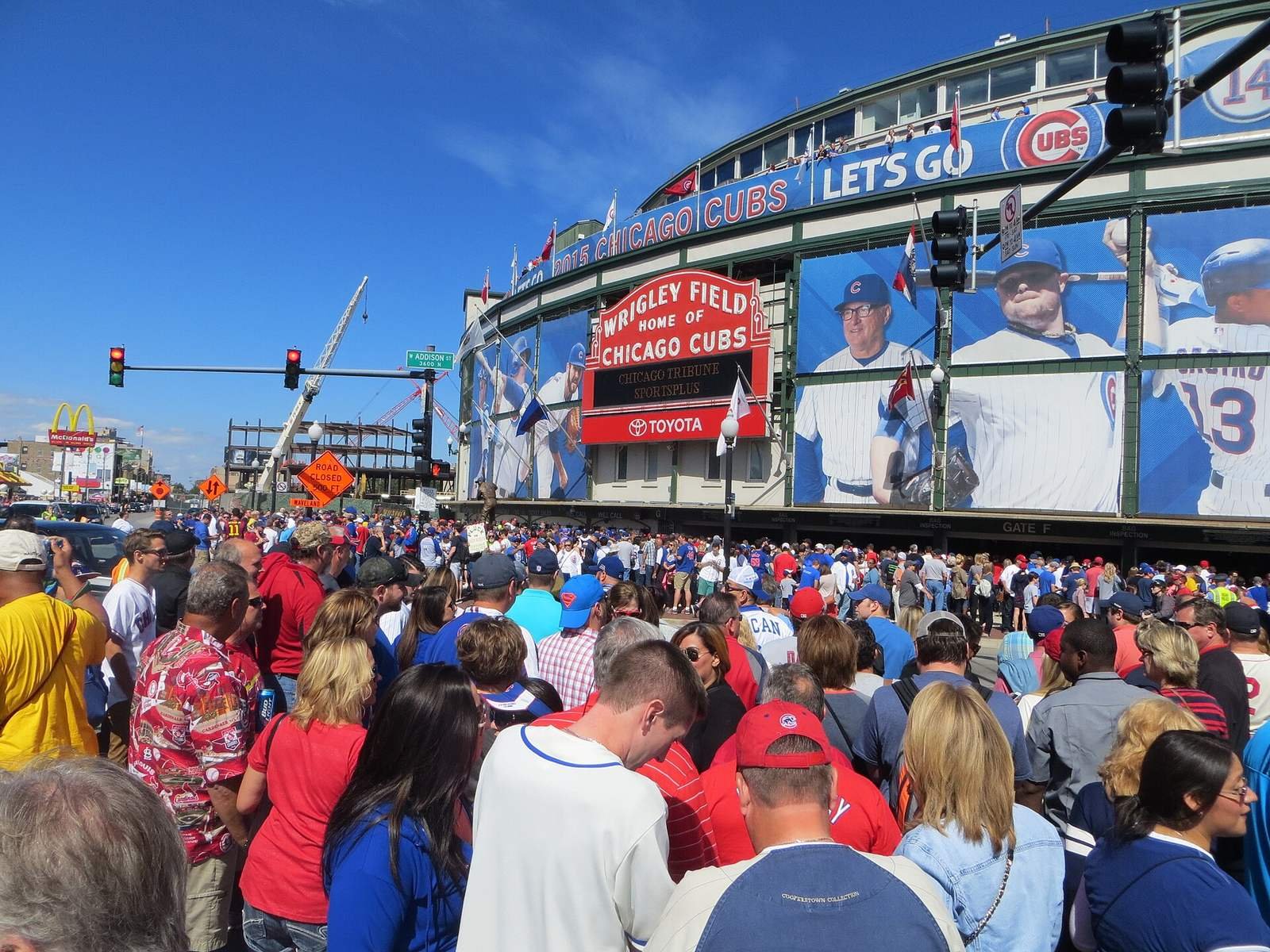
This modern grift uses apps like Venmo or Zelle. A stranger tells a sob story (they need money for a funeral, a ride home) and asks for a small donation. Then comes the trick: they ask to type their username into your phone, or to “confirm the payment went through.”
While you’re distracted, a much larger sum is sent from your unlocked phone. Police warned bar owners and fans about exactly this near Wrigley Field in 2022, and the advice hasn’t changed: don’t give your phone to people you don’t know. (Block Club Chicago)
Who it targets: everyone, especially around bars and stadiums. Rule: Your phone never leaves your hand.
⚠️ 4. The Predatory Towing Scam
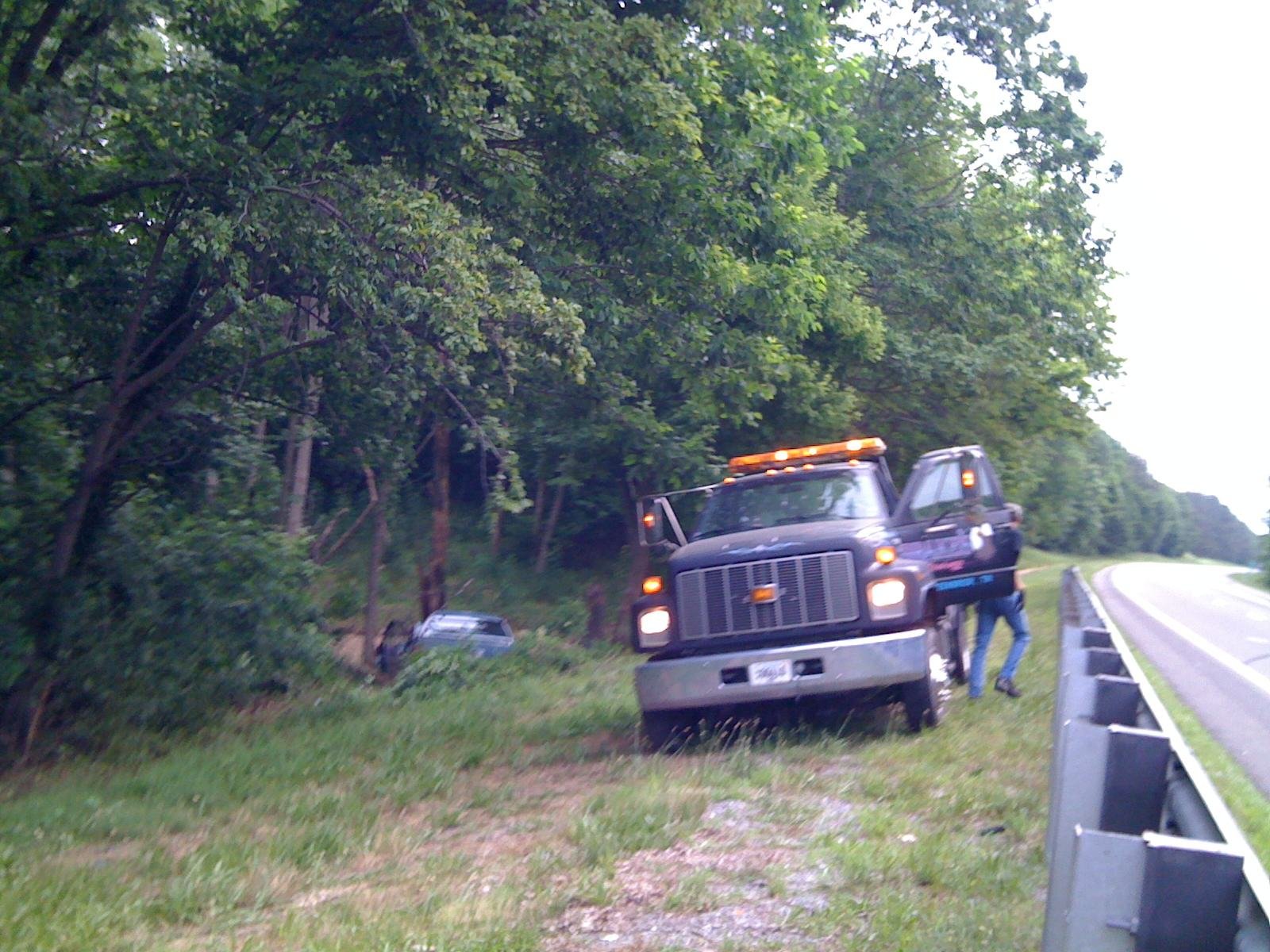
After a car accident, be wary of tow trucks that show up without being called. An official from the Chicago police auto theft unit told the City Council that rogue towers monitor police scanners and arrive at crash scenes ahead of emergency crews, then take control of the car and hold it hostage with inflated fees.
The city cracked down in 2021. Chicago law now bars tow operators from stopping at an accident scene to solicit a tow. They can only stop if called by the driver, the insurer or law enforcement. Violations carry fines of $500 to $1,000 per offense. Under Illinois law, a tower also needs your specific authorization after required disclosures and must give you an itemized invoice on request. (Block Club Chicago, City of Chicago, Illinois Commerce Commission)
Who it targets: anyone driving, including visitors in rental cars. Rule: Only accept a tow from a company you or your insurer called, or one the police sent to the scene.
⚠️ 5. The Fake Monk ‘Gift’
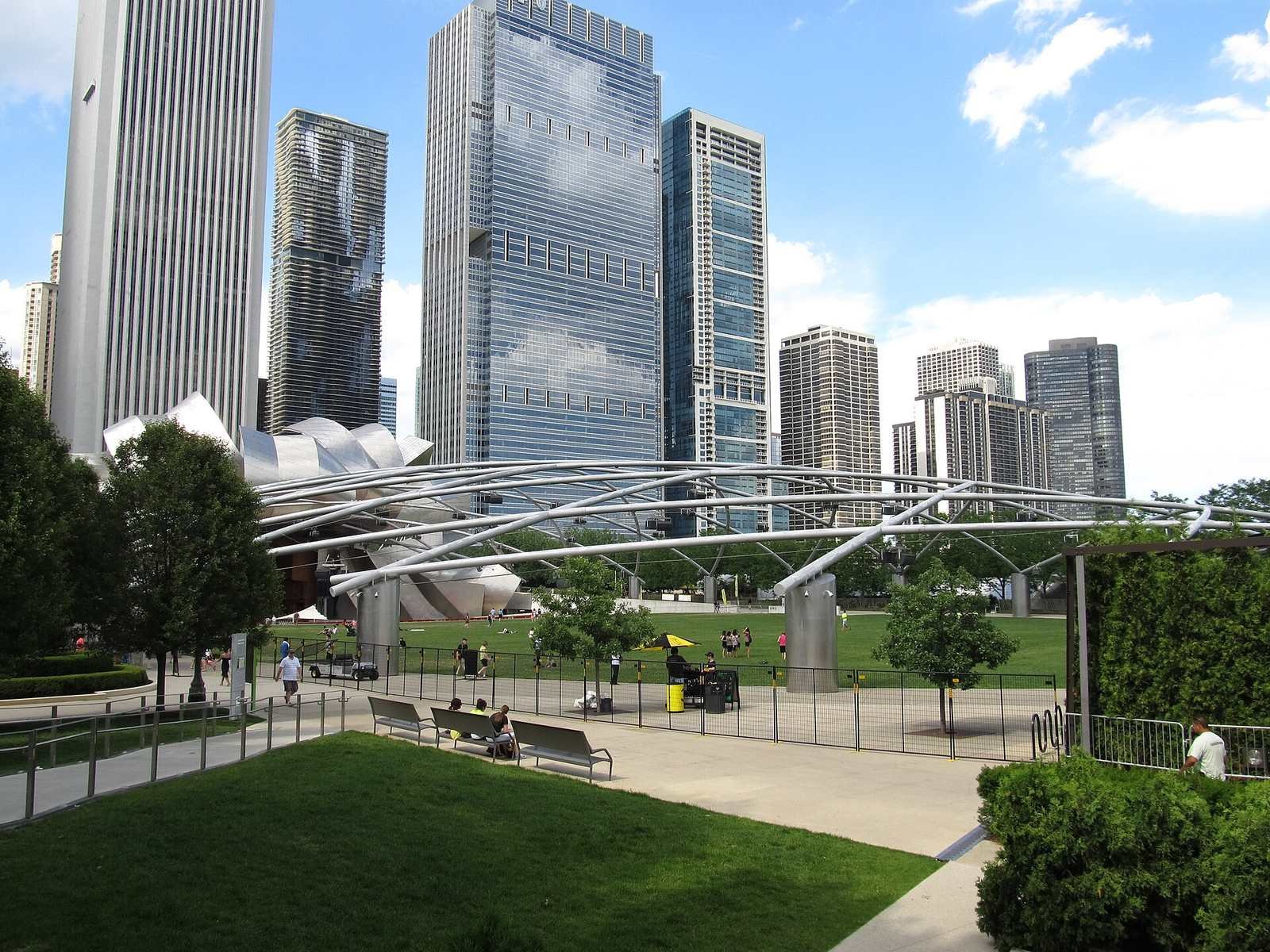
Locals report it most often in the Loop and near Millennium Park. People dressed as Buddhist monks approach and try to put a bracelet or small trinket in your hand or on your wrist. Once you’re holding it, they demand a “donation” and won’t leave you alone until you pay.
Who it targets: mostly visitors. Rule: Don’t take it, and don’t touch it. Keep your hands in your pockets and keep walking.
Did you know? Chicago isn’t the only city with this routine. Buddhist leaders in New York and Calgary have warned that real monks don’t ask strangers for money on the street.
⚠️ 6. The ‘What Time Is It?’ Phone Snatch
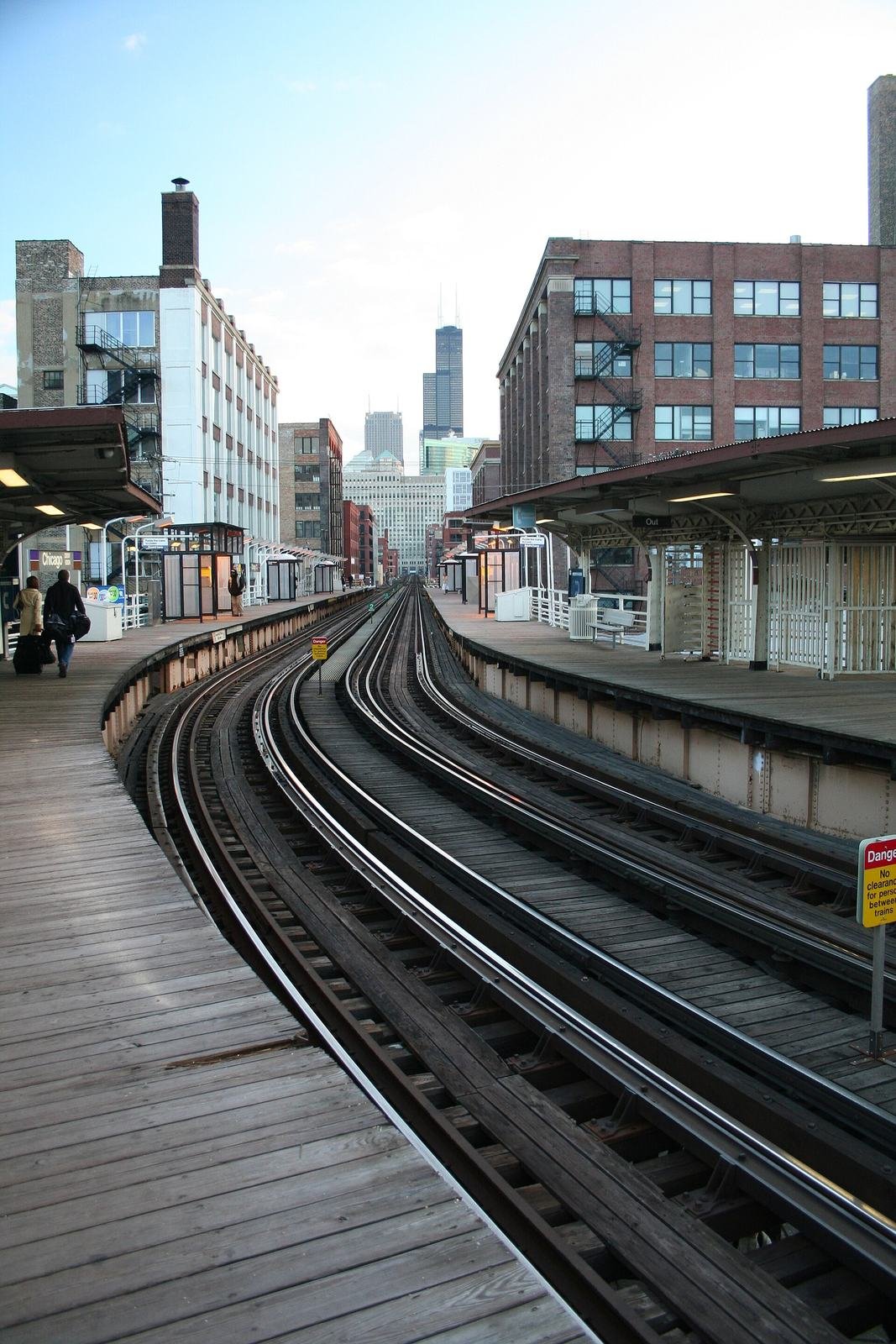
A simple but effective street robbery, according to locals. A person asks, “Can you tell me the time on your phone?” The moment you pull it out, they snatch it and run.
We couldn’t find a police warning about this exact line, but Chicago police have warned about robberies on trains. A September 2026 community alert described two robberies on a Brown Line train in the Loop, around 9:20 p.m. on September 4 and 13. Their advice: stay aware of your surroundings, report anything suspicious straight away and never chase a suspect. (Chicago Police Department alert)
Who it targets: everyone on the move. Rule: Use a watch, or just say “sorry, no.” Keep your phone tucked away near train doors. More tips in our guide to riding the Chicago “L” like a local.
⚠️ 7. The ‘Too Good To Be True’ Rental Scam

Scammers copy photos and details from a real apartment listing and repost them on Craigslist or Facebook Marketplace at a price far below market. When you ask to visit, there’s always an excuse (“I’m out of the country”).
Then comes the pressure to pay a deposit or first month’s rent up front to “hold” the place, often by Zelle or wire transfer, which are very hard to reverse. The FTC says nearly 65,000 rental scams were reported between 2020 and mid-2025, with about $65 million in losses. Facebook is the most-reported starting point, followed by Craigslist. (FTC, December 2025)
Who it targets: new Chicagoans and anyone renting short-term. Rule: Never pay anything before you’ve toured the unit in person or on a live video call. Search the address online, and if the same place shows up with different contact details or for sale, walk away.
⚠️ 8. The Unsolicited Ride Offer
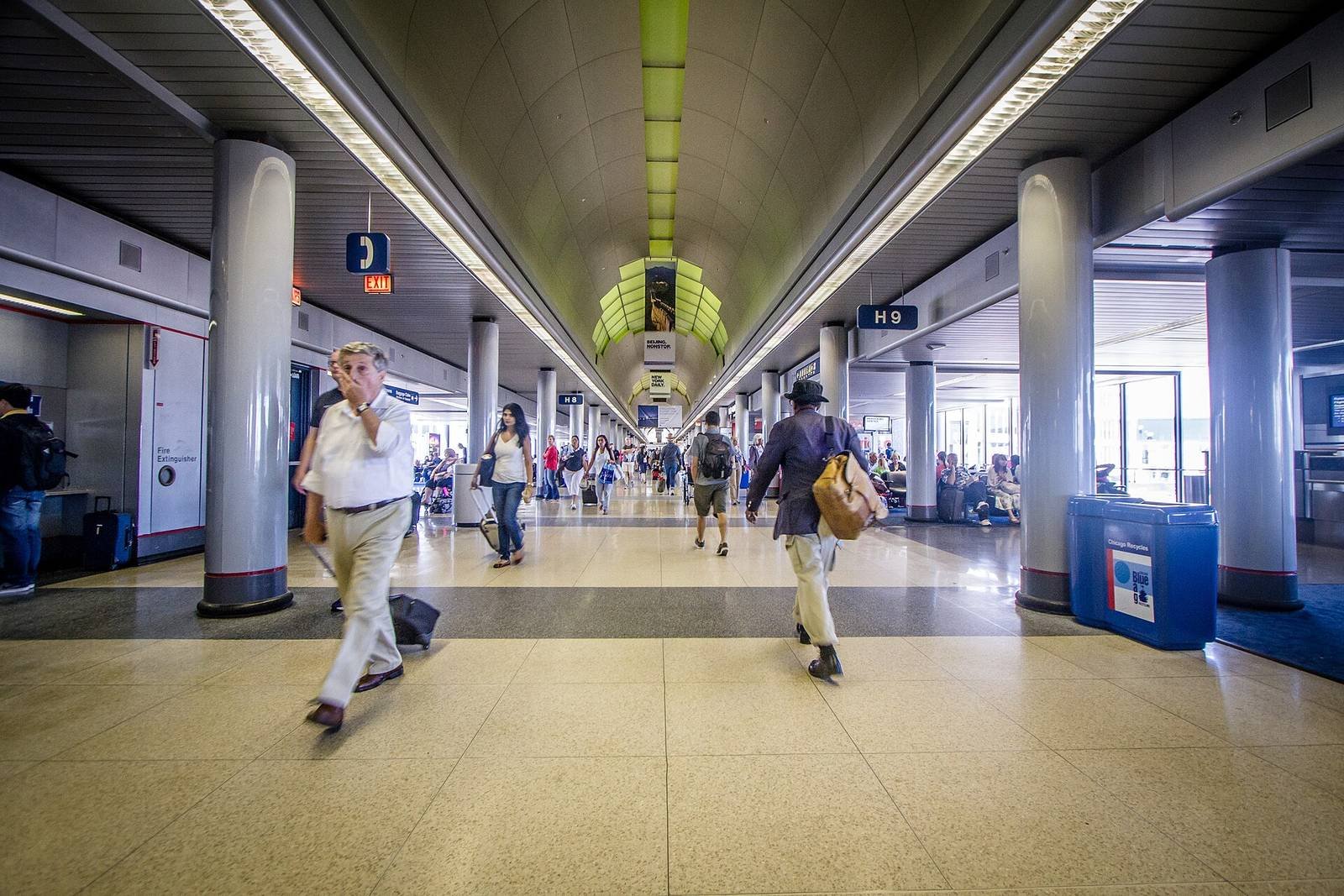
At O’Hare and Midway, people will approach you on foot asking if you need a taxi or an Uber. Locals say the same happens outside big venues like Soldier Field and Wrigley Field. Chicago law only allows pre-arranged rides at its airports, so anyone soliciting you in the terminal is breaking the rules.
WGN’s undercover investigation found drivers quoting $89 to $100 for a ride that an authorized suburban service charges $50 for, and the city has heard complaints of passengers quoted one fare and then charged more on arrival. There’s no meter and no recourse. (WGN)
Who it targets: visitors, especially after a late flight. Rule: Only get into a rideshare you booked in the app (check the plate and driver) or a taxi from the official stand. You can report solicitors to 311. Landing late? Read our guide to the one mistake locals say to avoid.
Did you know? Rideshare drivers at O’Hare and Midway must wait in designated staging lots and use geofenced pickup zones. Drivers who break the rules face fines of $100 to $1,000 per offense and possible impoundment, according to the City of Chicago. A car that approaches you on foot is never the real thing.
⚠️ 9. The CTA Shell Game
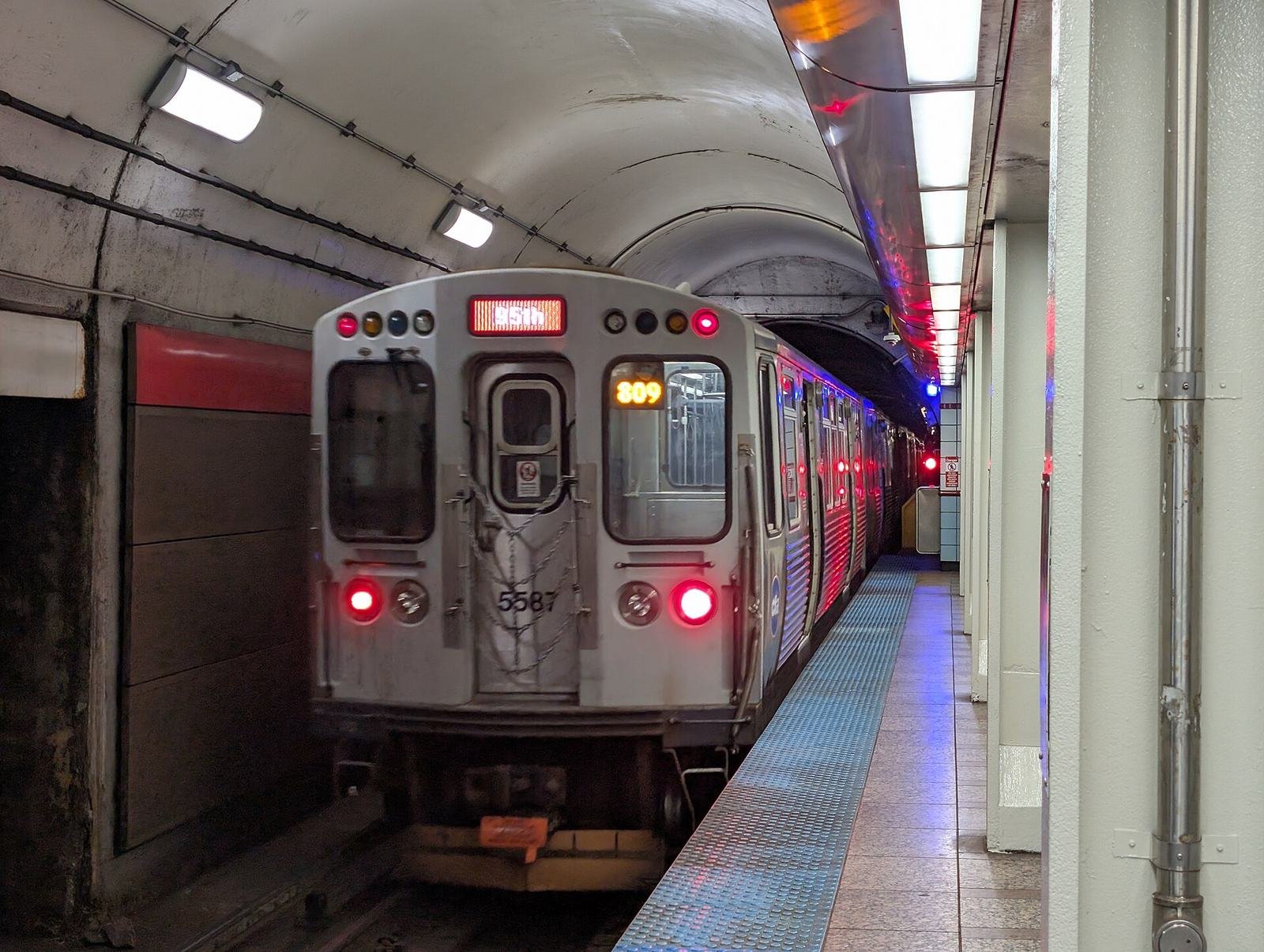
A classic con that riders report on the “L”, especially the Red Line. A person sets up three shells or cups and a small ball. A partner (the “shill”) pretends to be a random passenger, places a big bet and wins easily.
 JM
AK
That’s the point: it makes the game look easy and legitimate. It’s a sleight-of-hand trick, and if you play, you will lose your money. The “winner” is part of the act.
Who it targets: riders of all kinds. Rule: Don’t play, don’t bet, and don’t stop to watch.
⚠️ 10. The Clipboard Charity Impersonator

These scammers work high-traffic spots, often outside grocery stores. They carry a clipboard and a fake sign-up sheet for a well-known cause, like breast cancer research or a local tragedy.
They’re direct and confident and ask for a specific donation, usually $20 in cash. Once they have it, they move on fast.
Who it targets: everyone. Rule: If you want to support a cause, donate on the organization’s official website. You can check a charity at Give.org.
⚠️ 11. The ‘We’re Working Next Door’ Repair Scam

Someone knocks and says they were doing construction or pest control for your neighbor and spotted a “serious issue” with your roof, chimney or foundation. It’s a high-pressure pitch to sell you overpriced, often unnecessary or shoddy repairs on the spot.
Who it targets: homeowners. Rule: Never agree to work at the door. Get written quotes from contractors you found yourself and check their license and references. Under the FTC’s Cooling-Off Rule, you generally have until midnight of the third business day to cancel a covered door-to-door sale. (16 CFR 429.1)
⚠️ 12. The Perpetual ‘Going Out of Business’ Sale

A long-running retail grift. You’ll spot furniture, rug or electronics stores with giant signs shouting “EVERYTHING MUST GO!” or “FINAL DAYS!” for years on end.
The urgency is fake. Prices are often still inflated, and the goods are often lower quality. Illinois law defines a going-out-of-business sale as one held to make shoppers believe the business will cease at that location once the stock is gone, which is hard to square with a sale that never ends. (815 ILCS 350/2)
Who it targets: bargain hunters of every kind. Rule: Compare prices online before you buy, and ask for the return policy in writing.
⚠️ 13. The Pickpocket Bump
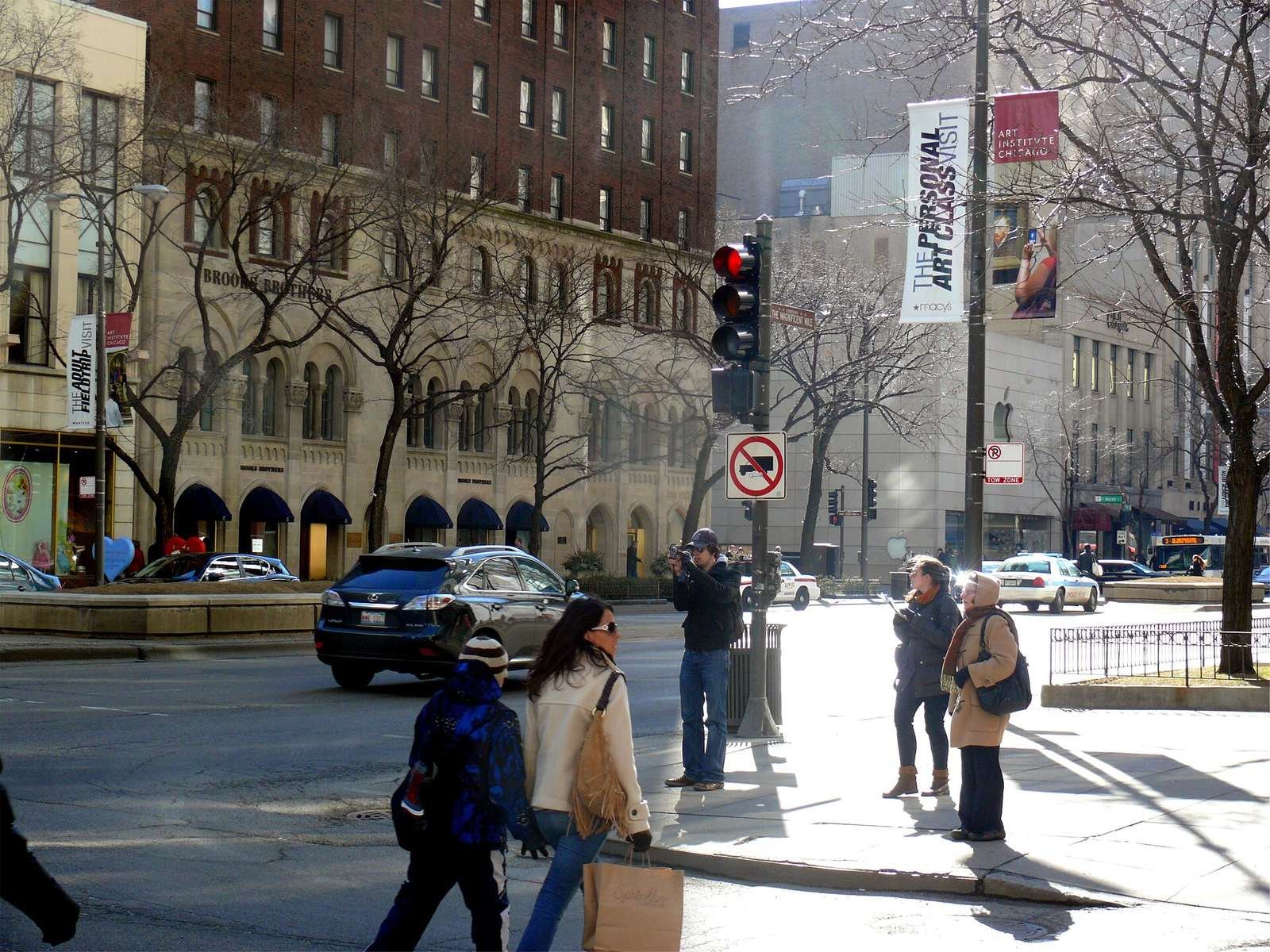
Common in any crowded area, and usually done by a team. One person “accidentally” bumps into you, stumbles in front of you or causes a minor commotion. While you’re distracted, their partner lifts your wallet or phone from a pocket or bag.
Who it targets: anyone in a crowd. Rule: Zip your bag, carry your phone and wallet in front pockets, and check your pockets after any odd moment.
⚠️ 14. The Classic Sob Story
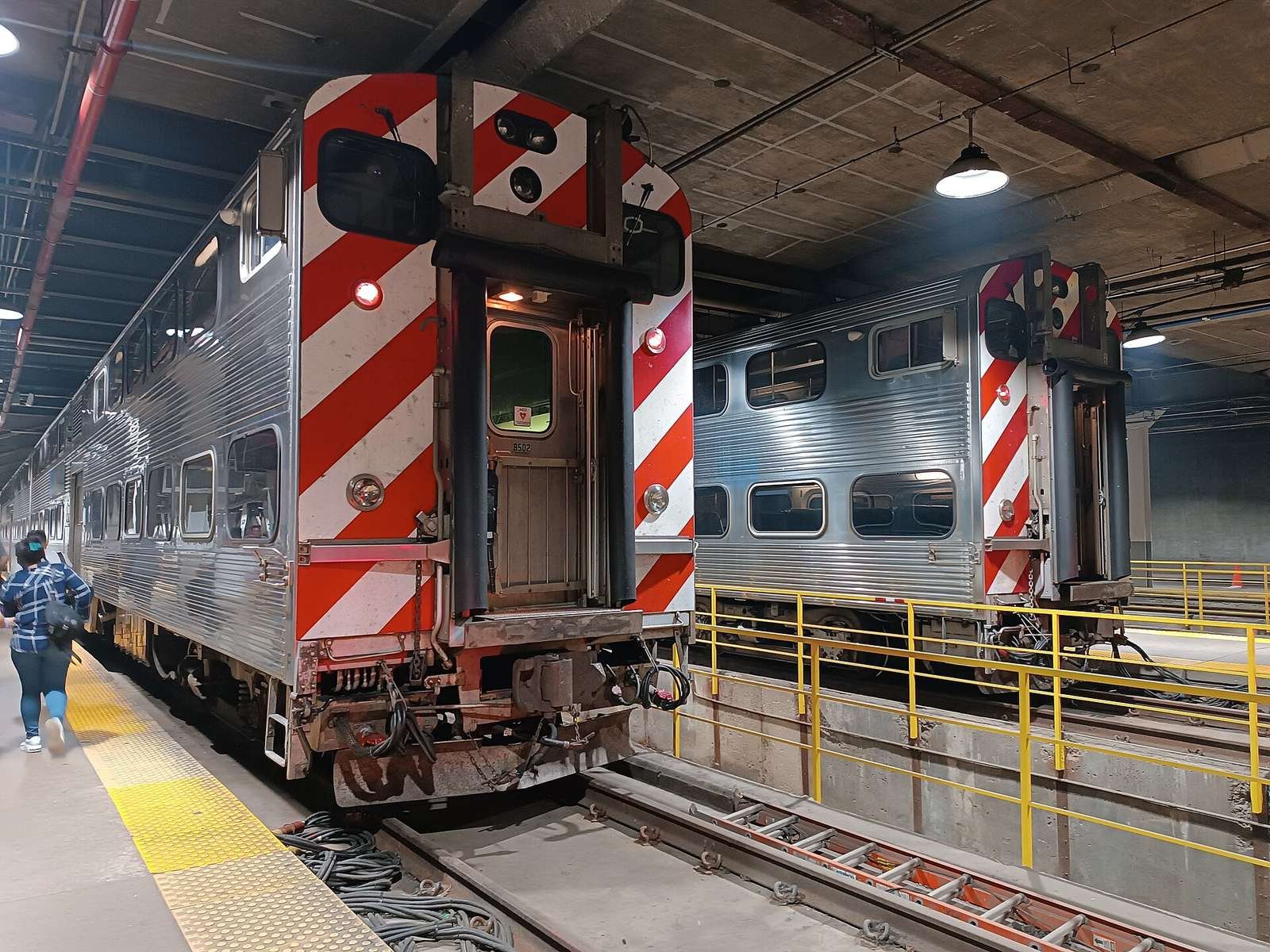
This is a whole category of scams that prey on empathy. The story changes, but the goal is cash. Watch for oddly specific requests:
- “I need exactly $7.89 for a bus or Metra ticket to get home to my sick mother.”
- “I need money to refill my child’s inhaler.”
- “We’re raising money for our friend’s funeral.”
Who it targets: anyone who stops to listen. Rule: If you want to help, offer a specific, real thing, like buying a snack, or point them to a shelter or official transit help. If you give money, use a small amount of cash.
3 Newer Scams To Watch For (Not On The Reddit List)
These didn’t make the original locals’ list, but they are being reported right now, including in the last few months.
Bonus A: The Fake Parking Attendant

Block Club Chicago reported in August 2026 on fans who were approached outside Lot L near Rate Field by a man in team gear and a yellow vest who took a card for the posted $35 parking rate, then charged thousands. One fan was charged $5,040 before a game on July 27. Police records show at least 10 incidents since August 2025, with charges of $3,000 to $4,000.
The White Sox say fans should never pay for parking outside the lots and recommend prepaid parking. (Block Club Chicago) Check your card activity after any game-day parking purchase.
Bonus B: The Fake QR Code on Parking Pay Boxes
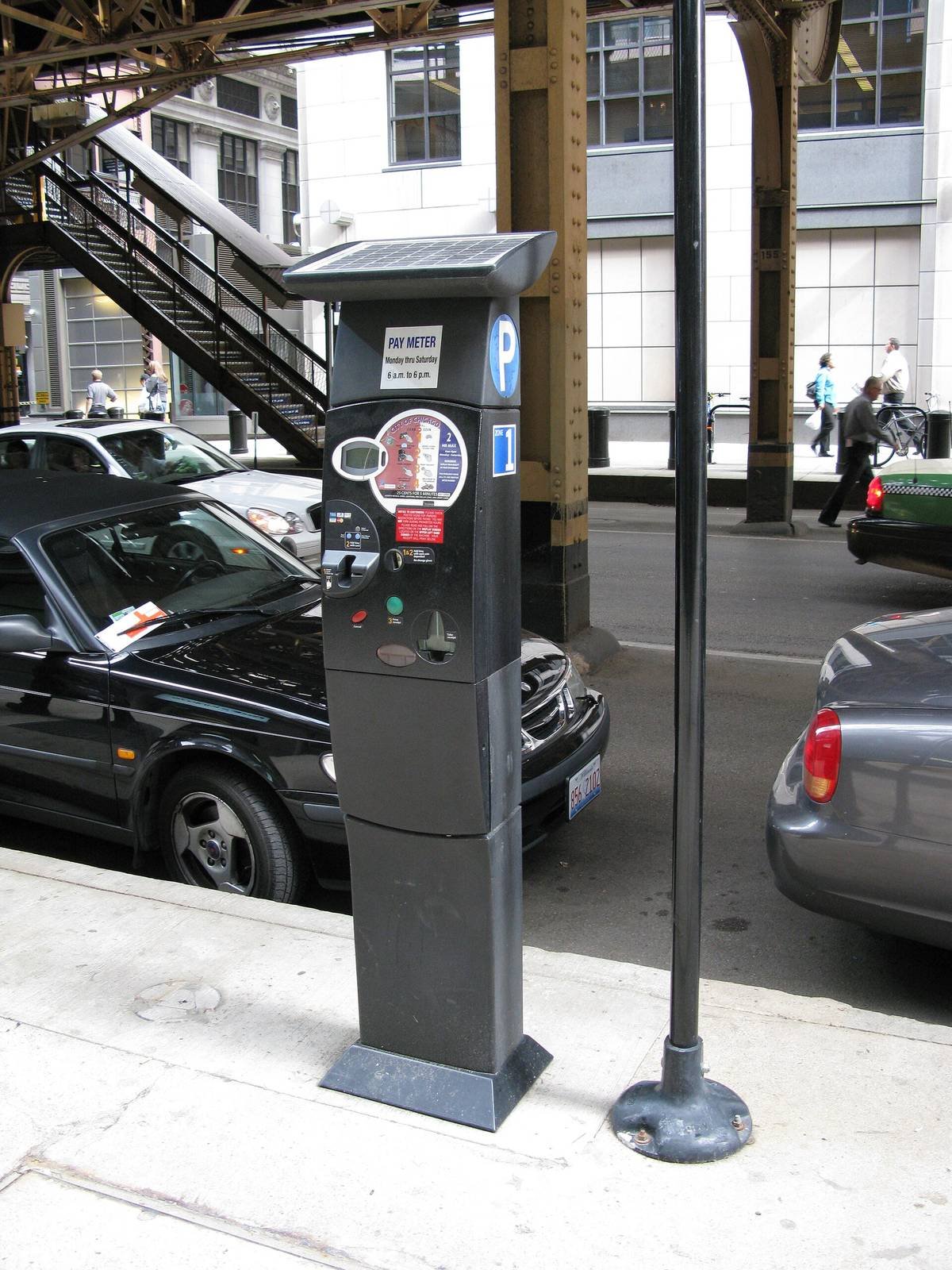
Scammers stick fake QR codes over real ones on parking meters and transit areas, sending you to a fake payment site that steals your card details. The Better Business Bureau warned about this in August 2026. ParkChicago says it has never used QR codes to identify a location or sign up for an account. If you see one on a pay box, call 877-242-7901. (ParkChicago, ABC7 Chicago)
Bonus C: Fake Tickets Outside the Ballpark

Fake tickets turn up around big Chicago games and concerts, often from street sellers or social-media listings. Buy from the team or venue, or from a verified resale marketplace. The BBB advises paying by credit card, since debit cards, wire transfers and cash leave you no way to get your money back. (BBB, Ticketmaster) Our guide to Chicago’s worst tourist traps covers the rest.
General Rules to Stay Safe
Just Say No and Keep Walking. You don’t have to stop, listen or engage. It isn’t rude to protect yourself.
Never Hand Over Your Phone or Card. This is the number one rule. Don’t let a stranger touch your financial tools.
If You Give, Use Cash. If you choose to give on the street, use a small amount of cash. That caps your risk.
Use a Credit Card, Not Debit, When You Must Pay. Credit cards usually offer stronger protection for unauthorized charges.
Trust Your Gut. If a situation feels rushed, pressured or strange, it is. Walk away.
If You’ve Been Scammed: call your card issuer immediately, then report it to the Illinois Attorney General (Chicago consumer fraud line 1-800-386-5438) or the BBB Scam Tracker. See also our list of expensive mistakes tourists make in Chicago.
Chicago Visitor Guide: Stay Safe, Then Enjoy It
Who to Call:
- Emergency: 911
- City services and reports (including airport ride solicitors): 311
- Illinois Attorney General, Consumer Fraud Bureau (Chicago): 1-800-386-5438
- ParkChicago (parking payment problems): 877-242-7901
- ComEd (to check if a visitor is real): 800-334-7661
Where to Stay:
Pick a neighborhood you can walk around safely at night. Start with what locals say are the best downtown Chicago hotels and the one neighborhood locals say stands out, or splash out on a hotel with an indoor pool.
Where to Eat:
Skip the tourist-trap menus. These are the places locals actually queue for: 18 famous Chicago restaurants that are worth the hype and 15 must-try foods in Chicago.
Getting Around:
Read our 17 tips for riding the Chicago “L” before your first trip.
Want more Chicago tips like these? Join the free Hey Chicago newsletter at newsletter.heychicago.us.
Sources: Reddit r/AskChicago; NBC Chicago; Block Club Chicago; ComEd; Illinois Attorney General; Illinois Commerce Commission; City of Chicago; Chicago Police Department; WGN; FTC; ParkChicago; ABC7 Chicago; BBB; Ticketmaster; AP; CBC. Images via Wikimedia Commons (credits and licenses in each caption).
 Uptown Theatre Reopens for Open House Chicago 2026
 15 New Skyscrapers and Megaprojects Coming to Chicago in 2027 and Beyond
 Chicago’s Art Institute Lions Get Their 250-Pound Holiday Wreaths Nov. 27. Here’s How
 Chicago’s CTA Holiday Train Starts Nov. 27: Here’s When Santa Rides Every L Line
 Chicago Could Get a Warmer Winter as a Near-Record El Niño Builds, NOAA Says
 Chicago’s Thanksgiving Parade Is Starting an Hour Earlier This Year, at 7:45 a.m.
JM
AK