

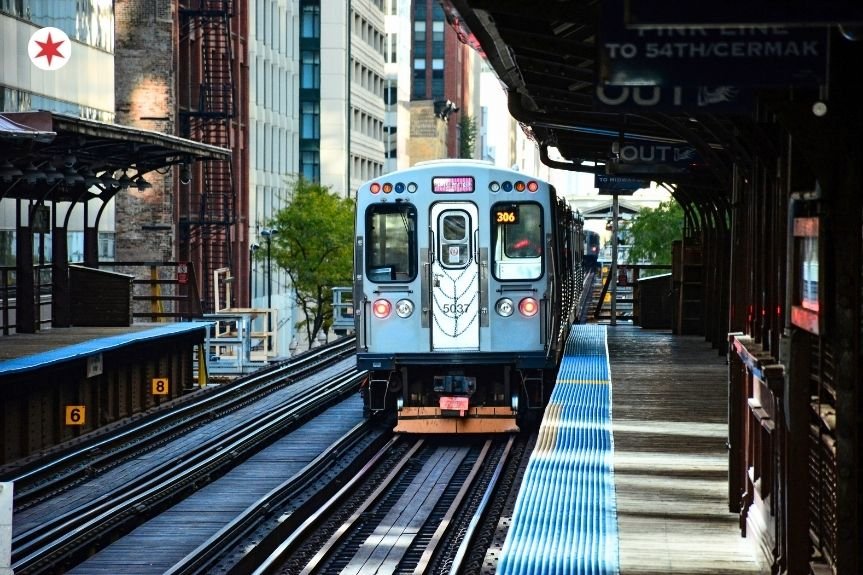
The Chicago ‘L’ train is the absolute lifeblood of the city.
It’s the fastest, cheapest, and most authentic way to escape the downtown tourist bubble and explore the real, vibrant neighborhoods where Chicago culture actually lives.
But let’s be honest: navigating a new public transit system can be intimidating.
Is it a flat fare? Do you need to tap to exit? What exactly is a Ventra card, and how do you even use it?
Don’t worry, we’ve got you covered.
This isn’t just a map; it’s your ultimate cheat sheet to riding the rails like a pro.
From buying the right pass and navigating the color-coded lines to the unwritten rules of train etiquette that locals follow, we’ve broken down everything you need to know.
Here are the 12 essential tips every first-time visitor needs to read before they step on the ‘L’
1. Get the Ventra App (Don’t Bother With a Physical Card)
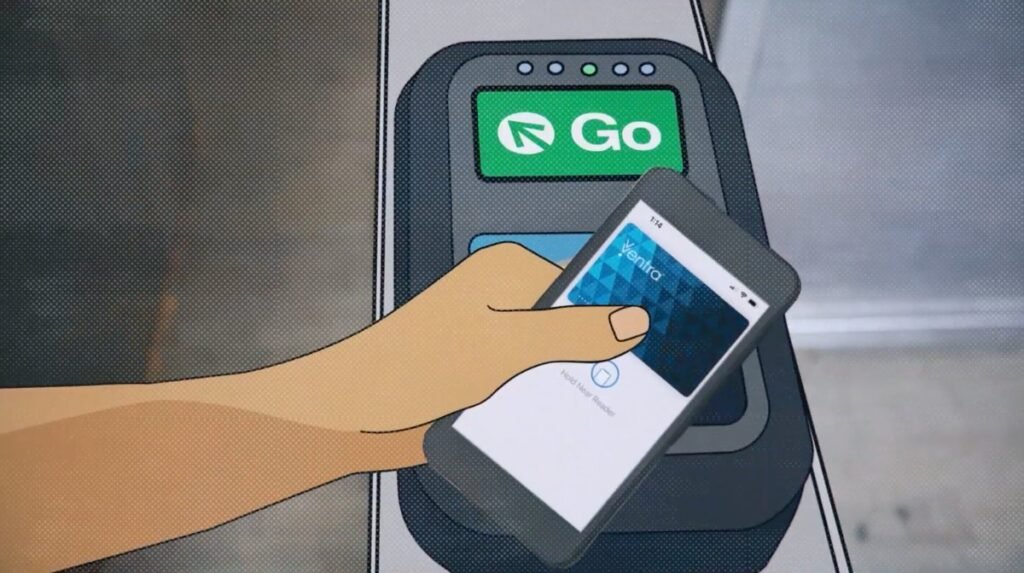
First things first: the easiest and most modern way to pay for the ‘L’ is with your smartphone.
Before you even arrive in Chicago, download the free Ventra App.
From there, you can add a new digital Ventra card directly to your Apple Wallet or Google Pay.
This not only saves you the $5 fee for a new physical card, but it also means you can’t lose it. You just tap your phone on the turnstile reader, and you’re good to go.
2. Buy a Pass (It’s a No-Brainer, Especially from O’Hare)
If you are visiting for more than a day, paying for each ride individually is a waste of money.
As of 2026, a single ‘L’ ride costs $2.75. However, you can buy unlimited ride passes directly in the Ventra app: a 1-Day Pass is $6.00, and a 7-Day Pass is $25.00. (Note: The 3-Day Pass was discontinued in early 2026).
The math is simple: the 1-Day Pass pays for itself after just three rides. If you’re here for a weekend, buying three 1-Day passes is your best bet for flexibility.
The Ultimate O’Hare Airport Hack:
A single ride ticket purchased at O’Hare station costs $6.00 to account for an airport surcharge. A 1-Day unlimited pass also costs $6.00.
This means you should always buy a 1-Day Pass at the airport. Your first ride into the city is covered, and every single subsequent ride you take for the next 24 hours is effectively free.
10 Hidden Architectural Details Chicago Locals Walk Past Every Day (But Tourists Never Notice)


3. You Only Tap Once to Enter (Not to Exit)
This is a crucial tip for anyone used to the transit systems in cities like Washington D.C., London, or Tokyo.
The Chicago CTA is a flat-fare system.
This means you pay the same price whether you go one stop or ride the train all the way to the end of the line.
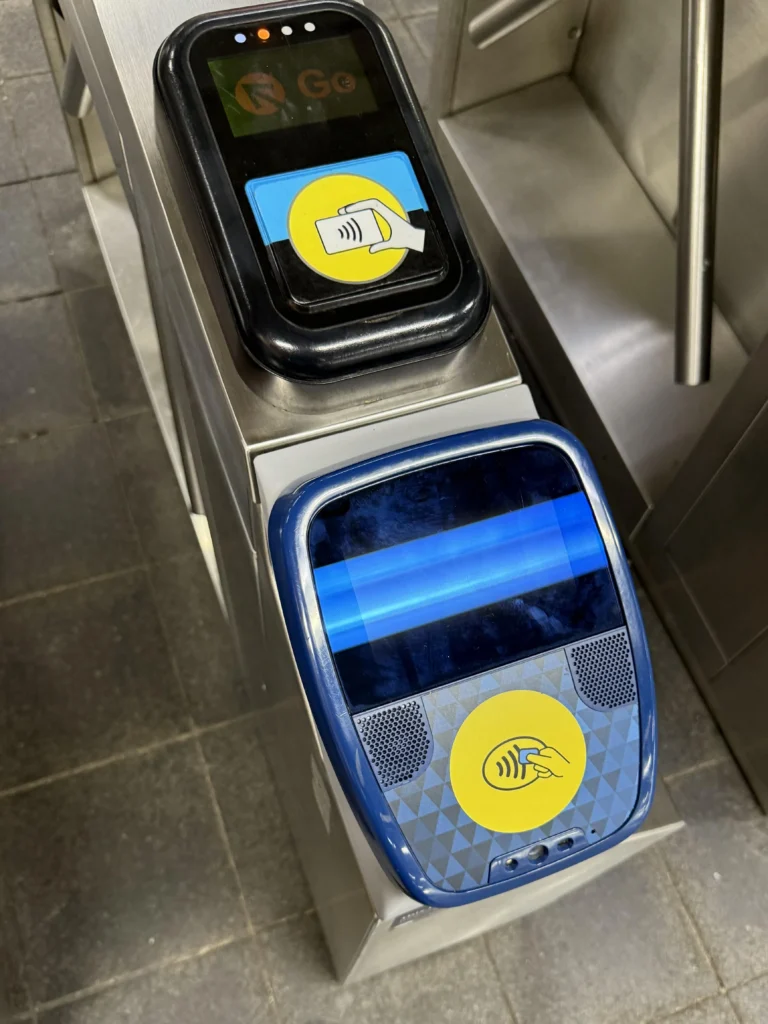
You only need to tap your Ventra card or phone on the turnstile reader when you enter the station.
You do not need to tap again to exit when you reach your destination. Just walk right out.
4. Understand the Line Colors and Directions
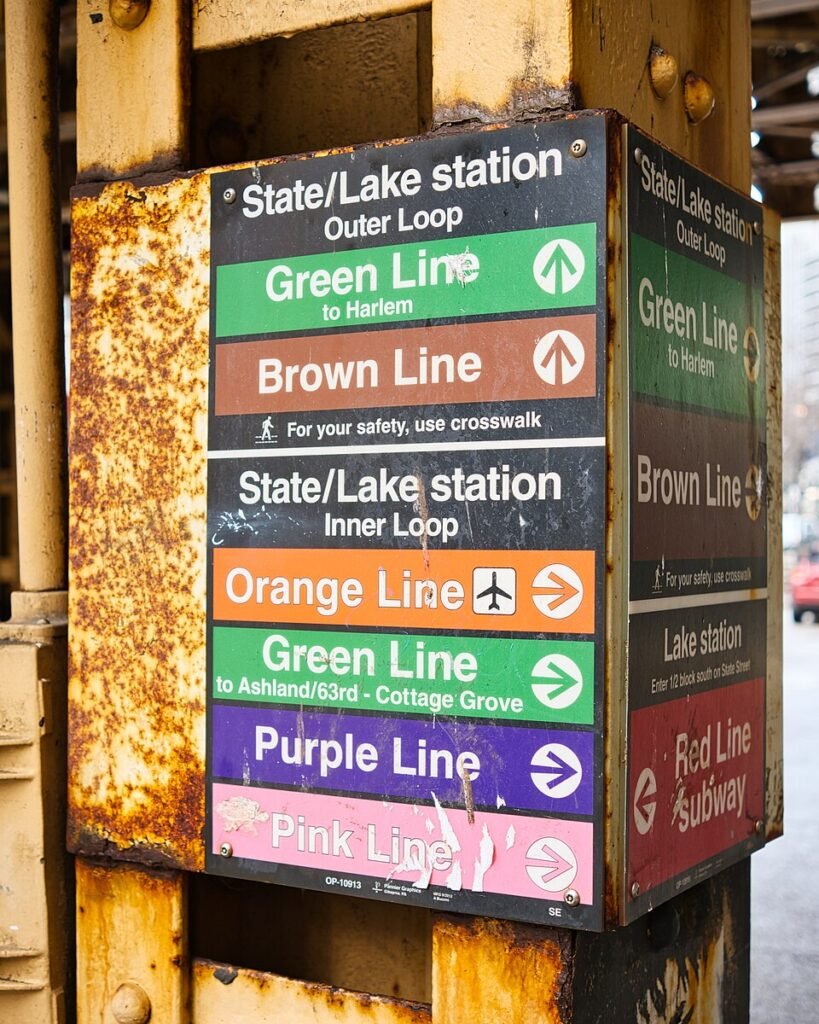
The ‘L’ system is organized by color-coded lines (Red, Blue, Brown, etc.), which makes the map easy to read.
However, the most confusing part for tourists is that the direction of the train is not labeled with compass points like “Northbound” or “Southbound.”
Instead, the direction is named after the final station at the very end of that line.
For example, on the Red Line, trains heading north are “Howard” trains, and trains heading south are “95th/Dan Ryan” trains.
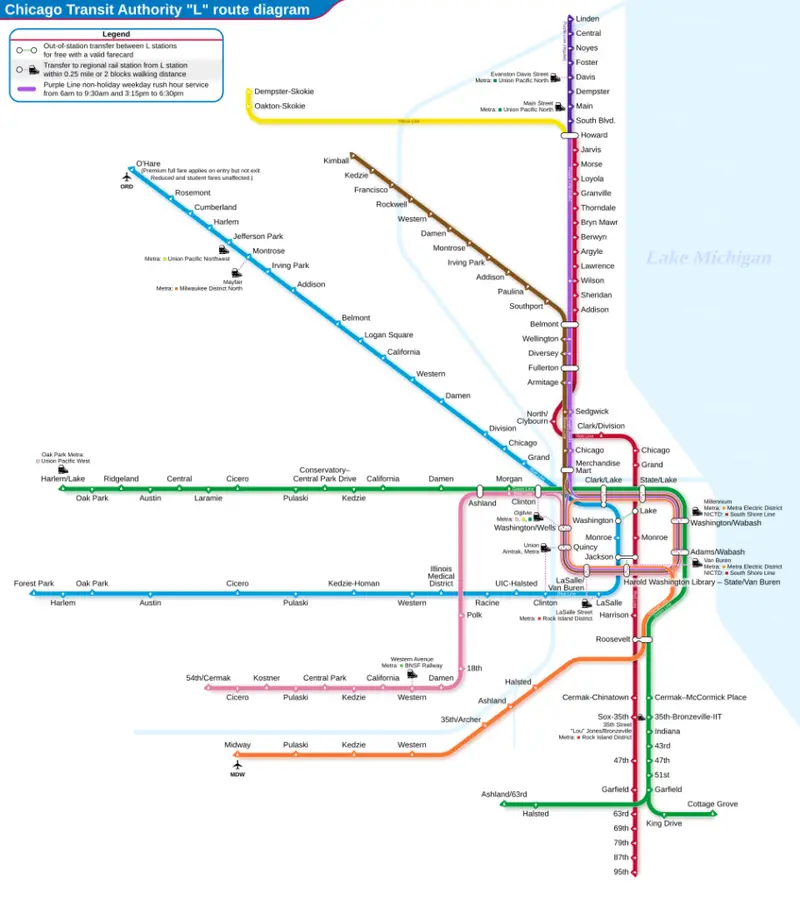
When you’re looking at a map to find your destination, always look at the very end of the line to see which train you should be catching.
5. Know the Difference Between “The Loop” and “Downtown”
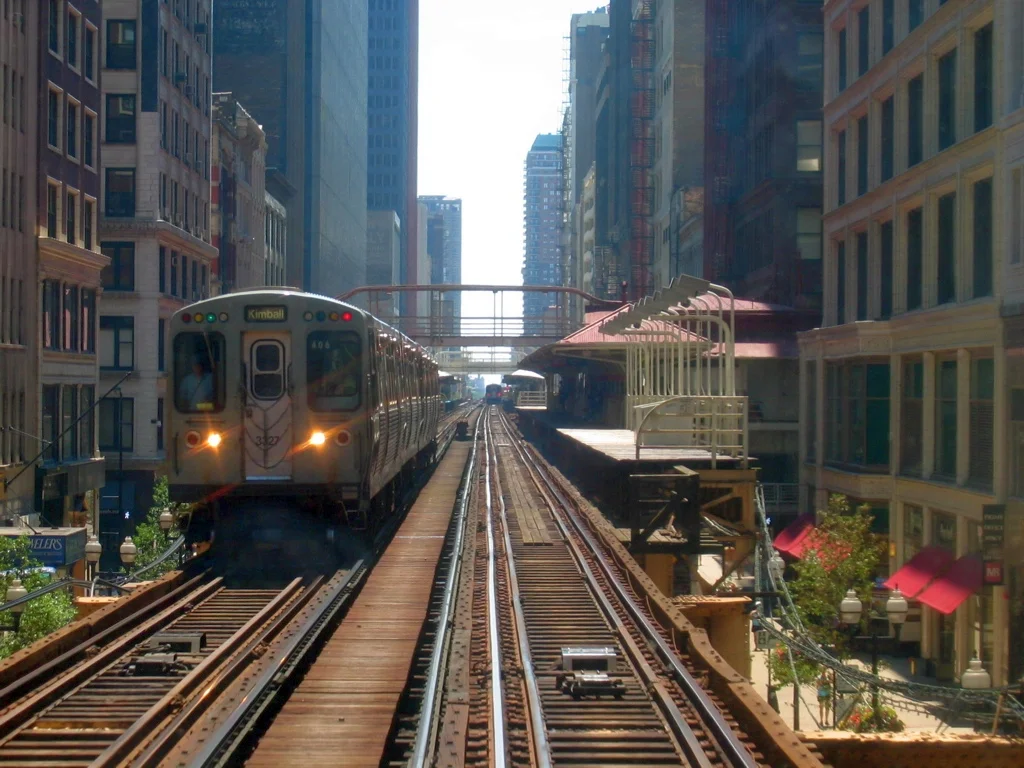
This is another classic point of confusion. While “The Loop” is used as a general term for downtown, it also refers to the literal loop of elevated train tracks that encircles the central business district.
Most of the elevated trains (Green, Orange, Pink, Purple) travel clockwise around this loop.
The Brown Line is the major exception, traveling counter-clockwise.
This is important to know when you’re transferring. If you get on the wrong side, you might have to ride the train in a big circle around downtown just to go one stop. Always double-check the signs on the platform before you board.
6. Use a Good Transit App for Real-Time Tracking
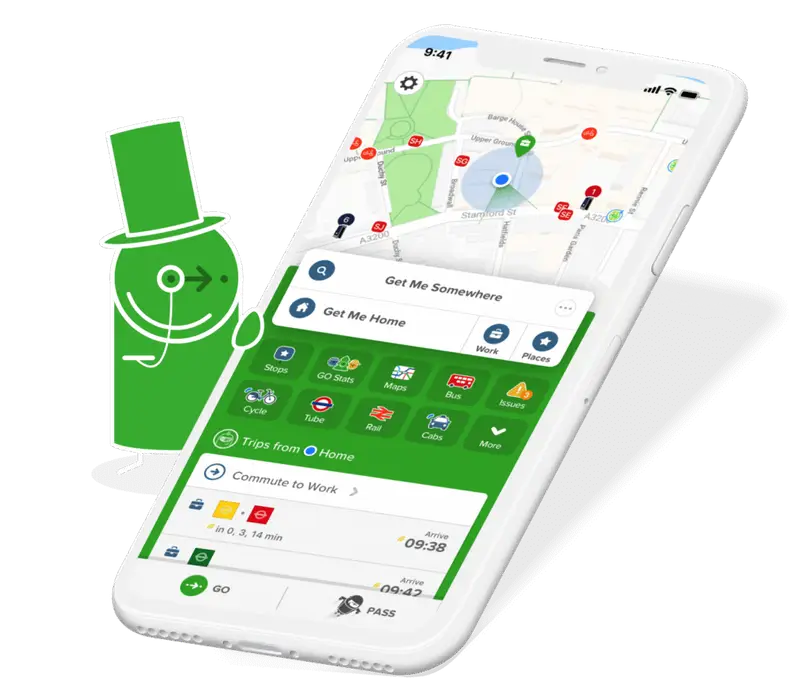
While Google Maps is helpful, dedicated transit apps like Citymapper or Transit are often much more accurate for real-time arrivals.
Here is the most important secret to avoid waiting for a “ghost train” that never shows up:
In the app, look for a little wifi-like symbol next to the arrival time. This means the app is tracking a real, physical train via GPS.
If you only see a clock symbol or just a time, that’s the scheduled arrival, which can be unreliable due to delays or construction. Always trust the trains with the real-time symbol!
7. The Golden Rule of the Empty Train Car
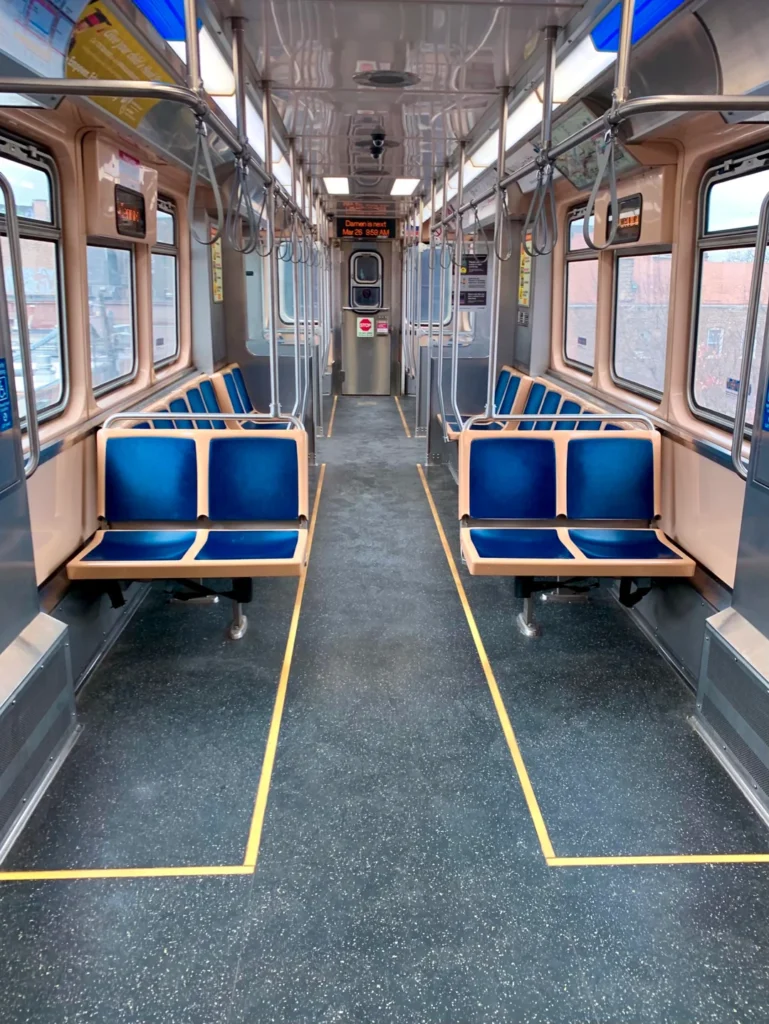
This is the most important secret you will ever learn about riding the ‘L’.
If you are on a crowded platform and the train pulls up, you might get excited when you see one car that is completely empty while all the others are packed.
Do NOT get on the empty car.
It is empty for a reason.
Whether it’s a horrible smell, a broken heater in the winter, a mess on the floor, or someone acting erratically, there is always a very, very good reason why a hundred Chicagoans chose to squeeze into a packed car instead of taking an open seat.
Walk to the next car. Trust us.
8. Take Off Your Backpack on a Crowded Train
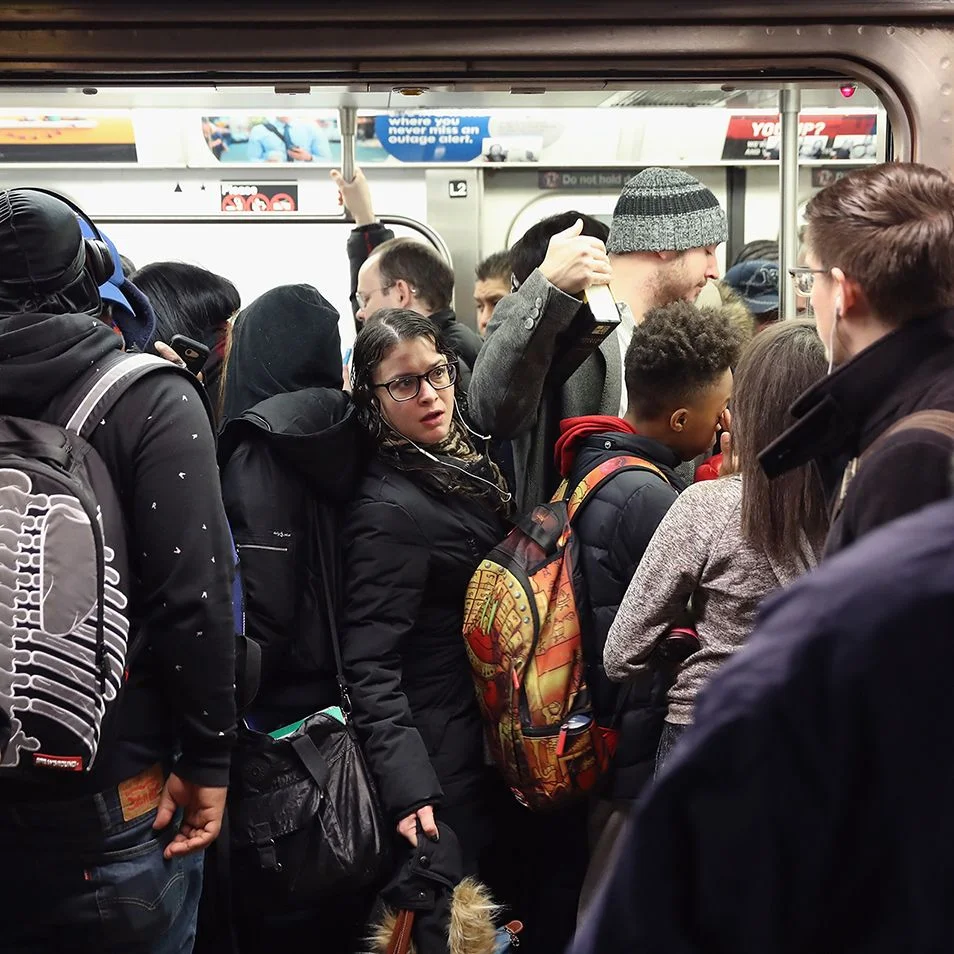
This is the number one sign of a respectful and experienced commuter.
If you get on a train during rush hour and it is crowded, please take off your backpack.
When you’re wearing it, you can’t feel when you bump into people behind you, and it essentially doubles the amount of space you take up.
Simply slip it off your shoulders and place it between your feet or hold it in front of you. It’s a small gesture that makes a huge difference for everyone packed into the car.
9. Stand on the Right, Walk on the Left
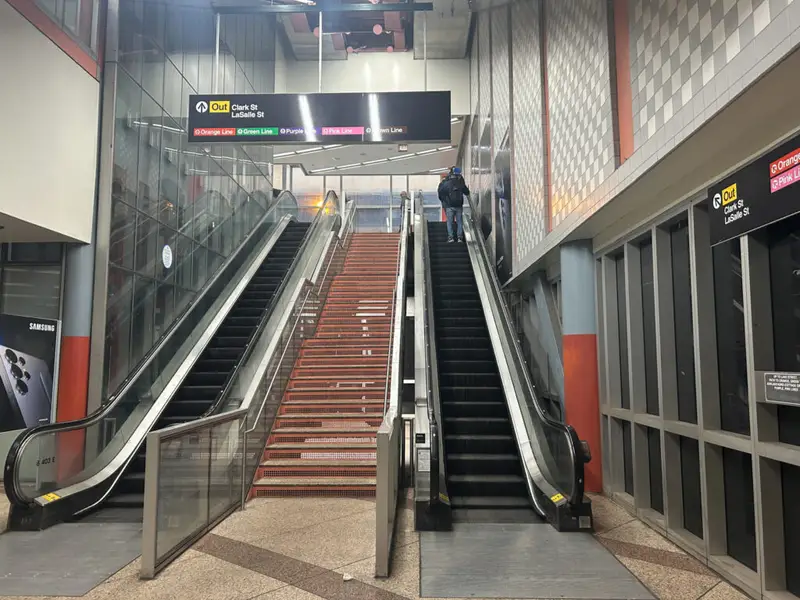
This is the universal law of escalators in every major transit system around the world, and Chicago is no exception.
When you are on an escalator in a CTA station, think of it like a two-lane highway.
If you want to stand still and ride it all the way up or down, stay to the right side.
This leaves the left side open as a “passing lane” for commuters who are in a hurry and want to walk.
10. Let People Off Before You Get On
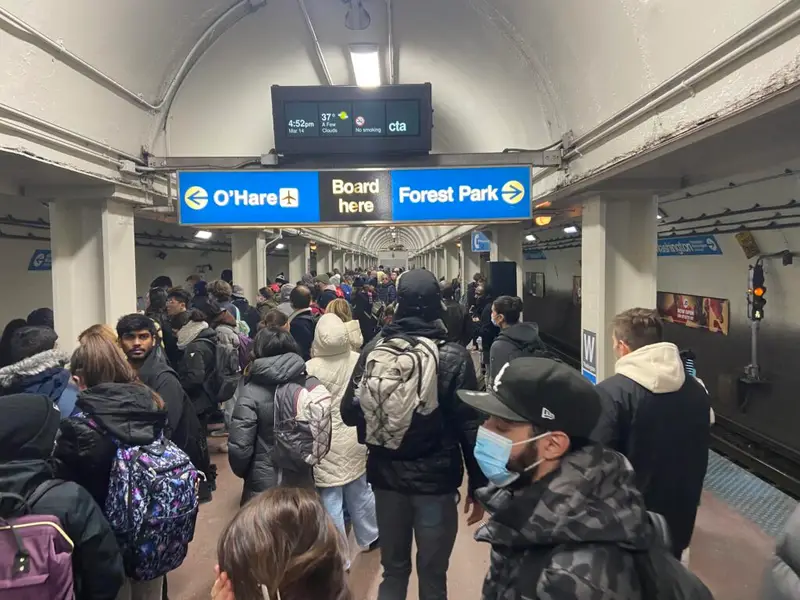
It sounds simple, but in the chaos of a busy station, it’s easy to forget.
When your train arrives and the doors slide open, do not immediately try to push your way onto the car.
Step to the side of the doors and let all the exiting passengers get off the train first.
This clears the space and makes it much easier and faster for everyone waiting on the platform to board in an orderly fashion.
11. Don’t Be Afraid of the Bus!
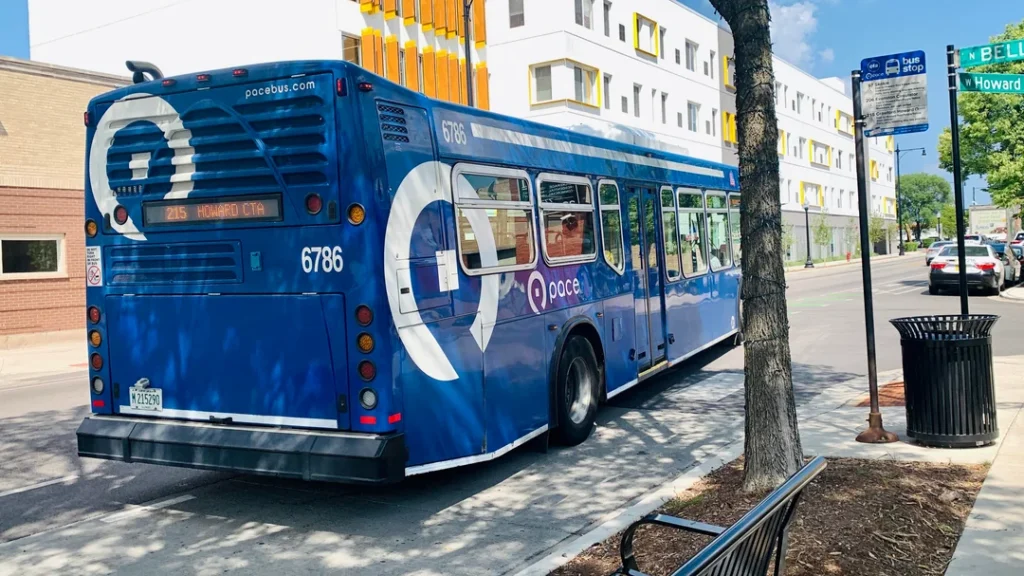
Many tourists focus so much on the ‘L’ that they completely ignore Chicago’s massive and incredibly efficient bus system.
While the train is perfect for covering long distances between neighborhoods, the bus is often much more convenient for getting to a specific address within a neighborhood.
The bus routes run on a simple grid system, and there are far more stops than on the ‘L’, meaning a bus can often drop you off right at the front door of your destination.
Best of all, your unlimited ride pass works on both the ‘L’ and the buses, so you can transfer seamlessly between them.
12. For Peace of Mind, Ride in the First Car
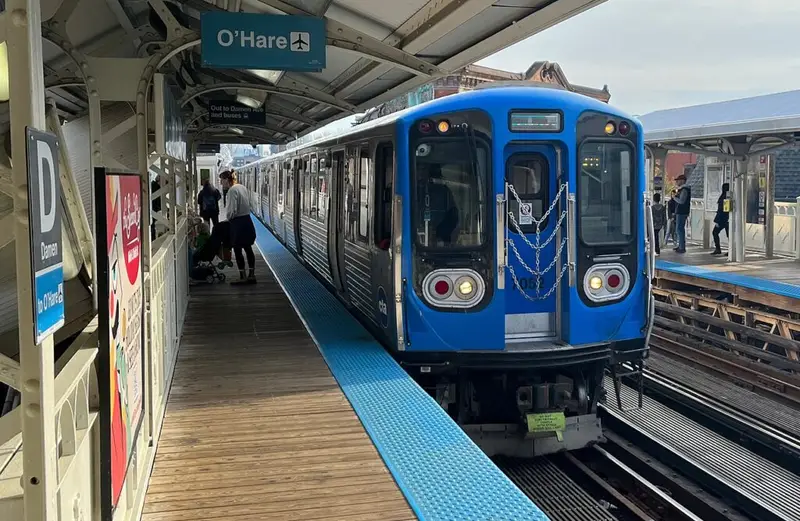
This is a great safety tip for anyone traveling late at night or who just wants a little extra peace of mind.
The very first car of every ‘L’ train is where the train operator (the conductor) is located.
If you ever feel uneasy, or if the car you are in feels a bit sketchy, simply move to the front car.
Being in the same car as a CTA employee is always the smartest and safest bet, especially during off-peak hours.
Now You’re Ready to Ride the Rails Like a Local
Congratulations! You are officially equipped with all the insider knowledge you need to navigate Chicago’s public transit system with total confidence.
Now that you know exactly how to get around the city, the only question left is deciding where to go.
The ‘L’ is your golden ticket to exploring the unique neighborhoods that make Chicago so special.
Ready to start your adventure? Check out our guide to the Best Chicago Neighborhoods Locals Actually Hang Out In and pick a train line to explore.
Do you have any other tips for first-time ‘L’ riders? Let us know in the comments below!