
The misconceptions locals are tired of correcting, the myths that won’t die, and what’s actually true.
There’s a version of Chicago that exists in the heads of people who have never been here.
It’s a freezing cold, dangerous, mobster-run, deep-dish-eating, downtown-only city where it’s always windy, the lake is just a lake, and everyone sounds like an SNL Superfans skit. That version of Chicago lives in movies, in cable news cutaways, and in the minds of friends who text us every time the national news mentions the city.
The real Chicago is none of those things, or only some of those things, or yes some of those things but not for the reason you think.
We asked our Facebook regulars what people get wrong about Chicago most often. The replies came in fast. Locals are tired. The same misconceptions come up over and over, repeated by tourists, by people watching from a distance, by friends who’ve never visited, by relatives who refuse to come.
Here are the 13 things people get wrong about Chicago, with what’s actually true.
1. That Chicago Is A Warzone
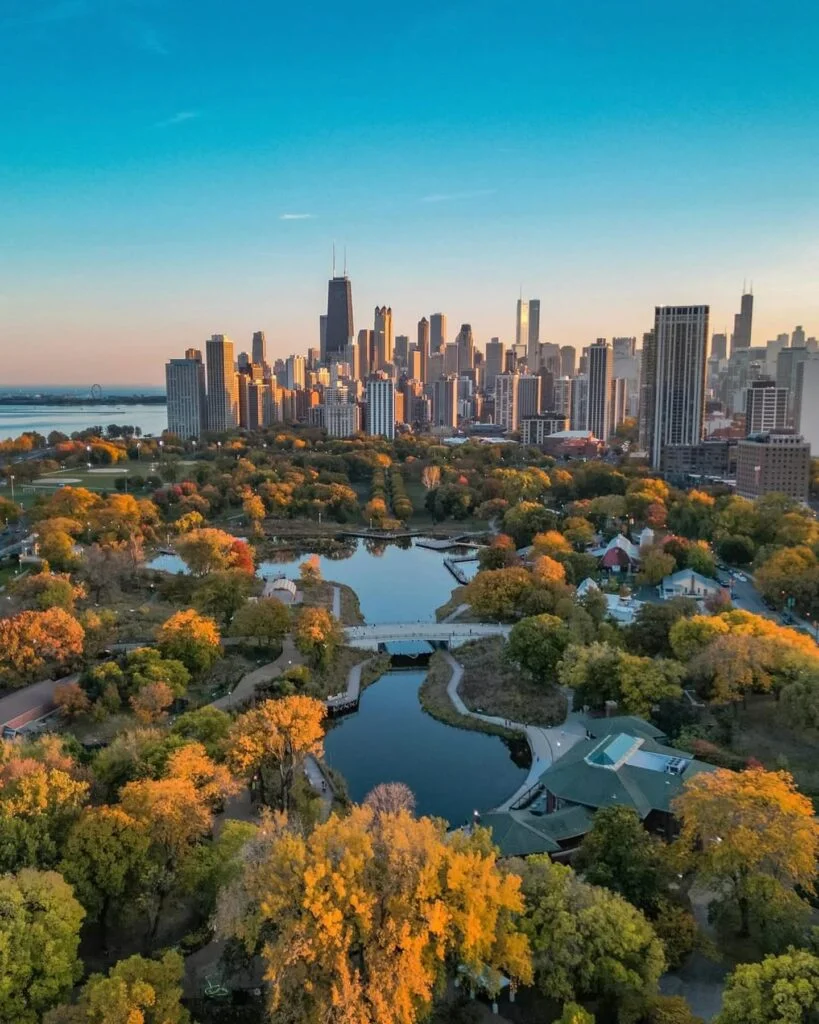
This is the misconception locals correct most often, and it’s the most frustrating one to keep correcting.
Yes, Chicago has neighborhoods with serious gun violence. The numbers are real. They’re also concentrated in specific blocks of specific neighborhoods, far from where tourists go. The Loop, River North, the Magnificent Mile, Lincoln Park, Wicker Park, Logan Square, Andersonville, Hyde Park, the Lakefront, and most of the North Side and Near North Side have crime rates lower than the average American suburb.
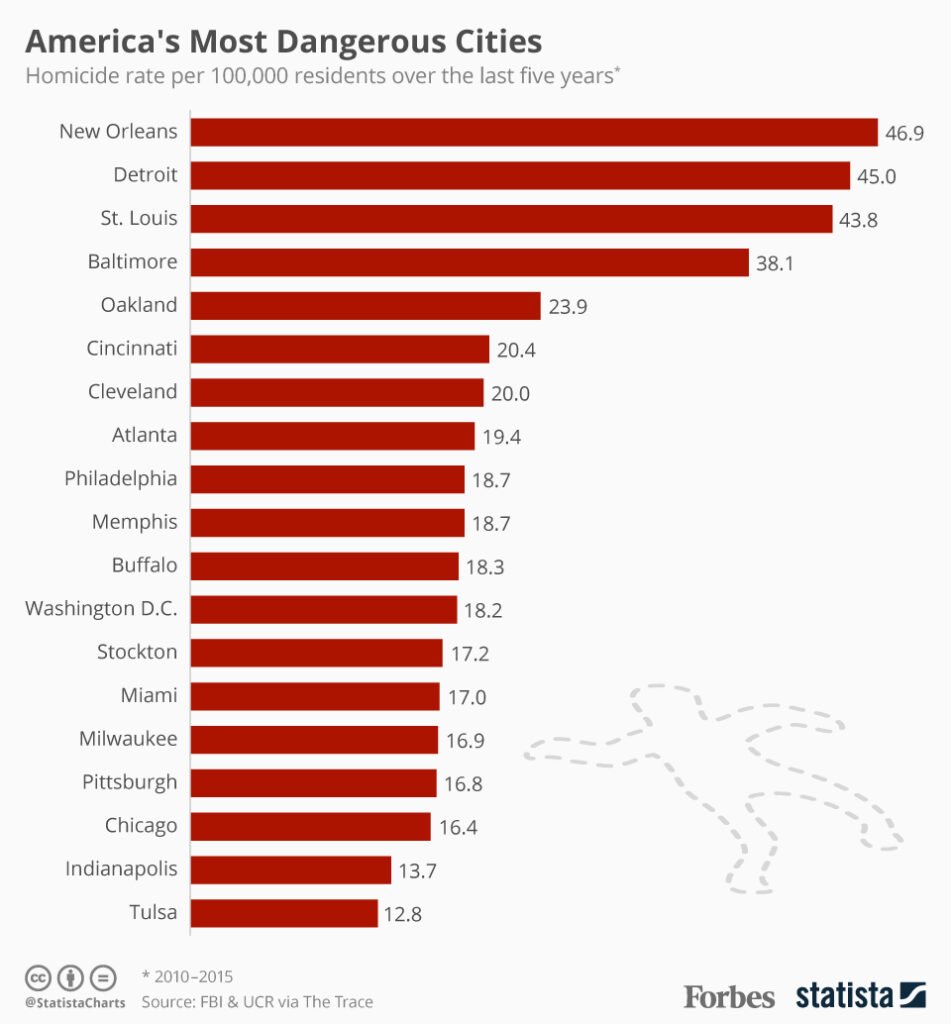
The cable-news version of Chicago, the one that conflates the entire city with the worst weeks in the worst neighborhoods, is genuinely not what visitors experience. People walk home from bars at 2am. Tourists ride the Red Line. Families take their kids to the lakefront. The actual lived experience of being a visitor or a North Side resident in Chicago is closer to walking around Toronto or Boston than to whatever you’re picturing.
The crime concentrated on the South and West Sides is a tragedy, and the people in those neighborhoods deserve more than to be used as a national talking point. But it’s not the city visitors will encounter, and it’s not what daily life looks like for the vast majority of the three million people who actually live here.
2. That We Only Eat Deep Dish Pizza
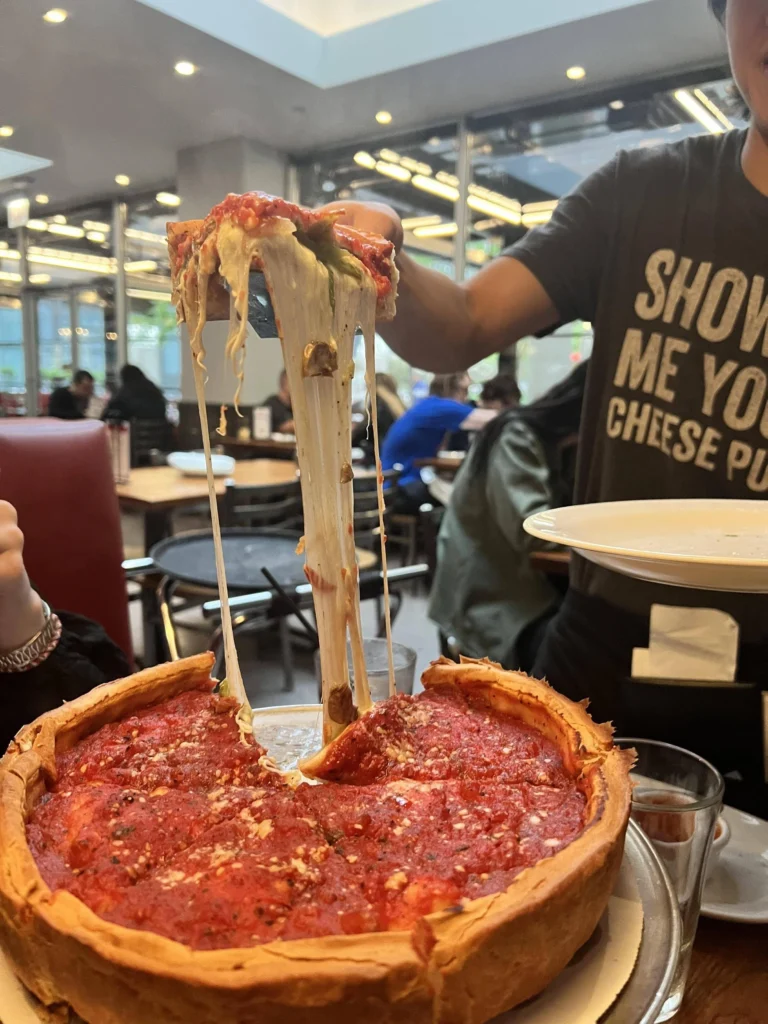
Deep dish is a tourist food. Locals eat tavern-style.
The Chicago pizza most Chicagoans actually eat is thin crust, cracker-crispy, sliced into squares (not wedges), and ordered from neighborhood pizzerias most tourists have never heard of. Vito and Nick’s. Marie’s. Pat’s Pizza. Home Run Inn. Vince’s. The square cut is sometimes called “party cut” and produces tiny corner pieces that fight each other for the best ratio of crust to topping.
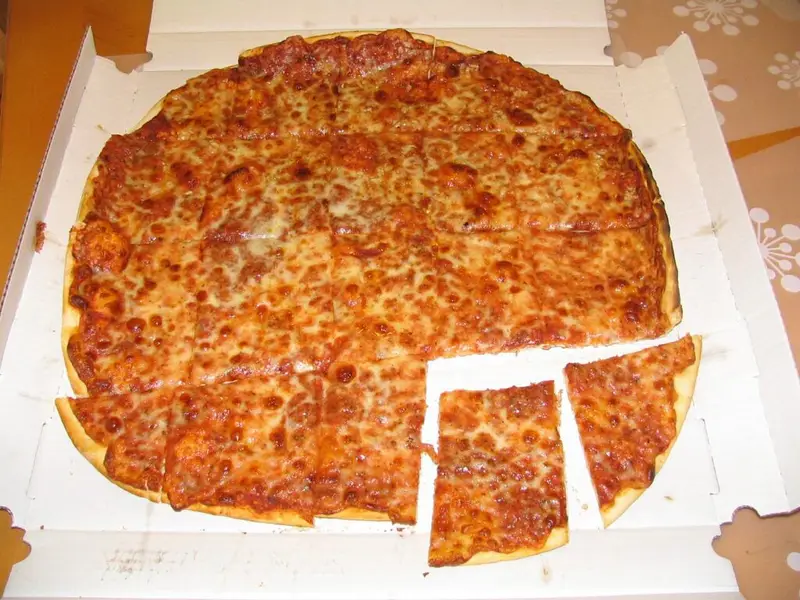
Deep dish is a perfectly fine product. Lou Malnati’s, Pequod’s, and Giordano’s all serve good versions of it. But it takes 45 minutes to bake, costs $40 a pie, and most Chicagoans eat it once a year if at all. Tourists eat deep dish every meal of every Chicago trip. Locals quietly judge them for it.
If you want to eat what Chicagoans actually eat, order tavern-style. Better yet, our best thin crust pizza guide tells you exactly where to go.
3. That The Winter Is Unbearable
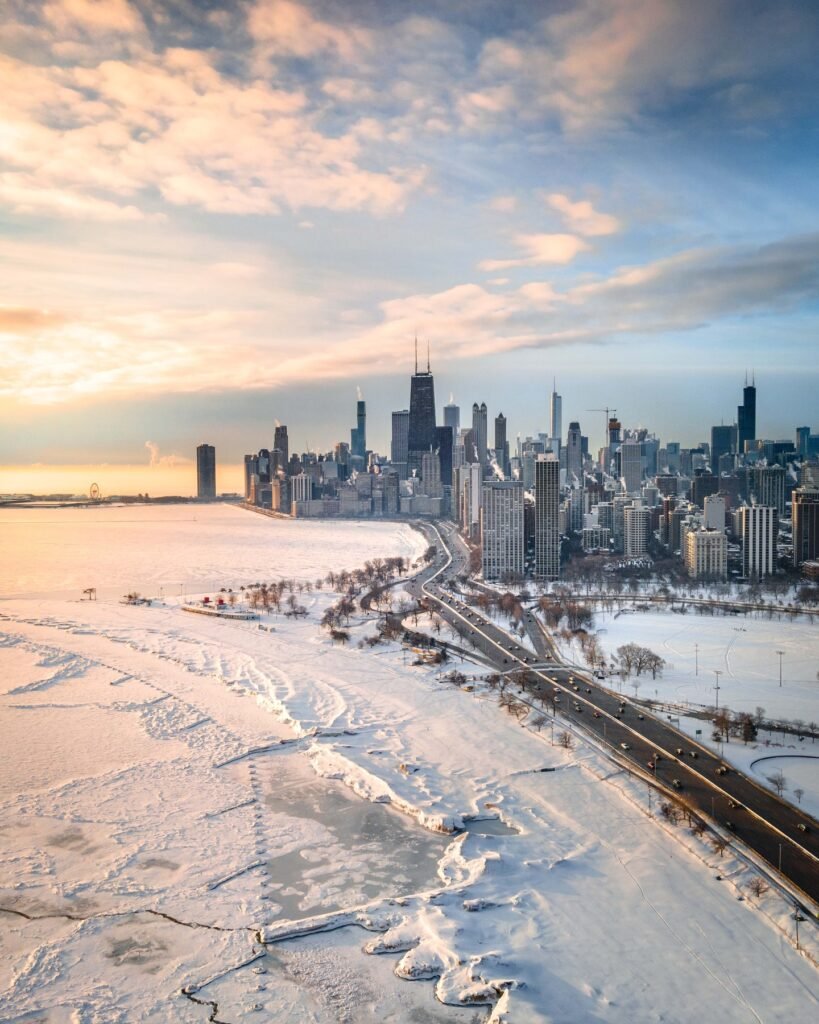
The winter is brutal. Locals will not pretend otherwise. February in Chicago is genuinely difficult, and there are weeks where the wind chill doesn’t crack zero and the lake effect snow buries everything that isn’t moving.
But “unbearable” is the wrong word. Locals get through winter by leaning into it. Indoor markets, ice skating at Maggie Daley Park, holiday lights on the Mag Mile, the Christkindlmarket, lantern festivals at Brookfield Zoo, hot pot in Chinatown, fire pits at Cindy’s Rooftop, and the steady stream of theater, comedy, and music that fills the months when going outside is a poor decision.
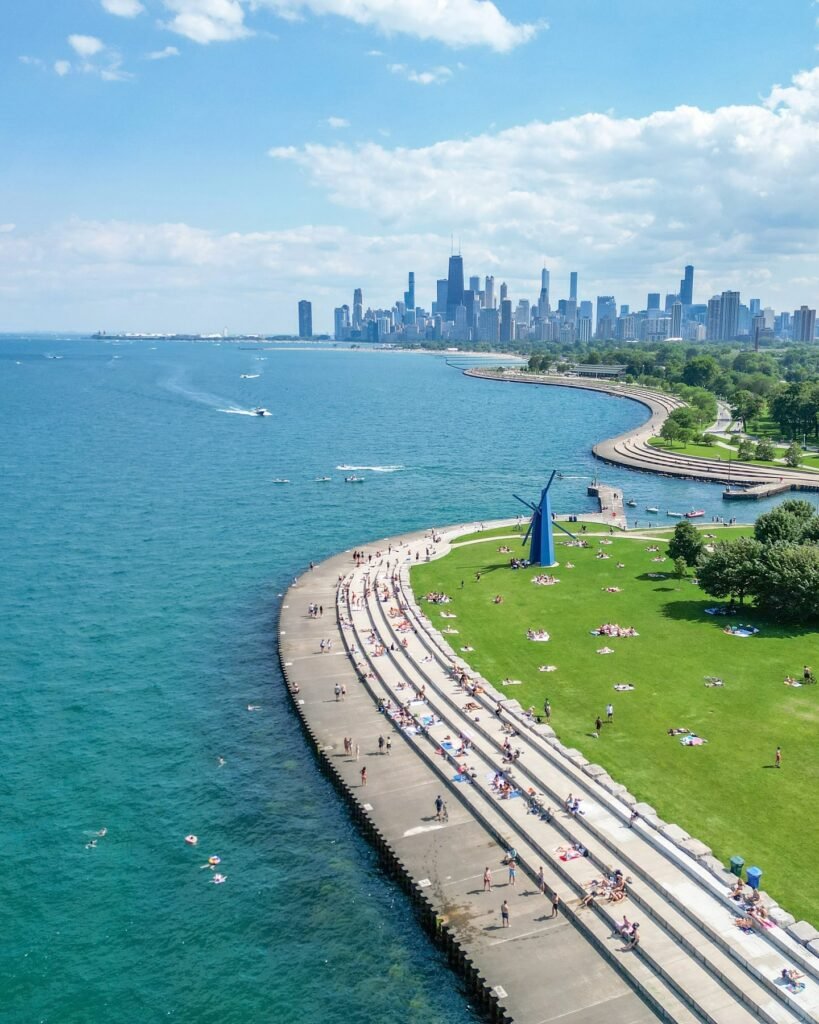
The bigger correction is this: Chicago summer is one of the great American urban summers. June through September delivers 90-degree lakefront days, 18 miles of beaches, festival weekends every weekend, rooftop bars, outdoor dining, and lake breezes that make the city feel like a different city entirely. Travelers who come in winter and write off Chicago miss the version everyone falls in love with.
If your only reference for Chicago weather is a January news clip, you’re getting the wrong picture. Come back in July.
4. That Chicago Is Just Downtown
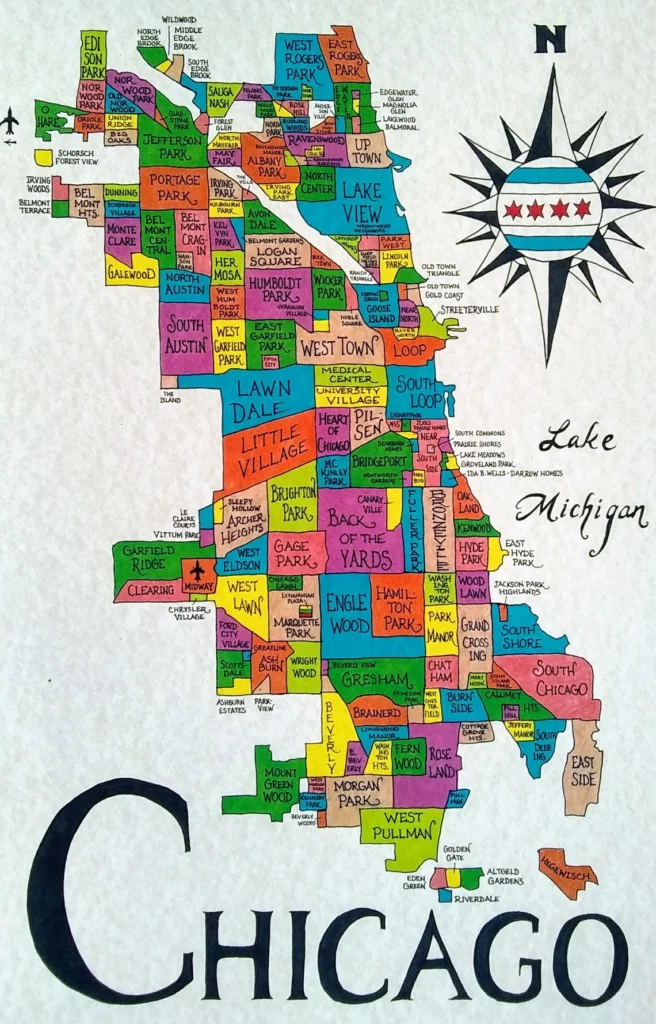
Visitors see the Loop, the Mag Mile, and the Riverwalk and think they’ve seen Chicago. They’ve seen maybe five percent of it.
Chicago has 77 distinct neighborhoods, each with its own character, food, architecture, history, and culture. Wicker Park is nothing like Hyde Park. Pilsen is nothing like Andersonville. Logan Square is nothing like the Gold Coast. The Loop, where most tourists stay, is a business district that empties out at 6pm. The neighborhoods are where Chicagoans actually live.
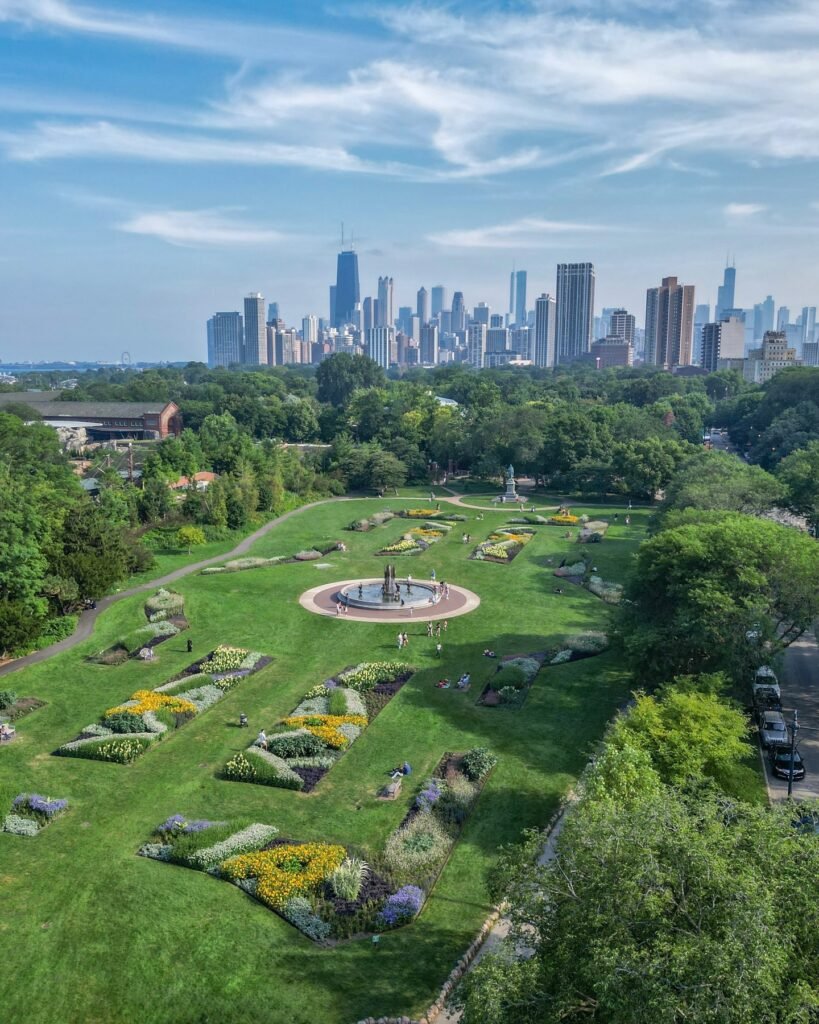
Locals identify with their neighborhoods strongly. Ask a Chicagoan where they’re from and they’ll say “Logan Square” or “Bridgeport” or “Rogers Park” before they say “Chicago.” Each neighborhood has its own restaurant scene, its own bars, its own farmers market, its own architecture vernacular, and its own annual block party.
If you only see the Loop, you’ve seen one of the seventy-seven Chicagos. Come back. There’s so much more.
5. That The “Windy City” Nickname Is About The Weather
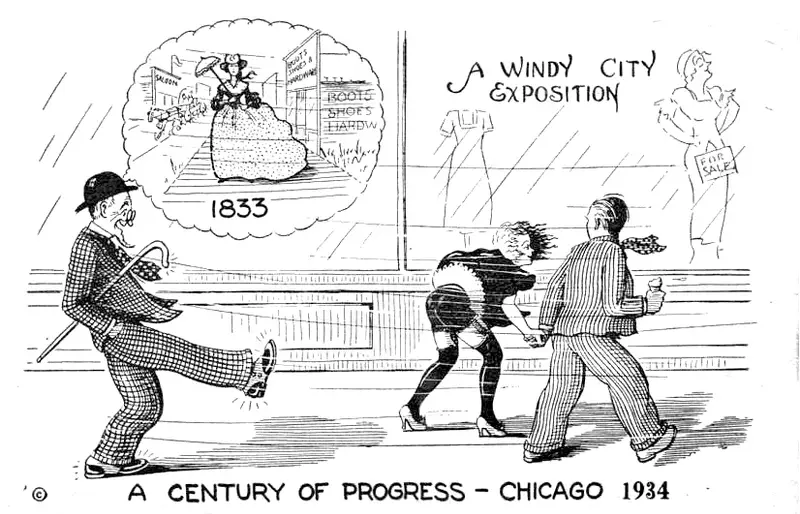
Yes, Chicago is windy. Yes, the wind off the lake can be brutal. No, that’s not where the nickname comes from.
The most widely accepted theory is that the “Windy City” nickname predates Chicago’s modern reputation for wind, and originally referred to its long-winded politicians. New York newspaper editor Charles Dana is sometimes credited with popularizing the term in the 1890s as a dig at Chicago’s bid for the World’s Columbian Exposition. The city’s politicians were famously bombastic, and the nickname was a jab at their hot air, not the breeze off Lake Michigan.
The wind itself is real. The wind tunnels created by the downtown skyscrapers can knock you sideways. The lakefront is unforgiving in winter. But Chicago is not the windiest American city by any meteorological measure. Boston, Buffalo, Milwaukee, and Oklahoma City all have higher average wind speeds. The nickname is about the politicians, not the weather, even if the weather makes the joke land harder.
6. That Lake Michigan Is “Just A Lake”
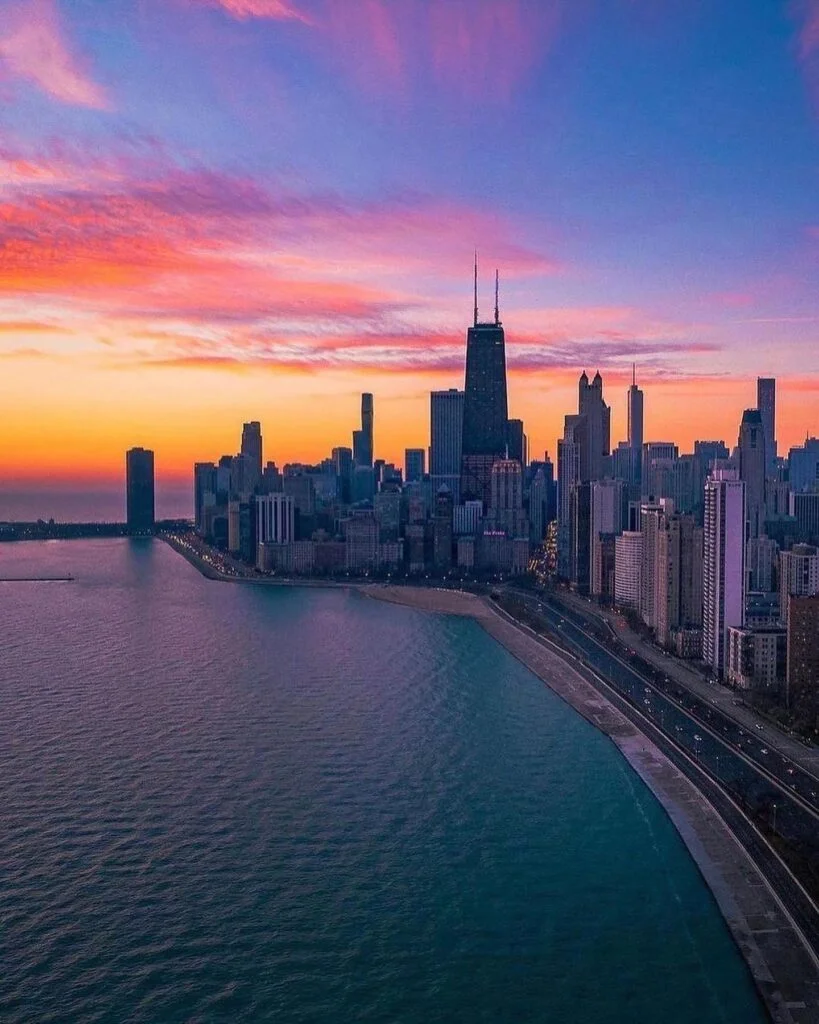
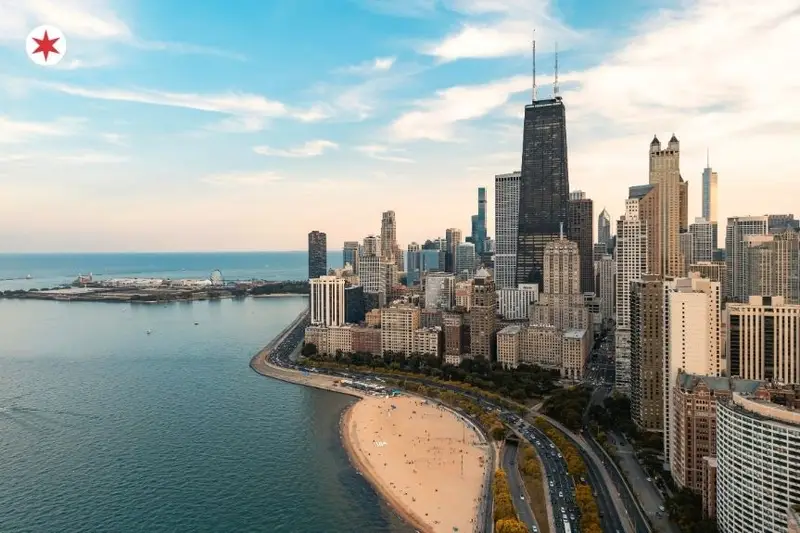
Outsiders hear “lake” and picture something they can swim across or boat around in an afternoon. Lake Michigan is the third-largest of the Great Lakes, the only one entirely within the United States, and it’s so big that you genuinely cannot see across it. The horizon is just the horizon.
The lake has waves big enough to surf. It has riptides serious enough to drown swimmers every summer. It has its own weather systems. The “lake effect snow” that buries Chicago in winter is produced by cold air passing over the relatively warmer lake surface, picking up moisture, and dumping it on the western shore. A single lake-effect storm can drop a foot of snow in hours.
Locals call going to the lakefront “going to the beach.” Chicago has 26 official public beaches, more than 18 miles of continuous lakefront path, and the lake is the defining geographic feature of the city. Pretending it’s just a lake is like pretending the ocean is just water. Technically true. Functionally absurd.
7. That The “No Ketchup On A Hot Dog” Rule Is Just Snobbery
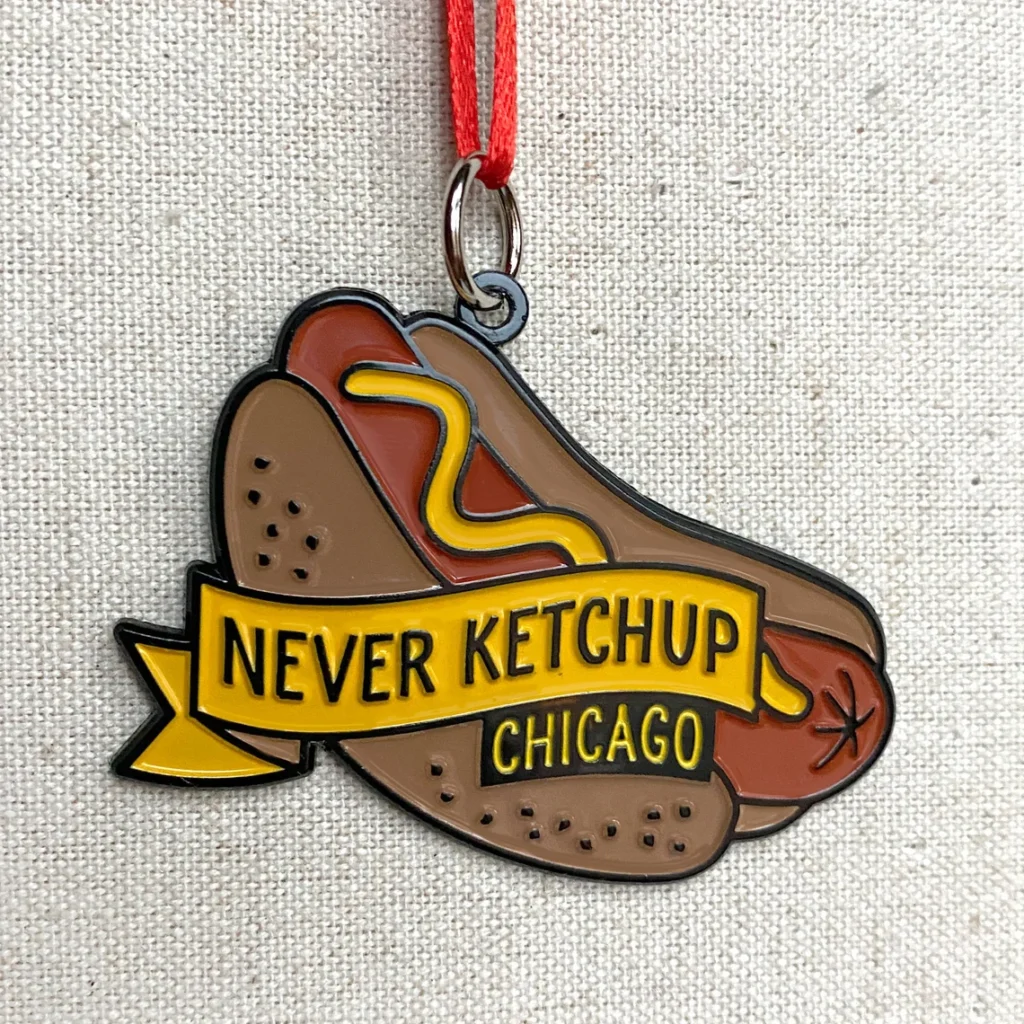
Outsiders think Chicagoans are being snobs about ketchup. We’re not. There’s an actual historical reason.
In the early 20th century, ketchup was used at hot dog stands to mask the taste of low-quality or spoiled meat. Cheap stands would slather their hot dogs in ketchup specifically to disguise what was underneath. Chicago hot dog stands proudly refused to serve ketchup as a way of saying “our beef is fresh enough to stand on its own.” The “no ketchup” rule started as a quality guarantee, not as elitism.
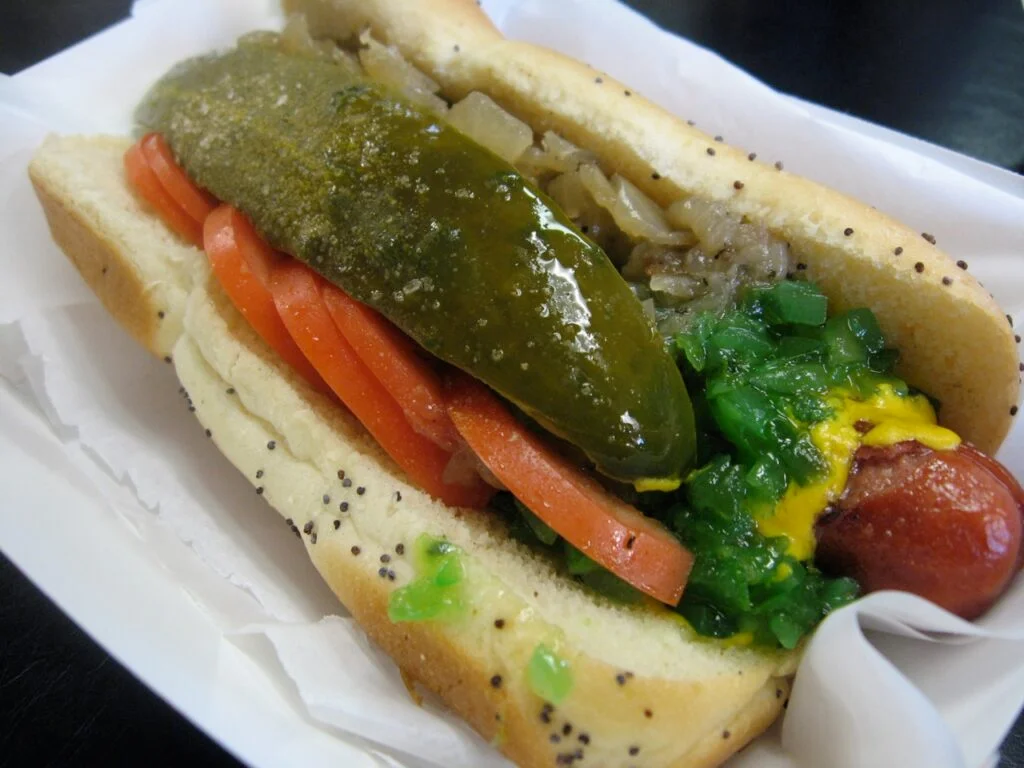
There’s also the flavor balance. The Chicago dog is built around a specific combination. An all-beef Vienna Beef frankfurter, a steamed poppy seed bun, yellow mustard, chopped white onions, sweet pickle relish (often a vivid neon green), tomato wedges, a kosher dill pickle spear, sport peppers, and a dusting of celery salt. Every ingredient on that list contributes a specific flavor and texture. The mustard provides acidity. The relish brings sweetness. The peppers bring heat. The celery salt rounds it all out.
Ketchup is essentially sweetened tomato sauce. Adding it drowns out the more delicate flavors of the relish, the peppers, the celery salt, and the dill. It’s not a moral failing. It’s a flavor problem. Plus, the tomato is already on the dog as fresh wedges. Adding ketchup is doubling up on the same ingredient in a worse form.
The rule isn’t gatekeeping. It’s two things at once: a historical badge of quality, and a flavor balance that ketchup actively ruins.
(That said, if you’re under the age of 10, locals will give you a pass.)
8. That Chicago Is “The Second City” Because It’s Smaller Than New York
This is the most common etymological misconception about Chicago. Most outsiders assume “Second City” is just a reference to Chicago being smaller than New York. The actual story is more interesting.
The nickname comes from a 1952 New Yorker essay by A.J. Liebling titled “Chicago: The Second City,” which described Chicago as a city living in New York’s cultural shadow. Locals hated the piece. Chicagoans took the nickname and reclaimed it, turning a slight into a badge of honor.
There’s also a deeper layer to it. Chicago was almost completely destroyed in the Great Fire of 1871, and the modern city was built on the ashes of the original. In a literal sense, Chicago is the “second” city, because the first city burned down. The rebuilt city became the architectural laboratory that gave the world the modern skyscraper, the steel-frame building, and the urban planning of Daniel Burnham.
When the comedy theater Second City opened in 1959, founders Bernie Sahlins, Howard Alk, and Paul Sills named it directly after Liebling’s essay. They were leaning into the joke. The theater went on to launch the careers of Bill Murray, John Belushi, Tina Fey, Steve Carell, Stephen Colbert, and dozens of other comedy legends, which is to say “the Second City” produced a comedy legacy New York can’t actually match.
9. That The South Side Is “The Bad Part”
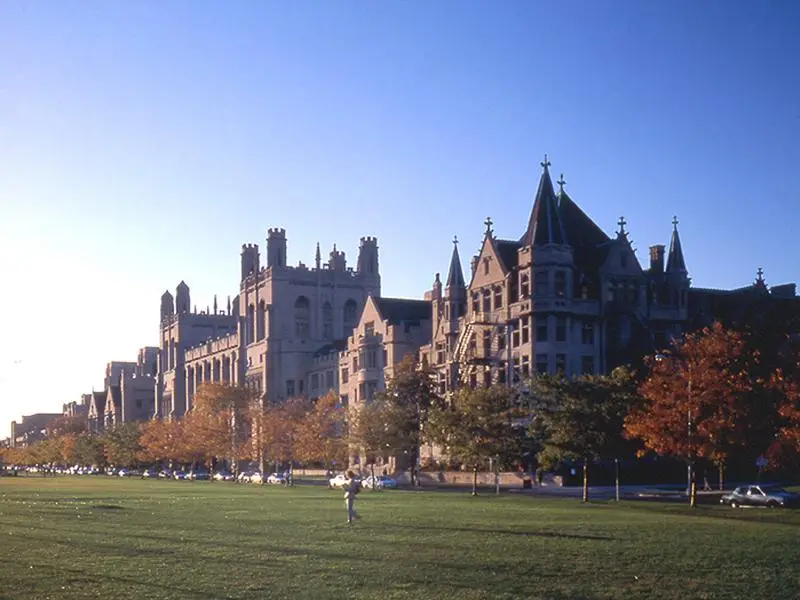
This is the lazy generalization that locals push back on hardest, because it erases enormous swaths of the city.
The South Side covers more than half of Chicago by land area. It contains Hyde Park (home to the University of Chicago, the Robie House, the Museum of Science and Industry, and former President Obama’s Chicago home). It contains Bridgeport (the Daley family neighborhood, anchored by the White Sox stadium). It contains Beverly, Mount Greenwood, Pullman, Bronzeville, and the Pilsen-adjacent Lower West Side. It contains Hyde Park’s beaches and Promontory Point and the Garden of the Phoenix.
Yes, the South Side has neighborhoods with serious crime concerns, primarily in specific areas of the South and Far South Sides. But “the South Side is bad” is the equivalent of saying “Brooklyn is bad” or “Queens is bad.” Both contain neighborhoods of every type, including some of the most beautiful parts of New York City. Chicago’s South Side is the same.
Locals from the South Side hear this stereotype constantly and find it exhausting. The South Side gave Chicago its blues, its gospel, its house music, its Black political and intellectual leadership, and its most distinctive food culture. Reducing it to “the bad part” is both wrong and insulting.
10. That The Mob Still Rules Chicago
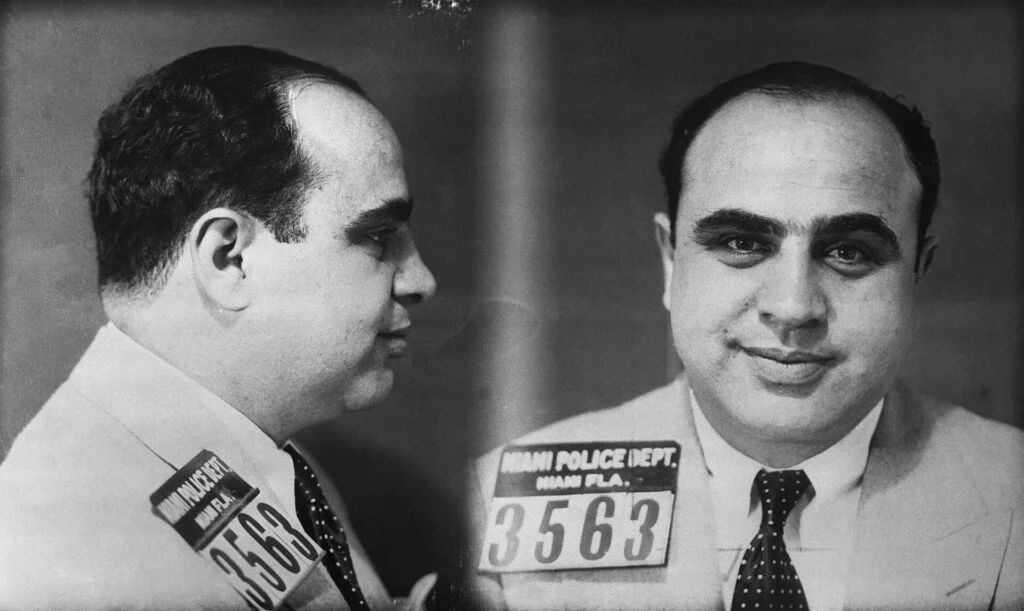
Al Capone died in 1947. The Chicago Outfit ran the city’s organized crime through the mid-20th century, peaked under bosses like Tony Accardo and Sam Giancana, and was systematically dismantled by federal prosecutors and the FBI over the 1970s, 80s, and 90s. The 2007 Family Secrets trial was essentially the death blow.
The romance of “Chicago, the gangster city” persists in pop culture and in the imaginations of out-of-towners. The Untouchables, Boardwalk Empire, The Sopranos-adjacent commentary, the endless documentaries about Capone. All of it suggests an active, present-day mob culture that simply doesn’t exist anymore.
Modern Chicago has organized crime in the sense that any major American city has organized crime. Drug trafficking. Money laundering. Cybercrime. But “the mob” as a unified Italian-American organized crime structure is gone. The famous mob hangouts have closed. The famous mob figures are dead or in federal prison. The federal investigations of the past three decades buried the Outfit decisively.
When tourists ask locals where to “see the mob,” the honest answer is: at the Tommy Gun’s Garage tourist dinner show, where actors pretend it’s still the 1920s. The actual Outfit hasn’t existed in any meaningful sense for most of the lives of anyone reading this.
11. That You Have To Drive Everywhere
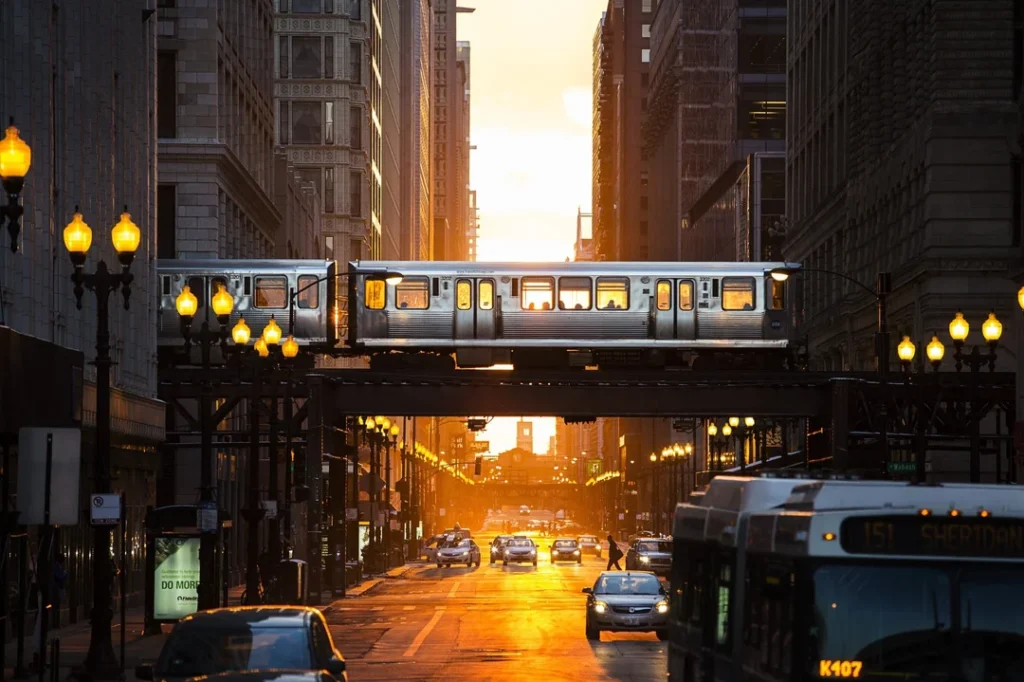
Outsiders assume Chicago is like Los Angeles or Houston, sprawling and impossible without a car. It isn’t. Chicago is one of the most walkable major cities in the United States and has the second-largest public transit system in the country.
The L runs everywhere. Eight lines connect the Loop to the neighborhoods, the airports, and the suburbs. Trains run 24/7 on the Red and Blue Lines. The CTA bus system fills in the gaps. Divvy bikes are at every other corner. Most Chicago neighborhoods are walkable enough that you can get coffee, groceries, dinner, and drinks all within five blocks of where you live.
A meaningful percentage of Chicagoans don’t own cars. Many who do have them only use them for road trips and leave them parked all week. Driving in Chicago is genuinely worse than taking the L, between traffic, parking, and the price of downtown garages ($50 to $80 per night).
If you’re visiting Chicago, do not rent a car. Stay near an L stop. Use Divvy bikes for short trips and rideshare for late-night returns. You’ll see more, spend less, and experience the city the way locals actually live it.
The Bottom Line
The version of the city that lives in pop culture, cable news, and the imaginations of people who’ve never been here is different from the actual city of 3 million people who walk to the L, eat tavern-style pizza, swim in Lake Michigan, and complain about the wind off the river.
The real Chicago is bigger, more layered, more beautiful, and more livable than the misconceptions suggest. It has problems, real ones, that locals discuss openly. But it’s also one of the most architecturally significant, culturally rich, and genuinely friendly cities in the United States, and pretending otherwise gets old fast.
If you’ve been hesitant to visit because of something you saw on TV, come anyway. Stay near Michigan and Wacker. Eat tavern-style pizza. Walk the lakefront. Take the L to a neighborhood you’ve never heard of. Talk to a few locals. You’ll leave understanding why people from here are so loyal to it.
It’s not the city you think it is. It’s better.