
Most first-time visitors make the same mistakes. This itinerary fixes all of them.
Three days in Chicago is enough to fall completely in love with this city. It is not enough to do everything – so this itinerary makes the hard choices for you.
We’ve cut the tourist traps, kept the things that are genuinely worth your time, added the local tips that most visitors never find, and where there’s a genuine debate between two options we’ve told you exactly which one to pick and why.
Follow this itinerary and you’ll see more of the real Chicago in three days than most visitors see in a week.
5 things to know before you go!!
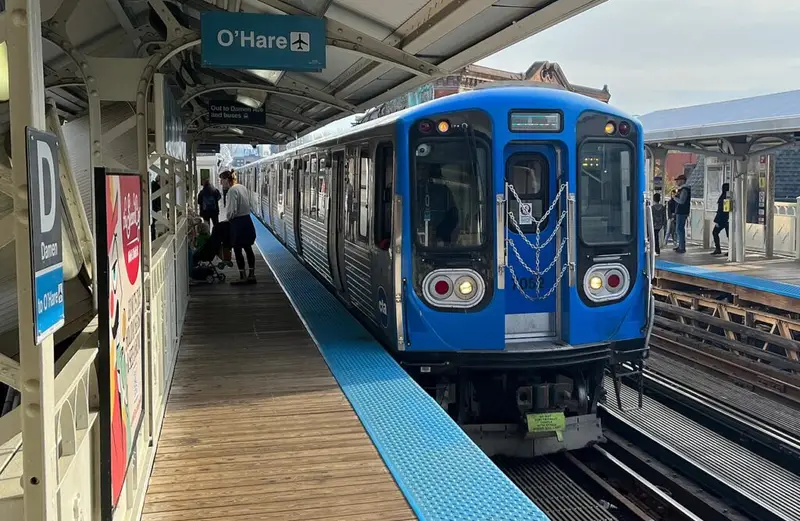
1. Get the L from O’Hare. The Blue Line runs directly from O’Hare to downtown. It takes 45 mins and costs $5. A taxi or Uber will cost you $40-60 and take up to 90 mins depending on traffic. Always take the train if landing before 10pm, put the saved money toward dinner.
2. Book the Architecture Boat Tour before you land. This is the single best thing you can do in Chicago and it sells out – especially on summer weekends. Don’t wait until you arrive.
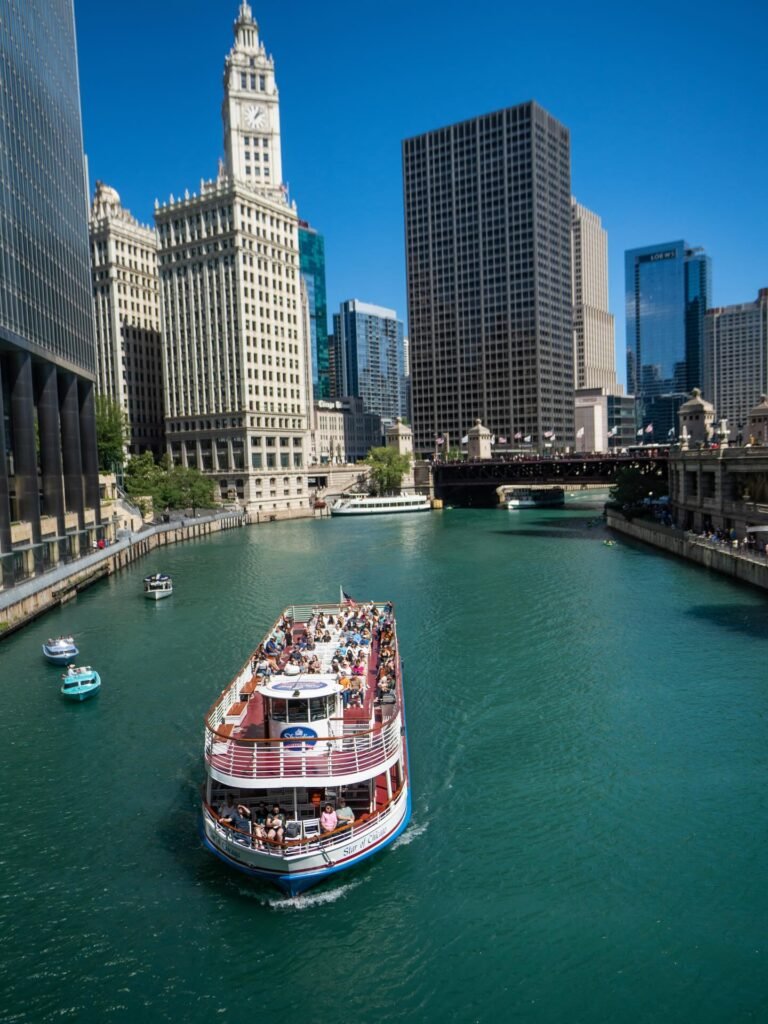
There are a few companies running river cruises but after looking at all of them we recommend The Shoreline Cruise. It’s the most popular architecture cruise on the river, runs multiple departures daily so you have flexibility, and the commentary is excellent. Tickets start from $39 per person.
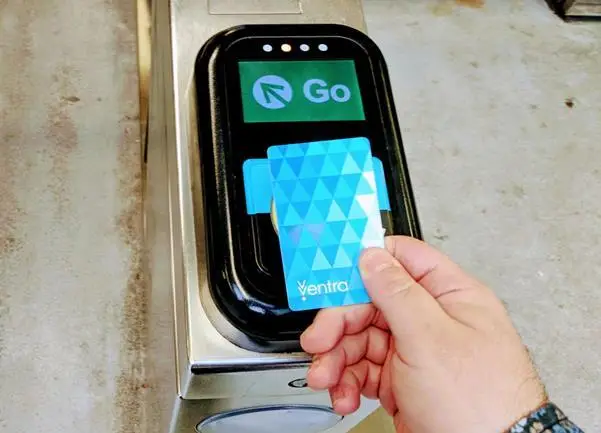
3. Get a Ventra card on day one. Chicago’s public transit card works on the L and all buses. Load it up and forget about buying individual tickets – it’s cheaper and faster.
4. Know when to come. Chicago is best visited between May and October when the lakefront is alive and the city is running at full capacity.
September is the local favourite — the summer crowds have thinned, the weather stays warm, and hotel prices drop. June, July and August are peak season — spectacular but busy and expensive, so book everything well in advance.
November to April is a different trip entirely. The winters are brutal — wind chill off the lake can be savage and temperatures regularly drop well below freezing. Hotels are cheaper and the museums are quieter, but pack a proper coat and waterproof boots.
5. CityPass — is it worth it? CityPass bundles entry to five major Chicago attractions — the Shedd Aquarium, Field Museum, Willis Tower Skydeck, Art Institute or 360 Chicago, and Museum of Science and Industry or Chicago History Museum — for around $119 per adult, saving you roughly $60 on full price.
The honest answer is that most visitors don’t use enough of the included attractions to make it worthwhile. This itinerary only visits two of the five — the Art Institute and MSI — which doesn’t justify the cost. If you’re travelling with kids who want the aquarium, the Field Museum, and the Skydeck all in one trip, it makes sense. For everyone else, skip it and spend the money on food and experiences instead.
Day 1 – Downtown Chicago: The Skyline, The River, and The Food
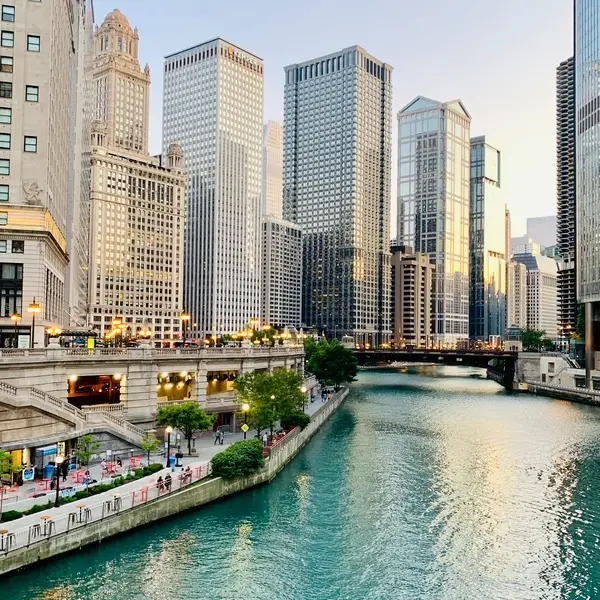
Start in the heart of it. Everything else builds from here.
Getting into the city
Take the Blue Line L train from O’Hare. It runs directly downtown, costs $5, and takes around 45 minutes. At the fare machine buy a Ventra card — it’s $5 for the card plus $5 for the fare, $10 total. You can also tap a contactless credit card or Apple/Google Pay directly on the turnstile if you prefer. No pre-booking, no app, just show up and go.
Your stop depends on where you’re staying. Clark/Lake covers most of the Loop and River North. Washington puts you closest to Millennium Park. Monroe is best for the south Loop. If you’re not sure, Clark/Lake is the safest default — it’s the most central.
If you’re arriving after 10pm, get an Uber instead. The Blue Line runs 24 hours but a direct ride to your hotel is worth the extra cost when you’re arriving late with luggage. Use the Rideshare pickup area inside the terminal – not the taxi rank, which is significantly more expensive.
If your hotel room isn’t ready
Most hotels won’t have your room ready until 3pm. If you’re arriving in the morning don’t waste time sitting in a lobby — use a luggage storage service to drop your bags for a few dollars and head straight out. Use Bounce to find Luggage Storage near your hotel.
Morning – Millennium Park and the Cultural Center
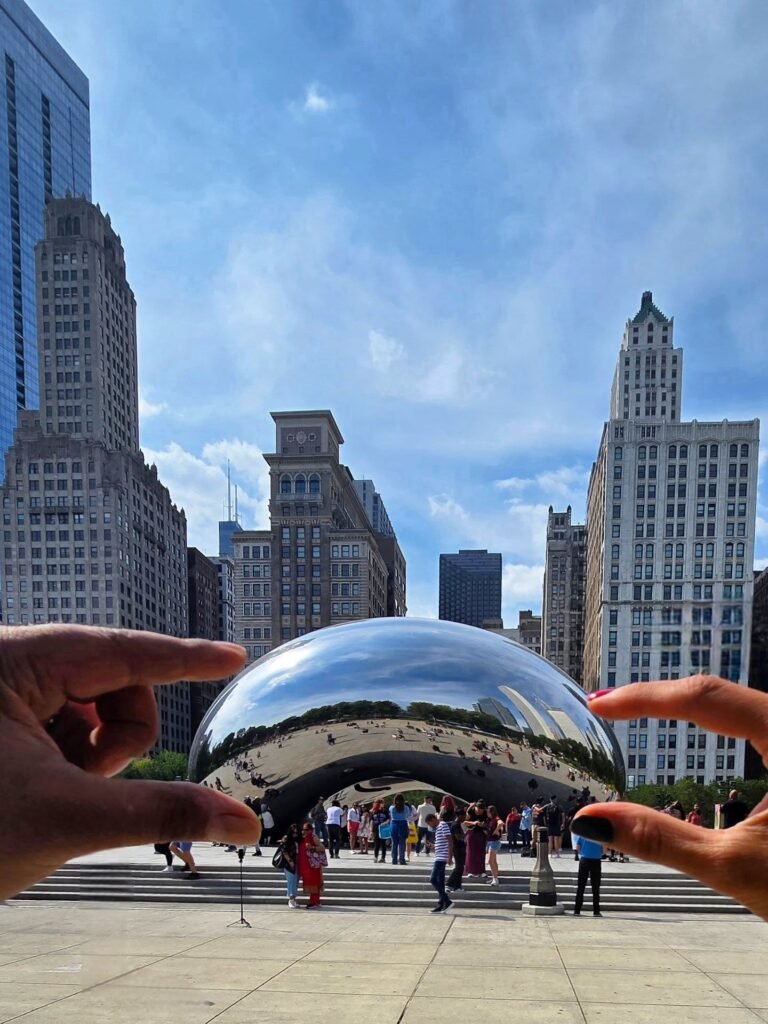
Start at Millennium Park. See Cloud Gate – yes, it’s called Cloud Gate, not The Bean, though nobody will judge you for saying The Bean – and take your photo. It’s genuinely impressive in person. Then keep moving.
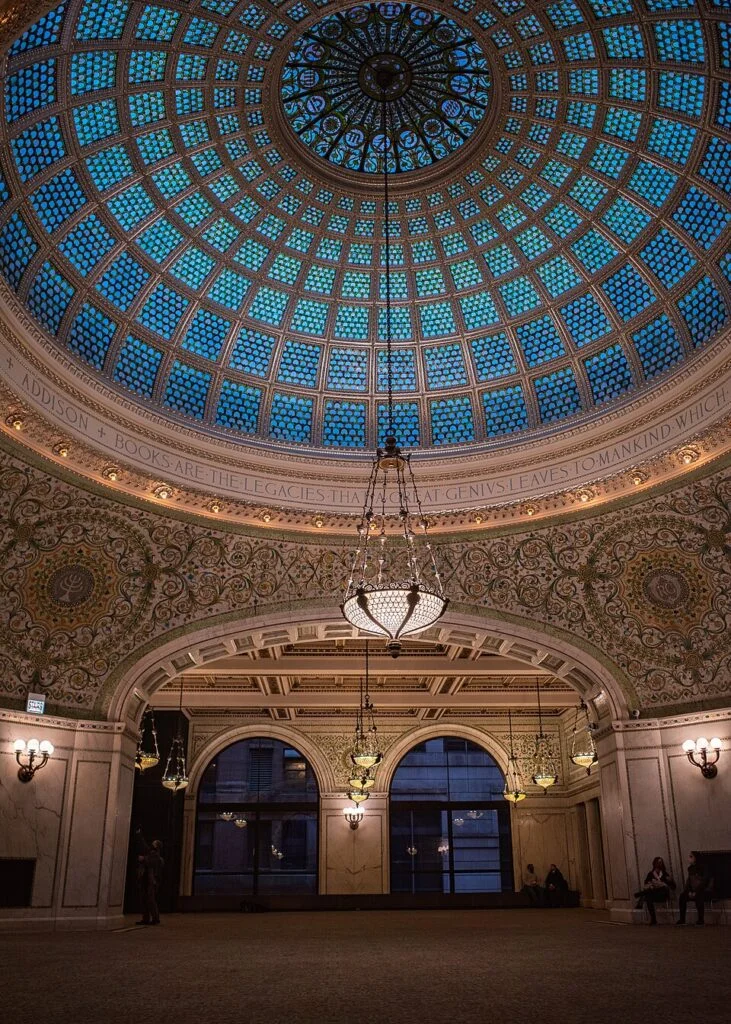
Walk directly across Michigan Avenue to the Chicago Cultural Center. It takes five minutes and most people walk straight past it.
Go inside. Admission is free.
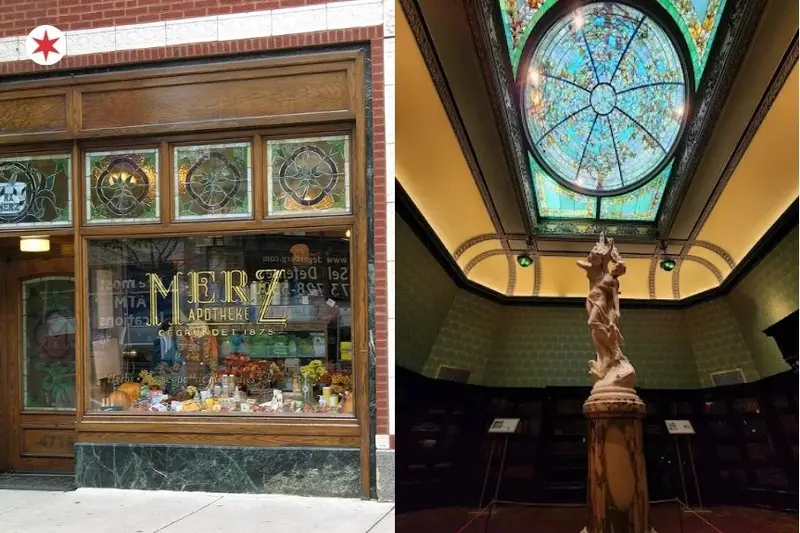
The Tiffany glass domes on the upper floors are among the most beautiful interior spaces in America and almost no first time visitors ever see them. Give it 30 minutes. It opens at 10am Monday to Saturday, 10am to 6pm Sunday.
Local tip: The Cultural Center has clean free bathrooms and a café. Use both before heading to the river.
Mid-morning — The Architecture Boat Tour
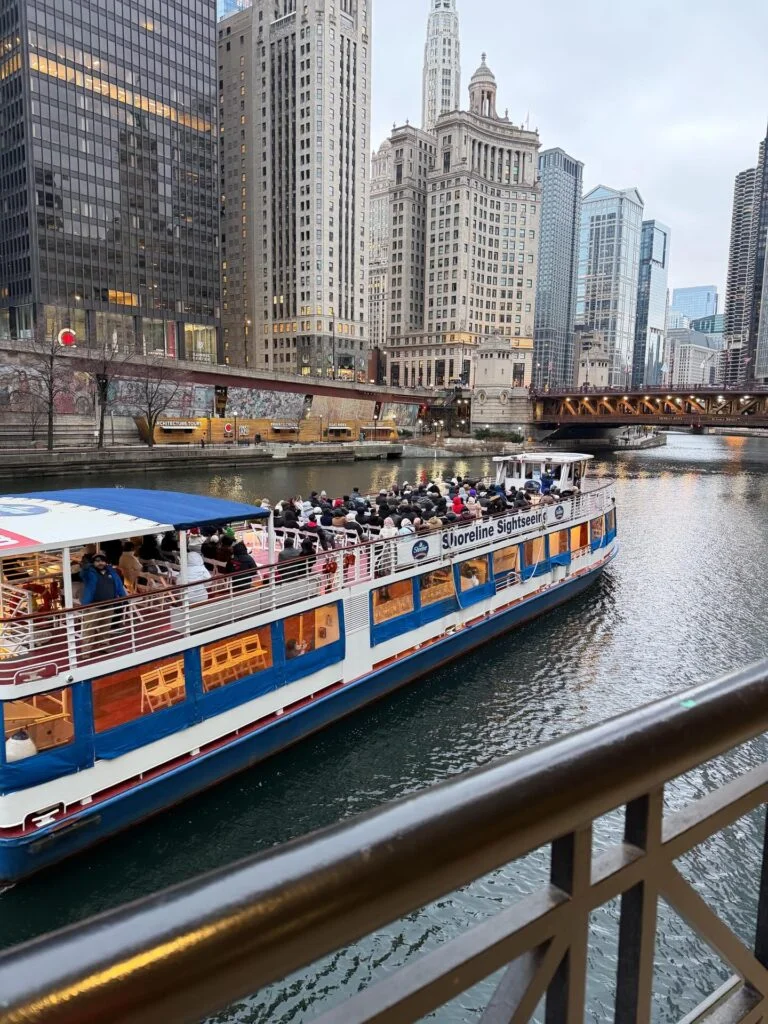
This is the single best thing you can do in Chicago. Book it before you leave home – it sells out, especially on summer weekends. We recommend booking at least 3-5 days in advance, longer in June, July and August.
You will learn more about this city in 75 minutes on the water than you would in a full day walking around on your own. Even people who don’t care about architecture come off these boats completely converted.
The debate: Shoreline vs Chicago Architecture Center (CAC) Tour
Both are excellent. The CAC tour guides are certified architects and the commentary goes deeper – worth it if architecture is a genuine passion. Shoreline has more departure times, slightly lower prices, and the same quality experience for most first time visitors. For a first trip, Shoreline wins. If you come back, do the CAC.
Afternoon: The Riverwalk and Lunch
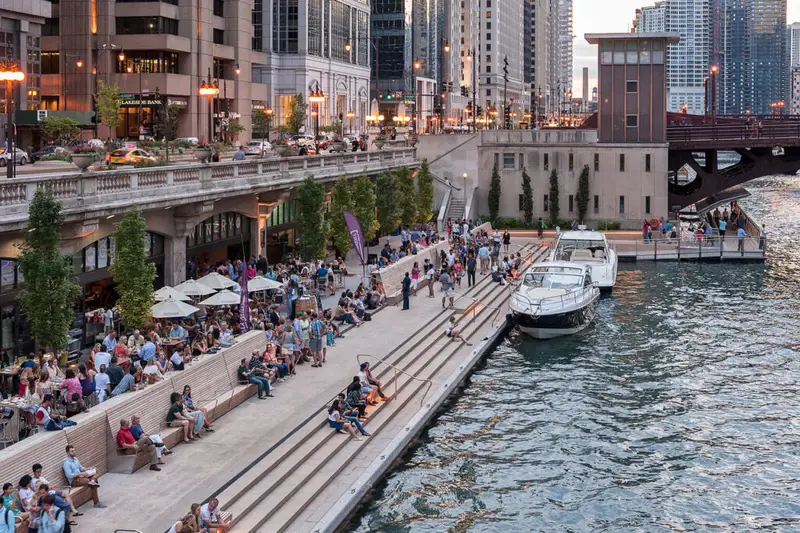
After the tour walk the Riverwalk. It runs along the Chicago River through the heart of downtown — the full stretch from Lake Street to Lake Shore Drive takes about 20-25 minutes at a leisurely pace. There are bars, cafés, and restaurants lining the water. Grab lunch here and sit outside if the weather allows.
Where to eat:
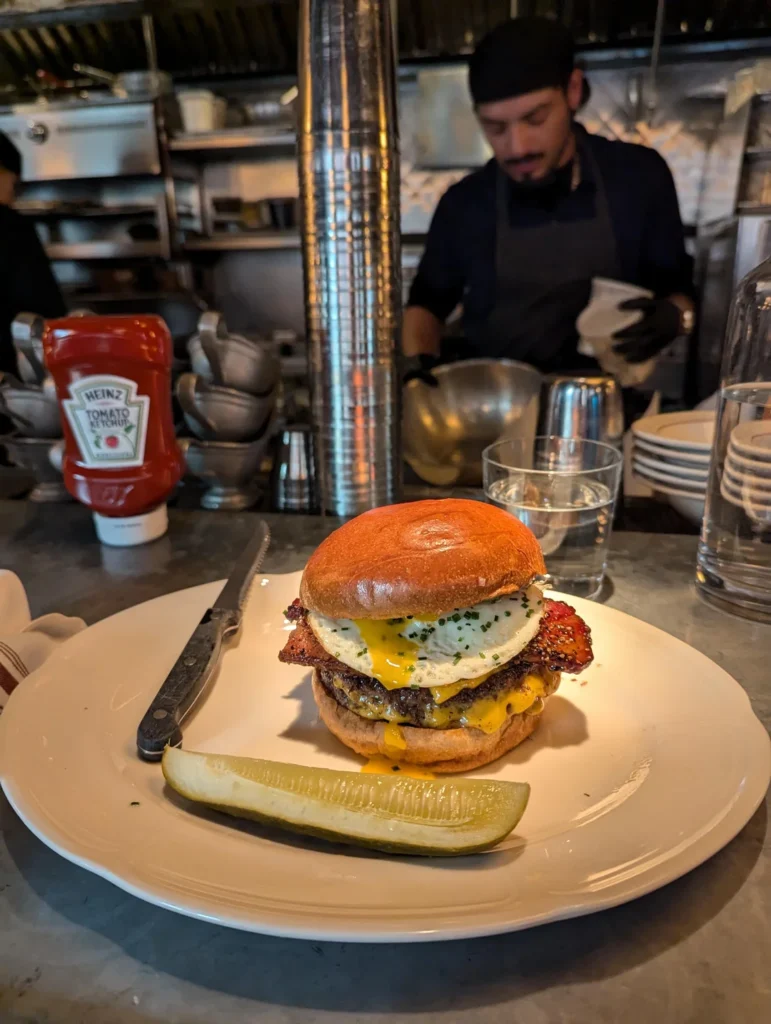
Au Cheval on Randolph Street is one of the most talked-about burger spots in the country. Go at an off-peak time — 11:30am when they open or after 2pm — and you’ll often walk straight in. The smash burger is worth every word of the hype.
Billy Goat Tavern on Lower Wacker is the cheaper, more local option — a cash-only underground dive that has been serving cheezborgers since 1964 and inspired the famous SNL sketch. Go here if you want atmosphere over refinement.
Both are correct choices. Au Cheval if you want the best burger. Billy Goat if you want the most Chicago experience.
After lunch, head up. Chicago’s skyline is best appreciated from inside it — and that means picking an observation deck.
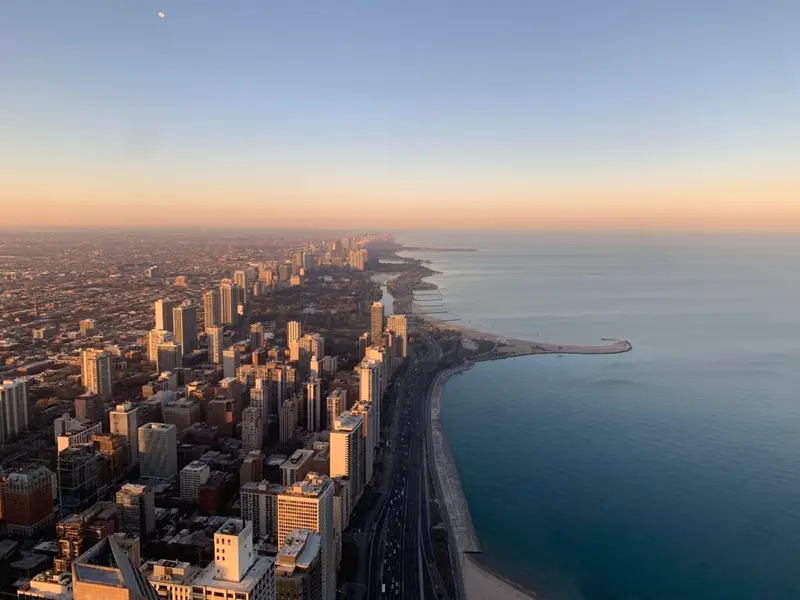
The debate: Sears (aka Willis) Tower Skydeck vs 360 Chicago at the Hancock
Do one. Not both — they’re similar experiences and doing both wastes half a day.
Our pick: 360 Chicago at the Hancock.
The Hancock gives you a better view because you’re looking at the skyline rather than from the top of it. It also puts you on the Magnificent Mile with easy walking access to everything else on your day. Sears (aka Willis) Tower sits slightly west of the main action and requires a dedicated detour.
The Hancock also has TILT — a glass panel that tilts you out over the city at 94 floors. Book in advance to avoid the queue.
Evening — Dinner and a Rooftop
Tonight is for deep dish. Chicago has an almost religious debate about where to go.

Lou Malnati’s is the most consistent and most recommended by people who actually live here. Book a table in advance on weekdays — it fills up fast on weekends. Order the butter crust with sausage. It takes 45 minutes to bake — order drinks, relax, and let it come.
Pequod’s in Lincoln Park is the other serious contender. The caramelised cheese crust is genuinely different from every other deep dish in the city. If you’re staying near Lincoln Park go here instead.
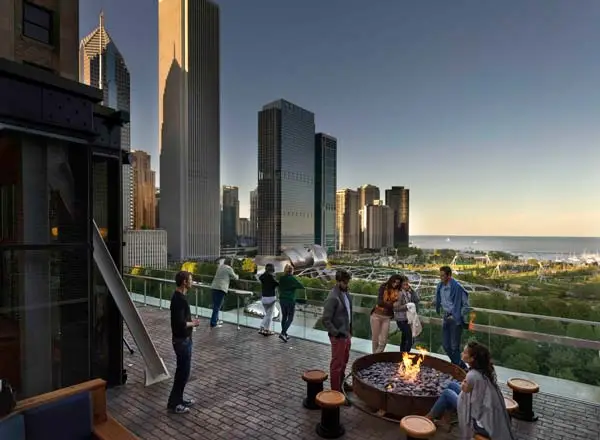
After dinner, end the night at a rooftop bar. Cindy’s at the Chicago Athletic Association on Michigan Avenue looks directly over Millennium Park and the skyline. Smart casual dress — leave the gym clothes at the hotel. Book a table in advance, expect to spend $15-25 per cocktail.
For more rooftop options see our full guide: Best Rooftop Bars With A View →
Day 1 at a glance:
- Blue Line from O’Hare ($10 including Ventra card)
- Drop luggage if needed
- Millennium Park & Cloud Gate
- Chicago Cultural Center (free)
- Architecture Boat Tour – book in advance ($47pp)
- Riverwalk lunch – Au Cheval or Billy Goat Tavern
- 360 Chicago Hancock observation deck — book in advance
- Deep dish dinner – Lou Malnati’s or Pequod’s
- Cindy’s rooftop to finish

Day 2: The Lakefront, The Neighbourhoods, and The Art
Get out of downtown. This is where Chicago really lives.
Morning: Divvy Bikes and the Lakefront Trail
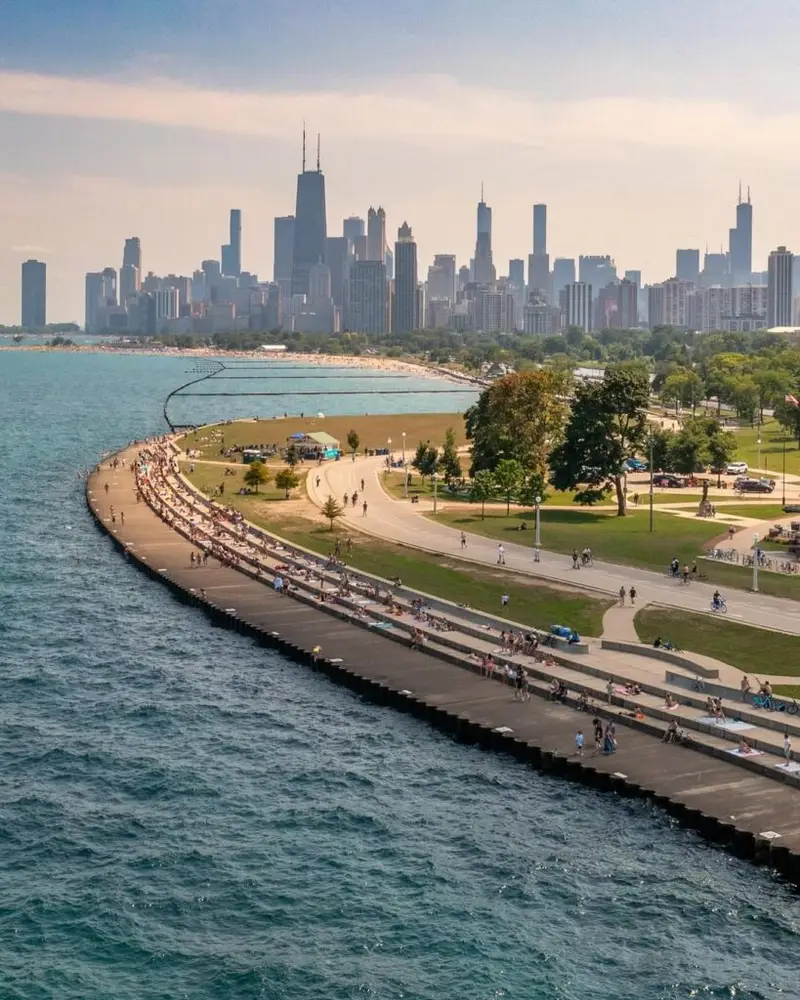
Today starts on two wheels. Rent a Divvy bike — Chicago’s city-wide bike share scheme — and ride the lakefront trail. You don’t need to book in advance, just find a docking station near your hotel, tap your credit card, and go.
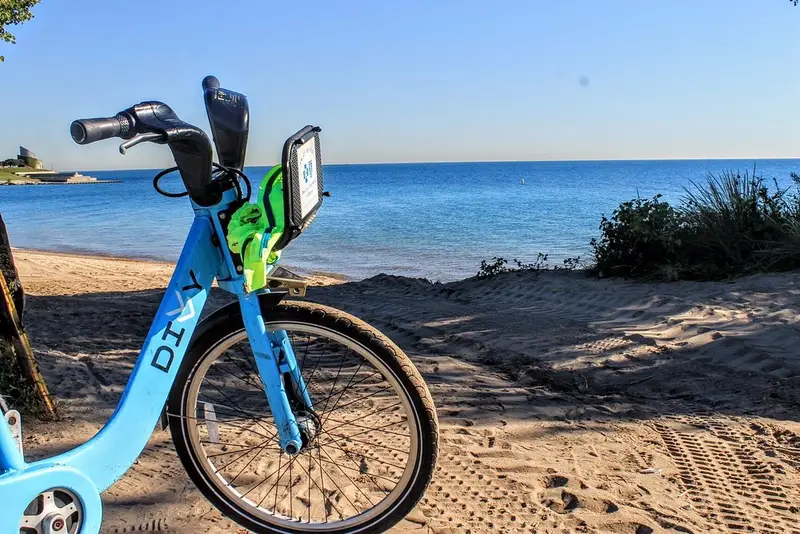
The trail runs 19 miles along Lake Michigan and on a clear morning it is one of the great urban cycling experiences in America. Y
ou don’t need to do all 19 miles — ride north from Millennium Park toward Lincoln Park, take in the views, and stop when something catches your eye. The lake on your right, the skyline behind you, almost no traffic. It takes about 30-40 minutes at a relaxed pace.
The debate: Divvy bikes vs walking vs taking the L
Walking the lakefront is beautiful but slow — you’ll spend most of the morning just getting from A to B. The L is faster but you miss everything in between. Divvy bikes are the sweet spot — fast enough to cover ground, slow enough to actually see the city. This is how locals move in summer and it’s the right call for Day 2.
Local tip: Divvy bikes cost $1 to unlock plus 17 cents per minute. For a full day of exploring, a Day Pass at $15 is significantly better value — unlimited 3-hour rides for 24 hours. Get the Day Pass.
Mid-morning — Lincoln Park Zoo

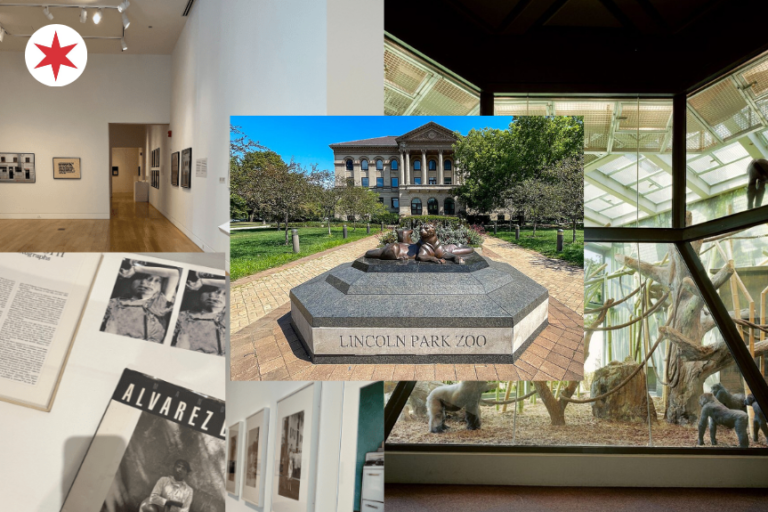
Lock up your Divvy bike at the zoo and spend an hour here. It’s free — one of the last free zoos in America — and genuinely excellent. Don’t rush it but don’t linger either. An hour is enough to see the highlights and move on.
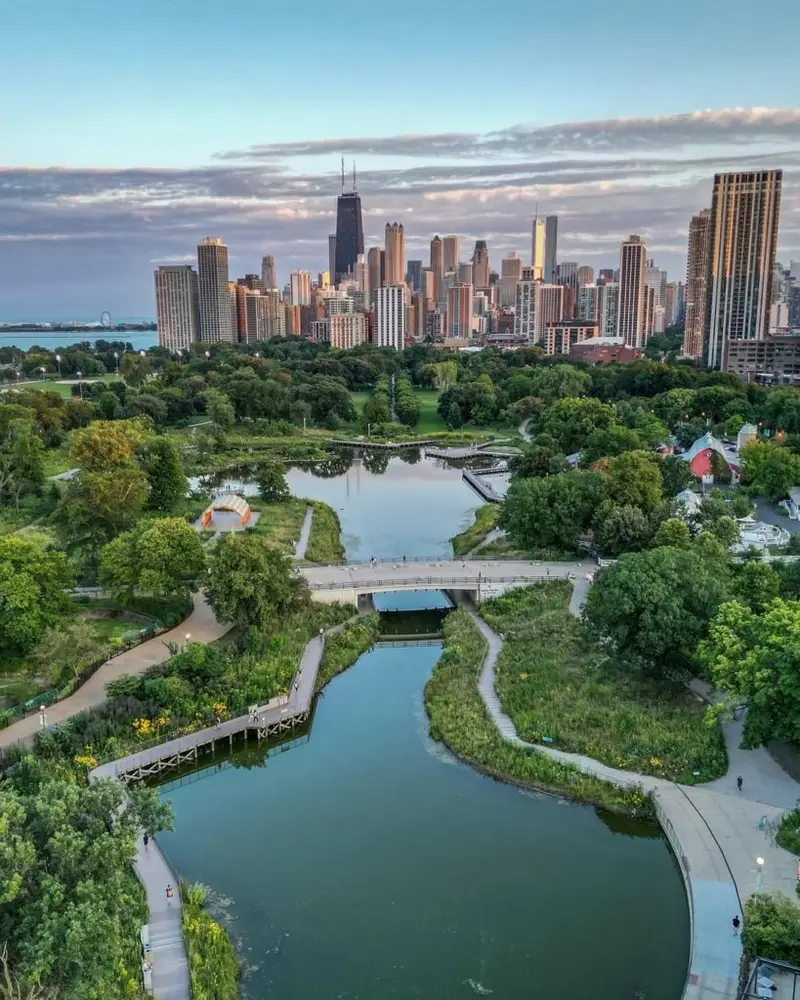
Local tip: The zoo sits right on the lakefront in one of Chicago’s most beautiful neighbourhoods. Walk the surrounding park after — the South Pond Nature Boardwalk is five minutes away and most visitors never find it.
Late Morning: Lincoln Park Neighbourhood
Spend 30-45 minutes walking the Lincoln Park neighbourhood before heading south. It’s one of the most beautiful residential areas in the city — tree-lined streets, brownstones, independent coffee shops. Grab a coffee and walk.
Lunch — Wicker Park
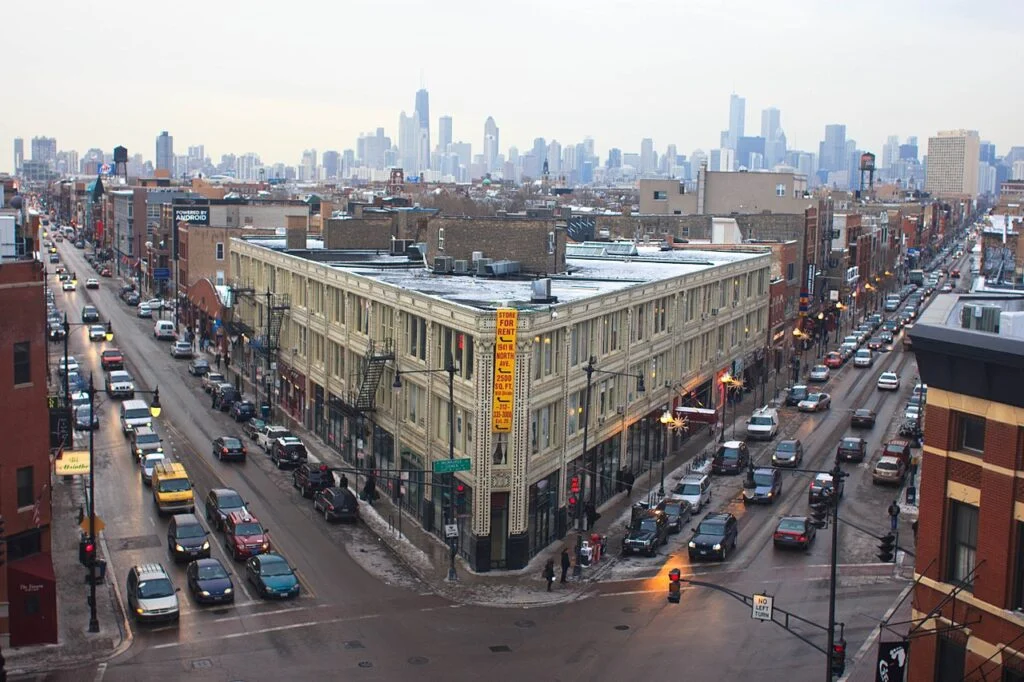
Take the L or a Divvy bike to Wicker Park. This is one of Chicago’s best neighbourhoods and Milwaukee Avenue is the main artery — independent shops, thrift stores, bookshops, and some excellent food.
For lunch, two options:
Sultan’s Market on North Milwaukee is a Chicago institution — cheap, generous falafel and shawarma that locals have been eating for decades. Cash only, worth every cent.
Piece Brewery and Pizzeria is the other option — New Haven style pizza (thin, charred, completely unlike deep dish) and craft beer brewed on site. Go here if you want to sit down properly and try a style of pizza most visitors never discover in Chicago.
The debate: Art Institute vs Field Museum
You have time for one major museum today. Here’s the honest breakdown:
Art Institute of Chicago
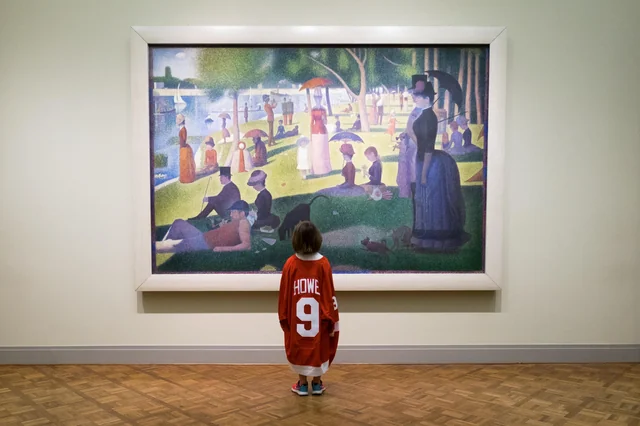
world class collection, home to Grant Wood’s American Gothic and Edward Hopper’s Nighthawks, located right in the heart of the city on Michigan Avenue. Plan 2-3 hours minimum. Admission around $26 for adults. Book guided tours here
Field Museum
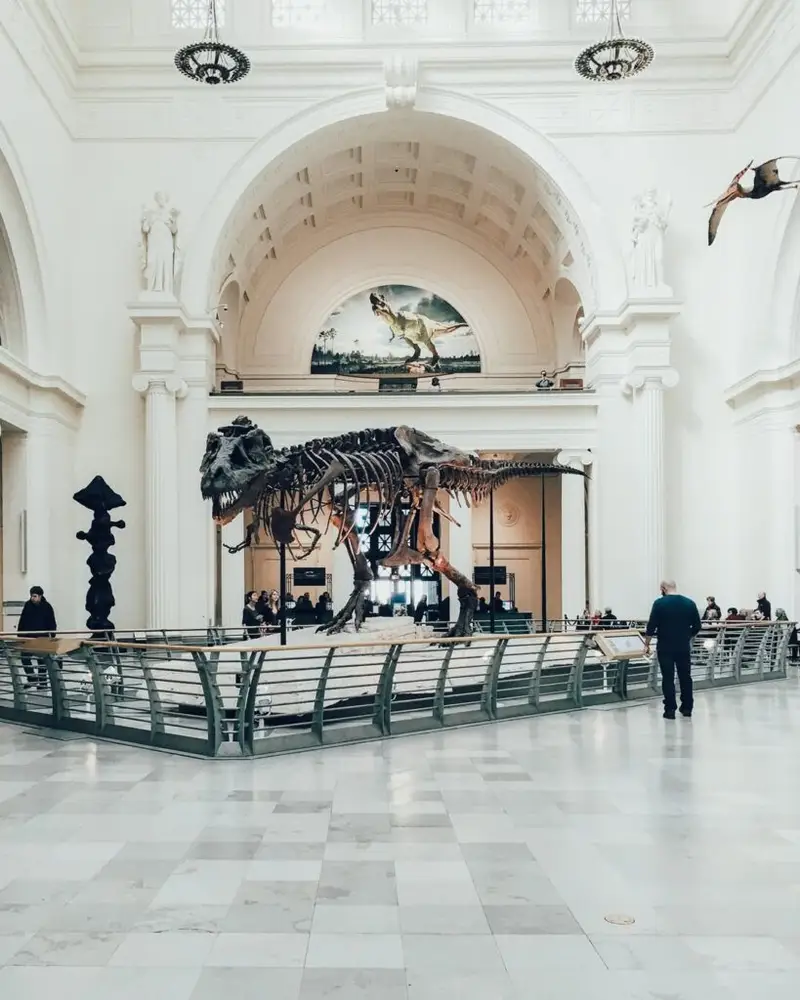
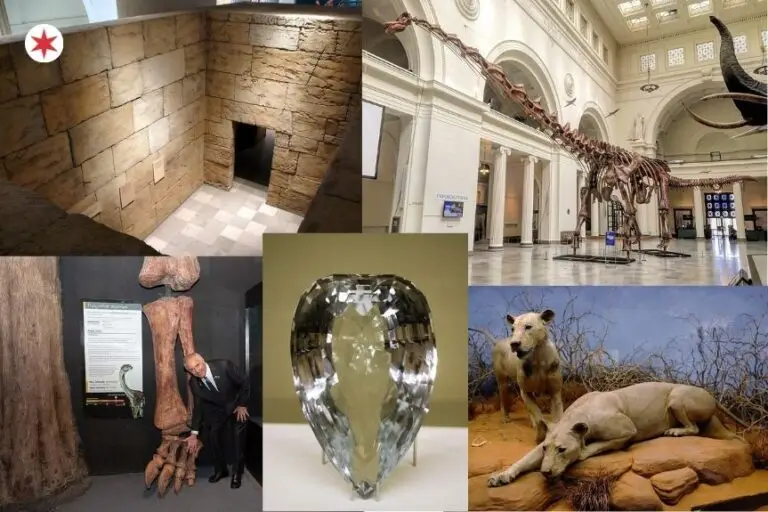
One of the great natural history museums in America, home to Sue the T-Rex, located on Museum Campus south of the Loop. Plan 3-4 hours minimum. Admission around $30 for adults. Book tickets here
Our pick: Art Institute. It’s more central, easier to fit into the day without a dedicated trip, and the collection is genuinely extraordinary. The Field Museum is excellent but deserves its own day — if you’re coming back to Chicago, save it.
Afternoon: Wicker Park and Milwaukee Avenue
After the Art Institute walk or bike back toward Wicker Park for the afternoon. Milwaukee Avenue between North and Division is one of the best stretches of independent retail in the city.
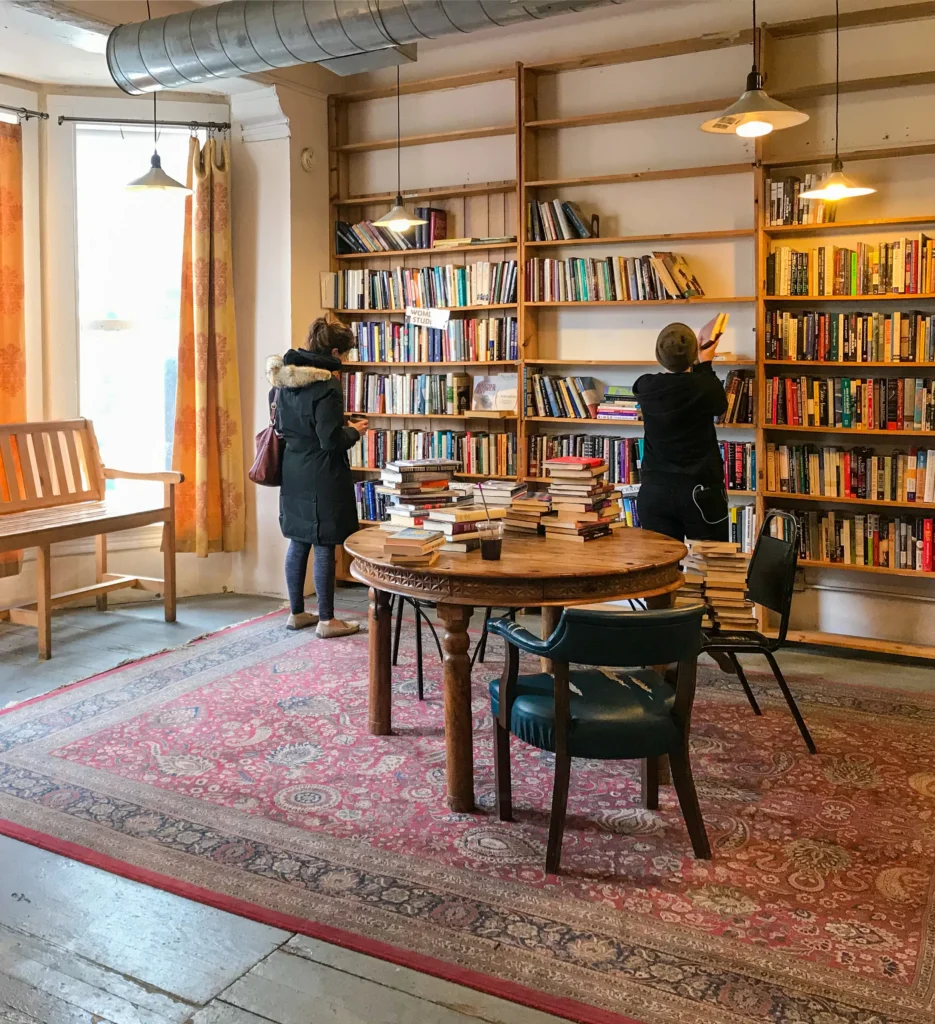
Worth stopping at: Myopic Books for used books, Reckless Records for vinyl, and whatever thrift shops catch your eye — there are several and they’re genuinely good.
The debate: Water Taxi to Chinatown vs Uber
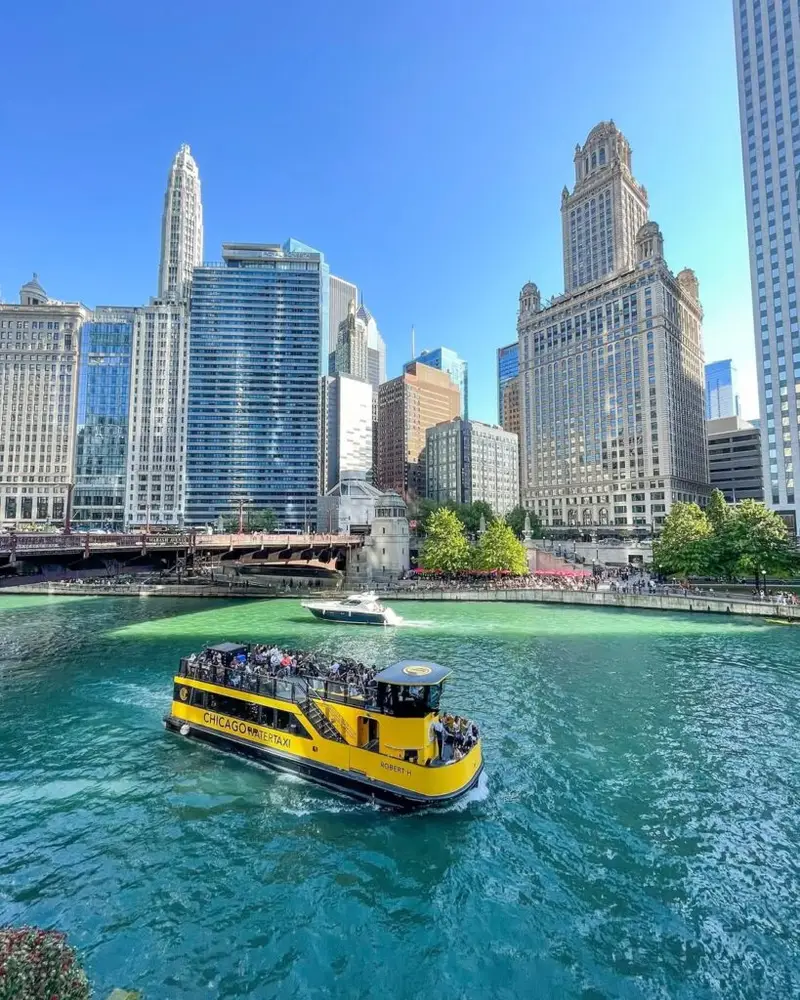
Tonight you’re going to Chinatown for dinner. Two ways to get there:
Chicago Water Taxi — runs along the Chicago River and drops you near Chinatown. Scenic, fun, uniquely Chicago. Around $6 per person. Check Water Taxi schedule here →
Uber — faster, more direct, about $12-15 from Wicker Park.
Our pick: Water Taxi — it’s one of those only-in-Chicago experiences that costs almost nothing and makes the journey part of the evening. Take it at least once. If you miss the last departure, Uber is fine.
Evening: Dinner in Chinatown
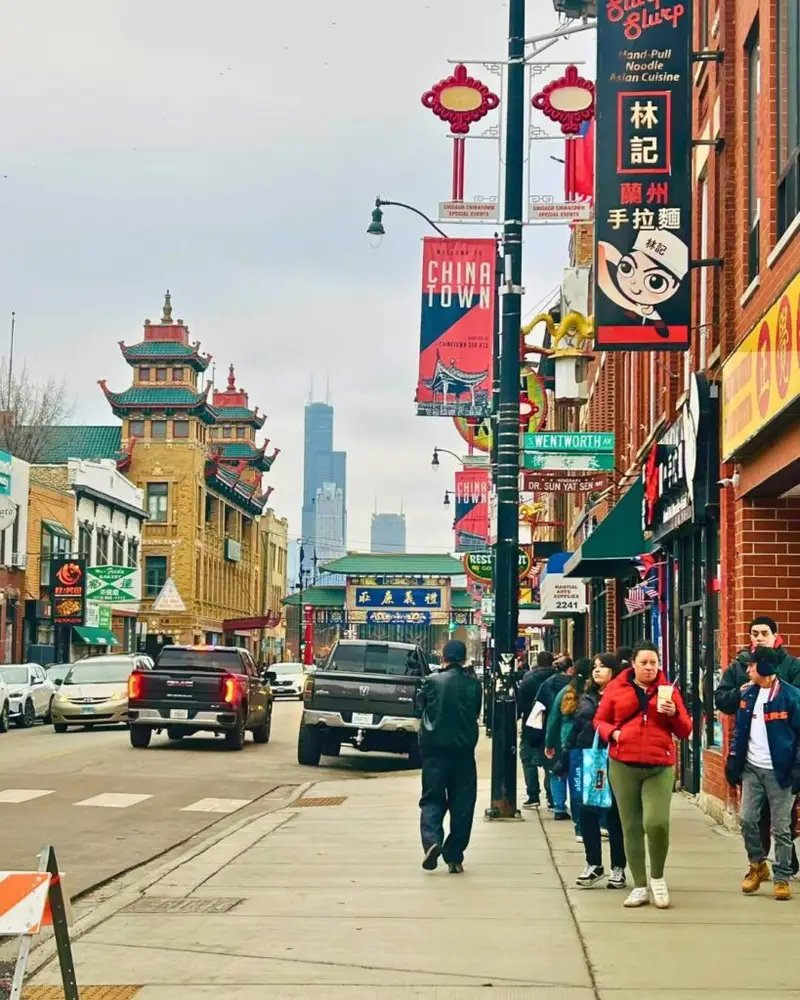
Chicago’s Chinatown is one of the fastest growing in America and the food is outstanding. Two restaurants worth knowing:

MingHin Cuisine on Wentworth Avenue — the most consistently recommended dim sum spot in the city, open for dinner, enormous menu, always busy. Go here for the full experience.
Lao Sze Chuan — if you want Sichuan food specifically, this is the place. Genuinely spicy, genuinely excellent, and one of the most celebrated Chinese restaurants in Chicago.
Book in advance for either — both fill up fast on weekends.
After dinner — The Chicago Handshake

Before you head back to the hotel, find a corner bar and order a Chicago Handshake — an Old Style beer and a shot of Malört, Chicago’s infamous wormwood spirit. Every local has done it. Every visitor should do it once.
Fair warning: Malört tastes exactly as bad as everyone says it does. That’s the point.
Day 2 at a glance:
- Divvy bikes — get the Day Pass ($15)
- Lakefront Trail ride north
- Lincoln Park Zoo (free)
- Lincoln Park neighbourhood coffee stop
- L or bike to Wicker Park
- Lunch — Sultan’s Market or Piece Brewery
- Art Institute of Chicago (book in advance, ~$26)
- Milwaukee Avenue afternoon — Myopic Books, Reckless Records, thrift shops
- Water Taxi to Chinatown (~$6)
- Dinner — MingHin or Lao Sze Chuan
- Chicago Handshake at a corner bar
Day 3: Hyde Park, Deep History, and One Last Chicago Meal
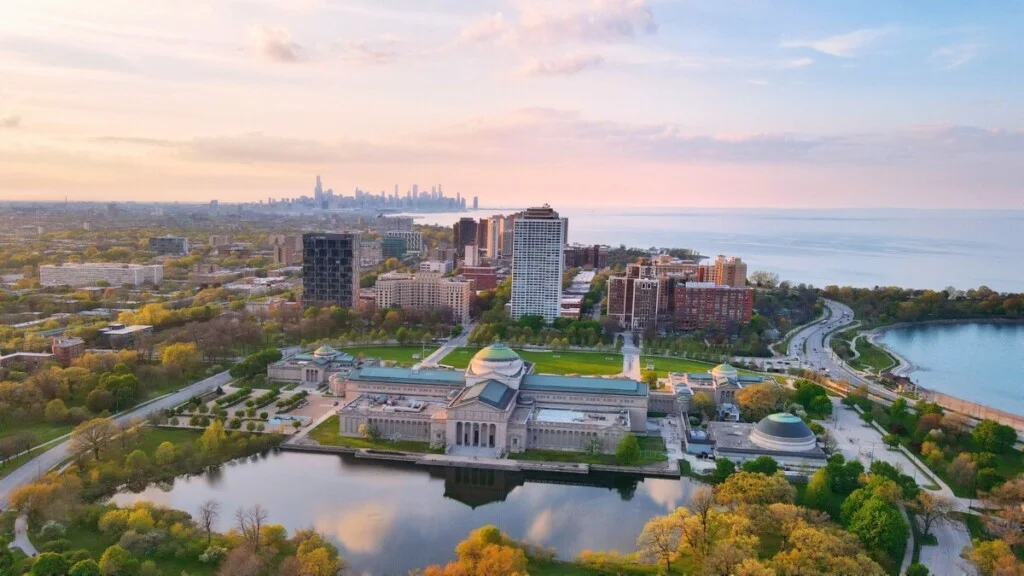
Most visitors never make it to the south side. That’s their loss.
Morning: Hyde Park and the University of Chicago
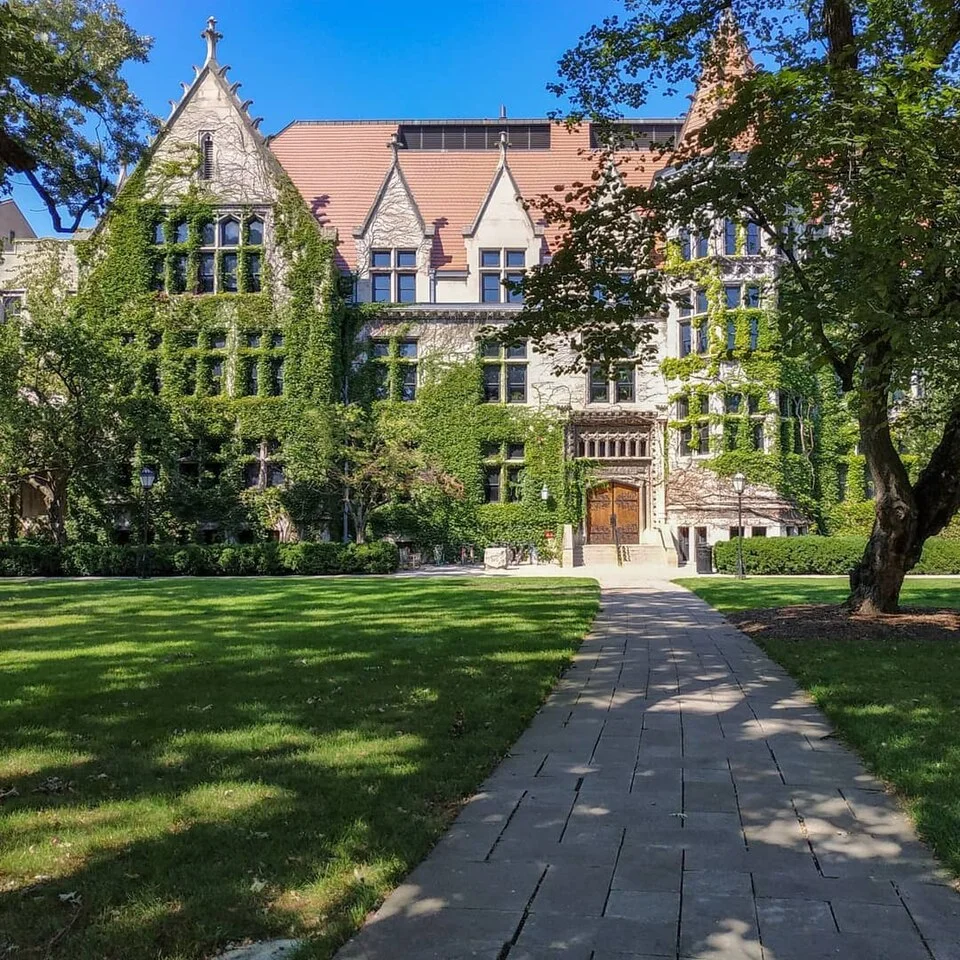
Take the Metra Electric Line from Millennium Station downtown to 55th-56th-57th Street. It costs around $3.75 and takes about 20 minutes. This is how locals get to Hyde Park and it’s significantly faster and more comfortable than an Uber in morning traffic.
Hyde Park is one of the most interesting neighbourhoods in America. Home to the University of Chicago, the future Obama Presidential Center, and some of the most beautiful Gothic architecture outside of Europe. It also sits right on the lakefront with access to some of the best and least crowded views of the city anywhere.
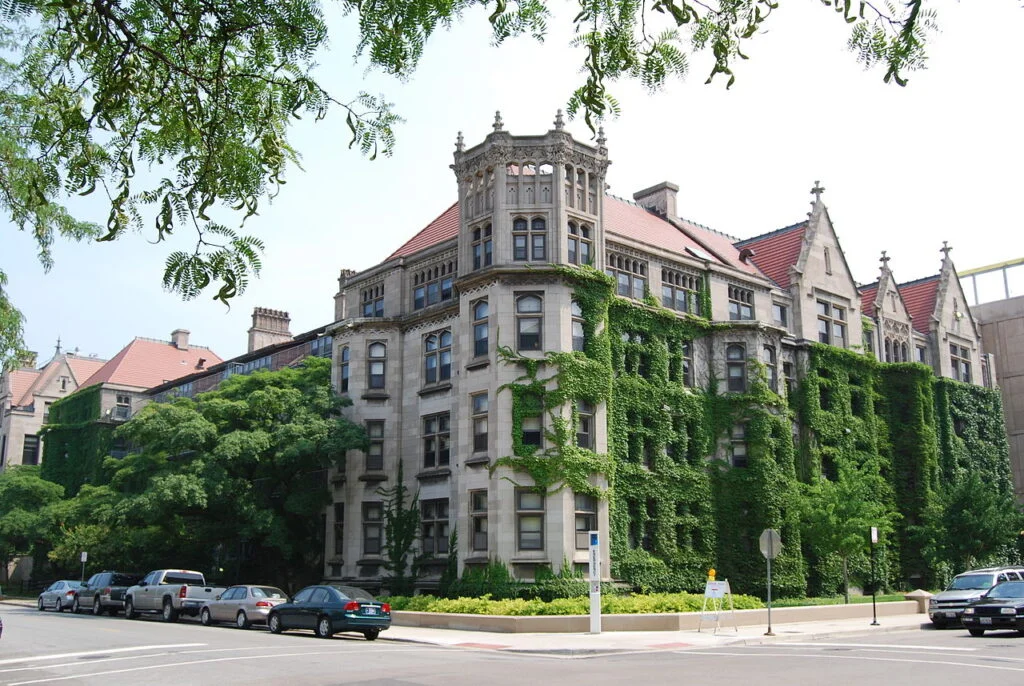
Start at the University of Chicago campus. Walk through the main quad, look up at the buildings, and take your time. It genuinely looks like Oxford dropped into the south side of Chicago. The campus is free and open to the public.
Local tip: The campus has some of the most beautiful doors in Chicago. See our full guide to Chicago’s most beautiful doors
Mid-morning – Museum of Science and Industry
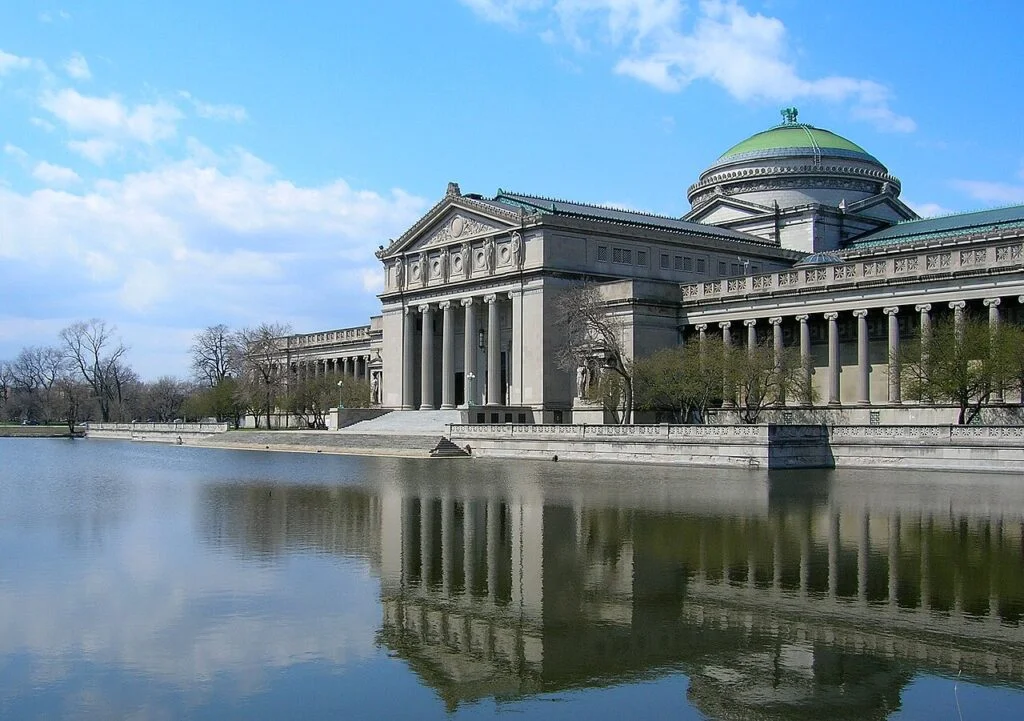
The Museum of Science and Industry sits at the edge of Hyde Park and is one of the most underrated attractions in the city. Plan 2 hours minimum.
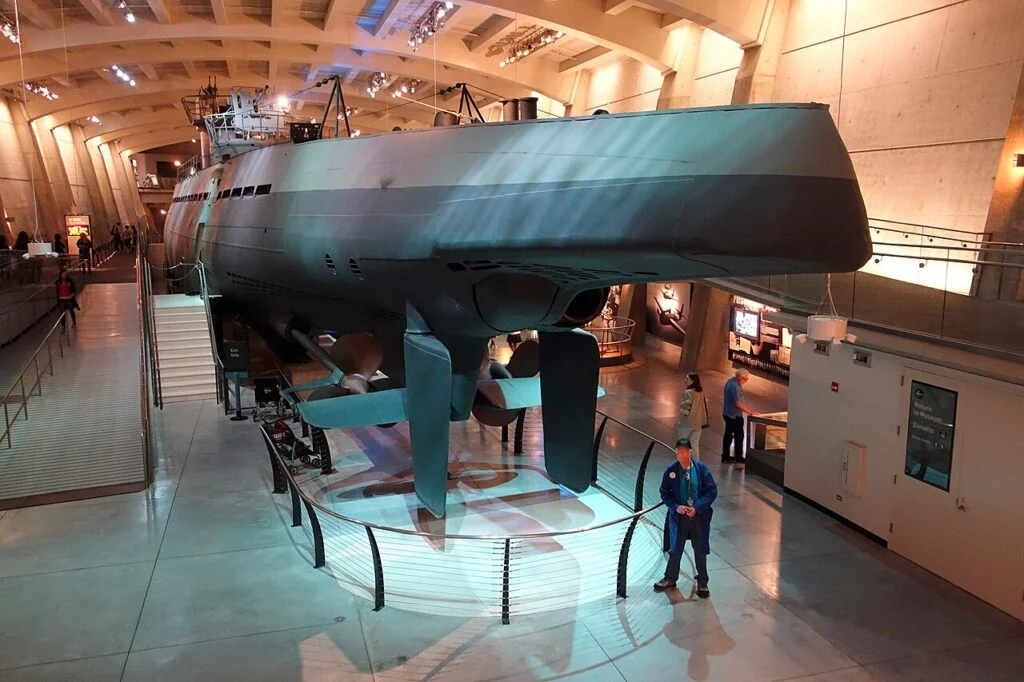
The U-505 German submarine captured during World War II is alone worth the visit — you can walk through it, and if you ask a guide quietly they’ll tell you where the captain took his own life inside the control room. They don’t advertise that part.
Admission around $21.95 for adults. Book tickets here!
The debate: MSI vs the Field Museum
If you skipped the Field Museum on Day 2 and are torn between the two today — here’s the honest answer.
MSI is more interactive and more surprising. The submarine, the coal mine exhibit, the space section — it covers things you genuinely won’t see anywhere else.
Field Museum is world class natural history — Sue the T-Rex, ancient Egypt, gems and minerals. A more familiar museum format but exceptional.
Travelling with kids — Field Museum. Travelling as adults who want something genuinely surprising — MSI. Want both? You need another day in Chicago. Which you should plan for.
Lunch: Medici on 57th
Walk back into Hyde Park for lunch. Medici on 57th has been feeding University of Chicago students, professors, and locals since 1962. Burgers, sandwiches, homemade soup. Unpretentious, completely local, consistently excellent.
Afternoon: Promontory Point and Jackson Park
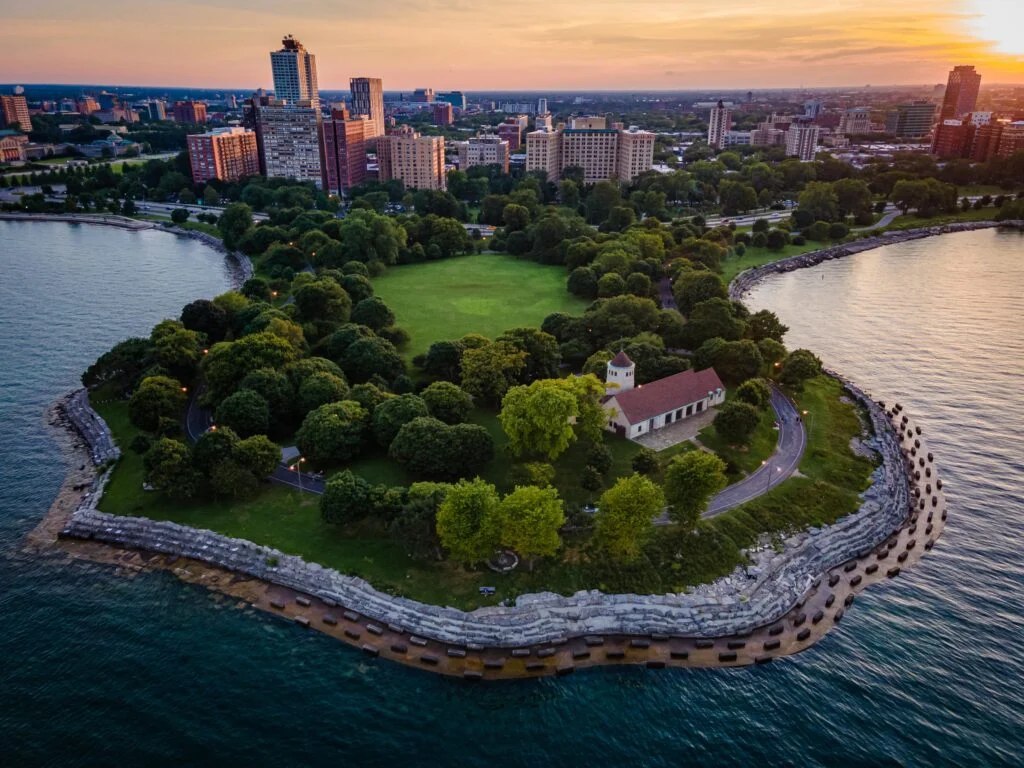
After lunch walk to Promontory Point — about 15 minutes from the main Hyde Park strip. A small park jutting out into Lake Michigan, ringed by limestone steps, with a 360-degree view of the lake and the skyline that most visitors never see.
Sit on the steps. Look north at the skyline. This is the view that most photographs of Chicago never capture and one of the genuinely great free experiences the city has to offer.
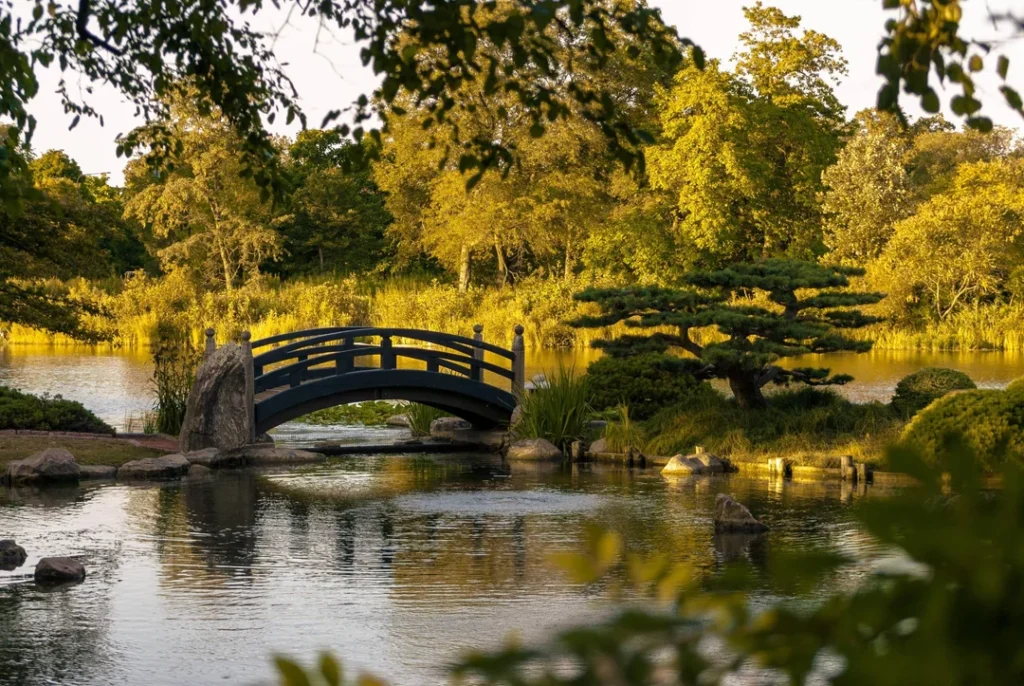
From Promontory Point walk south to Jackson Park and the Garden of Phoenix — a Japanese Garden tucked on a small island connected by a footbridge. Originally built for the 1893 World’s Fair. Weeping willows, stone lanterns, koi ponds. Almost completely empty on a weekday afternoon.
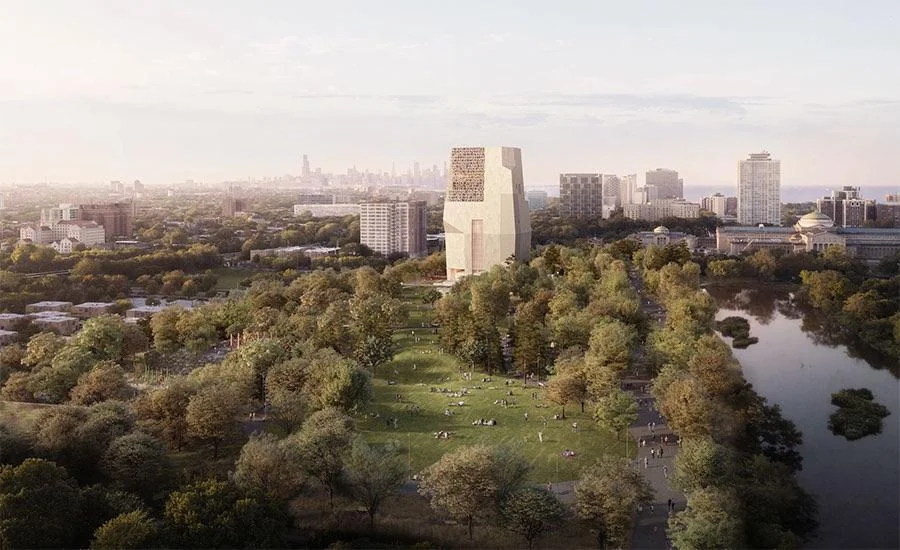
Local tip: The Obama Presidential Center is being built right next to Jackson Park. The whole area is about to get significantly more attention — go now while it still feels like a neighbourhood secret.
Late Afternoon: Back Downtown
Take the Metra back to Millennium Station or grab an Uber if you’re tired. You have one last evening in Chicago — use it well.
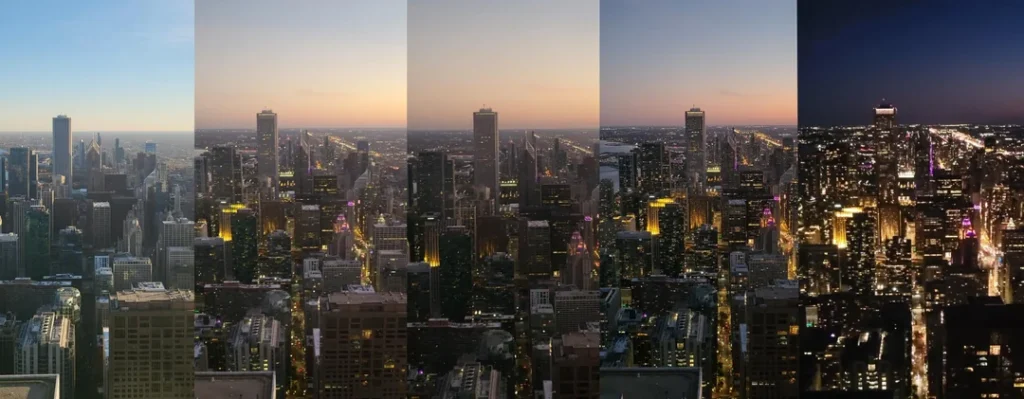
If you haven’t done an observation deck yet, tonight is the night. Sunset from 360 Chicago at the Hancock is one of the great city views in America.
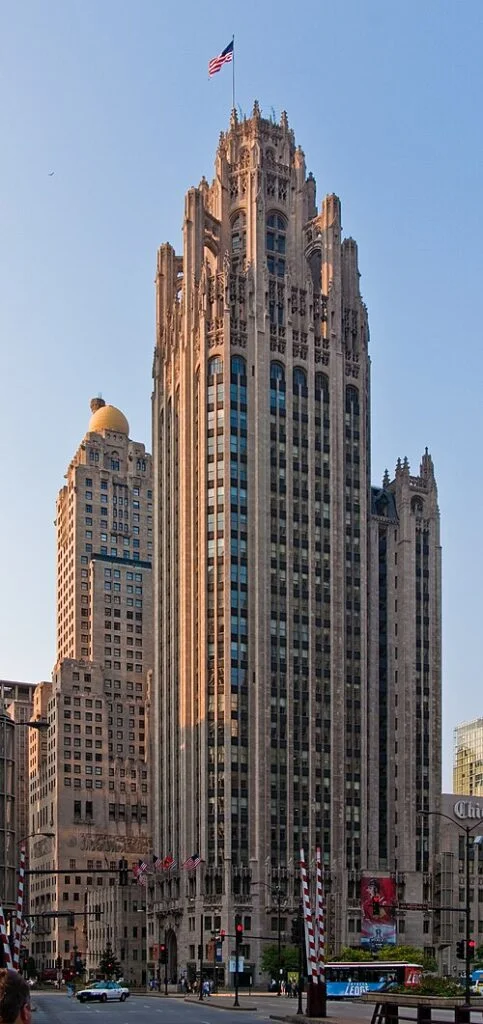
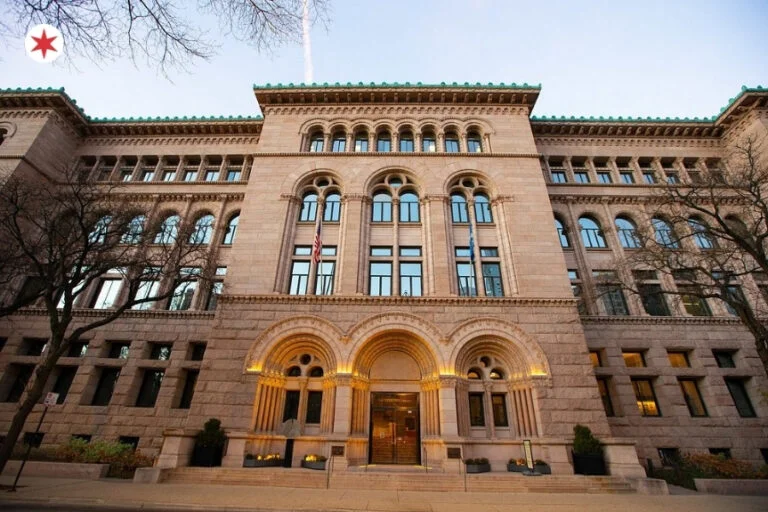
If you’ve already done it, walk the Magnificent Mile north from the river to the Hancock and stop at Tribune Tower. Spend 15 minutes reading the stones embedded in the base of the building — fragments from the Parthenon, the Great Wall, the Berlin Wall, the moon. It’s free, takes 15 minutes, and almost nobody does it.
Evening: One Last Chicago Meal
Tonight is for the Chicago food you haven’t eaten yet. Three options:
Italian Beef
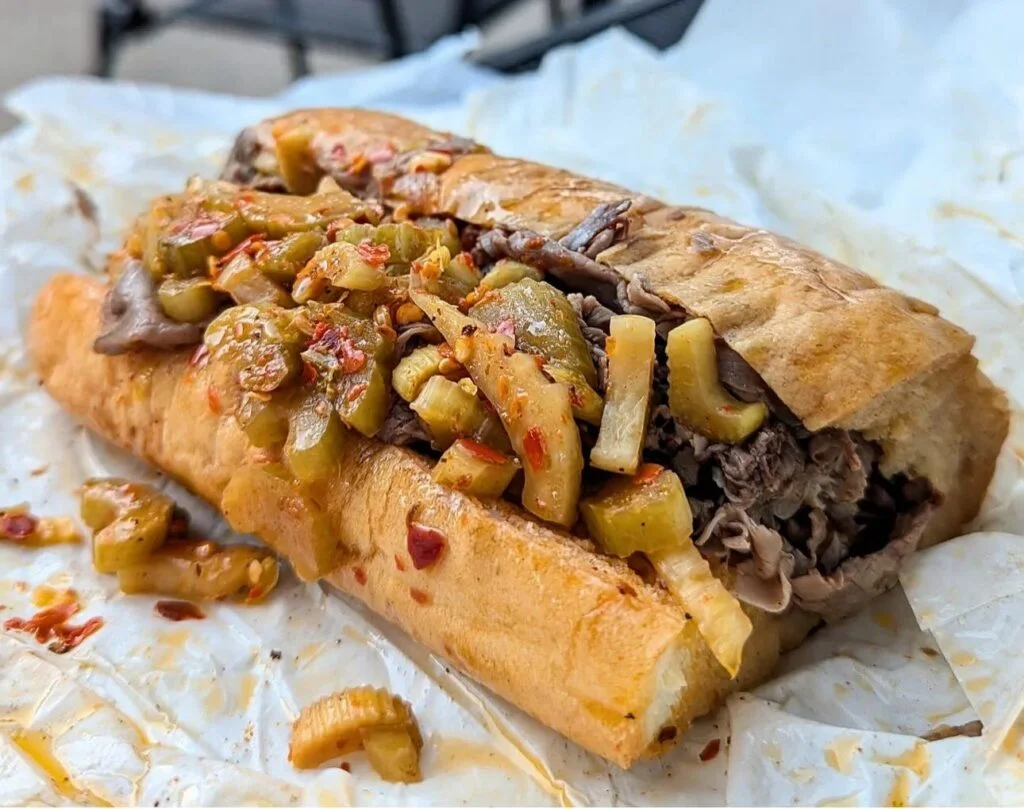
if you haven’t had one yet this is non-negotiable before you leave. Al’s Beef on West Taylor Street is the most historic and most argued-about spot in the city. Order it dipped, with hot giardiniera. Eat it standing up at the counter. This is Chicago.
Chicago Hot Dog
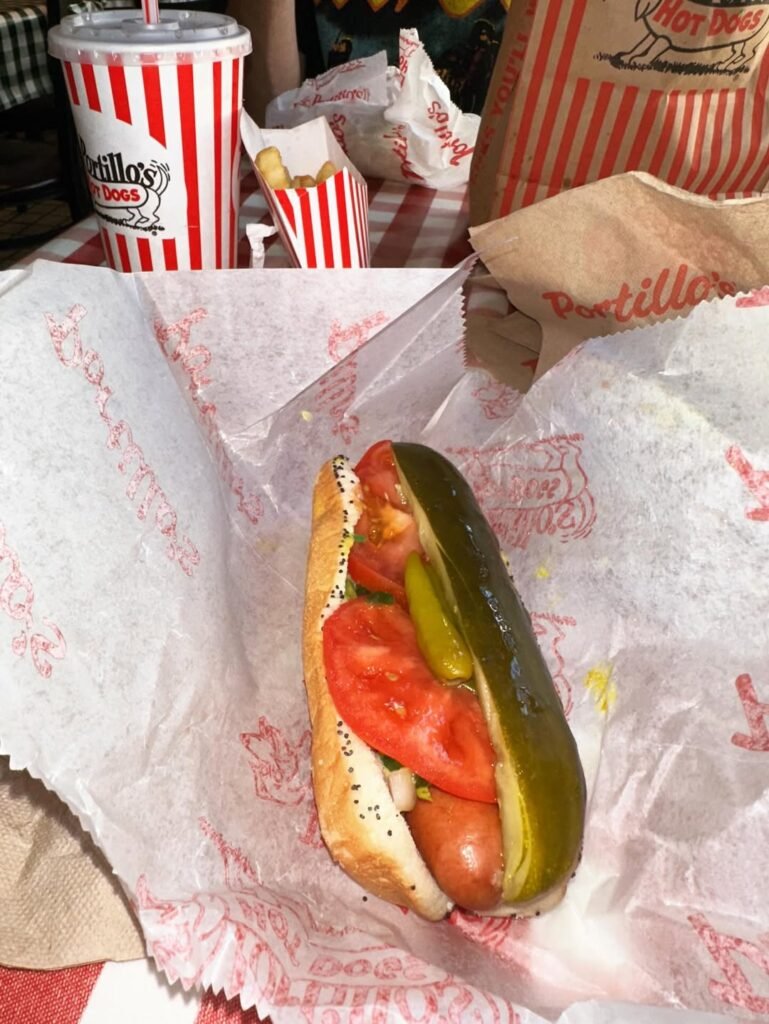
Portillo’s on West Ontario is the most famous spot, always busy, always worth it. Order it dragged through the garden — mustard, relish, onion, tomato, sport peppers, celery salt. No ketchup. Ever.
One last deep dish — if you went to Lou Malnati’s on Day 1 and want to settle the debate, tonight is the night for Pequod’s. Take an Uber to Lincoln Park, order the caramelised cheese crust, and make up your own mind.
After Dinner: Live Music
End your last night in Chicago with live music. Two options:
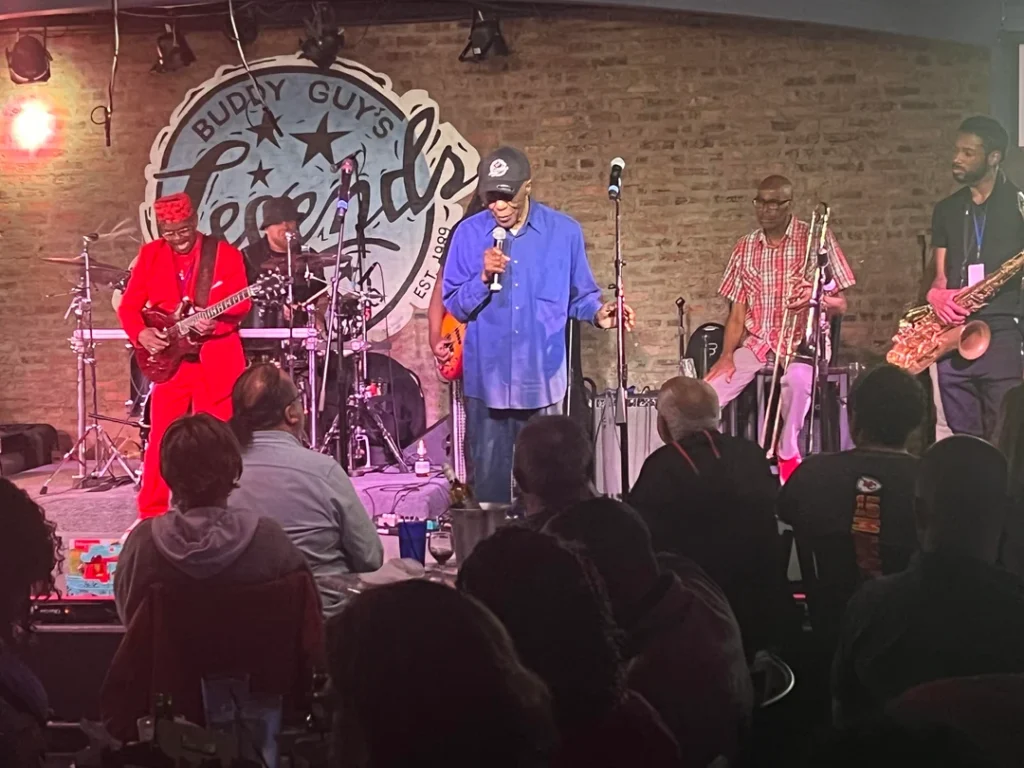
Buddy Guy’s Legends on South Wabash — the most famous blues club in the city, owned by the legendary guitarist himself. Cover charge varies, usually around $20. Worth every dollar.
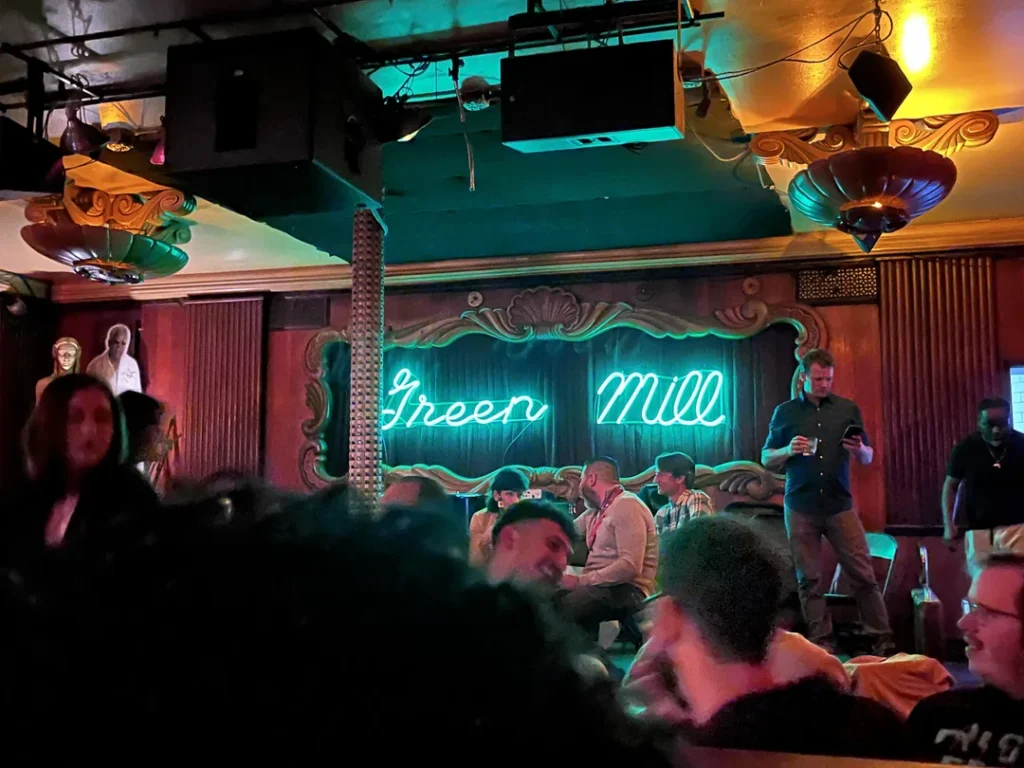
The Green Mill in Uptown — one of the oldest jazz clubs in America, a former Al Capone haunt, still running jazz seven nights a week. No cover on most nights. Take the Red Line to Lawrence and walk two blocks.
Both are right. Buddy Guy’s if you want blues and a guaranteed big room experience. The Green Mill if you want something more intimate and genuinely historic.
Either way — this is how you end a Chicago trip.
Day 3 at a glance:
- Metra to Hyde Park (~$3.75)
- University of Chicago campus (free)
- Museum of Science and Industry (~$21.95) — book in advance
- Lunch at Medici on 57th
- Promontory Point (free)
- Garden of Phoenix in Jackson Park (free)
- Metra or Uber back downtown
- Tribune Tower stones (free)
- Dinner — Italian Beef, Chicago Hot Dog, or deep dish
- Live music — Buddy Guy’s Legends or The Green Mill
Before You Go – Everything Else Worth Knowing
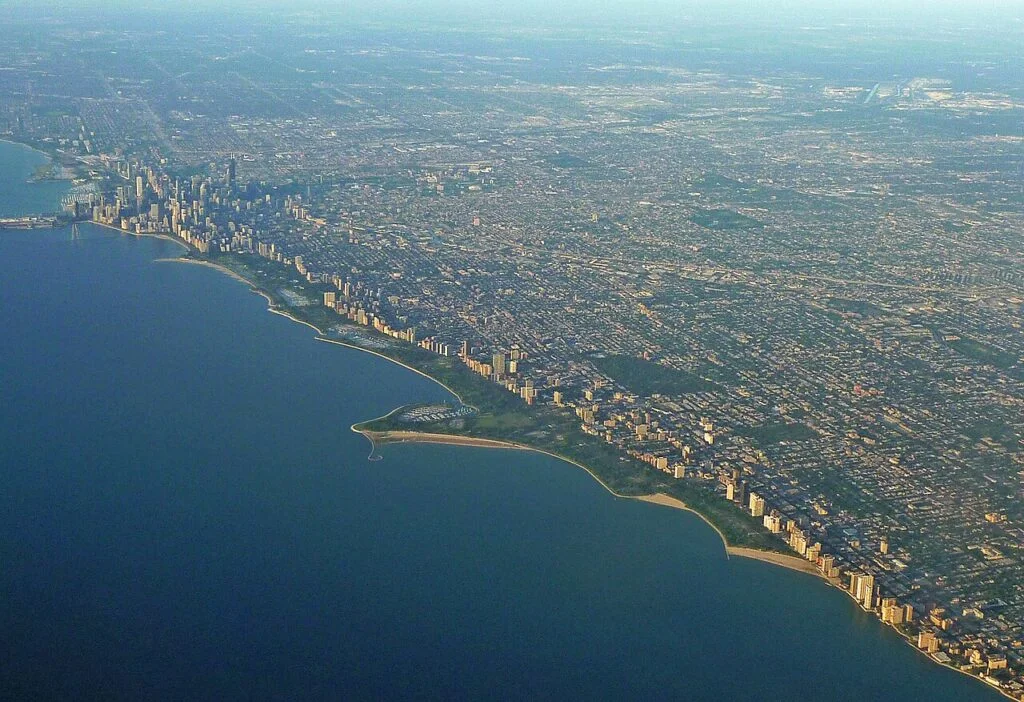
Getting around – Chicago is an extremely walkable city but it’s also big. The L covers most of what you need — buy a Ventra card on day one and use it throughout. Uber and Lyft are reliable and reasonably priced outside of surge hours. Divvy bikes are the best option for lakefront and neighbourhood exploration. You do not need a car — in fact a car will make your trip harder, not easier.
Weather – Chicago’s weather is genuinely unpredictable at any time of year. Check the forecast the night before each day and dress in layers. The lakefront is always windier than the rest of the city — bring a layer even in summer. In winter, the wind chill can make temperatures feel 20 degrees colder than they are.
Tipping – Tip 20% at sit-down restaurants. Tip $1-2 per drink at bars. This is non-negotiable in Chicago – service industry workers depend on it.
Safety – Chicago has a reputation that its most visited neighbourhoods don’t deserve. The areas covered in this itinerary — the Loop, River North, Lincoln Park, Wicker Park, Hyde Park, Chinatown — are all safe for tourists. Use common sense, be aware of your surroundings at night, and you’ll be fine.
What we left out
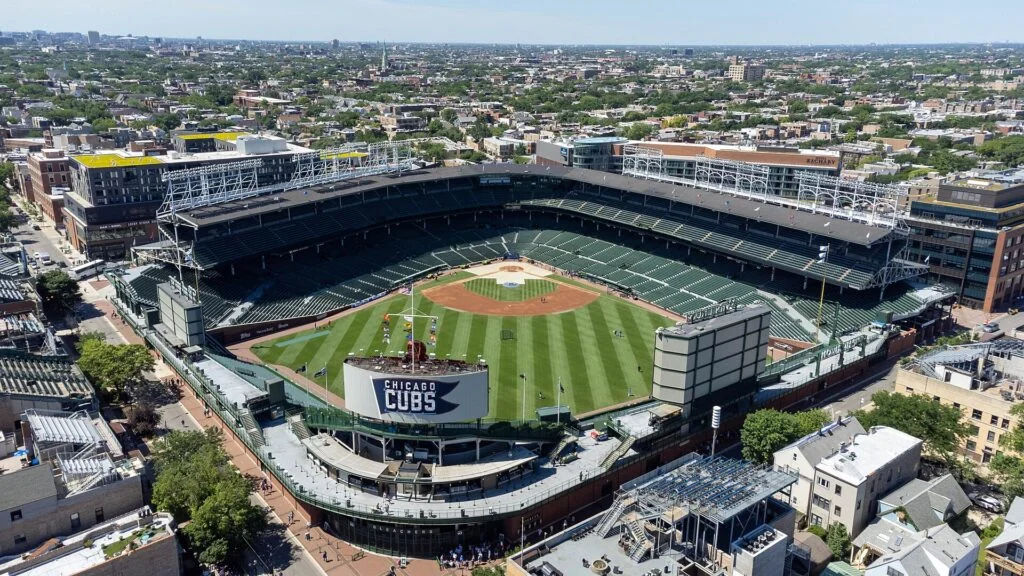
Three days is not enough for everything. Here’s what didn’t make the cut but deserves a mention for a longer trip or a return visit:
- Wrigley Field — see a Cubs game if the schedule lines up. The stadium is as good as the reputation.
- Navy Pier — locals call it a tourist trap and they’re not wrong, but the views of the skyline from the pier at sunset are genuinely excellent. Worth an hour.
- Second City — the most famous comedy club in America. If you love comedy, rearrange the itinerary to fit this in.
- Garfield Park Conservatory — one of the most beautiful and most overlooked free attractions in the city.
- The 606 Trail — an elevated park and trail running through Wicker Park, Bucktown and Logan Square. Perfect for a morning walk or bike ride.
Where to stay For first time visitors the Loop or River North puts you closest to Day 1 and within easy reach of everything else. If you want a more neighbourhood feel, Lincoln Park is excellent for Days 2 and 3. Browse Top Rated Chicago hotels →
One Last Thing
Chicago is one of the great cities on the planet. It is big enough to feel genuinely urban and human enough to never feel overwhelming. The food is as good as anywhere in America. The architecture is extraordinary. The people are direct, warm, and will talk to you like they’ve known you for years within about thirty seconds.
Three days will not be enough. It never is.
Come back.

Recommended while at the UIC campus, a visit to the Robie House on Woodlawn. A Frank Lloyd Wright house. Tours available.