
Let’s be honest for a second.
Whether you have lived in Chicago your entire life, or you just flew into O’Hare this morning for a weekend trip, The Field Museum is probably on your itinerary.
It is massive. It is iconic. It sits right on the edge of Lake Michigan like a giant, neoclassical temple.
But when you finally walk through those massive doors, do you actually know what you are looking at?
Most visitors just wander the halls, snap a quick photo of a dinosaur skull, and head straight to the gift shop. They treat the museum like a giant visual checklist.
But they are missing the best part.
The Field Museum isn’t just a warehouse of old bones and stuffed animals. It is a vault of real-life Indiana Jones adventures, unsolved mysteries, and unbelievable true stories.
Later in this article, I am going to tell you about the museum taxidermist who literally fought a leopard bare-handed and won.
But first, we need to talk about the undisputed queen of Chicago.
If you want to experience the museum like an absolute insider—and see the hidden details most tourists walk right past—keep reading. Here are the most fascinating artifacts hiding in plain sight at The Field Museum, and the wild stories behind them.
1. SUE the T. Rex (And the FBI Raid)
You probably already know SUE.
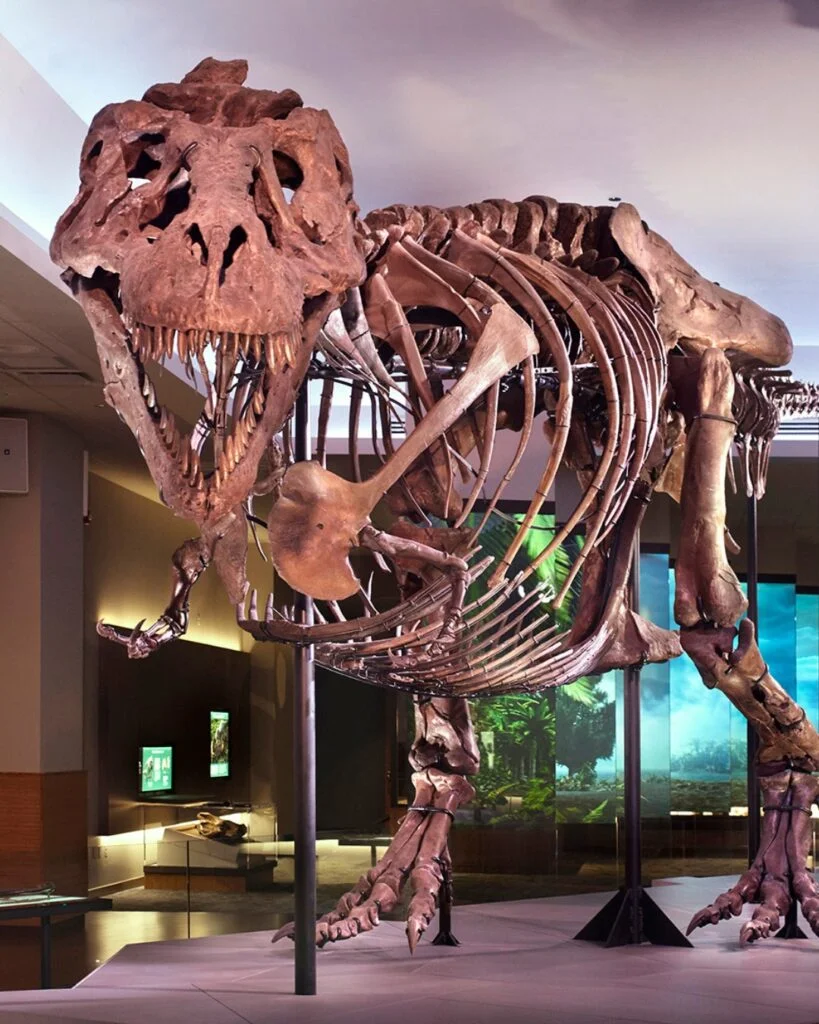
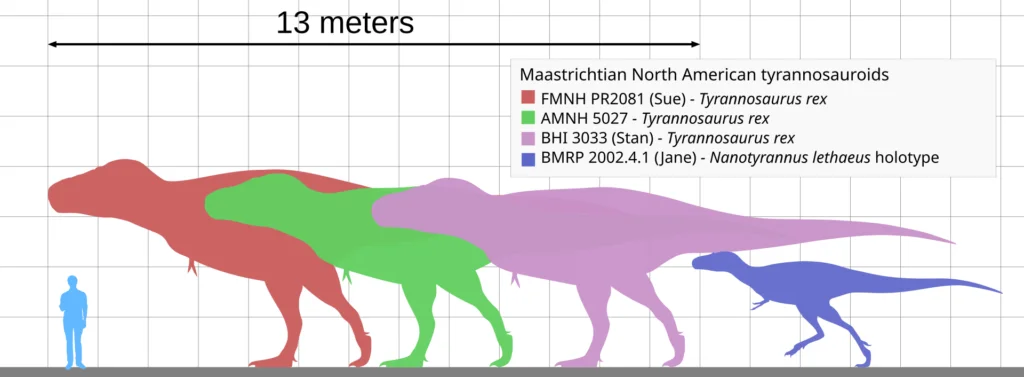
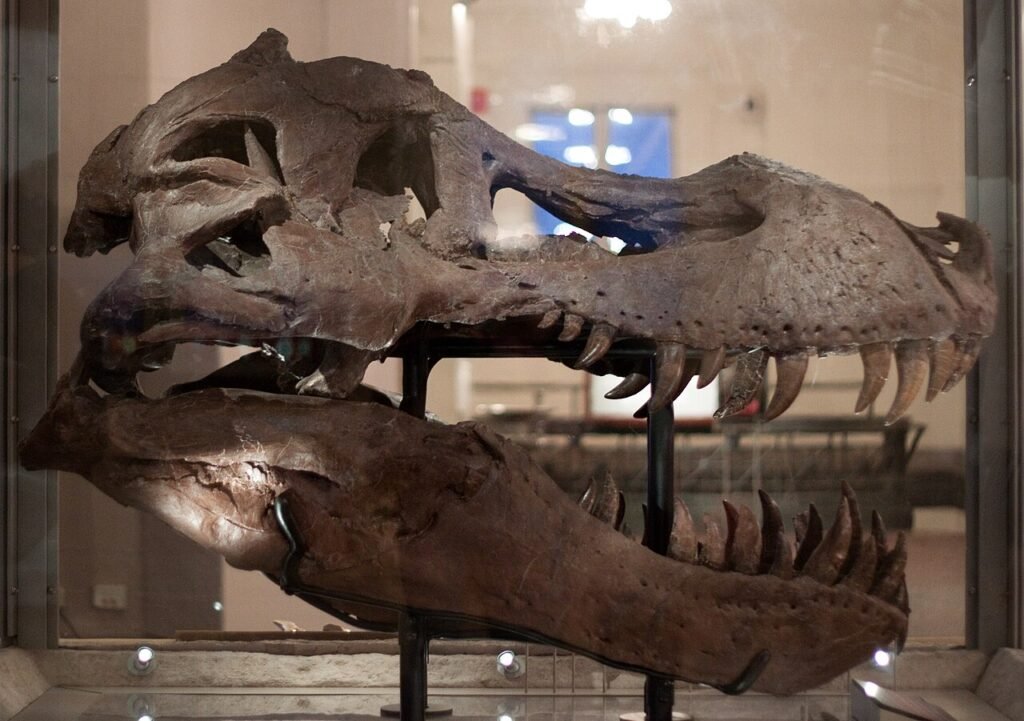
She is the most complete, best-preserved Tyrannosaurus rex ever discovered. Standing proudly in her private suite on the second floor, she is the main attraction.
But her journey to Chicago was a legal nightmare.
SUE was discovered in 1990 in South Dakota by a paleontologist named Sue Hendrickson. But almost immediately after the bones were pulled from the earth, a massive, vicious fight broke out over who actually owned them.
Picture this:
The dispute got so intense that the FBI and the National Guard literally raided the institute holding the bones. They seized the dinosaur, packed her into boxes, and locked her in a boiler room at the South Dakota School of Mines while the courts battled it out.
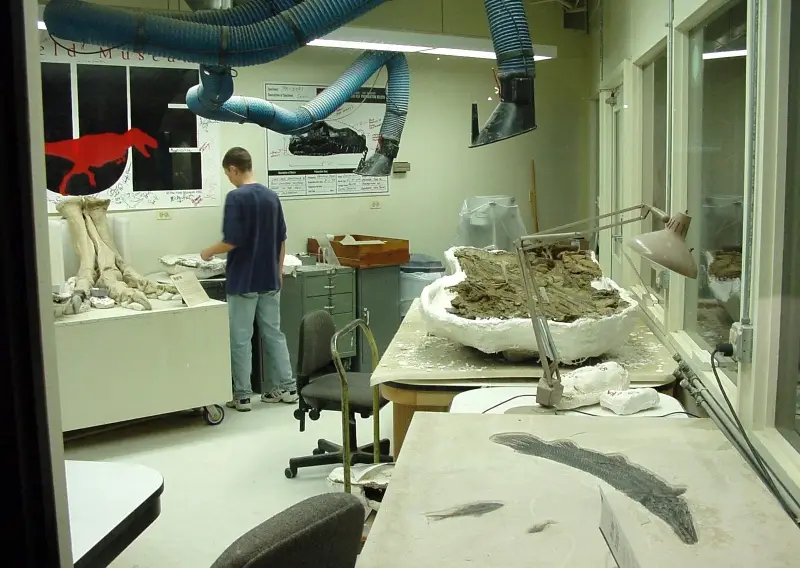
Eventually, the landowner won the rights and put SUE up for public auction.
The Field Museum knew they had to have her. But they didn’t have the cash.
So, in a wildly Chicago move, the museum teamed up with McDonald’s and Walt Disney Parks to pool their money. They won the auction with a staggering $8.3 million bid, bringing the world’s greatest predator to the Midwest.
When you look at her massive jaw today, remember that she was once locked up by the feds.
2. The Tsavo Man-Eating Lions
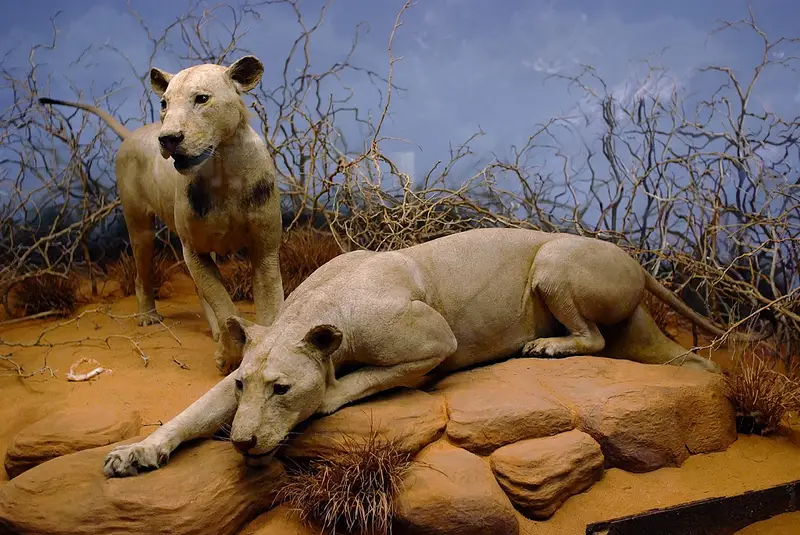
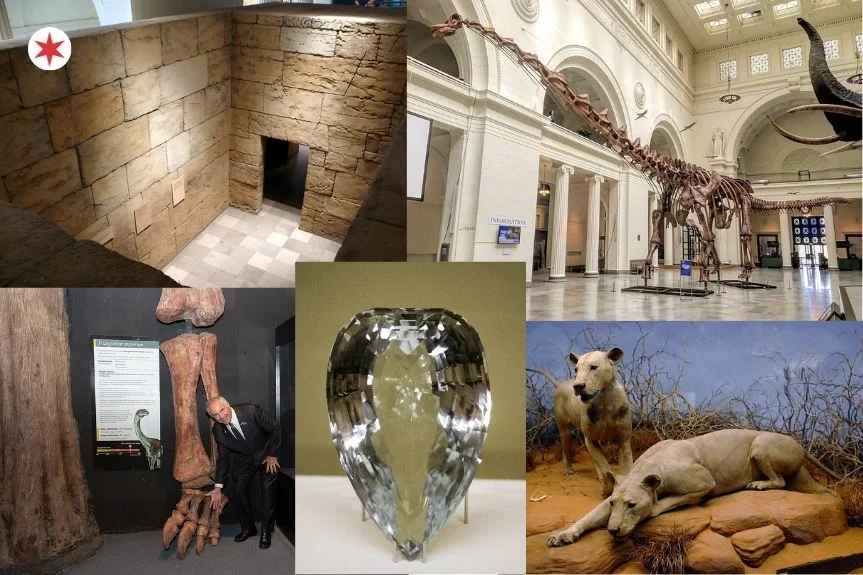
If you walk through the Hall of Asian Mammals, you will eventually pass a glass case containing two male lions.
They don’t look particularly terrifying. They are missing their manes, and their taxidermy is over a century old. Honestly, they look like giant, slightly faded rugs.
Do not let their appearance fool you.
These are the infamous Tsavo Man-Eaters.
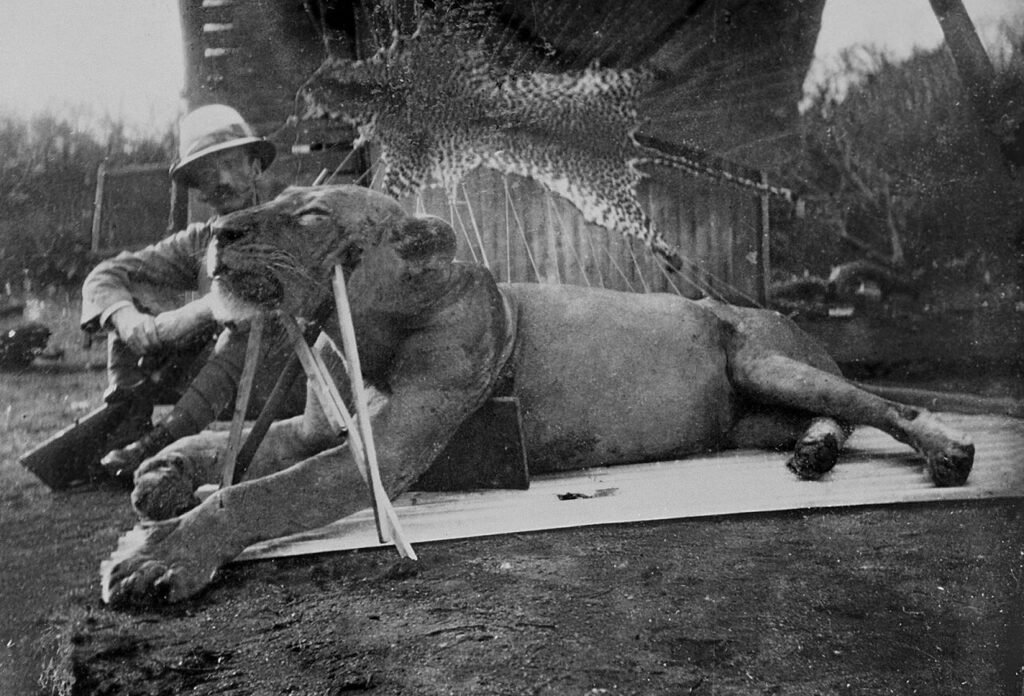
In 1898, the British were building a railway bridge over the Tsavo River in Kenya. Out of nowhere, these two lions began stalking the campsite in the dead of night.
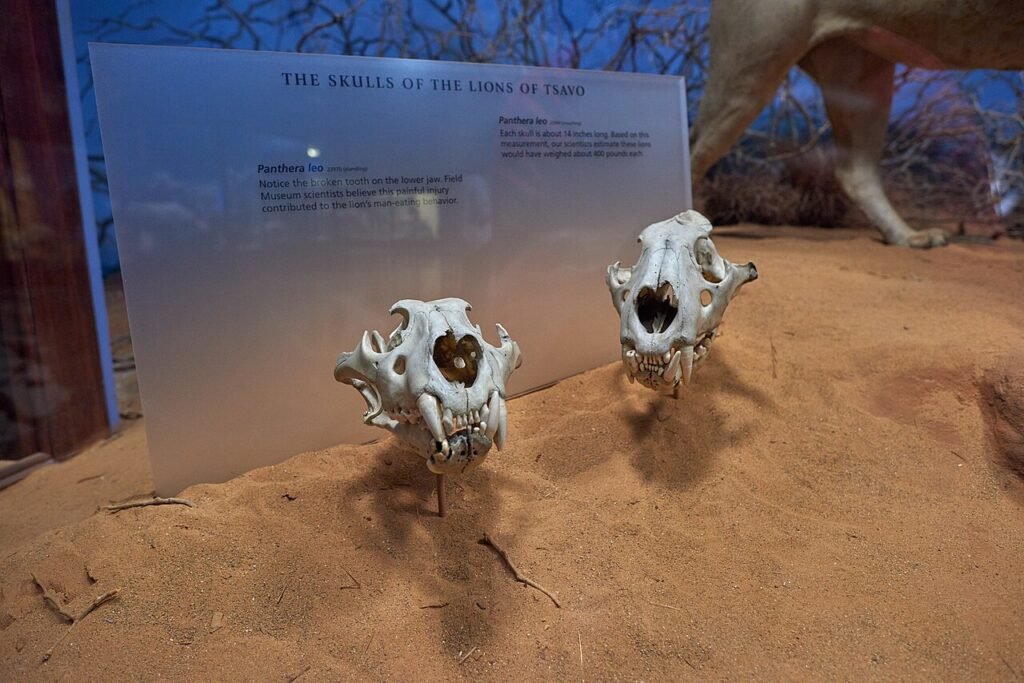
They were completely fearless. They would drag sleeping workers out of their tents by their boots.
The attacks were so relentless and so terrifying that hundreds of workers literally fled the campsite, bringing the entire multi-million-dollar railway construction to a dead halt.
Here is the horrifying reality:
Before they were finally hunted down by a British engineer, these two lions killed and ate an estimated 135 people.
Their skulls and skins were eventually sold to The Field Museum for just $5,000. When you stare into their glass eyes today, you are looking at two of the most prolific, real-life monsters in recorded history.


3. The 4,000-Year-Old Tomb of Unis-Ankh
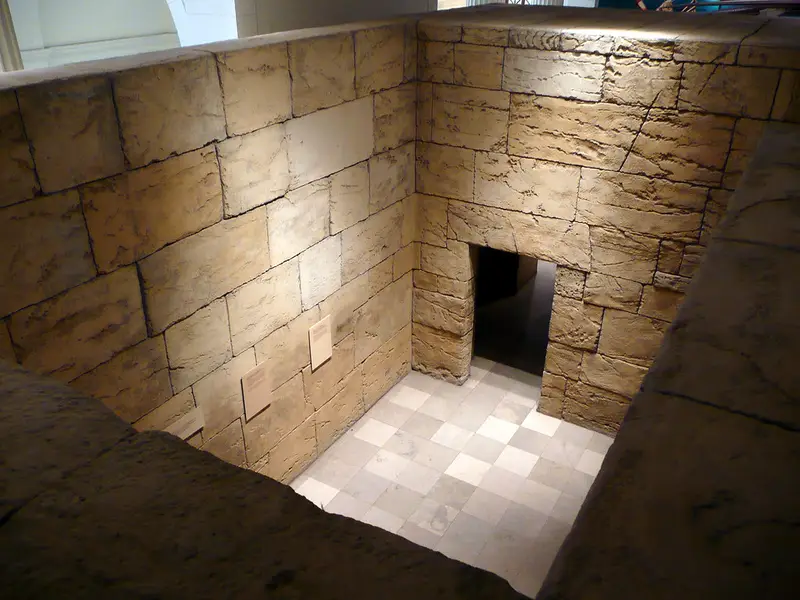
The “Inside Ancient Egypt” exhibit is arguably the most immersive experience in the entire building.
You walk down a spiraling staircase, the air gets cooler, and suddenly you are wandering through the narrow, dimly lit corridors of an ancient tomb.
But most people don’t realize what they are touching.
This isn’t a Hollywood movie set. This isn’t plaster painted to look like stone.
You are walking through the actual, authentic tomb of Unis-Ankh, an Egyptian pharaoh’s son who lived over 4,000 years ago.
Let me explain how crazy this is.
In 1907, the museum purchased two original chambers of the tomb directly from the Egyptian government. They carefully dismantled the massive limestone blocks, shipped them across the ocean to Chicago, and meticulously rebuilt them inside the museum.
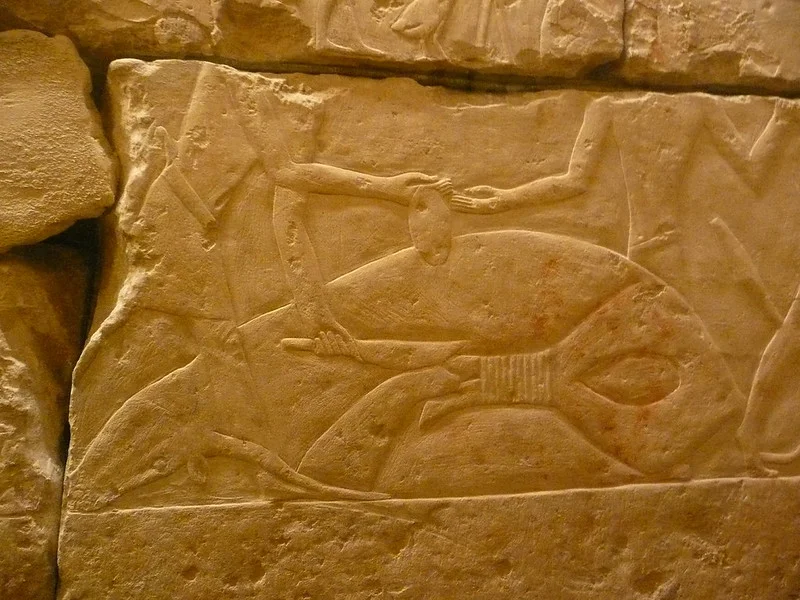
When you run your fingers along the hieroglyphics carved into the walls, you are touching the exact same stone that ancient artisans carved in 2400 BC.
It is one of the only places in North America where you can physically step inside ancient Egyptian architecture.
4. Carl Akeley’s Leopard (The Bare-Handed Battle)
Let’s head over to the animal dioramas.
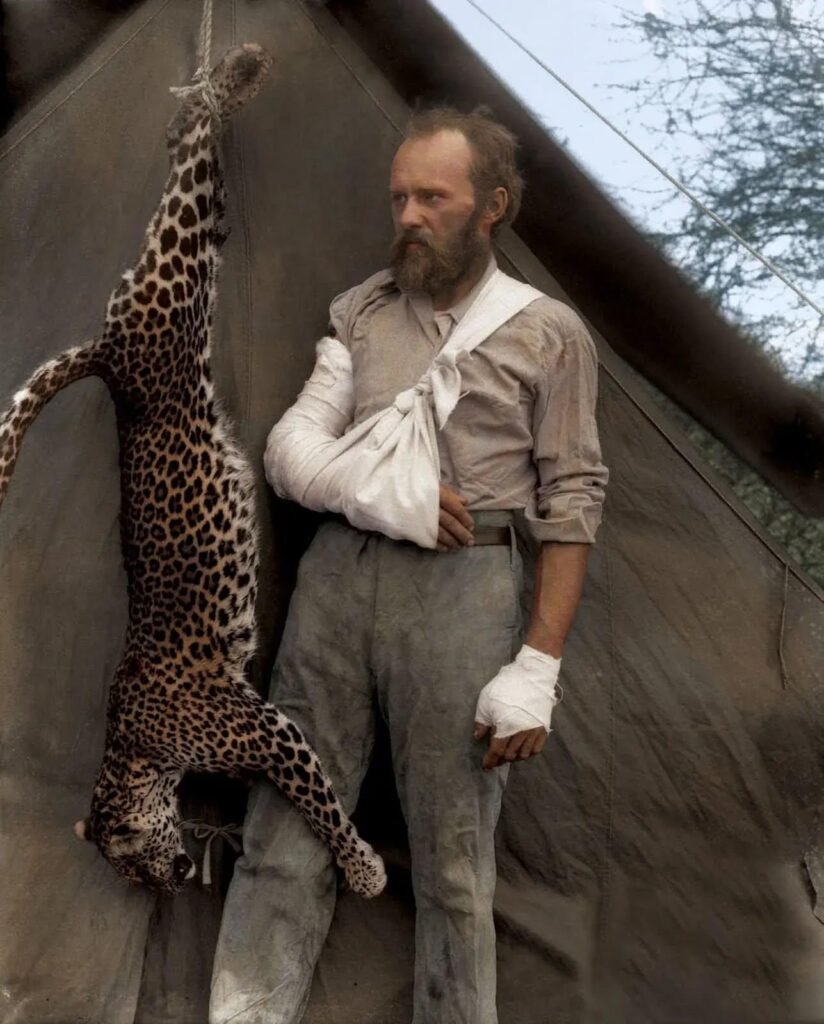
If you look closely, you will notice they are incredibly lifelike. The man responsible for this is Carl Akeley. He was the chief taxidermist for The Field Museum in the early 1900s, and he completely revolutionized the way museums display animals.
But Akeley was also an absolute madman.
In 1896, Akeley was on a research expedition in East Africa. While walking through the brush, he was suddenly ambushed by an 80-pound leopard.
The leopard pounced, sinking its teeth deep into Akeley’s arm. He didn’t have a loaded rifle. He was completely alone.
What happened next sounds like a Hollywood script:
Akeley didn’t panic. Instead of trying to pull his arm out of the leopard’s mouth—which would have torn his arteries—he shoved his arm further down the leopard’s throat to choke it.
He then threw the massive cat to the ground, pinned it with his knees, and literally strangled it to death with his bare hands.
Akeley survived, brought the leopard back to Chicago, and stuffed it himself. You can still find his incredible taxidermy work all over the museum today.
5. The Mummies’ CT Scan Secrets
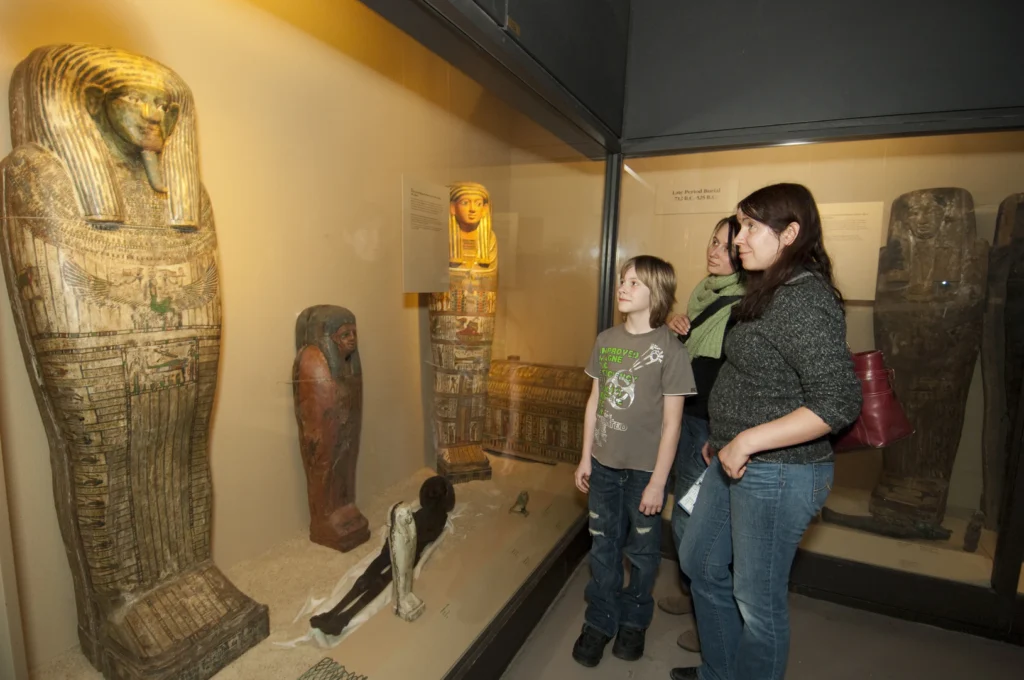
For decades, the museum proudly displayed its massive collection of Egyptian mummies.
The plaques confidently told visitors who the mummies were, based on the elaborate hieroglyphics painted on their wooden coffins.
But science eventually caught up with history.
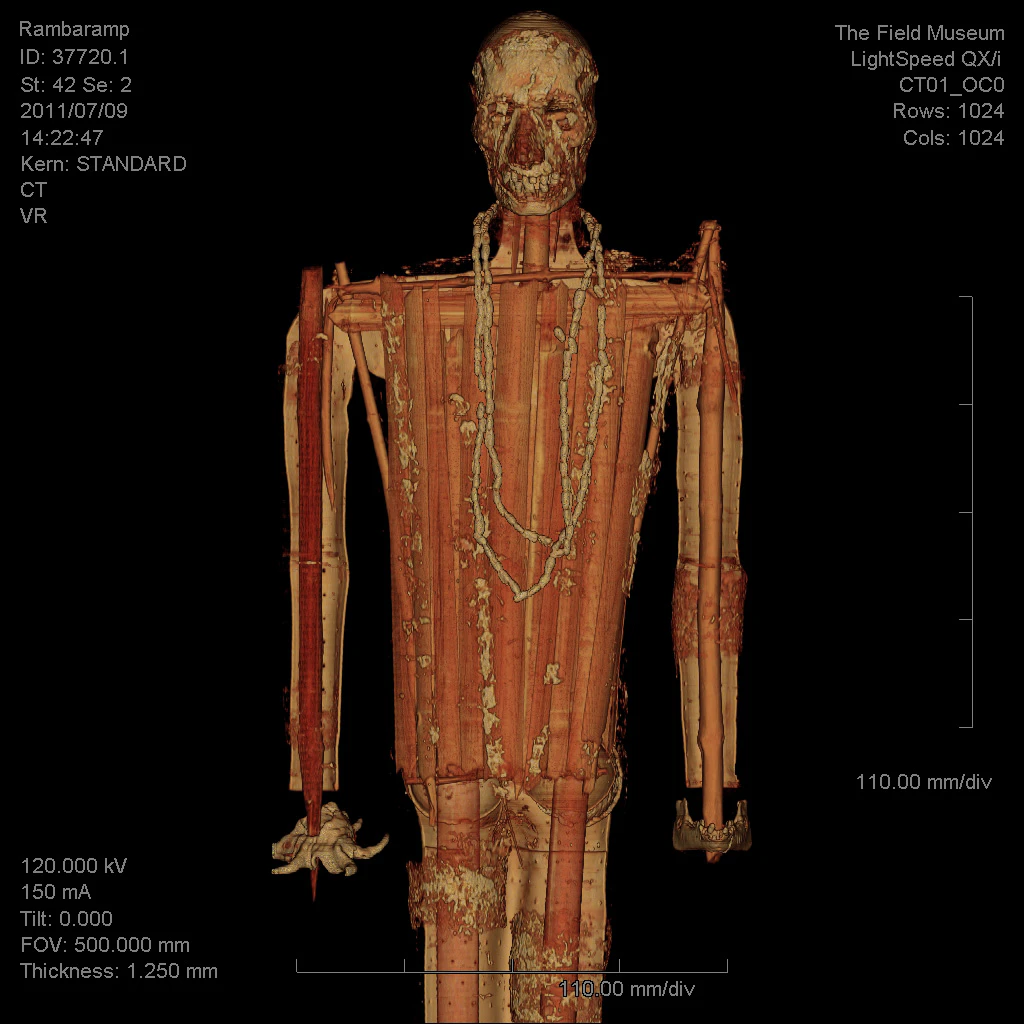
A few years ago, the museum decided to carefully load their fragile mummies into a hospital-grade CT scanner. They wanted to see exactly what was hiding under the 3,000-year-old linen wrappings without destroying them.
The results were absolutely shocking.
Here is the wild truth:
Grave robbing was a massive industry in ancient Egypt. The CT scans revealed that some of the coffins didn’t contain the noblemen written on the outside.
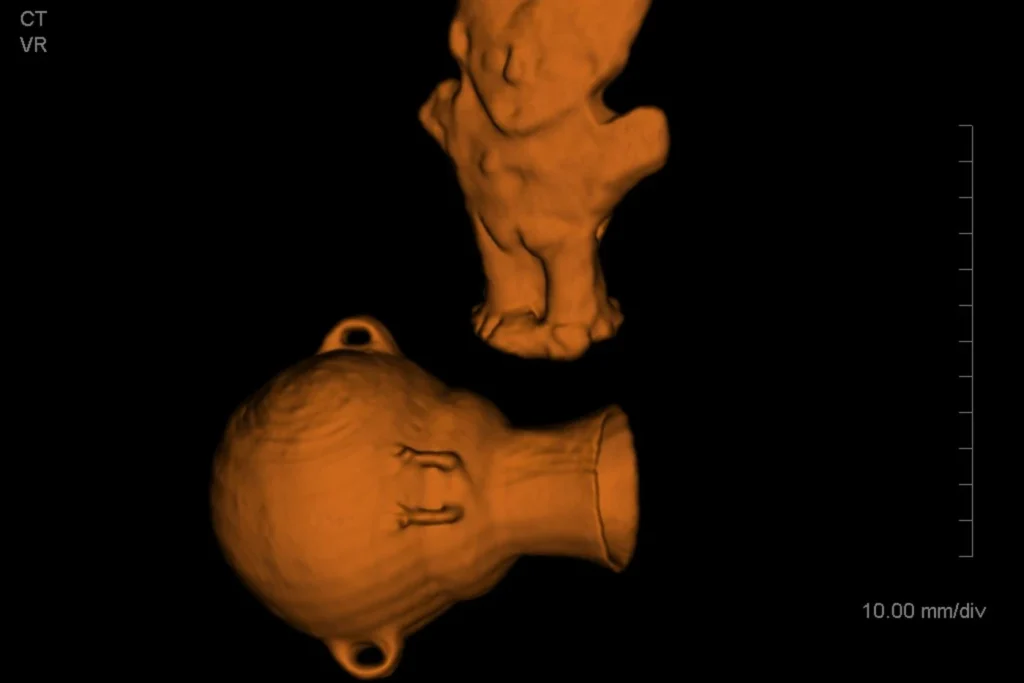
In one famous case, a coffin belonging to a high-ranking priest actually contained the body of a completely different person. In another, a beautifully wrapped “mummy” was completely empty, stuffed only with palm branches and mud to trick tomb robbers.
The museum kept the exhibits but updated the plaques. It is a fascinating reminder that human deception is thousands of years old.
6. The 5,890-Carat Chalmers Topaz
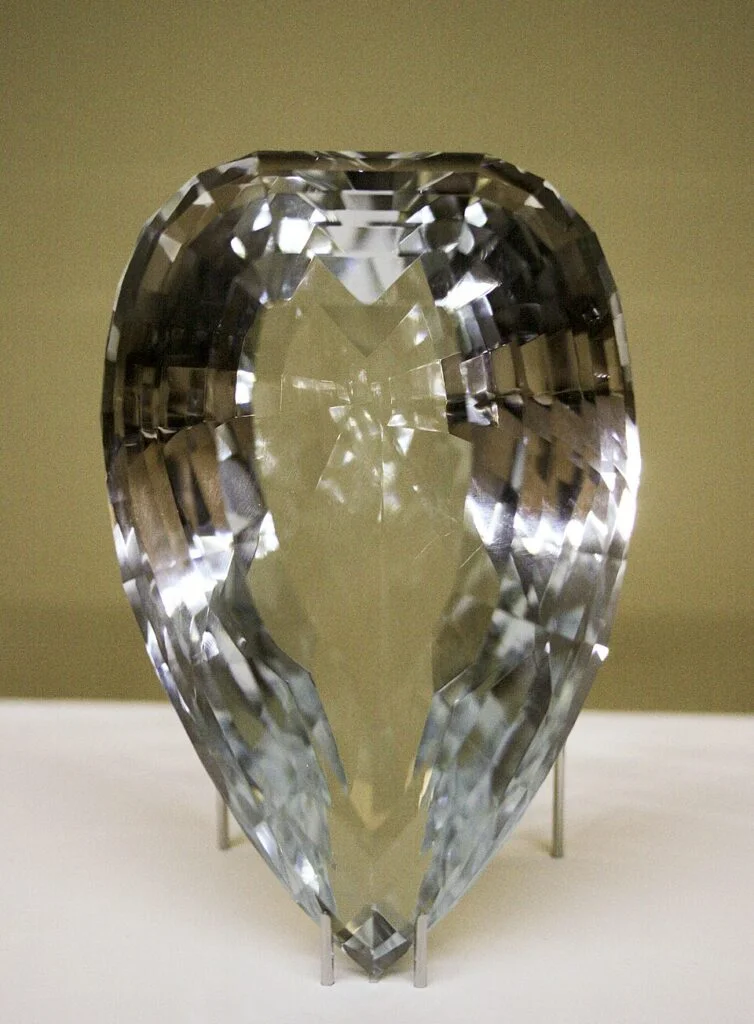
Let’s take a walk up to the Grainger Hall of Gems.
This room feels like a high-security bank vault, and for good reason. It holds some of the most incredibly rare and valuable jewels on the planet.
But sitting quietly in a glass case is a stone that looks like it belongs in a Marvel movie.
Meet the Chalmers Topaz.
This isn’t a piece of jewelry you could wear on a ring. It is a massive, flawless, perfectly cut gemstone that weighs a staggering 5,890 carats.
To put that into perspective, it weighs about three pounds. It is roughly the size of a small melon.
Consider this for a second:
Most topaz found in nature is full of cracks or cloudy impurities. The Chalmers Topaz is completely clear, with a brilliant white-blue hue. It is one of the largest cut topaz stones in the entire world.
When you see it in person, your brain almost refuses to accept that it is real. It looks like a magical movie prop, but it was pulled directly from the earth in Brazil.
7. Máximo the Titanosaur
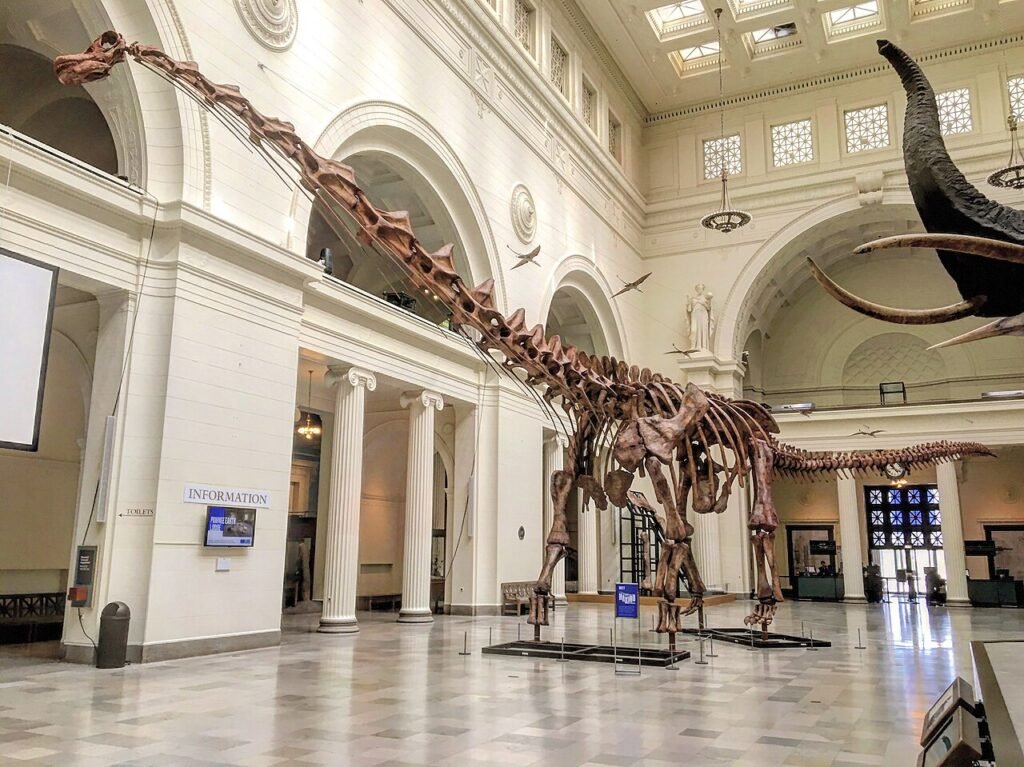
SUE might be the most famous dinosaur in the building, but she is no longer the biggest.
When you walk through the main doors into Stanley Field Hall, you are immediately greeted by Máximo.
He is almost too big to comprehend.
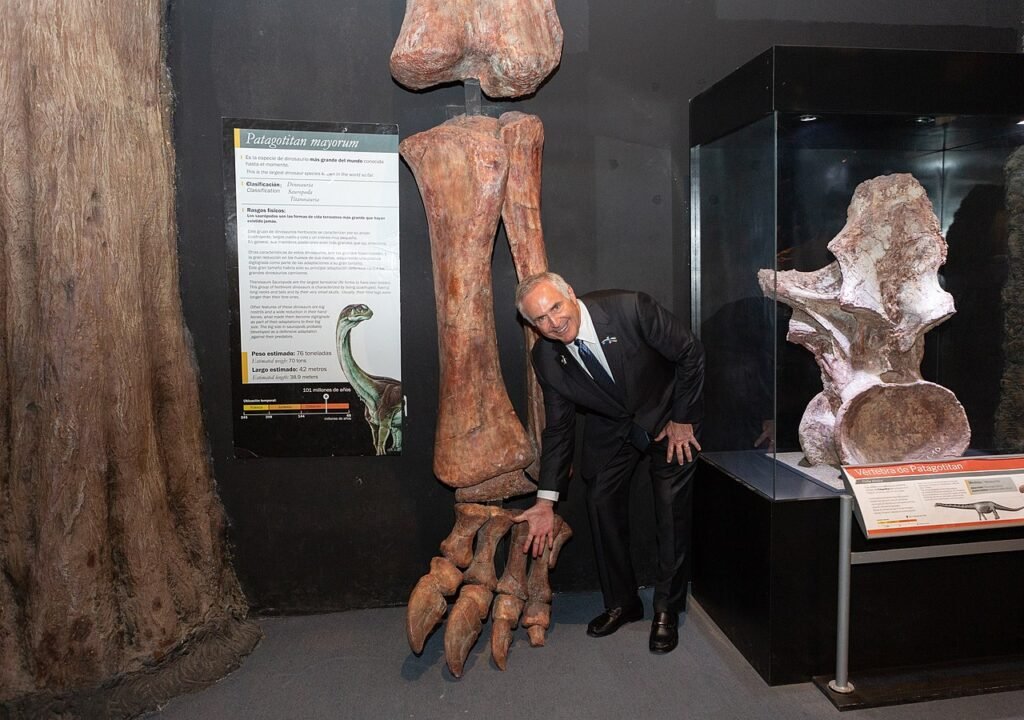
Máximo is a Patagotitan, a species of long-necked dinosaur discovered in Argentina. He stretches 122 feet from nose to tail. His head literally peeks over the second-floor balcony.
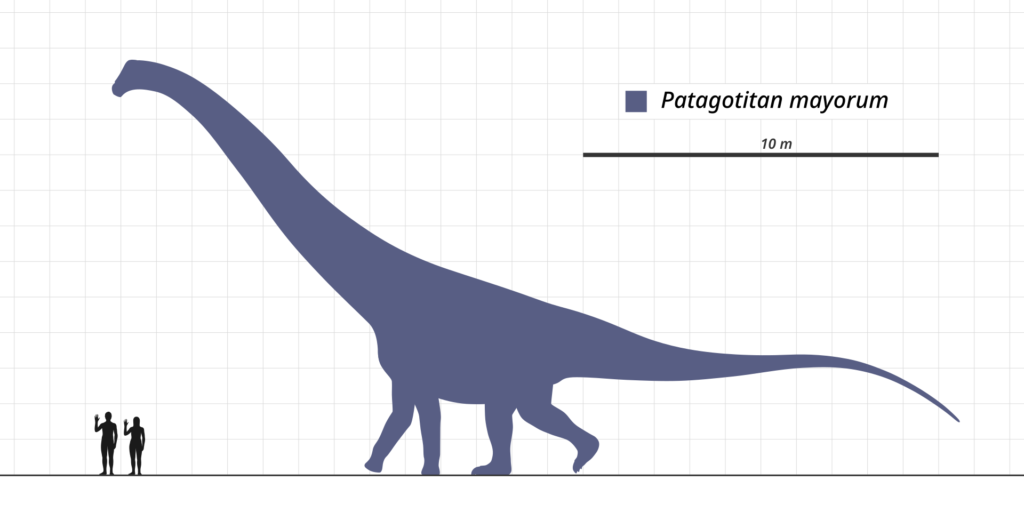
But here is why he is so special:
Unlike SUE, who is kept safely behind glass and barricades to protect her fragile bones, Máximo was designed to be interactive.
Because his skeleton is a meticulously crafted cast of the original fossils, you can walk directly underneath his massive ribcage. You can look up and realize that a single one of his leg bones is taller than an average human adult.
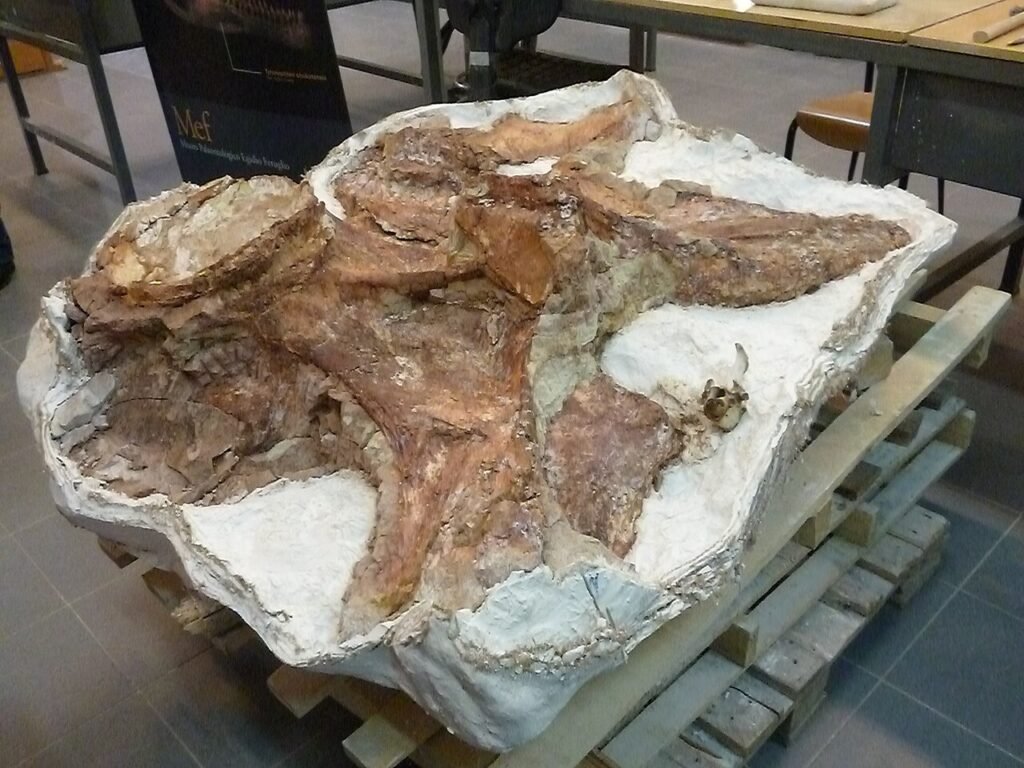
And right next to his massive cast skeleton, the museum placed a real, authentic piece of his fossilized thigh bone. You are actually encouraged to reach out and touch it.
8. Bushman the Gorilla
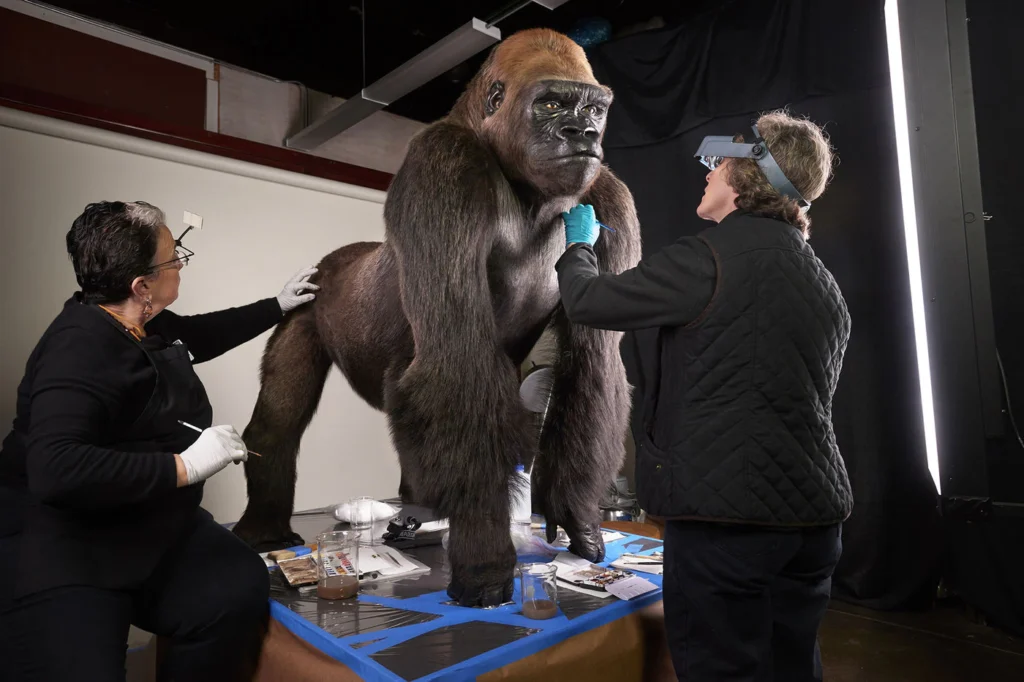
Let’s talk about a true Chicago legend.
If your grandparents were living in the city in the 1930s or 1940s, they didn’t just know about Bushman. They probably went to visit him.
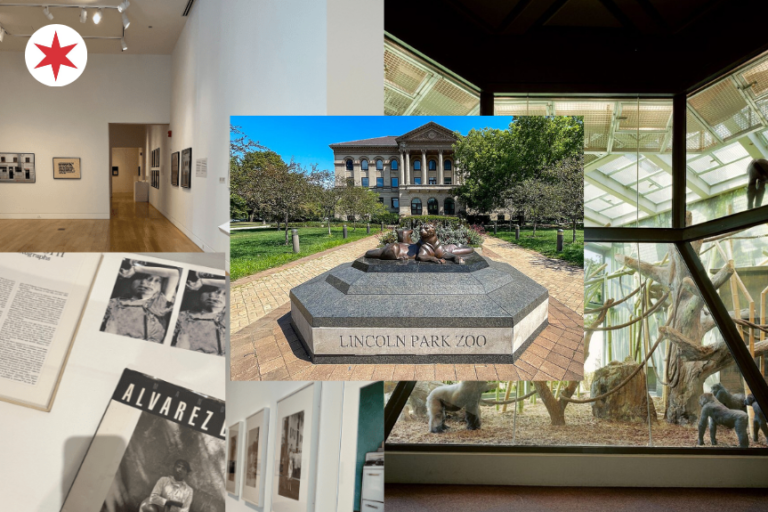
Bushman was a 550-pound western lowland gorilla who lived at the Lincoln Park Zoo. He was a massive celebrity. At the height of the Great Depression, he brought joy to millions of locals and tourists alike.

But he had a wicked sense of humor.
Bushman loved his audience, but he also loved to mess with them. He was famous for hiding his food, waiting for a crowd to gather, and then launching handfuls of dirt and monkey chow directly at the onlookers.
When he passed away in 1951, the entire city mourned. Thousands of people lined up to pay their respects.
The city couldn’t bear to part with him, so his body was carefully preserved by taxidermists and moved to The Field Museum. Today, he stands proudly on the lower level. He isn’t just an animal exhibit; he is a beloved piece of Chicago history.
9. The Coelacanth (The Ghost Fish)
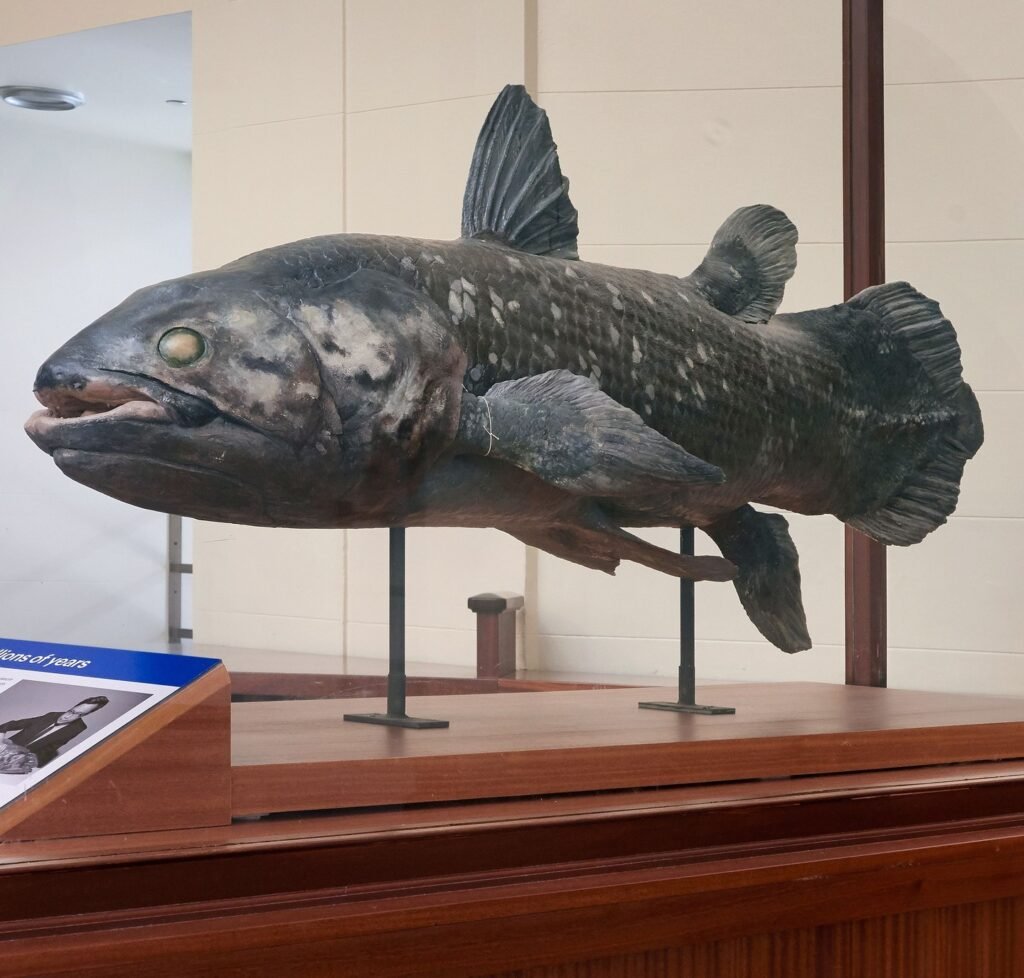
We are wrapping things up with a creature that literally came back from the dead.
Tucked away in the animal evolution exhibits is a rather ugly, prehistoric-looking fish called the Coelacanth.
For a long time, scientists only knew about this fish from ancient fossils. They assumed it went extinct 65 million years ago, wiped out by the exact same asteroid that killed the dinosaurs.
They were dead wrong.
In 1938, a local fisherman off the coast of South Africa pulled up his nets and found a living, breathing Coelacanth flopping around on the deck of his boat.
It was the biological equivalent of finding a living T. Rex walking through a modern forest.
Why does this matter?
The Coelacanth is known as a “Lazarus species.” Finding it completely upended everything we knew about marine evolution.
When you look at the preserved specimen in The Field Museum, you aren’t just looking at a fish. You are looking at a living fossil that survived a mass extinction and hid from humanity for 65 million years.
10. The Benld Meteorite (The Cosmic Hit-and-Run)
When you think of The Field Museum, you usually think of things that were dug out of the earth.
But tucked away in the geology section is an artifact that literally fell from the sky. And it has one of the funniest backstories in the entire building.
Here is the crazy part:
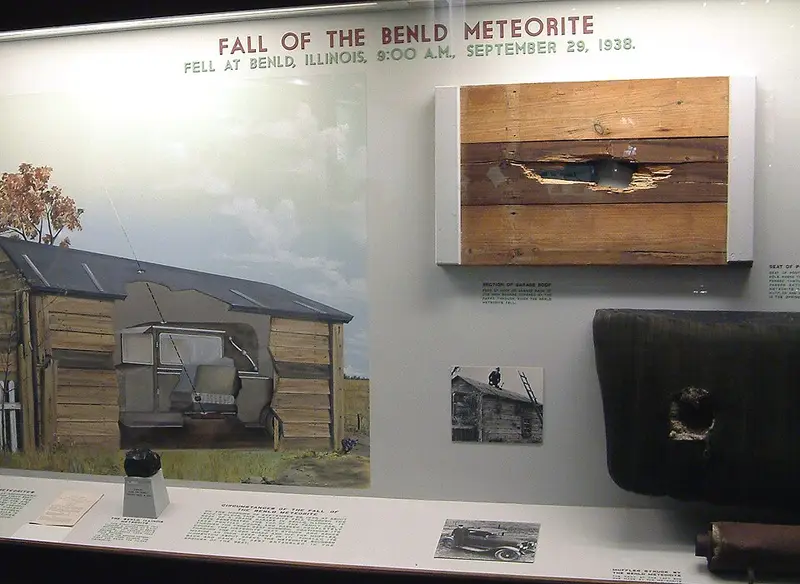
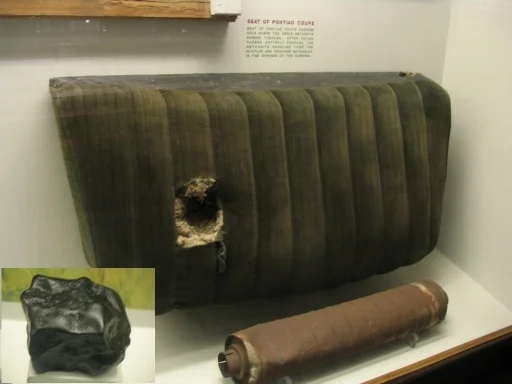
In 1938, a man named Ed McCain was going about his day in Benld, Illinois. Suddenly, a four-pound meteorite plummeted from space, crashed through the roof of his wooden garage, and smashed directly into his 1928 Pontiac coupe.
It tore through the roof of the car, ripped through the backseat, and embedded itself deep into the muffler.
What happened next is pure museum gold.
The Field Museum didn’t just want to buy the space rock. They wanted the whole story. So, they bought the meteorite, the actual car seat with the burn hole in it, and the dented muffler.
Today, you can see all three pieces displayed together. It is a hilarious, real-life reminder that the universe has a very weird sense of humor.
11. Ruatepupuke II (The Stolen Maori Meeting House)
Let’s take a walk over to the Pacific exhibits.
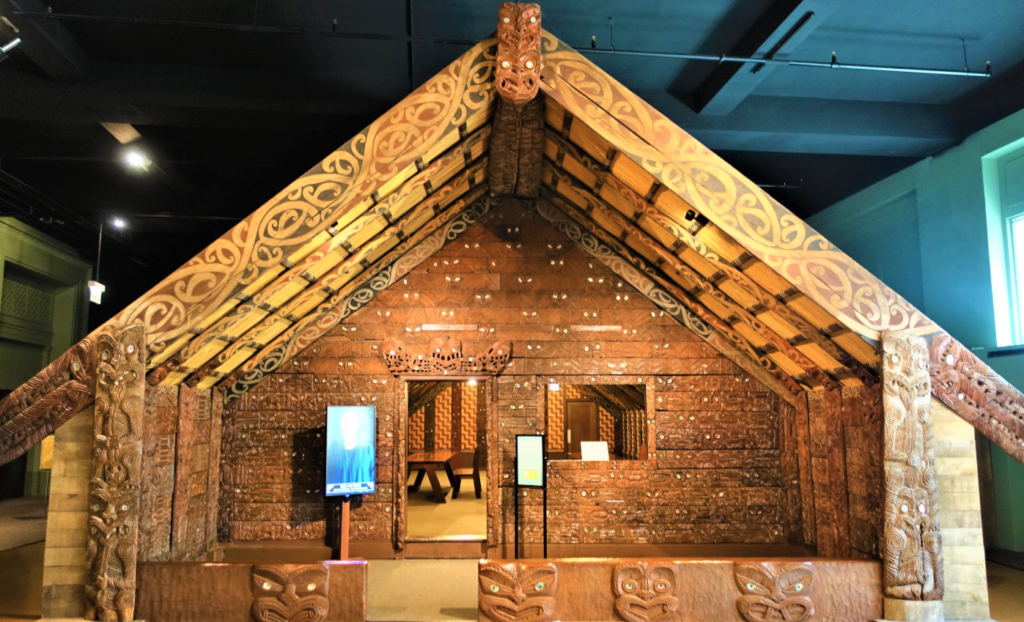
As you turn the corner, you will come face-to-face with a massive, breathtaking wooden building covered in intricate, hand-carved faces and glowing shell eyes.
But this isn’t a replica.
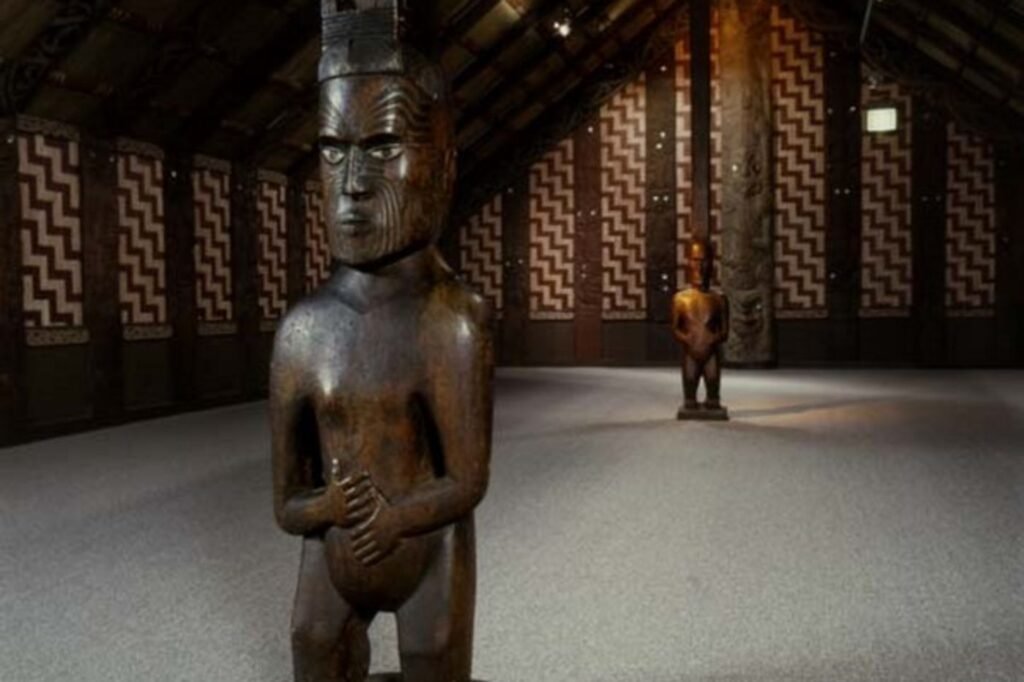
This is Ruatepupuke II, a fully authentic Maori meeting house built in New Zealand in 1881. It is the only one of its kind in the Western Hemisphere.
The wild truth is how it got to Chicago.
In the late 1800s, the meeting house was sold to a European dealer without the consent of the local Maori community. It was shipped to Germany, and eventually purchased by The Field Museum in 1905. For decades, the Maori people had no idea where their sacred building had gone.
But in the 1990s, the museum did something incredible.
They reached out to the descendants of the original carvers in New Zealand. The community traveled to Chicago, held a sacred ceremony, and helped the museum properly restore and open the house.
Today, you can actually take your shoes off and walk inside. It isn’t just an artifact; it is a living, breathing piece of culture.
12. The Fluorescent Mineral Room (The Psychedelic Rock Show)
We are wrapping up our tour with a hidden gem that most tourists walk right past.
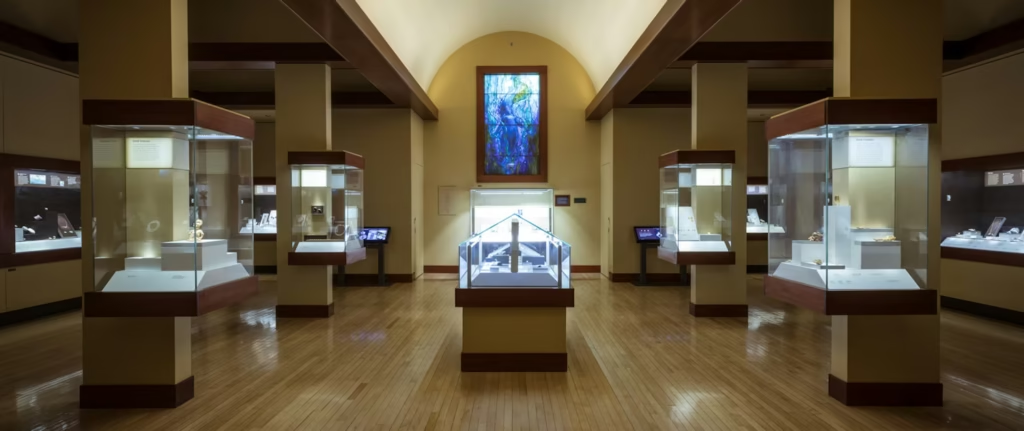
If you are exploring the Grainger Hall of Gems, look for a small, dark room tucked away in the corner. When you walk inside, you will see a display case full of dull, grey, totally ordinary-looking rocks.
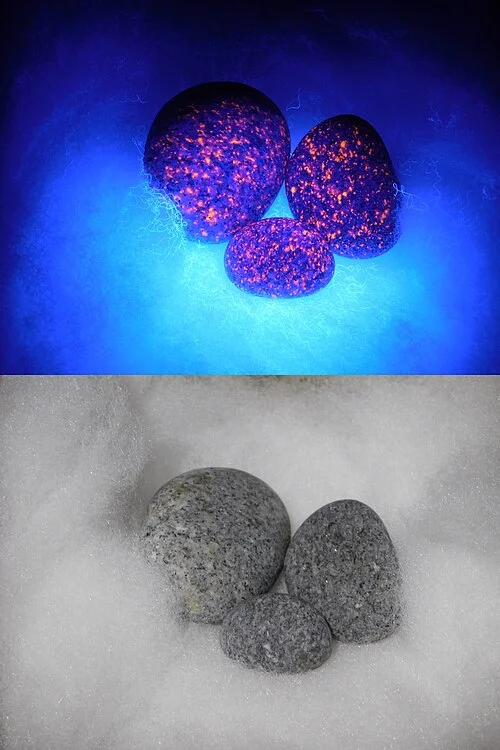
Do not leave the room. Just wait.
Every few minutes, the regular lights shut off, and a bank of ultraviolet (UV) lights kicks on.
Instantly, those boring grey rocks explode into a neon, psychedelic laser show. They glow in blinding shades of hot pink, electric green, bright orange, and deep purple.
Why does this happen?
It is a natural chemical reaction. The UV light excites the electrons inside the minerals, causing them to release energy in the form of bright, visible colors.
It feels like you are looking at glowing alien artifacts from a sci-fi movie. It is easily one of the most visually stunning, secret surprises in the entire museum.
Don’t Just Walk Past History
The Field Museum is a lot like the city of Chicago itself.
It is massive, it is historic, and if you don’t know where to look, it is easy to miss the magic hiding just beneath the surface.
Next time you find yourself dodging school groups in Stanley Field Hall, skip the gift shop. Go look the Tsavo Man-Eaters in the eye. Go touch the 4,000-year-old limestone of an Egyptian tomb. Go pay your respects to Bushman.
Because the real value of this museum isn’t the artifacts themselves. It is the unbelievable human (and animal) stories they left behind.
Now, we want to hear from you.
What is your absolute favorite exhibit at The Field Museum? Are you team SUE or team Máximo? Did you know the true story behind the Man-Eating Lions?
Drop your thoughts in the comments below—we read every single one!