Singapore-based data firm AlphaGeo just named Chicago the most climate-resilient major city on Earth in its September 2026 index.
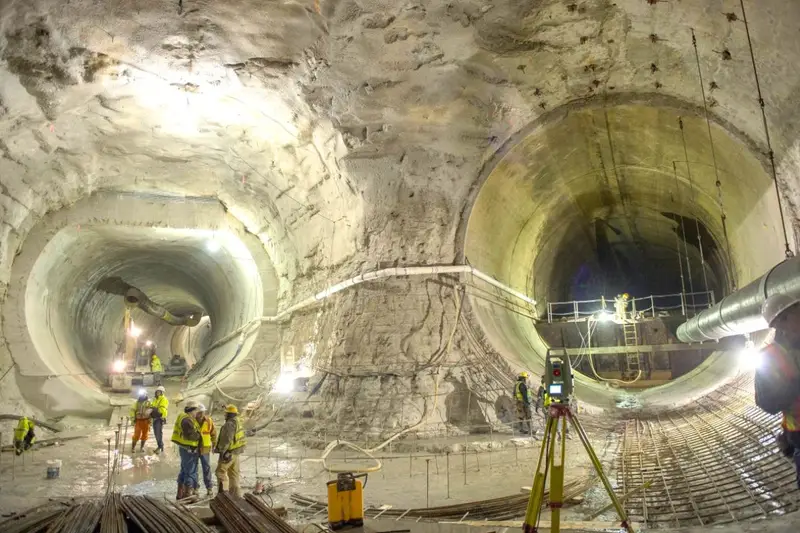
Chicago is the only U.S. city to crack the global top 20, beating out international hubs like Melbourne and Barcelona. Our massive 33-foot-diameter Deep Tunnel system and direct access to Lake Michigan secured the absolute number one spot.
But while Mayor Brandon Johnson champions the victory on the re-election trail, the data masks severe local environmental inequities. South and West Side neighborhoods continue to battle devastating floods and extreme heat, proving that a top global ranking doesn’t mean total climate immunity.
The Core Equation: Risk Minus Adaptation
AlphaGeo’s Climate Risk & Resilience Index relies on a straightforward formula: Resilience equals Risk minus Adaptation.
Researchers found a dangerous gap between raw disaster exposure and actual infrastructure readiness in most global megacities.
Chicago won because our infrastructure aggressively closes that gap. We earned a Resilience-Adjusted Risk (RAJ) score of 58 (lower is better) and an impressive 33.3% adaptation rate.
For context, Phoenix carries the highest climate risk in the United States, while cities in South Asia anchored the bottom of the global index.
The Deep Tunnel and 1995 Heatwave Legacy
Our inland geography entirely shields us from rising sea levels and hurricanes.
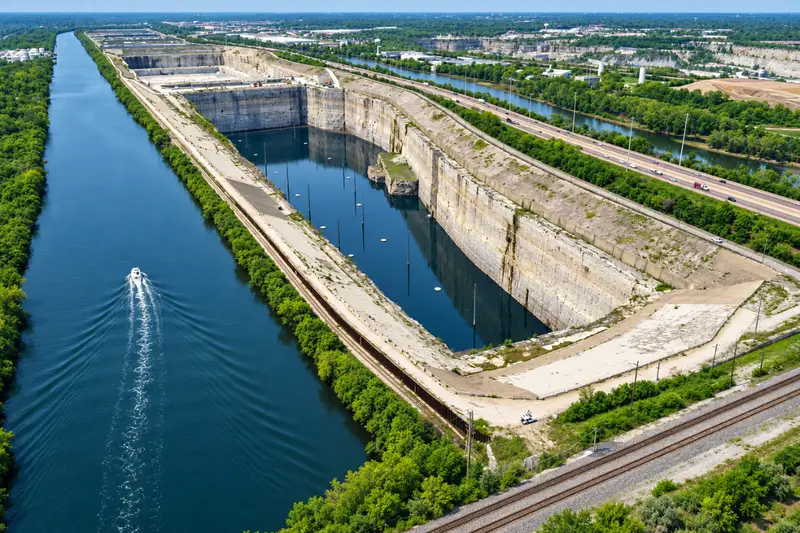
However, the region’s legendary Tunnel and Reservoir Plan (TARP)—better known as the Deep Tunnel—is our true engineering marvel.
Spanning 50 years of development, these massive underground reservoirs catch severe stormwater before it floods the CTA Blue Line or dumps toxic sewage into Lake Michigan.
Our modern emergency preparedness also stems directly from local tragedy. The devastating 1995 heatwave killed over 700 Chicagoans.
That specific disaster forced the city to invent the Office of Emergency Management and Communications (OEMC) and establish the wellness-check system we rely on today.
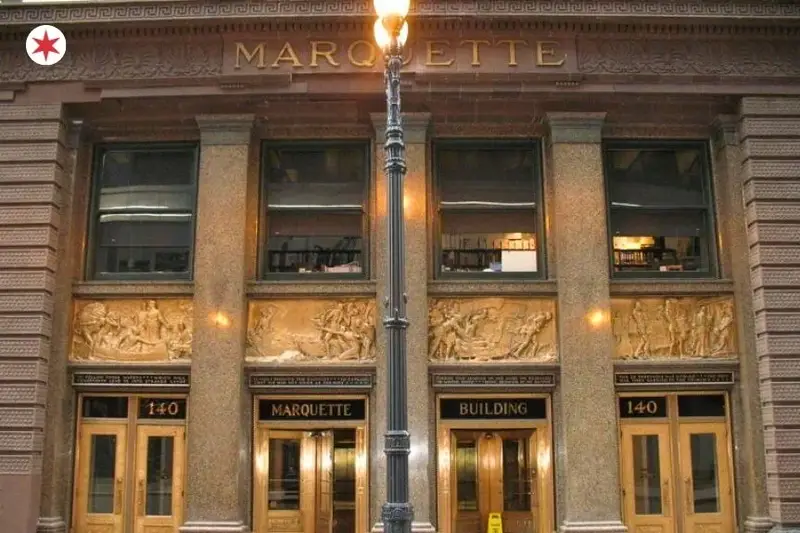
10 Hidden Architectural Details Chicago Locals Walk Past Every Day (But Tourists Never Notice)

The Heavy Financial Toll on Local Businesses
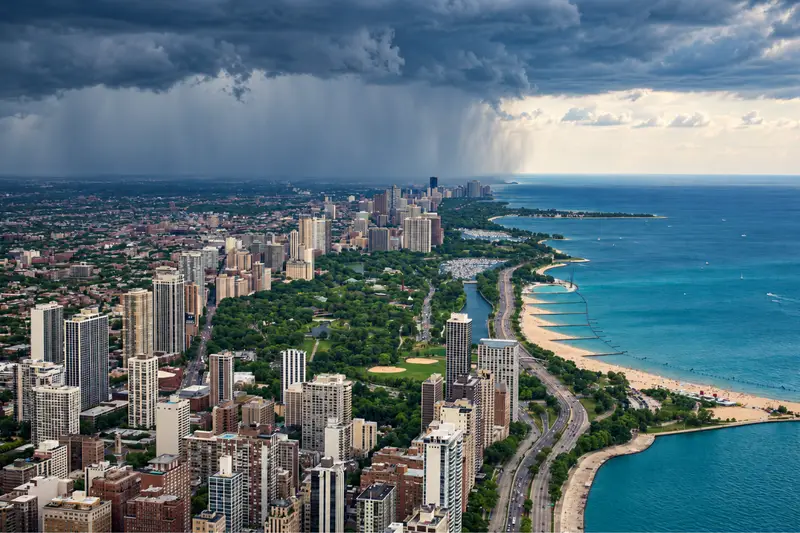
Despite the global praise, climate change is actively disrupting Chicago’s local economy. Ranking first on Earth does not pay the bills for struggling storefronts along Milwaukee Avenue.
During major summer storms, sudden power outages force local restaurants to spend thousands on dry ice just to save vulnerable inventory.
Intense summer heat waves push our electrical grid to its absolute limits, triggering localized blackouts.
Furthermore, heavy downpours and Canadian wildfire smoke caused sales drops of up to 40% at local coffee and service chains during massive foot-traffic weekends like Lollapalooza.
The Crucial Neighborhood Equity Gap
For a hyper-local community, we cannot ignore the glaring disparities in this data.
Karen Weigert, director of Loyola University Chicago’s Baumhart Center, urges critical context. She notes that residents should view Chicago as a place where climate impacts will simply be “less bad” than they will be in other places.
The stormwater struggle is real. Chicago remains roughly 66% covered in impermeable concrete and asphalt.
When intense rain bursts hit—like the 2023 deluges that dumped 9 inches of rain in a single day—the water has nowhere to go.
Data from the Center for Neighborhood Technology reveals a staggering 87% of all flood insurance claims in Chicago occur within communities of color.
The city’s own Cumulative Impact Assessment highlights that areas carrying the heaviest pollution burdens cluster almost exclusively on the South and West Sides.
These industrial corridors distinctly lack the cooling urban tree canopy enjoyed by North Side neighborhoods like Lincoln Park.
Green Infrastructure and Local Politics
Mayor Brandon Johnson is actively touting this #1 global ranking on the 2026 re-election trail. However, his administration is also pushing tangible neighborhood solutions to combat environmental racism.
Chicago’s Department of Environment just dropped its 2026 Green Infrastructure Strategy, the first major nature-based update since 2014.
The city is aggressively funding permeable pavement and rain gardens in under-resourced ZIP codes like 60623 and 60621.
Officials are also expanding “Space to Grow.” This local program converts hard-surface public schoolyards into community green spaces capable of absorbing thousands of gallons of floodwater before it reaches your basement.
Actionable Takeaways for Chicago Residents
Global rankings are great, but tangible preparation matters more. Here is how renters and buyers can protect themselves locally:
- Assess your localized flood risk: A heavy-duty sump pump installation with a battery backup can cost upwards of $2,500. However, it will save you tens of thousands in water damage if you live near easily overwhelmed sewers on the West Side.
- Sign up for OEMC alerts: Get immediate text notifications for localized extreme heat emergencies and dangerous Canadian wildfire air quality warnings by registering through the city’s portal.
- Utilize community cooling centers: During extreme heat waves, do not strain your window AC units if the local grid is failing. City-operated cooling centers and Chicago Public Library branches offer free, reliable relief.