
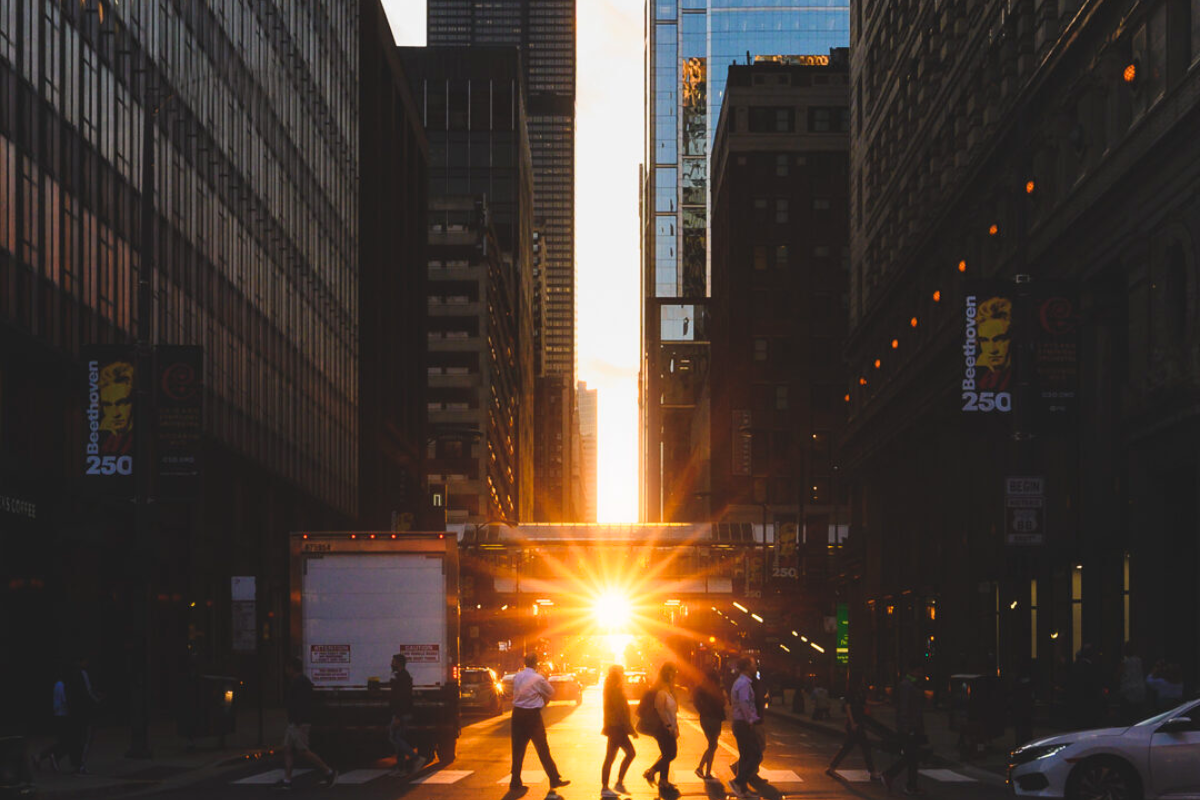
A few times a year, Chicago’s street grid turns into a giant sundial.
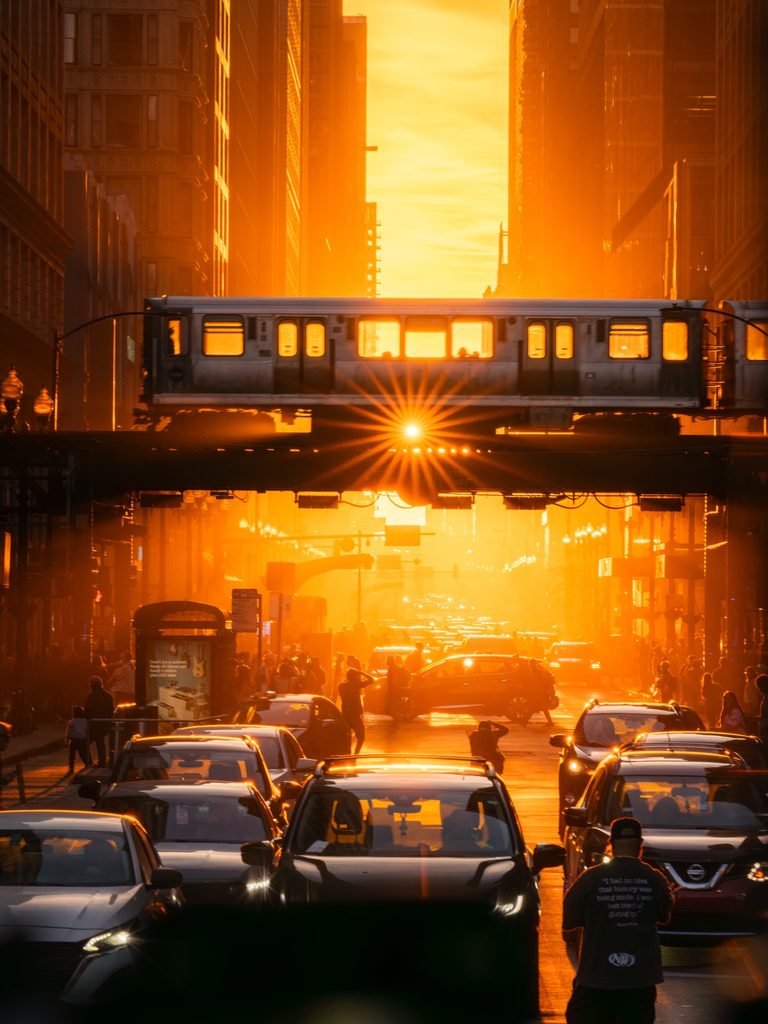
For a handful of days around the autumn equinox, the sun rises and sets in near-perfect alignment with the city’s east-west streets, framing the sun directly between the skyscrapers of the Loop.
Photographers have taken to calling it Chicagohenge, and this year’s window is coming up fast.
Why this happens, and exactly when
The astronomical autumn equinox lands on Monday, September 22, 2025, at 1:19 p.m.
Because Chicago’s grid is laid out almost exactly along the cardinal directions, the sun rises due east and sets due west during this stretch, lining up with the east-west streets downtown.
The Adler Planetarium recommends a peak viewing window of September 22 through 25, with sunrise times creeping from 6:37 a.m. on the 21st to 6:39 a.m. on the 23rd.
September also tends to beat the spring version of this event, since the weather is typically clearer and warmer than the March equinox.
The best streets to stand on
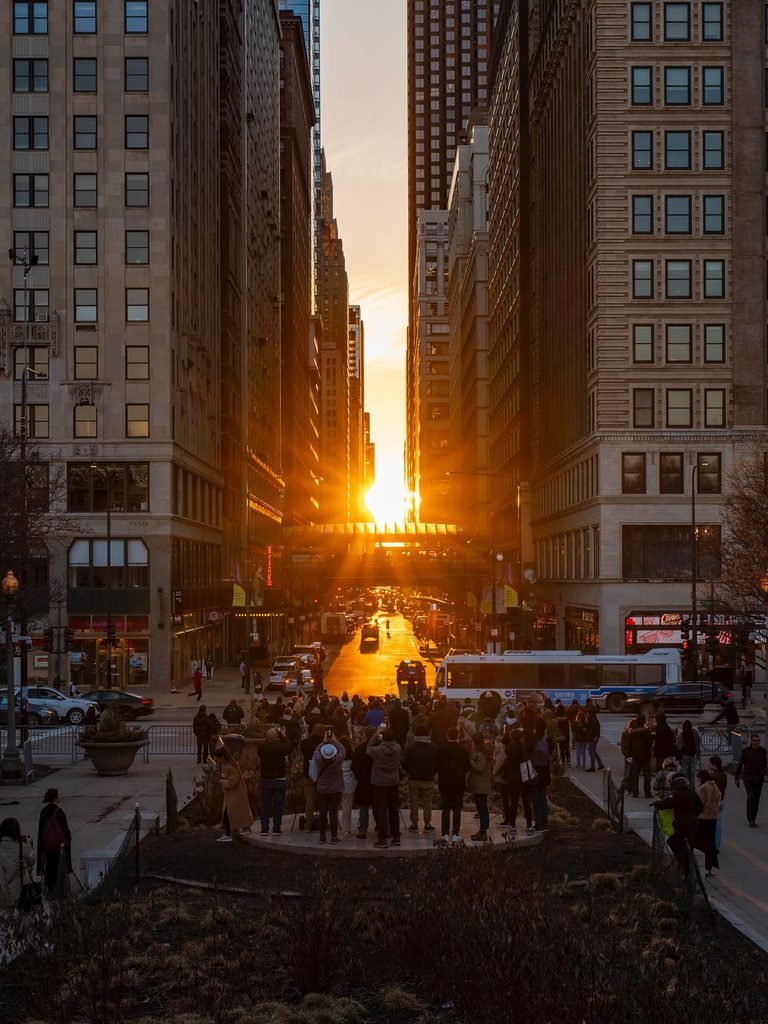
For sunsets, Randolph Street is a favorite, especially the stretch between N. State St. and N. Michigan Ave.
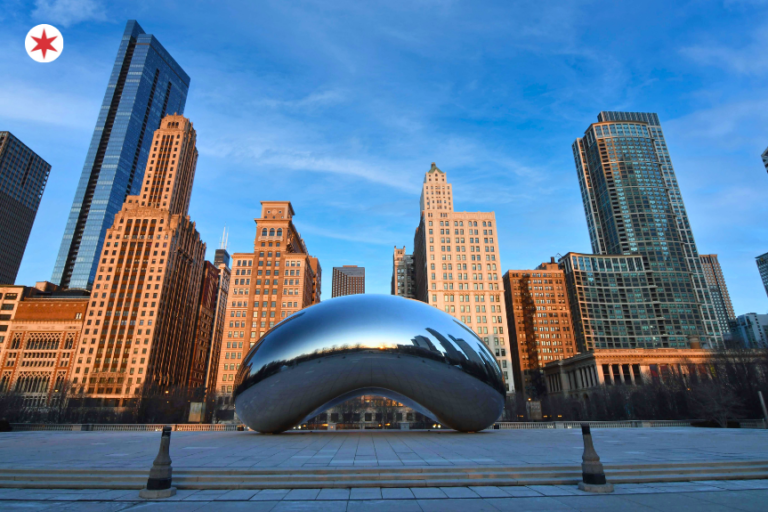
Washington Street and Michigan Avenue, near Millennium Park, is another prime spot for catching the alignment.
On Adams Street, the sun sets directly between the skyscrapers, giving one of the cleanest sightlines in the Loop.
The Monroe Street pedestrian bridge offers an elevated view of the same phenomenon, though security often prohibits tripods there, so plan to shoot handheld.
Chicago photographer Barry Butler has helped popularize the event through social media, and it remains a community-observed moment rather than an official city event.
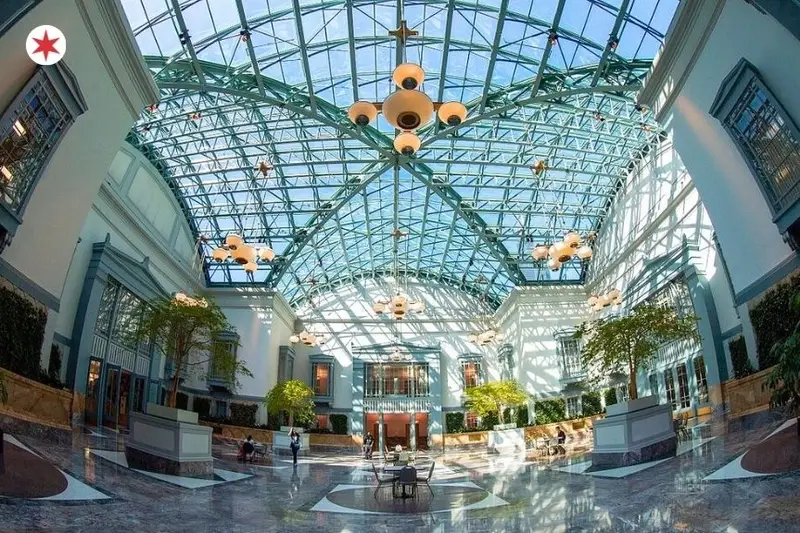


A grid built on top of a fire
The alignment only works because of how thoroughly the Loop was rebuilt after the Great Chicago Fire of 1871 leveled nearly every building in what’s now downtown.
The neighborhood’s name actually comes from the cable car loops that turned horse-drawn cars around in the 1880s, later cemented by the elevated ‘L’ tracks completed in 1897 that still ring the district.
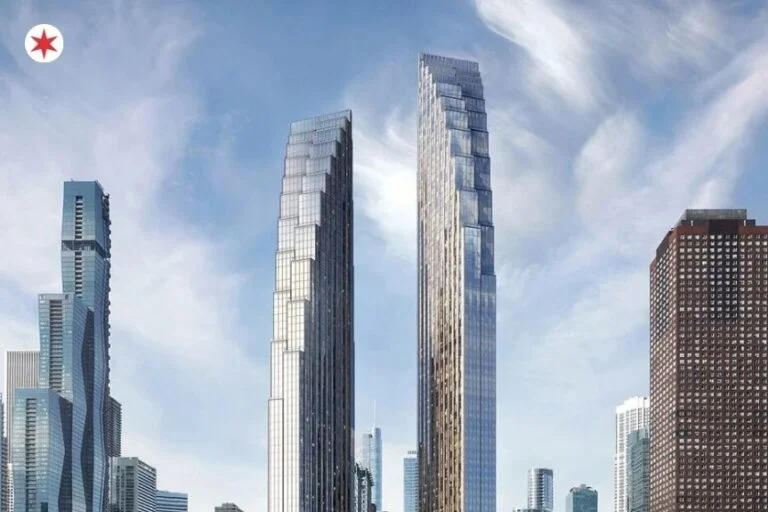
Today the Loop is the second-largest business district in North America, and it’s in the middle of a shift from a 9-to-5 commercial zone into a 24-hour residential neighborhood, with over $315 million approved since 2024 to convert historic LaSalle Street office towers into roughly 1,765 apartments.
The Willis Tower, at 1,451 feet, remains the tallest marker on the skyline framing the whole show.
If the equinox has you curious about the sky in general, the Adler Planetarium runs regular admission for $8 to $19 for non-Illinois residents.
The Local’s Guide
- Neighborhood: The Loop
- Insider Tip: Head to Randolph Street between State and Michigan for sunset, or the Monroe Street pedestrian bridge for an elevated view, but leave the tripod at home since it’s often not allowed on the bridge.