

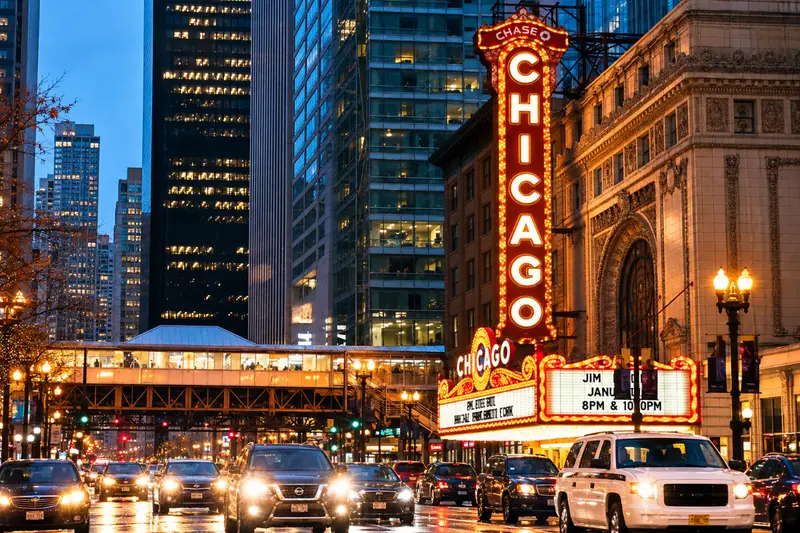
Are you planning a trip to the Windy City?
Maybe you’ve got your bags packed, your camera ready, and an itinerary that would make a marathon runner tired.
Chicago is a world-class city with incredible architecture, a legendary food scene, and some of the nicest people you’ll ever meet.
But if you are visiting Chicago for the first time, it is incredibly easy to stick out like a sore thumb.
We love our visitors, but we also love a good laugh when we spot a newbie.
The Chicago “Newbie vs. Local” Cheat Sheet
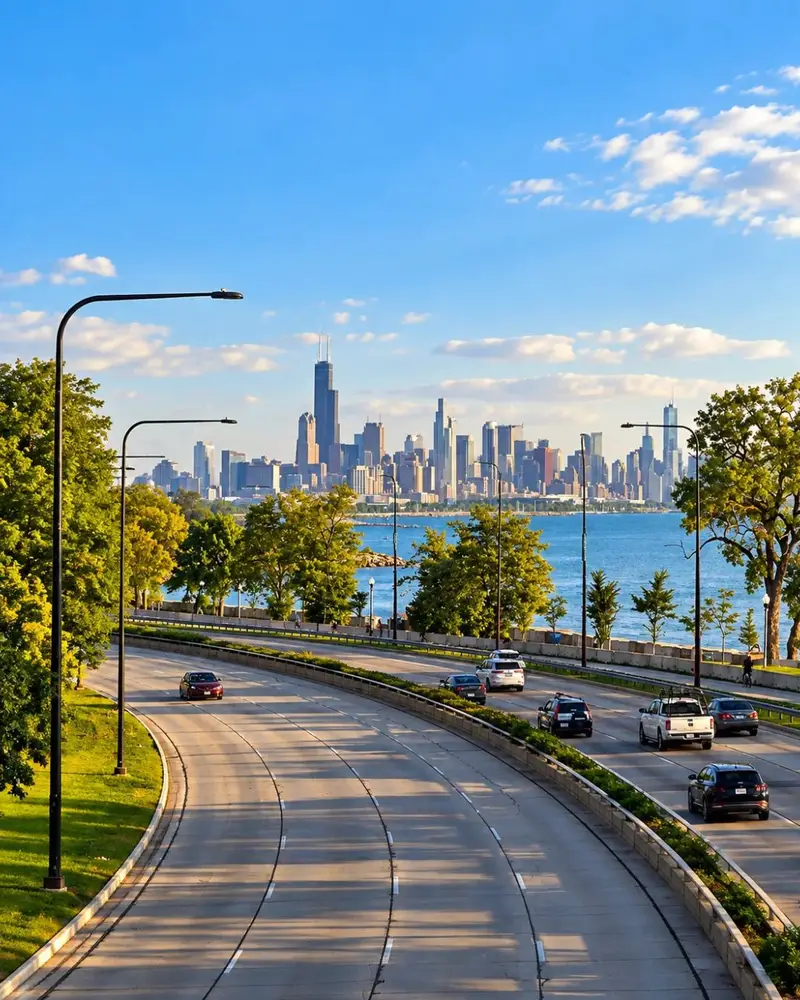
- The Name: It’s the Sears Tower. (Always.)
- The Transit: It’s the “L.” (Never the subway.)
- The Hot Dog: Keep the ketchup in the bottle.
- The Pizza: Tavern-style (square cut) is our actual daily obsession.
- The Strategy: Get out of the Loop! Explore these neighborhoods for the real experience.
Want to blend in with the locals instead of getting flagged as a tourist?
Here are the 16 absolute biggest giveaways that you’re fresh off the plane in Chicago.
1. Calling the “L” the Subway or Metro
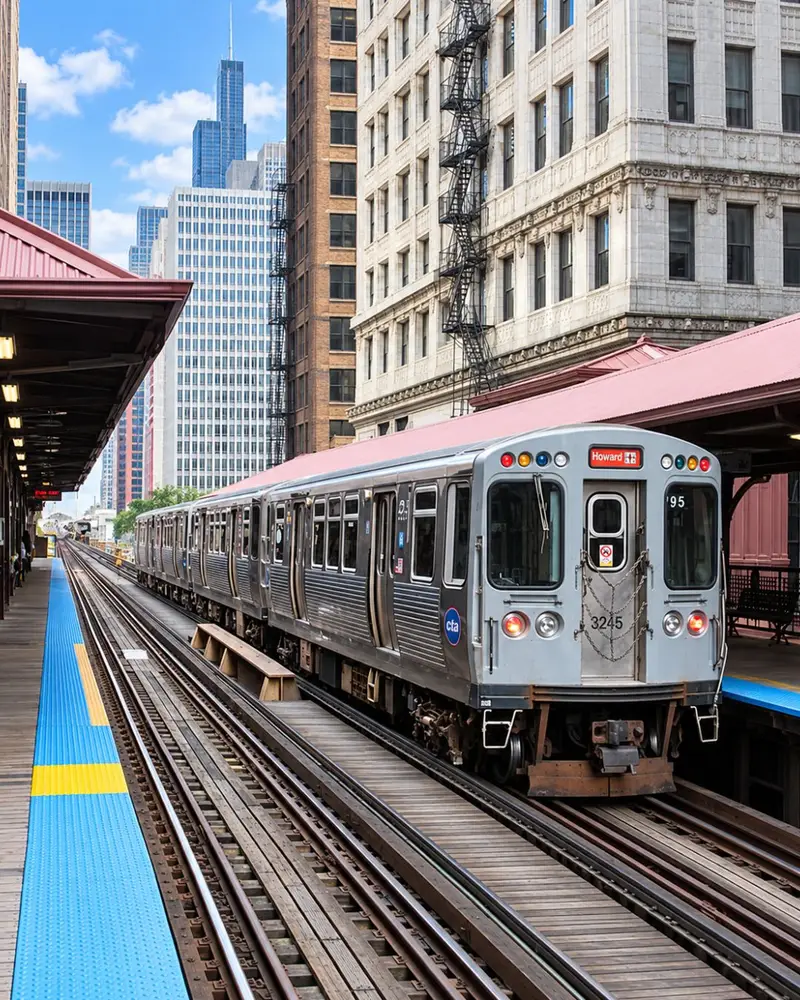
In New York, it’s the Subway. In Washington D.C. or Paris, it’s the Metro.
In Chicago? It is the “L” (short for “elevated” train).
The “L” dates all the way back to 1892, when the first tracks were built to transport people to the World’s Columbian Exposition.
Today, the Chicago Transit Authority (CTA) operates the system, and surprisingly, only about 60% of the tracks are actually elevated!
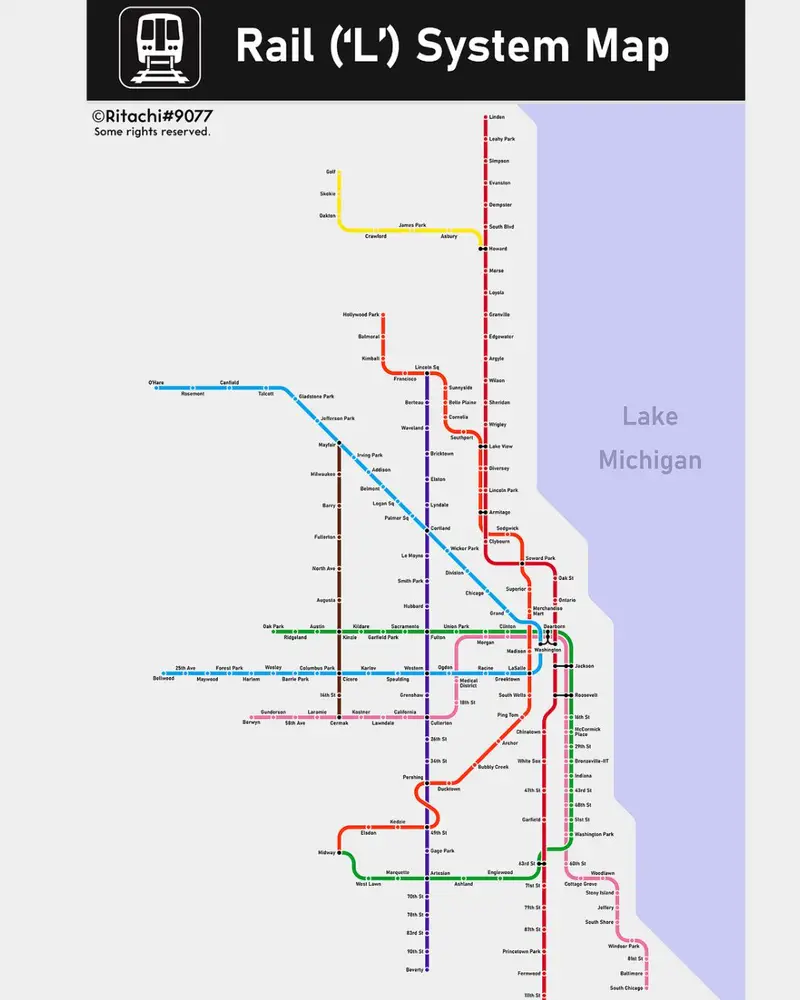
Even when the tracks go underground through the downtown Loop or run at ground level, we still call the entire system the L.
If you are standing on the platform looking lost, save yourself the trouble and check our essential guide to using the Chicago ‘L’ train.
2. Spending Their Entire Trip at Navy Pier
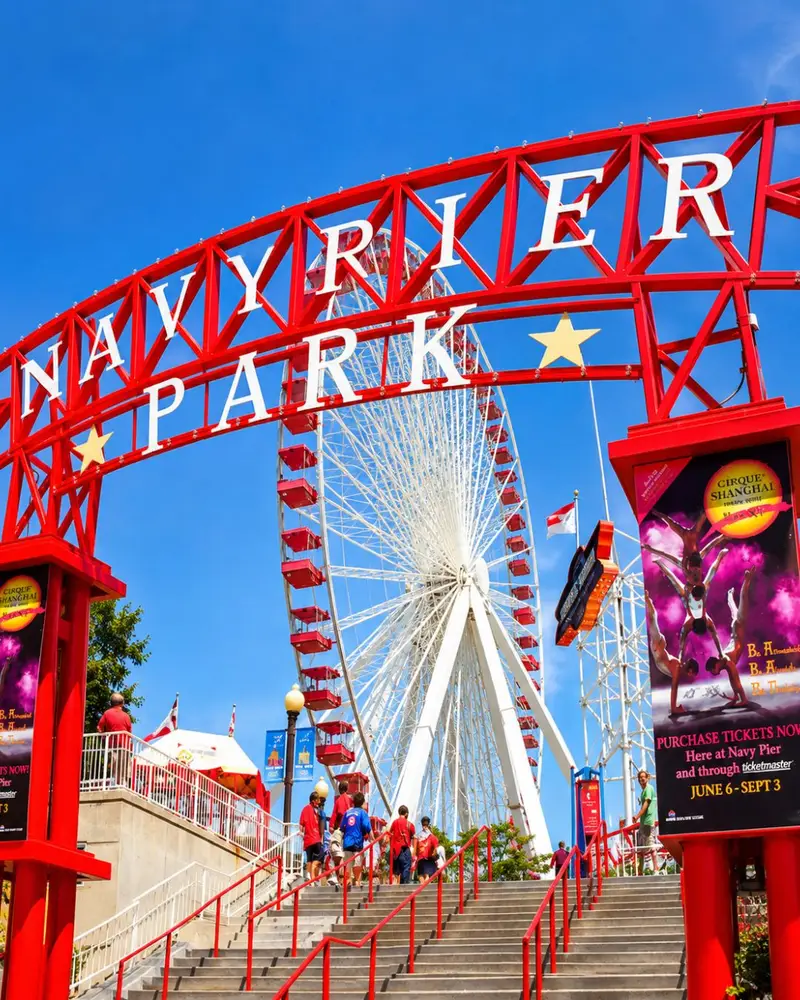
Navy Pier has the Centennial Wheel, the boat tours, and the souvenir shops. It is a classic spot for a first-time visitor.
Originally built in 1916 as Municipal Pier, this 3,300-foot-long structure was initially designed for shipping and recreation. It even served as a real naval training center during World War II!
Today, it draws over 9 million visitors a year, making it the most visited attraction in the entire Midwest.
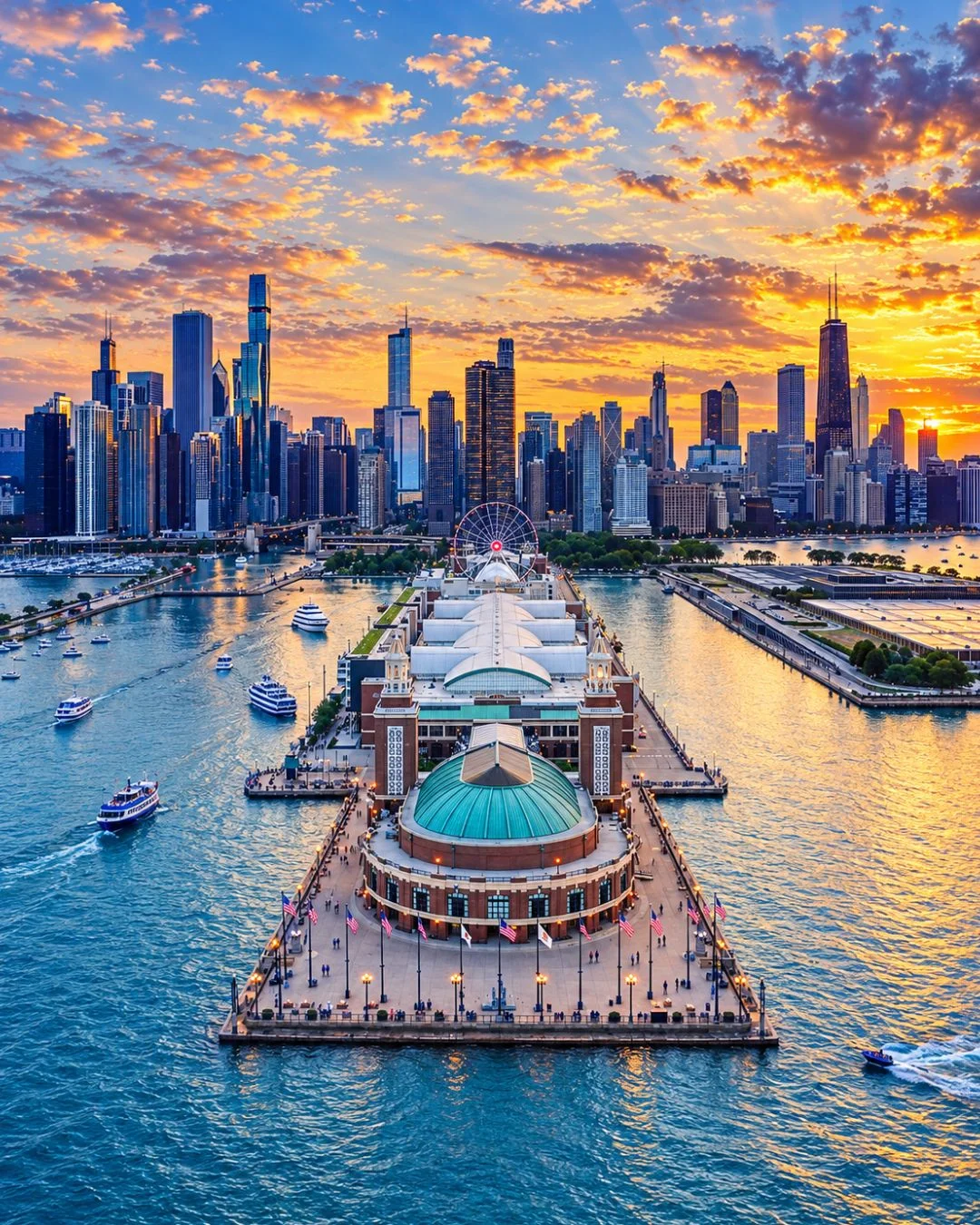
But if you find yourself spending your entire weekend there, you’ve missed the point of the city. Most locals view it as a place to take out-of-town guests, not a primary destination.
Check out our list of Chicago tourist traps to avoid so you can spend your time where the real action is.
3. Taking a Million Selfies at “The Bean” (And Nowhere Else)
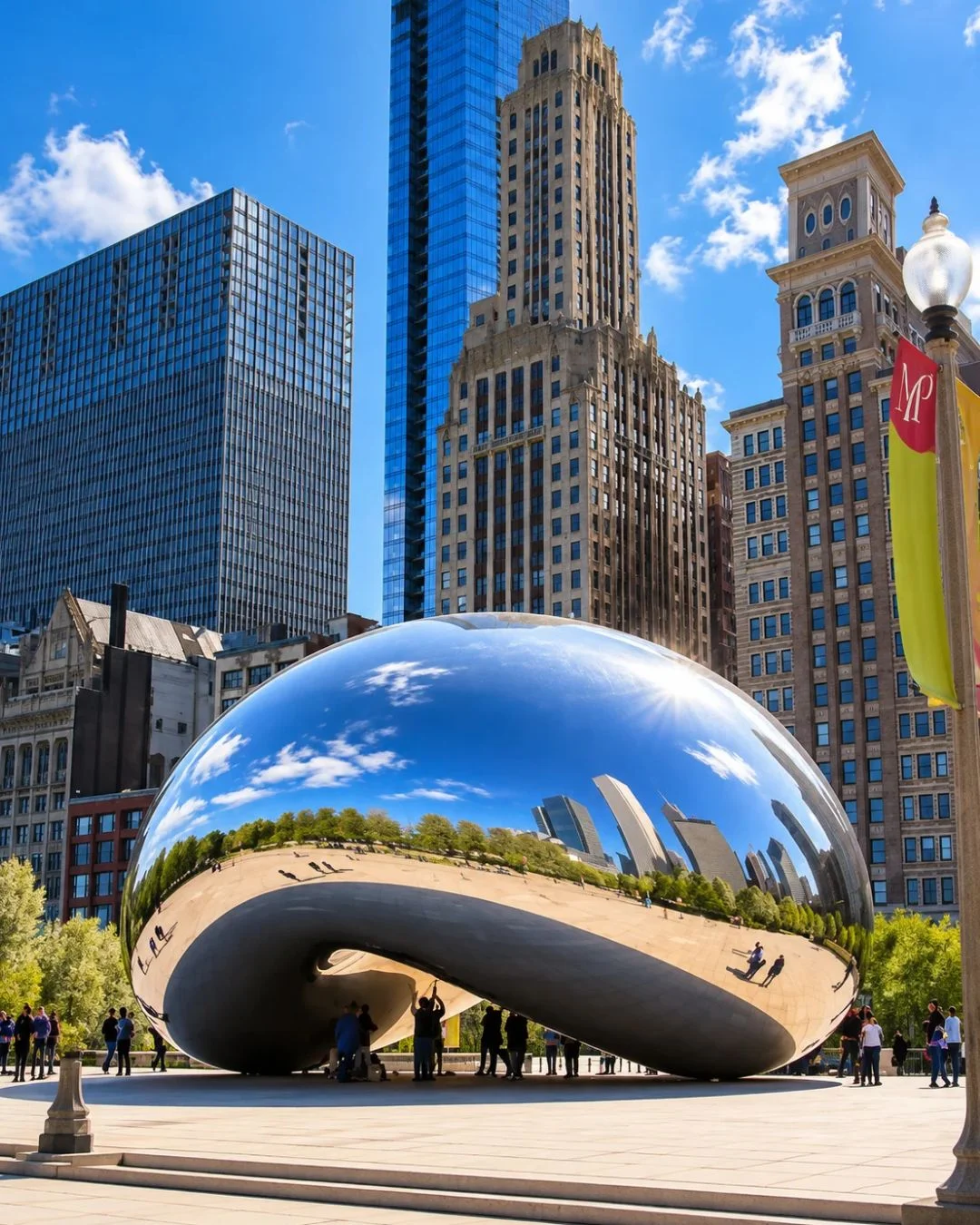
Cloud Gate, better known as The Bean, is an absolute masterpiece.
Designed by British-Indian sculptor Sir Anish Kapoor, this 110-ton sculpture is made of 168 stainless steel plates welded together with completely invisible seams.
Taking a selfie in its liquid-like reflection is practically a rite of passage.
But if you visit the park, snap a photo, and then immediately leave, you’ve ignored some of the best public art in the world. Millennium Park is a 24.5-acre playground!
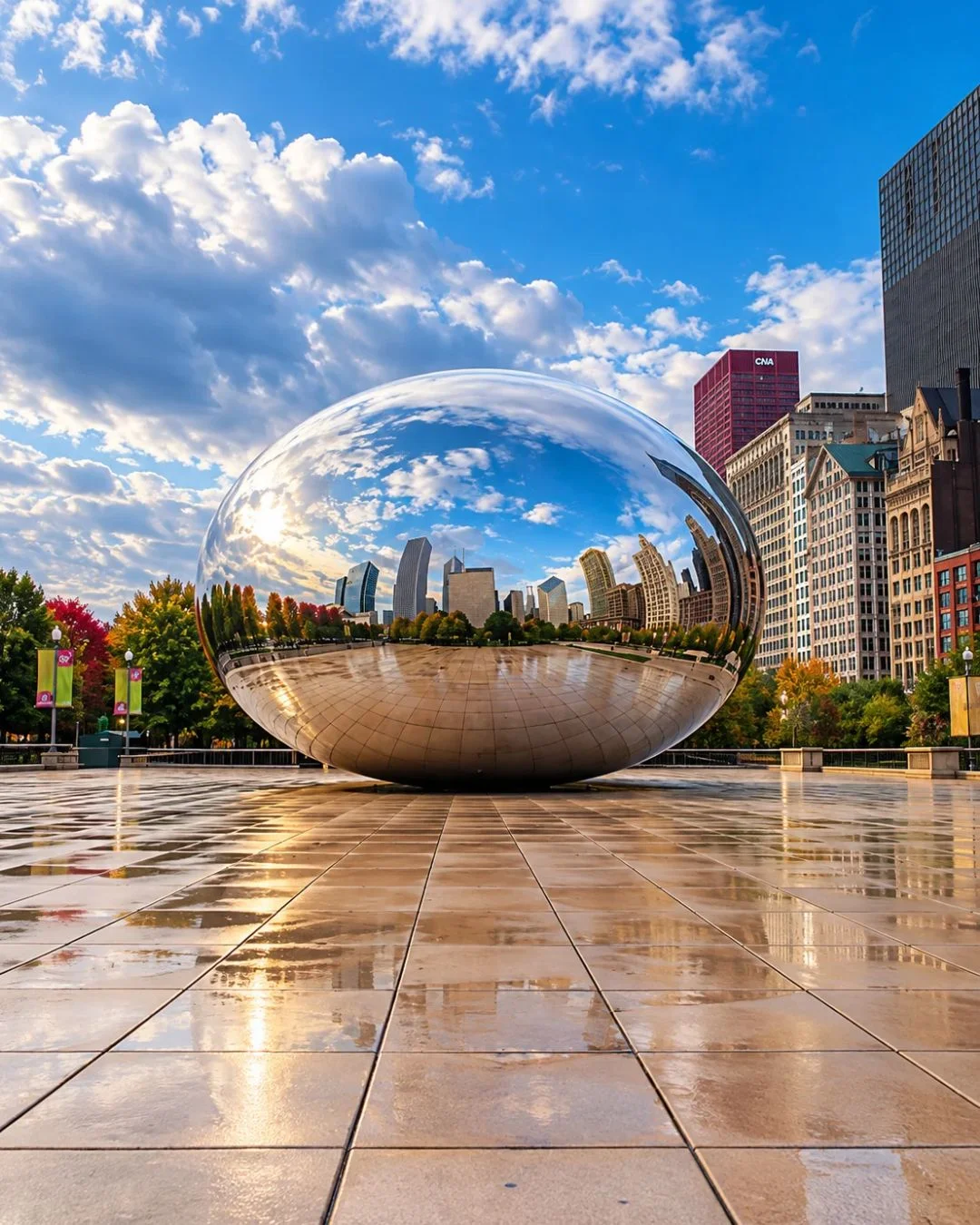
If you just see The Bean, you are completely missing the interactive Crown Fountain, the serene Lurie Garden, and the Frank Gehry-designed Jay Pritzker Pavilion.
Everyone knows The Bean, but few know the man who actually made it. Spend some time reading the history before you move on to the next stop.
4. Asking for Ketchup on a Hot Dog
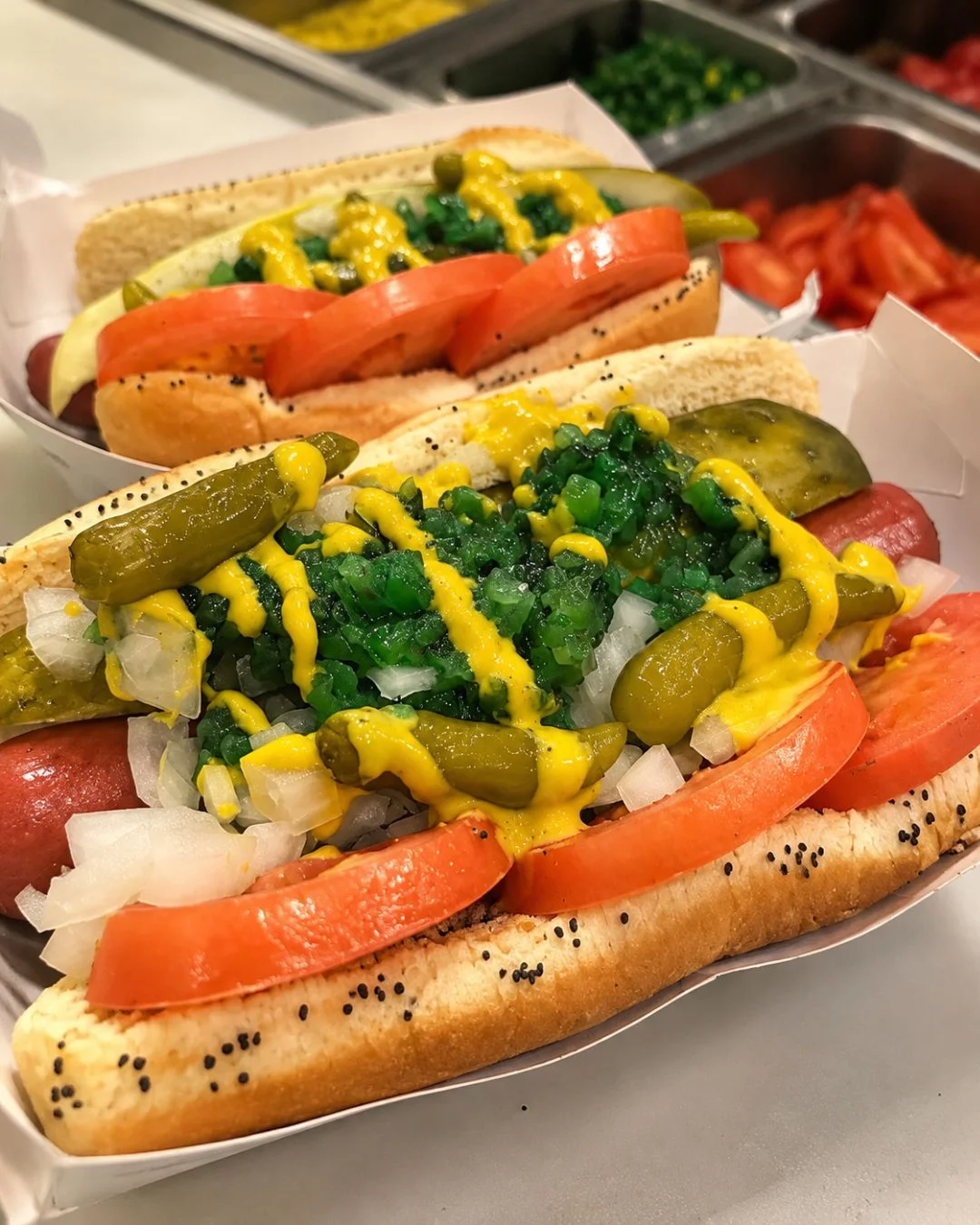
This is the ultimate, undisputed cardinal rule of Chicago.
If you walk into a classic Chicago hot dog stand and ask for a squirt of ketchup on your frank, you will be met with a look of pure confusion.
The Chicago-style hot dog was born during the Great Depression as a cheap, nickel “meal on a bun” for struggling workers.
A true, authentic Chicago dog is “dragged through the garden” and features exactly seven toppings on a poppy seed bun.
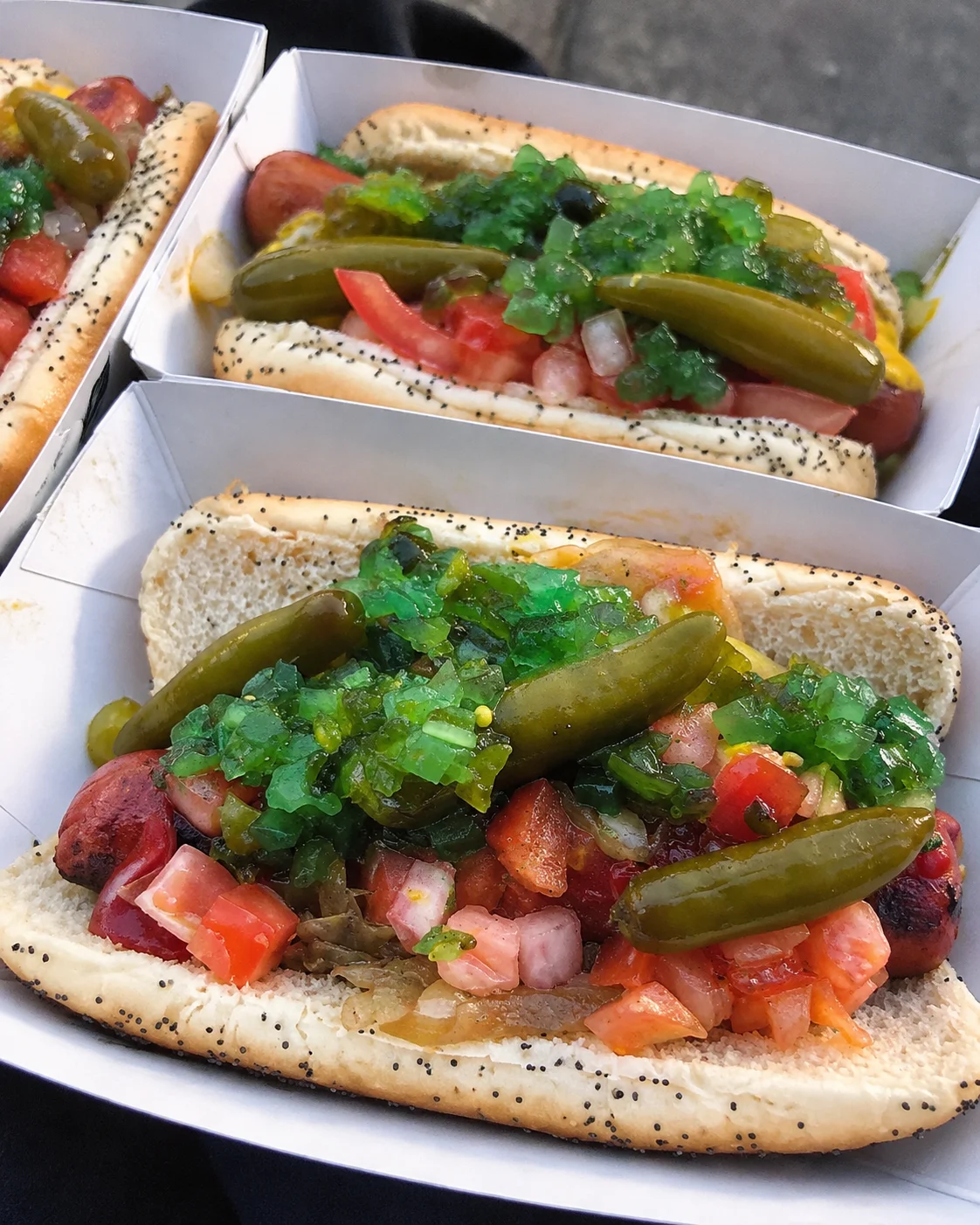
It requires yellow mustard, neon green sweet relish, chopped white onions, tomato slices, a dill pickle spear, sport peppers, and a dash of celery salt. Ketchup is strictly forbidden because its sugary sweetness completely overpowers the delicate, savory balance of the other ingredients!
Read up on the real reason Chicago banned ketchup on hot dogs so you don’t make the same mistake.
5. Calling It the “Willis Tower”
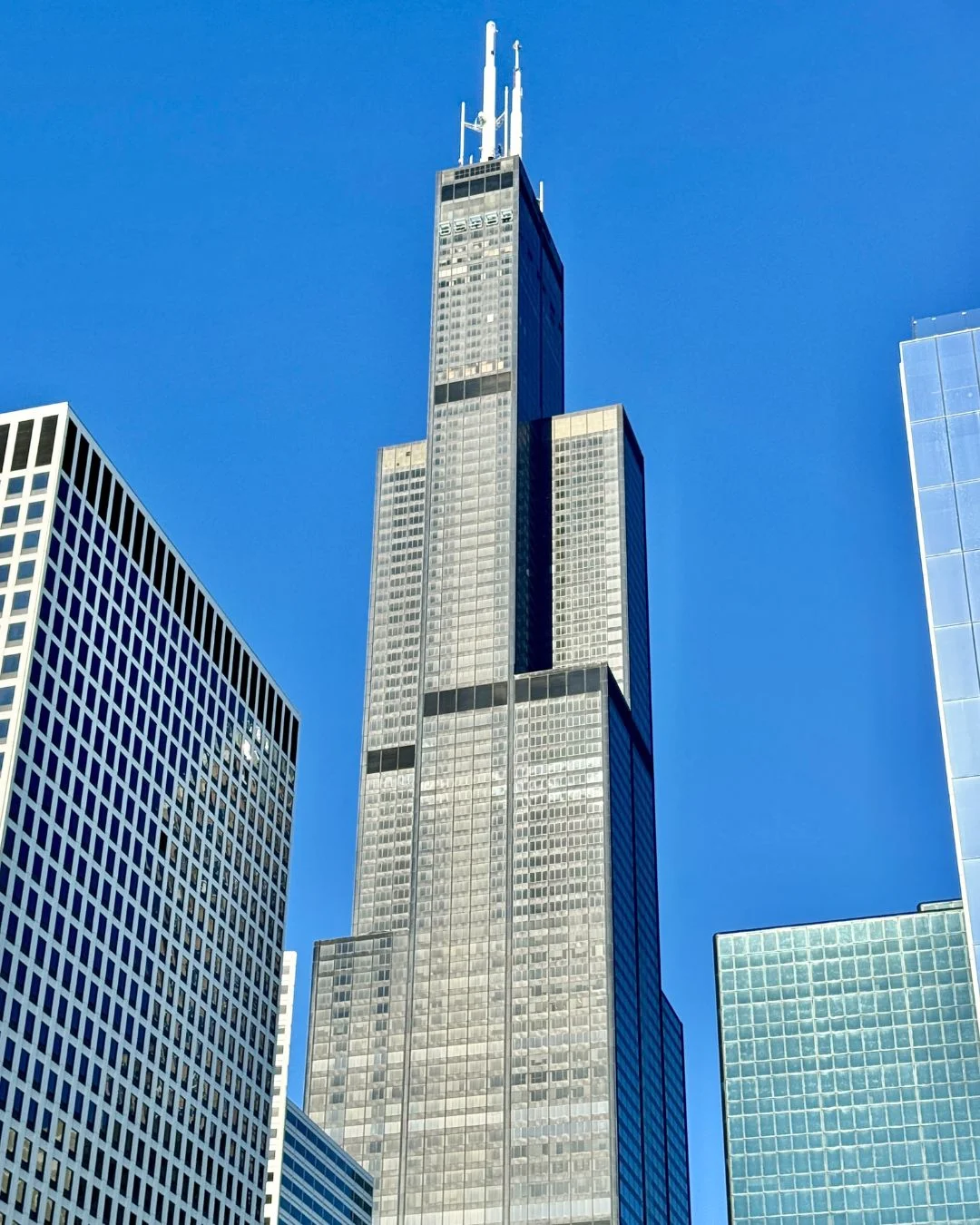
Yes, the naming rights were officially bought and changed back in 2009 by a London-based insurance broker called Willis Group Holdings.
But ask any local, and they will stubbornly (and proudly) tell you it is, and always will be, the Sears Tower.
Completed in 1973 for Sears, Roebuck & Co., this 110-story architectural marvel held the title of the tallest building in the world for nearly 25 years.
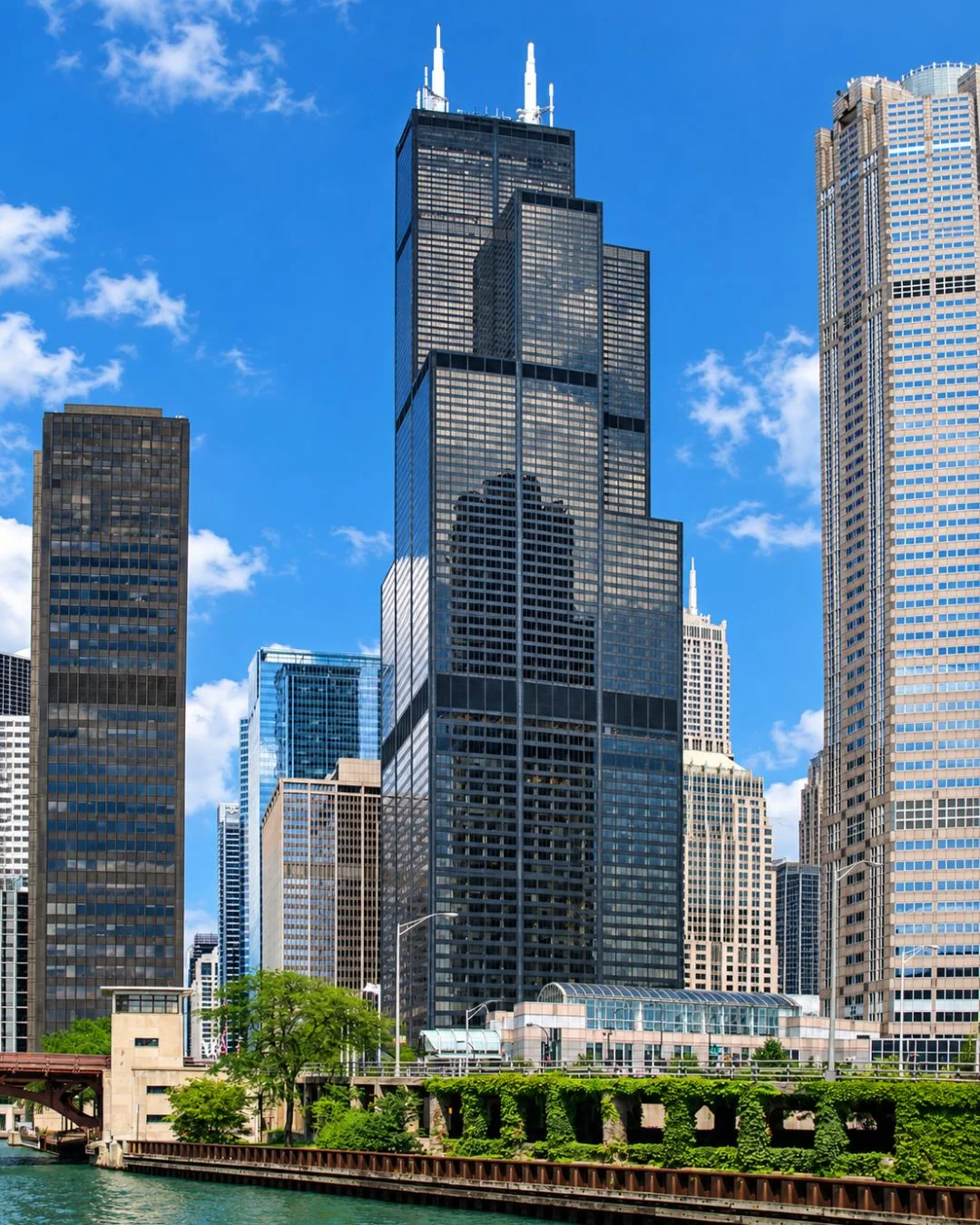
First-time visitors check their digital maps and use the new name. Generations of Chicagoans who watched it dominate the skyline just refuse to acknowledge it.
If you want to see it, check out our list of the 14 most iconic buildings in Chicago.
6. Eating Deep Dish for Every Meal
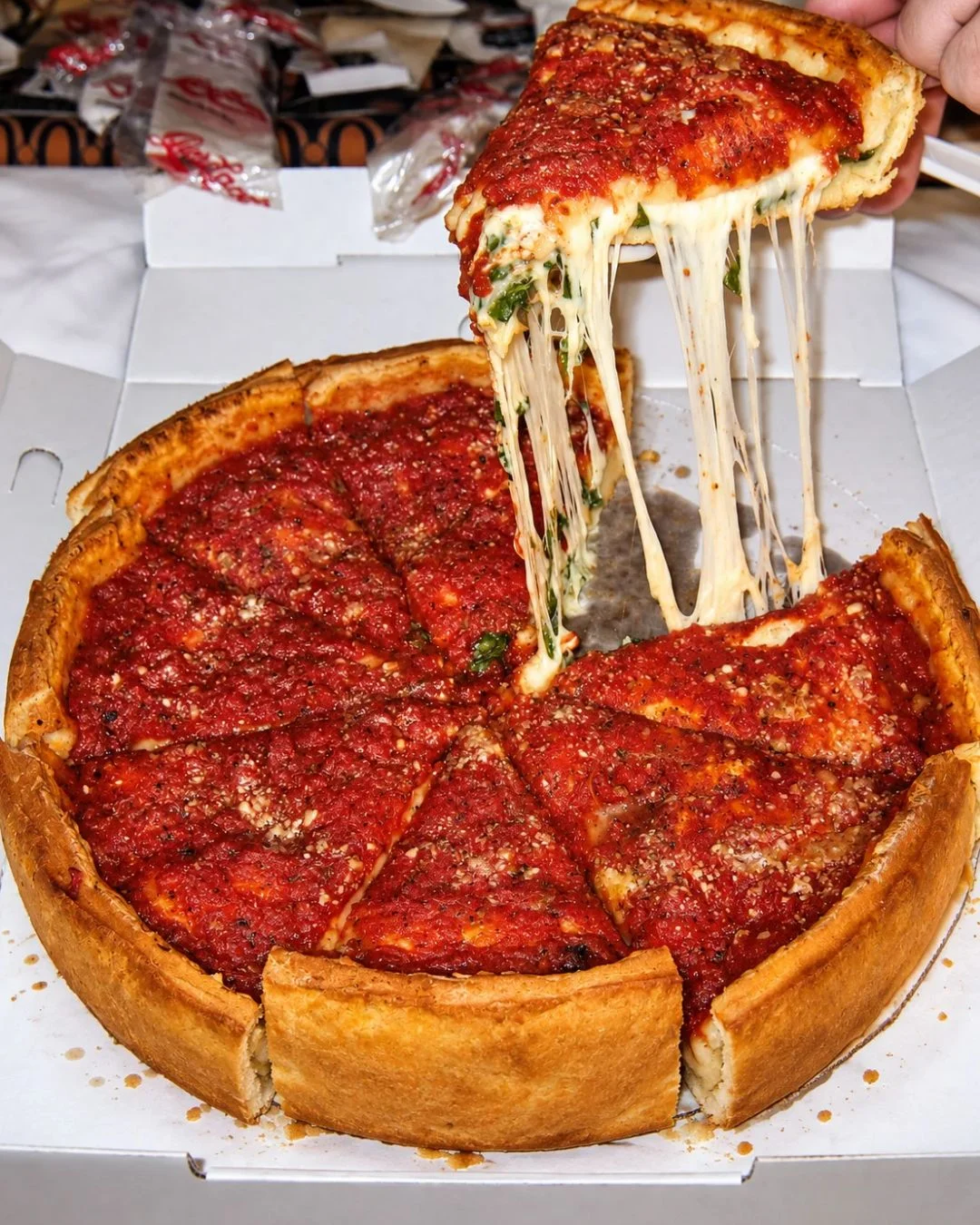
Chicago deep-dish pizza is iconic, cheesy, and delicious.
Invented in 1943 at Pizzeria Uno, this massive pie is baked in a deep steel pan with the cheese placed directly on the dough to prevent the thick crust from burning.
But if you are eating it for lunch and dinner, your stomach—and the locals—will know you’re a tourist.
Locals actually eat thin-crust “tavern-style” pizza on a weekly basis.
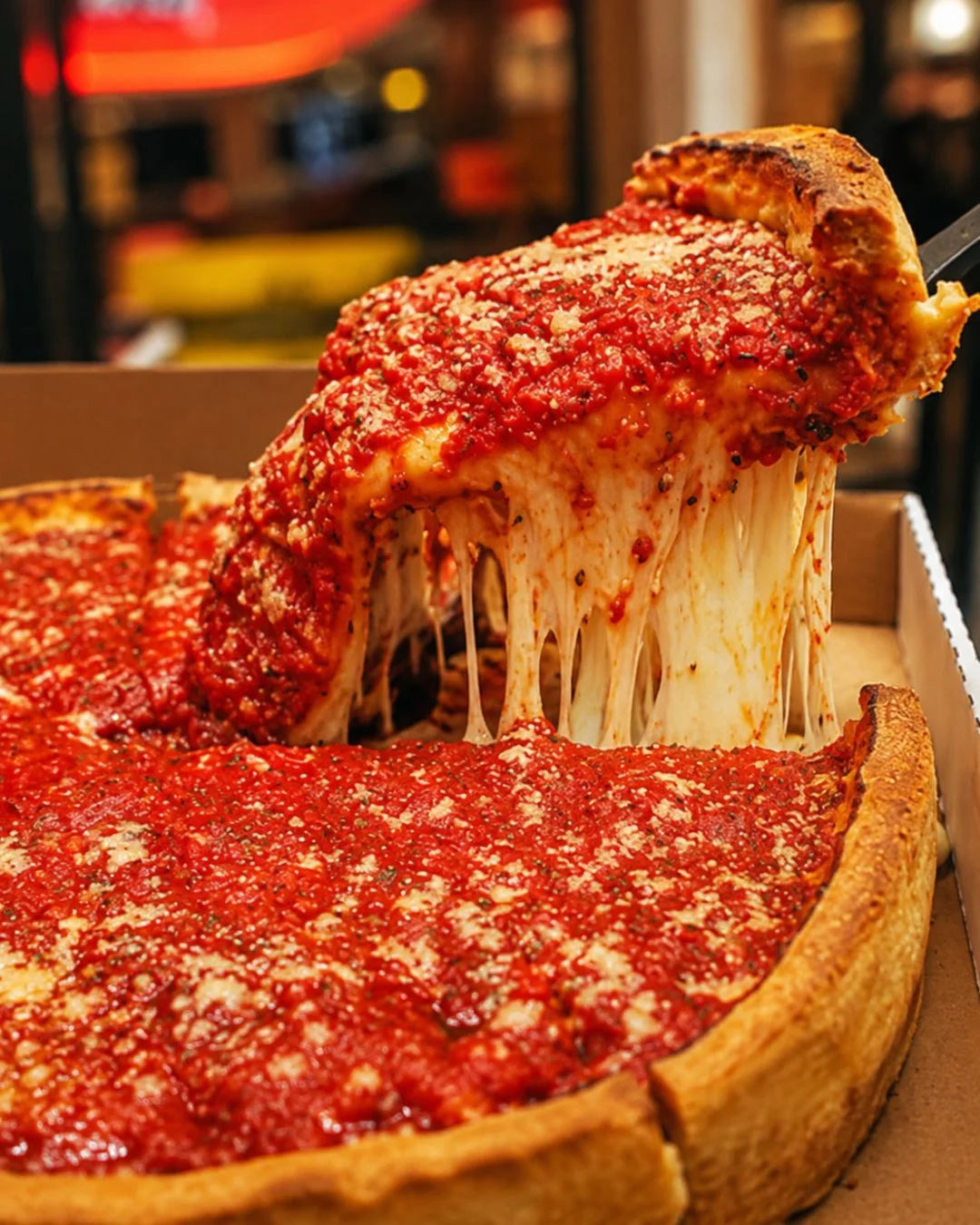
Tavern-style pizza actually predates deep dish! It originated in South Side bars during the 1930s as a free, salty snack to keep patrons drinking.
Bartenders would cut the ultra-thin crust into small squares (known as the “party cut”) so customers could hold a slice in one hand and a beer in the other.
Save the deep dish for one special meal—here is where the locals say you should go.
7. The “Malört Face”

If you’ve never heard of Jeppson’s Malört, you’re in for a surprise.
It’s a famously bitter, wormwood-based liqueur that tastes like a mix of grapefruit peels, earwax, and gasoline.
Created by Swedish immigrant Carl Jeppson in the 1920s, it actually survived Prohibition because it was legally sold as a “medicinal” stomach tonic.
Law enforcement genuinely couldn’t believe anyone would drink it recreationally!
Today, locals love buying a shot of Malört for their friends who are visiting for the first time.
The immediate look of shock and betrayal on their face is a dead giveaway that they just experienced their first “Chicago handshake” (a shot of Malört paired with a tall boy of Old Style beer).
8. Walking in the Bike Lane
Chicago is a massive cycling city with over 400 miles of dedicated bikeways.
The famous Lakefront Trail alone stretches for 18 uninterrupted miles along the coast of Lake Michigan.
Between daily commuters and the wildly popular Divvy bike-share program, our downtown streets are packed with fast-moving cyclists.
First-time visitors have a bad habit of treating the painted green bike lanes like extra sidewalk space.
If you see someone casually strolling down the bike lane while a cyclist aggressively rings their bell, that’s a tourist who is about to be very surprised!
Always look both ways before stepping off the curb, because Chicago cyclists do not slow down.
9. Struggling at the CTA Turnstile
Public transit can be confusing in a new city.
But nothing screams “tourist” quite like the little dance people do at the CTA turnstiles.
The Chicago Transit Authority is the second-largest public transportation system in the United States, carrying over 1 million riders on an average weekday.
We use a contactless payment system called Ventra, which was introduced back in 2013.
Trying to insert a paper ticket into the wrong slot when everyone else is tapping their phones? You’re definitely a newbie.
Watch the locals—they have their Ventra app, credit card, or Apple Pay pulled up and ready to tap before they even hit the gate.
10. Drastically Misjudging the Weather
The Lake Effect wind coming off Lake Michigan is no joke.
Because the lake is so massive, it acts like a giant natural air conditioner during the warmer months.
Temperatures right on the shoreline can easily be 10 to 15 degrees colder than they are just a few miles inland!
You can always spot a first-time visitor in the spring or fall who stepped out in a light t-shirt because the weather app said 65 degrees.
They completely forgot to account for that icy breeze coming off the water.
Locals always dress in layers, because we know a beautiful sunny day can turn into a freezing afternoon in the blink of an eye.
11. Pronouncing Street Names Wrong
Chicago has some notoriously difficult street names that locals pronounce in their own unique way.
Goethe Street? It’s not “Go-eth,” it’s “Ger-tah.”
If you want to sound like a local, you have to throw standard phonetics right out the window.
If you’re exploring the streets, take a look at our list of the most beautiful streets in Chicago to see which ones you need to master.
12. Carrying a Broken Umbrella
If you see someone walking down Michigan Avenue fighting a tangled, mangled mess of metal wires and fabric, that’s a tourist.
The wind in Chicago doesn’t just blow; it tunnels.
Locals know that umbrellas are basically useless here. We prefer a good rain jacket or simply powering through the drizzle.
13. Staying Exclusively in “The Loop”
First-time visitors often book a hotel in the Loop or River North and never leave a 10-block radius.
Chicago is a city of distinct neighborhoods, each with its own vibe and history.
If you aren’t hopping on the train to explore these 9 Chicago neighborhoods where locals actually hang out, you aren’t really seeing the city.
14. Waiting Patiently for the “Walk” Signal
In many cities, you stand on the corner and wait for the little white person to light up before you cross the street.
In Chicago? Traffic lights are often treated as mere suggestions—especially for pedestrians.
Locals will check for cars, see that the coast is clear, and cross the street. If you are the only one standing on the corner waiting for a sign, you are definitely a first-timer.
15. Being Shocked by the Scale of the Lake
When tourists look out at Lake Michigan, they often ask, “Which way is the ocean?”
It sounds silly, but the scale of Lake Michigan is truly hard to comprehend until you are standing on the shore.
It has a horizon line, massive waves, and beaches that stretch for miles. It’s one of many facts about Chicago that sound made up, but the sheer size of the lake is one of the coolest parts of living here.
16. Treating Portillo’s Like a Fine Dining Experience
We love Portillo’s. The chocolate cake shake is a cultural treasure.
But if you are treating a trip to Portillo’s like a major culinary pilgrimage, the locals will notice.
Tourists often stand in line for 20 minutes, taking photos of the menu and the decorations, acting like they are at an exclusive restaurant.
For Chicagoans, it’s just a reliable, fast-food spot for a quick lunch.
Final Thoughts on Exploring Chicago Like a Pro
You don’t need to stress about looking like a tourist to have an incredible time in the Windy City. Now that you know what to avoid, you have the freedom to truly experience the culture, architecture, and food scene that makes Chicago so special.
The best way to leave the “newbie” label behind is to get off the beaten path and see what the locals are actually doing.
Ready to take your Chicago trip to the next level?
Check out our guide to Chicago’s Hidden Gems: 15 Incredible Places Locals Say You Need To See!