

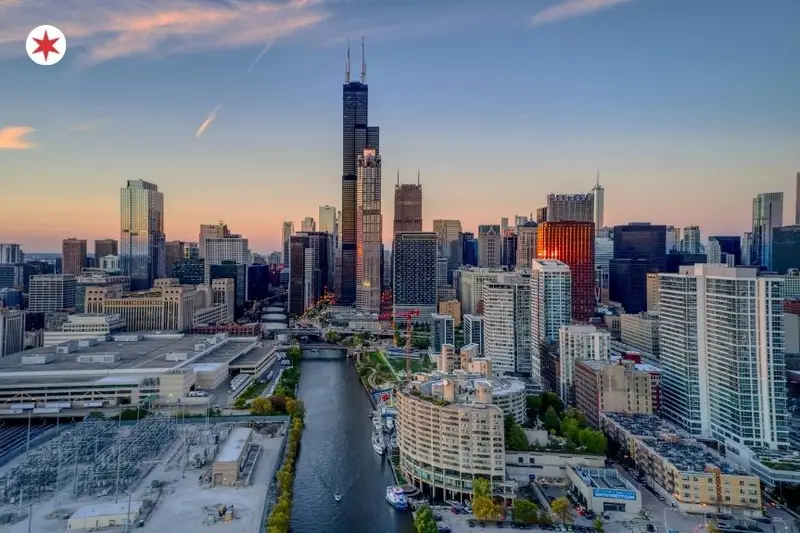
The complaints were universal, oddly specific, and hilariously accurate.
We all know Chicago is an incredible city.
The skyline. The lakefront. The food. The architecture. The neighborhoods. The festivals. The fact that we have 18 miles of continuous beachfront in the middle of the third-largest city in America. We could go on. We have, repeatedly, in basically every other article we’ve ever written.
But every great city has its frustrations. The little things that drive locals quietly insane. The daily annoyances that outsiders don’t understand and visitors never see. The stuff you only really know about if you’ve spent a winter here, or tried to get from one neighborhood to another, or watched somebody pull a folding chair out of their trunk and use it to claim a parking spot they shoveled three days ago.
So we asked our Facebook community a simple question. What’s the most frustrating thing about living in Chicago?
The answers came in fast. Hundreds of them. Some predictable. Some wildly specific. Almost all of them got nodded along to in the comments by other locals saying “yes, exactly this.”
Here are the 13 most frustrating things about living in Chicago, in roughly the order they came up.
1. The Neighbors Who Don’t Shovel
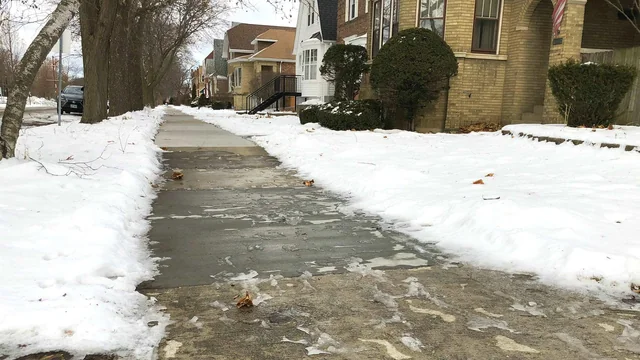
This was the first complaint that came in, and it was the one most others piled onto. There’s a city ordinance that says property owners are required to shovel snow from the sidewalks in front of their homes. Most do. The few who don’t ruin entire blocks. You walk down a perfectly cleared sidewalk for three houses and then suddenly you’re navigating six inches of compacted ice in front of one mansion that obviously could have just paid someone to clear it.
The frustration with non-shovelers is universal in Chicago. It crosses neighborhoods, income brackets, age groups, and political lines. You’ll see well-dressed people at a bus stop muttering about specific houses on their block. You can report a property to 311. Most locals say the response is hit or miss.
The unspoken rule: even if you live in a third-floor walkup and you’re not technically responsible, salt the sidewalk in front of your building anyway. Be the neighbor you wish you had.
2. The Gray Skies, Not The Cold
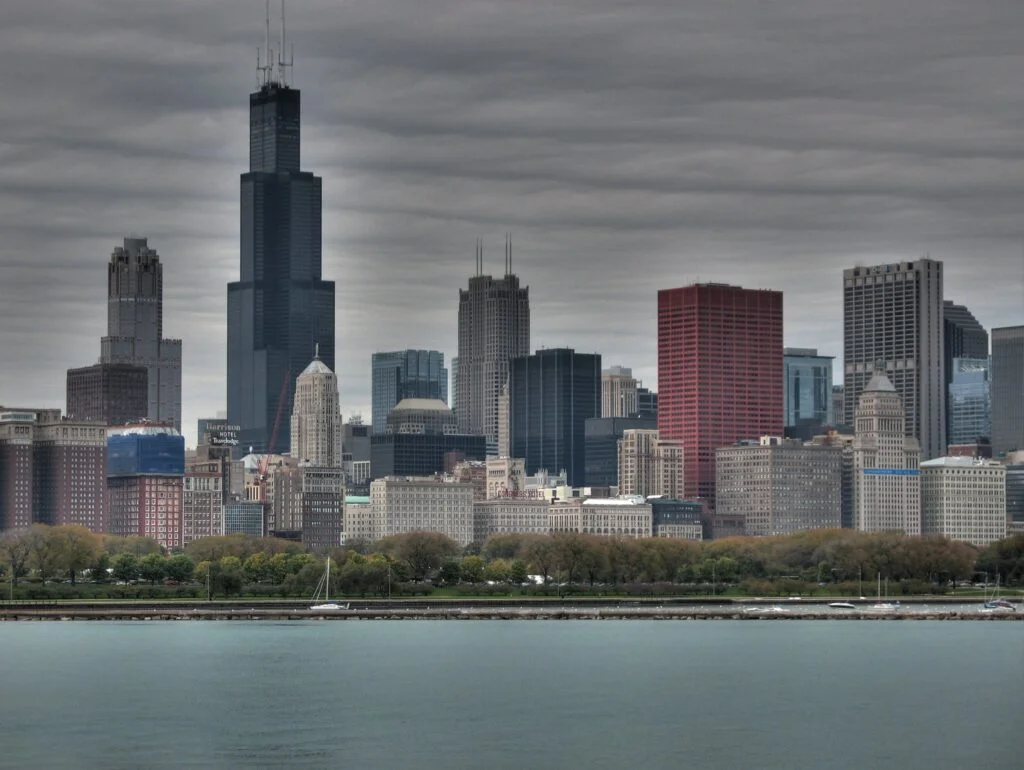
Outsiders assume Chicago winter is hard because it’s cold. Locals will tell you that’s not the worst part. The worst part is the gray.
Chicago goes through stretches of December and January with almost no direct sunlight. The lake effect produces overcast skies for weeks at a time. The sun rises after 7am, sets before 5pm, and barely makes an appearance in between. Days can pass where you genuinely cannot tell what time it is from the color of the sky outside. People who grew up here learn to plan around it. Vitamin D supplements become a household staple. Therapy waitlists get longer in February.
The cold itself is fine once you have the right coat. The gray is what breaks people.


3. East-West Transportation Is Genuinely Broken
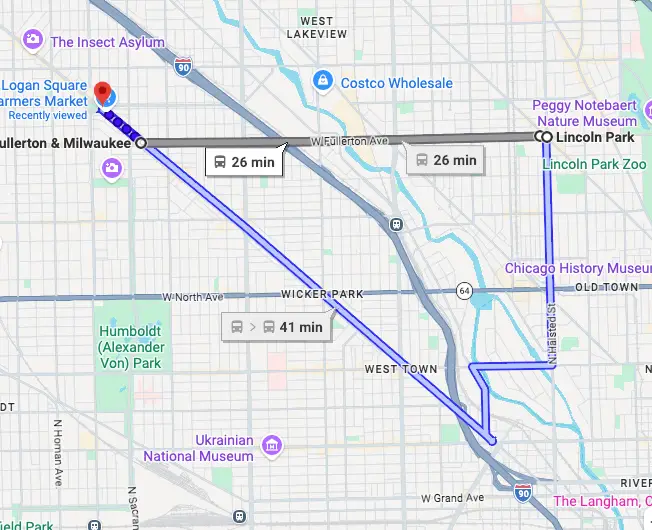
Want to get from Lincoln Square to Logan Square? They’re about three miles apart. Driving takes 25 minutes on a good day. By public transport it can take over an hour. There’s no direct train. The bus system requires multiple transfers, none of which are reliable.
The Chicago L was built around the Loop. It’s a hub-and-spoke design, with every line running into downtown and back out. Excellent if you live in a neighborhood and work downtown. Painful if you want to go from one neighborhood to another without going downtown first. Most cross-town journeys are bus-based, and Chicago buses are at the mercy of Chicago traffic and Chicago weather. Two buses on the same route show up two minutes apart and then nothing for 30.
Locals develop coping strategies. Some keep cars they only use to go cross-town. Some give up on transit entirely. Most just accept that any cross-town trip takes an hour, regardless of method, and plan accordingly.
4. The Hazard Lights Maneuver
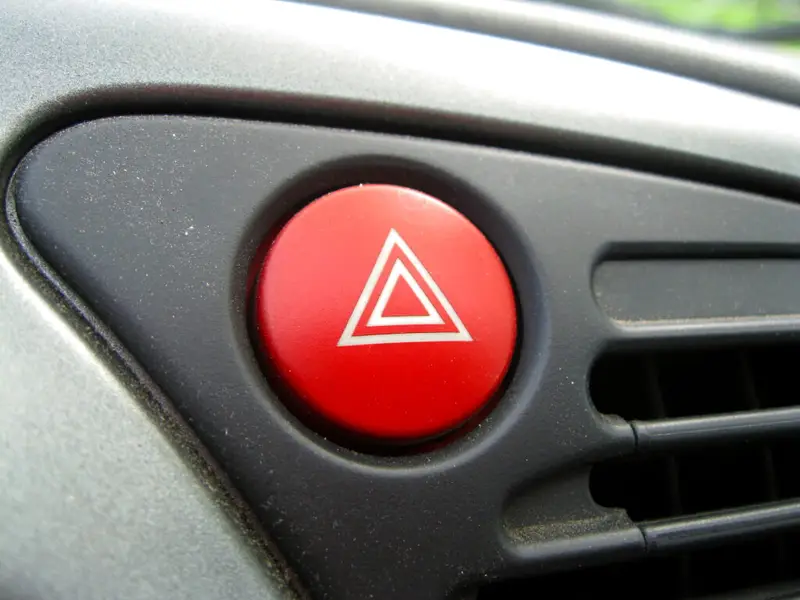
Across Chicago, drivers have collectively decided that turning on your hazard lights gives you the right to park anywhere. In the middle of a lane during rush hour. Blocking a hydrant. Across two spaces. Double-parked on a one-way street. The hazard lights are treated as a magic forcefield that legalizes any parking violation.
It’s most common with delivery drivers and rideshare drivers, but private citizens have absorbed the lesson too. Hazard lights at a school pickup zone. Hazard lights while running into a coffee shop. Hazard lights while having a 25-minute conversation. The hazards are blinking. Therefore the rules don’t apply.
5. The Tourist Who Stops Dead On Michigan Avenue
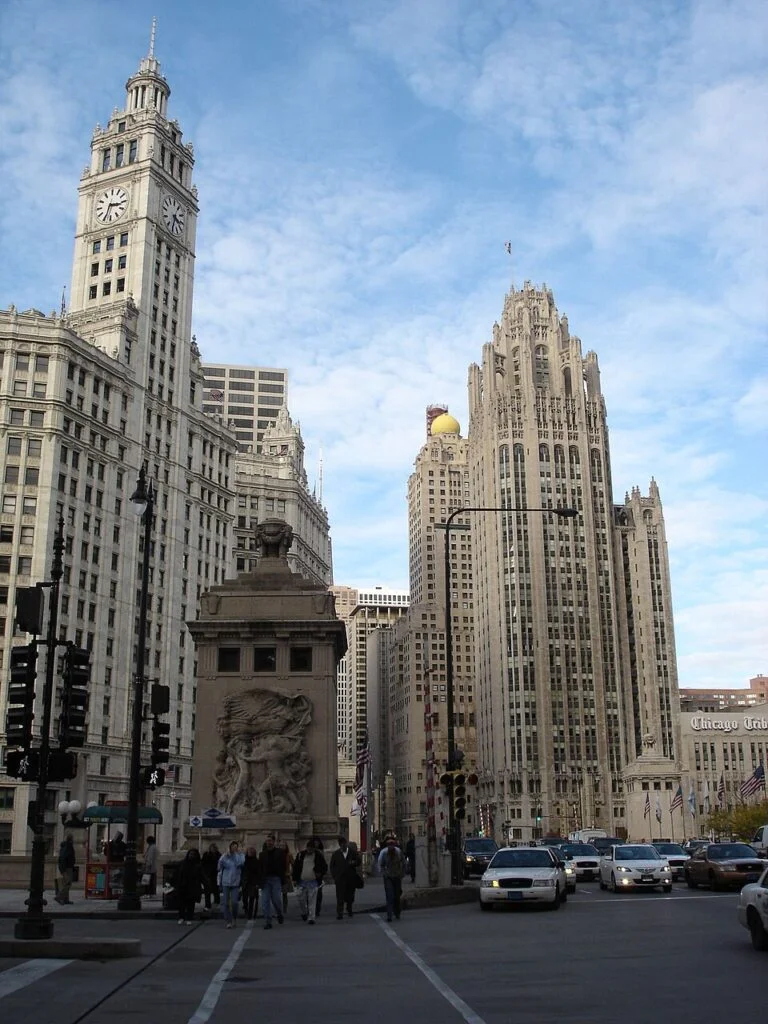
Locals walk fast on Michigan Avenue. Tourists do not. The collision between these two facts is the source of more local frustration than almost any other minor irritation in Chicago. Groups of four tourists walking abreast, taking up the entire sidewalk. A family stopping suddenly to consult a map directly in front of you while you’re mid-stride. Someone trying to take a photo of the Wrigley Building from the middle of the sidewalk at 4:45pm on a Thursday during rush hour.
Locals develop a specific Michigan Avenue walking style. Eyes forward. Pace brisk. Diagonal cuts to navigate around obstacles. The mental map of which sidewalk corners trigger predictable tourist photo stops. North entrance of the Bean. The Wrigley Building. The river bridges. Avoid these blocks if you have a meeting.
6. The Drivers Who Treat Red Lights As Suggestions
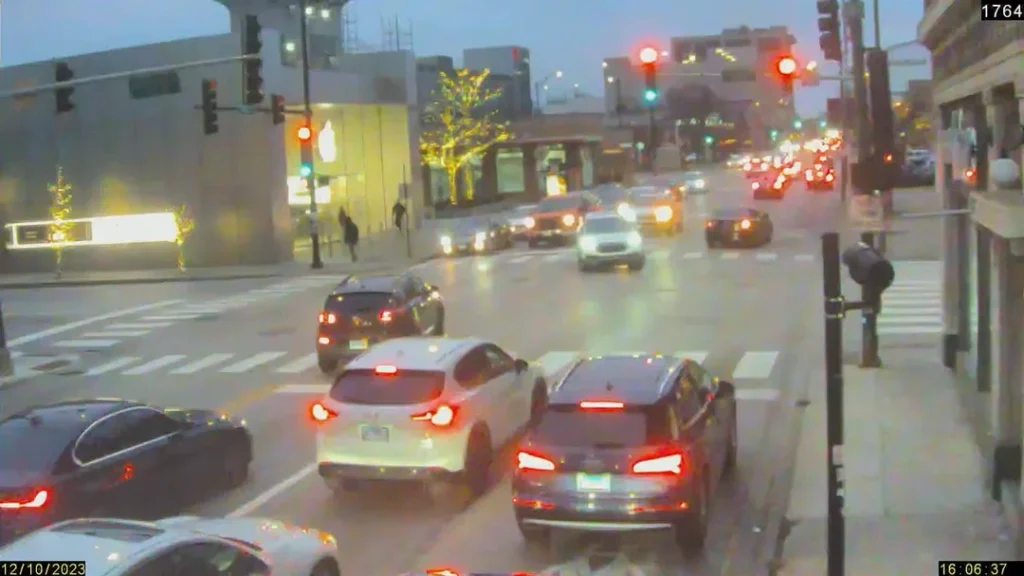
This came up over and over. Chicago drivers run red lights with stunning regularity. Not just the late-yellow-could-have-stopped variety. The fully red, three seconds after the change, blasting through the intersection variety.
The blame gets spread around. Some attribute it to the city’s red light camera system having gaps. Others blame general traffic enforcement being inconsistent. Most just shrug and say it’s Chicago. Pedestrians have learned to wait two beats after the walk signal before stepping into the road. Drivers have learned to never trust a green light until you’ve checked the cross traffic.
It’s worse on the West Side. Worse still on the South Side. Worst of all on Lake Shore Drive when somebody decides to merge across four lanes at 80 miles per hour.
7. Speakerphone Calls On The CTA
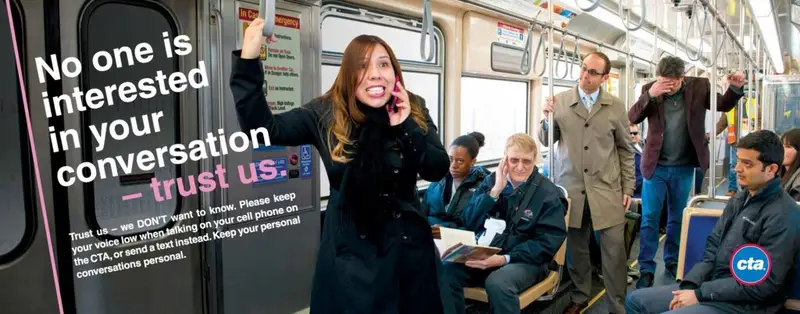
Once a relatively rare phenomenon, now an everyday occurrence. People holding phone conversations on the L without headphones. The volume is always somehow louder than necessary. The other party on the call is always somehow louder still. The conversation is always uncomfortably personal. The car is always full of people pretending not to listen.
Music played from a phone speaker without headphones is the close cousin of this complaint. Quality is uniformly terrible. Selection is uniformly bizarre. Volume is uniformly inappropriate. Nobody intervenes.
The CTA quality-of-life issues run deeper than this and locals have a lot to say about them, but the speakerphone caller is the universal villain everyone agrees on.
8. Construction Season Is Eleven Months Long
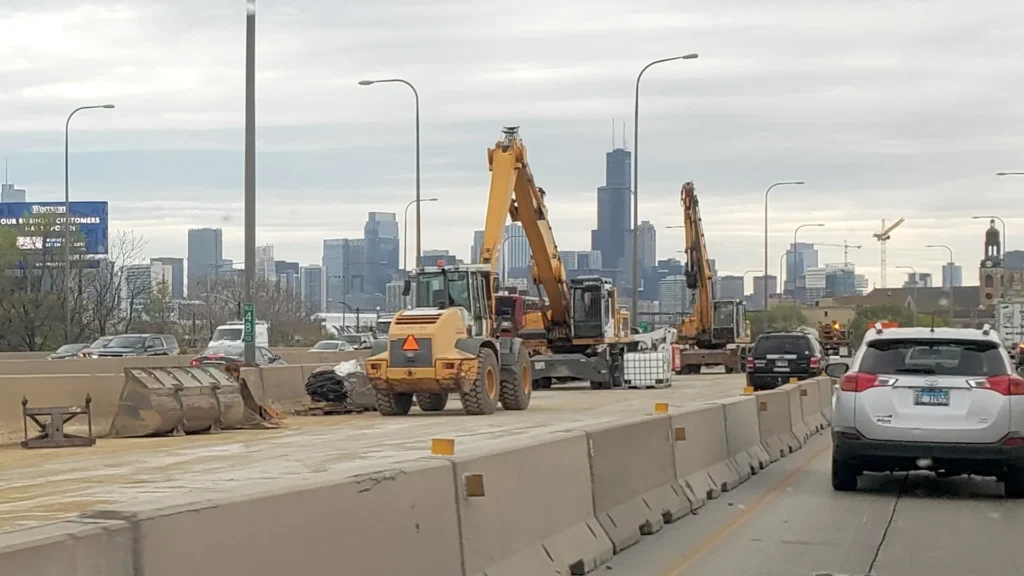
There’s a joke in Chicago that we have two seasons: winter and construction. The truth is closer to “winter and construction lasting through most of winter too.” The actual closures and cone zones don’t really end. They just rotate. Lake Shore Drive in May. The Kennedy in June. The Eisenhower in July. The Dan Ryan in August. Then we cycle back to LSD again.
Major construction projects routinely run years past their original timelines. The Jane Byrne Interchange was originally scheduled to take six years and ended up taking ten. The Kennedy Expressway is being rebuilt in stages that may continue through 2027 or beyond. Side streets get torn up the second the asphalt is laid. There’s a running theory that the city deliberately keeps construction perpetual to maintain employment for the trades and the contractors.
Whatever the reason, you cannot drive across Chicago without hitting at least one construction zone. Plan accordingly.
9. The Property Taxes Are A Silent Killer
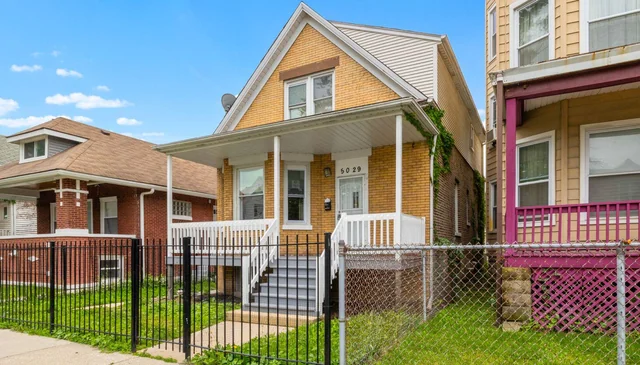
Chicago property taxes are higher than the national average and rising faster than nearly any other major American city. The combination of underfunded pension obligations, declining population, and decades of deferred fiscal pain has produced a system where homeowners watch their bills climb every year, often by hundreds or thousands of dollars, with no obvious improvement in city services.
Locals talk about it constantly. The annual tax bill arriving in the mail is a household event. People appeal. Some get their bills lowered. Most don’t. The Cook County sales tax is also among the highest in the United States, which means even renters feel the squeeze.
Nobody likes paying property tax. But Chicagoans really, really don’t like it.
10. The Lime Scooters Abandoned Across The Sidewalk
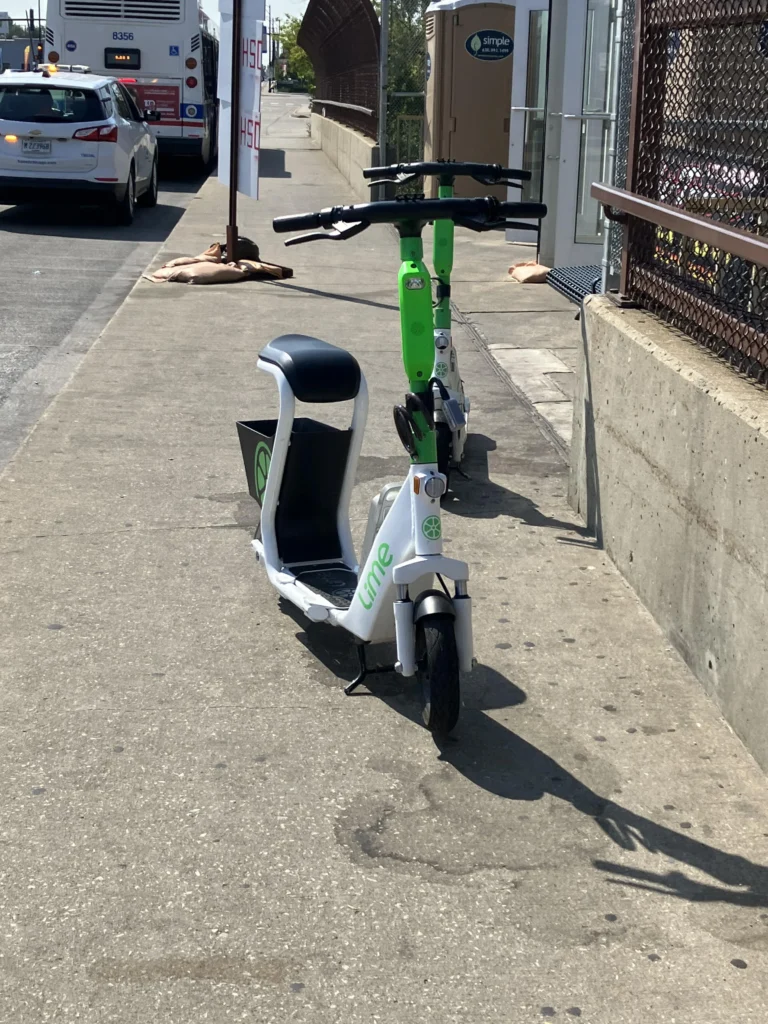
The introduction of dockless rental scooters was supposed to solve last-mile transportation problems. What it actually produced was a city where every other street corner has a scooter knocked over on the sidewalk, blocking the path for pedestrians, wheelchair users, parents with strollers, and anybody else who actually needs to walk down the sidewalk.
Lime scooters. Lyft scooters. Spin scooters. Whatever brand happens to be operating that month. Users routinely abandon them mid-sidewalk, in entryways, propped against benches that elderly people are trying to sit on, and in piles outside Blue Line stations. The scooter companies have parking rules. Nobody enforces them.
There’s a specific kind of Chicago muttering reserved for the moment when you have to step around the third Lime scooter on a single block.
11. The Rats

Chicago has been ranked the rattiest city in America for years running. The rats are large. The rats are abundant. The rats are unbothered. They run across alleys in broad daylight. They show up in restaurant outdoor seating areas. They occasionally appear on subway platforms in numbers that would alarm a New Yorker.
The blame is variously assigned to garbage collection schedules, restaurant trash management, milder winters, and the general porousness of Chicago alley infrastructure. Whatever the cause, the rats are part of the deal. New residents arrive horrified. Long-term residents have made peace with it. Most have a story about a specific rat encounter that gets told at parties.
12. The Mystery Liquid That Drips From The L Tracks
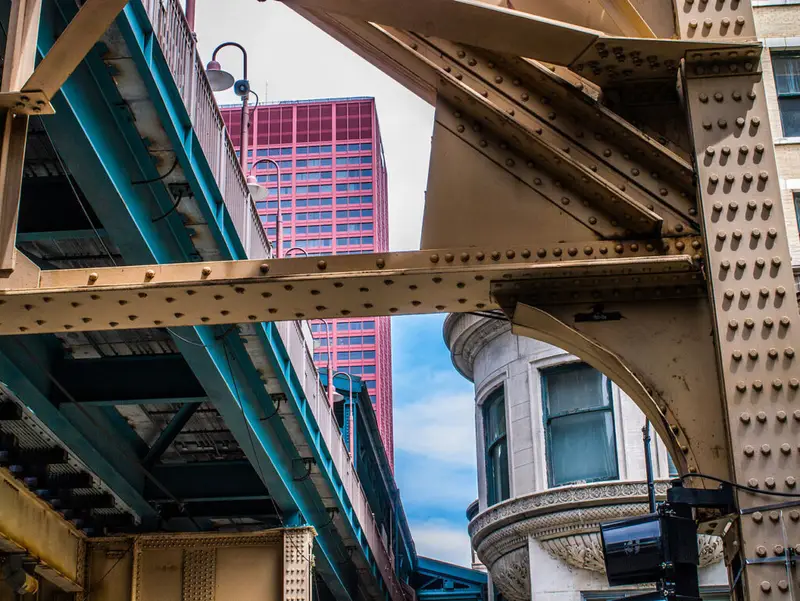
You’re walking under the elevated tracks at Wabash and Madison. It’s a sunny day. It hasn’t rained in a week. A drop of brownish liquid lands on your shoulder.
What is it? Nobody knows. It’s been called the L Liquid, the L Mystery Drip, the L Juice, and several less family-friendly names. The CTA does not acknowledge it. Conspiracy theories run from grease leaking from train wheels to condensation from rooftop AC units to something far worse. Nobody has ever produced a clean answer.
Long-term Chicagoans have learned to walk to one side of the tracks, avoid standing directly under the rails, and wear darker colors when the L route home is unavoidable. You will get hit at some point. Everyone gets hit at some point. It’s a rite of passage.
And Yet
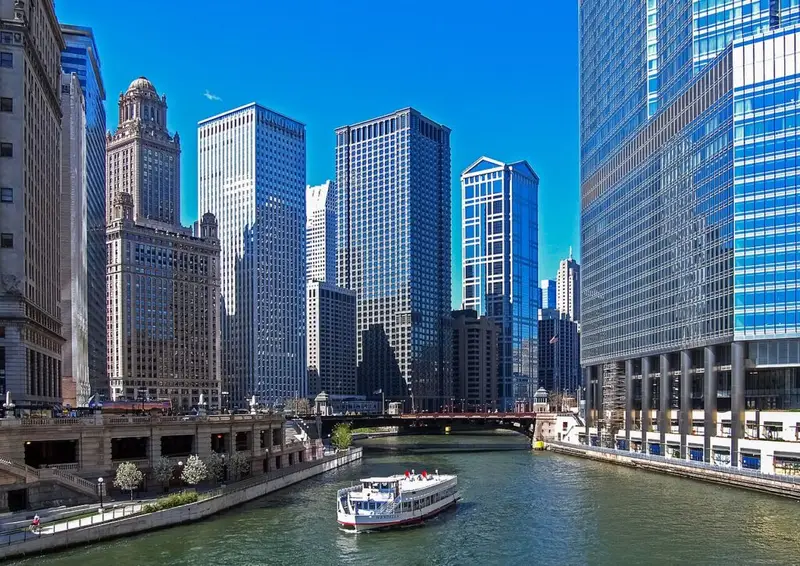
Read all that and you might think Chicagoans hate it here. We don’t. We love it.
We love that we have one of the most beautiful skylines in the world. We love that we have 18 miles of lakefront path. We love that the Cubs and the Sox can split a city without anyone actually killing each other. We love that the food scene is better than New York’s by an honest margin. We love the architecture, the music, the festivals, the museums, the parks, the late-summer evenings on rooftops, and the way the city smells like grilled meat by 6pm on the first warm Saturday of the year.
We complain because we love it. We complain because the things that should be easy in a great city should be easy. Sidewalks should be shoveled. Trains should run east-west. Drivers should stop at red lights. Tourists should not stop in the middle of the sidewalk. Lime scooters should not be left in the path of pedestrians.
Most of these things are fixable. None of them will probably get fixed.
And yet, we’re not leaving. None of us are.