
Have you ever wanted to travel the world without leaving the Midwest?
You are definitely not alone. International travel can be expensive, time-consuming, and exhausting.
But if you are visiting the Windy City, you are in luck. Chicago is famously known as a “city of neighborhoods.”
Beyond the towering skyscrapers of the Loop (which hide some stunning lobbies you can visit for free), there is a rich tapestry of global cultures waiting to be explored.
Thanks to generations of immigrants, you can easily find corners of Chicago that feel like a different country entirely.
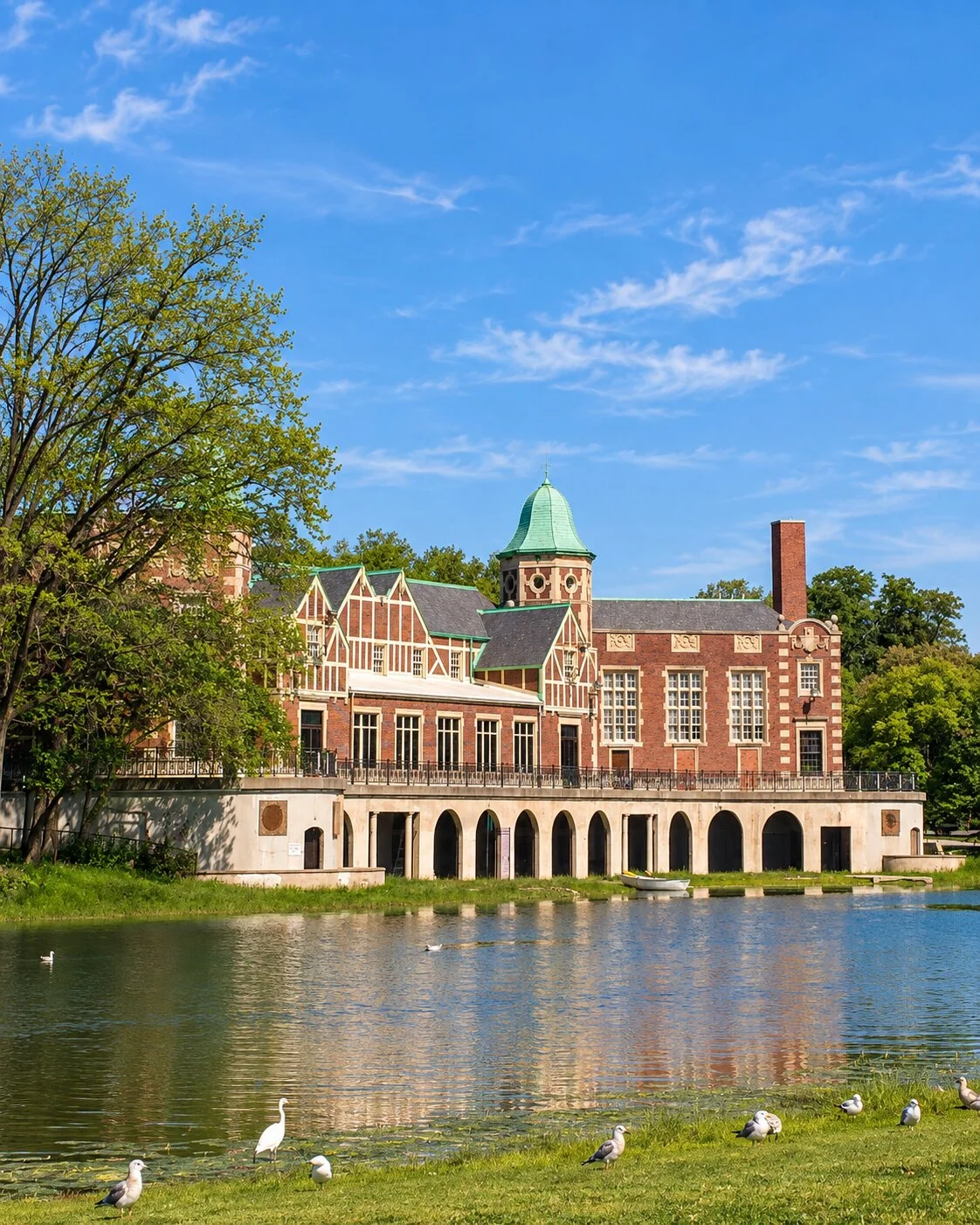
(Wondering about safety before you explore? Don’t worry. Is Chicago safe for tourists? Yes—as long as you follow these unwritten local rules.)
Whether you are craving authentic European architecture, spicy South Asian street food, or the vibrant energy of Latin America, you can find it here.
Grab your Ventra card and an empty stomach. Here are 15 corners of Chicago that will instantly transport you across the globe!
1. Chinatown (China)
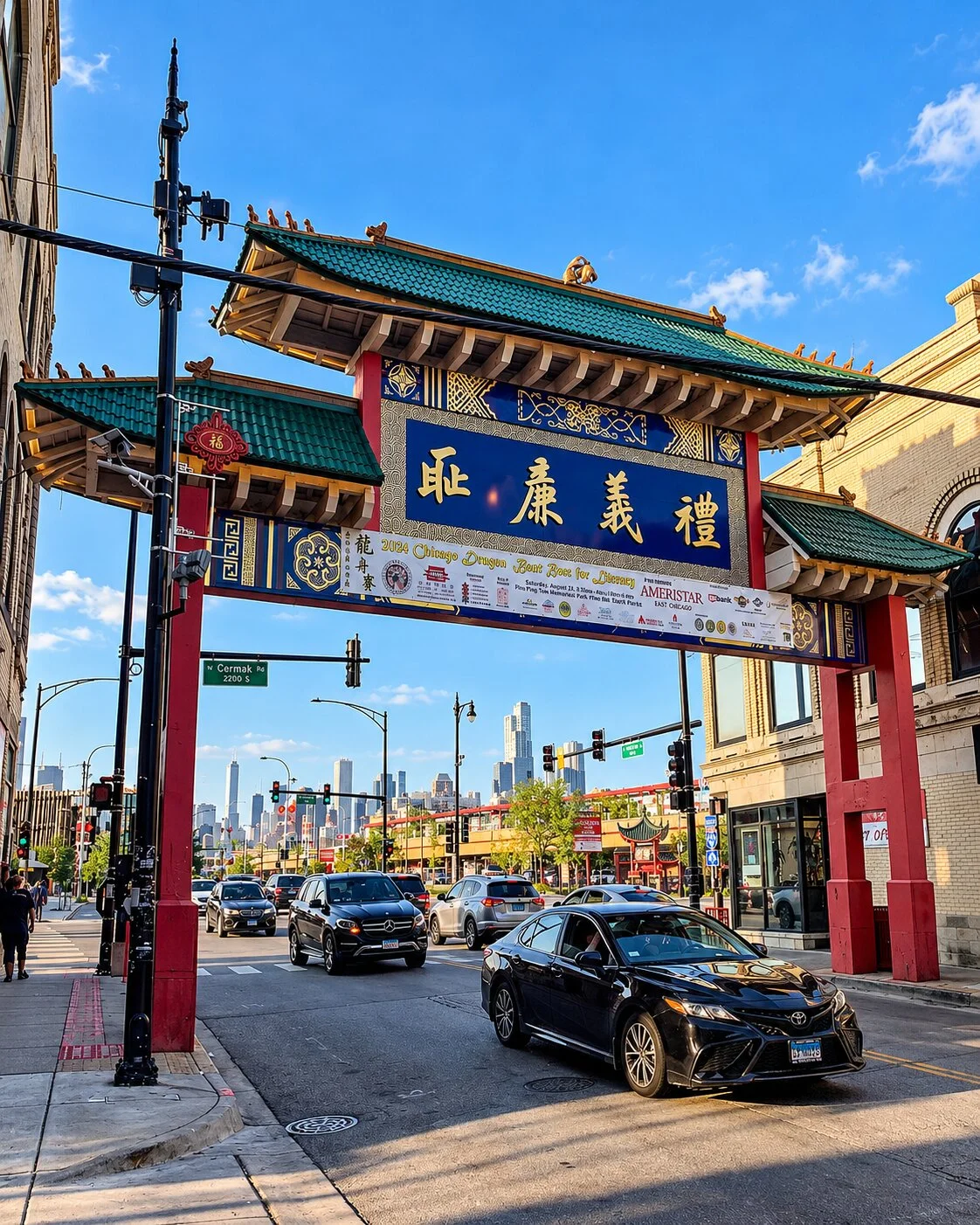
Stepping off the train at the Cermak-Chinatown stop feels like stepping onto another continent.
Chicago’s Chinatown is one of the most vibrant and rapidly growing in the United States.
Start your journey by walking under the iconic Chinatown Gate on Wentworth Avenue. The traditional Chinese architecture and bustling storefronts immediately set the scene.
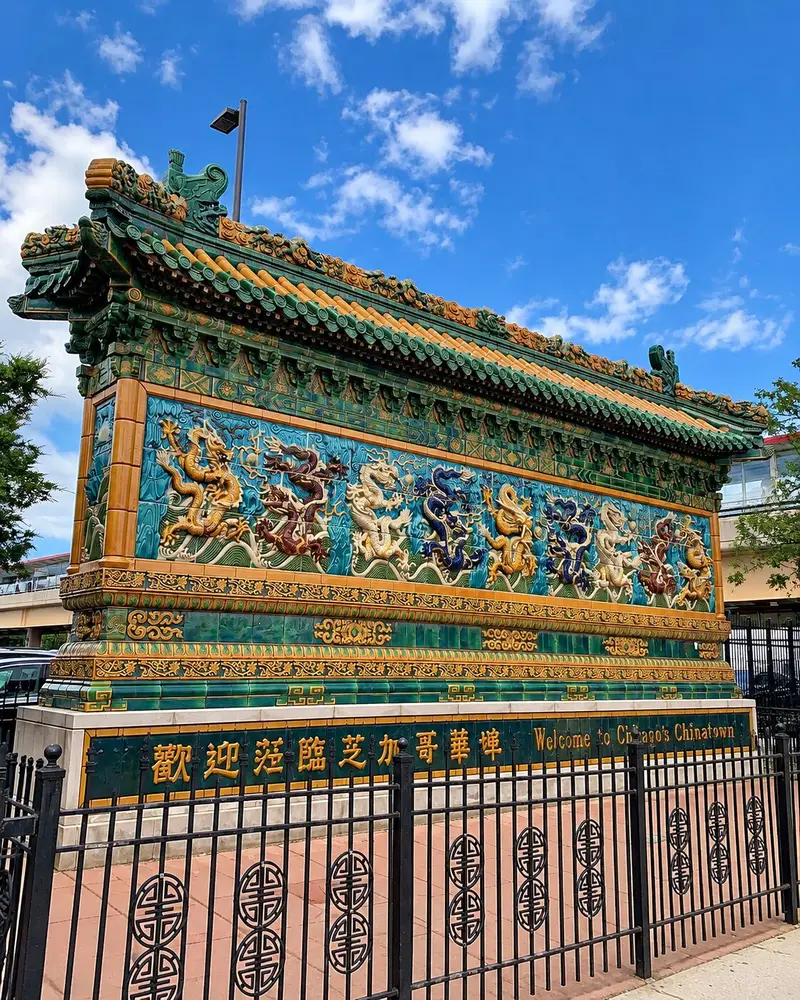
You will find streets lined with traditional herbal medicine shops, tea houses, and bakeries selling sweet egg tarts.
- The Vibe: Bustling, aromatic, and steeped in rich history.
- How to Get There: Take the CTA Red Line south to the Cermak-Chinatown station.
- What Not to Miss: Ping Tom Memorial Park for a stunning green space along the river, and MingHin Cuisine for some of the most authentic dim sum outside of Guangzhou.
📌 Read Next: 11 Incredible Things You Have to Do in Chicago’s Chinatown
2. Devon Avenue (India & Pakistan)
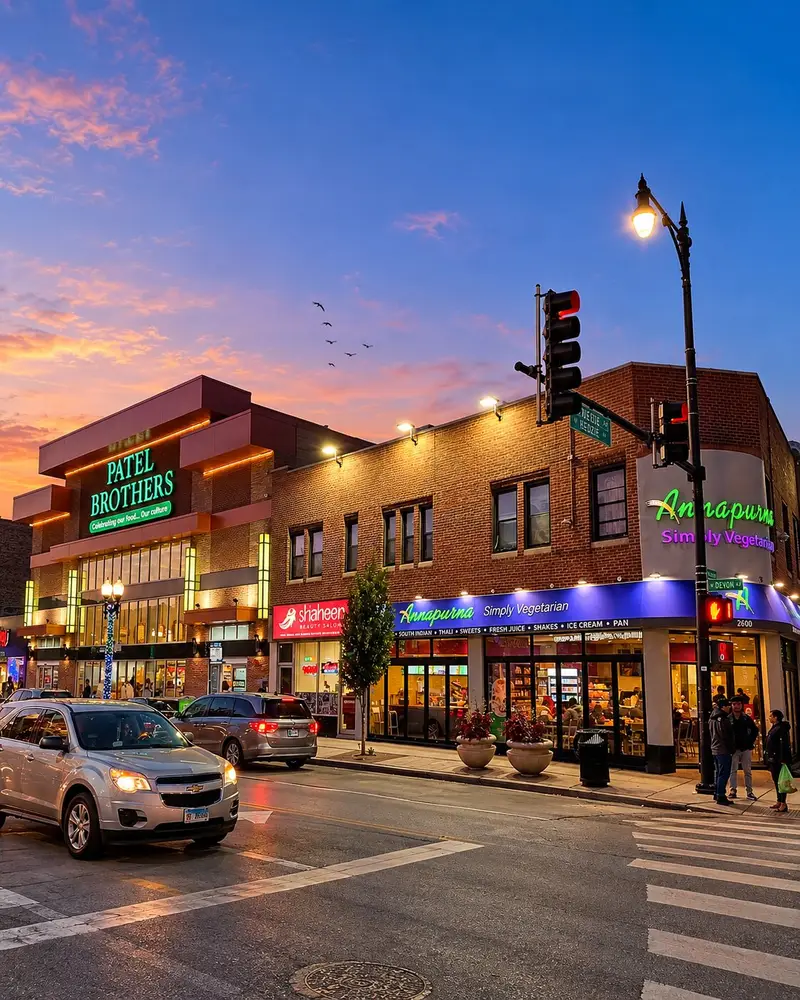
If you want to experience the sights, sounds, and smells of South Asia, head straight to West Ridge.
Specifically, you need to visit the stretch of Devon Avenue located between Ravenswood and California avenues.
This vibrant corridor is the heart of Chicago’s Indian and Pakistani communities.
The moment you arrive, the air smells intensely of toasted cumin, rich curries, and sweet incense. The shop windows are draped in brightly colored silk saris and glittering gold jewelry.
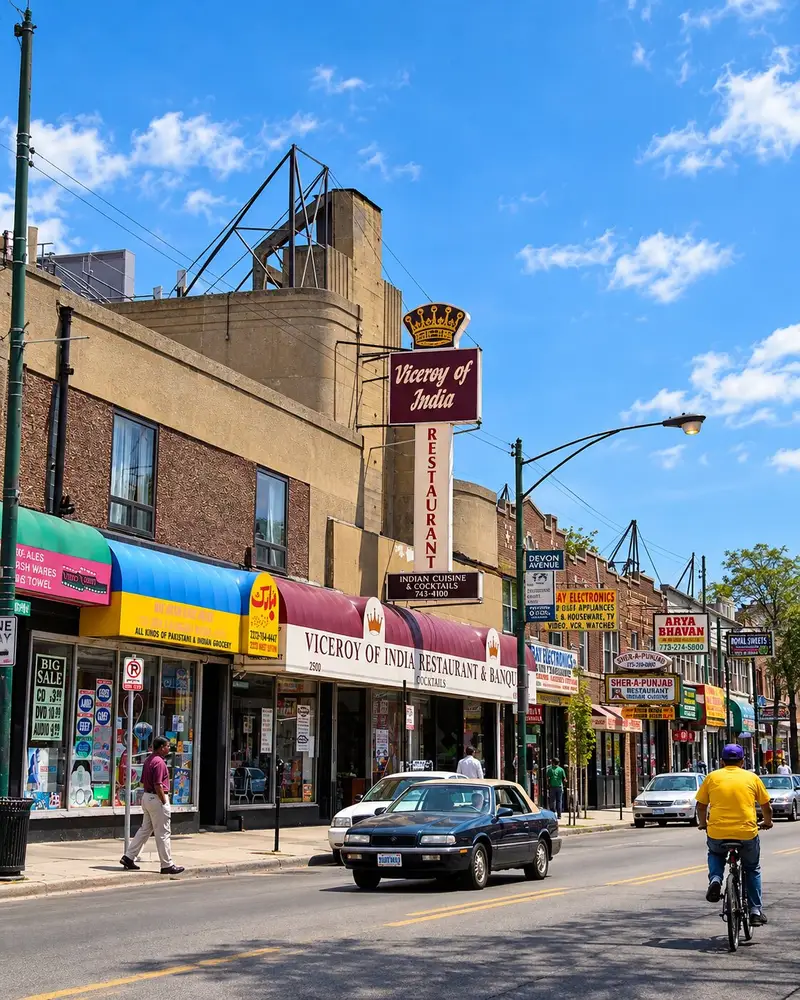
- The Vibe: Energetic, colorful, and wildly delicious.
- How to Get There: Take the CTA Red Line to the Morse station, then hop on the #155 Devon Bus heading west.
- What Not to Miss: Kamdar Plaza to grab fresh, hot samosas, and Ghareeb Nawaz, which is famous for offering incredible portions of authentic food at unbelievably low prices.
3. Andersonville (Sweden)
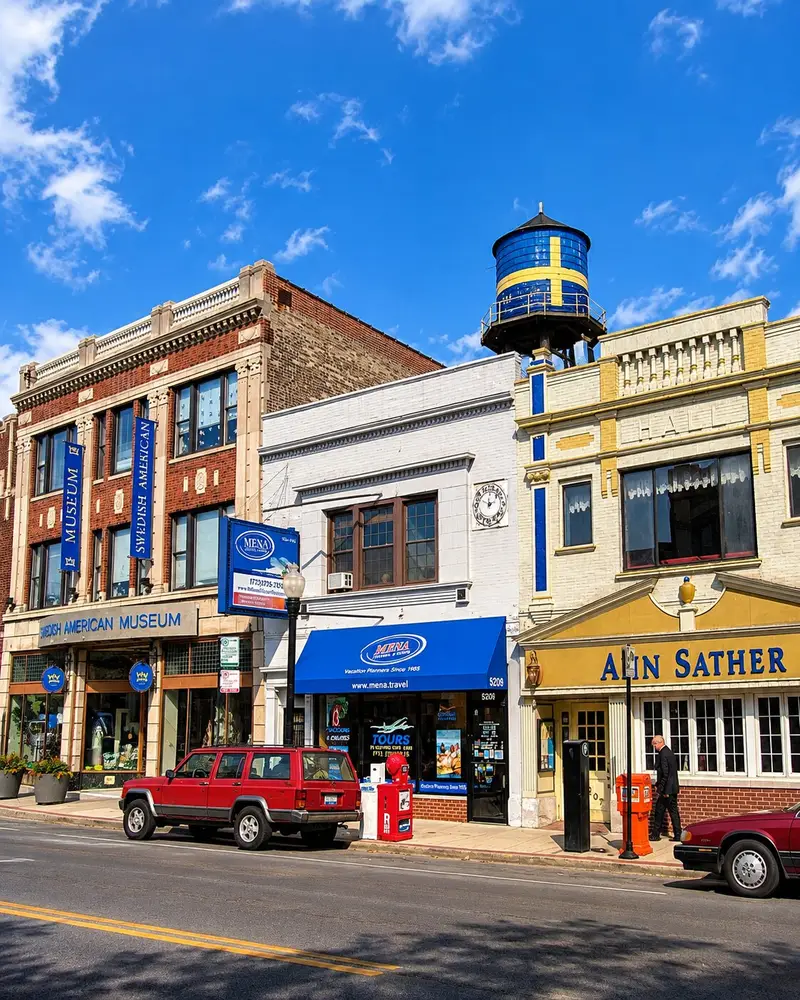
Looking for a cozy, European village vibe? Look no further than Andersonville.
Located on the city’s North Side, this charming neighborhood was originally built by Swedish immigrants in the 19th century.
Today, it retains its deep Scandinavian roots, complete with Swedish flags flying proudly above Clark Street.
The architecture features gorgeous vintage brick buildings that house independent bookstores, antique shops, and cozy cafes.
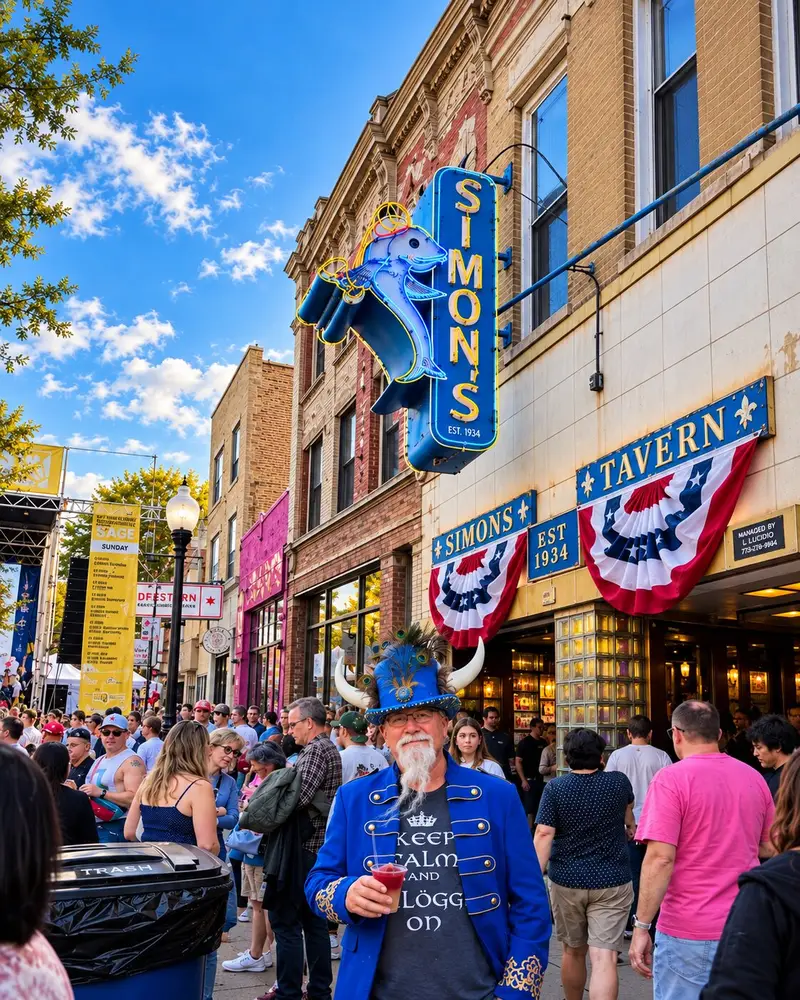
- The Vibe: Charming, walkable, and effortlessly cool.
- How to Get There: Take the CTA Red Line to the Berwyn station, then walk a few blocks west to Clark Street.
- What Not to Miss: The Swedish American Museum to learn about the neighborhood’s roots, and Lost Larson for a cardamom bun or a slice of Princess Cake.
4. Pilsen (Mexico)
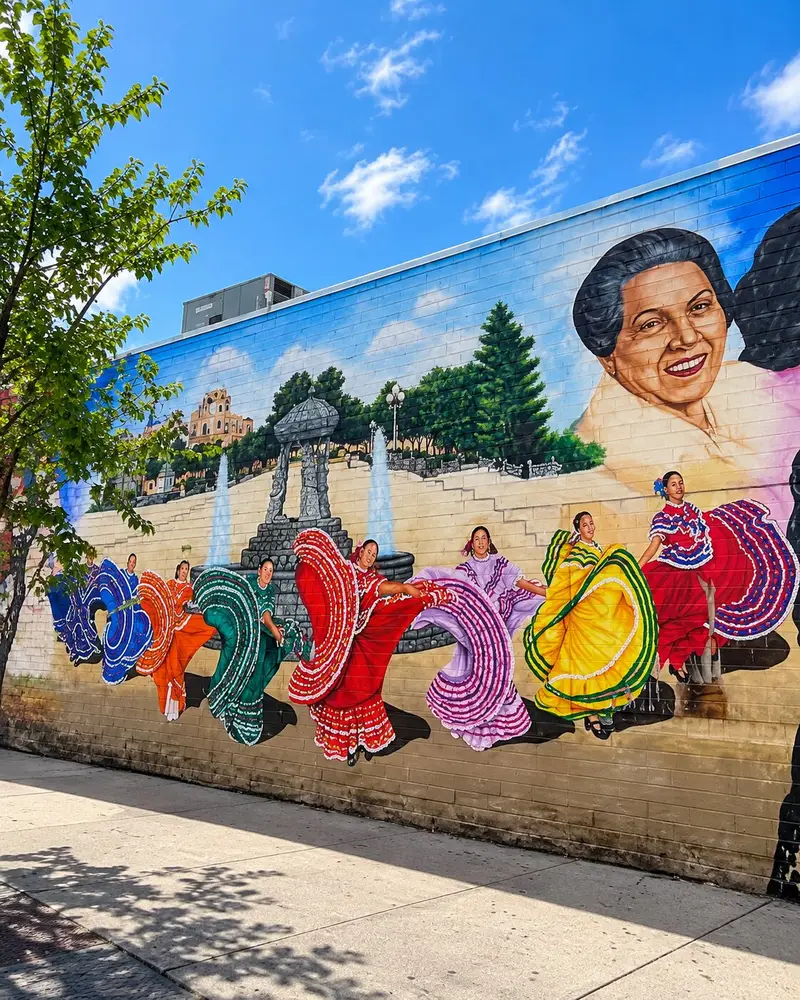
Taking a stroll down 18th Street in Pilsen is like taking a quick trip to a vibrant neighborhood in Mexico City.
Pilsen is the beating heart of Chicago’s Mexican-American community.
The neighborhood is internationally famous for its incredible street art. Bright, colorful murals depicting Aztec mythology, Mexican history, and local legends cover almost every alleyway.
It is a visual feast, but the food is just as impressive. You will find authentic taquerias, panaderias, and street vendors selling tamales on every corner.
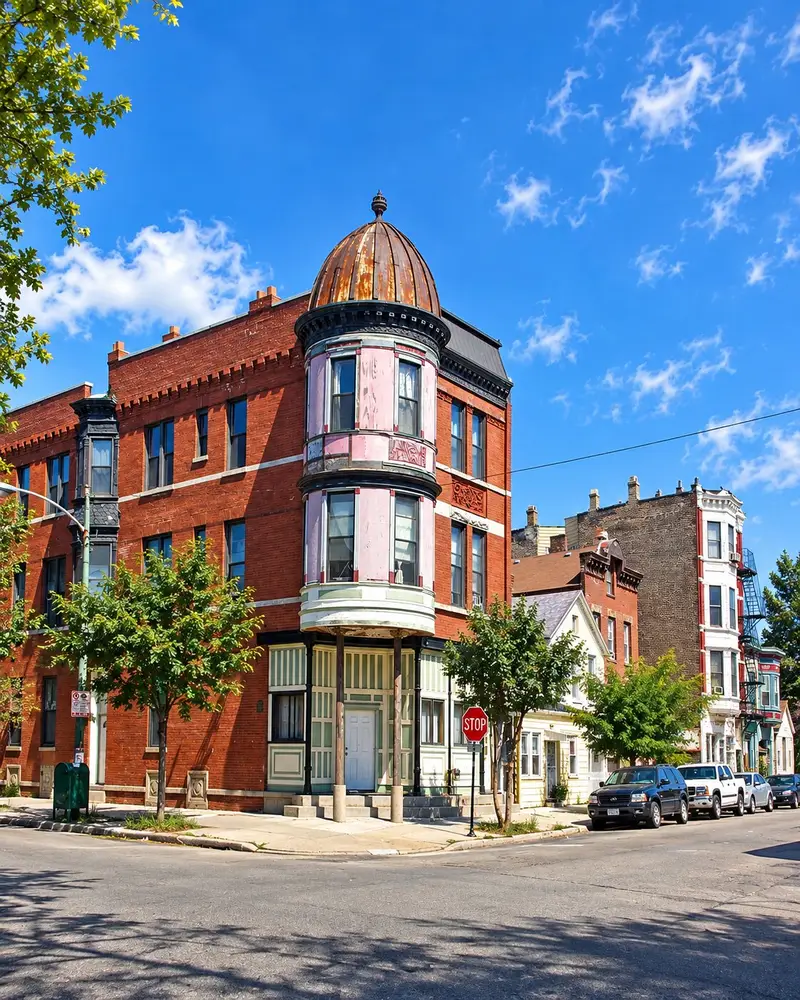
- The Vibe: Artistic, proud, and historically rich.
- How to Get There: Take the CTA Pink Line to the 18th Street station.
- What Not to Miss: The National Museum of Mexican Art (admission is completely free!), and Carnitas Uruapan for incredibly authentic Michoacán-style pork carnitas.
📌 Read Next: 9 Chicago Neighborhoods Where Locals Actually Hang Out
5. Argyle Street (Vietnam)
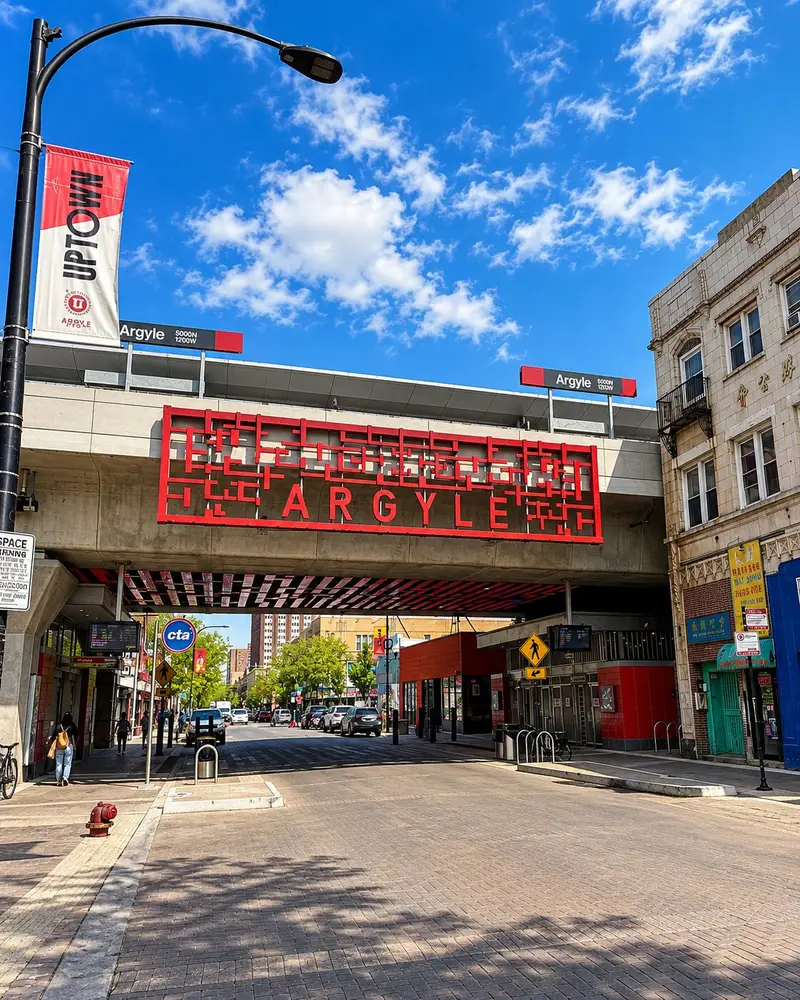
Welcome to “Asia on Argyle.”
Located in the Uptown neighborhood, this bustling pocket feels just like the energetic streets of Ho Chi Minh City.
When Southeast Asian refugees arrived in Chicago in the 1970s, they transformed this area into a thriving commercial district.
Today, Argyle Street is a pedestrian-friendly shared street featuring decorative pavers and colorful street signs. The scent of simmering beef broth and fresh cilantro literally floats through the air.
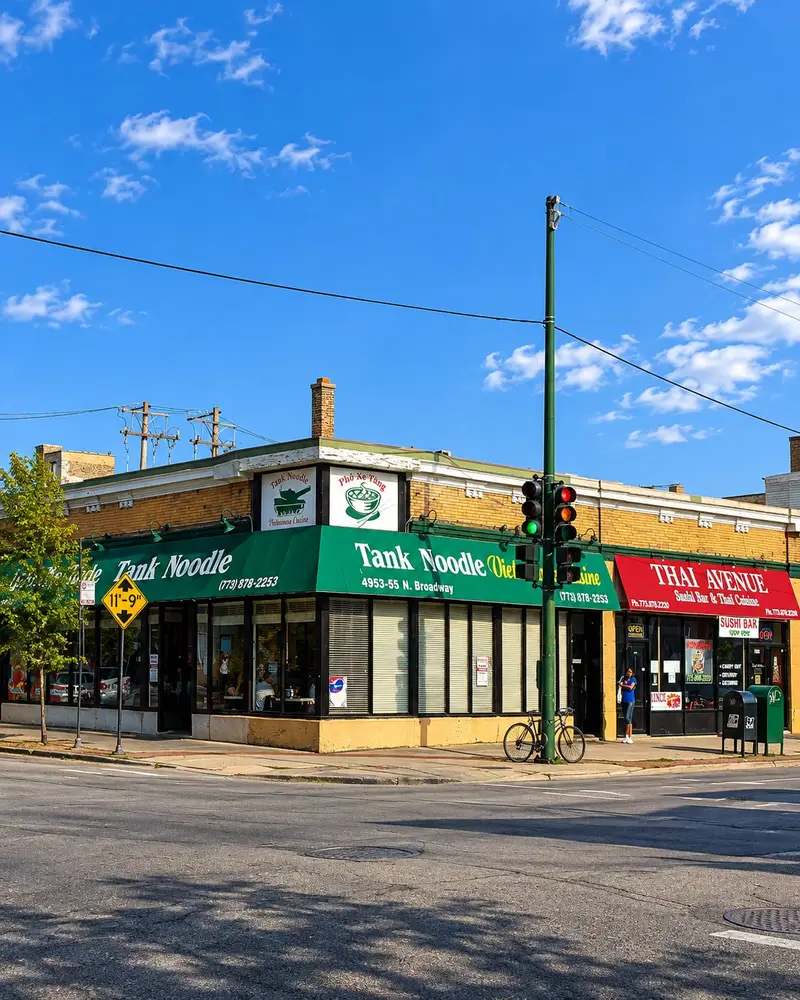
- The Vibe: Fast-paced, sensory, and highly walkable.
- How to Get There: Take the CTA Red Line to the Argyle station. You will step right out into the action.
- What Not to Miss: Pho 888 (or Pho Viet) for a massive, steaming bowl of traditional Pho, and Ba Le Sandwiches for a crispy, perfectly spiced Banh Mi to-go.
6. Lincoln Square (Germany)
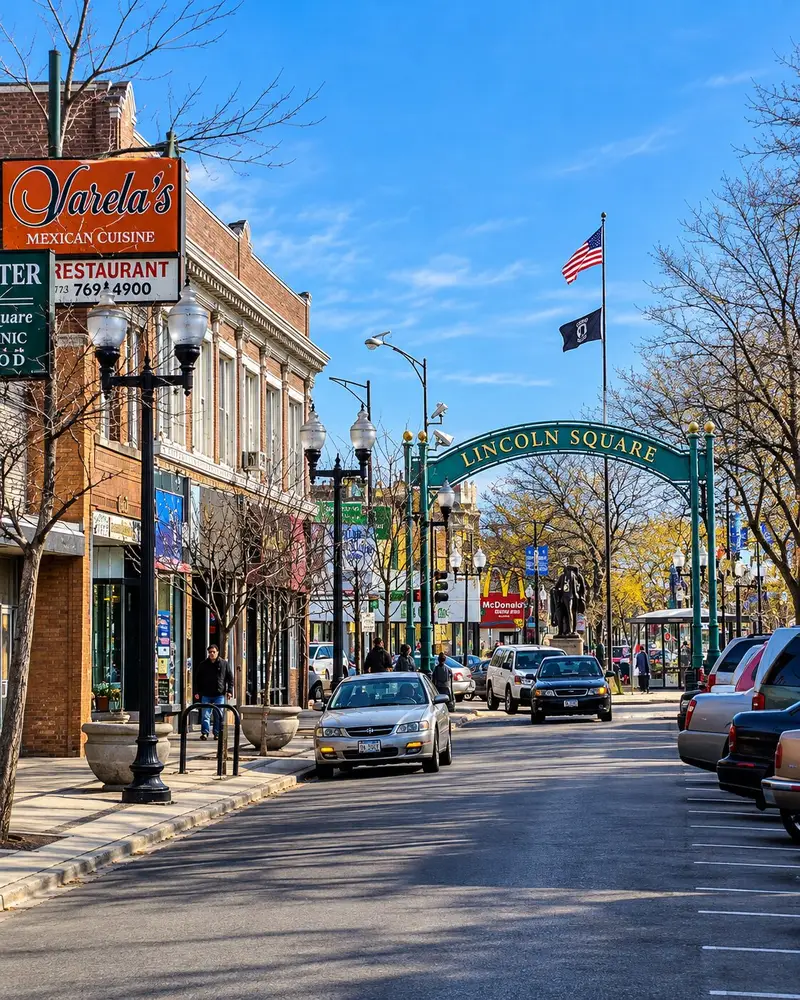
If you want to experience the charm of old-world Germany, take the train up to Western Avenue.
Lincoln Square has historically been the epicenter of Chicago’s German-American population.
The cobblestone-style streets, European-style central plaza, and gorgeous cast-iron street clocks give the neighborhood a distinct Bavarian feel.
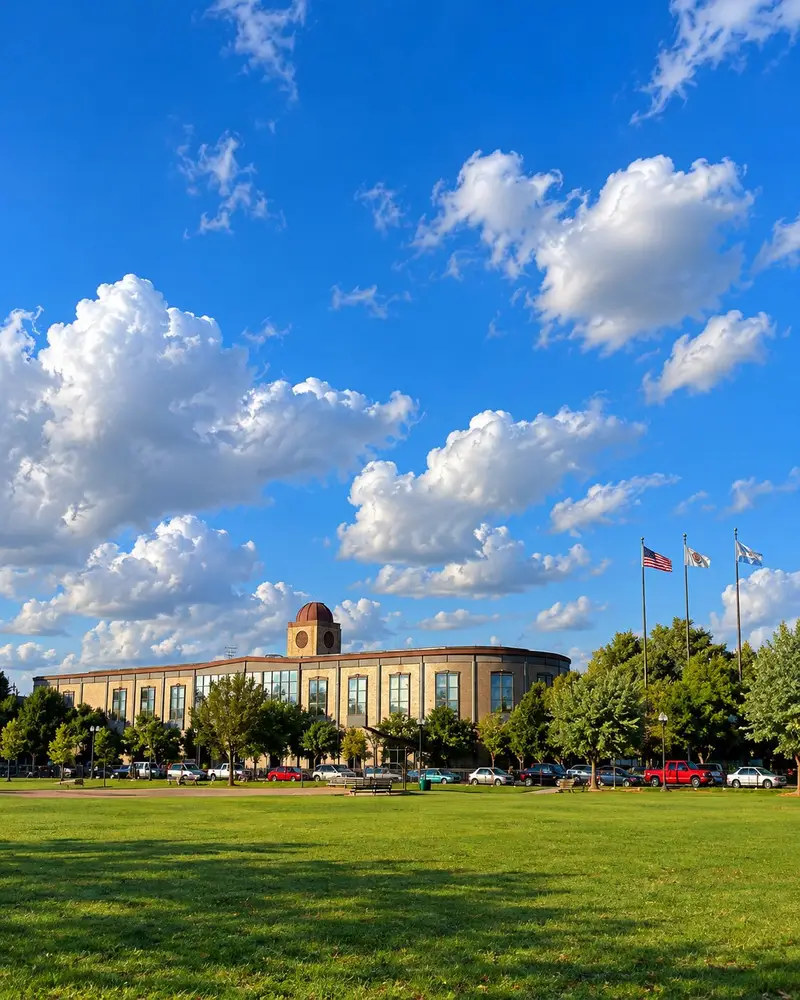
- The Vibe: Quaint, family-friendly, and welcoming.
- How to Get There: Take the CTA Brown Line to the Western station.
- What Not to Miss: Gene’s Sausage Shop, a massive European market featuring dozens of house-made sausages and a spectacular rooftop beer garden in the summer. Don’t forget to stop by Merz Apothecary, opened in 1875 by a Swiss pharmacist.
7. Ukrainian Village (Ukraine)
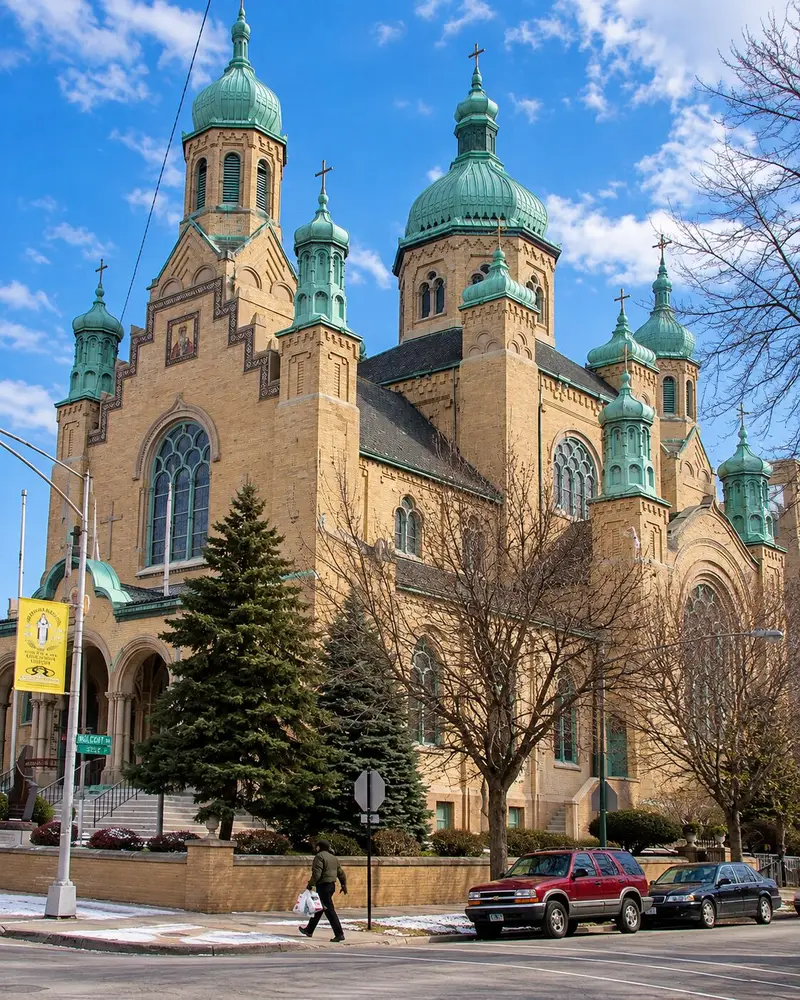
Just west of downtown in the West Town area lies a neighborhood that looks like it was plucked straight out of Eastern Europe.
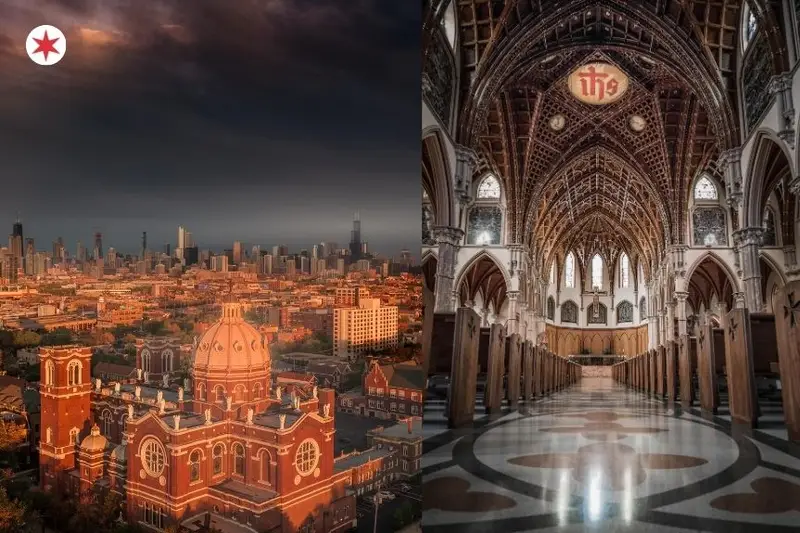
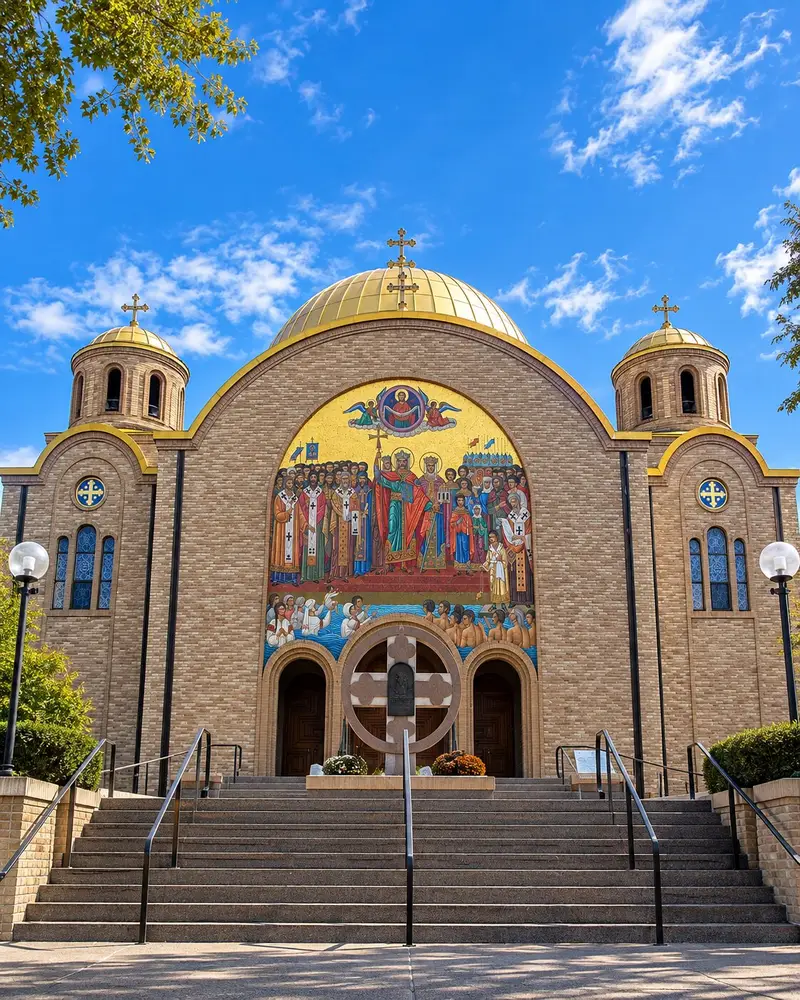
Ukrainian Village hasn’t lost its old-world soul, and the most striking features of this neighborhood are the magnificent churches.
The ornate, copper onion domes rise high above the modest brick bungalows, creating an unforgettable skyline.
(If architecture is your thing, you have to check out these 16 Famous Churches In Chicago That Look Like European Cathedrals!)
- The Vibe: Residential, quiet, and culturally deeply rooted.
- How to Get There: Take the CTA Blue Line to Chicago Avenue, then hop on the #66 Chicago Bus heading west.
- What Not to Miss: Holy Trinity Russian Orthodox Cathedral, a stunning piece of architecture designed by Louis Sullivan, and Shokolad Pastry & Cafe for traditional pierogies, borscht, and incredible European pastries.
8. Garden of the Phoenix (Japan)
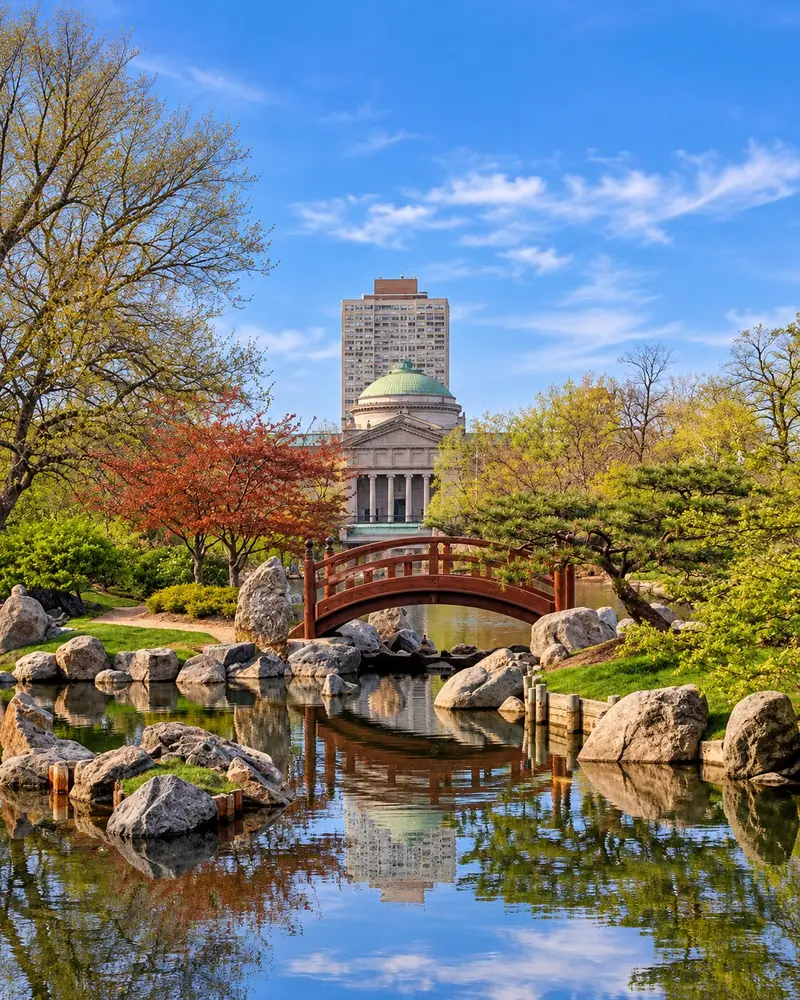
While this isn’t a full neighborhood, it is a corner of Chicago that undeniably feels like a different country.
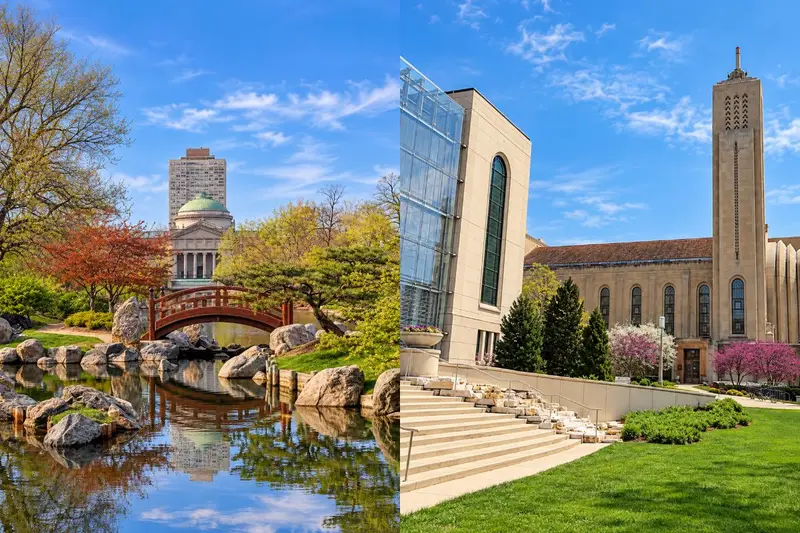
Tucked away on the Wooded Island in Jackson Park is the gorgeous Garden of the Phoenix.
Originally established during the 1893 World’s Columbian Exposition, this genuine Japanese garden is a masterclass in Zen landscaping.
With its koi-filled ponds, traditional moon bridge, winding stone paths, and authentic Japanese pavilion, you will swear you teleported to Kyoto.
- The Vibe: Serene, meditative, and breathtakingly beautiful.
- How to Get There: Take the Metra Electric train line south to the 59th St. (U. of Chicago) station and walk into the park.
- What Not to Miss: Visiting during Cherry Blossom Season in early May when the trees erupt in pink flowers, and viewing the Yoko Ono Skylanding lotus petal sculpture.
📌 Read Next: Chicago’s Hidden Gems: 15 Incredible Places Locals Say You Need To See
9. Avondale (Poland)
Did you know that Chicago is home to one of the largest Polish populations anywhere in the world outside of Warsaw?
To experience this rich Eastern European heritage, you need to head up to Avondale.
Often referred to as the “Polish Village,” this neighborhood is anchored by the breathtaking St. Hyacinth Basilica.
Walking down Milwaukee Avenue, you will hear locals chatting in Polish while popping in and out of traditional delis, bakeries, and meat markets.
- The Vibe: Old-school, hearty, and deeply traditional.
- How to Get There: Take the CTA Blue Line to the Belmont station.
- What Not to Miss: Kurowski Sausage Shop for fresh kielbasa and imported European candies, and Staropolska for a massive plate of potato pancakes and stuffed cabbage.
(Love strange history? This area holds plenty of secrets! Check out these 15 Facts About Chicago That Sound Made Up But Are Completely True.)
10. Greektown (Greece)
Just a stone’s throw from the downtown Loop, Greektown offers a quick and delicious escape to the Mediterranean.
Located along Halsted Street in the West Loop, this neighborhood has been the center of Chicago’s Greek community since the 1960s.
The street is lined with classic Hellenic architecture, including blue-and-white pavilions and Greek columns.
Fun fact: The famous “flaming saganaki” (fried cheese set on fire tableside with a shout of “Opa!”) was actually invented right here in Chicago’s Greektown!
- The Vibe: Lively, celebratory, and incredibly close to downtown.
- How to Get There: Take the CTA Blue Line to the UIC-Halsted station.
- What Not to Miss: The National Hellenic Museum, a beautifully designed modern space dedicated to Greek-American history, and Greek Islands, one of America’s most famous restaurants for fresh seafood and house-made gyros.
11. Humboldt Park (Puerto Rico)
Note: While Puerto Rico is a U.S. territory, the cultural immersion in this neighborhood is so distinct and vibrant that it absolutely feels like a Caribbean getaway!
If you want to feel the rhythm and soul of the Caribbean in the Midwest, make your way to Humboldt Park.
The heart of the neighborhood is Paseo Boricua, a lively stretch of Division Street guarded by two massive, 59-foot-tall steel monuments shaped like the Puerto Rican flag.
You will hear salsa playing from passing cars, and the smell of roasted pork and fried plantains fills the air.
- The Vibe: Vibrant, musical, and fiercely proud.
- How to Get There: Take the CTA Blue Line to Division, then hop on the #70 Division Bus heading west.
- What Not to Miss: The National Museum of Puerto Rican Arts and Culture located right inside the actual park, and eating a famous Jibarito sandwich (made with flattened, fried plantains instead of bread).
12. Little Italy (Italy)
If you are dreaming of a Roman holiday but stuck on a Midwest budget, take a stroll down Taylor Street.
Also known as University Village, Chicago’s Little Italy is a historic corridor packed with old-world charm.
Generations of Italian immigrants settled here, and their legacy lives on in the family-owned restaurants that have lined the street for decades.
You will find a quaint, European-style plaza (Piazza DiMaggio), shady tree-lined sidewalks, and the iconic Catholic shrine of Our Lady of Pompeii.
- The Vibe: Romantic, nostalgic, and deliciously carb-heavy.
- How to Get There: Take the CTA Blue Line to either the UIC-Halsted or Racine station and walk south to Taylor Street.
- What Not to Miss: Mario’s Italian Lemonade in the summer for a legendary icy treat, and Fontano’s Subs, a classic Italian deli serving up legendary sandwiches since 1960.
📌 Read Next: Want more iconic Italian flavors? Check out The 14 Absolute Best Italian Beefs In Chicago (And Why Locals Love Them).
13. Little Village (Mexico)
While Pilsen gets a lot of tourist attention, locals know that Little Village is the true “Capital of the Mexican Midwest.”
Known locally as La Villita, stepping onto 26th Street feels exactly like stepping onto a bustling commercial avenue in Monterrey or Guadalajara.
In fact, the 26th Street commercial corridor is the second highest-grossing shopping district in the entire city of Chicago, right behind the Magnificent Mile!
You will be greeted by the iconic terracotta Little Village Arch. Beyond it, the street is packed with authentic grocers, quinceañera dress shops, and the sounds of live mariachi music.
- The Vibe: Unapologetically authentic and deeply commercial.
- How to Get There: Take the CTA Pink Line to the California or Kedzie stations.
- What Not to Miss: Dulcelandia, a massive candy store filled with imported Mexican sweets and piñatas, and Taqueria El Milagro to eat fresh, warm tortillas right next to the famous factory.
14. Albany Park (The Middle East & Korea)
If you can’t decide which country you want to visit, Albany Park is your answer.
This neighborhood on the city’s Northwest Side is widely considered one of the most diverse zip codes in the entire United States.
Within a span of just a few blocks on Lawrence Avenue, the storefront signs change from Spanish to Arabic to Korean.
It is the perfect place to experience a slice of Middle Eastern culture or dive into Chicago’s historic “Little Seoul.”
- The Vibe: Diverse, eclectic, and globally minded.
- How to Get There: Take the CTA Brown Line to the Kimball terminal station.
- What Not to Miss: Salam Restaurant for some of the best falafel and shawarma in the city, and Chicago Kalbi, a legendary Korean-Japanese BBQ joint right on Lawrence Avenue where you can grill thinly sliced short ribs at your table.
(Finding your way around town? Make sure you brush up on these 22 Chicago Slang Terms That’ll Make You Sound Like an Actual Local!)
15. Rogers Park (Ethiopia & The Caribbean)
Tucked all the way up on the northernmost border of the city, Rogers Park sits right on the edge of Lake Michigan.
Because it is heavily influenced by recent immigrant populations and a massive local university, it has a distinctly international, bohemian vibe.
Specifically, the neighborhood is a haven for African and Caribbean cultures. The main artery, Clark Street, is dotted with Ethiopian coffee houses, Jamaican jerk joints, and global markets.
Walking here, you will hear dozens of different languages spoken and smell complex, deeply spiced dishes wafting out of local kitchens.
- The Vibe: Bohemian, relaxed, and wildly international.
- How to Get There: Take the CTA Red Line to the Morse or Jarvis stations.
- What Not to Miss: Good To Go Jamaican Cuisine for incredible jerk chicken and plantains in a lively, tropical setting, and Taste of Peru for phenomenal ceviche that will transport you straight to Lima.
Ready to Explore the World in Chicago?
You don’t need a passport to experience the globe. Chicago’s incredible diversity means you can literally eat, shop, and explore your way across several continents in a single weekend.
If you want to keep exploring the city like a true insider, check out these 10 Unusual Things To Do In Chicago That Tourists Always Miss.
And if traversing the globe made you hungry, don’t miss our guide to the 12 Wildly Famous Chicago Restaurants That Are Actually Worth The Hype.
Which of these corners of Chicago are you adding to your travel itinerary first?
Let us know in the comments below!