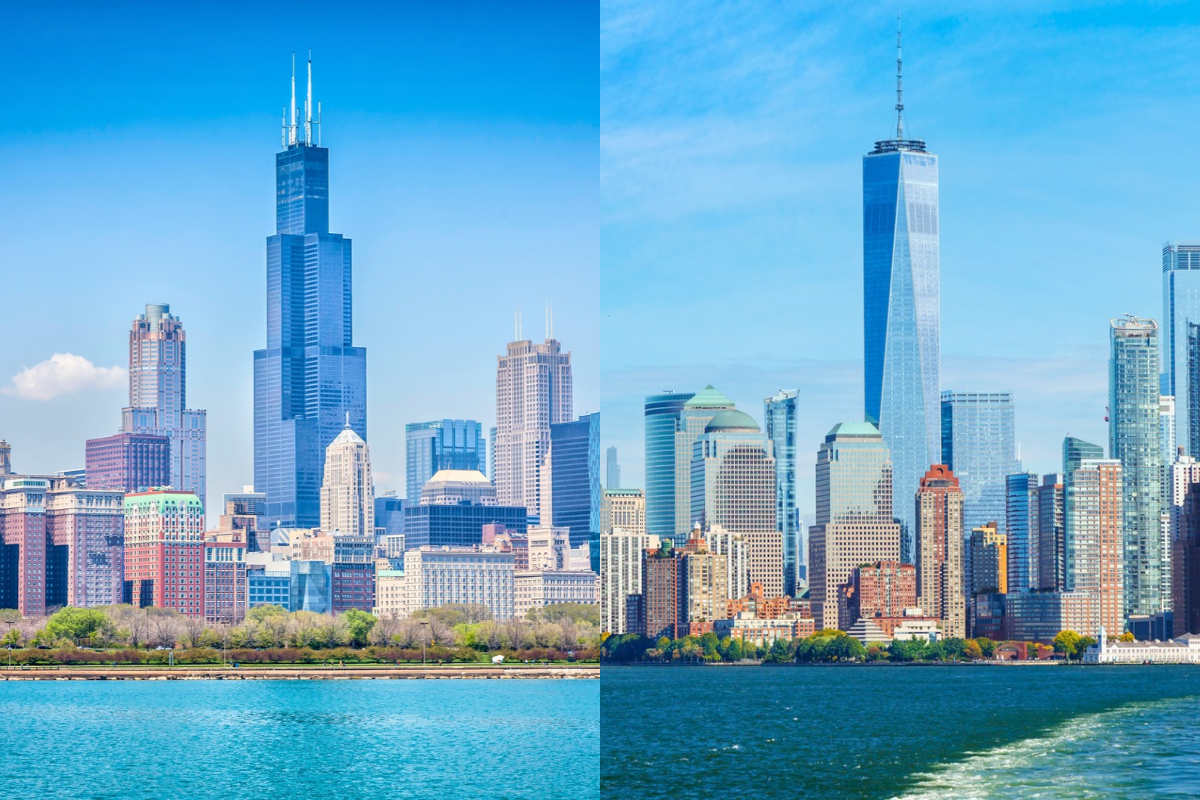
New York City is a spectacular place to spend a four-day weekend, drain your savings account, and shuffle shoulder-to-shoulder with two million other tourists. Living there is a completely different story.
So we asked the Hey Chicago community a pointed question: what does our city genuinely do better than the Big Apple? The answers came back fast and specific, covering everything from where the trash goes to what a $10 bill buys at a corner bar to how much it costs to reach the airport.
Honestly, it wasn’t a close competition. Here are 17 things Chicago simply does better than New York.
1. The Alley System (No “Garbage Juice”)
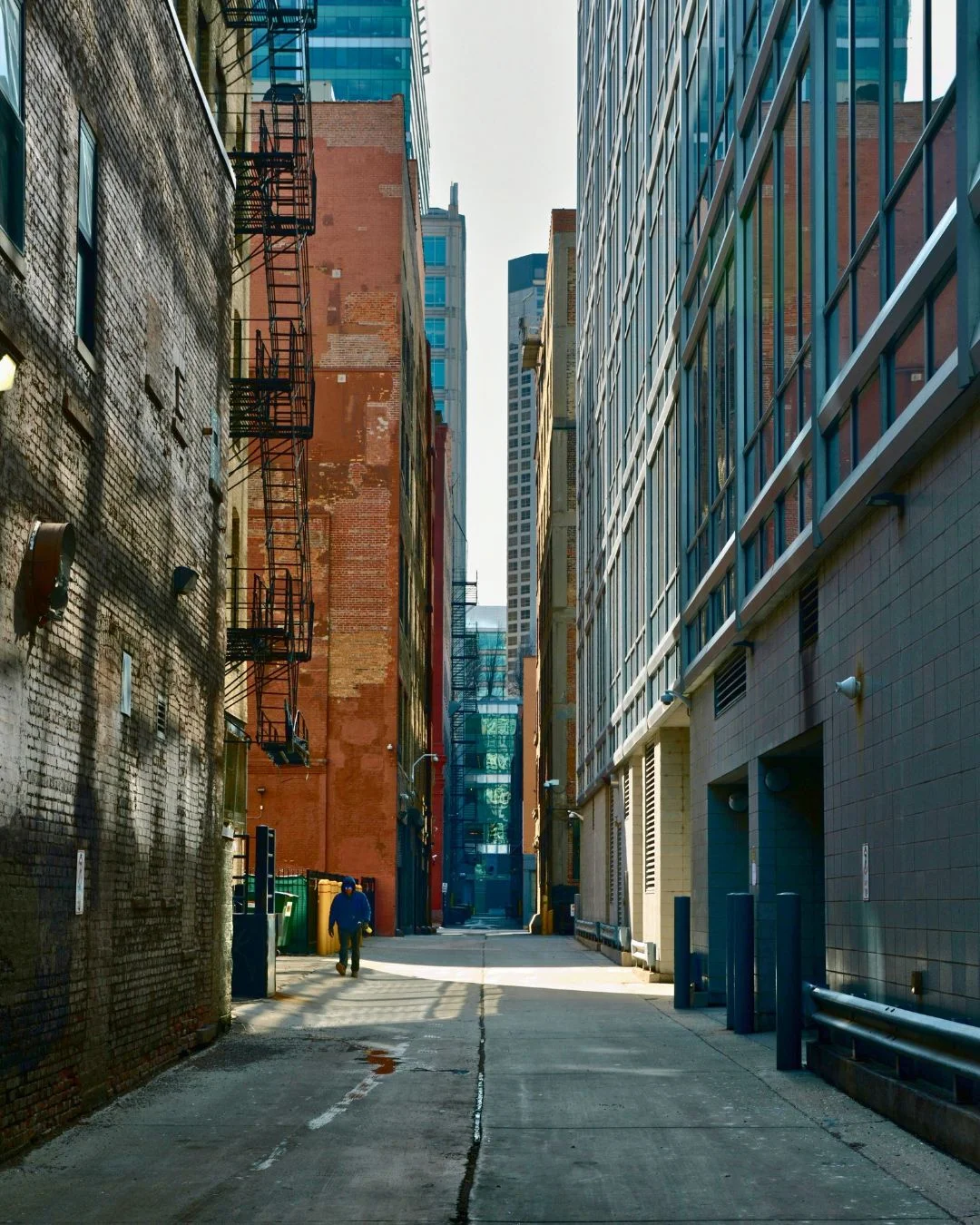
Manhattan in August smells like “garbage juice.” Chicago doesn’t, and the reason goes back to the 19th century.
 JM
AK
Thanks to early city planning and strict post-Great Fire building codes, Chicago expanded its grid with designated service lanes behind the buildings. The result is a comprehensive, 1,900-mile alley system, a secret weapon New York sorely lacks.
That sounds like a boring urban planning detail until you see what the alternative looks like. Because NYC has almost no alleys, residential and commercial trash gets piled directly onto the sidewalks where people walk.
Mountains of black bags and bins sit there marinating in 90-degree heat, leaking that affectionately named liquid across the pavement.
Here, our trash is hidden in the back, which means our sidewalks are actually for walking. It’s a structural advantage that changes the entire smell of the city, and if there’s one hill Chicagoans will proudly die on in this debate, it’s this one.
2. Housing with Actual Dignity
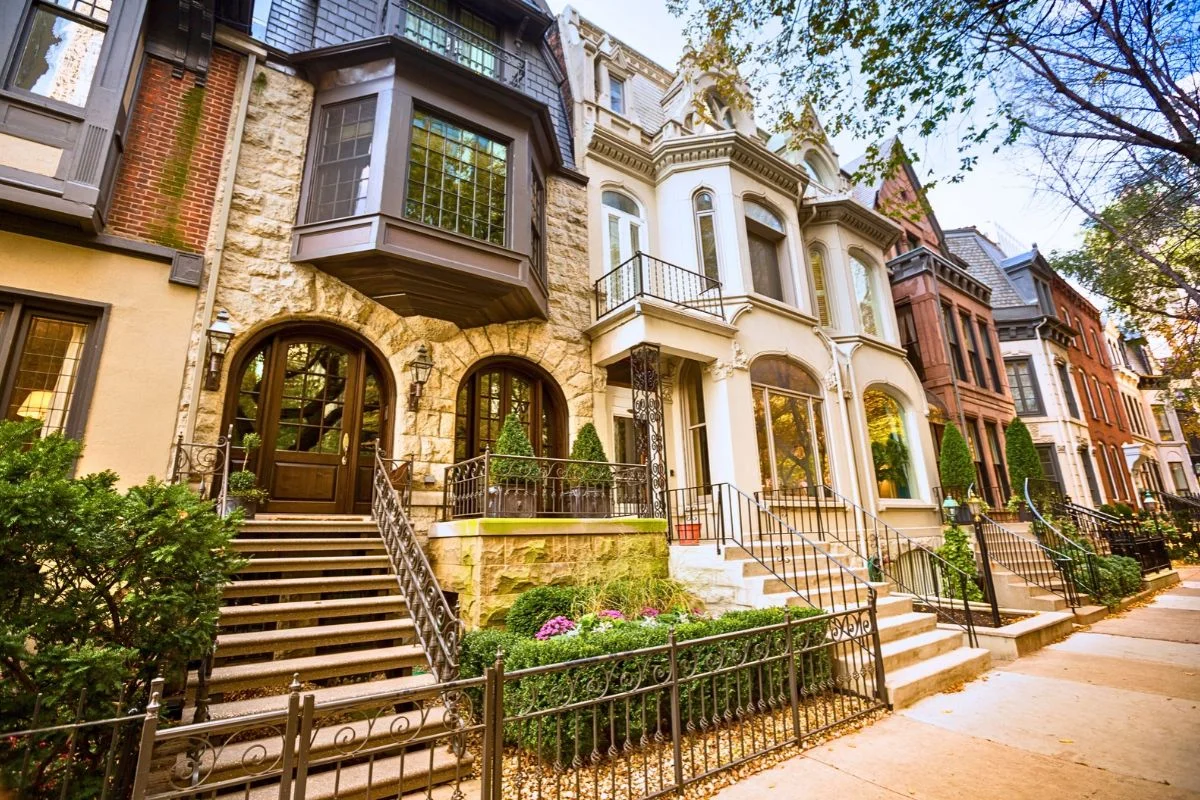
A dishwasher and a communal basement laundry room count as winning the lottery in New York. Here, they’re the bare minimum.
That fourth-floor walk-up New Yorkers fight over would barely register on a Chicago apartment listing. A regular place in a cool neighborhood often comes with central air, your own washer and dryer, a back porch, and maybe even a parking spot.
The price difference between these two cities isn’t just a number. It completely dictates your quality of life.
You don’t need a Wall Street salary to live like an actual adult here. Transplants still have a list of things they wish they’d known before moving, but “where do I do laundry” is never on it.


3. The Flawless Grid System
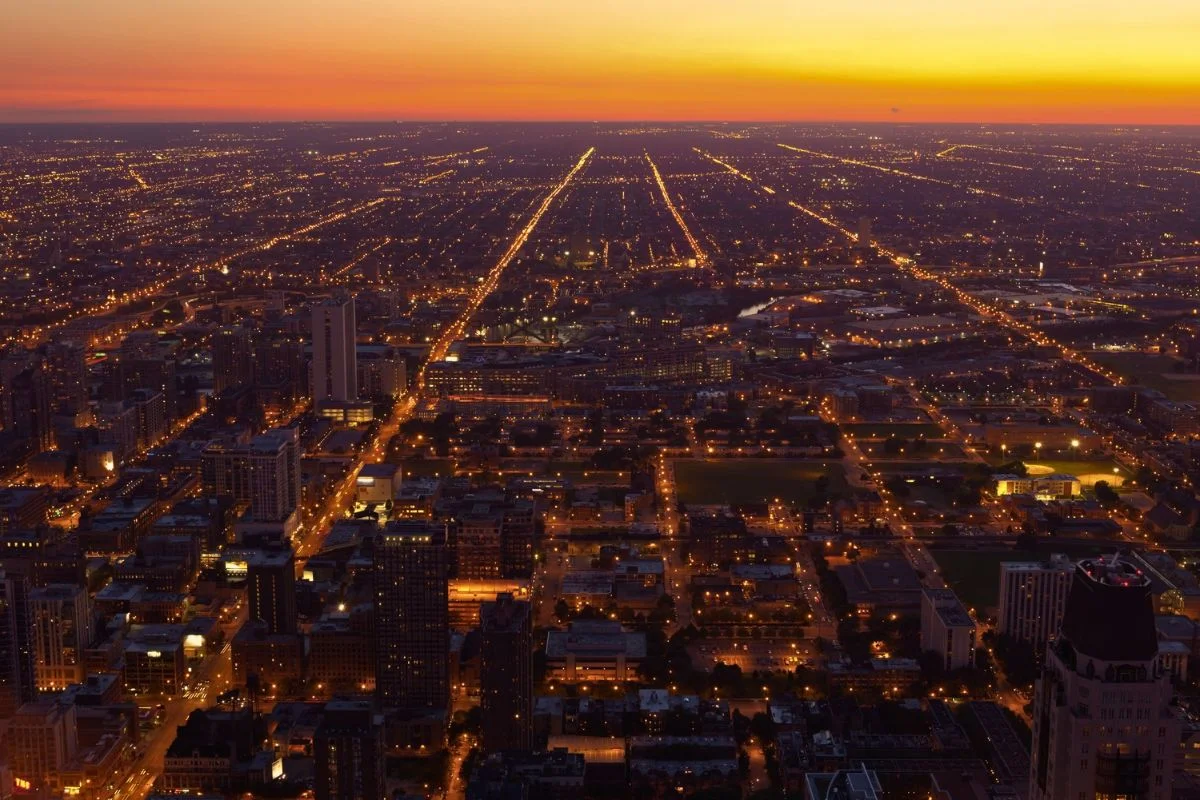
State and Madison is ground zero. Every eight blocks equals exactly one mile. And if you ever get turned around, you just look for the giant body of water.
Lake Michigan is always East. Period.
New York might have a subway train arriving every three minutes, but Chicago wins on pure geographic logic. The whole city is built on a grid that simply makes sense.
That logic extends to driving. In NYC, owning a car is a nightmare reserved for the super-rich or the clinically insane. Here, it’s a normal option: you can own one, park it at the grocery store, and escape to the suburbs without suffering a total mental breakdown.
4. The Lake Beats the Ocean
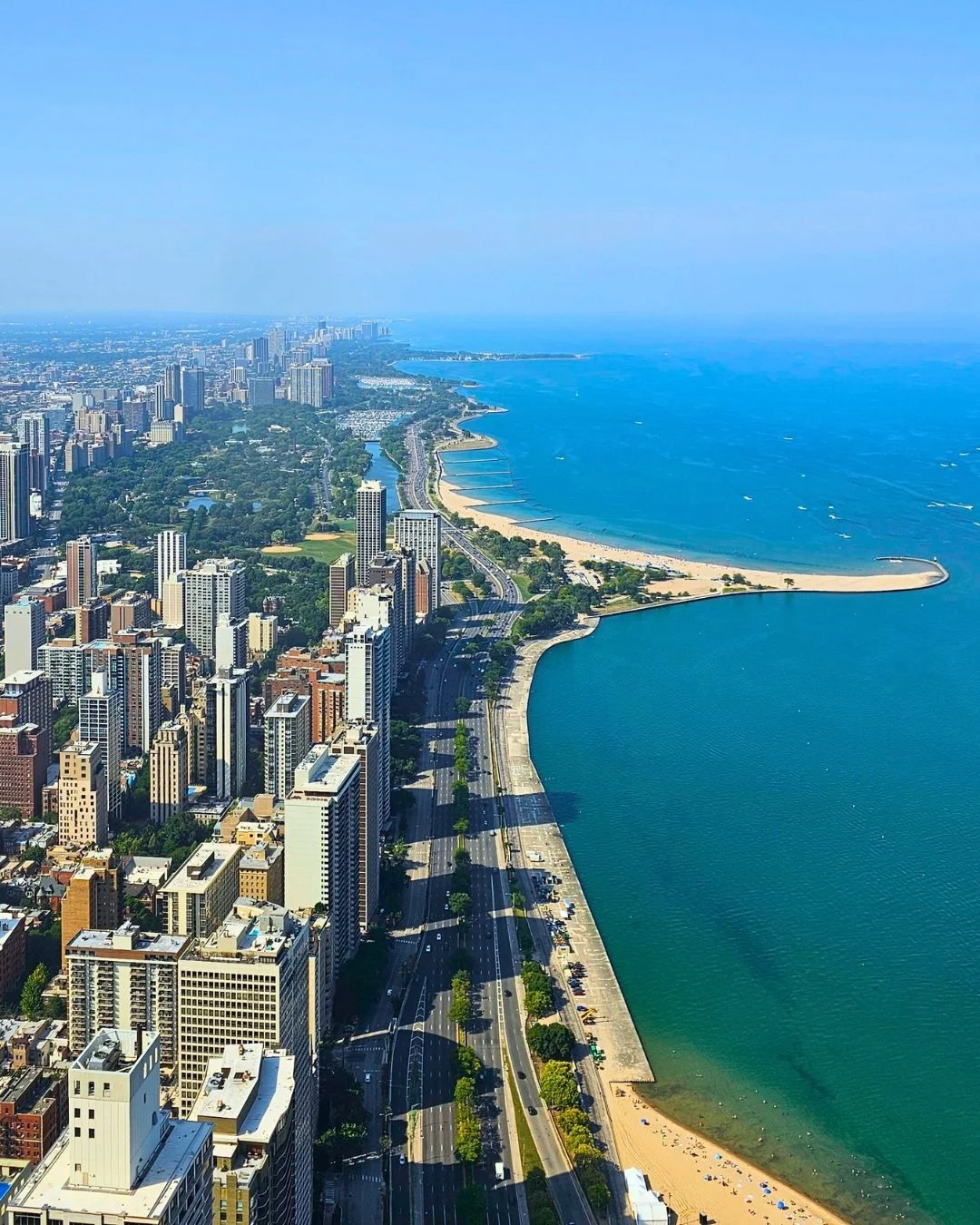
Ten minutes. That’s how long it takes to leave an office in the Loop and be lying on the sand at Oak Street Beach.
New Yorkers love to brag about being on the coast, but anyone who has actually tried to go to the beach there knows the reality: a miserable, sweaty, hour-long train ride to Coney Island or the Rockaways, just to fight for a six-inch patch of sand.
Our beaches are literally touching our downtown skyscrapers.
Even better, Lake Michigan is fresh water, meaning no salt stinging your eyes and no jellyfish to worry about.
Plus, our 18-mile Lakefront Trail is completely uninterrupted by cars, buffered by massive public parks stretching the length of the shoreline.
5. The “Middle Tier” Restaurant Scene
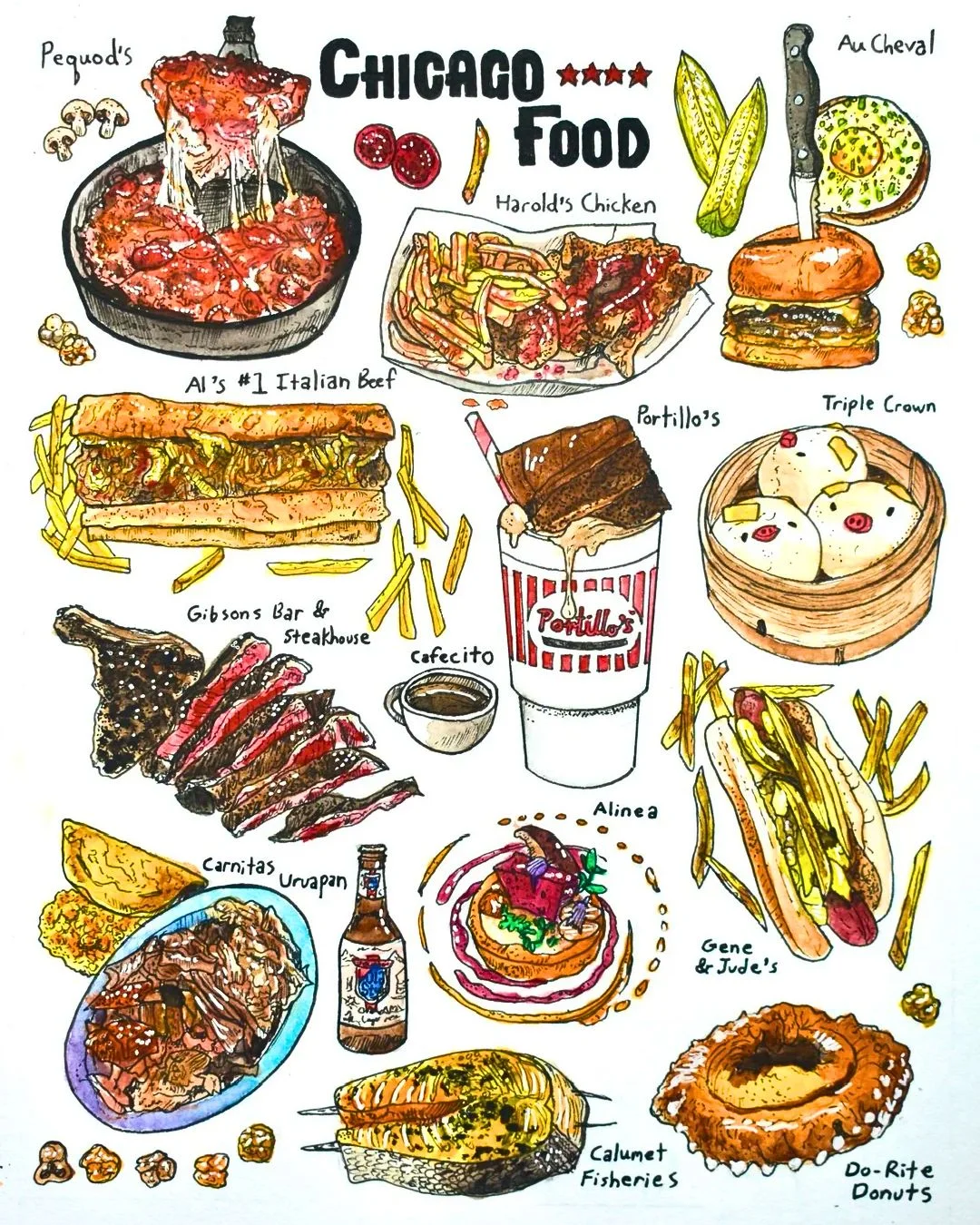
The restaurants between the street cart and the tasting menu are where New York falls apart, and where Chicago lives.
NYC has the sheer volume, no question. But the general consensus is that its “middle ground”—the stuff between cheap carts and ultra-expensive fine dining—is often overpriced and disappointing.
Here, that sweet spot is our entire culinary identity. Walk into a neighborhood spot in Logan Square or Pilsen and you’ll get an incredible, Michelin-level dinner for a fraction of the price of a Manhattan equivalent.
The food here hits harder, costs less, and rarely requires a reservation made three months in advance.
Want names? Start with the famous Chicago restaurants that actually earn their reputation.
6. Architecture You Can Actually See
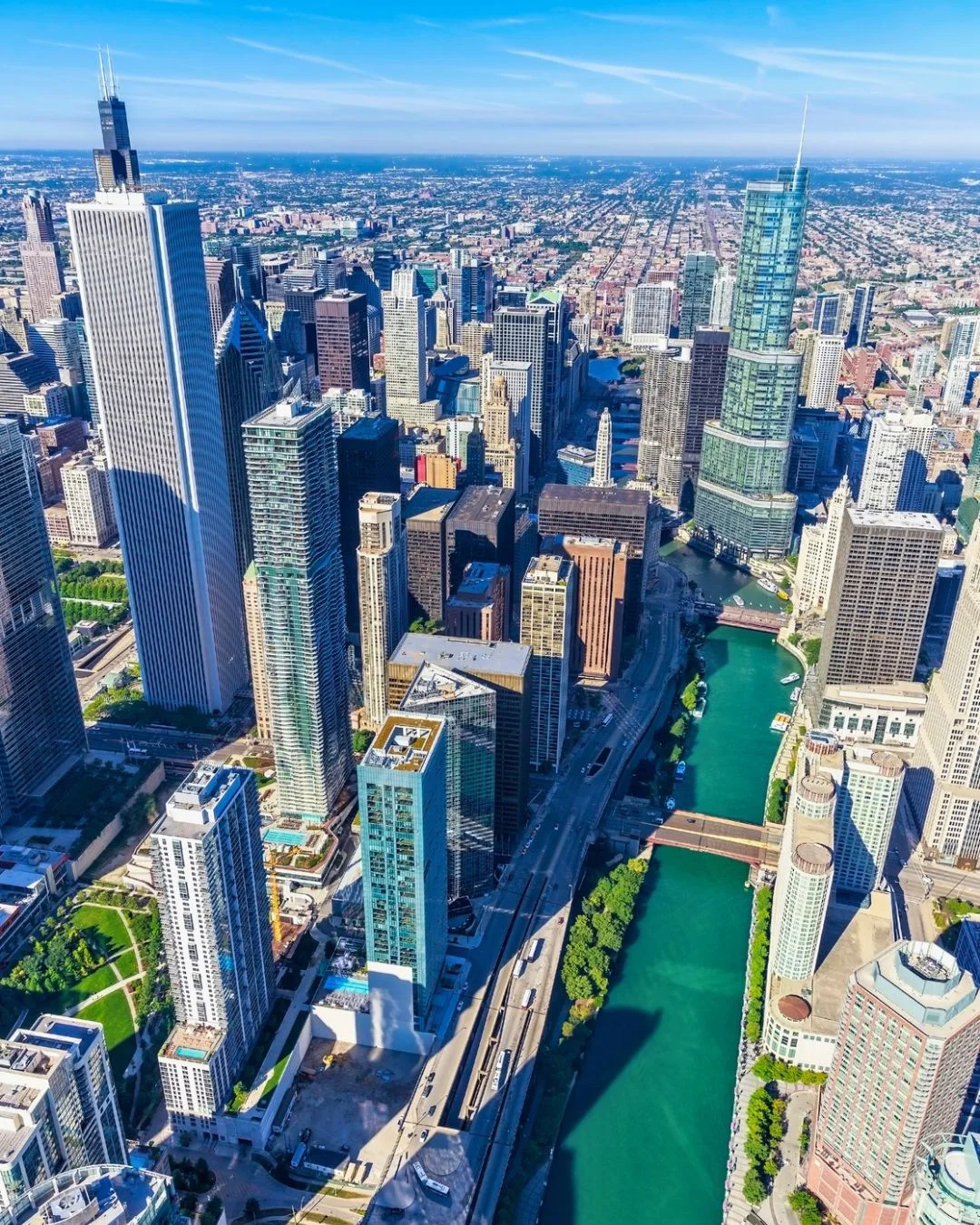
The modern skyscraper was born here, and we built the city so you could actually look at it.
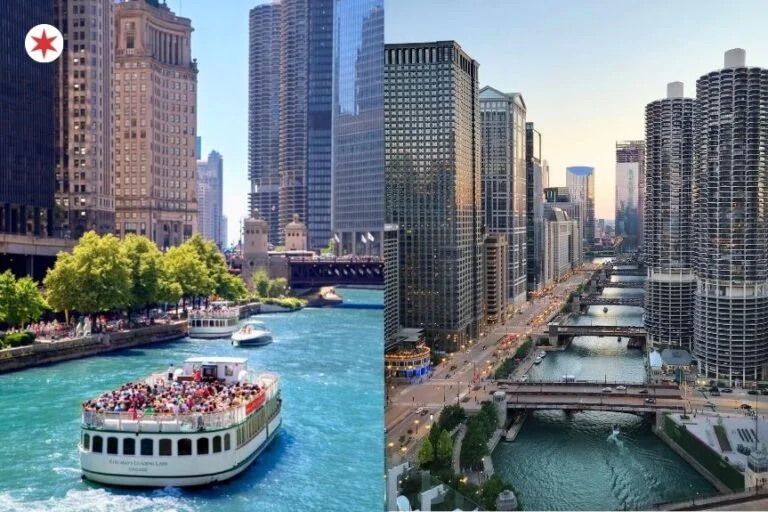
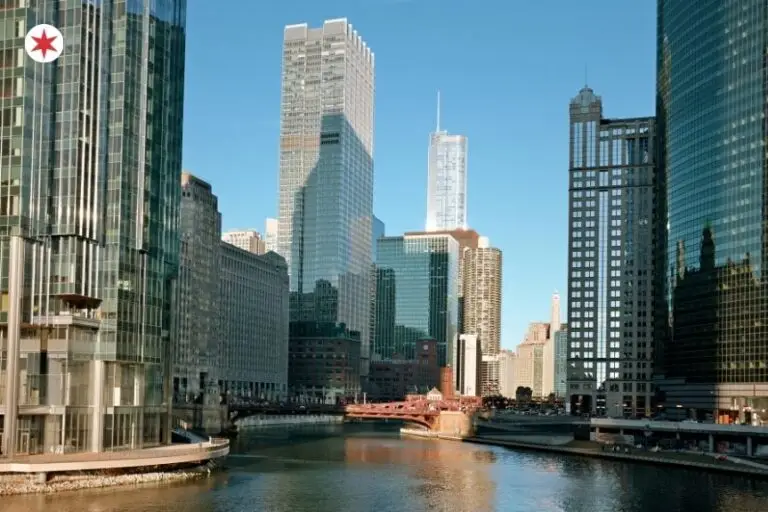
New York is a concrete canyon. Chicago is an open-air museum. Because our streets are wider and our buildings are strategically set back from the Chicago River, you see the skyline instead of staring at a wall of steel.
We prioritize style and space over just packing things in.
Looking up at the Sears Tower (aka Willis Tower) from the river feels awe-inspiring, not claustrophobic.
The city feels open and designed. There’s a reason the Chicago Architecture River Cruise is the one tourist activity locals willingly do with their visiting families: it really is that stunning.
7. Real Neighborhoods (With Actual Trees)
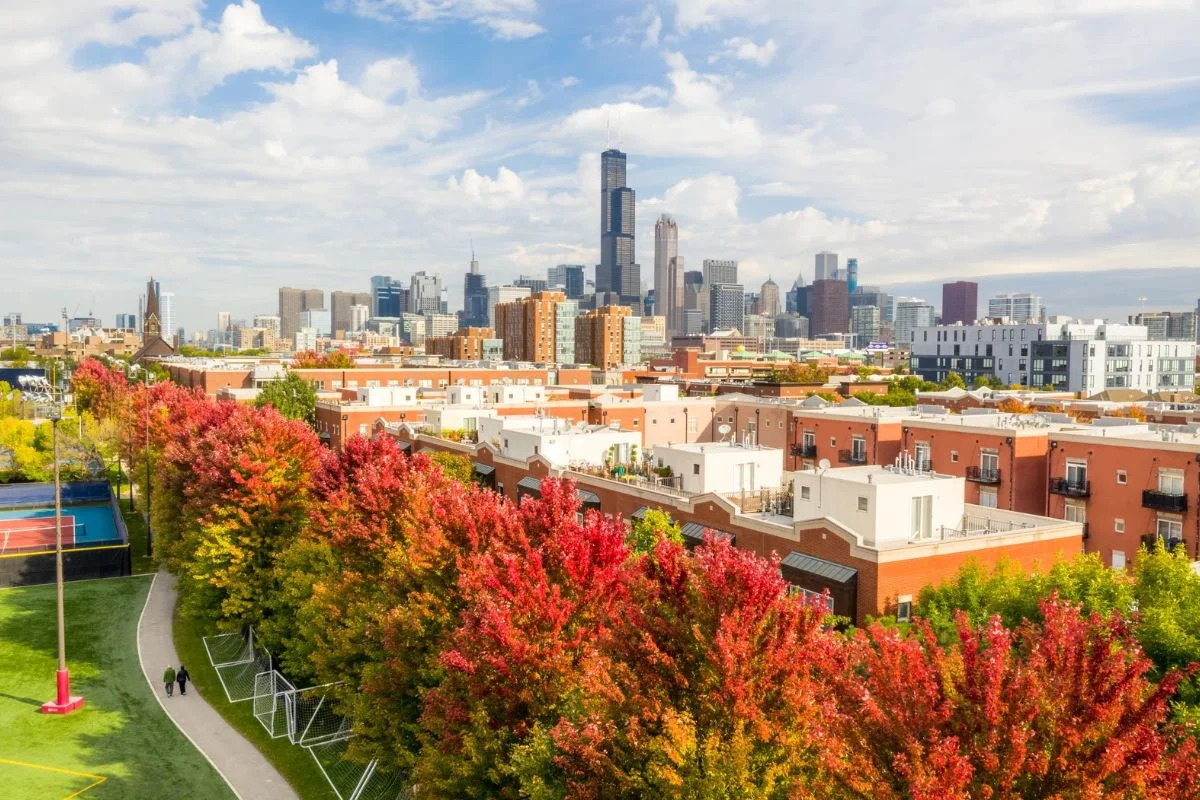
Chicago has 77 distinct community areas, and each one behaves like its own small town.
The downtown Loop is just the beginning. While New York often feels like one massive, endless sprawl, spots like Andersonville, Lincoln Square, or Hyde Park have completely unique cultures of their own.
You get massive, old-growth trees lining the streets. You get front porches, backyards, and gangways.
It feels less like a concrete jungle and more like a real community where you can put down roots. The trick is knowing which neighborhoods locals actually hang out in, because the tourist map barely scratches the surface.
8. The Corner Dive Bar Culture

Slap a $10 bill on the wood and you get a beer, a shot of Malört, and money left over for the jukebox.
Try that in New York, where dive bars are either closing down or charging $10 for a domestic beer.
In Chicago, the neighborhood corner tavern is a protected institution. Thanks to old zoning laws, bars sit directly in the middle of residential streets.
Walk out of your house, stroll past three bungalows, and pull up a stool at a bar that has been pouring Old Style since 1950.
It’s unpretentious, glorious, and completely impossible to replicate anywhere else.
9. Stadiums Built in the Neighborhoods
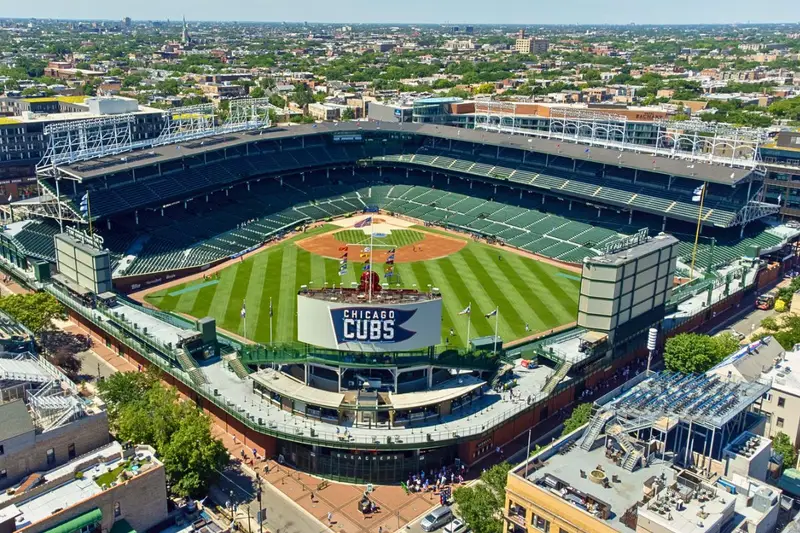
You can literally watch a Major League Baseball game from bleachers built on top of a three-flat apartment building across the street.
New York has historic teams, but it doesn’t have a stadium dropped right in the middle of a dense residential neighborhood. Wrigleyville simply cannot be replicated.
Whether you root for the Sox down south or the Cubs up north, sports here are a religion based on loyalty, not just winning.
Game day takes over the entire neighborhood, making it a bucket-list event even if you don’t care about baseball at all. Just go in knowing the rookie mistakes that ruin a day at Wrigley, because the regulars will notice.
10. Summer Street Festivals
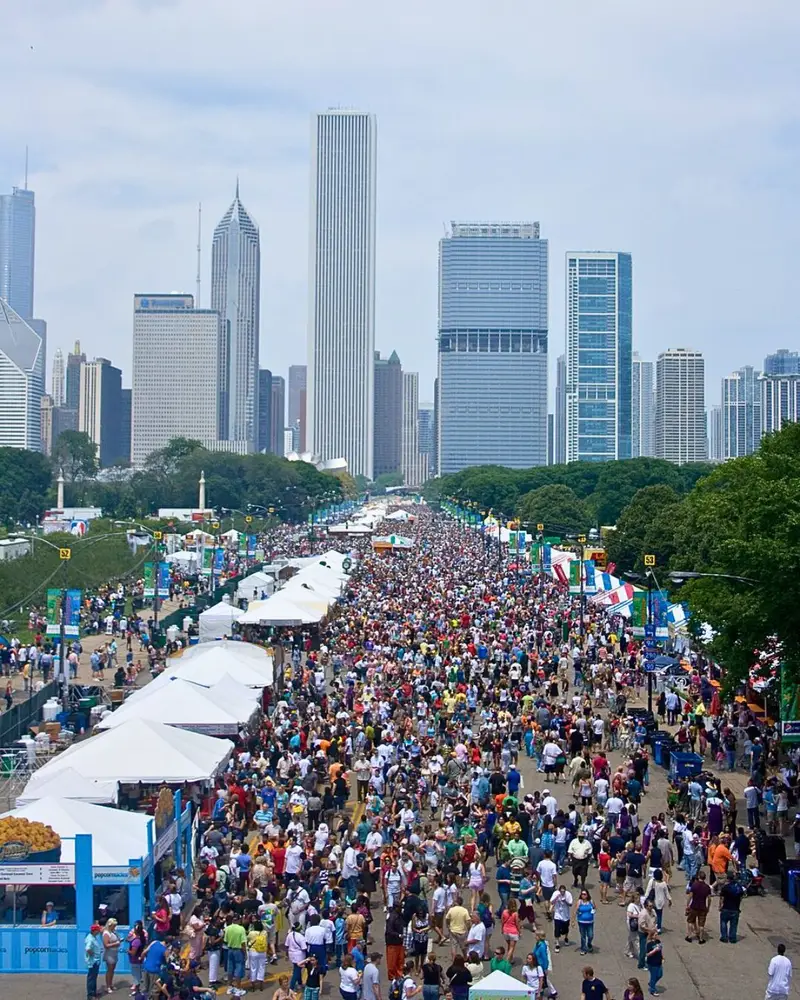
Every single weekend from May to September, a different neighborhood shuts down its main commercial street.
Do Division, Taste of Randolph, Square Roots, Ribfest—the list goes on forever. Because Chicagoans suffer through actively hostile winters, we treat summer like a massive, city-wide celebration, and nobody does street festivals better.
Unlike NYC, where events are often heavily ticketed, crowded, and corporate, Chicago street fests are free to enter or just ask for a $10 suggested donation at the gate.
You walk in, grab a local beer, and watch incredible live music in the middle of the street with your neighbors.
11. Airport Accessibility
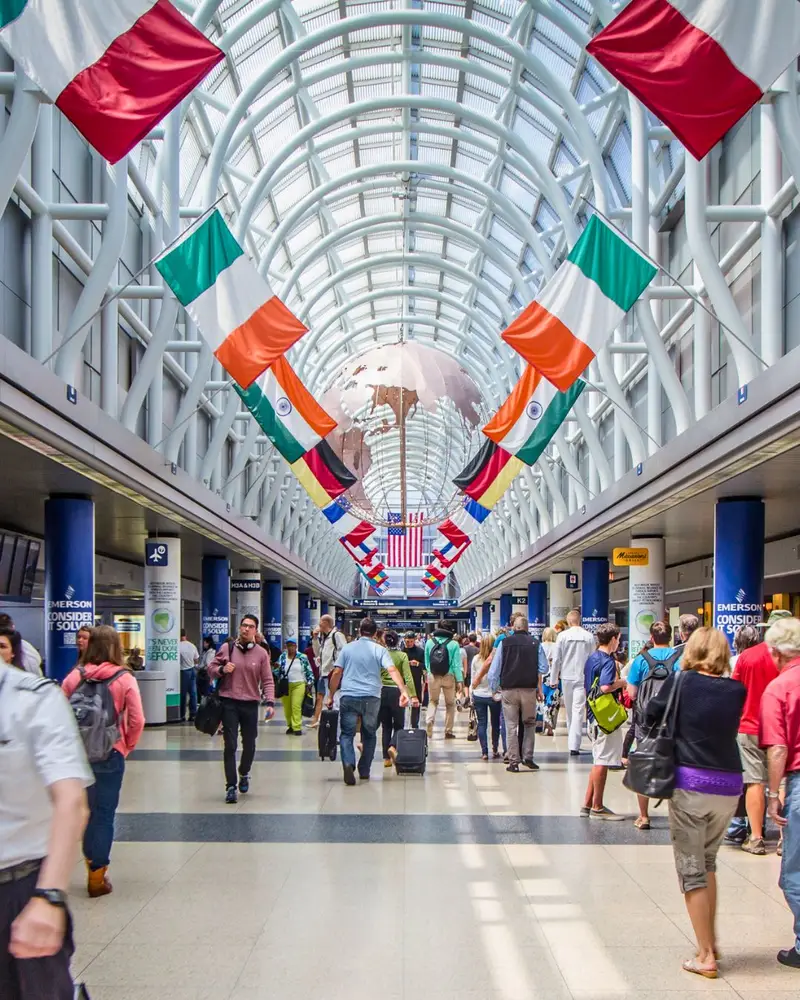
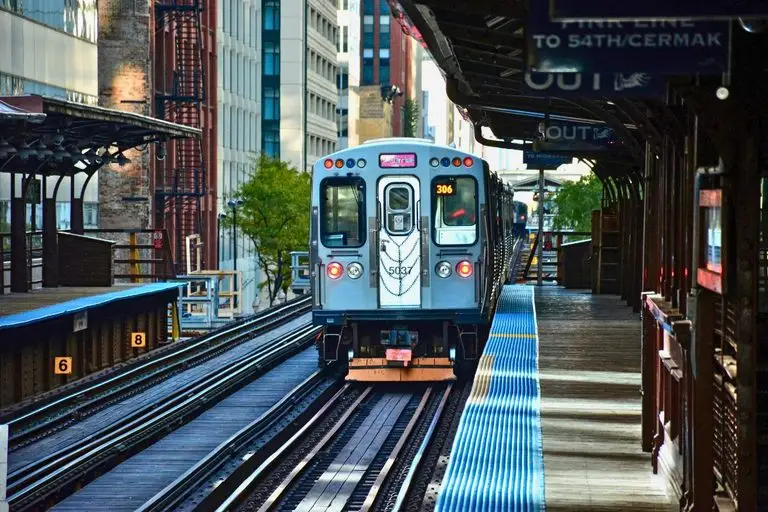
Two-fifty gets you from downtown straight into O’Hare International Airport or Midway on the ‘L’ (and it’s just five bucks when heading into the city from O’Hare).
Compare that to reaching JFK or LaGuardia, an expensive, soul-crushing nightmare of traffic and tolls. Both of Chicago’s major airports connect directly to the city through the CTA: the Blue Line runs straight into O’Hare, and the Orange Line does the same for Midway.
Are the ‘L’ trains perfect? No. Sometimes they smell weird, and “ghost trains” on the tracker are a real daily frustration. First-timers will want a quick primer on riding the ‘L’ before they tap in.
But the train skips the brutal traffic on The Kennedy and The Stevenson entirely, saving you a $70 Uber ride.
12. The “Midwest Nice” Reality

A New Yorker might help you fix a flat tire while calling you an idiot.
A Chicagoan will grab a shovel and help push your car out of a snowbank without saying a word, just because it’s the right thing to do.
People love to debate “Midwest Nice” versus “East Coast Blunt,” but the difference on the street is very real. Bartenders actually want to chat. Strangers say hello on the sidewalk.
The vibe feels less like a battle for survival and more like a massive small town where people look out for each other.
13. The Superior Hot Dog

Ask for ketchup and we will rightfully ask you to leave.
New York has the dirty water dog. It’s fine if you are starving at 2 AM, but it’s an absolute joke next to a Chicago Style Hot Dog.
We take a premium Vienna Beef frank, snap it into a steamed poppy seed bun, and “drag it through the garden”: yellow mustard, neon green relish, chopped onions, tomato slices, a pickle spear, sport peppers, and a dash of celery salt.
It is a perfectly balanced, multi-textured masterpiece. Locals argue endlessly about who makes the best one, but nobody argues about the ketchup rule.
14. Thin Crust (aka Tavern Style) Pizza
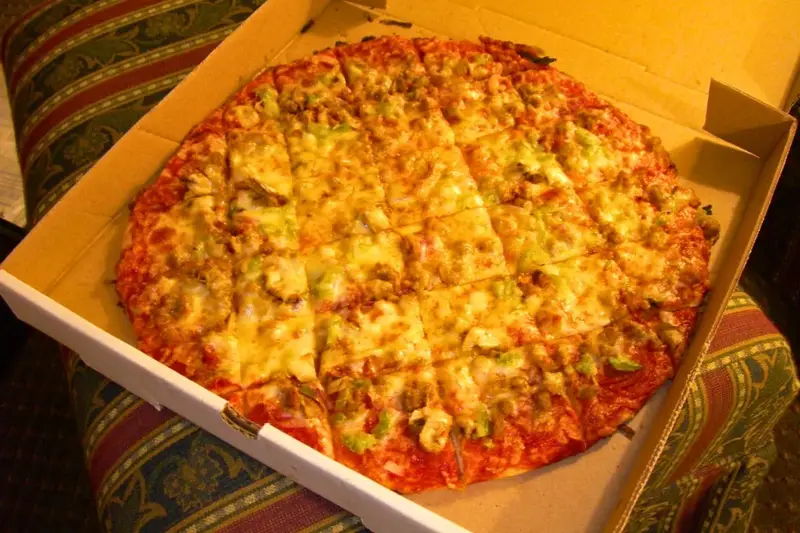
The pizza Chicagoans actually eat is cracker-thin and cut into squares.
Tourists always assume this city is all about deep dish. Locals know the truth: the real Chicago pizza is Thin Crust, aka Tavern Style, and there’s a whole history behind the square cut.
Picture a crispy crust loaded with sauce and cheese right to the edges, sliced into perfect little squares. You hold one in one hand and a cold beer in the other.
New York slice culture is great; we won’t deny that. But this is the ultimate social food, and once you get hooked on the crispiness of a Chicago tavern pie, folding a greasy New York slice just doesn’t hit the same.
We polled locals on Chicago’s best thin crust, and the answers were fiercely specific.
15. The Downtown Riverwalk
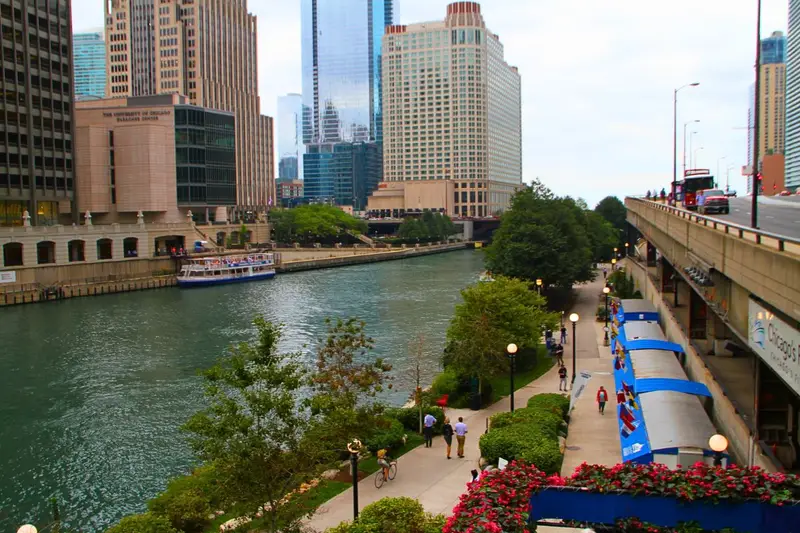
We took an industrial, working river that cuts straight through the heart of our downtown skyscrapers and turned it into a multi-level, pedestrian-only paradise.
New York has the High Line. Chicago has the Riverwalk, where you can stroll for miles right on the water’s edge, passing wine bars, public art, and kayaking docks while the city towers above you.
It is one of the greatest urban planning achievements in modern American history, and it makes walking through downtown an actual joy.
16. The Underground Pedway
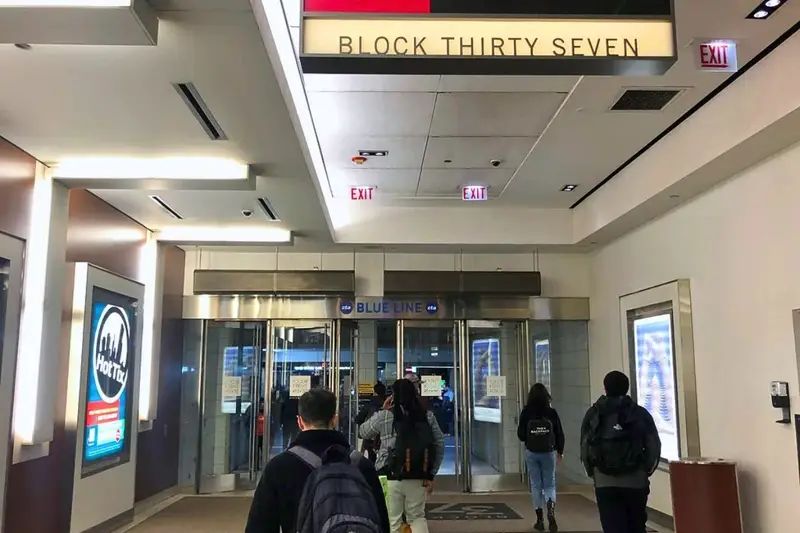
When it’s 10 degrees below zero, you can step off the ‘L’ and walk four blocks to your office without ever putting on a coat or feeling a single gust of wind.
Chicago winters are actively hostile, so we built a cheat code: a 40-block underground network called the Pedway that connects train stations, skyscrapers, and government buildings.
Is it a confusing, disjointed maze that sometimes smells weird and randomly closes at 5 PM? Yes.
But it exists. If you work in Manhattan, you’re forced through the slush and wind tunnels to get to your office no matter what. New York winters are cold, wet, and miserable, and New Yorkers just have to freeze.
17. We Aren’t Trying to Be Anyone Else
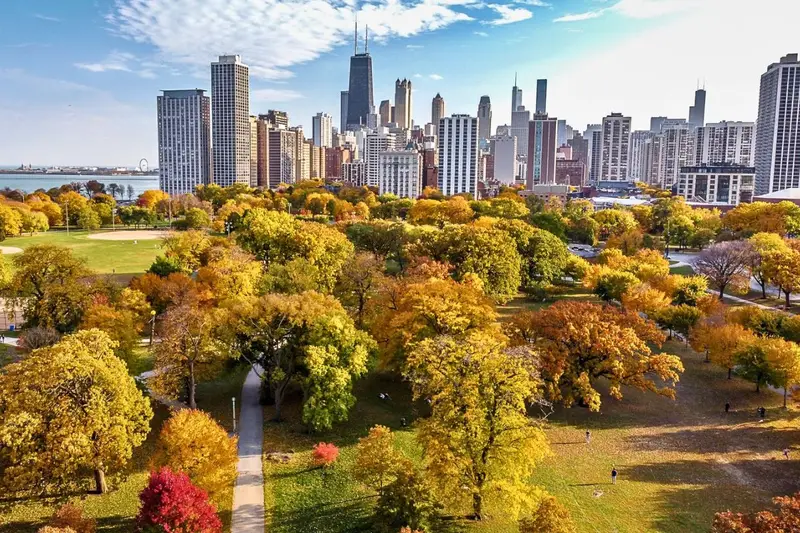
People move to New York to be someone. They move to Chicago to live.
That old saying holds up. The vibe here is simply less frantic, without the constant, exhausting pressure to be working on the “next big thing” every second of the day.
While New York can feel transient—a temporary stop on a career ladder—Chicago feels like a home.
We know exactly who we are. We are fiercely loyal. We still call it the Sears Tower (aka Willis Tower) and Field’s (aka Macy’s), and we refuse to change.
People settle down, build real friend groups, and stick it out through the winters together.
That creates a bond you just don’t find in a city of transients. And we wouldn’t trade it for anything.
What did we miss? Tell us what Chicago does better than NYC in the comments below!
JM
AK