
The world thinks Chicago runs on deep-dish pizza, but the ultimate local contradiction is that the heavy pies are a tourist trap while real Chicagoans exclusively eat cracker-thin crust cut into tiny squares.
This isn’t an urban legend—the “tavern cut” is a heavily documented, working-class tradition born in the neighborhood saloons of the 1930s and 1940s.
You can still find the undisputed blueprint for this culinary phenomenon hiding inside the faux-wood-paneled dining room of Vito & Nick’s Pizzeria at 8433 S. Pulaski Road in the Ashburn neighborhood.
The iconic grid cut wasn’t a chef’s aesthetic choice, but rather a deceptive economic loophole designed by bar owners to force stockyard workers to drink more beer.
The Prohibition Speakeasy Blueprint
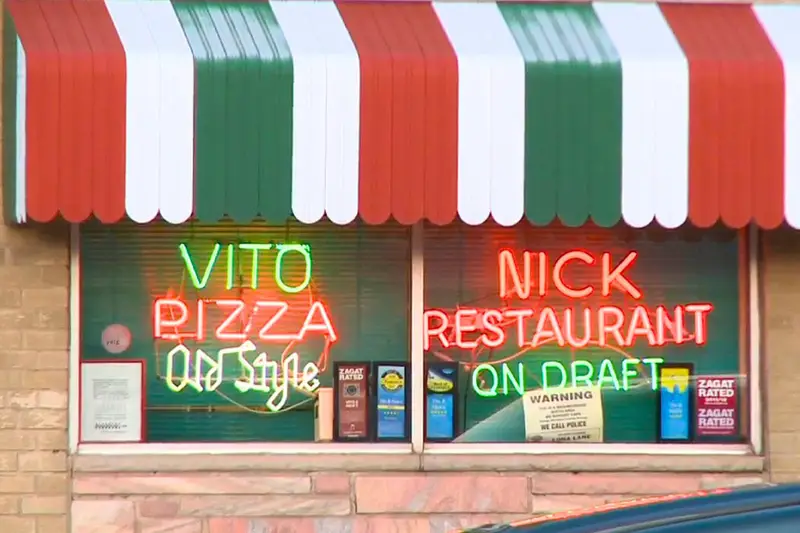
For generations of Chicagoans, the term “tavern-style” didn’t even exist. Locals simply called it “thin-crust” or “party-cut” long before modern food writers rebranded it.
The true architect of this South Side staple was Vito Barraco, a Sicilian immigrant who launched a Near West Side speakeasy in 1920. His original saloon sat at 2708 W. Congress Parkway, a site that was eventually obliterated to pave the Eisenhower Expressway.
The pizza pivot happened in 1945 when Vito’s son, Nick Barraco, returned from World War II. Nick convinced his mother, Mary Barraco, to develop a cracker-thin dough and raw-sausage recipe in 1946.
Meanwhile, fierce rivals like Mary Grittani and Nick Perrino were baking free thin-crust pies at Home Run Inn in Little Village. The two families locked into a perpetual historical duel over who truly institutionalized the cut.
The Free-Food Beer Trap
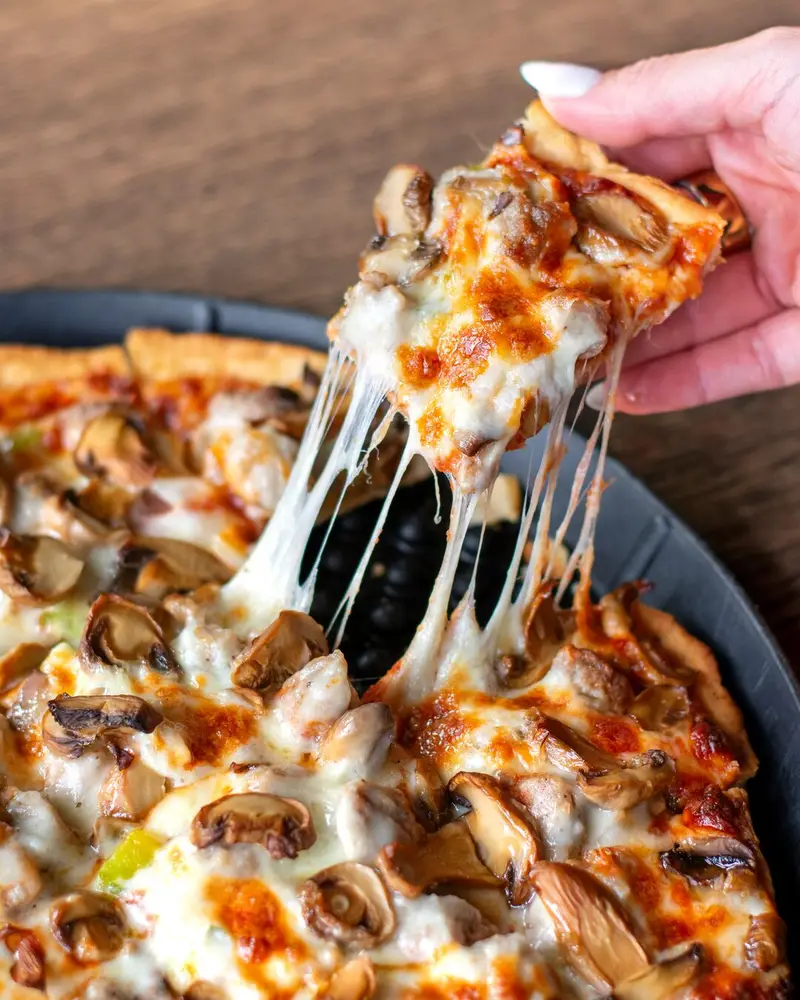
The square cut was an ingenious economic strategy. Tavern owners passed around free, heavily salted, bite-sized squares of pizza on cocktail napkins to keep patrons thirsty.
Rose Barraco George, the 73-year-old third-generation matriarch of Vito & Nick’s, confirms her grandfather’s brilliant scheme. “My grandfather discovered the more pizza he left out, the more beer the customers would drink,” she notes.
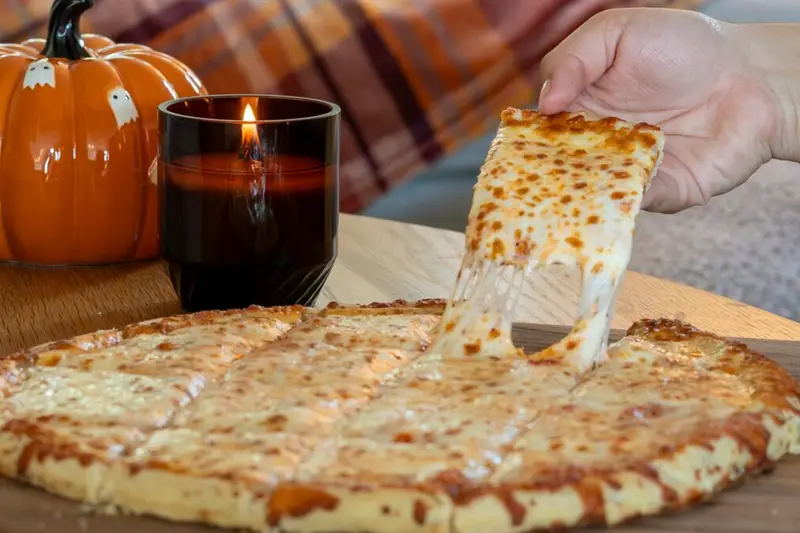
Slicing a 14-inch round pizza into a grid of 16 to 25 square bites eliminated the need for plates or forks. Bartenders despised washing dishes, and the grid cut allowed a patron to balance an Old Style beer in one hand while popping a two-bite square with the other.
These were designed as commuter snacks, not full meals. Working-class men leaving the South Side railyards could grab two squares and a draft without ruining the dinner waiting for them at home.
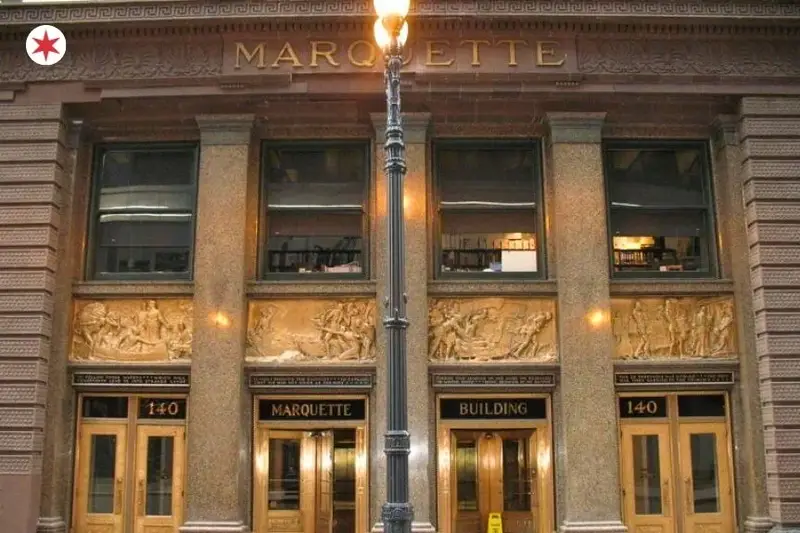
10 Hidden Architectural Details Chicago Locals Walk Past Every Day (But Tourists Never Notice)


The Structural Engineering of Sag
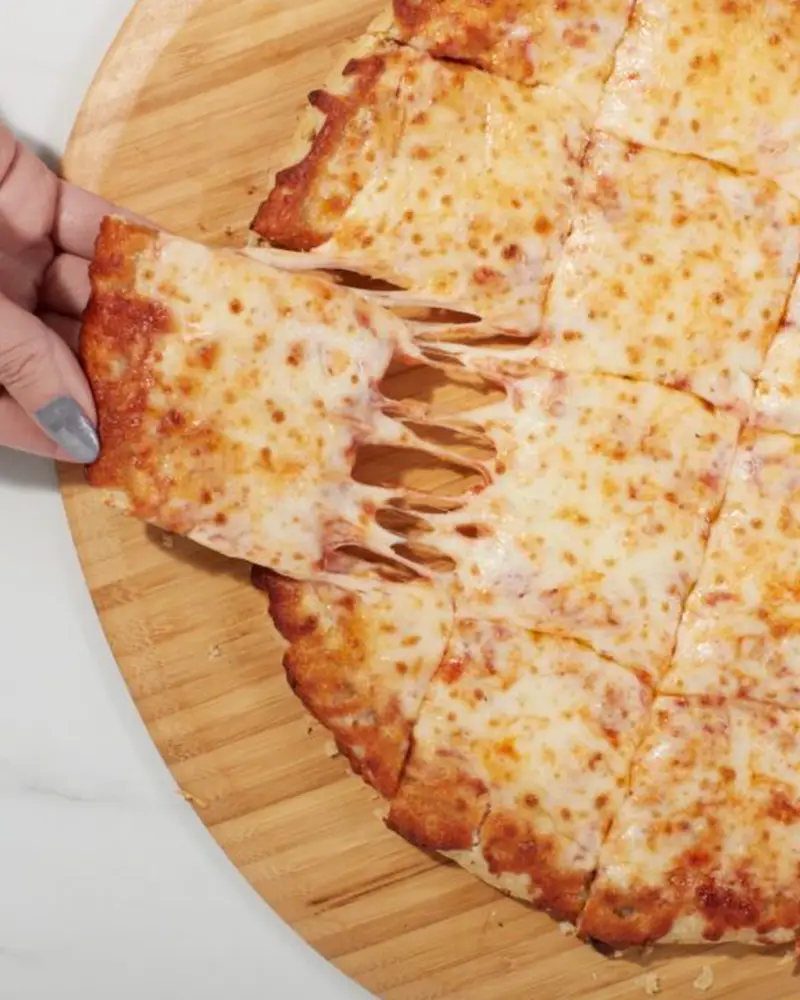
Beyond the barroom hustle, the grid cut solved a massive engineering flaw.
Chicago thin-crust is notoriously heavy, demanding a dense layer of full-fat shredded Wisconsin mozzarella and massive chunks of hand-pinched raw Italian sausage.
If you slice a heavily laden, ultra-thin crust into traditional New York-style triangles, the wedge instantly fails. The tip sags under the immense weight, dumping molten cheese and grease directly into your lap.
Slicing the pie into rigid 2×2-inch squares gives the cracker crust enough structural integrity to hold the heavy toppings perfectly flat. This grid system also birthed an unspoken internal civil war at every Chicago family table.
The corner hunters demand the crispy, crunchy perimeter pieces featuring two sides of deeply caramelized, charred-cheese crust. Meanwhile, the center square loyalists fight for the crustless, molten zones of pure cheese and sausage that require precise two-finger balancing.
The RC Cola Bloodline
You cannot talk about authentic Chicago thin-crust without acknowledging the ultimate 1970s rite of passage. Independent pizzerias couldn’t afford the steep supply chain costs of Coca-Cola or Pepsi.
RC Cola swooped in, forming an iron-clad promotional partnership with neighborhood joints across the city.
Ordering a large pizza on a Friday night meant it automatically arrived with a free, lukewarm 1-liter plastic bottle of RC Cola taped to the cardboard box.
Today, the style remains fiercely divided by neighborhood geography.
The Southwest Side favors a concrete crust—an ultra-rigid, dusty, cornmeal-bottomed pie baked in old deck ovens until black and charred.
Up on the North Side, spots like Candlelite serve a pastry-laminated crust that is multi-layered, buttery, and flaky.
Deep-dish might grab the international headlines, but the square cut remains the undisputed king of Chicago.
The Tavern Pizza Visitor Guide
Vito & Nick’s Pizzeria
Address: 8433 S. Pulaski Rd, Chicago, IL 60652 (Ashburn).
The Vibe: The ultimate time capsule. Unchanged since 1965, featuring faux-wood paneling, retro neon Old Style signs, and carpeted walls. Cash only.
Candlelite Chicago
Address: 7452 N. Western Ave, Chicago, IL 60645 (Rogers Park).
The Vibe: Opened in 1950, this North Side institution is famous for its glowing vintage neon sign, garlic fries, and a cracker-thin tavern crust that has kept locals coming back for over seven decades.
Pat’s Pizza
Address: 2679 N. Lincoln Ave, Chicago, IL 60614 (Lincoln Park).
The Vibe: Operating since 1950, Pat’s rolls their dough so incredibly thin it requires a double-bake process just to survive the heavy rocker blade.
Home Run Inn (Original Location)
Address: 4254 W. 31st St, Chicago, IL 60623 (Little Village).
The Vibe: The historic rival hub where the Grittani and Perrino families first started handing out free bar pies in the early 1940s.