The number on your weather app is lying to you.
When the forecast says 25 degrees, the wind coming off Lake Michigan will make it feel like absolute zero, and no app will tell you that a lawn chair sitting in a plowed parking space is a binding contract.
Because of the lake, Chicago experiences a “wet cold”—damp air conducts heat away from your body much faster than dry air, meaning the chill seeps straight through standard fabrics and into your bones.
Chicago runs on a whole set of winter rules nobody writes down, from where to stand on an “L” platform to why a cloudless January morning is bad news.
Learn them and you’ll reach spring with your toes, your car, and your sanity intact. Ignore them and the city will find a way to let you know. Here’s how locals get through five months of gray skies and sideways snow without just surviving it, but actually enjoying it.
1. Respect the Sacred Law of “Dibs”
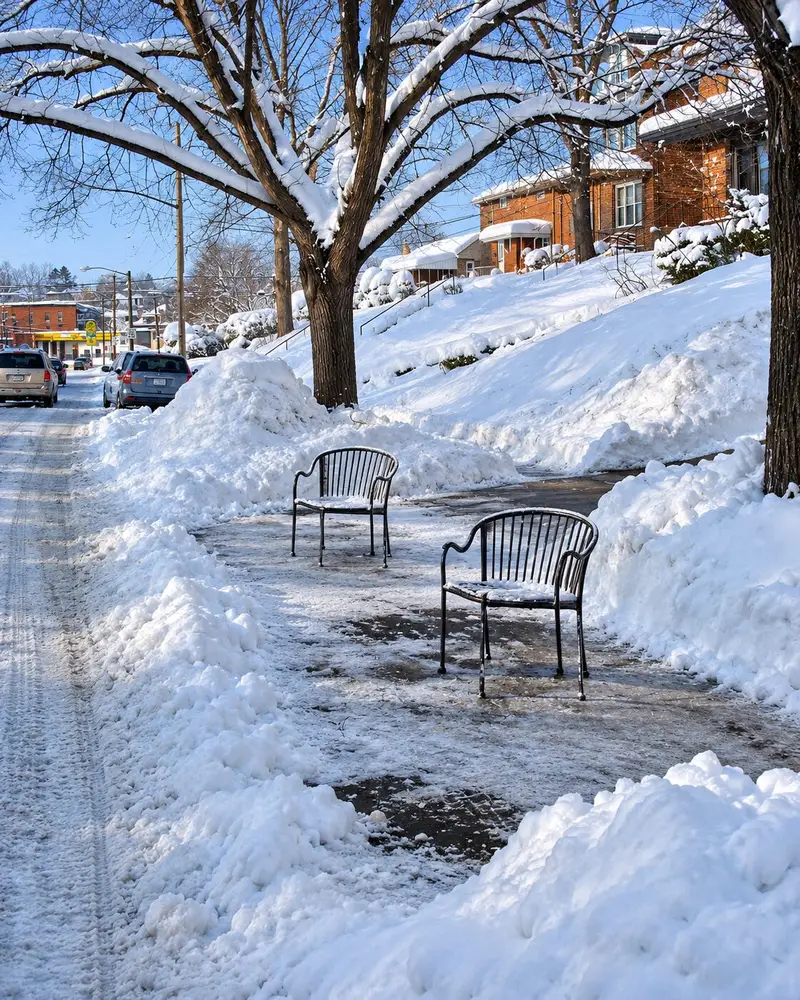
A folding chair in the middle of a shoveled parking space is not litter. As far as the block is concerned, it is a deed.
When it snows here, street parking becomes a competitive sport. Spend an hour digging your car out of a snowdrift and you have earned that spot, and you mark your claim with whatever is lying around the house.
Folding chairs are the classic, but you’ll also see laundry baskets, ironing boards, lawn ornaments, and buckets of cement guarding hard-won territory. The practice is called “dibs,” and it sits near the top of the Chicago slang you’ll need to pass as a local.
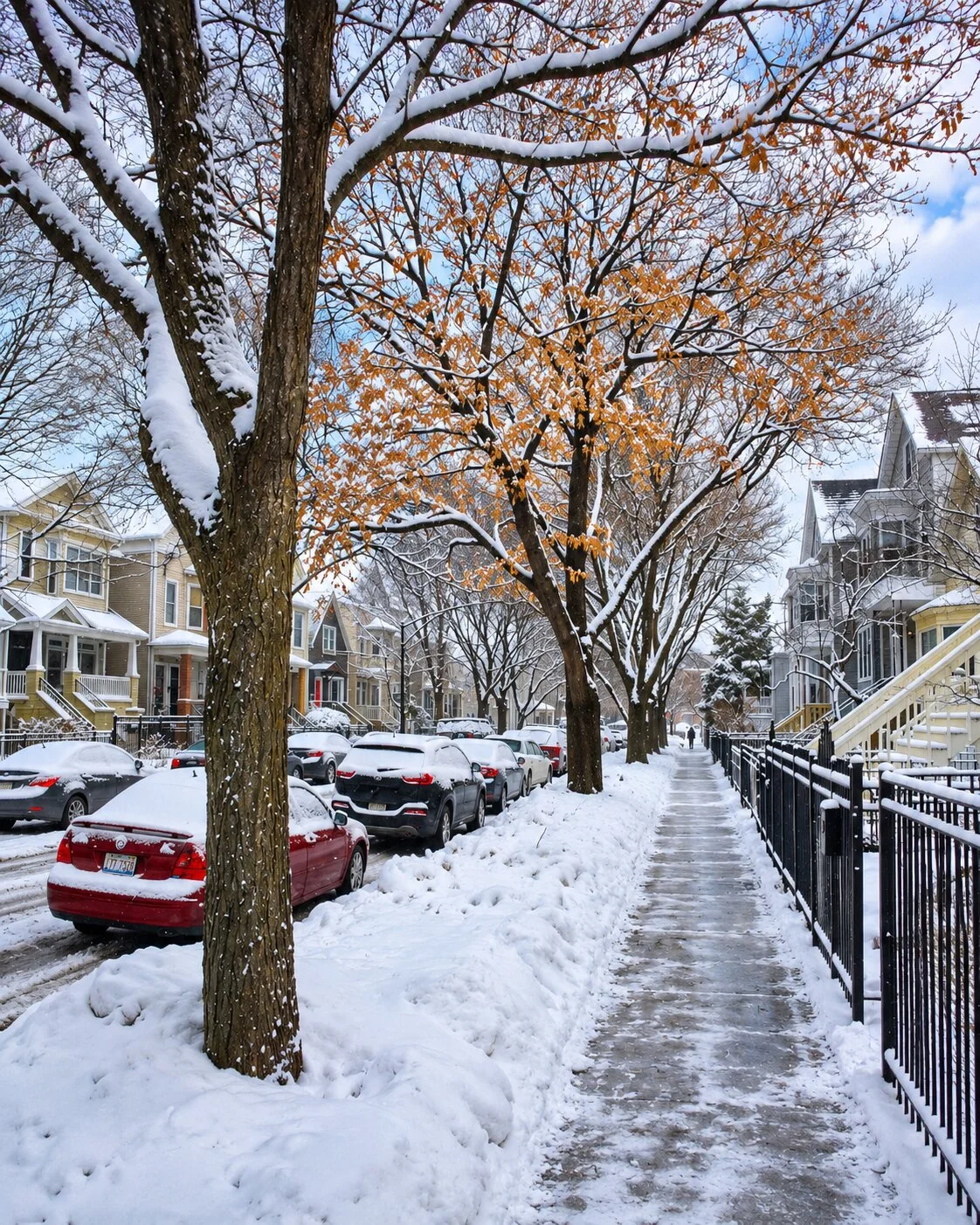
The tradition gained citywide notoriety after the catastrophic Blizzard of 1967 (which dumped 23 inches of snow) and the Blizzard of 1979 (which effectively cost Mayor Michael Bilandic re-election because the city failed to clear side streets).
Technically, placing obstructions in the street violates Chicago Municipal Code, and every year as the snow melts, the Department of Streets and Sanitation conducts “dibs sweeps,” tossing thousands of chairs and cones into garbage trucks. Until that thaw hits, however, street justice rules the block.
The Unspoken Rule: Never, under any circumstances, move someone’s dibs and take their spot. Unless you want your car buried in snow (or worse), keep driving.
2. Surrender to the “Chicago Sleeping Bag” Coat
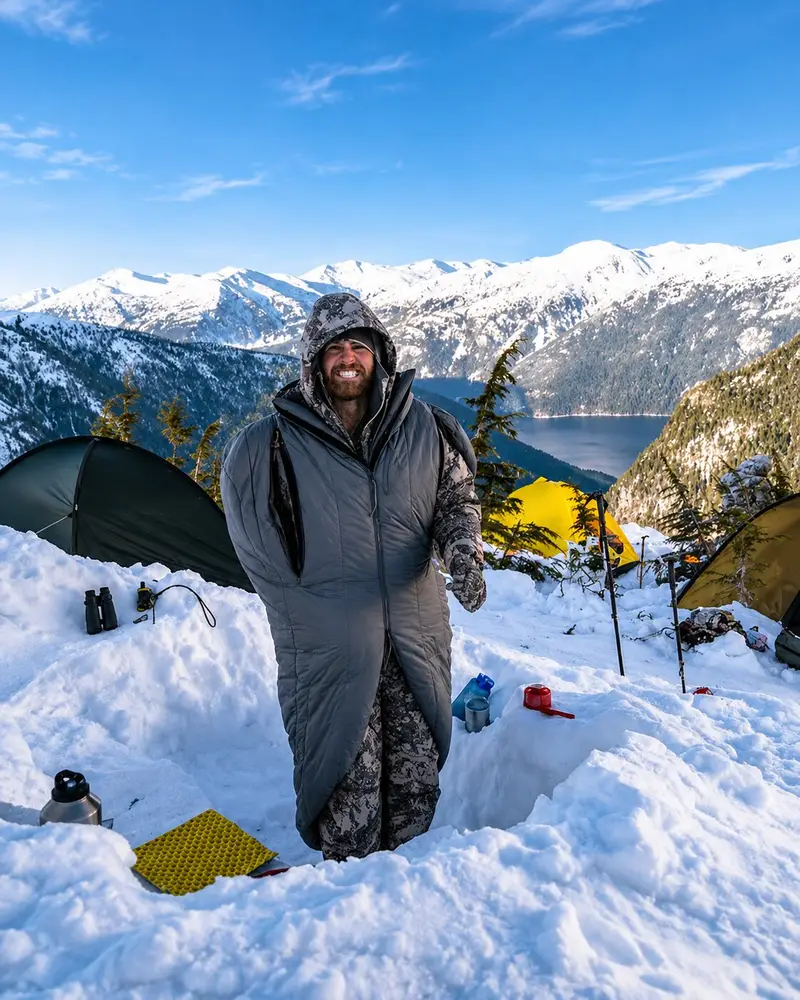
Mid-calf. That is the minimum acceptable hemline on a Chicago winter coat, and once January hits, fashion is officially dead.
You might own a beautiful, tailored wool peacoat that looks incredibly chic. Leave it in the closet.
What you want is a heavy-duty, down-filled puffer that looks like an insulated sleeping bag with armholes. When Chicagoans say “sleeping bag coat,” they mean it literally.
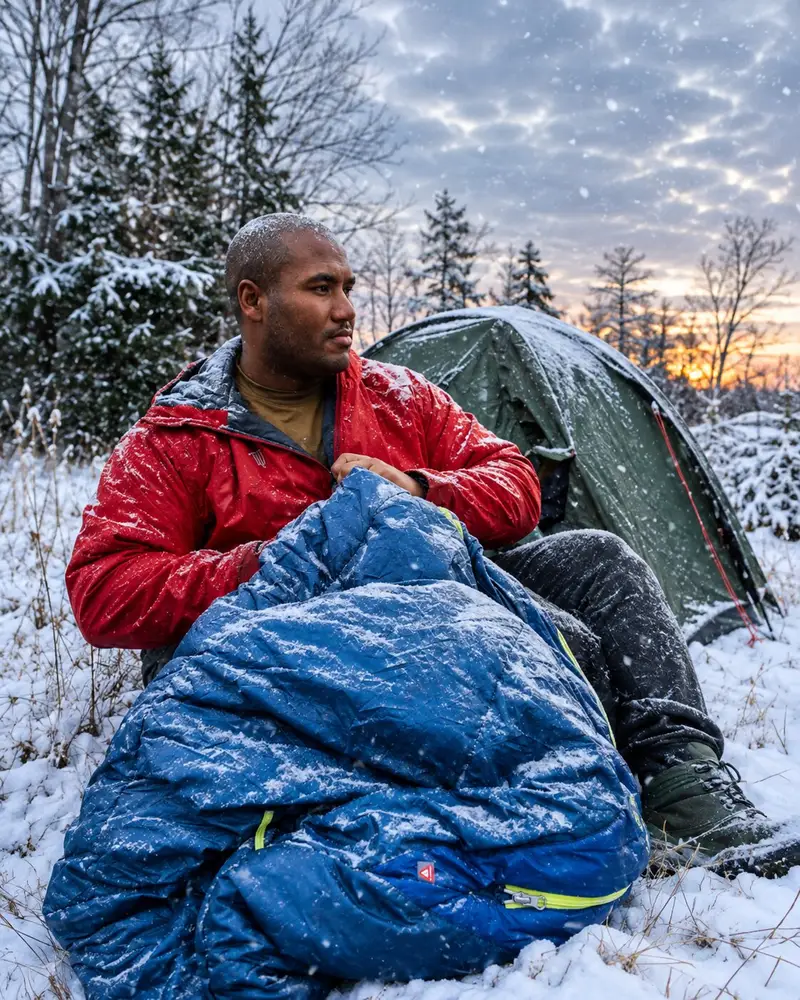
When shopping for a true Chicago winter coat, look for a down fill power of 600 or higher (or a high-grade synthetic equivalent like PrimaLoft, which retains heat even if it gets wet). Two non-negotiable hardware features: a two-way zipper (so you can unzip the bottom a few inches to sit down on the train or stride up stairs without waddling) and internal rib-knit storm cuffs that seal the gap around your wrists so wind can’t shoot up your sleeves.
Leave your thighs exposed and the wind will cut straight through your jeans. Function beats fashion every single time.


3. Understand That Slush Is Your Worst Enemy
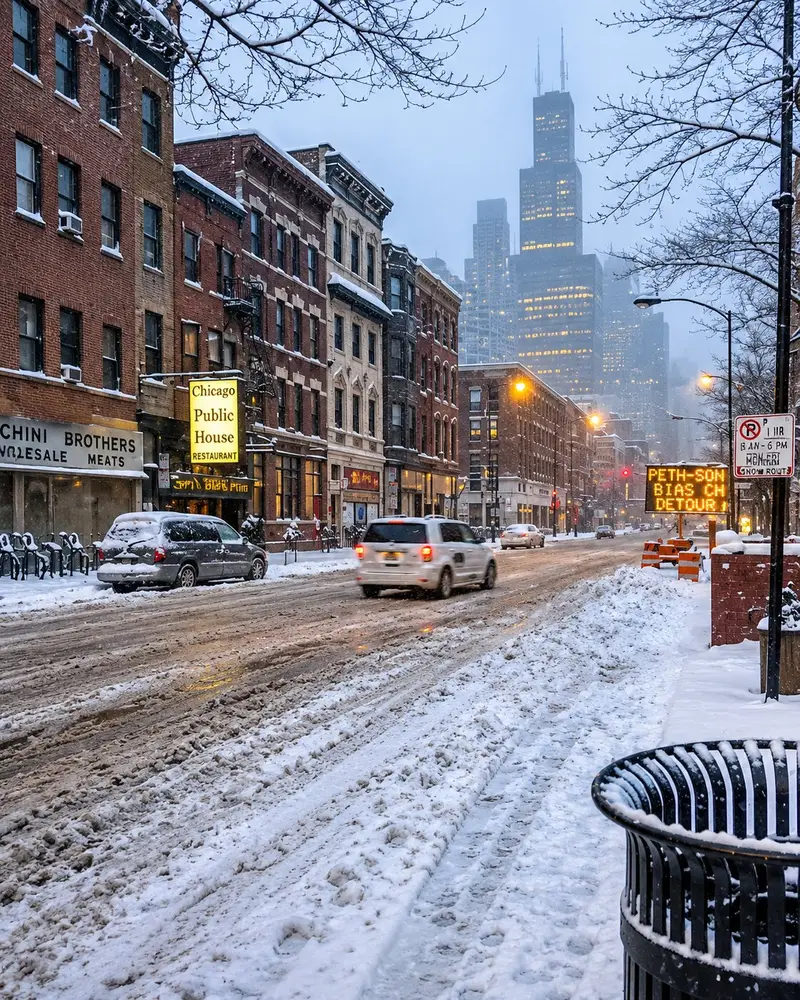
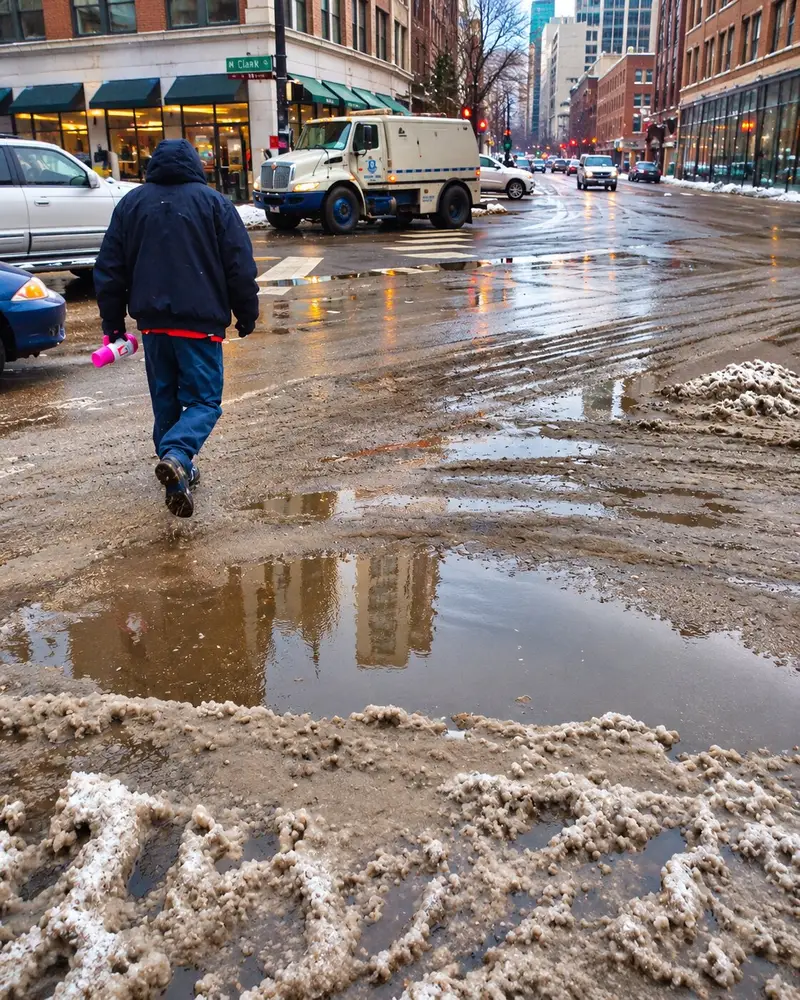
The puddle at the corner might be an inch deep. It might be eight. You will not know until your foot is in it.
Snow in Chicago stays white for a few hours at most. The City of Chicago maintains a massive stockpile of nearly 400,000 tons of rock salt every winter. Because rock salt lowers the freezing point of water to about 15°F, salt trucks and traffic quickly turn fresh snow into a chemical brine of gray water, ice, and road grime that hides potholes and curb drops at every crosswalk.
Step off a curb into an ankle-deep pool of freezing gray water and your whole week is ruined.
Invest in Serious Footwear
- Waterproof is non-negotiable: Canvas sneakers and suede boots will not survive the season. Look for boots with vulcanized rubber bottoms (like Sorel, Blundstone Winter Thermals, or Bean Boots).
- Pair with Merino wool socks: Avoid cotton socks, which trap sweat and freeze your toes. Merino wool wicks moisture and retains heat even if a rogue slush puddle breaches your boot.
- Look for heavy tread: Black ice is everywhere. You need real grip.
- Wipe off the salt: The city dumps tons of rock salt on the streets, and it leaves white, crusty stains on your shoes. A quick wipe with a vinegar-and-water solution the moment you get home keeps your boots alive.
4. Memorize the Winter Overnight Parking Ban
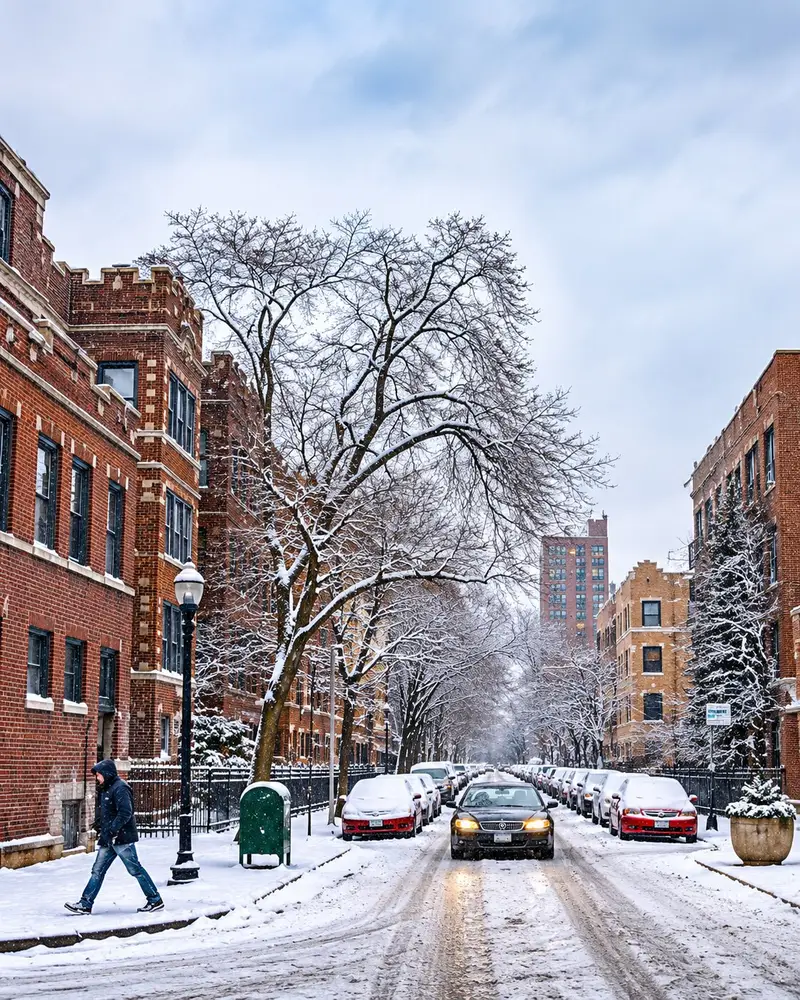
Chicago will tow your car on a mild, 50-degree December night with not a flake of snow in sight.
Dibs is the rule you need to know culturally. This is the one you need to know practically, or you’ll wake up to an empty parking space and a massive towing bill.
From December 1 through April 1, the city enforces an overnight parking ban on 107 miles of major arterial streets. No parking on those streets between 3:00 AM and 7:00 AM, snow or no snow.
There’s a second layer, too. Once more than two inches of snow falls, a separate ban kicks in on another 500 miles of city streets, regardless of the time of day. Look for the red-and-white signs with the little snowflake icon and read them carefully.
The Real Cost of Getting Towed: On December 1 alone, the city typically tows over 200 cars before sunrise. If you get caught in the overnight ban, you are looking at a minimum $150 towing fee, a $60 ticket, and a $25-to-$50 daily storage fee. Worse yet, you’ll have to trek out to one of the city’s notorious auto pounds—usually Pound 2 on the far South Side (10301 S. Doty Ave.) or Pound 6 on the West Side (701 N. Sacramento Ave.). If your car vanishes, check chicagoshovels.org or call 311 to track it down before calling the police.
5. Master the Art of the Pedway
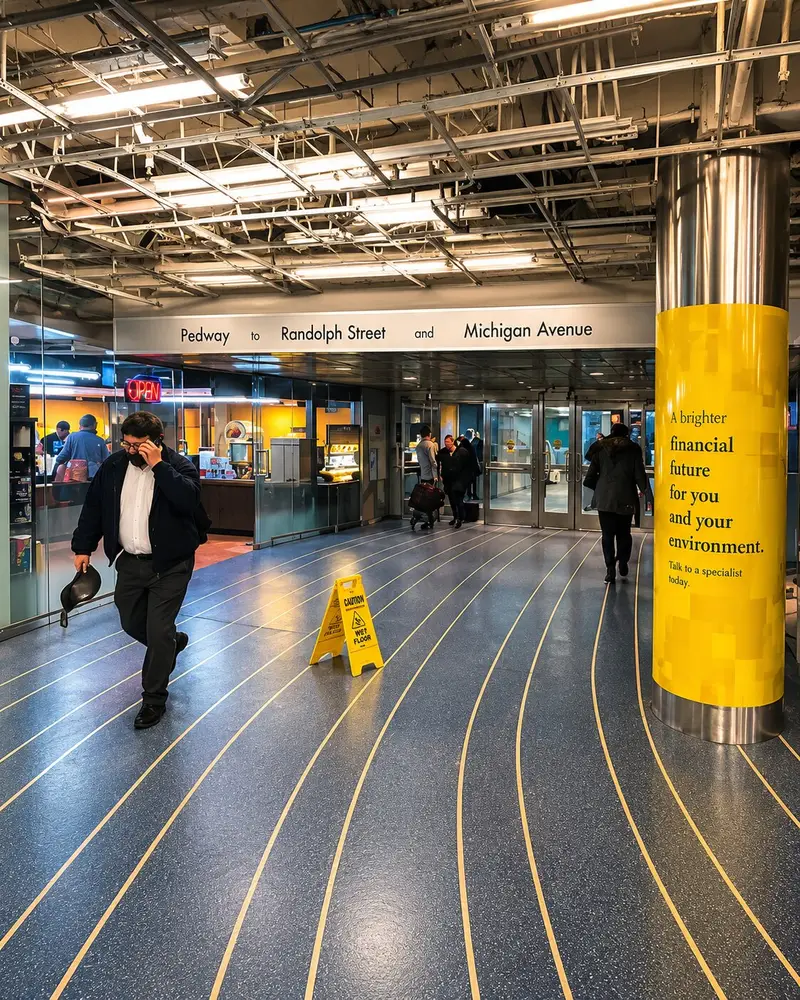
You can step off a train, grab a coffee, and sit down at your desk in the Loop without once setting foot outside.
Begun in 1951 to connect the State and Dearborn subway lines, the Pedway is a network of heated underground tunnels and overhead bridges spanning roughly five miles and linking more than 40 blocks of the central business district: train stations, skyscrapers, shopping centers, and government buildings.
However, newcomers quickly learn that it can be confusing, as tunnels abruptly change architectural styles as you pass from public property into private building basements. Look overhead for the official city signage featuring a blue compass rose icon, and keep in mind that while CTA-connected tunnels stay open late, many sections running under government buildings (like City Hall) and private towers lock their doors between 6:00 PM and 6:00 AM and on weekends. Major hubs include Block 37, Millennium Station, Macy’s on State Street, and the Richard J. Daley Center.
Anyone who works or plays downtown should learn its routes, and there’s a bonus for the curious. Many of its connections run straight through some of the grandest free-to-visit lobbies downtown, so you can sightsee while staying perfectly warm.
6. Prepare for “The Hawk”
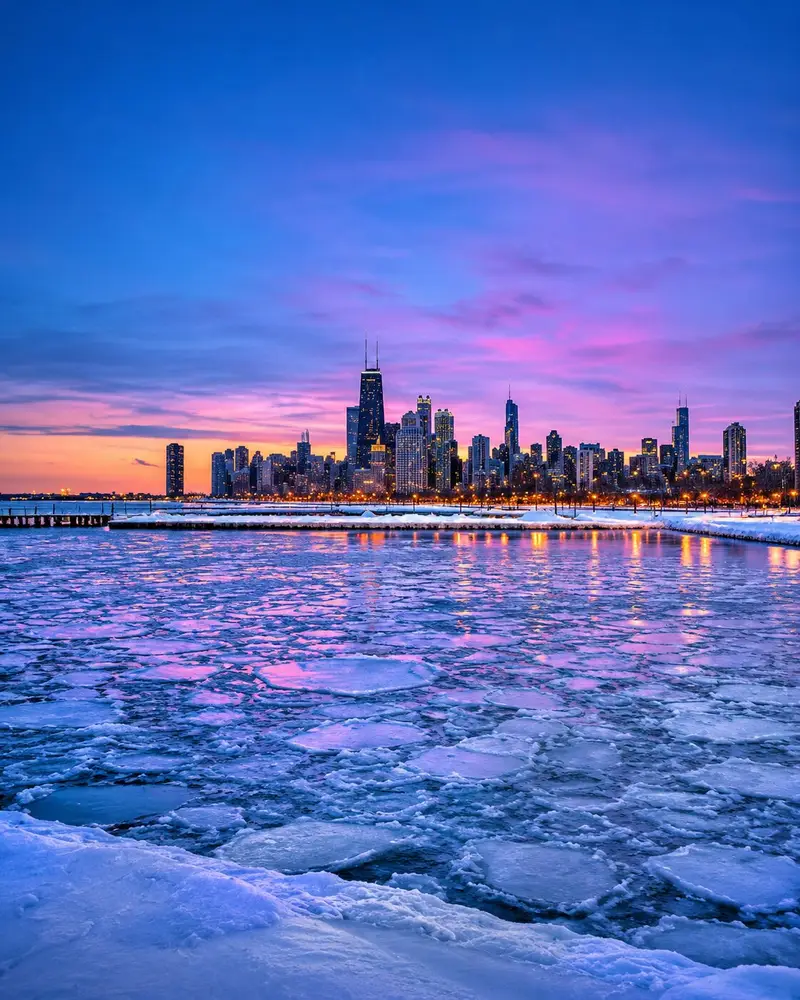
The wind downtown can physically push you backward. It will snatch the beanie off your head and flip your umbrella inside out in seconds.
Chicagoans call that brutal, biting wind off Lake Michigan “The Hawk” (or “Mr. Hawkins”)—a term coined by African American musicians and residents during the Great Migration, popularized by Chicago blues and jazz legends, and later immortalized by Lou Rawls in his classic track “Dead End Street.”
Because the city was rebuilt on a strict grid after the Great Fire and then filled in with skyscrapers, downtown streets create a textbook Venturi effect: when unimpeded gale-force winds off Lake Michigan hit the wall of downtown towers, the air is compressed into narrow east-west street canyons (like Madison, Monroe, and Adams), causing wind speeds to accelerate dramatically at street level.
Always check the wind chill, not just the temperature. Dress in layers, and make sure your ears and neck are fully covered.
7. Your Car Needs a Winter Survival Kit
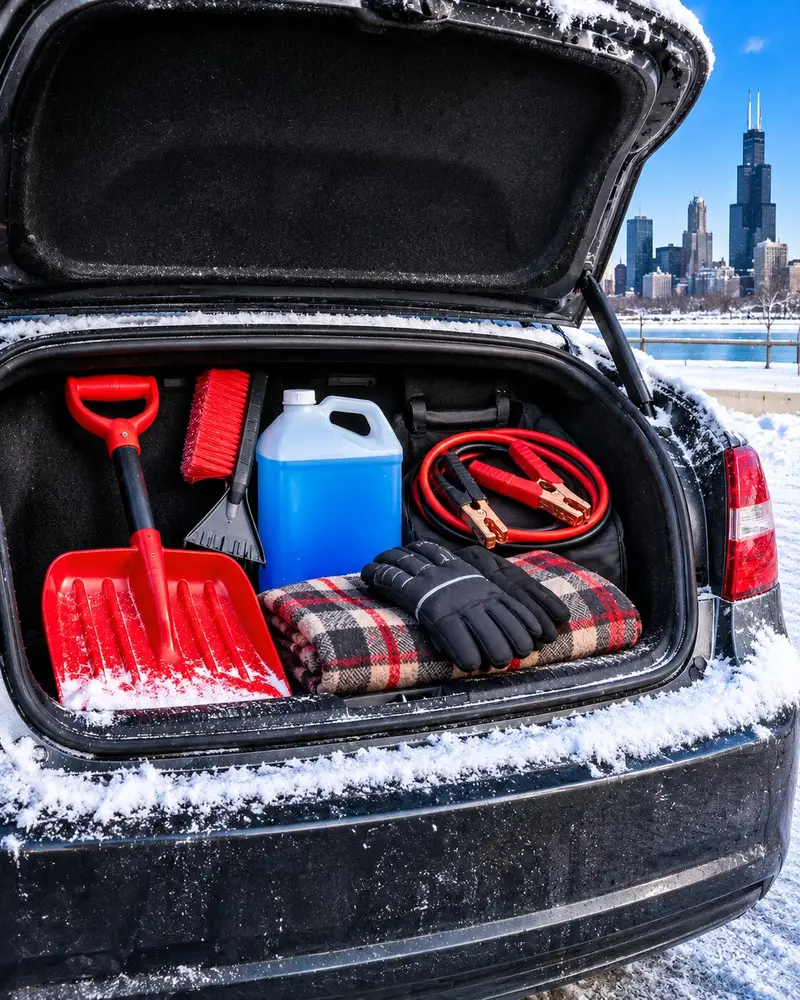
The shovel in your trunk does double duty: it digs you out of a snowbank, and then it marks your dibs.
Anyone who drives in the city needs to winterize early. Remember that for every 10-degree drop in temperature, your tires lose about 1 PSI of pressure. You never know when you’ll get stuck in an icy alley or sit in gridlock on the Kennedy or the Dan Ryan during a sudden whiteout.
Keep these essentials in your trunk:
- A sturdy snow shovel (for digging out your car and claiming dibs).
- A heavy-duty ice scraper and snow brush.
- Winter windshield wiper fluid rated to -20°F with de-icer (flush out your regular summer fluid before the first freeze so it doesn’t freeze solid in your lines and leave you blinded by road-salt spray on the highway, and keep a spare gallon in the trunk).
- A bag of non-clumping kitty litter or sand (if your tires are spinning out on black ice, pouring kitty litter directly in front of your drive tires gives the rubber instant traction).
- Jumper cables or a portable jump-starter pack (batteries hate the cold).
- A warm blanket and a pair of spare gloves.
 JM
AK
8. The CTA Is a Blessing and a Curse
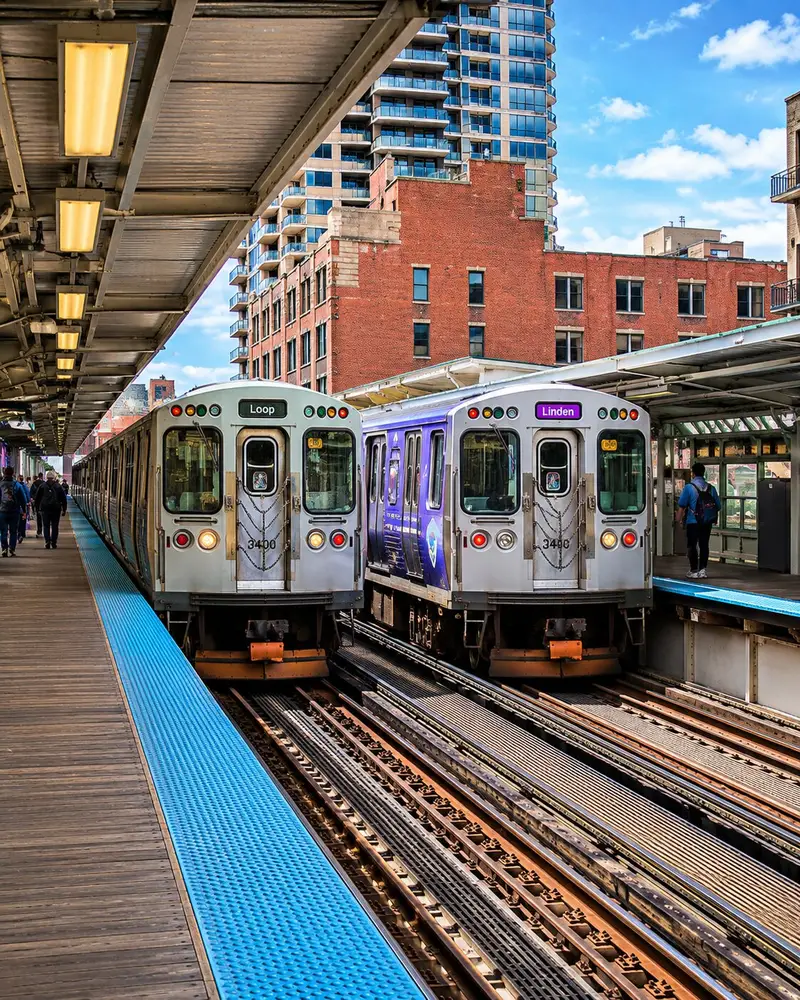
The first thing locals do on an elevated platform in winter is head straight for the shelter enclosure, look up for the heat lamps, and press the silver button on the wall.
Public transit is usually easier than digging a car out of the snow, and the basics of riding the “L” take about five minutes to pick up. Waiting for a train on a wind-swept platform in February, on the other hand, is a true test of endurance. Always check the Ventra app or CTA Train Tracker before leaving your apartment so you can time your walk and minimize platform wait times.
Most CTA platforms have small enclosures with overhead infrared heat lamps that operate from November 1 through April 1. They aren’t automatic—push the button on the shelter post to kick them on for a 10-to-15-minute cycle—and locals huddle under them like penguins sharing body heat. Don’t be shy. Join the huddle.
Also, don’t panic if you look down at the tracks on a sub-zero day and see literal flames. At major track junctions, the CTA uses gas-fed heaters to set controlled fires along the rails, preventing the metal switch points from freezing shut.
9. Embrace “Tavern Season”

Wood paneling, dim lighting, a solid draft list. That’s how Chicagoans stay sane through five months of winter: we go to the neighborhood bar.
Winter here revolves around finding your cozy corner tavern—often marked by a glowing “Old Style” or “Schlitz” sign outside—and claiming a regular stool.
You’ll know it’s a true local spot by the temporary vinyl or heavy canvas vestibule built around the front door inside, a makeshift airlock designed to stop a blast of arctic air from hitting the regulars at the bar every time someone walks in. For a fancier night out, duck into one of the city’s hidden speakeasies and let the chill wait outside.
This is also prime season for heavy comfort food. Order a square-cut, thin-crust pizza (which many locals argue is the real Chicago style), pair it with a craft beer, and bond with your neighbors over how miserable the weather is. (And if someone offers you a shot of Jeppson’s Malört “to warm your chest,” proceed with extreme caution.)
10. Never Turn Down an Invitation in February
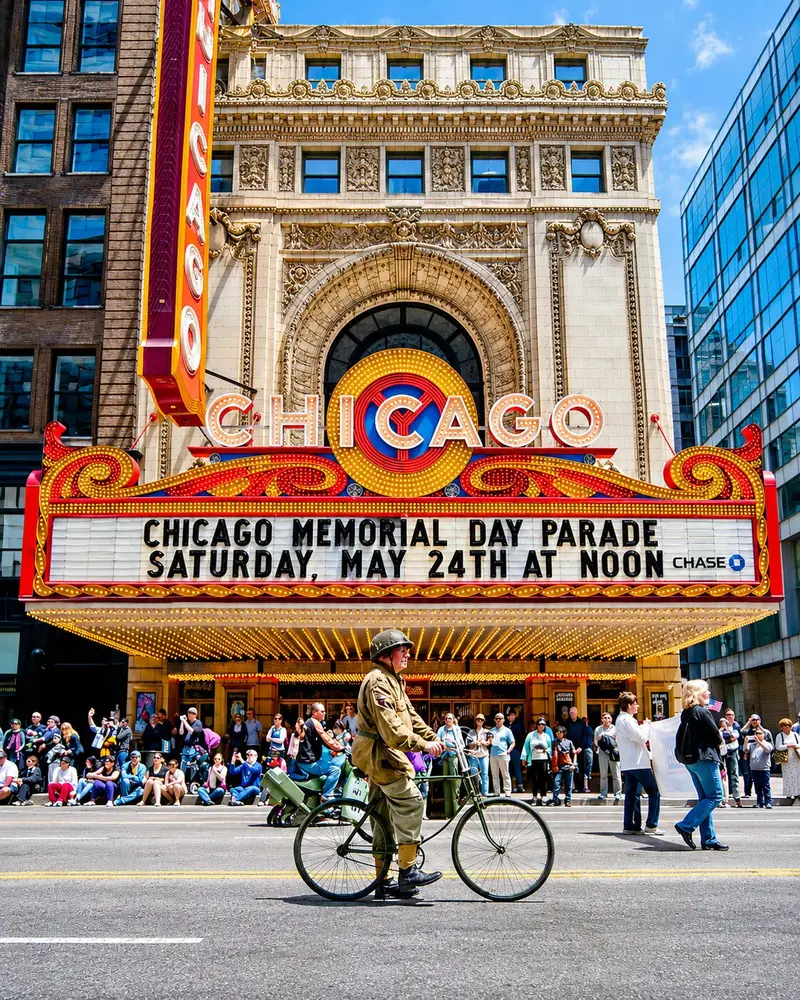
Late February is when the holiday glow has worn off, spring still feels a lifetime away, and everyone in the city has cabin fever at once.
This is exactly when seasonal depression tries to sneak in.
The rule of late winter is to force yourself out the door. A friend invites you to a comedy show? Yes. Suggests a quiet Saturday wandering one of Chicago’s beautiful historic libraries? Also yes.
Fortunately, the city schedules built-in excuses to leave the house right when you need them most. Take advantage of Chicago Restaurant Week (late January into early February) and Chicago Theatre Week (mid-February) for discounted prix-fixe menus and stage tickets.
If you are desperate for humid air and the smell of greenery, head to the Garfield Park Conservatory or the Lincoln Park Conservatory—both are free to enter (with a reservation), kept at a tropical 70+ degrees year-round, and filled with lush palms and ferns.
Bundling up and braving the cold to be around other people is what gets you through the final stretch.
11. Beware the “Sunny Day Trap”
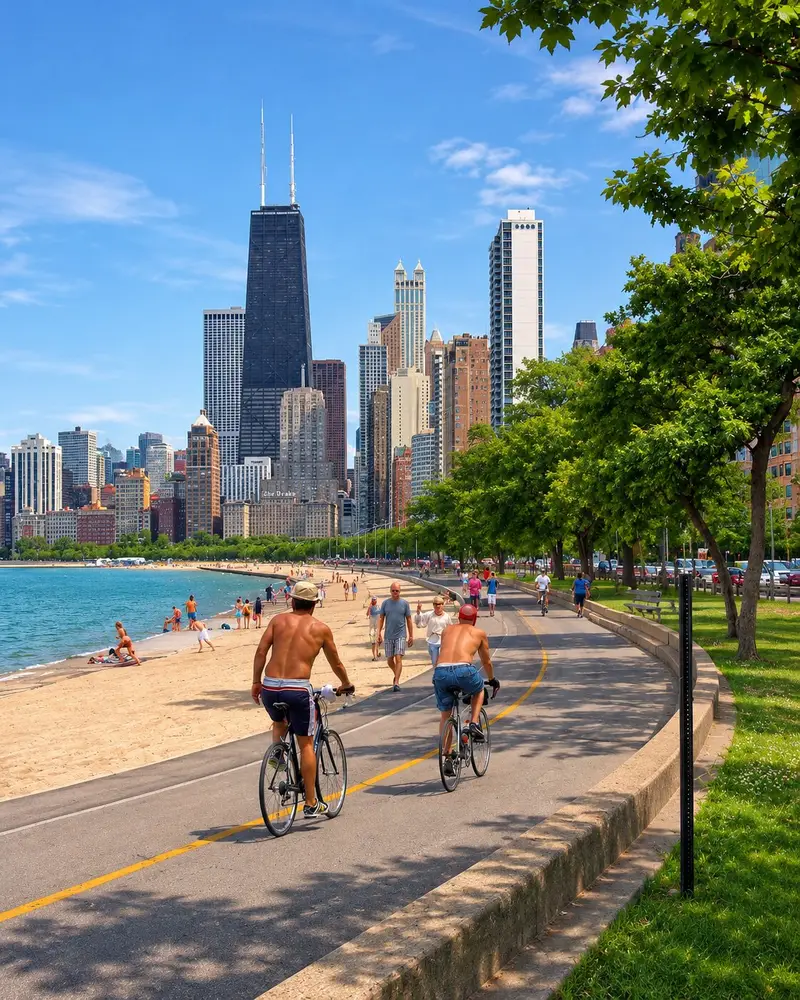
The sunniest January mornings are almost always the coldest days of the year.
Wake up to a gorgeous, cloudless blue sky and your instinct will be to leave the scarf at home. Don’t. In a Chicago winter, sunshine is a trap.
Meteorologists call this radiational cooling. Cloud cover acts like an insulating blanket over the city, trapping in what little warmth there is. Behind a cold front, a dome of Arctic high pressure sweeps away the clouds, meaning all of the city’s heat radiates straight out into space overnight.
To make matters worse, fresh white snow on the ground reflects up to 80% of daytime sunlight right back into the sky instead of absorbing it to warm the pavement—creating a blinding glare in the process. Keep a pair of polarized sunglasses in your coat pocket right next to your gloves.
12. Master the “Indoor Sweat Lodge” Layering System
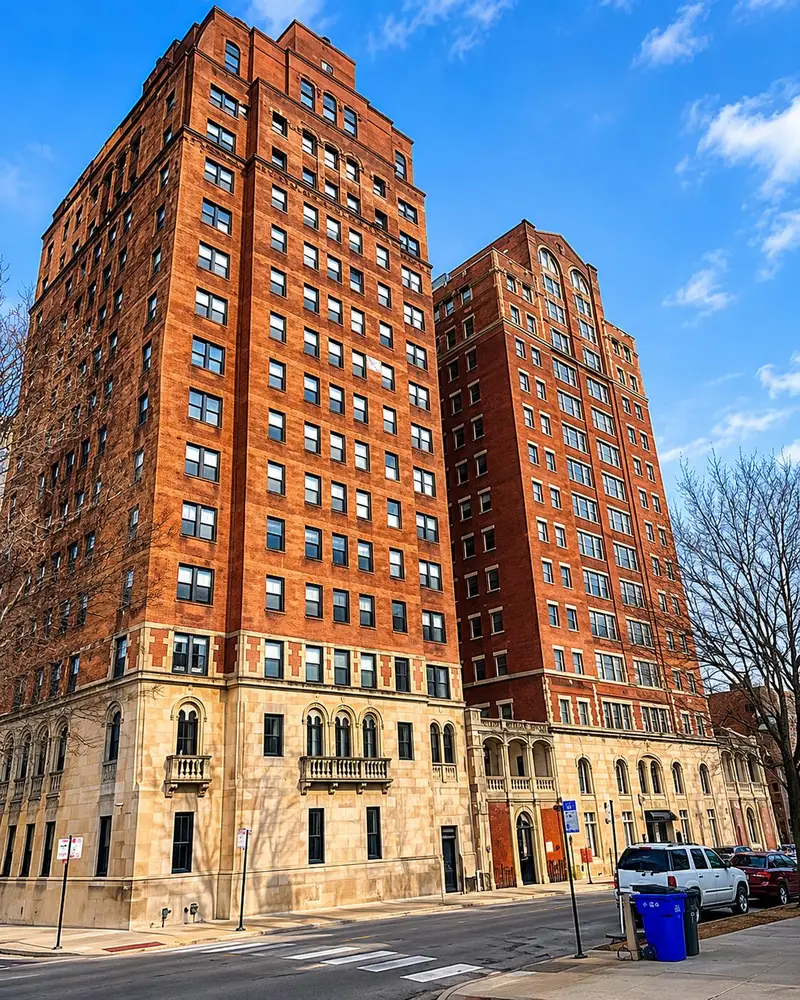
Indoor spaces in Chicago are often kept at a balmy 75 to 80 degrees, from vintage courtyard apartments with clanking steam radiators to downtown office towers.
There are two reasons why vintage walk-up apartments have no chill: first, in the wake of the 1918 Spanish Flu pandemic, engineers designed steam radiator systems to generate enough heat to warm an apartment with the windows wide open for ventilation.
Second, the Chicago Heat Ordinance legally requires landlords to maintain minimum indoor temperatures (68°F during the day, 66°F overnight) from September 15 to June 1, so older boiler systems overcompensate to avoid hefty city fines.
That’s why the rookie move of wearing a massive, chunky knit turtleneck under your winter coat backfires so badly. Buildings here blast the heat, and you’ll spend the entire workday sweating through that sweater.
The Unspoken Rule: Always wear breathable layers you can peel off.
Start with a thin moisture-wicking base layer (like Uniqlo Heattech or thin merino wool) topped with a cardigan or zip-up fleece. Let the sleeping bag coat do the heavy lifting outside, then shed it the moment you walk through a door.
13. Never Step on the “Shelf Ice”
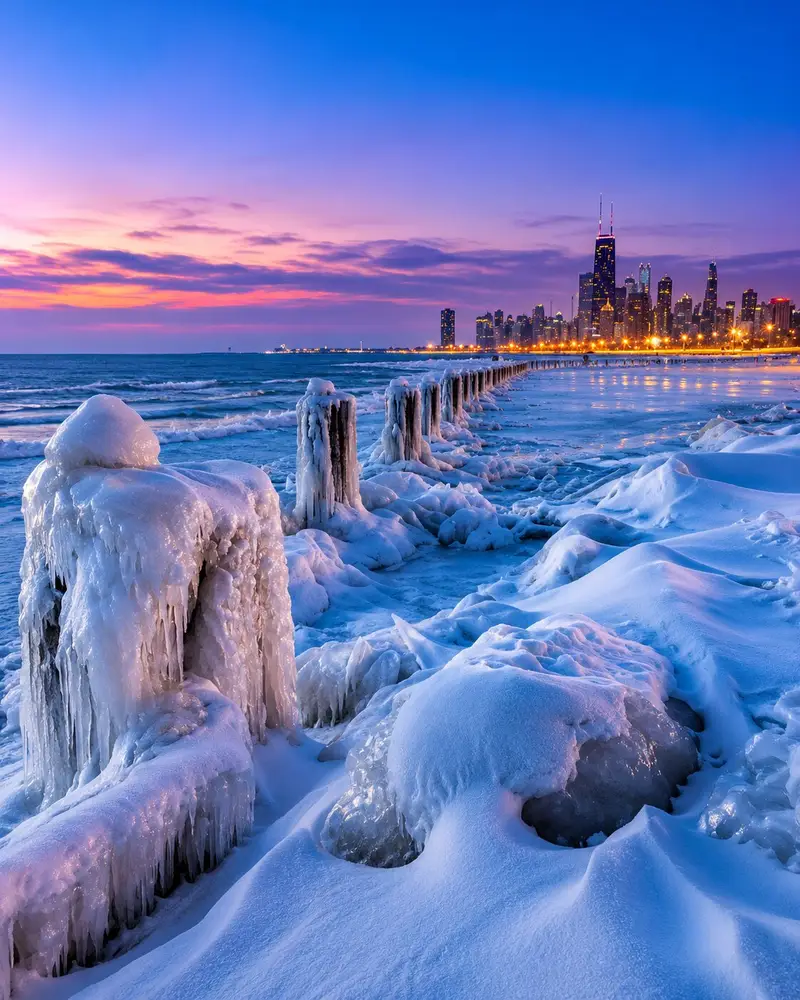
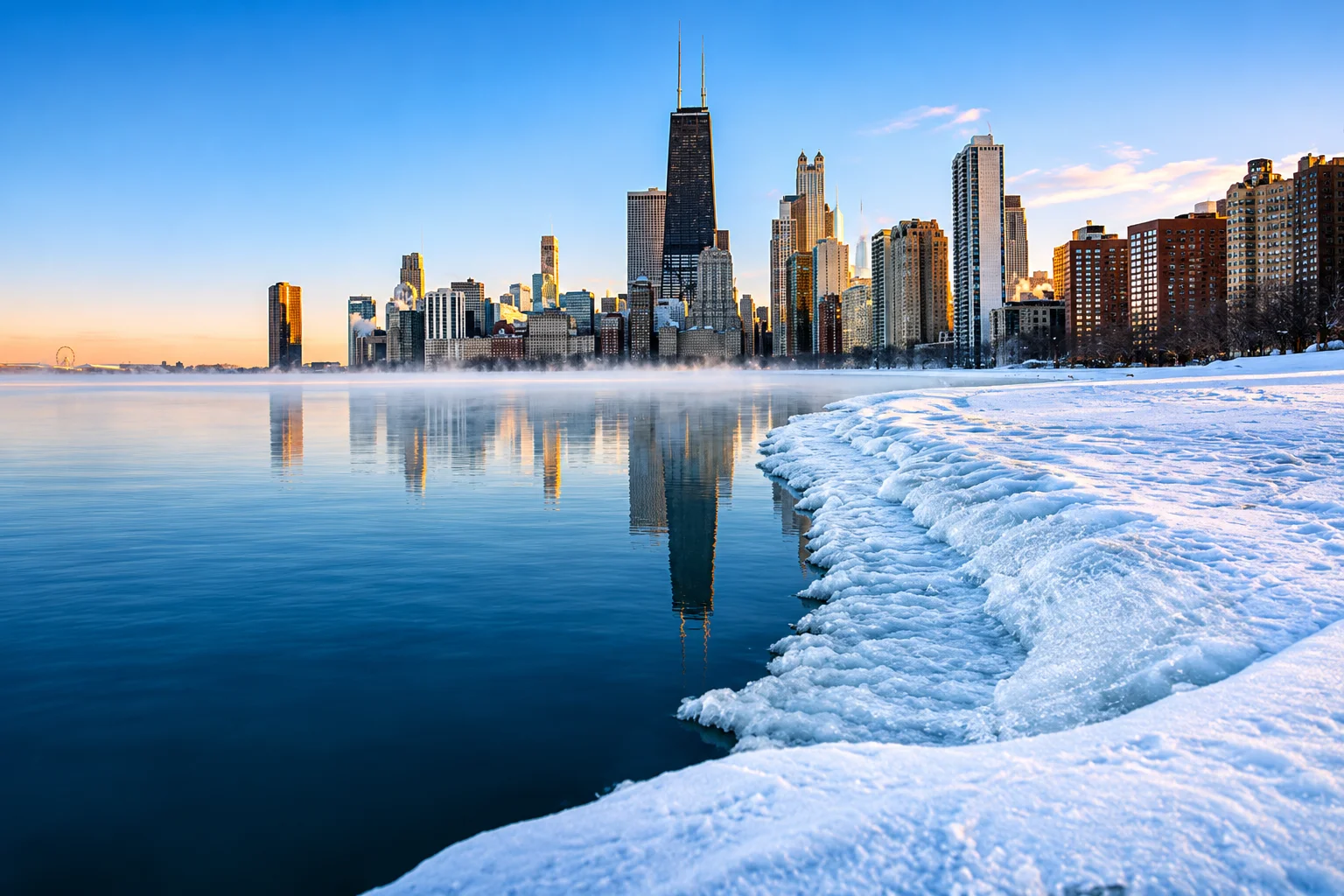
Those rolling mountains of ice along the beaches in midwinter are often hollow, with freezing water rushing underneath.
They form when Lake Michigan starts to freeze and waves crash against the shore, icing over on impact to create ridge-like formations and hollow “ice volcanoes.” The result looks like a frozen alien planet, and the temptation to walk out onto it for a photo is real.
Don’t do it.
It’s called “shelf ice,” and it is incredibly unstable. Because Lake Michigan is constantly moving, currents erode the underside of the ice, leaving paper-thin bridges of snow over 15-foot drops into 33-degree water. If you fall through, it is virtually impossible to climb back out because the surrounding ice crumbles under your hands, and hypothermia sets in within minutes.
Locals admire the frozen lake from the paved Lakefront Trail and nowhere else—and even parts of the trail (especially the concrete ledges between Oak Street Beach and North Avenue) get shut down when waves coat the path in solid sheets of glare ice.
14. Tip Your Delivery Drivers Like Royalty

Twenty percent is the floor, not the ceiling, when the wind chill hits negative 15.
There will be days when the snow blows sideways and you flatly refuse to leave your apartment. So you order a steaming pizza, a giant bowl of ramen, or an Italian beef from one of the city’s standout beef stands.
The Unspoken Rule: If the weather is too bad for you to go outside, the person bringing your food deserves extra (aim for 25% or a flat $10 minimum on small orders during a snowstorm).
Delivery drivers are the unsung heroes of a Chicago winter. Beyond tipping generously, turn on your porch light (it gets pitch dark by 4:30 PM in December), salt your front steps if you live in a walk-up, and meet your driver at the lobby door so they don’t have to spend five extra minutes navigating buzzers and icy stairs.
15. Stock Up on Heavy-Duty Moisturizer

By January, your hands will crack and your lips will feel like sandpaper.
Blame the one-two punch of freezing wind outside and blazing radiator heat inside, which regularly drops indoor relative humidity below 20% (drier than the Sahara Desert) and strips every bit of moisture from your skin.
Winter Skincare Essentials for Chicago:
- A humidifier and saline nasal spray: Run a humidifier in your bedroom every single night, and keep a simple saline spray in your bathroom to prevent the dreaded winter dry-air nosebleeds.
- Aquaphor or Vaseline: Keep a tube in your coat pocket at all times. Avoid applying thin, water-based lotions right before stepping into sub-zero wind, as they can actually chap your skin faster; instead, use thick, occlusive ointments on exposed cheeks, lips, and knuckles to create a physical wind barrier.
- Thick hand cream: Apply a heavy cream (like O’Keeffe’s Working Hands or CeraVe) immediately after washing your hands to lock in moisture.
16. Brace Yourself for Pothole Season
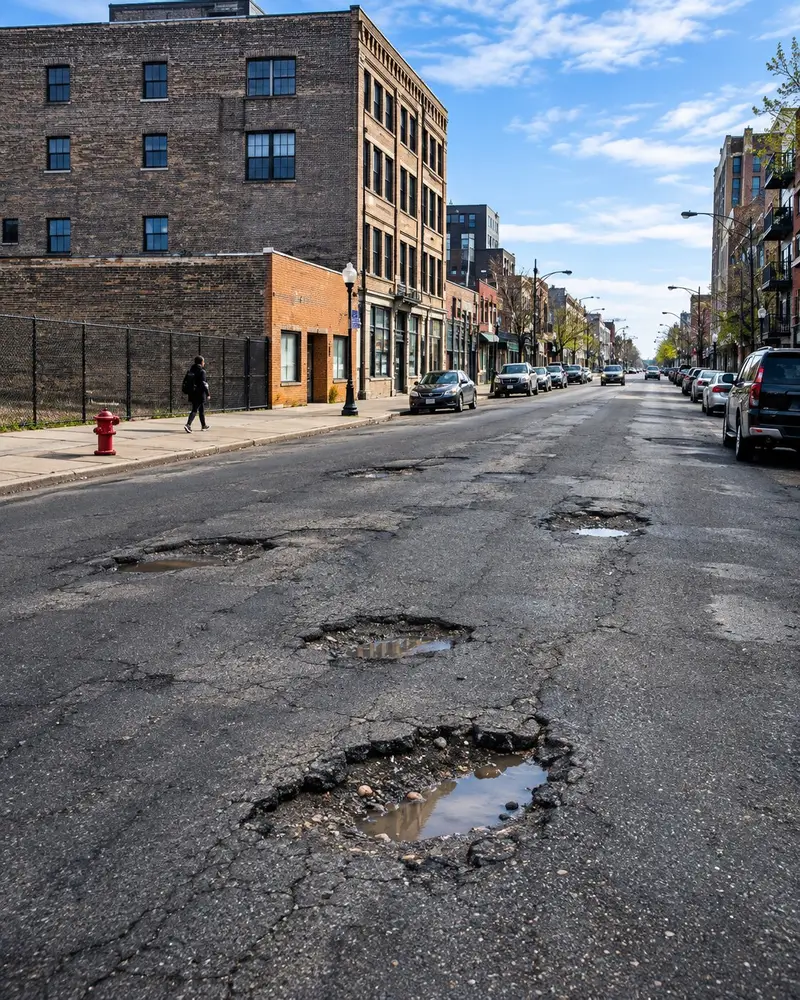
Some of the holes that open up in March are deep enough to swallow a tire whole and wreck your suspension.
Just when the snow finally starts to melt and you think you’re safe, the city enters its fifth season. Potholes form when daytime snowmelt seeps into tiny cracks in the asphalt and freezes overnight, expanding by about 9% and popping the pavement upward like a crowbar. Add the heavy scrape of snowplows and cars driving over the weakened spots the next morning, and the streets collapse into craters.
These are not little bumps in the road. Keep your eyes glued to the pavement in March and April, and leave extra room behind the car ahead so you have time to swerve. You can report massive craters using the CHI 311 app so CDOT crews can patch them. And if a pothole destroys your tire or rim, take photos of the hole and your damage immediately and save your repair receipts—the City Clerk’s office actually has a Pothole Damage Claim process that can reimburse you for up to 50% of repair costs if the city had prior notice of the hazard.
Month-by-Month Winter Weather Breakdown
Watching it offers a perfect companion guide to our unwritten rules, showing you exactly what it takes to survive the city’s deepest freezes.
Planning a trip or a move? Here’s what the sky has in store each month, and it may shape when you decide to come:
- November (Avg. High: 48°F | Low: 34°F | Avg. Snow: 1.8 inches): Chilly but manageable. Snow is rare but possible around Thanksgiving. Note that Daylight Saving Time ends in early November, meaning the sun sets around 4:30 PM—the sudden darkness often shocks newcomers more than the cold.
- December (Avg. High: 36°F | Low: 24°F | Avg. Snow: 7.6 inches): Holiday magic mixed with biting wind. The holiday lights on Michigan Avenue and a hot mug of Glühwein at the Christkindlmarket in Daley Plaza make the cold completely worth it.
- January (Avg. High: 31°F | Low: 18°F | Avg. Snow: 11.3 inches): The deep freeze. Statistically Chicago’s coldest and snowiest month of the year, with temperatures regularly dropping into the teens or single digits—and peak season for the “Polar Vortex,” when Arctic air masses can plunge daytime highs below 0°F.
- February (Avg. High: 35°F | Low: 21°F | Avg. Snow: 10.7 inches): The month of endurance, bringing brutal wind chills and some of history’s most infamous monster blizzards (like the 2011 Groundhog Day Blizzard that stranded hundreds of cars on Lake Shore Drive).
- March (Avg. High: 47°F | Low: 31°F | Avg. Snow: 5.5 inches): Completely unpredictable. We call it “False Spring.” When the city dyes the Chicago River bright green for St. Patrick’s Day in mid-March, it could be a sunny 60 degrees or a foot of snow. Keep the winter coat out until May, just to be safe.
Final Thoughts
Yes, a Chicago winter is long. Yes, it is brutally cold.
But something strange and genuinely lovely happens here when the temperature drops. Everyone suffers through it together, and that shared misery is exactly what makes the legendary Chicago summers taste so sweet.
Bundle up, grab the heavy boots, and don’t forget to claim your dibs. You’ve got this.
Braving a Chicago winter this year? Tell us your favorite ways to stay warm in the comments below.
JM
AK