A Chicago kid can tell you how far away an address is just by reading the number, will fight a sibling over a corner square of pizza, and would rather eat a hot dog plain than put ketchup on it.
None of that gets taught in a classroom. It comes from brutal winters, corner hot dog stands, lawn chairs standing guard in parking spots, and a City of Broad Shoulders that protects its grid, its history, and its building names like family heirlooms.
What follows are 18 lessons the city hands out for free, from the survival skill of layering to the exact right way to answer “What neighborhood?” Some are practical, some are petty, and all of them stick for life. Plenty sound made up, but native Chicagoans know every one is 100% true.
1. You Learn to Dress for Four Seasons in a Single Day
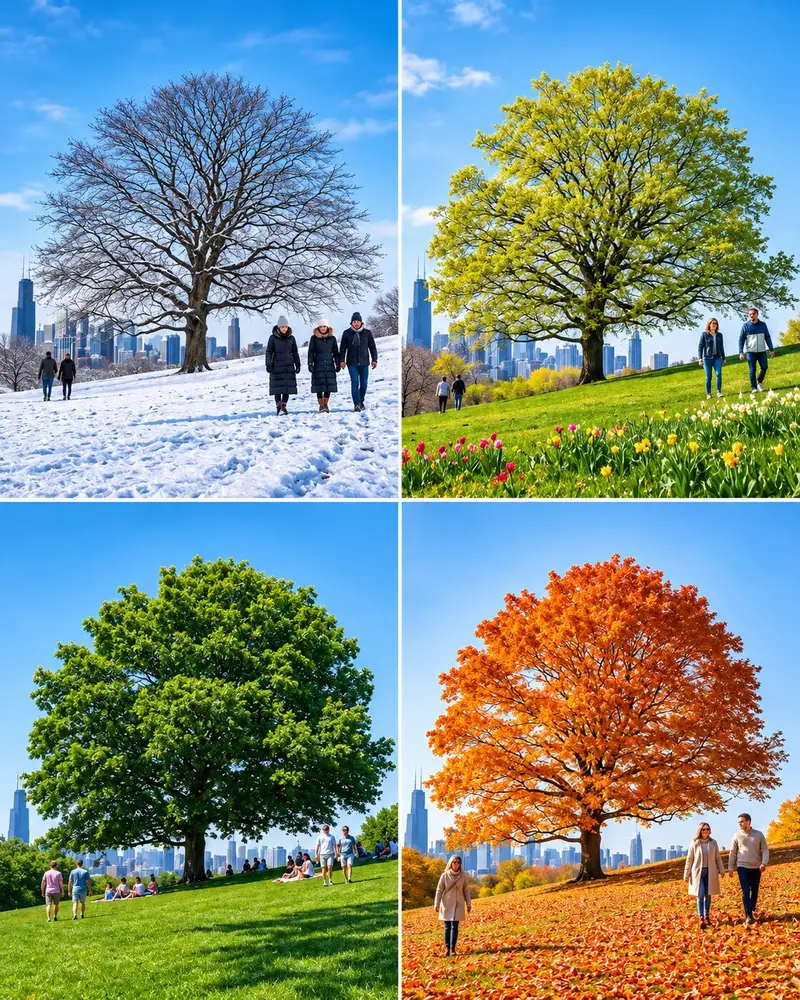
Forty degrees. That is how far the thermometer can swing between the morning bus stop and the walk home, and nobody here finds it remarkable.
Chicago weather teaches absolute, unwavering resilience. The morning forecast means nothing by 3:00 PM, which is why you can start the day waiting for the bus in a heavy, insulated parka and end up carrying it home through 65-degree afternoon sunshine.
Layering, then, is not a cute fashion statement in the Midwest. It is a vital, non-negotiable survival skill.

The other hard lesson: a fashionable, lightweight peacoat is useless against “The Hawk,” the biting, aggressive winter wind that whips straight off Lake Michigan and cuts through whatever you have on.
Once January hits and the infamous “lake effect” snow starts falling, everyone could use a few honest tips for surviving a Chicago winter. The number one tip? Give up on looking trendy and buy an ankle-length, sleeping-bag-style puffer coat.
2. Ketchup Does Not Belong on a Hot Dog (Ever)

Ask for ketchup at a neighborhood hot dog stand and the guy behind the counter may refuse, lecture you, or both.
This is not a culinary preference. It is a cultural law taught from birth, and Chicago kids learn early that requesting ketchup is practically a crime, one that earns a side of heavy judgment with every order.
A true Chicago-style dog is a delicate, perfectly balanced thing. We call it being “dragged through the garden,” and doing it correctly requires:
- Yellow mustard
- Neon green sweet relish
- Finely chopped white onions
- Two tomato wedges
- A crisp kosher dill pickle spear
- Spicy sport peppers
- A heavy dash of celery salt
All of it gets painstakingly assembled on a steamed poppy seed bun.

There is a real reason the city turned against ketchup, and to this day natives will fiercely defend the tradition. For the genuine article, hit up one of the hot dog stands locals swear by and order it exactly as intended.
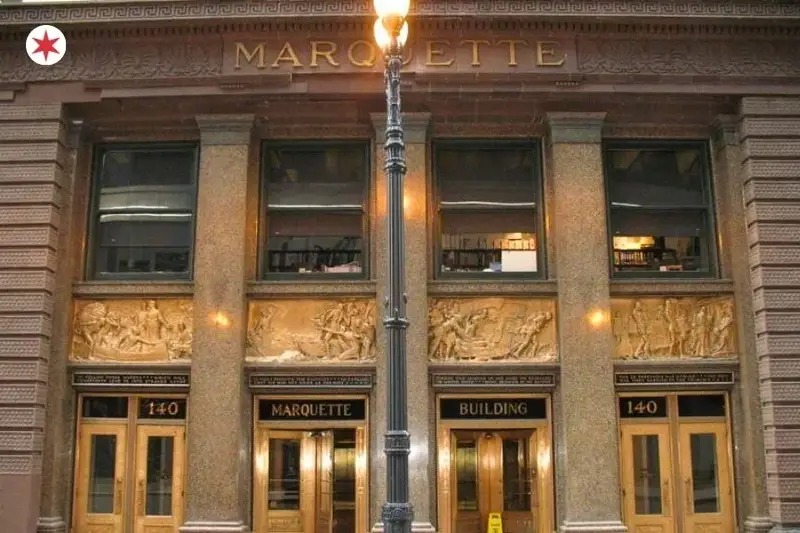
10 Hidden Architectural Details Chicago Locals Walk Past Every Day (But Tourists Never Notice)

3. Deep Dish is for Tourists, Thin-Crust is for Locals
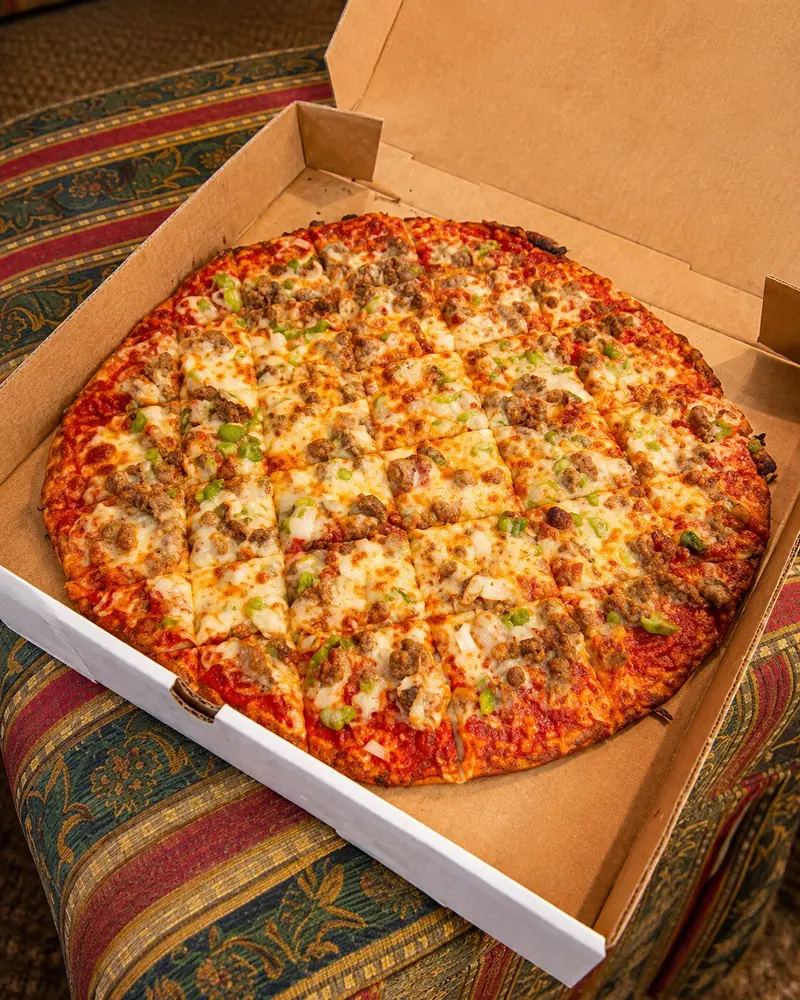
Deep dish shows up maybe a couple of times a year in a Chicago household, and both times there is probably a relative from out of state at the table.
The rest of the world genuinely believes Chicagoans sit down to two-inch-thick slices every Friday night. Locals know the truth: deep dish is an “event” food, a heavy, cheese-laden meal reserved almost entirely for out-of-town guests and special family celebrations.
The real, everyday staple of a Chicago childhood is tavern-style thin-crust pizza: a cracker-thin crust, topped generously right to the edge, and cut into shareable little squares (also known as the “party cut”).
There is a deeply nostalgic reason real Chicagoans only eat square-cut pizza.
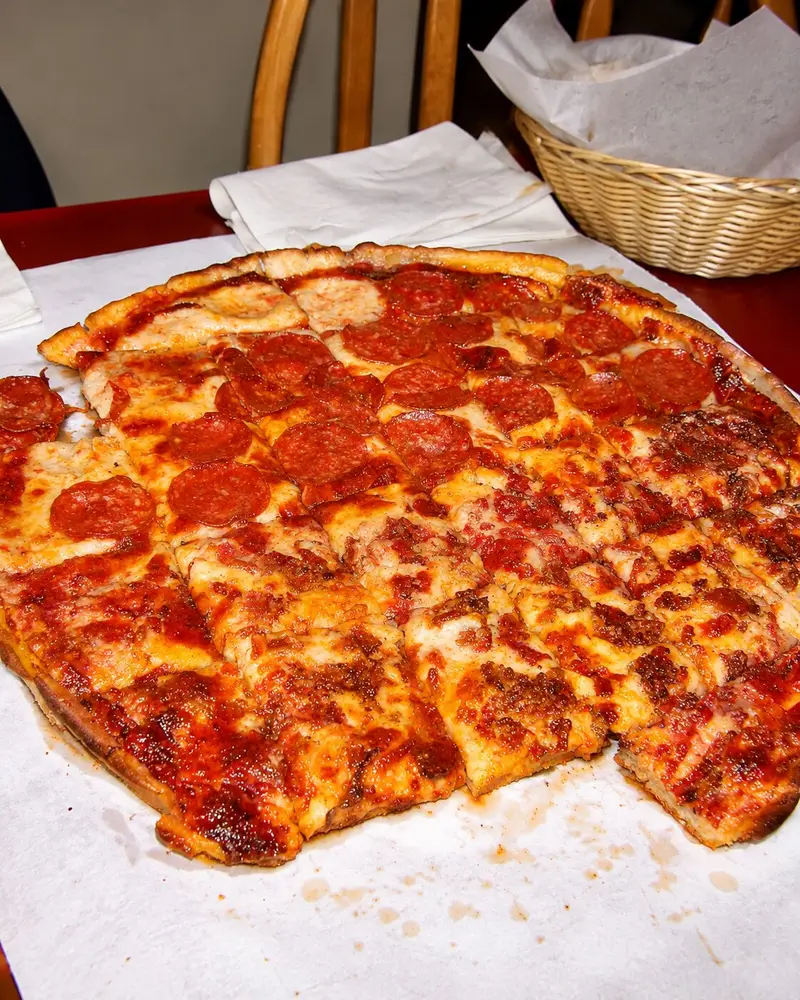
Fighting over the tiny, crispy, crustless corner pieces is a universal Chicago childhood memory. Those four corners are the most valuable real estate in the box.
4. The Grid System is the Only GPS You Need
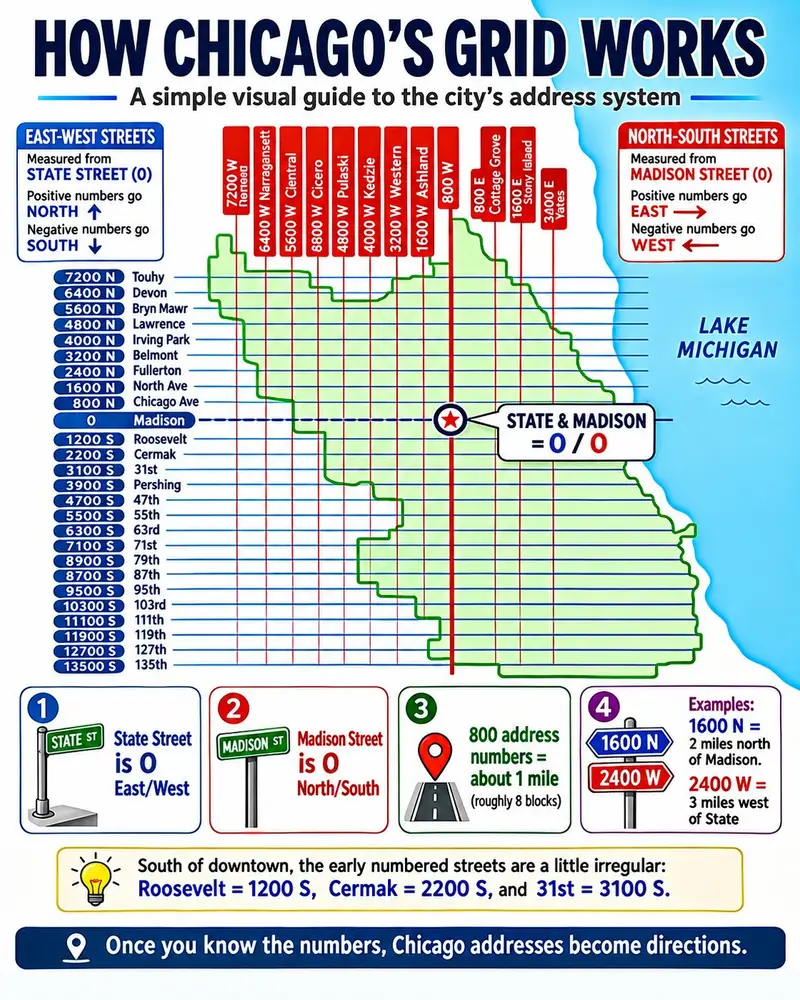
Tell a Chicago kid you are headed from 1600 North to 2400 North and they will tell you it is exactly a one-mile walk without blinking.
Long before smartphones, Apple CarPlay, and Google Maps, city kids could navigate the sprawl because the grid is a literal mathematical masterpiece. Once you know the formula, getting lost is nearly impossible.
The intersection of State and Madison is ground zero (0/0). From there, every address tells you exactly how far north, south, east, or west you stand, and every 800 address numbers (or eight standard city blocks) equals exactly one mile.
Plus, we have the ultimate built-in compass: Lake Michigan.
Get turned around while wandering the neighborhoods where locals actually hang out and you just look for the water. Facing the lake means facing East. It is a geographical life hack we carry everywhere we go.
5. “Dibs” is a Sacred Winter Tradition
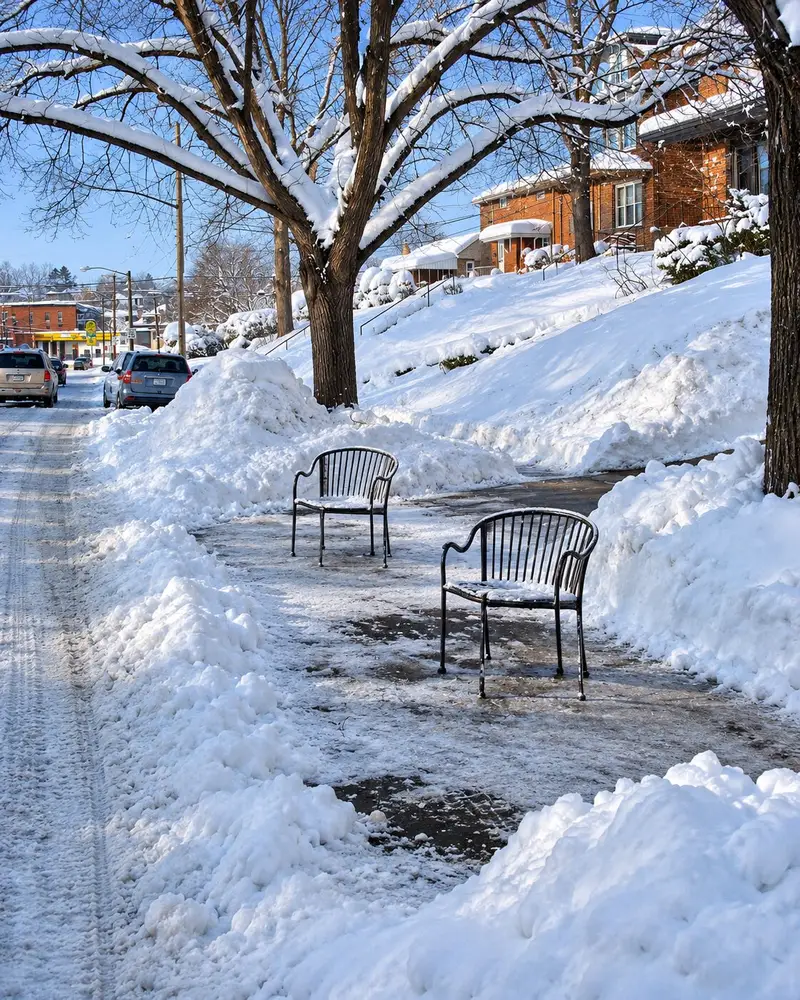
An ironing board standing in a parking space in February is not litter. By neighborhood law, it is a binding legal document.
Winter brings out our Midwestern grit, but it also brings out our territorial side. Spend three grueling hours shoveling your sedan out of two feet of heavy, icy, snow-plow-packed snow, and you have earned that street parking spot.
Enter the deeply revered, occasionally controversial tradition of “Dibs.”
Every kid here has watched neighbors claim freshly shoveled spots with the most random household objects imaginable. The variety is staggering:
- Broken plastic lawn chairs
- Ironing boards
- Five-gallon buckets filled with frozen water
- Wooden sawhorses
- Old vacuum cleaners
 JM
AK
New drivers figure out fast to never, ever move someone else’s dibs. The street-justice consequences of parking in a claimed spot are not worth the risk to your windshield wipers.
6. Sports Loyalty is a Lifelong (and Painful) Commitment
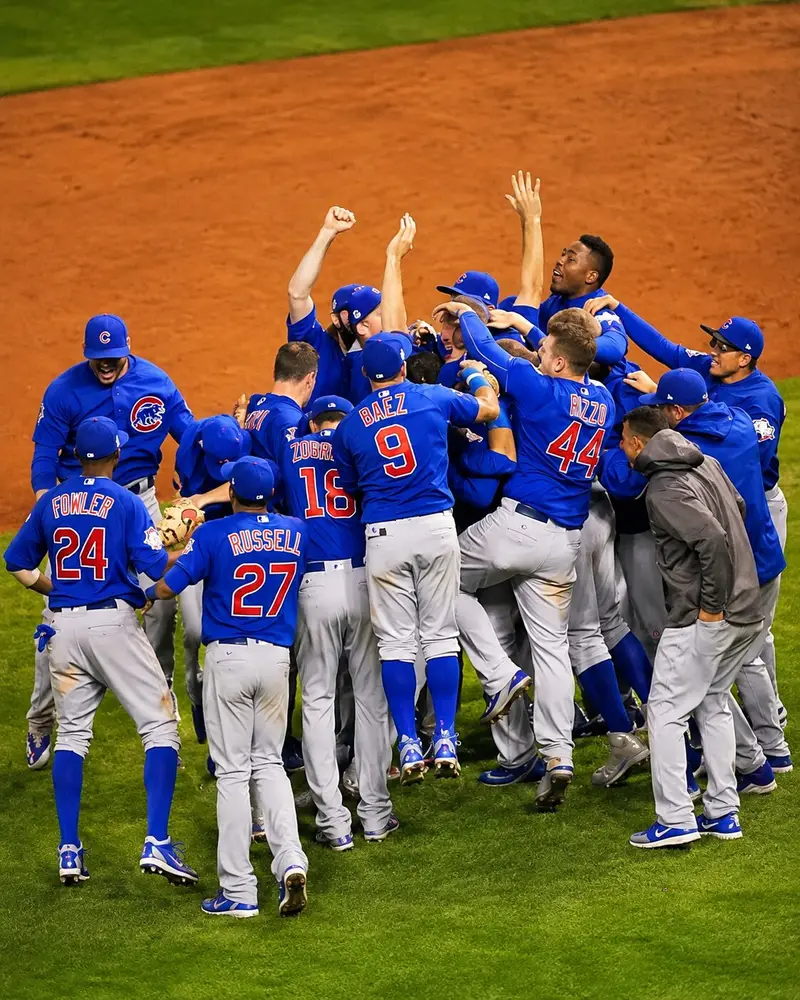
One hundred and eight years. That is how long Cubs fans waited between championships before November 2016, and almost none of them ever considered switching teams.
In Chicago, you do not casually choose your teams; you inherit them through bloodlines. You are born into a Cubs family on the North Side or a White Sox family on the South Side. There is no in-between, and crossing enemy lines is heavily frowned upon at family gatherings.
Being a Chicago sports fan teaches patience, thick skin, and loyalty through some truly dark eras.
We suffered decades of heartbreak and the “Curse of the Billy Goat” before that miraculous 2016 World Series. We constantly, desperately hope the Bears will return to their legendary 1985 glory.
No matter how many times our teams blow a fourth-quarter lead, we wipe our tears and say, “There’s always next year.”
7. Local Commercials Are Burned Into Your Brain Forever

Say “588-2300” to anyone raised here and they will shout “EMPIRE!” before you finish the sentence.
Local commercials are the true soundtrack of a Chicago youth. Natives do not just know these jingles; they can perform them on command with the exact cadence of the original actors.
The classic animated Empire Carpet commercial that played during every Chicago kid’s sick day at home—featuring Elmer Lynn Hauldren’s unmistakable baritone and the phone number an entire city still has memorized.
- Empire Carpet: “800-588-2300, EMPIRE! (Today!)”
- Victory Auto Wreckers: The grainy footage of a guy staring in shock as his car door randomly falls off its hinges in his driveway.
- Eagle Insurance: The terrifying, low-budget eagle mascot landing on a car, declaring “I’ve got something for you!” and laying an egg containing their low rates.
- Peter Francis Geraci: The soothing, monotone voice offering bankruptcy “Info Tapes” during daytime television.
- Luna: “773-202-LUNA!”
These spots ran for decades on local television completely unchanged, a shared cultural touchstone for every true Chicagoan.
8. The “L” is a Microcosm of Humanity
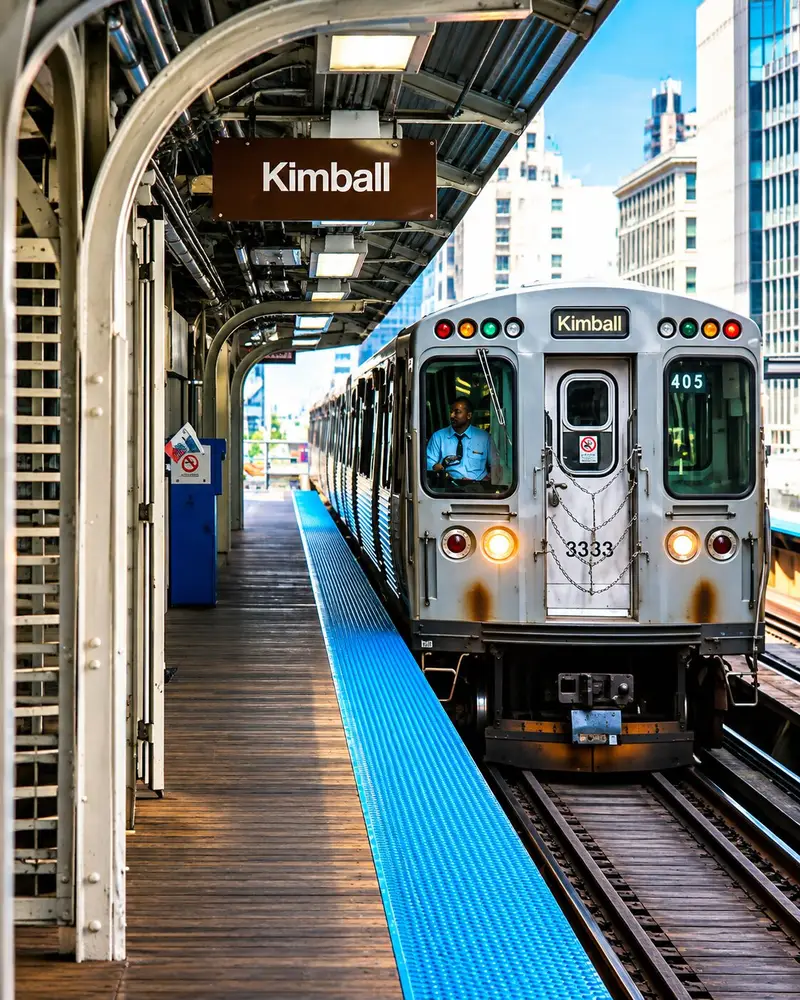
Chicago kids can stand upright in a lurching train car without touching the grimy overhead rails long before they can drive.
Riding the CTA is a rite of passage. Maybe you took the Red Line to a Cubs game, rode the Blue Line into the Loop for a field trip, or caught the bus down Western Avenue. Either way, public transit was your first real ticket to independence.
Visitors can spare themselves the rookie mistakes with a quick read on how to ride the ‘L’. Kids who grow up on it absorb the street smarts automatically: mind your own business, skip the awkward eye contact, and “surf” the car with perfect balance.
The train also teaches an appreciation for the chaotic diversity of the city. A single car holds stressed business executives, talented street musicians, exhausted college students, and bewildered tourists, all sharing the same morning commute.
9. Summer Here is Worth Every Day of Winter
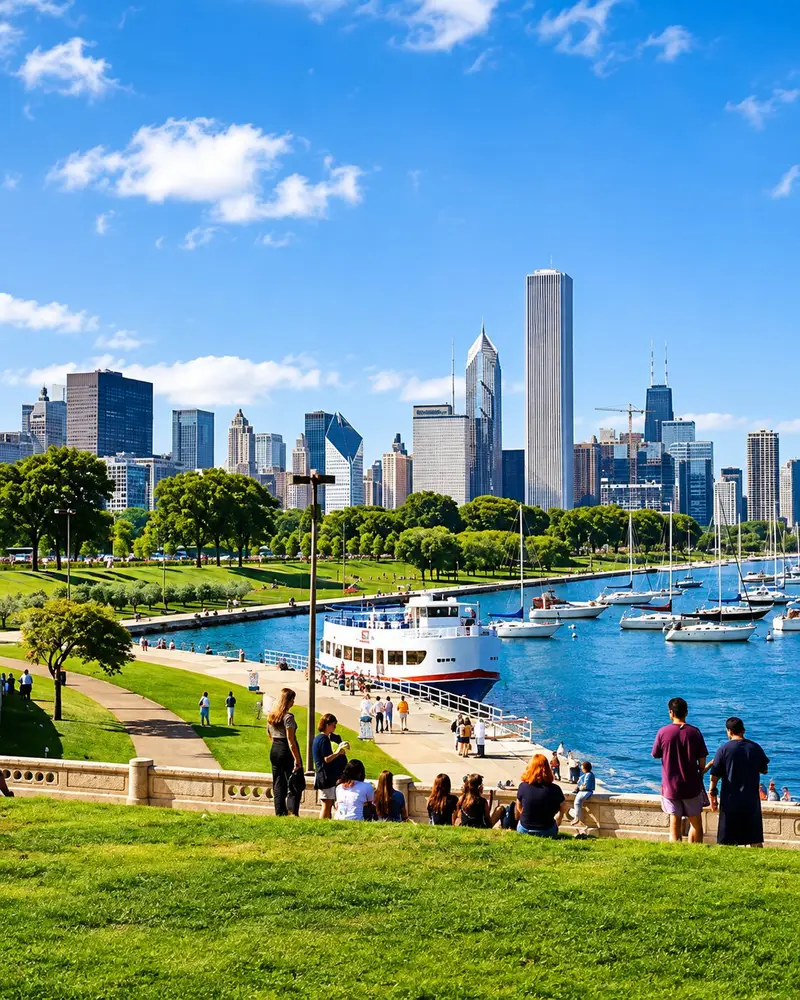
No one on earth appreciates a gorgeous, 75-degree sunny day quite like a Chicagoan who just survived February.
We earn our summers. After six agonizing months of gray skies, slushy crosswalks, and sub-zero temperatures, the city explodes with energy in June, and growing up here teaches you to wring every drop of joy from the warm months because they are painfully fleeting.
Neighborhood block parties, a relentless schedule of weekend street festivals, long days lounging on the concrete steps at North Avenue Beach: there is an electric magic in the air.
People are happier, restaurants open their patios, and the lakefront path is packed with bikers from sunrise on.
10. We Have Our Own Unique Vocabulary
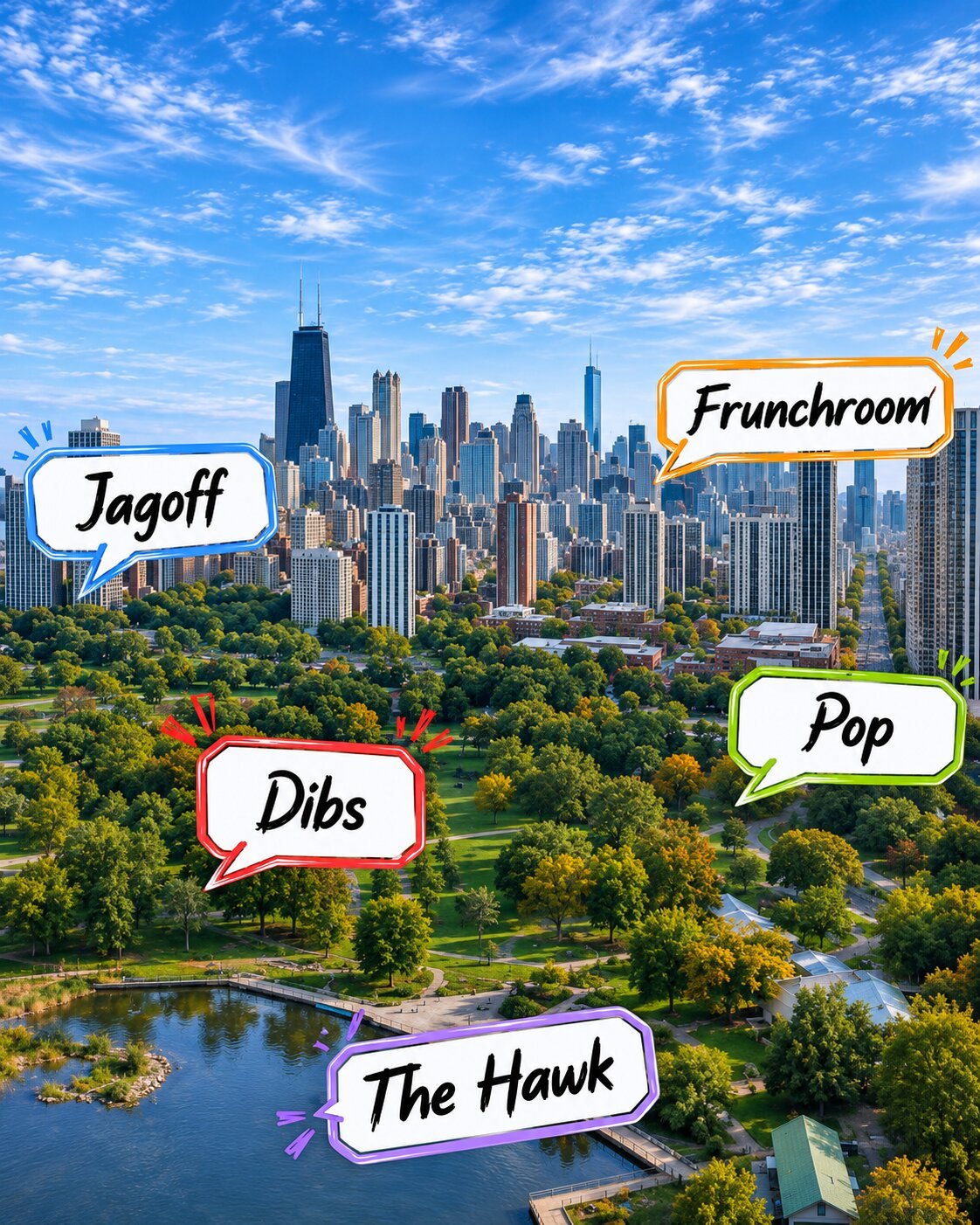
Nobody here has ever shopped at “Jewel.” We go to “The Jewels,” and we will not be talked out of it.
Chicago natives speak a very specific, slightly nasal dialect of Midwestern English, and dozens of Chicago slang terms will immediately mark you as a local (and keep you from sounding like an out-of-town tourist).
- “The Jewels”: The grocery store, of course. We love tacking an unnecessary ‘s’ onto the end of store names.
- “Gym Shoes”: You wore gym shoes to gym class. Call them “sneakers” and people looked at you funny.
- “Pop”: We drink pop. We absolutely do not drink soda.
- “Frunchroom”: The fancy, pristine living room right inside the front door, reserved exclusively for guests, is the front room, pronounced rapidly as “frunchroom.”
- “Gapers’ Block”: What happens when traffic on the Kennedy Expressway comes to a dead halt because everyone is staring at a minor fender bender.
These linguistic quirks give us away to other Chicagoans the moment we open our mouths out of state.
11. Local TV Personalities Felt Like Family
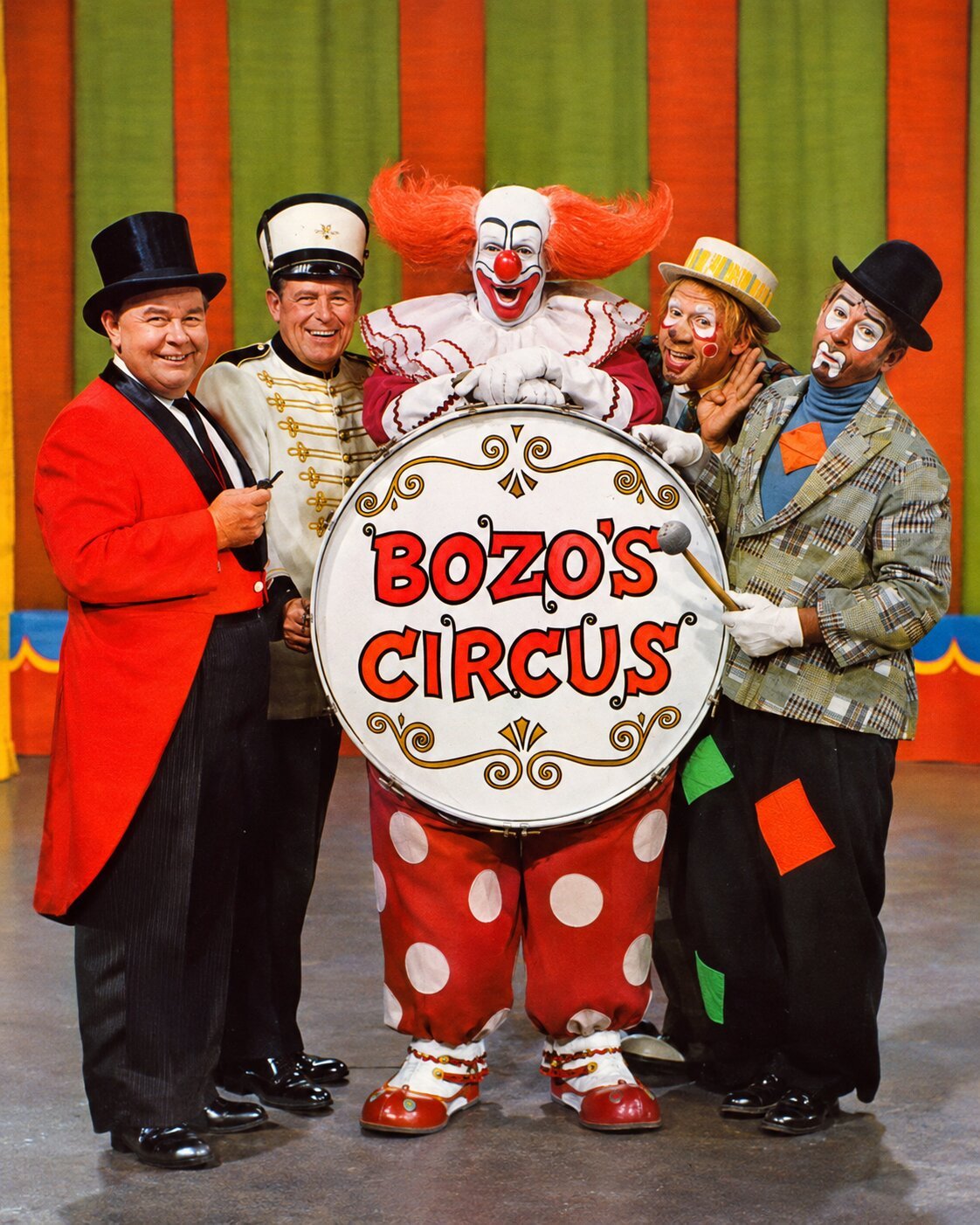
Bucket number six paid a crisp $100 bill and a new bike, and every kid in the city knew it.
Before Netflix, YouTube, and on-demand streaming, Chicago kids were raised by a specific cast of local television legends, and WGN was not just a channel on the dial. It was a way of life.
You parked yourself on the carpet for The Bozo Super Sunday Show and fiercely hoped the kid playing the Grand Prize Game would make it all the way to that sixth bucket.
Take a trip back to 1996 with Joey D’Auria as Bozo the Clown on WGN Channel 9’s The Bozo Super Sunday Show—complete with the kind of studio magic that kept Chicago kids glued to the living room carpet every weekend.
Saturday nights belonged to Svengoolie, showing terrible, campy sci-fi horror movies while rubber chickens were aggressively thrown at his head.
And when it came to weather, longtime WGN Chief Meteorologist Tom Skilling—who forecasted our chaotic skies for 45 years before retiring in 2024—commanded the highest respect. If Tom Skilling said a blizzard was coming, you went to the store and bought bread immediately.
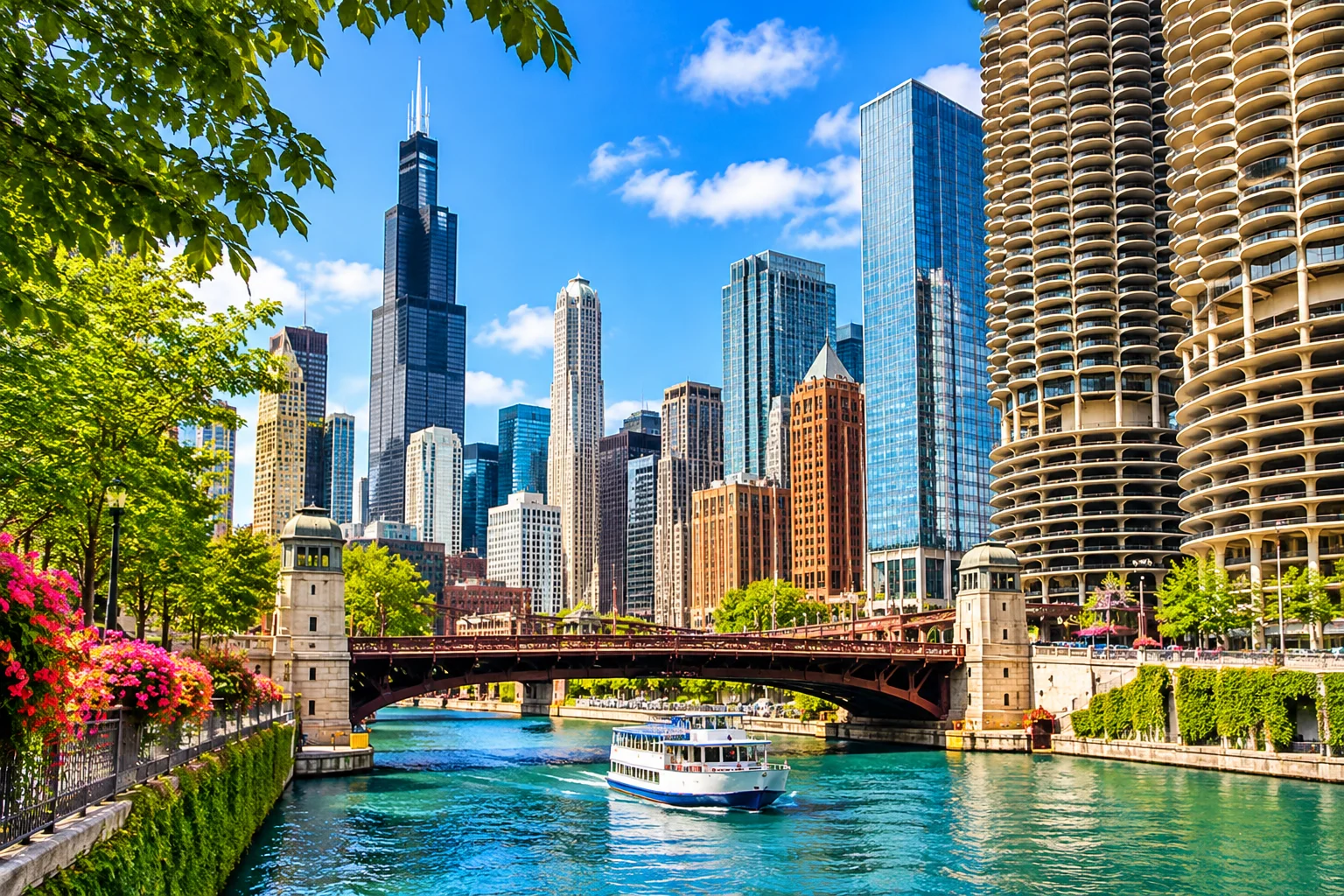
12. The “Willis Tower” Does Not Exist
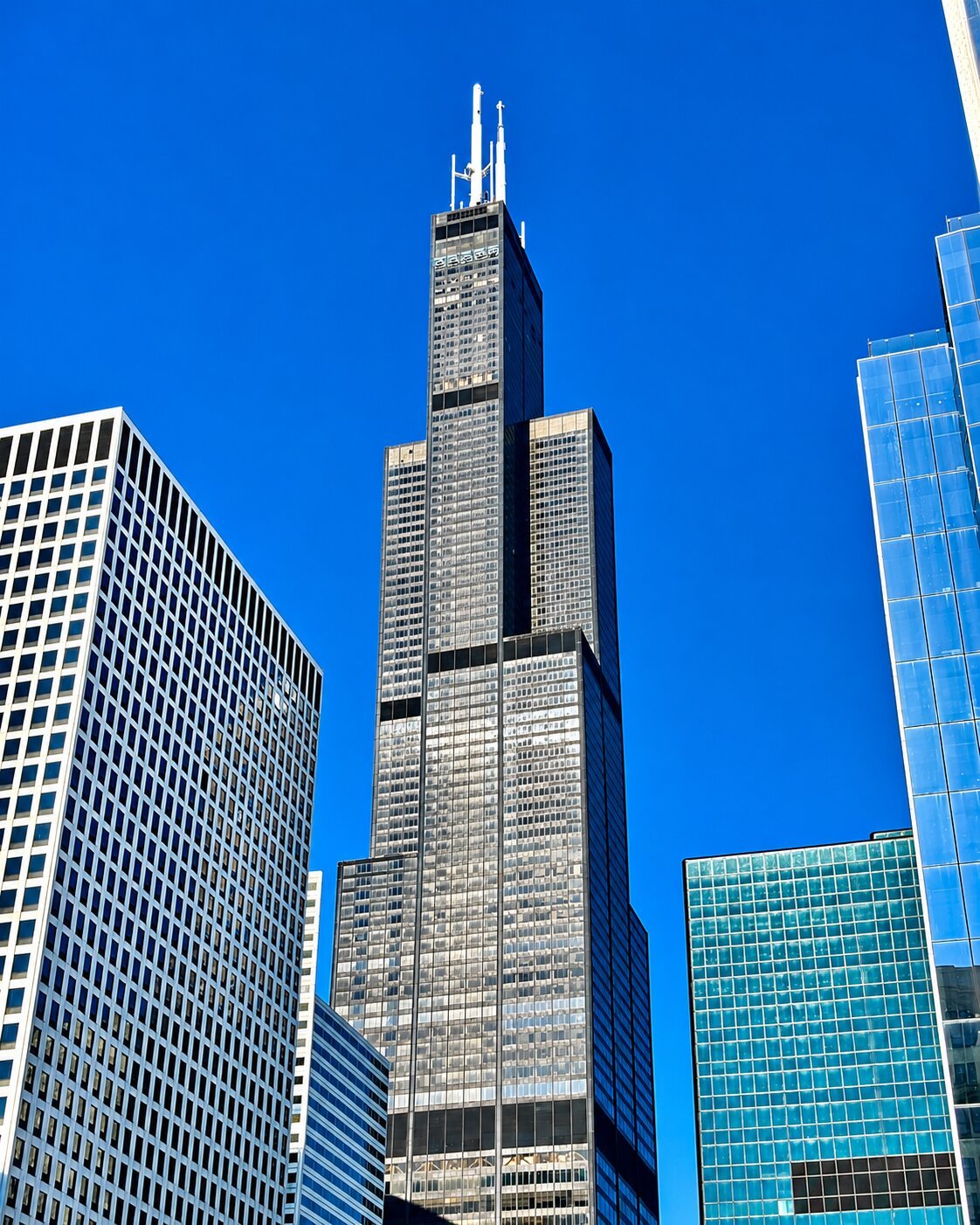
The name on the building changed in 2009. The city has yet to acknowledge it.
If there is one thing Chicagoans are universally, unapologetically stubborn about, it is building names. Growing up here instills a fierce loyalty to the city’s history, regardless of what corporate sponsors or billion-dollar buyouts say.
It is the Sears Tower. It will always be the Sears Tower, no matter how many signs they swap out.
The same rule covers the other iconic Chicago skyscrapers and landmarks.
- Macy’s on State Street? No, that is Marshall Field’s.
- The 875 North Michigan Avenue building? Stop it. That is the John Hancock Center.
- Guaranteed Rate Field (or just “Rate Field,” as they call it now)? Absolutely not. It is Comiskey Park (or “The Cell,” if you grew up in the 2000s).
We refuse to call our skyline anything but its given names, and we will correct tourists who try.
13. The Magic of Casimir Pulaski Day
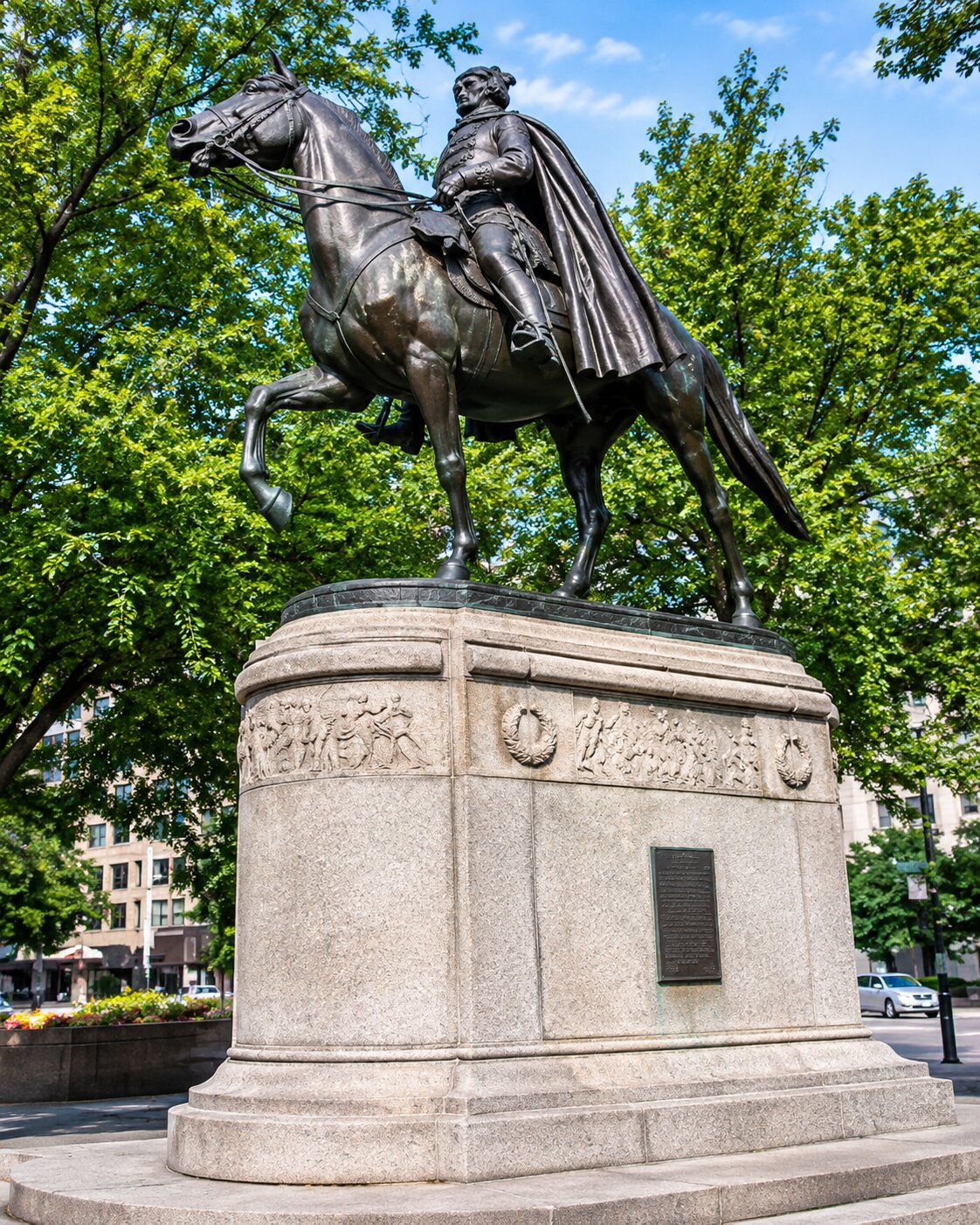
On the first Monday in March, while the rest of the country sat through math class, Chicago kids were sleeping in.
Anyone who went through the Chicago public or Catholic school systems knows the unparalleled joy of Casimir Pulaski Day.
Most of us didn’t initially know much about the Revolutionary War cavalry officer, but we loved him anyway, because he handed us a three-day weekend right in the middle of a brutal winter.
Chicago’s massive, fiercely proud Polish population made this local holiday a cherished staple of a Windy City childhood. Even as adults, we feel a twinge of excitement when early March rolls around.
14. The Distinct Smell of a Mold-A-Rama
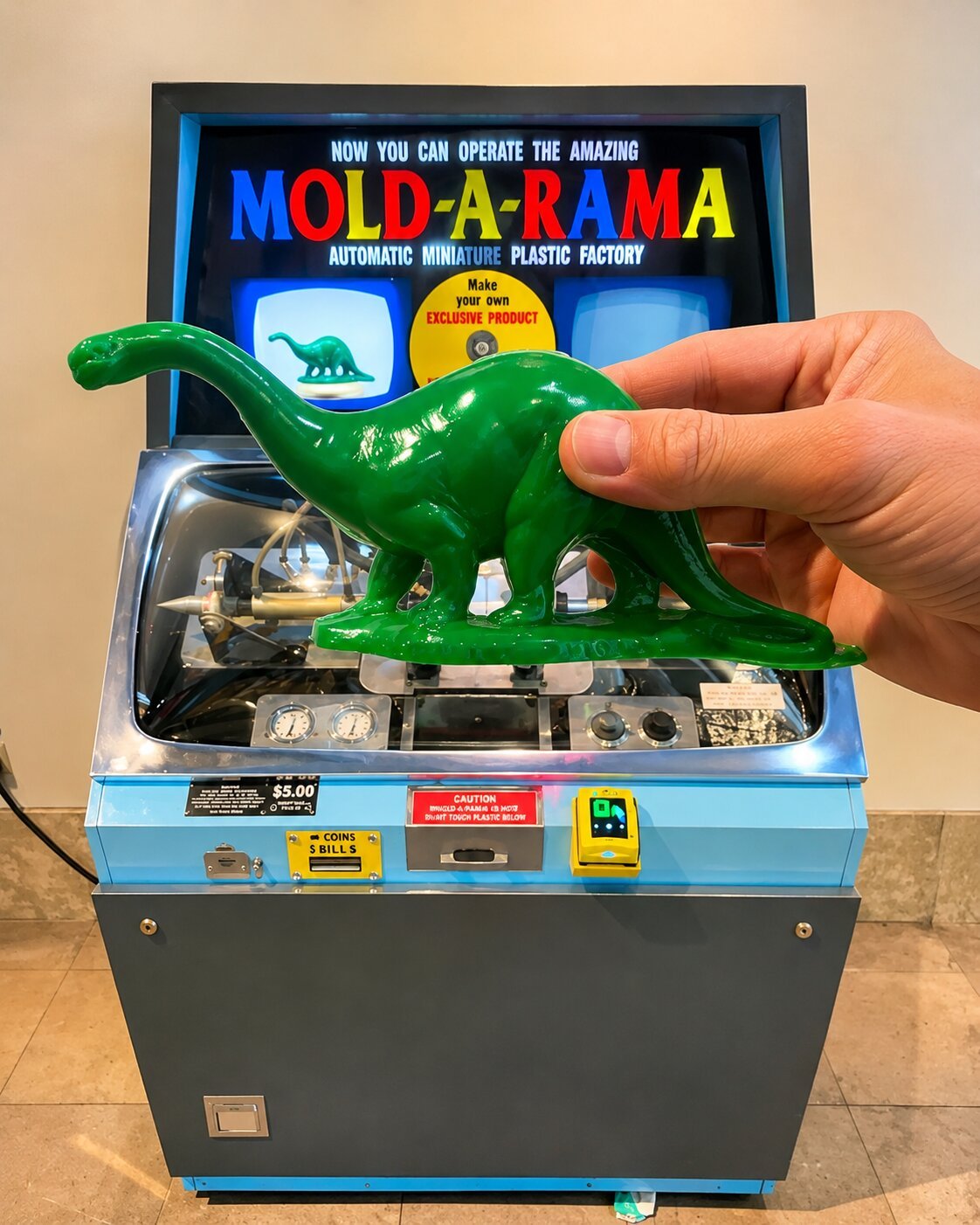
Ask a Chicago adult about the Field Museum and they will skip right past the dinosaur bones to tell you about a warm plastic gorilla.
School field trips here are elite, and we took them seriously. Between the Field Museum, the Shedd Aquarium, the Brookfield Zoo, and the Museum of Science and Industry, our out-of-classroom education came from some world-class museums.
But the most memorable part of those trips wasn’t the fossils or the dolphins. It was begging your parents for a few dollars to feed the Mold-A-Rama machines.
Watching scalding liquid plastic get pressed into a green gorilla, a red space shuttle, or a blue dolphin was completely mesmerizing.
Every Chicago kid remembers the warm, waxy, almost chemical smell of a fresh Mold-A-Rama toy. It is the official scent of a Chicago childhood.
15. Alleys Are a Major Point of City Pride
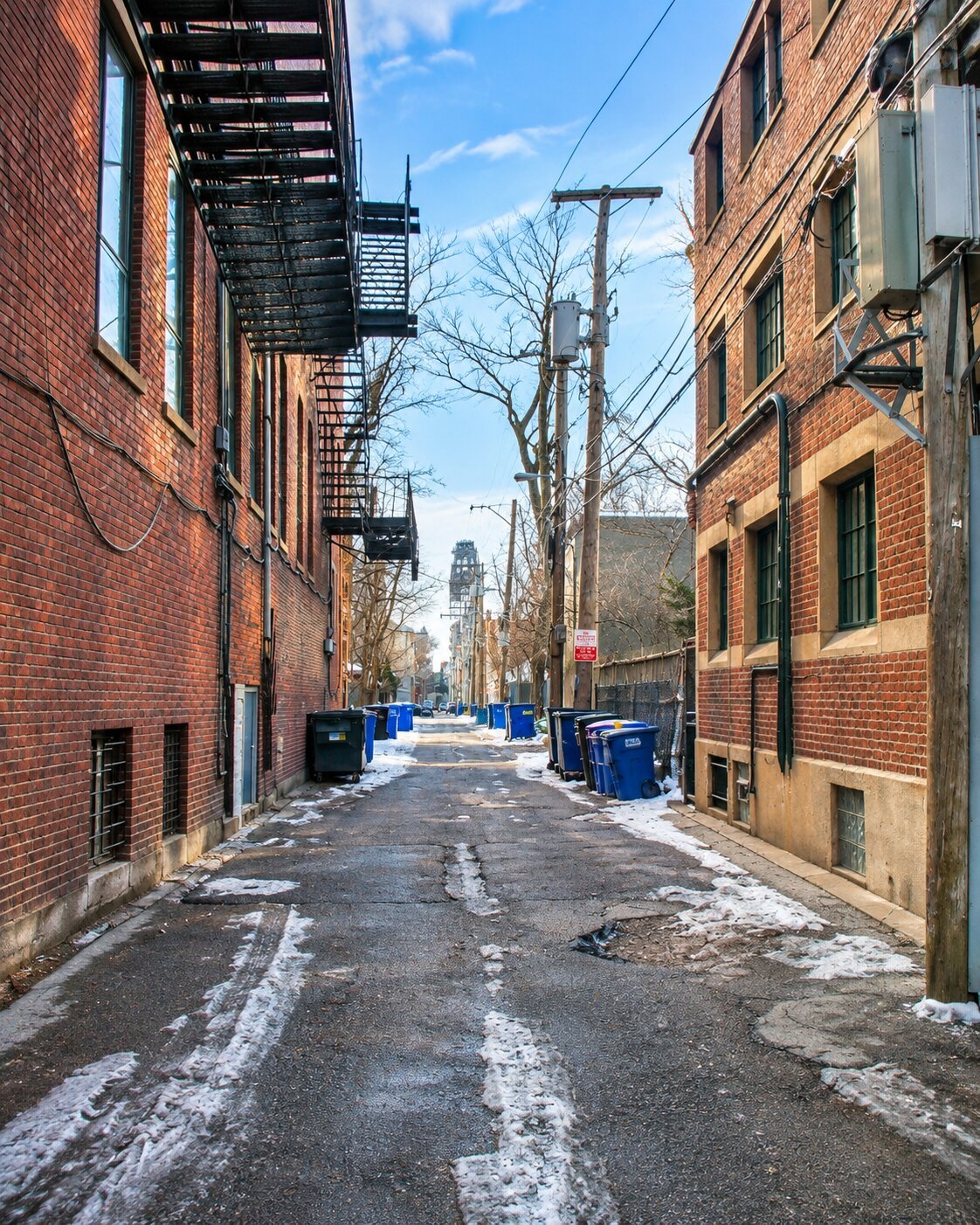
Chicagoans will brag to you about where they put their garbage, and they are right to.
It sounds weird to outsiders, but growing up here teaches you the architectural beauty of a good alleyway. Unlike New York City, where trash bags pile up on pedestrian sidewalks for everyone to smell, Chicago hides its dumpsters completely out of sight.
Our grid comes with a massive, intricate network of paved alleys running directly behind our houses and apartment buildings, and they hold some of the architectural details locals walk past every day without a second look.
They were never just for garbage trucks, either.
Alleys were the ultimate neighborhood playground: where you learned to ride a two-wheeler without training wheels, where pickup basketball got aggressive on a garage hoop, and where you hung out with the neighborhood kids until the streetlights flickered on.
16. St. Patrick’s Day is a City-Wide Phenomenon
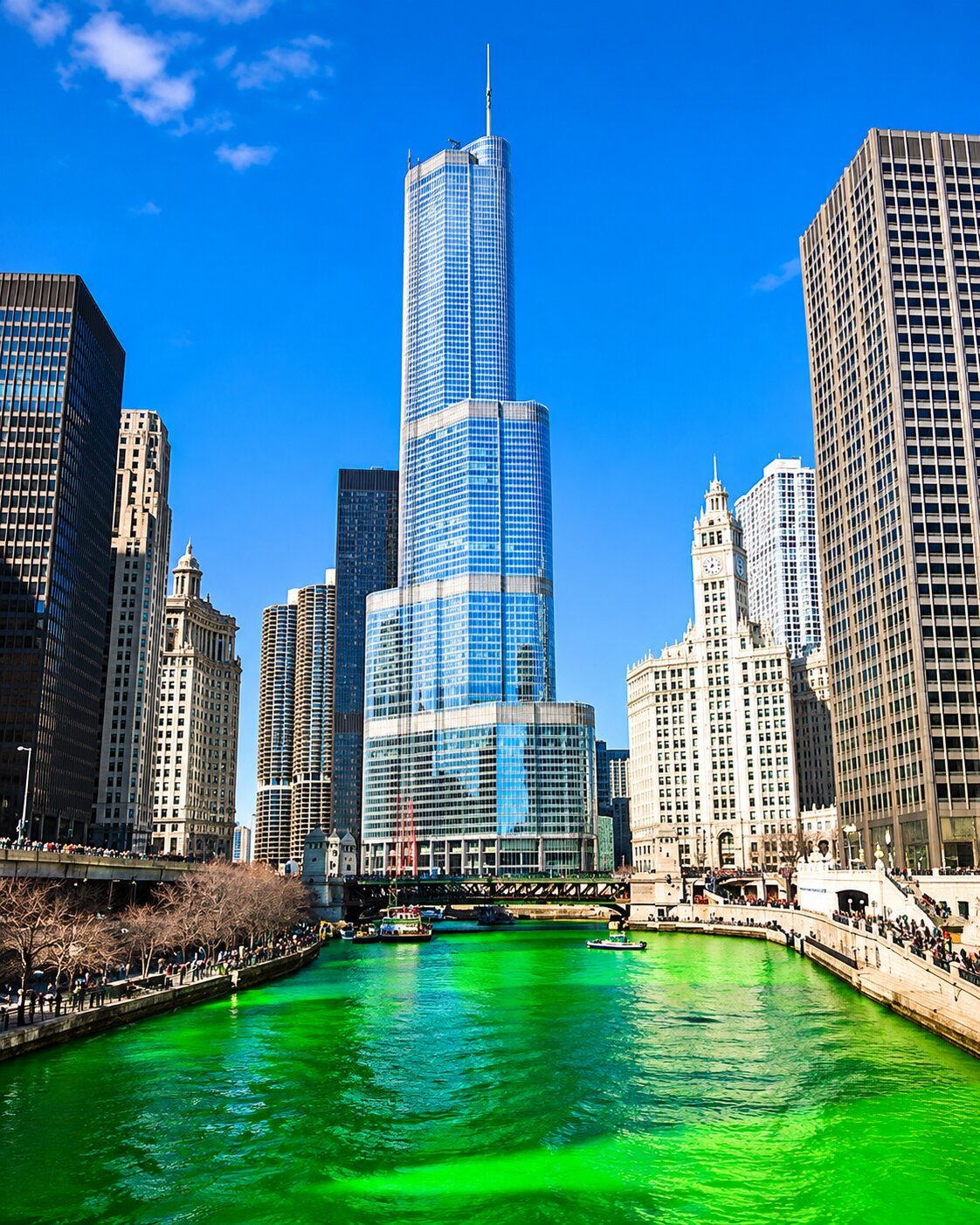
Every March, Plumbers Local 130 dumps secret orange powder into a major, heavily trafficked river, the water turns neon green, and nobody here finds it strange.
In other cities, St. Patrick’s Day is an excuse to wear a green t-shirt to the office and drink a Guinness at happy hour. In Chicago, it is an unofficial city holiday that swallows the entire weekend and pulls millions of people into the streets. Watching the river dyeing is simply a normal Saturday morning activity.
From the packed downtown parade to the fiercely proud South Side Irish Parade in Beverly, where the corner bars are the kind of spots locals keep to themselves, the energy is completely electric.
Even without a single ounce of Irish blood in your veins, you are officially Irish in Chicago on St. Patrick’s Day.
17. The Great “Suburban” Divide
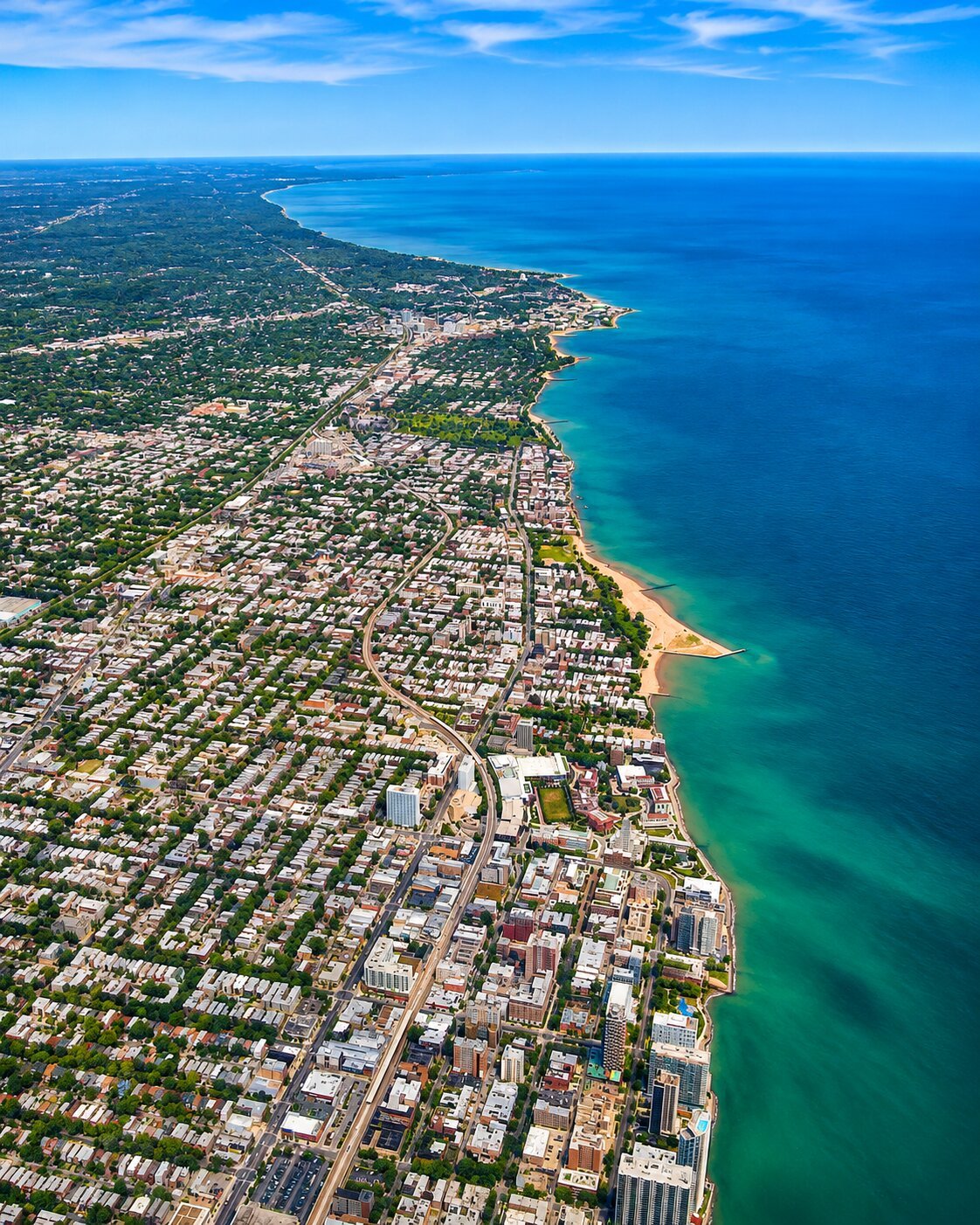
“What neighborhood?” Two words, and a thousand suburban bluffs have died on them.
The sprawling Chicago area teaches a strict, highly protective lesson in geography and personal identity. Anyone from a surrounding suburb like Naperville, Schaumburg, Oak Park, or Evanston learns very quickly not to tell an actual city local they are “from Chicago.”
Say it anyway and city kids will test you on the spot. If your answer is a suburb located 45 minutes down I-88, you will be swiftly and mercilessly corrected.
That boundary line ranks among the biggest things people wish they knew before moving to Chicago.
Because of this intense civic pride, you learn to identify exactly where your roots are. A classic brick two-flat in Logan Square or a quiet cul-de-sac in the burbs, either way, you rep your exact hometown hard.
18. Midwestern Charm Meets Big City Grit
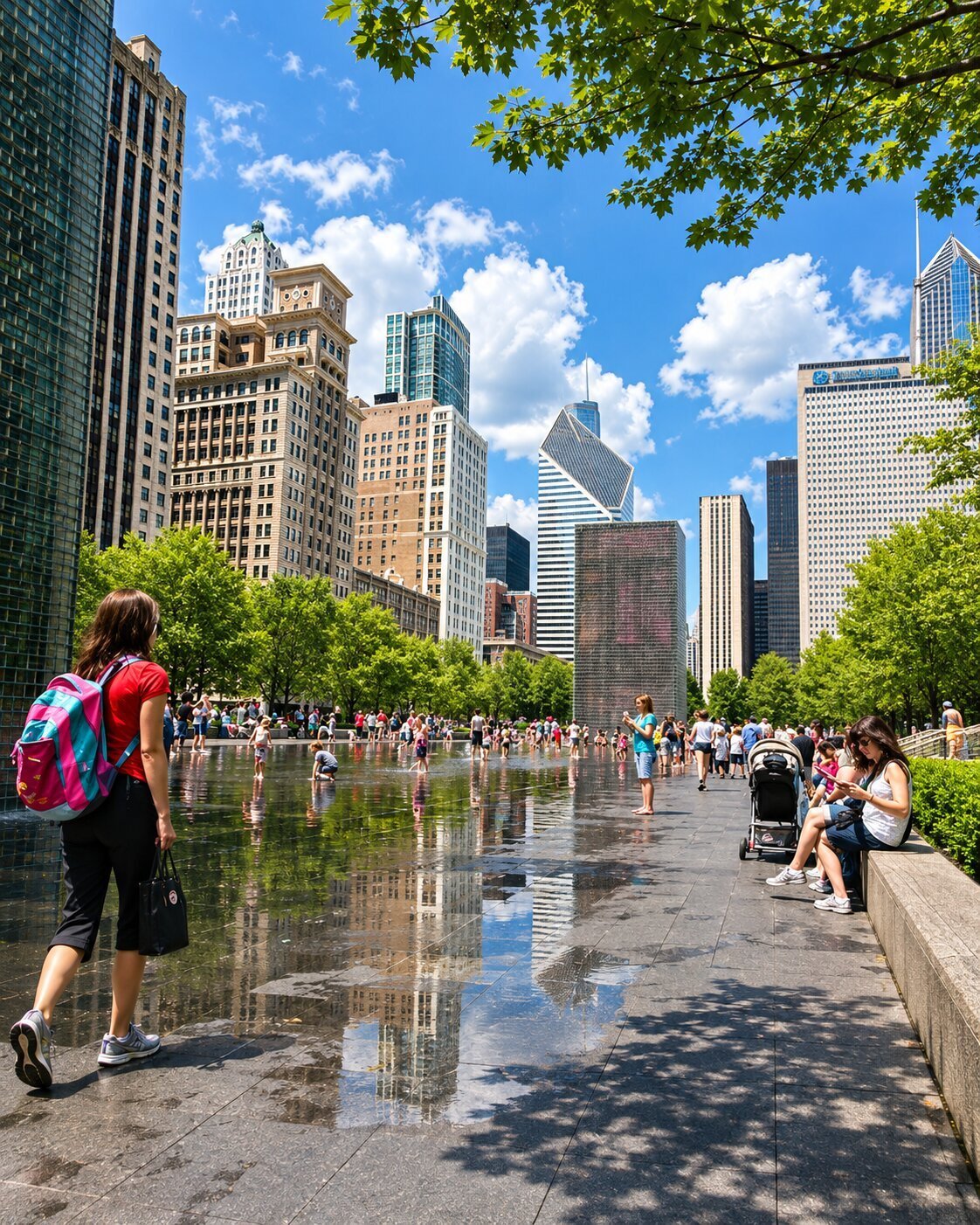
A stranger here will hold a heavy glass door for you, then happily talk your ear off about the weather for 20 minutes in the grocery store checkout line.
Perhaps the most lasting thing a Chicago upbringing teaches is how to treat other people. We are a major, fast-paced metropolis that somehow never lost its Midwestern manners. Once you step off the crowded downtown train and onto a quiet neighborhood block, people actually look you in the eye and give a friendly nod when they pass you on the sidewalk.
Right beneath that warm exterior, though, is a remarkably thick skin.
Chicagoans are tough, fiercely hardworking, and deeply resilient. We know exactly how to hustle to survive in a big city, and we know how to stay humble while doing it.
Read Next: More Chicago Local Guides
- We Asked Locals For Chicago’s Best Thin Crust Pizza. Here’s What they Said.
- The Real Reason Chicago Banned Ketchup on Hot Dogs
- 15 Facts About Chicago That Sound Made Up But Are Completely True
Final Thoughts on a Chicago Upbringing
A Chicago childhood is something you carry for the rest of your life.
It teaches you how to spot a good pizza, how to dress for freezing temperatures, and how to stay intensely loyal to your roots.
Move a thousand miles away and the Windy City still never leaves your blood.
Did you grow up in Chicago? What is a life lesson the city taught you? Share your favorite Windy City memories in the comments below!
JM
AK