
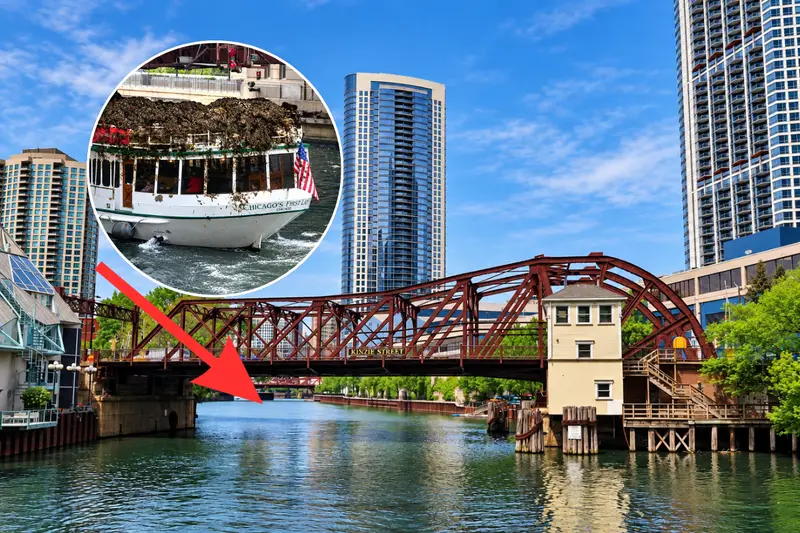
Exactly 800 pounds of liquid human waste once rained from the sky onto a packed boat of horrified tourists.
This is not a gross-out urban legend or a dark internet myth.
The biohazard nightmare happened right over the North Branch of the Chicago River at the Kinzie Street Bridge.
It triggered emergency hospitalizations, a massive state lawsuit, and forever tied a Grammy-winning rock band to the most infamous environmental disaster in modern city history.
A Chillingly Accurate Warning
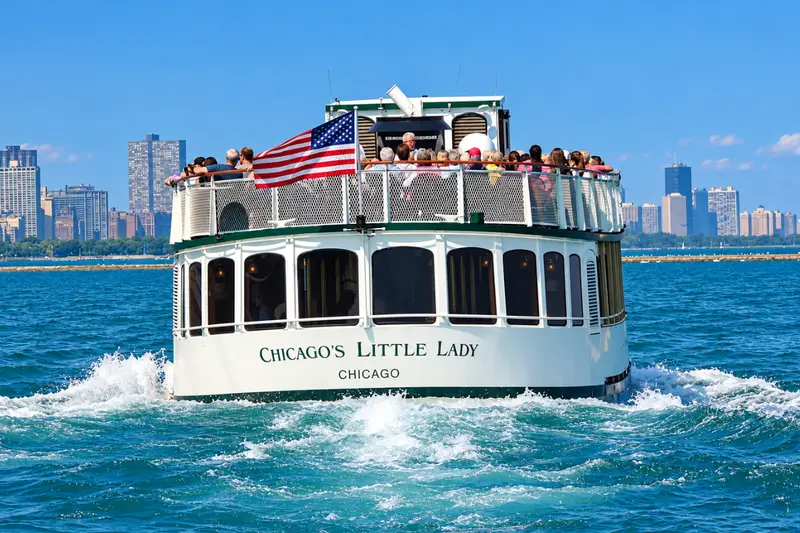
August 8, 2004, started as a flawless, sunny afternoon for a downtown architecture cruise.
At exactly 1:00 PM CDT, the Chicago’s Little Lady pulled away from Navy Pier.
The open-roof terrace was packed with 120 passengers and crew.
Captain Sonja Lund picked up the PA microphone to deliver a standard safety briefing.
She deadpanned to the crowd, “Don’t look up with your mouth open, or you could get a real taste of Chicago.”
Nobody knew how prophetic those words would be.
At precisely 1:18 PM, the sightseeing vessel glided beneath the historic 1909 bascule bridge on Kinzie Street.
High above the steel mesh grates, a black-and-silver luxury motor coach was rolling eastbound.
The bus was heading toward the ultra-luxury Peninsula Hotel at 108 E. Superior Street.
It belonged to violinist Boyd Tinsley of the Dave Matthews Band.
Without warning, driver Stefan Wohl pulled the release valve on the vehicle’s blackwater tank.
Between 80 and 100 gallons of liquid septic sludge, weighing roughly 800 pounds, cascaded through the open grating.
The Magic Brownie PR Nightmare
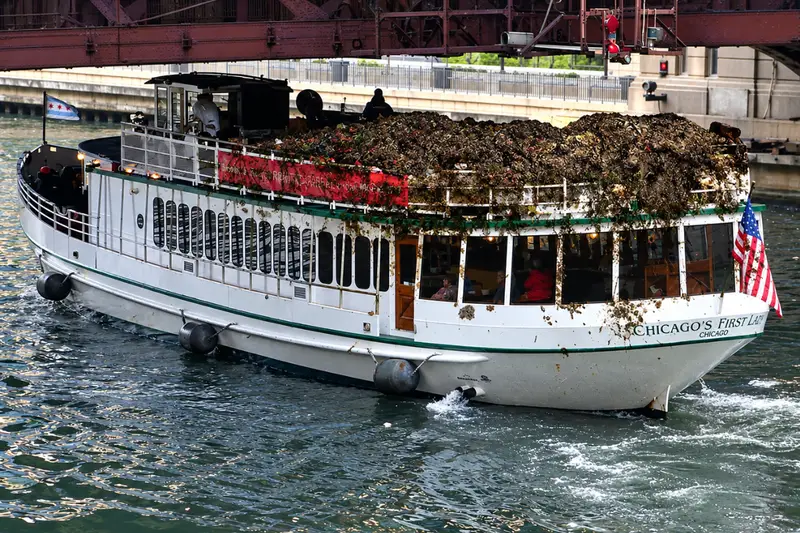
The foul deluge struck the open-air deck with devastating force.
Roughly 80 people took a direct physical hit from the toxic downpour.
The onboard tour guide desperately tried to calm the screaming crowd by claiming it was harmless water from a street sweeper.
Then the overwhelming, suffocating stench of raw sewage hit the deck.
The captain immediately aborted the tour, rushing back to the dock for full refunds.
Paramedics rushed five passengers to Northwestern Memorial Hospital for emergency infectious disease testing.
Up on the street, local driver Lynn LaPlante was trailing the bus with her car windows wide open.
She drove straight into an invisible “wall of smell” left in the vehicle’s wake.
The timing for the rock band could not have been worse.
Ben & Jerry’s had just launched a collaborative ice cream flavor called “Dave Matthews Band Magic Brownies.”
The cartons literally urged fans to “lick global warming.”
Chicagoans mercilessly mocked the eco-conscious rock stars, turning the horrific visual into a relentless local punchline.
Internet lore frequently circulates a viral image of a boat buried under solid waste, but locals know this is a Photoshop parody created by The Onion.
The actual waste was liquid blackwater, allowing the crew to sanitize the boat and return to service in just 105 minutes.

The DNA Bluff and the Smoking Gun
When initial reports pointed to the band, their management fiercely denied any involvement.
They even tried to call the city’s bluff.
The band offered to submit DNA samples from their entire crew to prove the waste did not belong to them.
That arrogant defense crumbled within days.
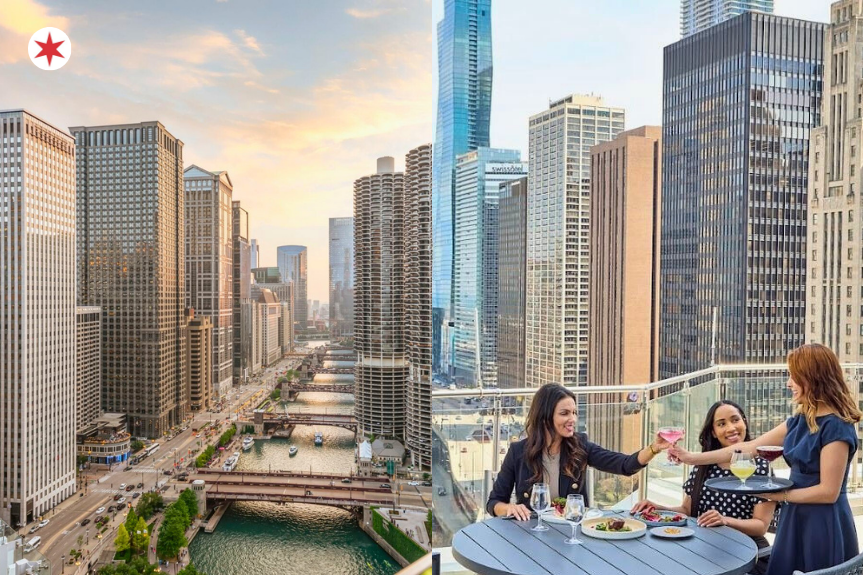
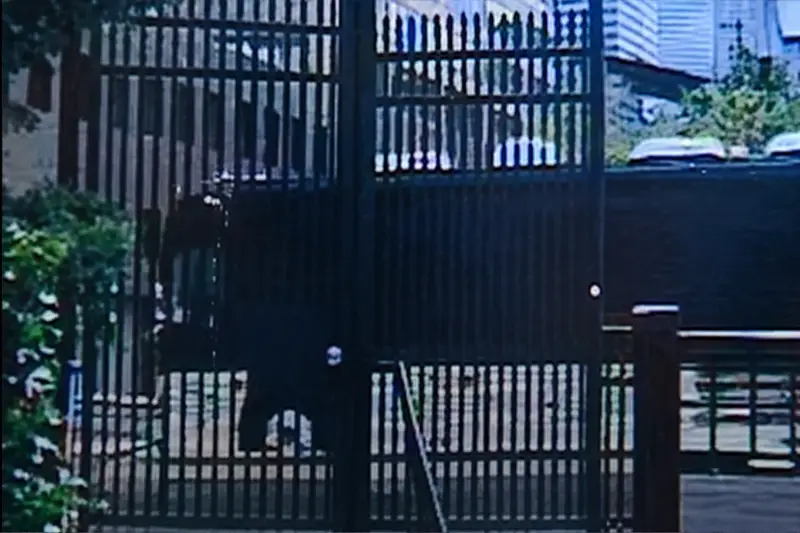
Detectives pulled security camera footage from the East Bank Club at 500 N. Kingsbury Street.
The tape captured the exact moment the bus crossed the bridge and dumped the tank.
The video was so undeniable that Chicago Police blew up the freeze-frame for a major press conference on August 25, 2004.
The incident sparked classic Chicago political theater.
Mayor Richard M. Daley took the microphone to bash the act as “absolutely unacceptable.”
Ever the politician, Daley couldn’t help but add that he still considered Matthews “a very good band.”
Wohl eventually pleaded guilty to criminal misdemeanors for reckless conduct and water pollution.
A Texas judge slapped him with 18 months of probation and a $10,000 fine.
The Million-Dollar Legal Scrub-Down
Illinois Attorney General Lisa Madigan aggressively prosecuted the band to send a message.
She noted the vulnerable victims included senior citizens, an infant, and a pregnant woman.
To settle the civil lawsuit, the band paid out $310,000 in total fines and donations.
This included $50,000 to the Friends of the Chicago River and a $200,000 penalty to the state.
The settlement also forced a bizarre structural loophole on the band.
For five years, every Dave Matthews Band tour bus had to maintain a meticulous physical logbook tracking the exact time and location of every septic dump nationwide.
Despite the massive fines, the band’s lawyers secured a quiet non-admission of guilt clause.
This forced the soaked passengers to file independent, private personal-injury lawsuits.
Those cases were eventually won but remain buried under strict non-disclosure agreements.
Today, survivors still trade highly sought-after commemorative T-shirts mocking the 2004 tour.
The city has no official bronze marker for the infamous spill.
For generations of Chicagoans, the river has been a source of pride, but this incident remains a permanent, hilarious stain.
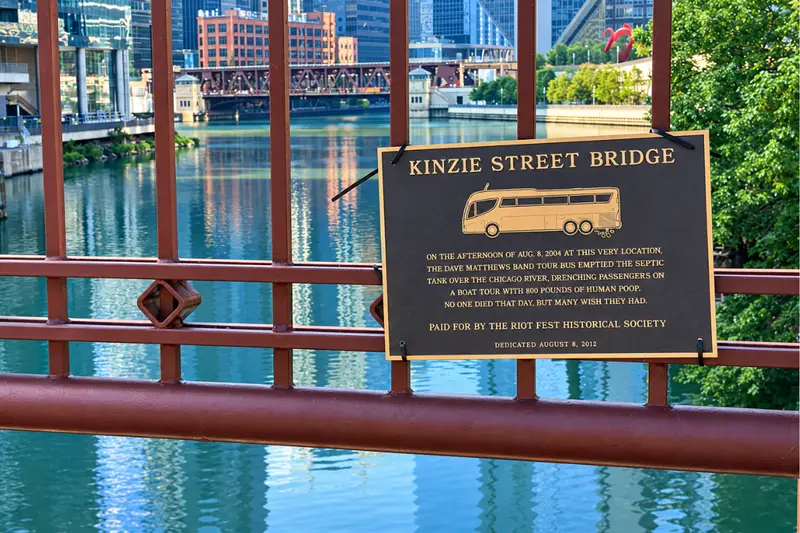
A heavy-duty guerrilla historical plaque, mounted by the Riot Fest Historical Society, still clings to the iron girders.
It stands as a gritty, permanent reminder of the day a rock band dumped on Chicago.
Visitor Guide: The Kinzie Street Bridge
Exact Location: 400 W. Kinzie Street, Chicago, IL 60654.
Cross Streets: The bridge connects the River North and Fulton Market / West Loop neighborhoods.
Transit Directions: Take the CTA Green or Pink Line to the Clinton stop, then walk three blocks north.
What to Look For: Walk along the pedestrian path to see the historic 1909 steel mesh grating.
Keep an eye out for the guerrilla Riot Fest historical plaque permanently bolted to the iron girders on the bridge’s southeast side.