
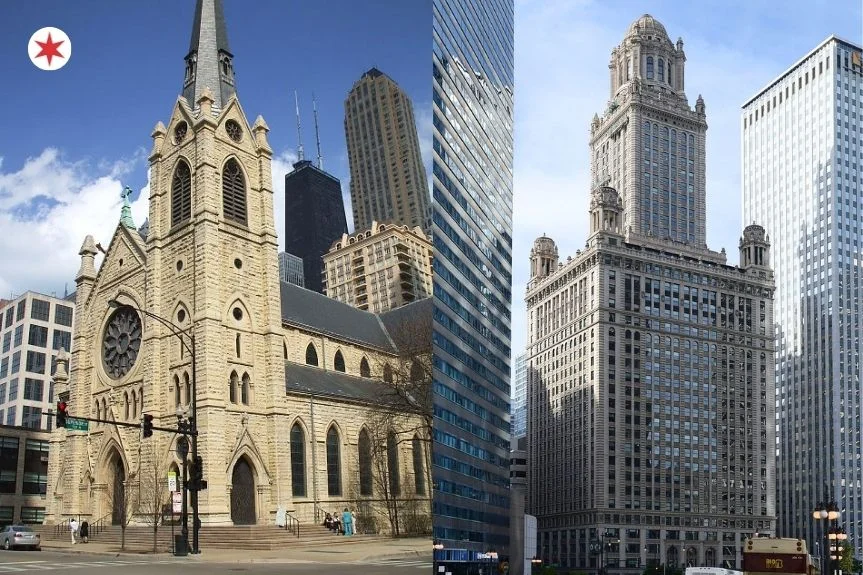
You probably walk past them every single day.
Chicago is a city of stunning architecture, towering skyscrapers, and beautiful brick walk-ups.
But beneath the gorgeous facades, this city is built on top of some incredibly dark history.
We aren’t talking about generic ghost stories or exaggerated tourist myths.
We are talking about literal murder castles, forgotten cemeteries, and the sites of horrific tragedies that have been paved over and turned into trendy nightclubs.
Here are the first three normal-looking Chicago buildings that hide a deeply disturbing past.
1. The Englewood Post Office (Englewood)
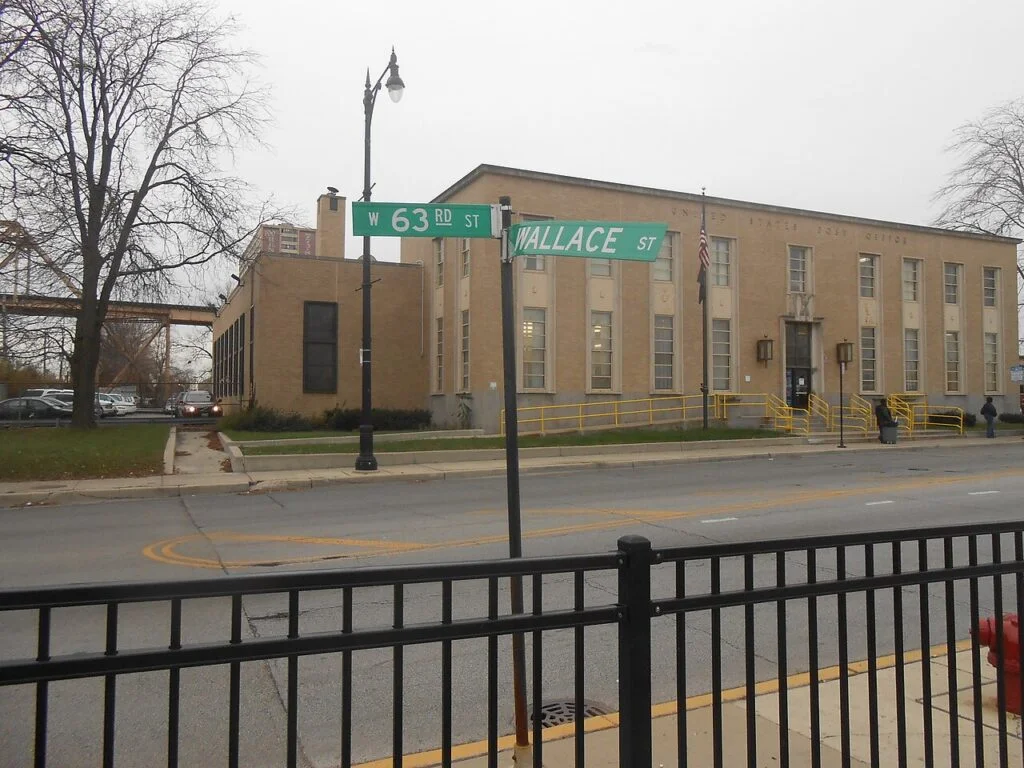
Walk down 63rd and Wallace in the Englewood neighborhood, and you will see a completely unremarkable brick building.
It is a standard United States Post Office.
People buy stamps here.
They mail packages and drop off their utility bills.
But they are standing on the exact footprint of pure evil.
During the 1893 World’s Fair, Dr. H.H. Holmes built his infamous “Murder Castle” on this precise plot of dirt.
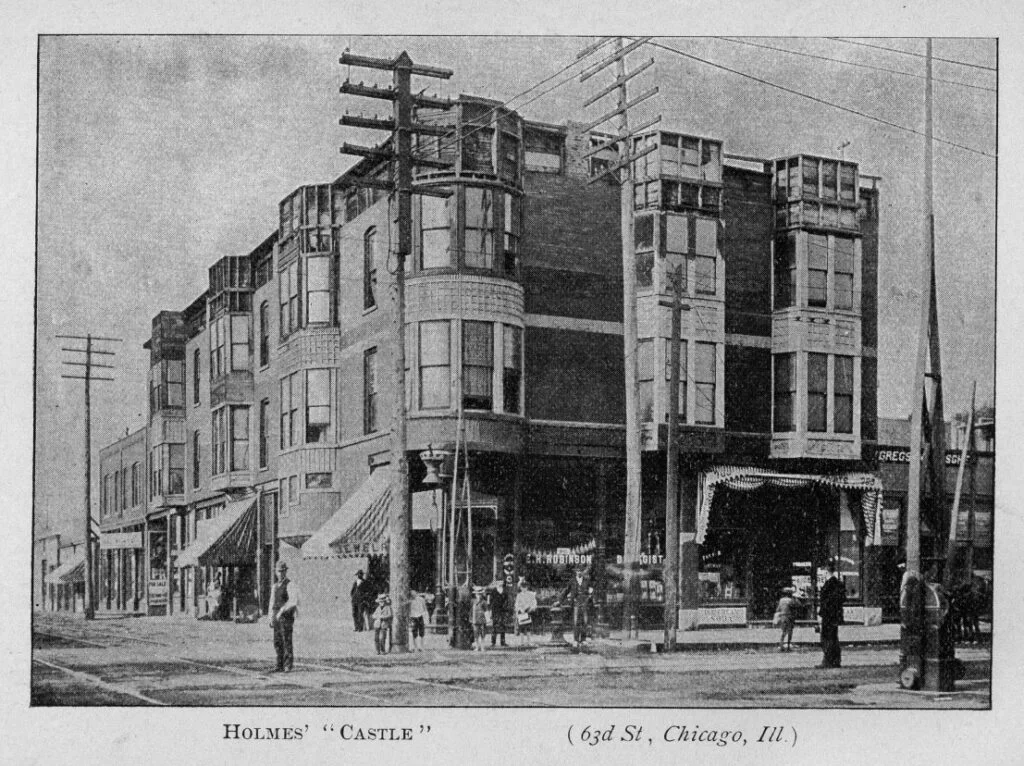
It was a massive, labyrinth-like hotel designed specifically for death.
He installed soundproof rooms, trap doors, gas chambers, and a basement crematorium.
Holmes murdered an unknown number of victims here while the city celebrated the fair just a few miles away.
The original castle was torn down in 1938, and a post office was built over the ashes.
Today, there are no plaques.
There is no memorial.
If you check local neighborhood history boards, residents frequently talk about the eerie, empty patch of grass sitting directly next to the post office.
That grass covers the rest of the original basement foundation.
Exact Address: 606 W 63rd St, Chicago, IL 60621
Cost: Free
Access: Standard post office business hours.
Local Pro-Tip: Stand on the grassy lot immediately to the east of the building. You are standing directly over where the basement crematorium used to be.
2. The Nederlander Theatre (The Loop)
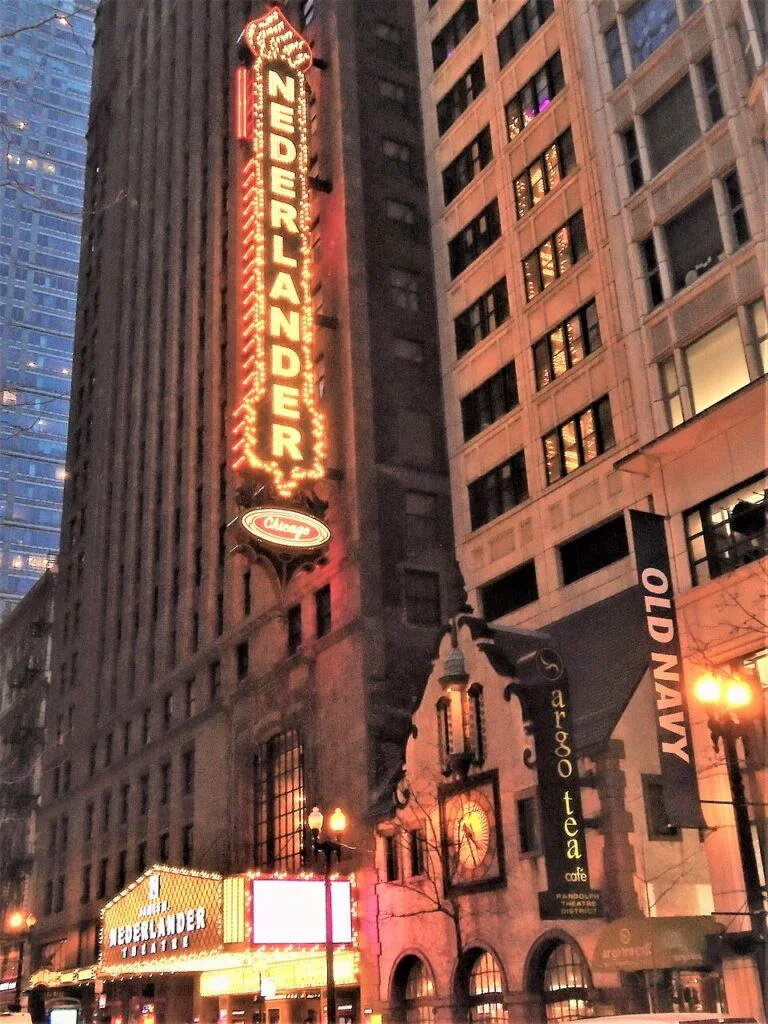
Let’s head downtown to the glitzy theater district in The Loop.
The Nederlander Theatre on Randolph Street is a gorgeous, beautifully restored Broadway-style palace.
You walk past the glowing marquee and the excited crowds heading in to see a musical.
But this exact site holds the darkest record in the city.
In 1903, this building was known as the Iroquois Theater.
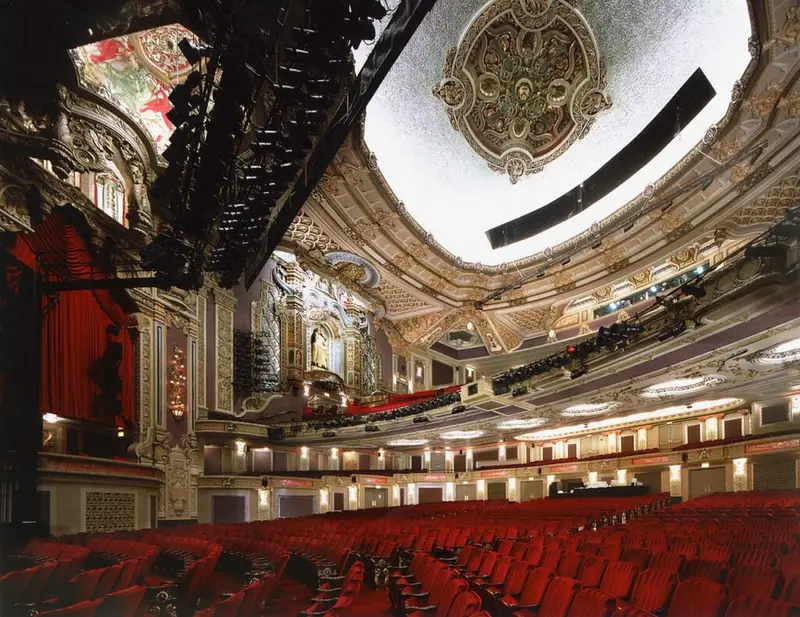
During a sold-out winter matinee, a stage light caught fire.
The flames spread instantly to the highly flammable velvet curtains.
Over 600 people—mostly women and children—burned or were trampled to death trying to escape the locked doors.
It remains the deadliest single-building fire in United States history.
The sheer volume of casualties overwhelmed the city.
Firefighters used the narrow alleyway directly behind the theater as a makeshift morgue.
They stacked the bodies of the victims on the freezing cobblestones.
If you listen to local downtown ghost tours and neighborhood chatter, they refuse to call the street by its real name, Couch Place.
They still refer to it as “Death Alley.”
Exact Address: 24 W Randolph St, Chicago, IL 60601
Cost: Free to walk the alley, tickets required for shows.
Access: The alley is open 24/7.
Local Pro-Tip: Walk down Couch Place (the alley) at night. It is notoriously freezing cold and completely devoid of wind, even in the middle of July.

3. TAO Chicago (River North)
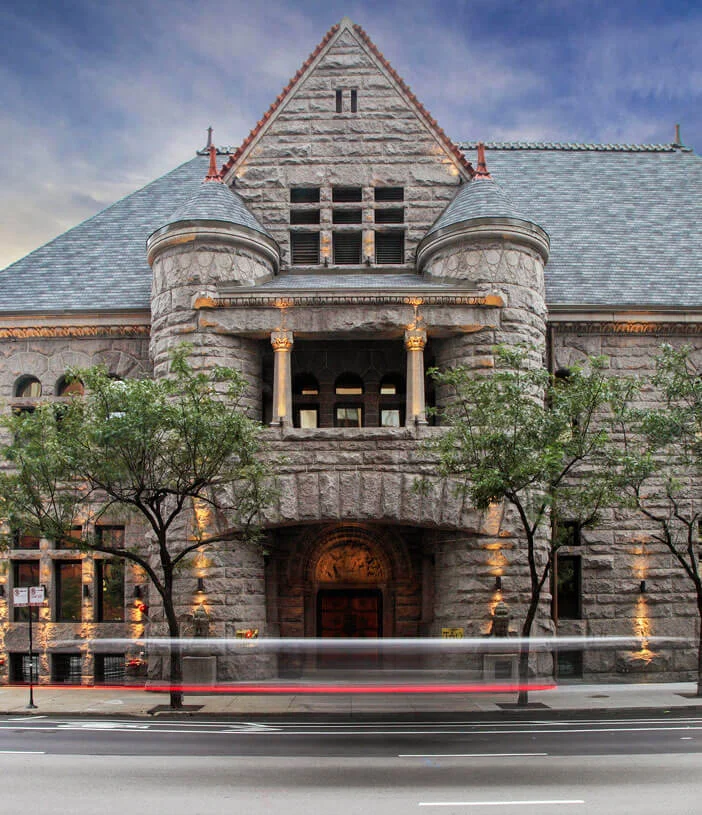
River North is packed with massive, trendy, celebrity-filled nightclubs.
TAO Chicago is the crown jewel of that scene.
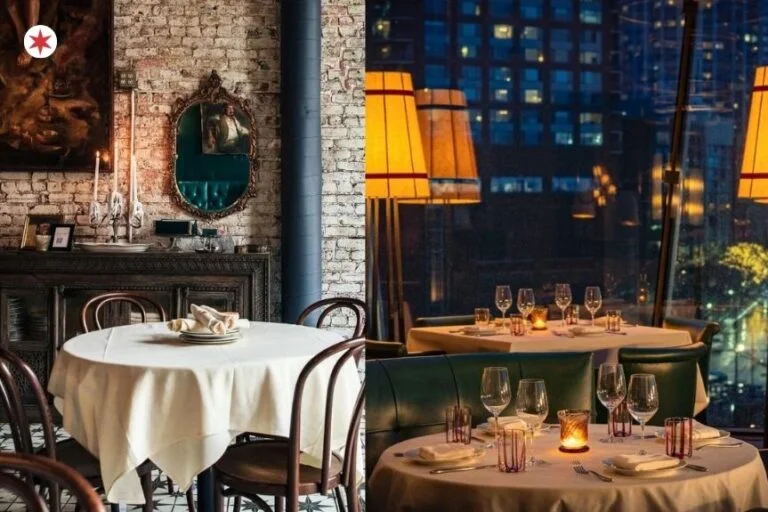
It is a high-end Asian fusion restaurant where people routinely drop thousands of dollars on VIP bottle service.
But look closely at the building itself.
It is a heavy, fortress-like granite structure that looks more like a 19th-century mausoleum than a nightclub.
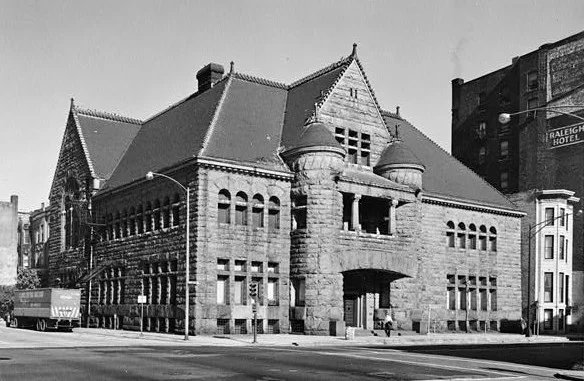
That is because it was originally built as the Chicago Historical Society in 1892.
But the history gets much, much darker.
The building was constructed directly over a section of the old Chicago City Cemetery.
Thousands of bodies were hastily moved to build this neighborhood, and many were left behind in the dirt.
Then, in 1915, the SS Eastland rolled over in the nearby Chicago River.
Over 800 people drowned in a matter of minutes.
The city panicked and needed a place to process the dead.
The basement of this very building was turned into a temporary morgue.
Today, clubgoers dance directly over the exact spot where hundreds of bloated bodies were laid out on the floor.
If you read the local hospitality industry forums, bartenders and bouncers constantly share stories about the heavy, suffocating energy in the basement storage rooms.
Exact Address: 632 N Dearborn St, Chicago, IL 60654
Cost: Expensive.
Access: Open for dinner and late-night club hours.
Local Pro-Tip: Look at the heavy stone arches on the exterior before you walk in. The original 1892 architecture was designed to be entirely fireproof after the Great Chicago Fire.
4. L&L Tavern (Lakeview)
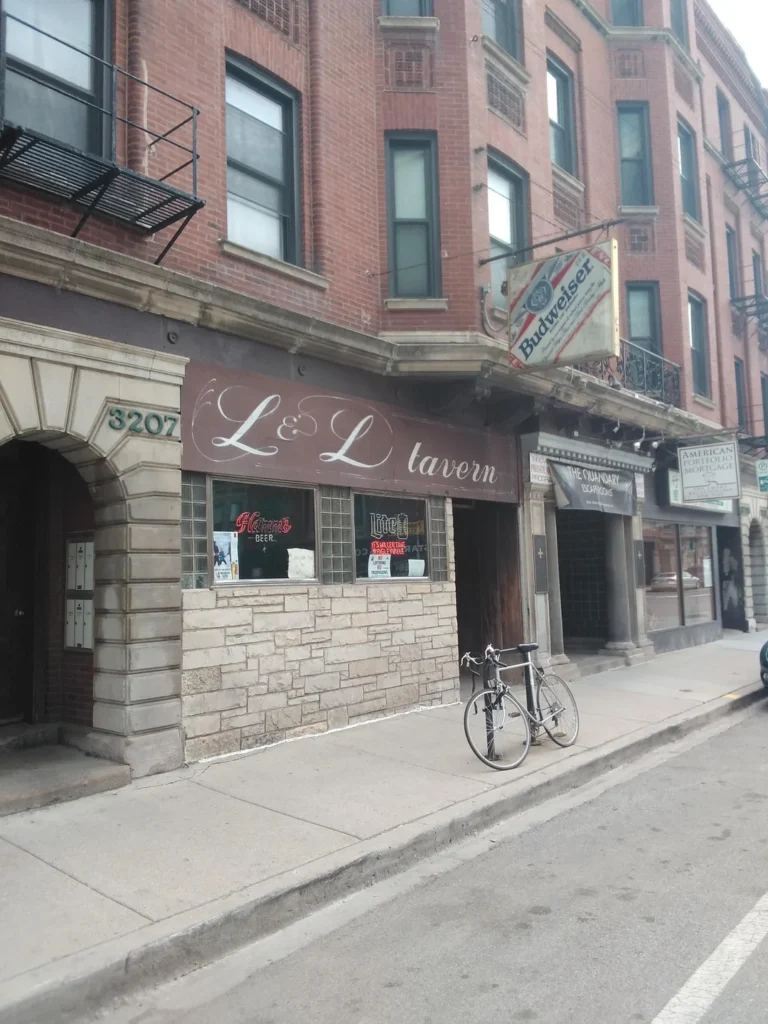
Lakeview is packed with upscale sports bars and overpriced brunch spots.
But sitting quietly at the corner of Clark and Belmont is a massive dose of grit.
The L&L Tavern is a classic, unapologetic neighborhood dive bar.
You walk in for a cheap beer under a buzzing neon Old Style sign.
But you are drinking in what locals fiercely debate is the most chilling bar in America.
This unassuming room has the darkest clientele history imaginable.
Serial killer John Wayne Gacy was a known regular here in the 1970s.
He reportedly used to sit at the bar and drink while fully dressed in his Pogo the Clown makeup.
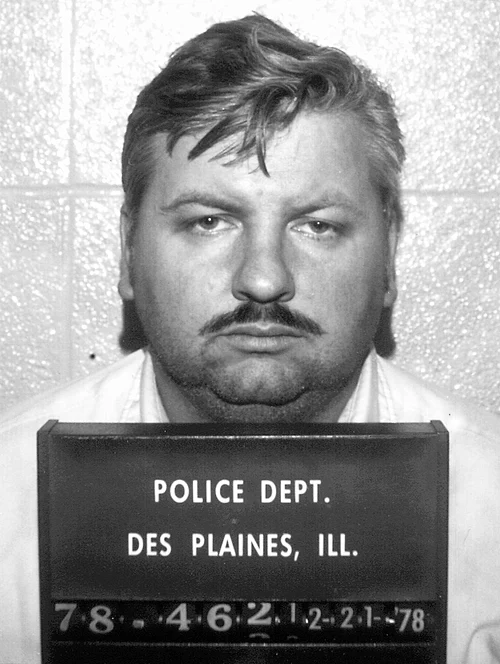
If you ask long-time neighborhood regulars on local forums, the stories get even worse.
Years later, serial killer Jeffrey Dahmer lived in Chicago briefly after being discharged from the military.
He was known to frequent this exact same bar to look for victims.
The visual impact inside is heavy.
It still looks exactly like it did in the 70s and 80s.
The floors are scuffed, the lighting is dim, and the air smells like decades of spilled beer.
Pull up a stool, order a shot, and realize exactly who might have sat there before you.
Exact Address: 3207 N Clark St, Chicago, IL 60657
Cost: $3 – $5 for a cheap beer. Cash only.
Access: Open daily 11am-2am (3am on Saturdays).
Local Pro-Tip: Hit the ATM before you arrive, and don’t expect craft cocktails. You order a shot of Malört and an Old Style here.
5. Courthouse Place (River North)
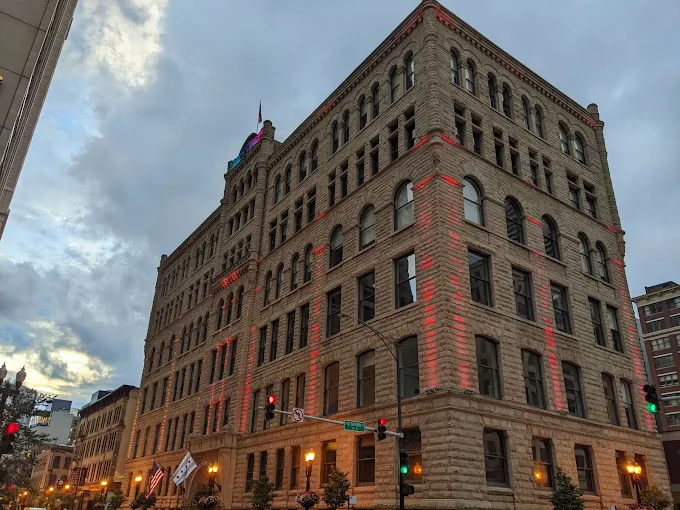
River North is famous for high-end dining and sleek office buildings.
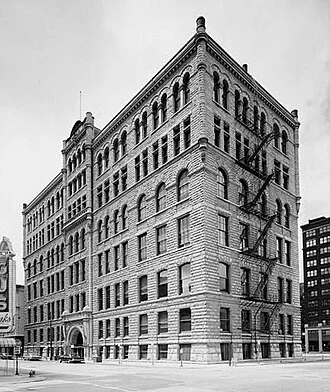
Courthouse Place at 54 W. Hubbard Street fits right in.
It is a beautifully restored, upscale building housing law firms and a high-end steakhouse.
But behind the polished wood and expensive suits lies a brutal history.
This used to be the Cook County Criminal Courts Building.
It is where the infamous “thrill killers” Leopold and Loeb were tried in 1924.
It is also where Al Capone was officially indicted.
But the darkest secret isn’t inside the courtrooms.
It is outside in the narrow alleyway next to the building.
If you ask local historians on city message boards, they will tell you this alley was the site of the city’s official gallows.
Dozens of convicted criminals were hanged by the neck right here in the open air.
Today, delivery trucks idle where the wooden scaffolds used to stand.
Look closely at the heavy, ornate stone archways over the main doors.
They were specifically designed to strike fear into the hearts of criminals walking inside.
If you want to see other stunning but slightly less morbid architecture, check out these 12 stunning lobbies in Chicago you can experience for free.
Exact Address: 54 W Hubbard St, Chicago, IL 60654
Cost: Free to view the exterior.
Access: The alley and exterior are accessible 24/7.
Local Pro-Tip: Walk down the alley to the west of the building at night. The towering brick walls block out the streetlights, giving you a very real sense of the claustrophobic dread the condemned felt.
6. Holy Name Cathedral (River North)
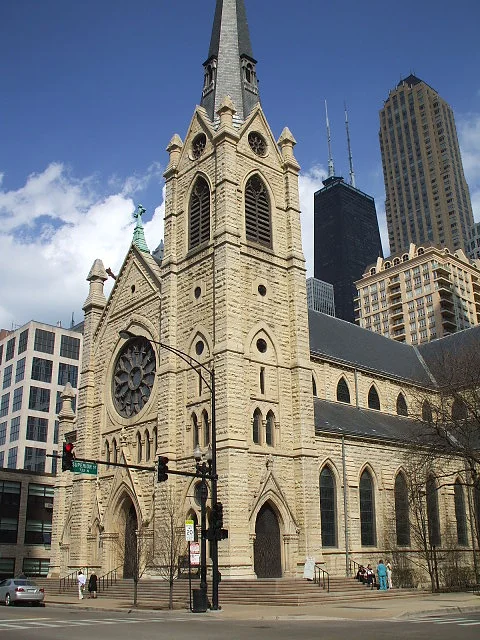
Holy Name Cathedral is a breathtaking, peaceful Gothic structure right off State Street.
It is the seat of the Chicago archdiocese.
But it was also the backdrop for a brutal, chaotic mob hit.
In 1926, North Side gang leader Earl “Hymie” Weiss was walking right across the street.
He was violently gunned down by Al Capone’s men.
The tommy-gun fire from the second-floor window across the street was completely erratic.
Bullets flew across State Street and directly into the side of the church.
Chicagoans fiercely protect their mob history, and this is one of the only places you can literally touch it.
Walk up to the building’s cornerstone on the State Street side.
The church patched the damage decades ago, but the repairs are obvious.
You can still clearly see the massive indentations where Capone’s bullets chewed through the holy stone.
After checking this out, you can go find a drink at one of the 12 best speakeasies in Chicago to keep the 1920s vibe going.
Exact Address: 735 N State St, Chicago, IL 60654
Cost: Free
Access: The exterior cornerstone is visible 24/7.
Local Pro-Tip: Stand on the east side of State Street and look up at the second floor of the building directly across from the church. That is the exact vantage point the shooters used to ambush Weiss.
7. The Reid Murdoch Building (River North)
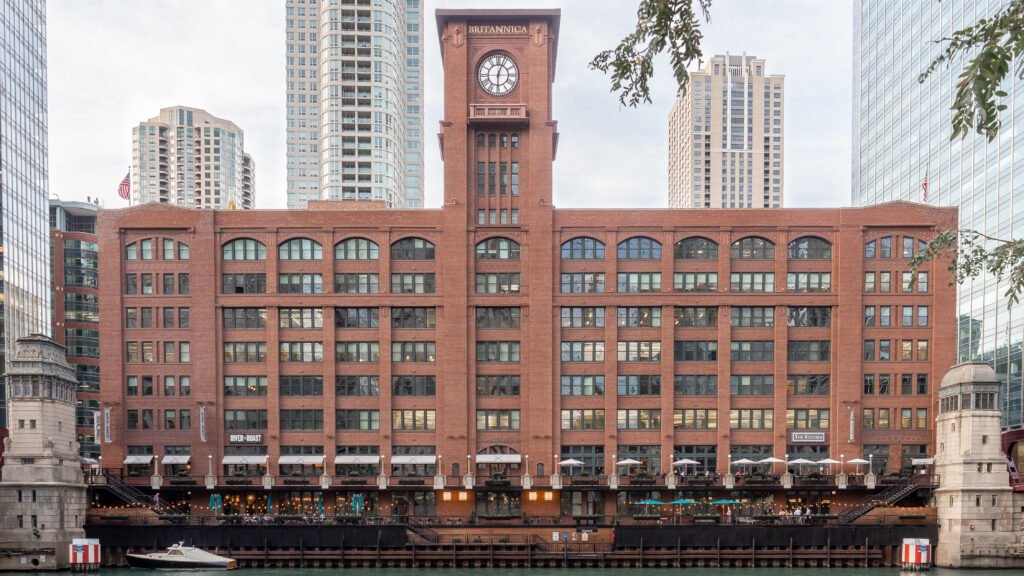
The Chicago Riverwalk is packed with tourists taking selfies.
They walk right past the Reid Murdoch Building without a second glance.
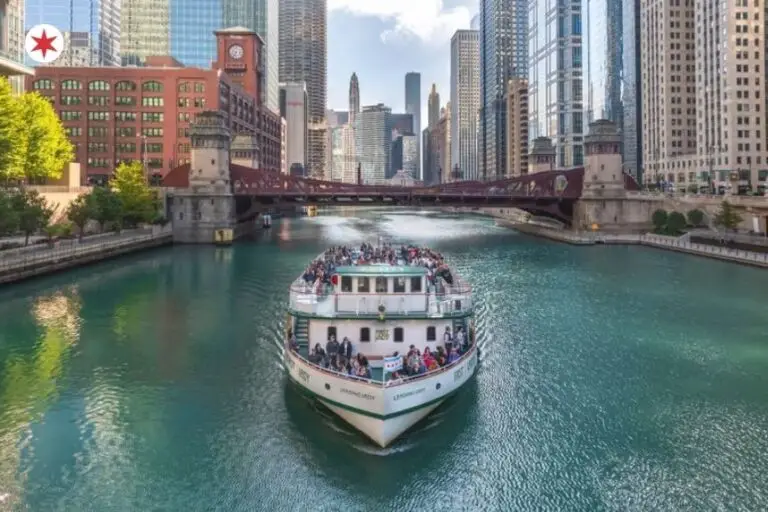
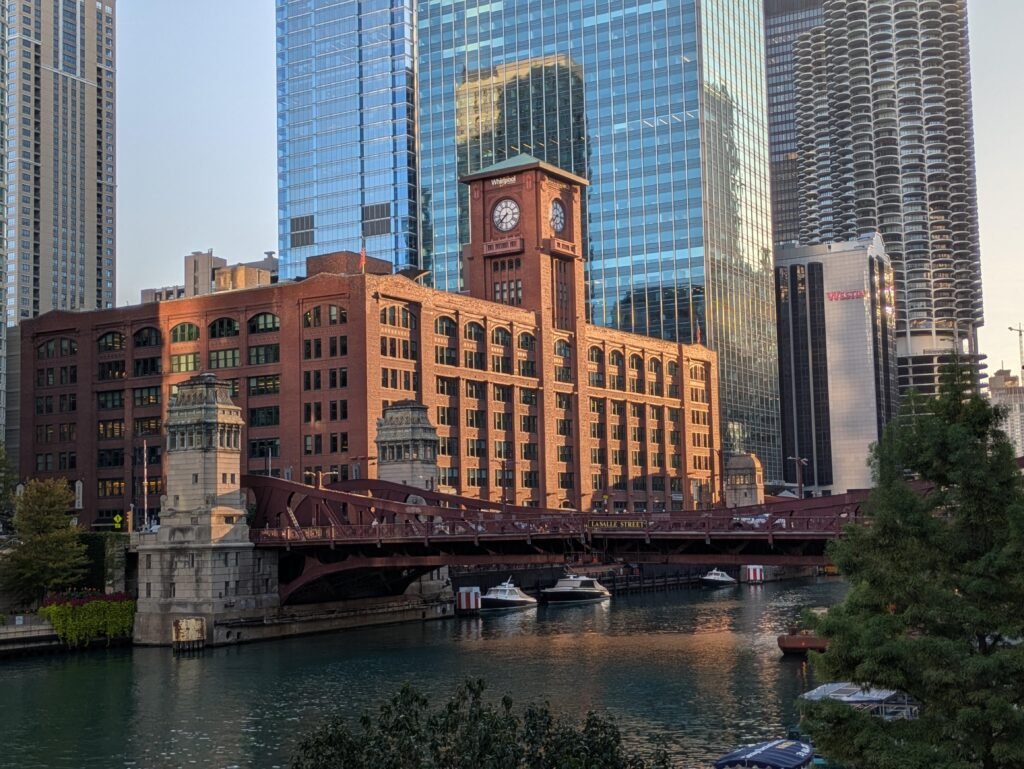
It is the iconic, massive red-brick building with the towering clock on the north side of the river.
But in 1915, the water right in front of it was filled with bodies.
The SS Eastland rolled over while still tied to the dock.
Over 800 people drowned in a matter of minutes.
The Reid Murdoch building was immediately commandeered and turned into a triage center.
Check local history forums, and you will find a deeply chilling detail.
The basement-level dock where people now sit, laugh, and drink wine is the exact spot where they pulled the dead from the river.
Hundreds of bodies were laid out across the floors of what are now modern, high-end office spaces.
If you take one of the 5 Chicago architecture boat tours locals actually recommend, the guide will point out this exact stretch of water.
It is a beautiful building, but the ground floor was a literal morgue.
Exact Address: 325 N LaSalle Dr, Chicago, IL 60654
Cost: Free to view from the Riverwalk.
Access: The Riverwalk is open to the public daily.
Local Pro-Tip: Stand on the Riverwalk directly beneath the clocktower. Look at the water. The Eastland was only 20 feet from the dock when it flipped, trapping hundreds of terrified people inside.
8. The Biograph Theater (Lincoln Park)
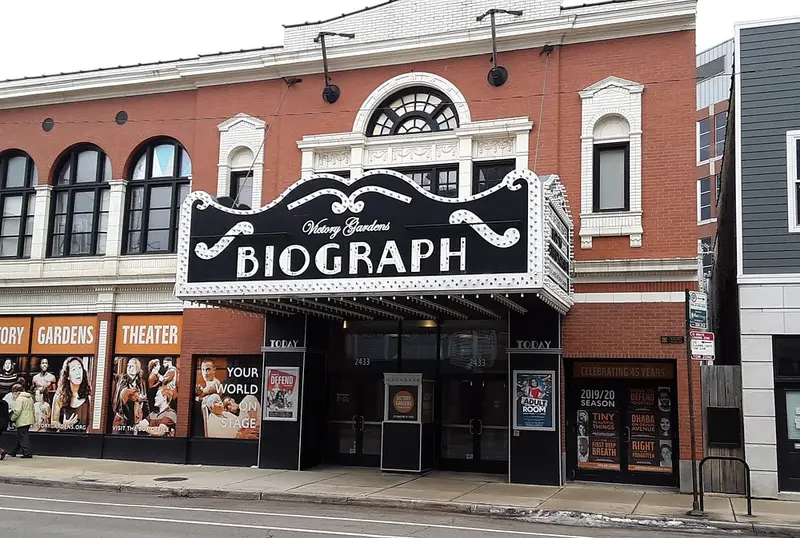
Lincoln Park is one of the wealthiest, safest neighborhoods in the city.
The Biograph Theater sits right in the middle of it on Lincoln Avenue.
It is a charming, classic neighborhood theater with a glowing retro marquee.
But in 1934, it was a bloody crime scene.
Notorious bank robber and “Public Enemy No. 1” John Dillinger attended a movie here.
He was betrayed by the infamous “Woman in Red.”
As he walked out the front doors, federal agents were waiting in the shadows.
He ran into the narrow brick alleyway right next to the theater.
They shot him dead in the dirt.
Talk to the true crime buffs in neighborhood groups, and they will tell you exactly where to look.
The alley immediately to the south of the marquee is still known as Dillinger Alley.
Before you explore the rest of the 9 Chicago neighborhoods where locals actually hang out, take a walk down this dark brick corridor.
It looks exactly like it did during the Great Depression.
Exact Address: 2433 N Lincoln Ave, Chicago, IL 60614
Cost: Free to walk the alley.
Access: The alley is a public walkway open 24/7.
Local Pro-Tip: Look down at the pavement in the alleyway. For decades, morbid souvenir hunters would chip away pieces of the brick because it was stained with Dillinger’s blood.
9. The Jewelers’ Building (The Loop)
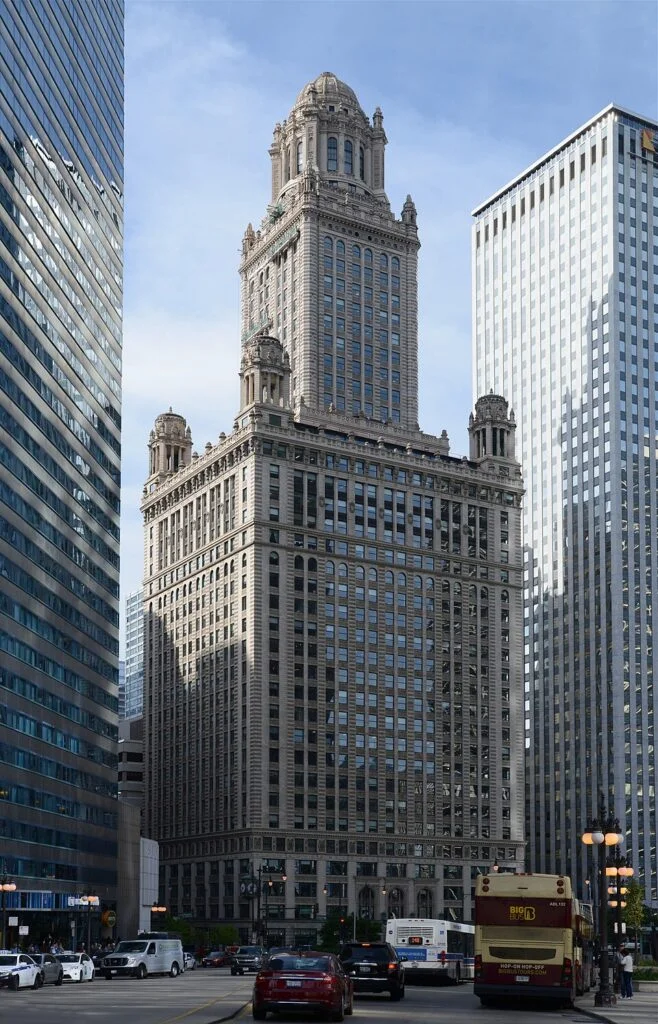
Look up from the Chicago River, and you will see a gorgeous, 40-story historic skyscraper.
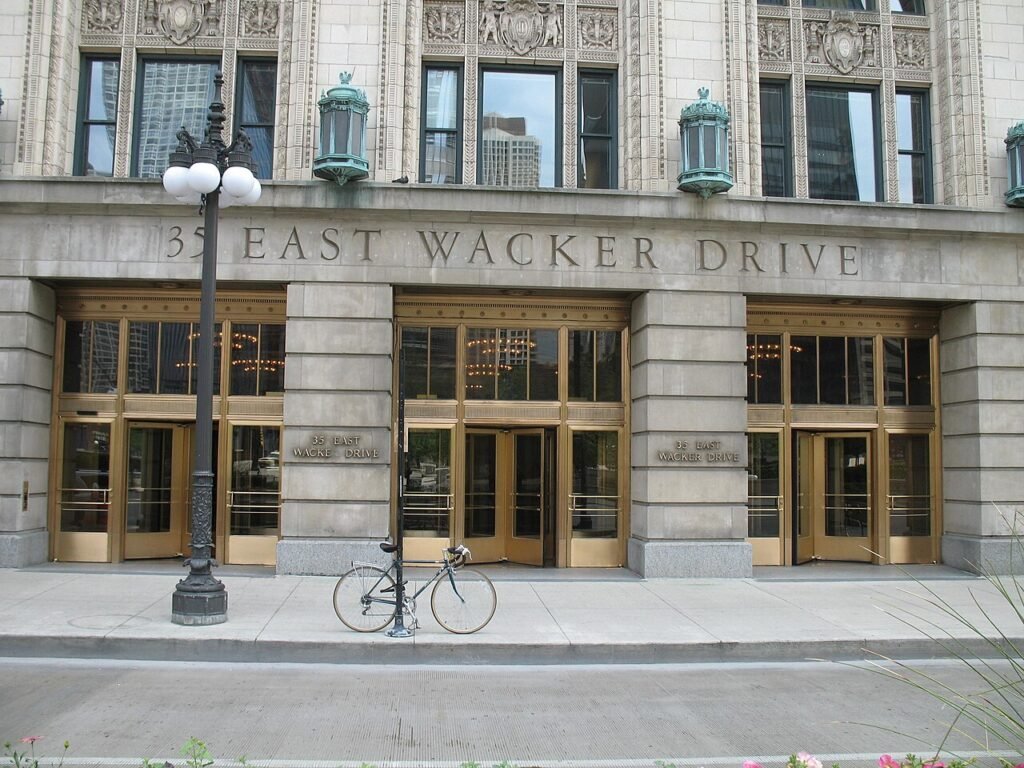
The Jewelers’ Building at 35 East Wacker is famous for its distinct, ornate domed roof.
It looks like a monument to high society.
But during Prohibition, it was a fortress for the mob.
The building originally featured a massive interior auto-elevator.
It could lift armored cars directly up to the 22nd floor so jewelers wouldn’t get robbed on the street.
But Al Capone had his eyes on the very top of the building.
He allegedly used the beautiful dome to run his legendary speakeasy, The Stratosphere Club.
Chicagoans fiercely protect their mob lore.
If you ask locals who work in The Loop, they will tell you exactly why Capone chose this dome.
It was so high up that it was physically impossible for the police to raid it without the mobsters getting a warning first.
It is easily one of the 14 most iconic buildings in Chicago, but most people never know what happened inside the cupola.
Imagine the illegal jazz, the flowing whiskey, and the gangsters looking down at the city from the sky.
Exact Address: 35 E Wacker Dr, Chicago, IL 60601
Cost: Free to view from the outside.
Access: Private office building, but the exterior is visible 24/7.
Local Pro-Tip: The best view of the dome isn’t from the street directly below. Walk across the river to the Marina City towers and look south to get a perfect view of the cupola where Capone drank his whiskey.
10. The Congress Plaza Hotel (South Loop)
Grant Park is heavily photographed and packed with tourists.
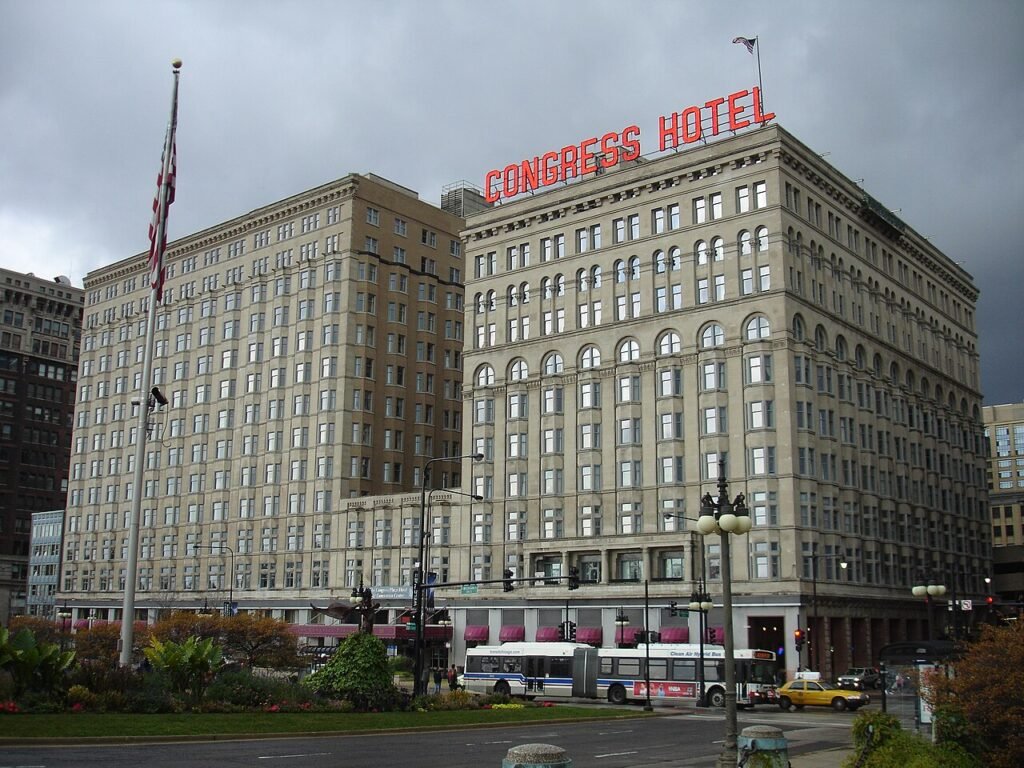
Directly across the street sits a massive, slightly faded historic hotel.
The Congress Plaza Hotel looks like a grand relic of the 1890s.
But it is widely considered the most haunted building in Chicago.
This was the official headquarters for Al Capone’s operations.
He practically owned the joint, running his empire from a lavish suite.
But the history gets much older and much darker.
Dr. H.H. Holmes allegedly trolled this exact lobby during the 1893 World’s Fair.
He would sit in the grand seating areas looking for young women to lure back to his Murder Castle.
If you check the local downtown community boards, hospitality workers constantly share terrifying stories about this place.
There is a room on the 12th floor that is allegedly sealed shut from the outside.
Security guards refuse to walk certain hallways alone at night.
The aesthetic inside is deeply unsettling.
You get grand, cavernous lobbies and long, slightly crooked hallways that give off major The Shining vibes.
If you want a less terrifying place to sleep, check out our guide to why locals and tourists love these Chicago hotels.
Exact Address: 520 S Michigan Ave, Chicago, IL 60605
Cost: Free to walk the lobby, rooms run $150 – $300+ a night.
Access: The lobby is open 24/7.
Local Pro-Tip: Take the elevator up to the 12th floor. Walk the long, uneven hallways and look for the door with no handle that has been permanently sealed over.
11. Jane Addams Hull-House (UIC Campus)
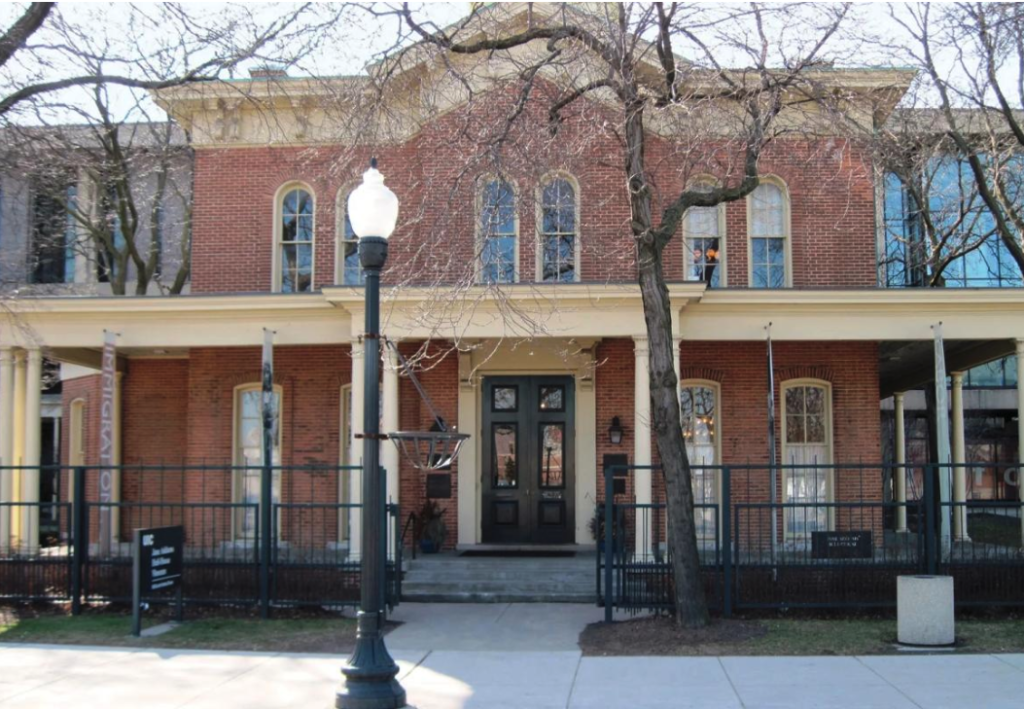
The University of Illinois at Chicago is a sprawling, modern college campus.
But sitting right in the middle of the concrete quads is a quaint, preserved 1800s brick mansion.
Jane Addams Hull-House was a legendary settlement house.
It dealt with massive amounts of disease, crushing poverty, and tragedy among new immigrants.
But it is most famous for a deeply disturbing urban legend.
In 1913, the “Devil Baby” panic took over the city.
Thousands of Chicagoans swarmed the house.
They genuinely believed Jane Addams was hiding a demonic baby inside the attic.
The rumors claimed the child was born with horns, hooves, and a tail.
The legend was so dark and pervasive that it partly inspired the horror movie Rosemary’s Baby.
Talk to any UIC student on the local campus forums, and they will tell you this building is the creepiest spot on campus.
Students walking by at night frequently claim to see faces looking back at them from the upper floors.
If you love weird local lore, read up on these 15 facts about Chicago that sound made up but are completely true.
Exact Address: 800 S Halsted St, Chicago, IL 60607
Cost: Free admission, but a suggested donation of $5.
Access: Open Tue-Fri 9am-5pm, Sun 12pm-5pm. Closed Mon and Sat.
Local Pro-Tip: Stand in the courtyard and look up at the second-floor windows. This is exactly where the terrified crowds of 1913 claimed to see the demonic child looking out at them.
12. The Couch Tomb (Lincoln Park)
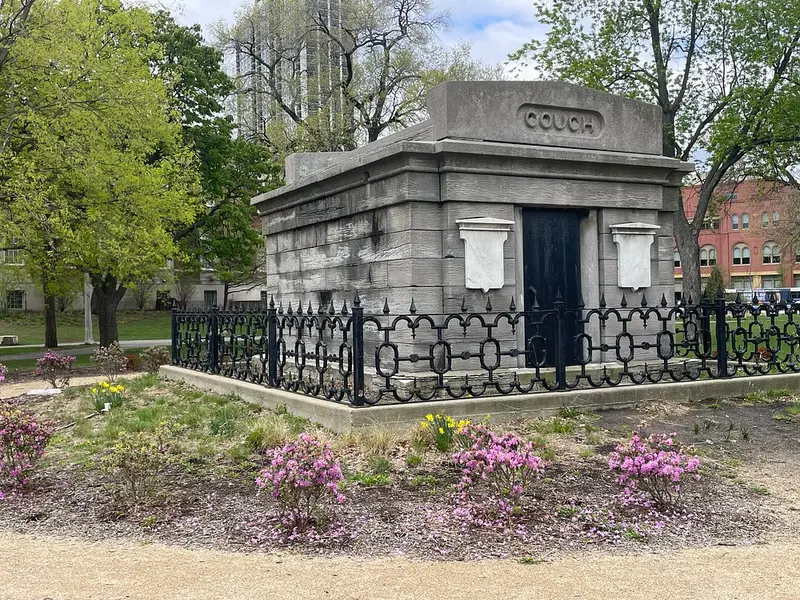
Lincoln Park is a massive, beautiful green space where people play frisbee and walk their dogs.
But sitting by itself in the grass directly behind the Chicago History Museum is a weird, bunker-like brick structure.
It is the Couch Tomb.
It’s not just a monument—it’s a literal mausoleum holding 19th-century bodies.
Before it was a park, this entire area was the Chicago City Cemetery.
When the city decided to move the cemetery, they left this massive tomb behind because it was too heavy to relocate.
But the story gets even darker.
They didn’t move all the bodies.
Chicagoans fiercely debate this on community history boards, but the grim reality is well-documented.
There are still an estimated 10,000 to 12,000 skeletons buried directly under the grass.
Every time you jog through the south end of Lincoln Park, you are running over a mass grave.
Finding these hidden remnants is one of the most unusual things to do in Chicago that tourists always miss.
Exact Address: 1601 N Clark St, Chicago, IL 60614 (Behind the Chicago History Museum)
Cost: Free
Access: The park is open daily from 6:00 AM to 11:00 PM.
Local Pro-Tip: Walk up to the rusted iron door of the tomb. The last time anyone was allowed to look inside was in the 1990s, and the city has permanently sealed the lock to keep grave robbers out.
Beautiful Architecture, Brutal History
Chicago isn’t just a postcard of pretty skyscrapers and lakefront views.
It is a city built on top of ghosts, gangsters, and unbelievable grit.
The next time you walk down these streets, pay closer attention to the brickwork.
Look down the narrow, freezing alleys.
You never know exactly whose footsteps you are walking in.
If you want to keep exploring the real city, make sure you know which Chicago tourist traps to avoid.
Skip the overpriced crowds.
Stick to the hidden history.
We’ll see you out there.