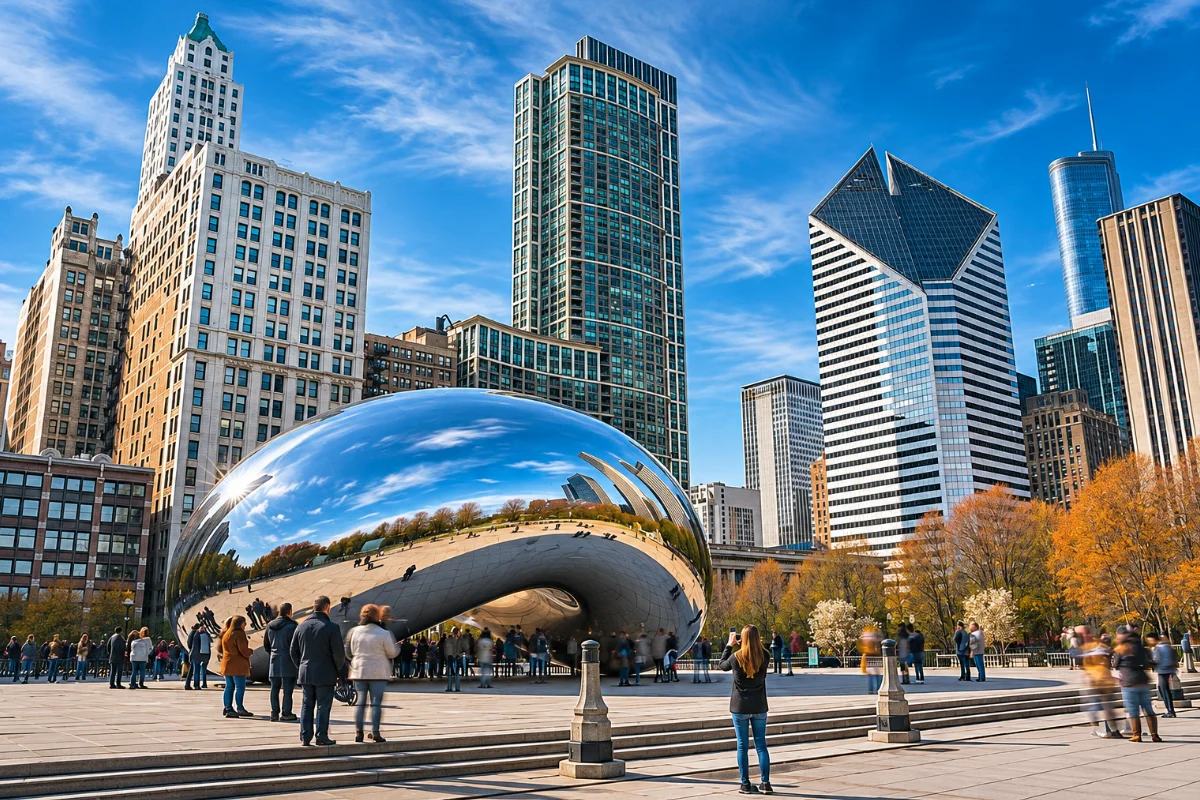
If you have ever visited the Windy City, you already know it isn’t just a cleaner version of New York or a colder version of Los Angeles.
Chicago operates on its own distinct frequency.
From strict, unspoken rules about condiments to a multi-level street system that confuses even the most advanced GPS, Chicago is proudly unique.
Whether you are planning a visit, moving to the Midwest, or just want to figure out if Chicago is actually safe for tourists (spoiler: it is, if you know the rules), you need to know how the city works.
 JM
AK
Here are the top things Chicago does differently than anywhere else in the world.
Navigating the Urban Jungle
Getting around Chicago is a completely different experience compared to other major American cities.
1. The Lake is Our Compass
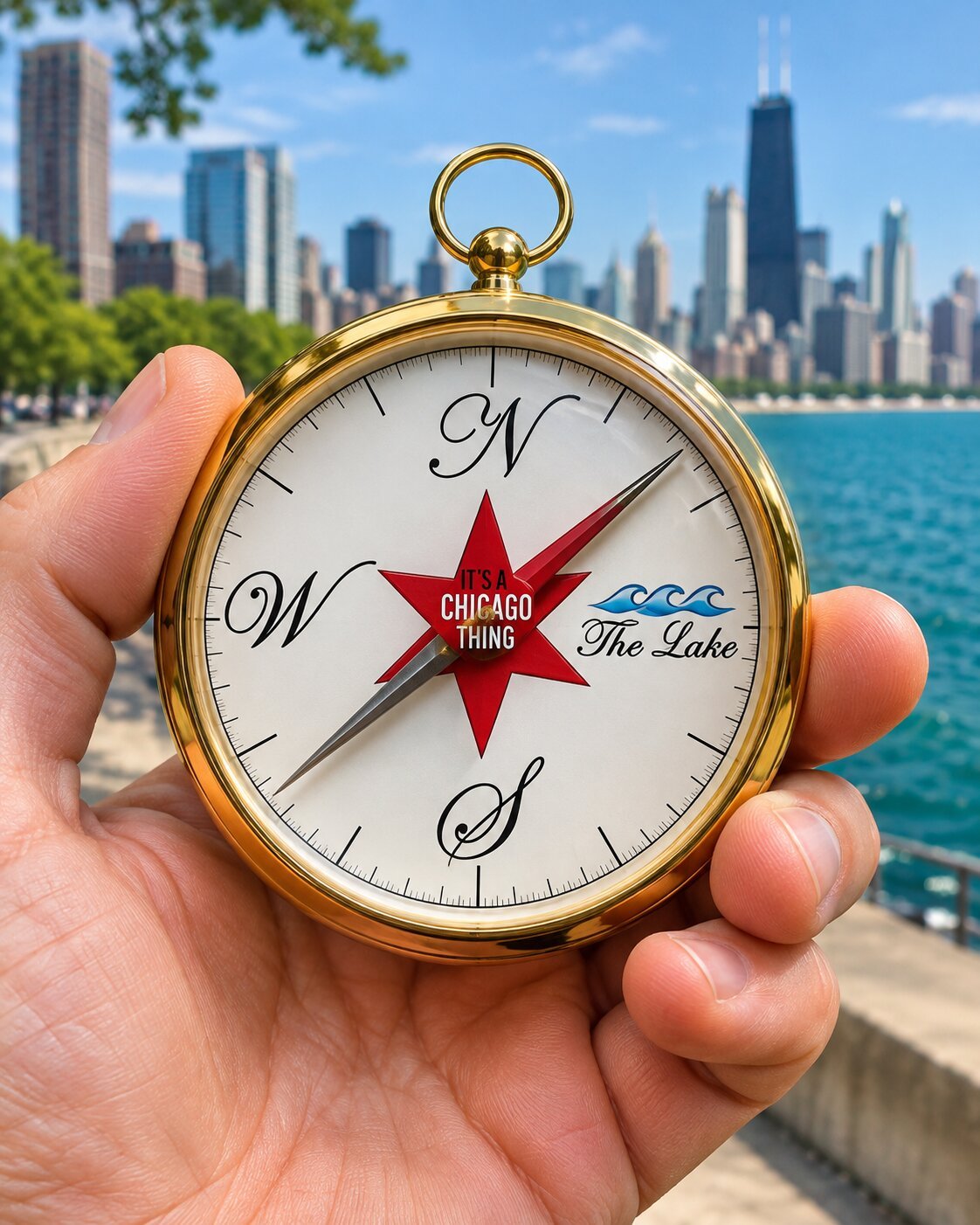
If you ask a Chicagoan for directions, they will rarely use left or right. Instead, they use Lake Michigan.
Because the massive lake borders the entire eastern edge of the city, “East” always means “toward the lake.”
If you know where the water is, you can navigate the entire city with ease.
2. The Mystery of Lower Wacker Drive
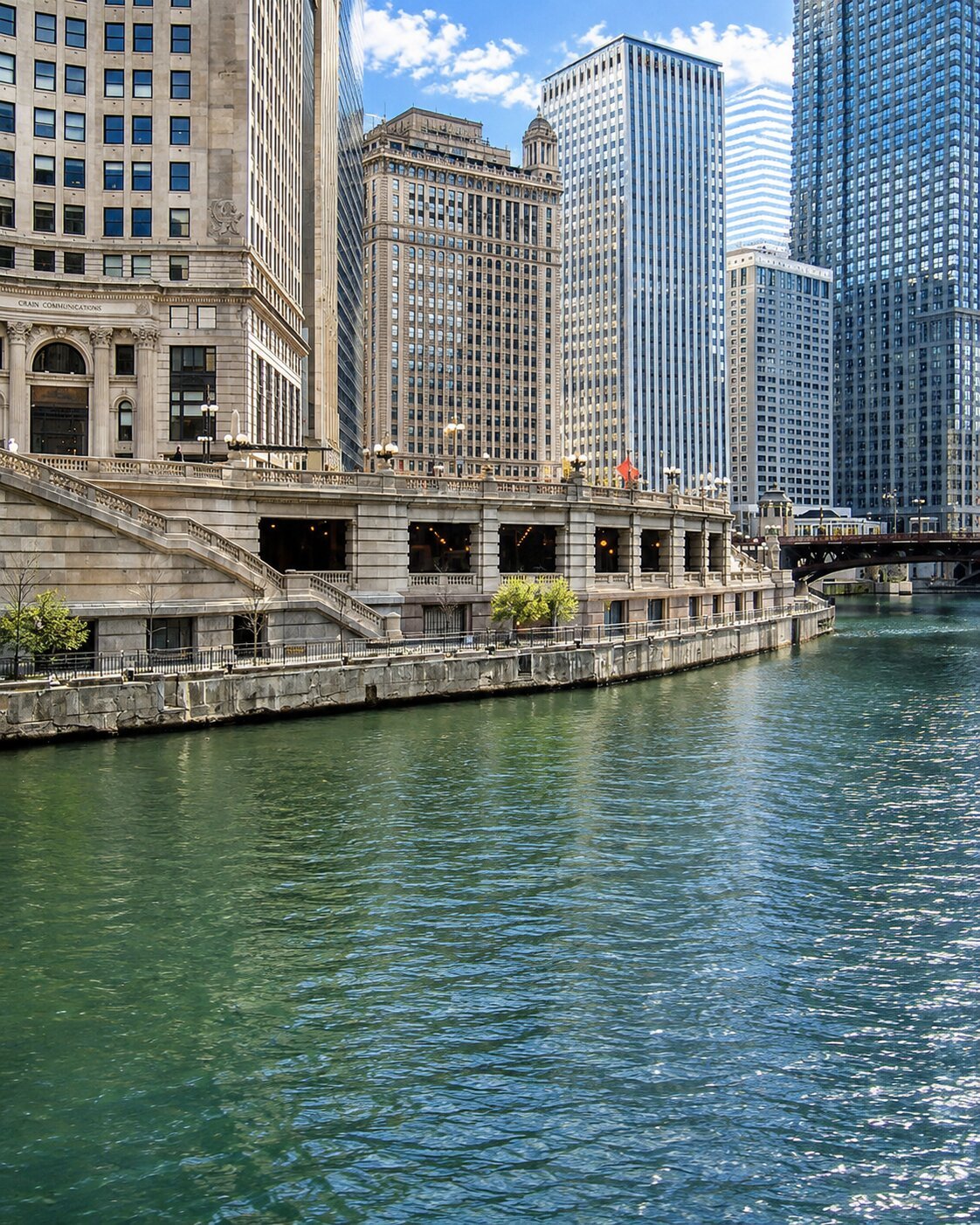
Chicago is actually built on multiple levels.
The city famously raised its buildings and streets in the 1850s and 60s to install a sewer system, laying the groundwork for a multi-tiered road network.
The most famous of these, completed in the 1920s, is Lower Wacker Drive.
It is a subterranean, maze-like roadway that runs directly underneath the downtown skyscrapers. It looks exactly like a scene from a Batman movie (which makes sense, since The Dark Knight was filmed there).
Be warned: Your GPS will instantly lose its signal down here. You either know the way, or you are lost forever.
3. We Have Alleys (And They Are Amazing)
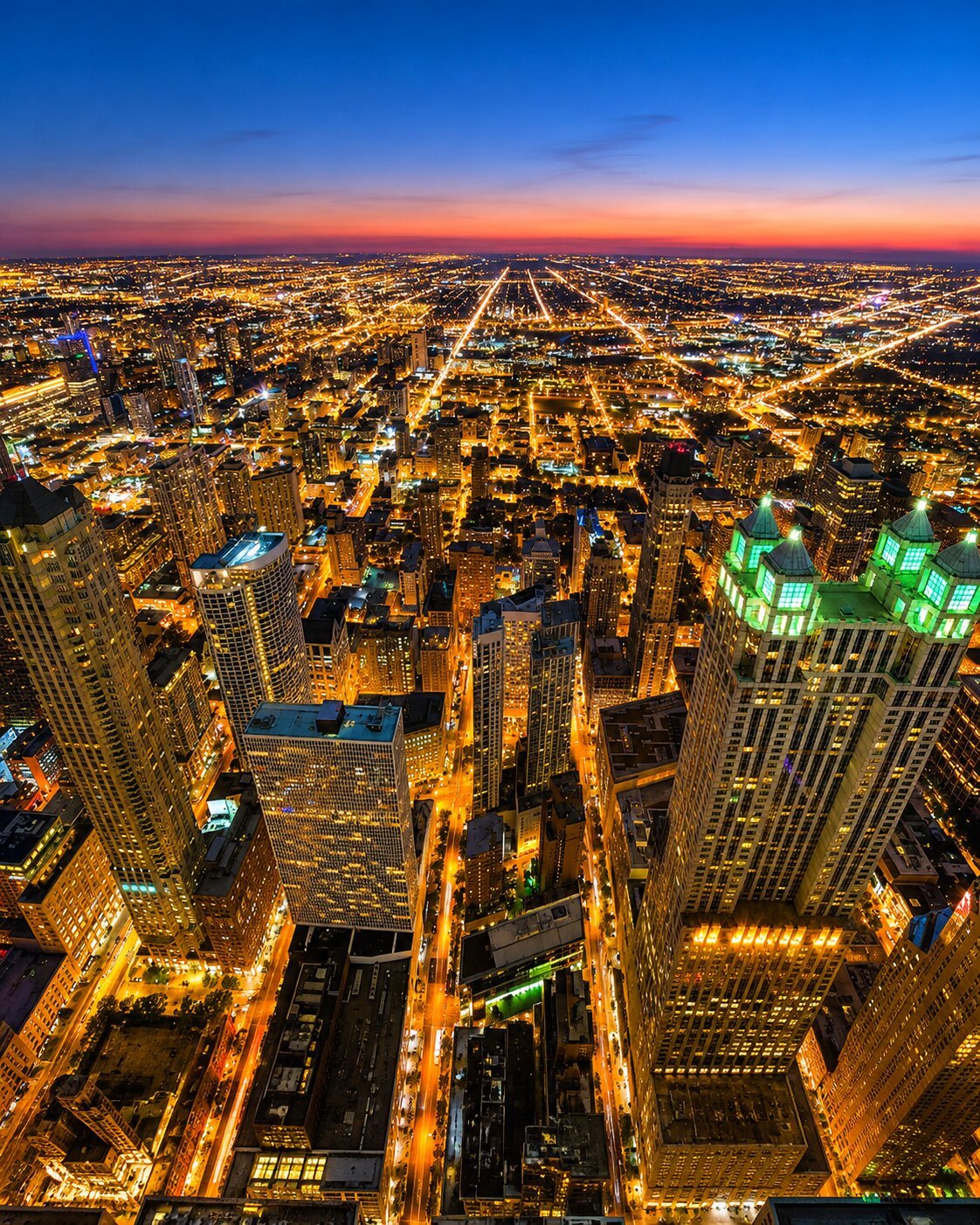
If you walk the streets of New York City, you will notice massive piles of garbage bags sitting on the sidewalks on trash day.
You won’t see that in Chicago. Why? Because Chicago has an incredibly extensive network of alleys.
Almost all garbage collection, garage access, and delivery drop-offs happen in the back alleys.
This keeps the main sidewalks beautiful, clean, and surprisingly fresh-smelling for a city of nearly 3 million people.
4. The “L” Goes Up, Not Down
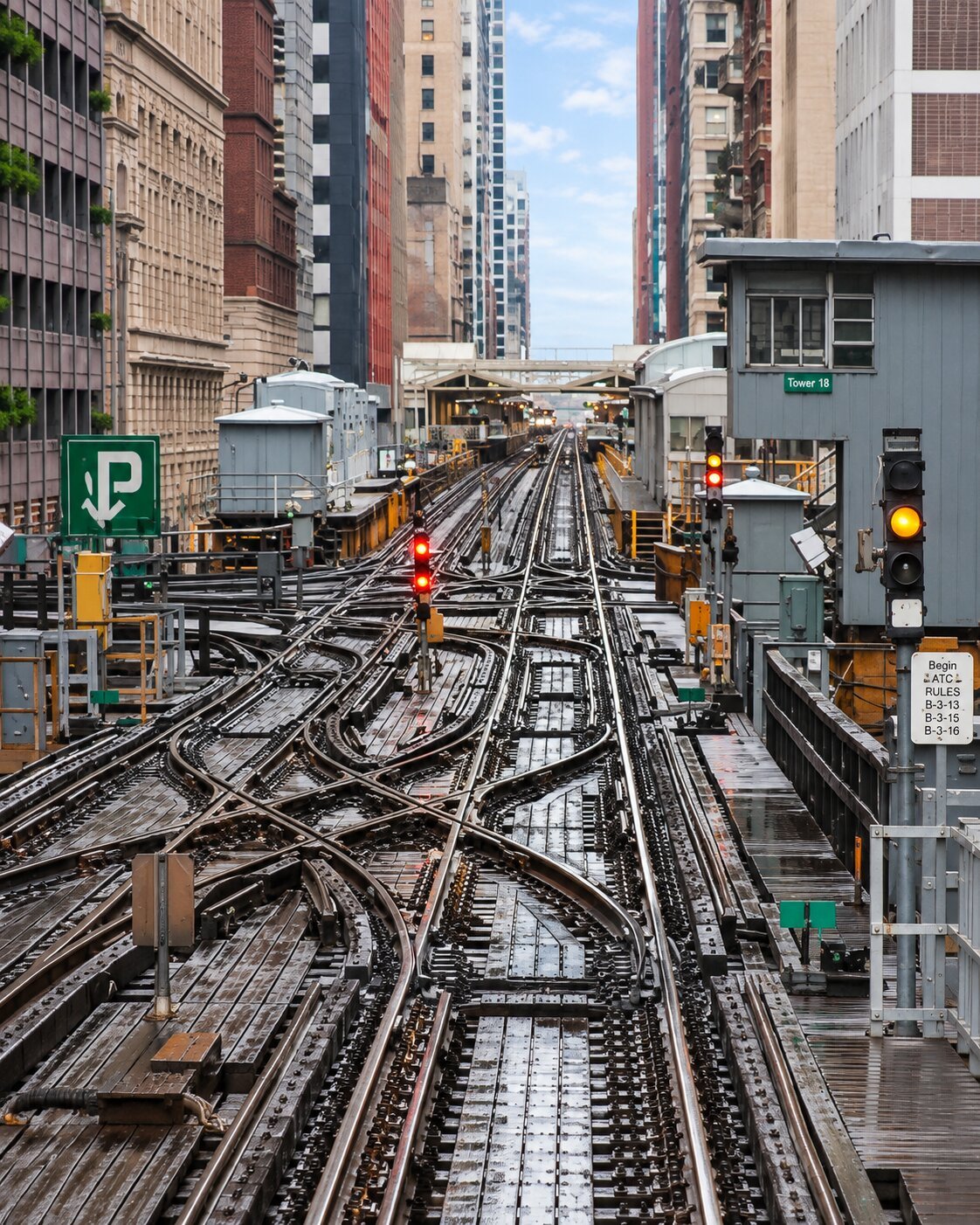
While most cities boast about their underground subway systems, Chicago is famous for its elevated trains.
Affectionately known as the “L” (short for elevated), riding the brown line through downtown gives you an incredible, second-story view of the city.
The train literally weaves through the concrete canyons, sometimes passing just feet away from office windows.
If it’s your first time riding, you’ll definitely want to brush up on the essential tips for using the Chicago ‘L’ train so you don’t look like a rookie.
5. The Mathematically Perfect Grid System
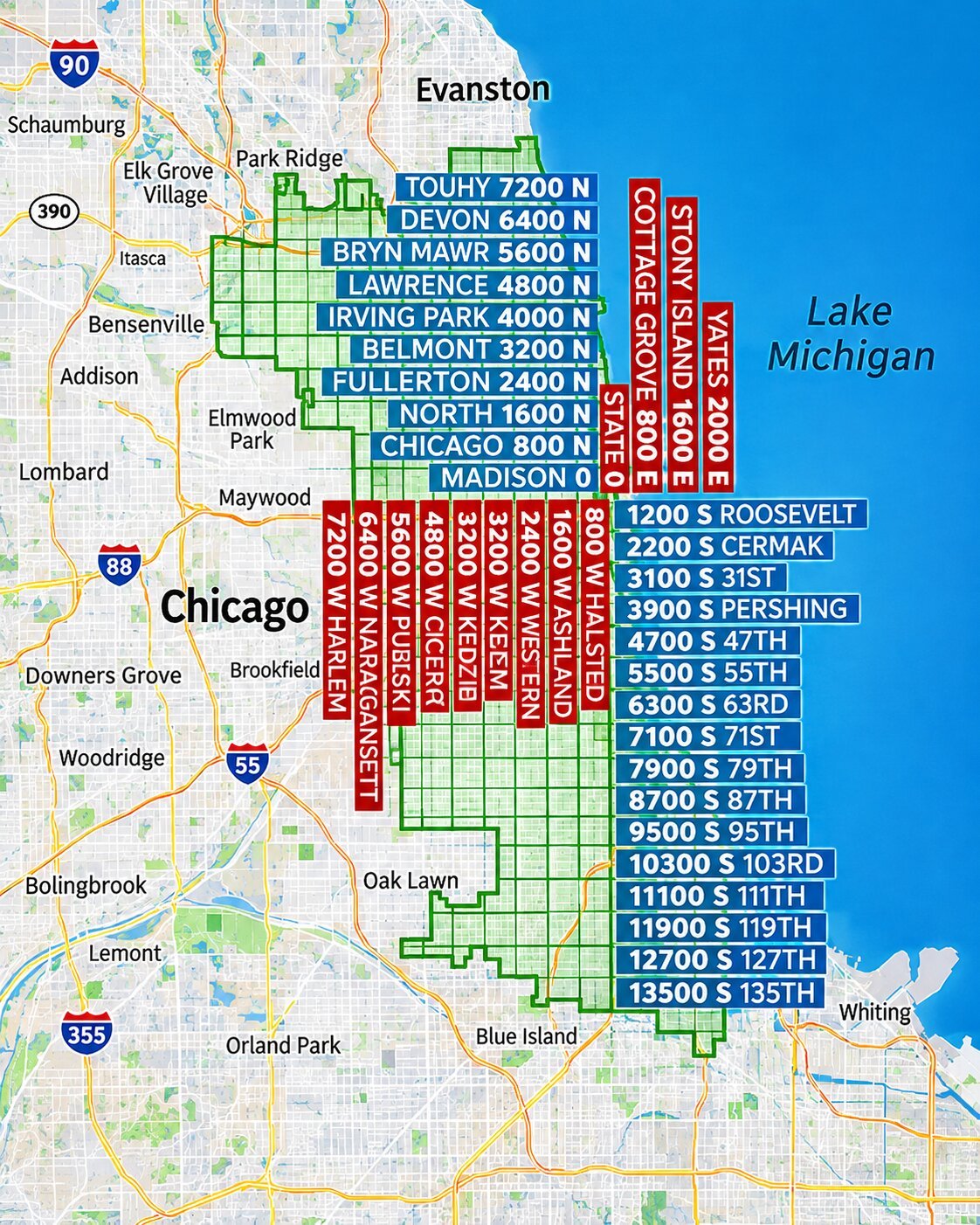
While cities like Boston and London have streets that look like a bowl of spaghetti, Chicago operates on a mathematically perfect grid.
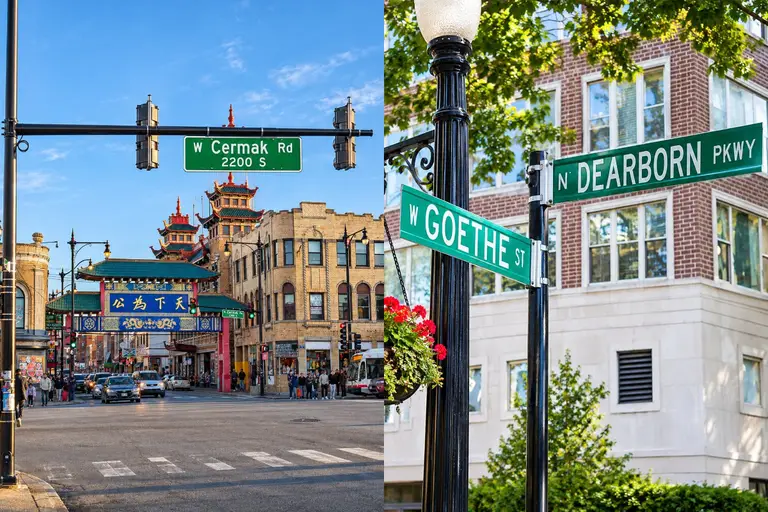
Standardized in 1909 by urban planner Edward Brennan, the intersection of State Street and Madison Street in downtown is the absolute center of the city (Coordinates 0,0). Every 800 numbers in any direction equals exactly one mile.
This means if you are at 3200 North, you know you are exactly four miles north of the city center.
Winter Survival Tactics
Winter in Chicago is not just a season; it is an extreme sport. The city has developed unique cultural habits just to survive the freezing temperatures.
6. The Sacred Law of “Dibs”
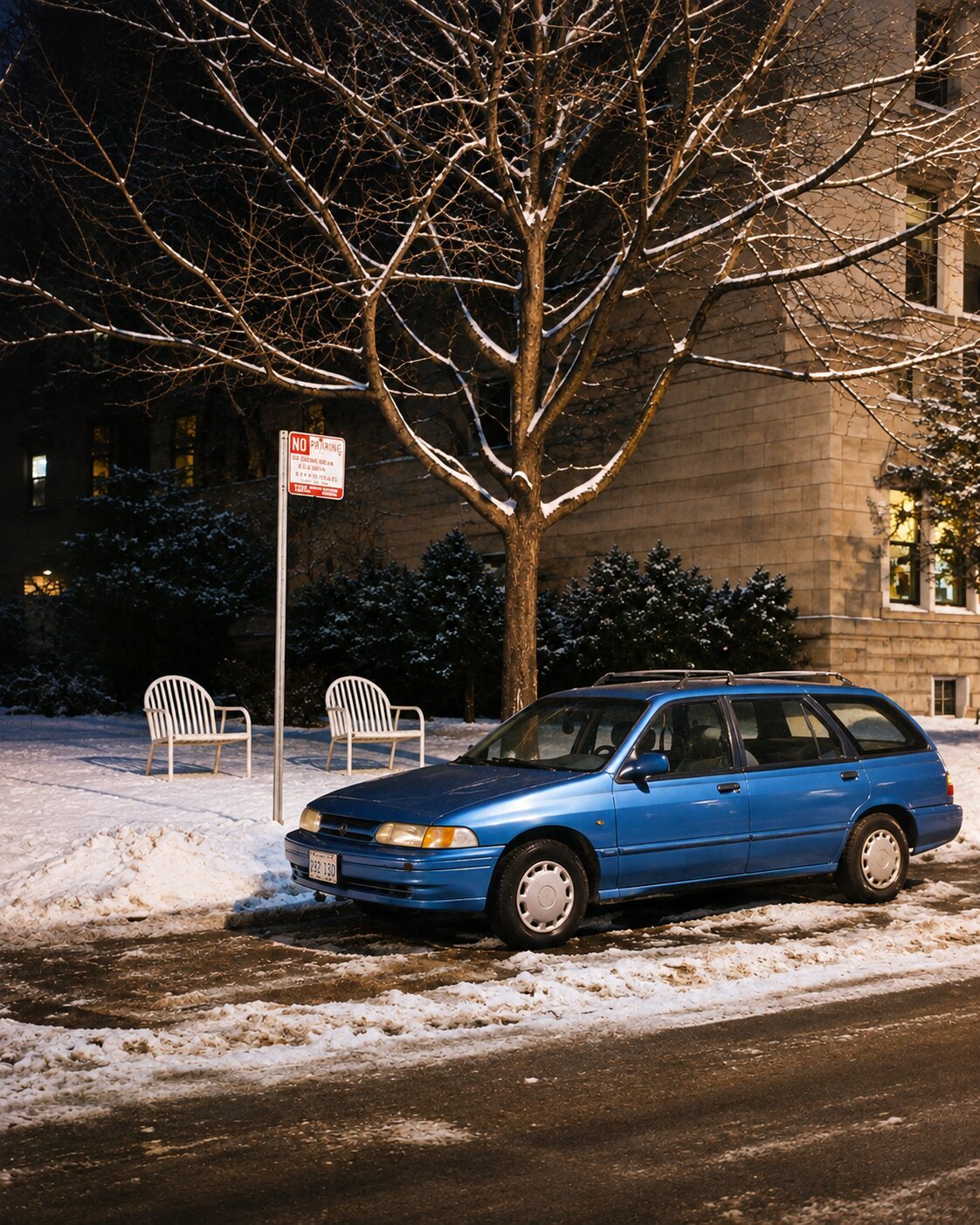
When a massive blizzard hits and dumps a foot of snow on the city, you have to dig your car out. This is backbreaking work.
In Chicago, if you dig out a street parking spot, that spot belongs to you. To claim it, you call “Dibs.”
Residents will place lawn chairs, ironing boards, buckets, or even creepy mannequins in the cleared spot to reserve it while they are at work.
Removing someone else’s dibs marker is considered a cardinal sin.
If you park in a dibs spot, don’t be surprised if your car ends up buried in a newly built snowbank. It’s just one of the brutally honest truths about surviving a Chicago winter.
7. The Underground Pedway System
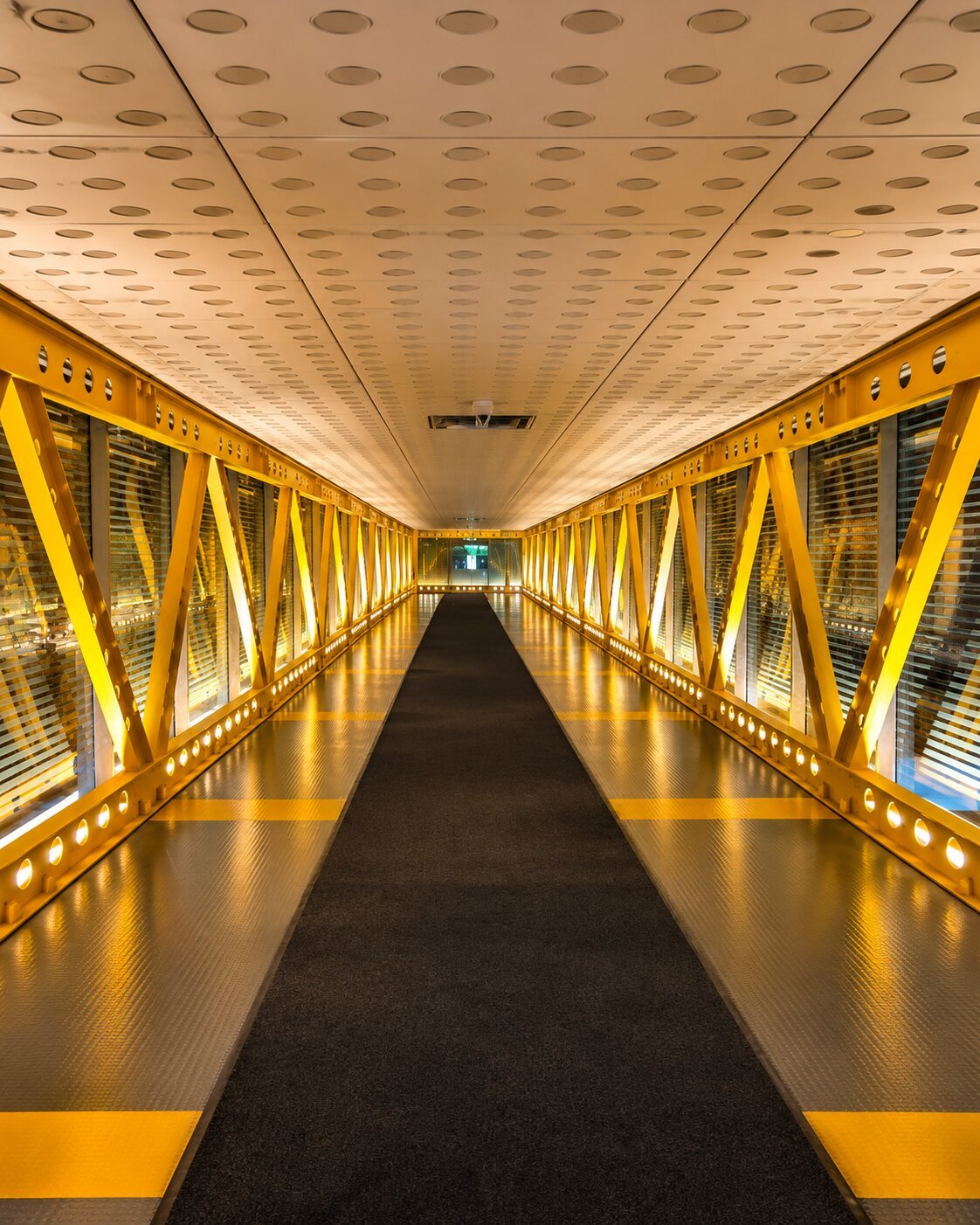
How do downtown office workers survive the bitter February wind chills? They go underground.
The Chicago Pedway is a network of tunnels and overhead bridges covering roughly 40 blocks in the Central Business District.
It connects train stations, skyscrapers, retail stores, and government buildings.
You can commute, grab lunch, go to the gym, and run errands without ever stepping foot outside in the snow.

The Local Dialect & Deep City Pride
Every city has its slang, but Chicago has a specific way of speaking and showing off its hometown pride that confuses outsiders.
8. The Obsession with the City Flag
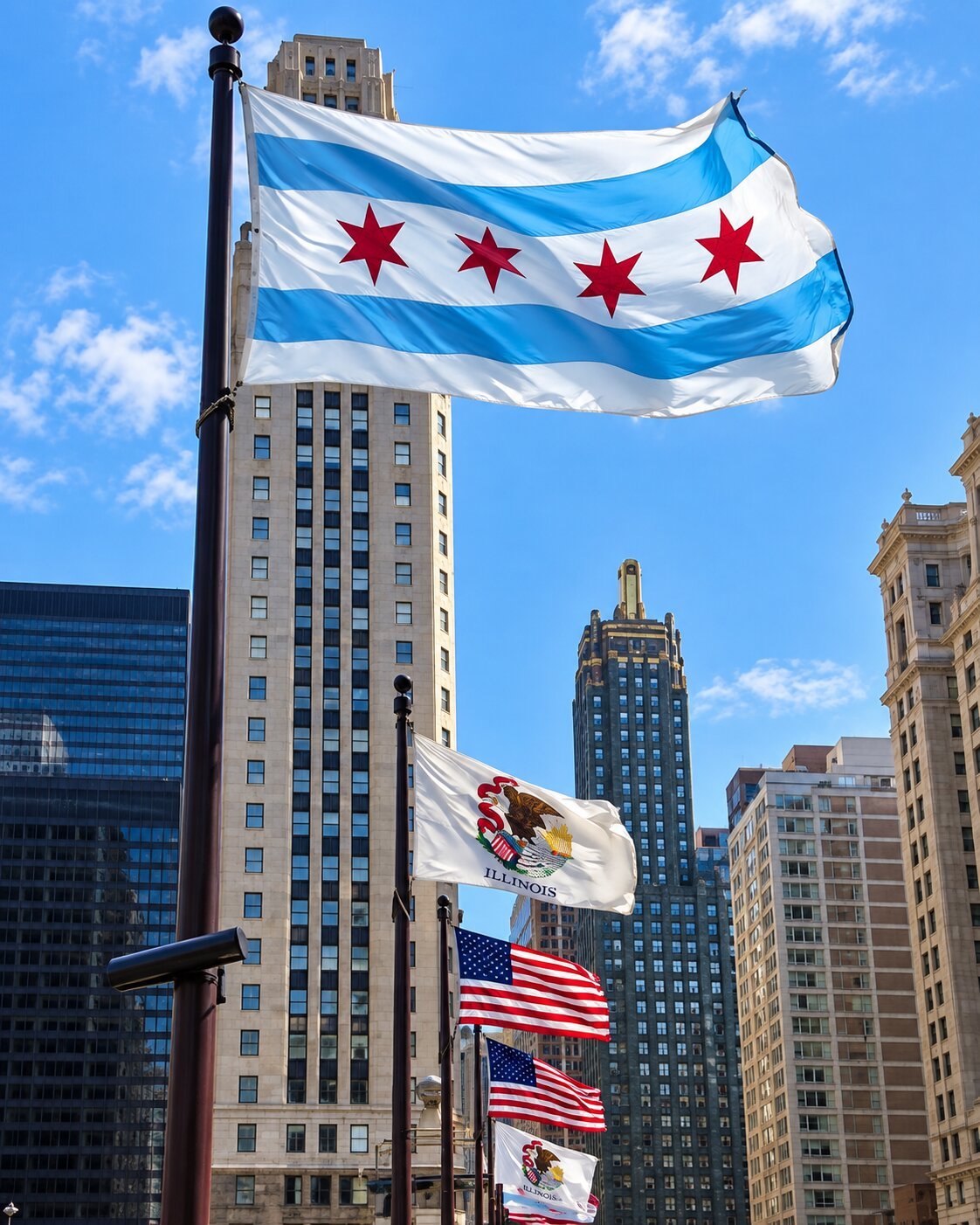
Quick: What does your city’s flag look like? If you aren’t from Chicago, you probably have no idea.
In Chicago, the city flag is everywhere.
It consists of two light blue horizontal stripes and four red six-pointed stars across the middle.
You will see it on coffee mugs, flying from front porches, stitched into hats, and famously, tattooed on the bodies of thousands of locals.
9. The North Side vs. South Side Divide
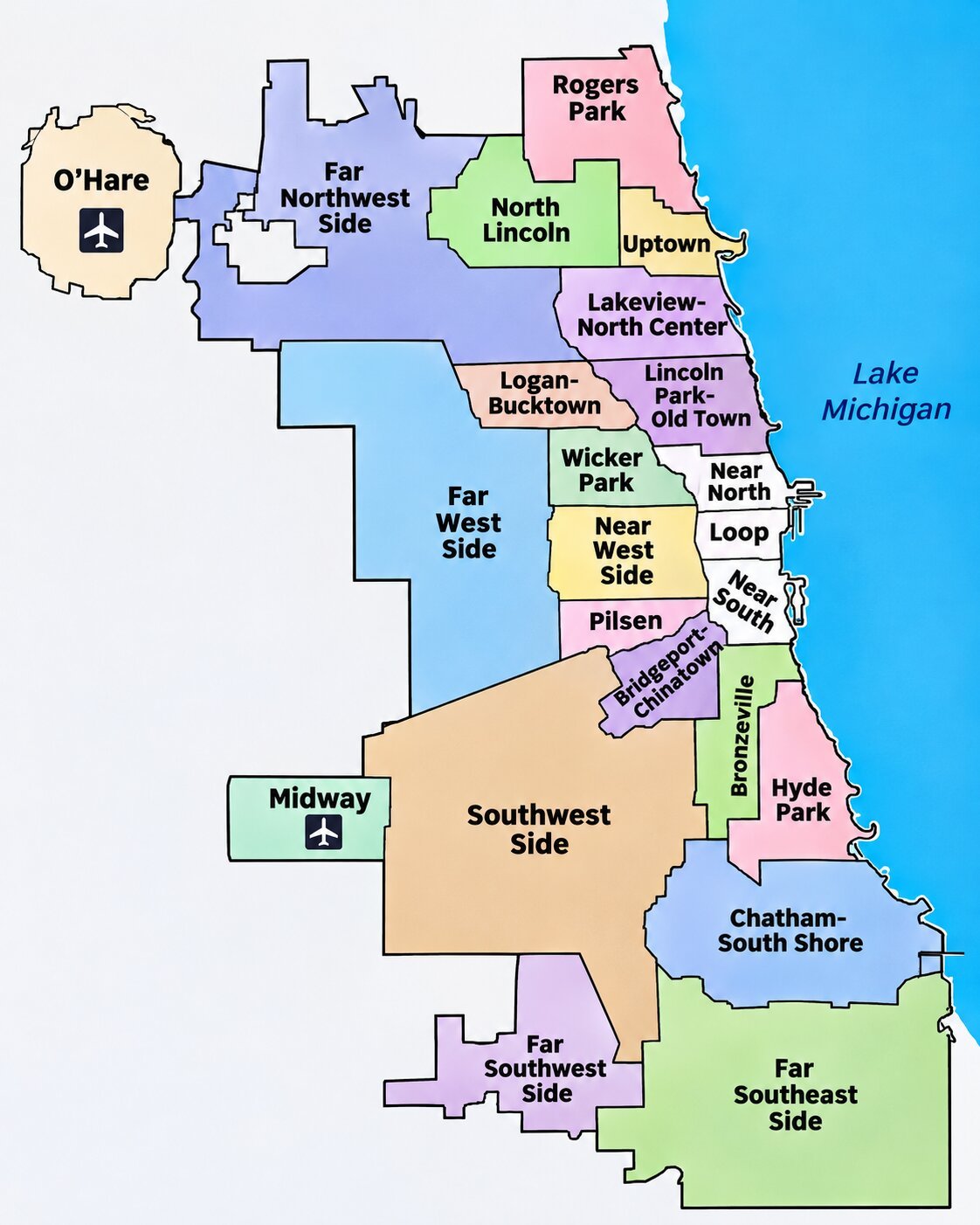
Chicago is notoriously a “City of Neighborhoods,” but the biggest dividing line is simply North versus South.
This is most fiercely represented by baseball.
You cannot root for both the Chicago Cubs (North Side) and the Chicago White Sox (South Side). You have to pick one, and your choice tells another Chicagoan everything they need to know about your personality, your neighborhood, and your worldview.
10. It is “Pop” and “Gym Shoes”
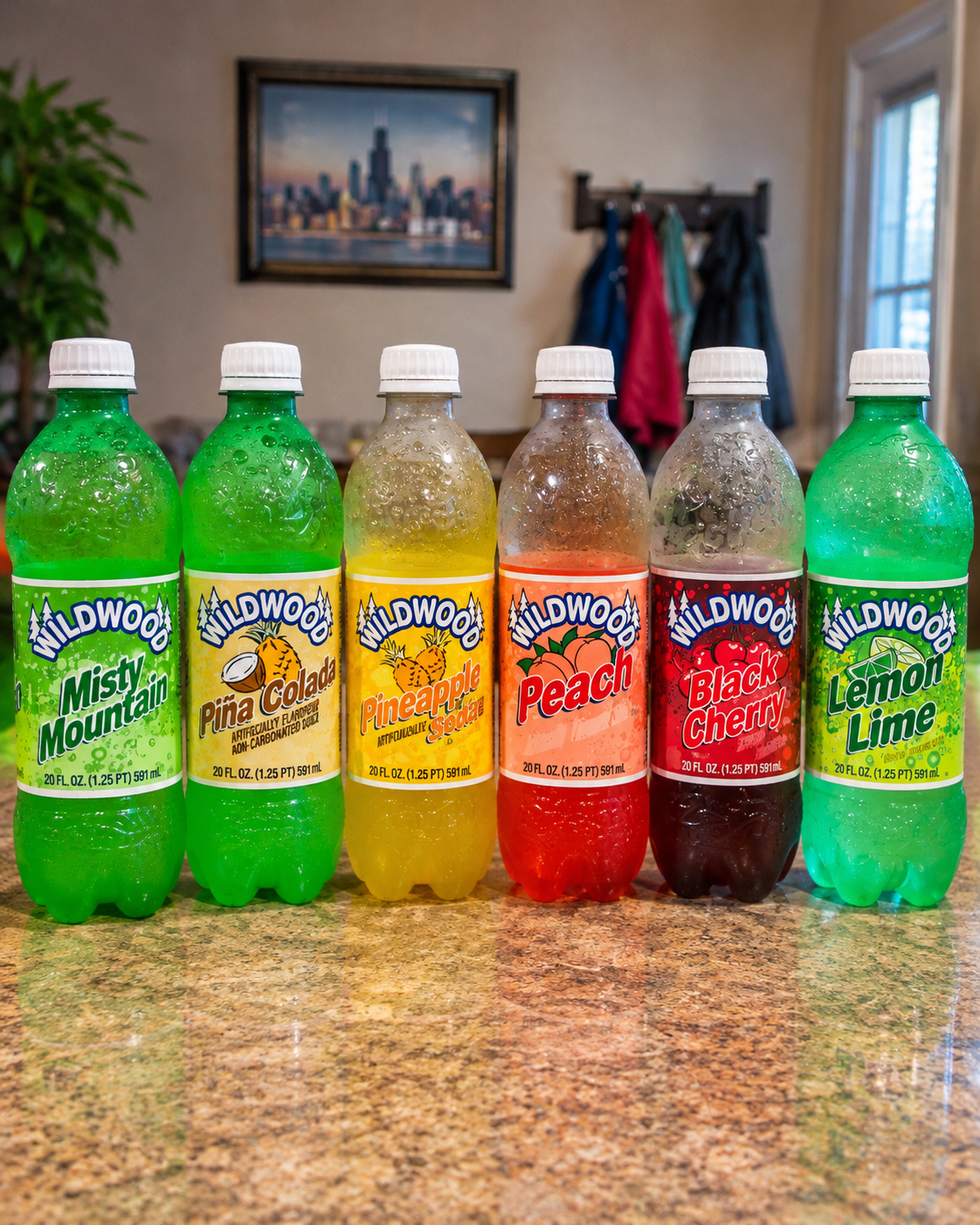
If you order a “soda” in Chicago, people will immediately know you aren’t from the Midwest.
Here, carbonated beverages are strictly referred to as “pop.”
The same goes for footwear. You won’t hear anyone talking about their new sneakers or tennis shoes. In Chicago, they are exclusively called “gym shoes.”
If you want to blend in, you’ll need to study up on the Chicago slang terms that make you sound like a local.
11. The Unofficial Suffix of “Ope”
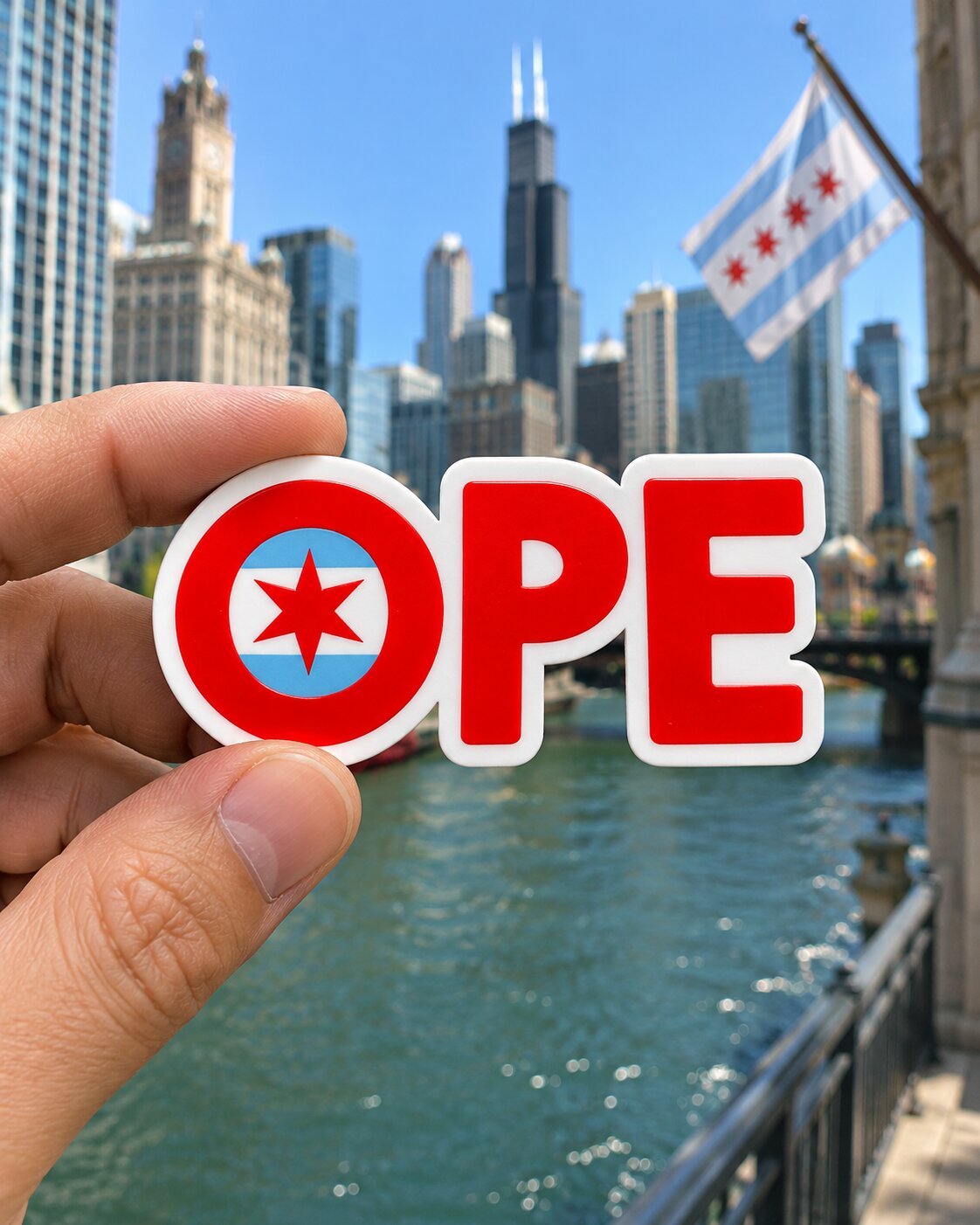
Because Chicago is the capital of the Midwest, it carries heavy Midwestern mannerisms.
The most obvious is the word “Ope.”
If a Chicagoan bumps into you at the grocery store, or nearly runs into you turning a corner, they won’t just say excuse me. They will say, “Ope, let me just squeeze right past ya.”
It is a linguistic reflex that no local can control.
The Unspoken Culinary Laws
When it comes to food, Chicago does not mess around. The city has a rich culinary history, and with that history comes a very strict set of rules.
12. Absolutely No Ketchup on a Hot Dog
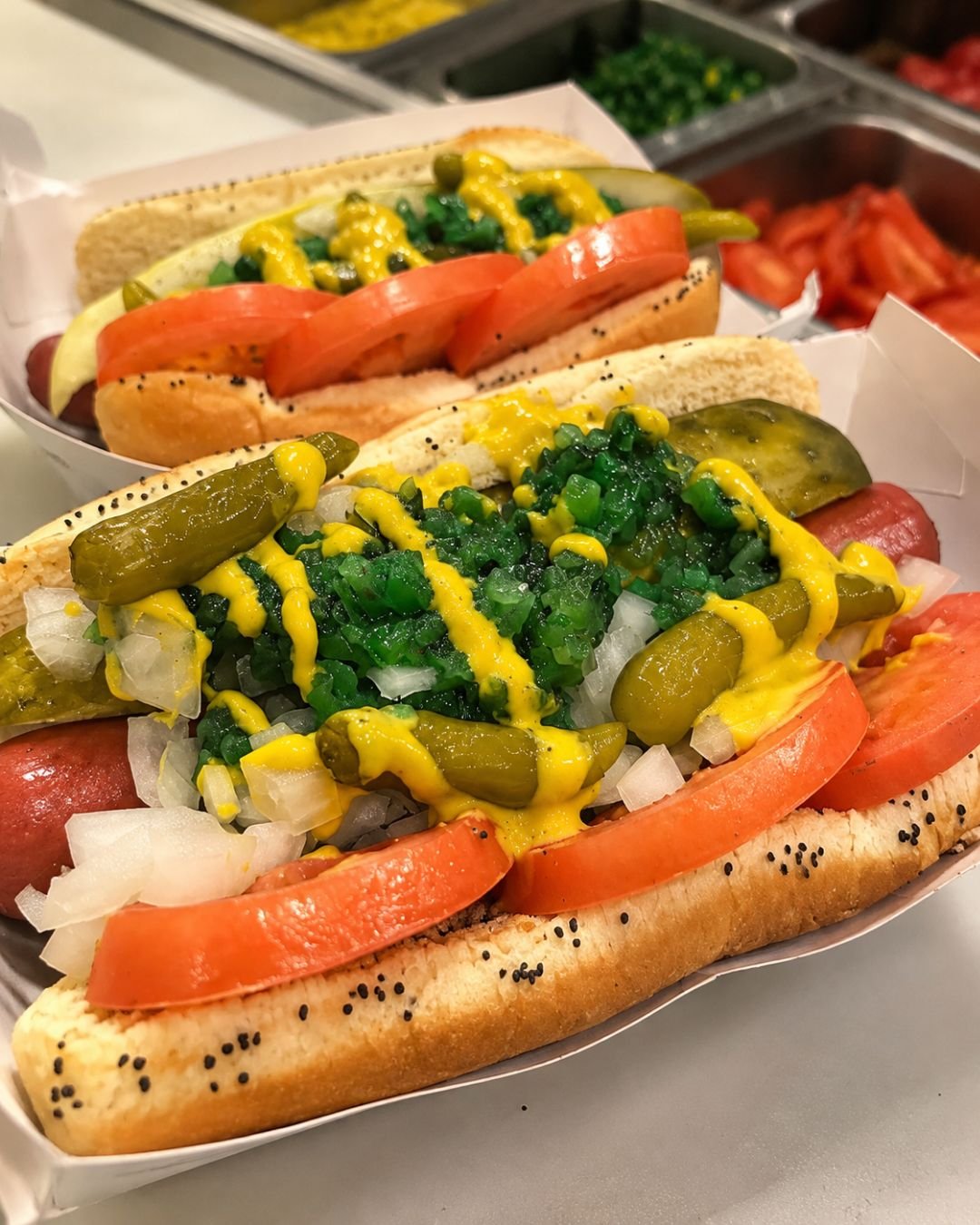
If there is one hill a Chicagoan will die on, it is the absolute banishment of ketchup on a hot dog.
A true “Chicago-style dog” is a masterpiece.
It features an all-beef frankfurter on a poppy seed bun, topped with yellow mustard, neon green sweet relish, chopped white onions, a dill pickle spear, tomato slices, pickled sport peppers, and a dash of celery salt.
It is said to be “dragged through the garden.”
If you ask for ketchup at one of the best hot dog spots in Chicago, you won’t just be denied. You might actually be publicly shamed.
13. Deep Dish is for Tourists; Thin Crust Pizza is for Locals
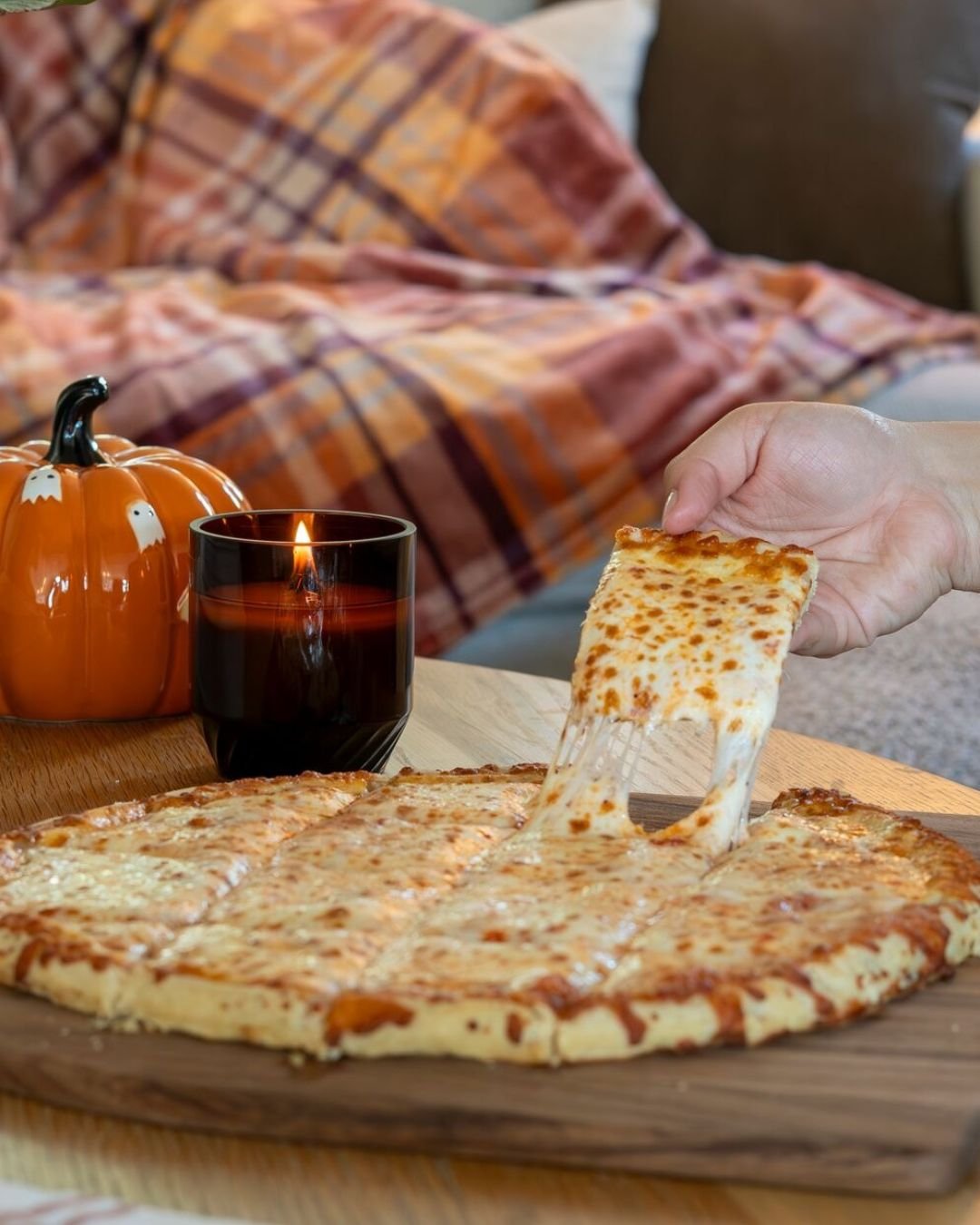
Ask anyone outside of Illinois what Chicago pizza is, and they will immediately describe a massive, two-inch-thick deep dish pie.
While locals do enjoy deep dish occasionally, it is not the everyday staple.
The real Chicago pizza is “Thin Crust Pizza.”
This is a wafer-thin, crispy crust pizza that is cut into squares, not triangles. It was originally created in taverns to give patrons a free, salty snack to keep them drinking beer. Today, locals swear by this thin crust pizza as their ultimate weekend go-to.
14. We Eat Our Sandwiches “Dipped”
The Italian Beef sandwich is a Chicago institution, recently made globally famous by the hit TV show The Bear.
But ordering one isn’t as simple as asking for a sandwich.
You have to specify your toppings (sweet peppers or spicy giardiniera) and your wetness level.
The most authentic way to eat the absolute best Italian beefs in Chicago is “Dipped.” The entire sandwich is dunked into the seasoned beef au jus before being wrapped.
It is a glorious, messy experience that requires at least five napkins.
15. The Malört Initiation
If you make friends with a Chicagoan at a bar, there is a 100% chance they will buy you a shot of Jeppson’s Malört.
Do not be fooled by their generous smile. This is a hazing ritual.
Malört is a wormwood-based liqueur that tastes like a mix of grapefruit peels, bug spray, and regret.
Despite the bizarre history of Jeppson’s Malört, Chicagoans are perversely proud of it. Drinking it and surviving is your official initiation into the city.
16. Mild Sauce is a Food Group
If you visit the South or West sides of Chicago and order fried chicken, you will be introduced to “Mild Sauce.”
Do not mistake this for mild taco sauce or standard barbecue sauce.
Chicago mild sauce is a magical, tangy, sweet, and slightly spicy concoction. Locals will drench their chicken, fries, and white bread in it, and once you try it, you will completely understand why.
17. Pączki Day Replaces Fat Tuesday
In New Orleans, the Tuesday before Lent is Mardi Gras. In Chicago, it is Pączki Day.
Due to the city’s massive Polish population, the entire city goes crazy for Pączki (pronounced poonch-key).
These are incredibly dense, rich, deep-fried donuts stuffed with fruit or cream fillings and covered in powdered sugar.
On Pączki Day, local bakeries will have lines wrapping around the block at 5:00 AM.
Chicago Culture & Recreation
Finally, there are a few cultural quirks that make Chicago, well, Chicago.
18. It Will Always Be the Sears Tower
In 2009, a London-based insurance broker bought the naming rights to Chicago’s most iconic skyscraper and renamed it the Willis Tower.
Chicagoans collectively rolled their eyes and entirely ignored the change.
If you call it the Willis Tower, locals will immediately know you are a tourist. Like many of the most iconic buildings in Chicago, locals fiercely protect its original legacy. It was the Sears Tower, and it always will be the Sears Tower.
19. We Dye Our River Neon Green
Every St. Patrick’s Day, Chicago does something completely unhinged.
The local plumbers union takes boats out onto the Chicago River and dumps a secret, eco-friendly dye into the water.
Within minutes, the entire river turns a brilliant, radioactive shade of emerald green.
Hundreds of thousands of people line the bridges and riverwalk to celebrate. It is a uniquely Chicago tradition that you have to see to believe.
20. We Cram a Year of Partying into 90 Days
Because Chicagoans endure six months of freezing weather, they absolutely lose their minds when summer arrives.
Summer in Chicago means “Street Fest Season.”
Every single weekend from June to August, the city shuts down major neighborhood streets to host massive, block-long festivals featuring live music, local food vendors, and endless beer tents. We don’t take a single sunny weekend for granted.
21. 16-Inch Softball (Played Without Gloves)
Go to any park in Chicago during the summer, and you will see people playing softball.
But look closer, and you’ll notice something insane: Nobody in the field is wearing a baseball glove.
Chicago is the birthplace of 16-inch softball, also known as “mushball.” The ball is significantly larger and softer than a standard softball, and it is traditionally played barehanded.
It is a gritty, painful tradition that results in lots of jammed fingers, but locals wouldn’t dare play it any other way.
22. The Beach is in the City
Most major cities are concrete jungles. If you want to go to the beach, you have to drive an hour out to the coast.
Chicago has 26 miles of public lakefront, featuring some of the most beautiful, sandy beaches in the country.
During the summer, you can play beach volleyball on North Avenue Beach while looking directly at a backdrop of massive skyscrapers.
It feels like two different worlds colliding in the best way possible.
Final Thoughts on What Makes Chicago Different
Chicago is a city of distinct neighborhoods, fierce loyalty, and hilarious unwritten rules.
It is a place where you can eat a world-class meal one minute and take a shot of terrible, wormwood liquor the next. It’s a city that freezes solid in the winter, only to come alive like a tropical resort in the summer.
Embrace the quirks, leave the ketchup at home, and enjoy everything that makes the Windy City so uniquely wonderful.
Have you ever visited Chicago? What was the biggest culture shock for you? Let me know in the comments below!
JM
AK