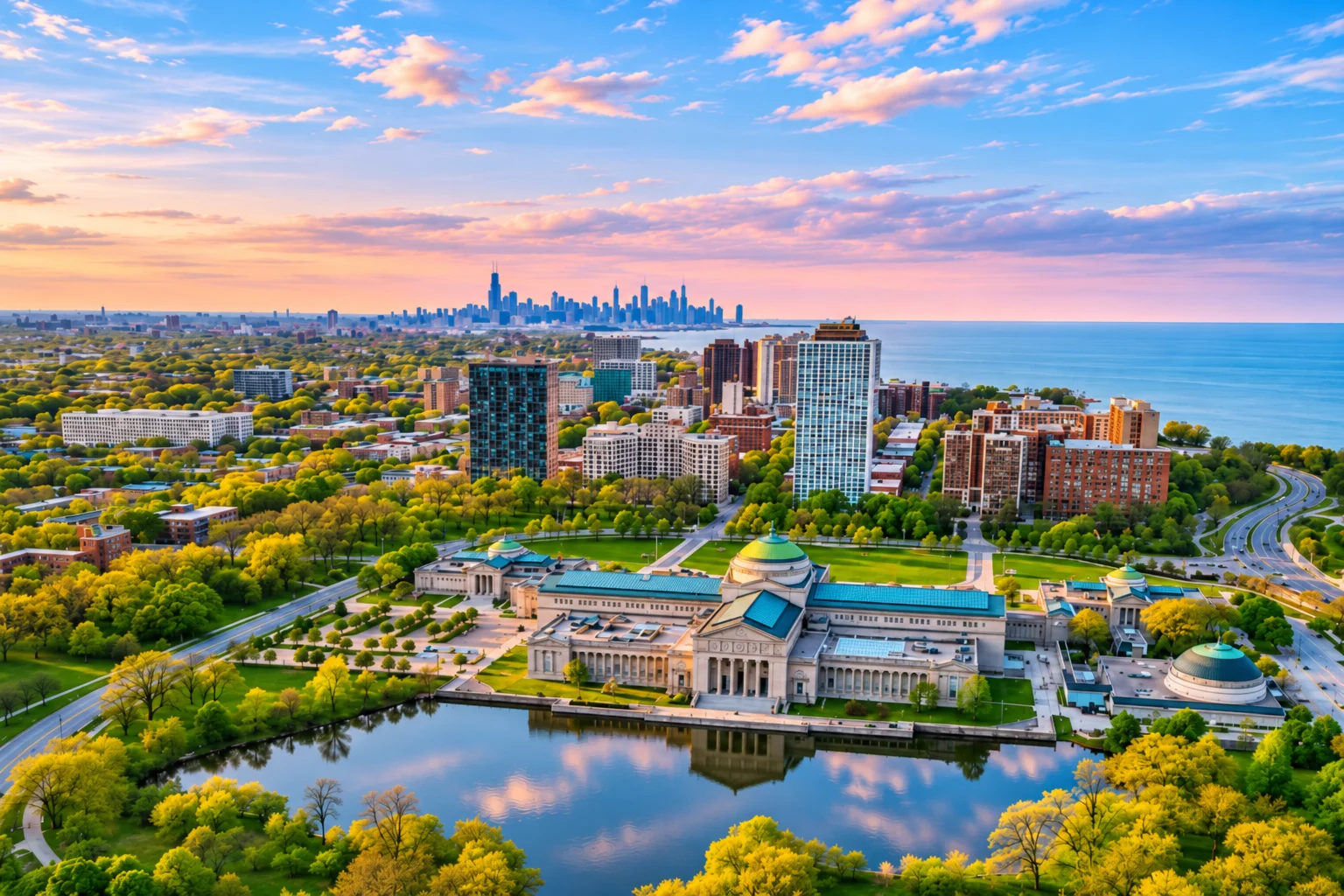
Every first-time visitor makes the exact same mistake when they come to the Windy City.
They land at O’Hare, take the Blue Line straight downtown, and spend their entire vacation trapped within a ten-block radius of Millennium Park.
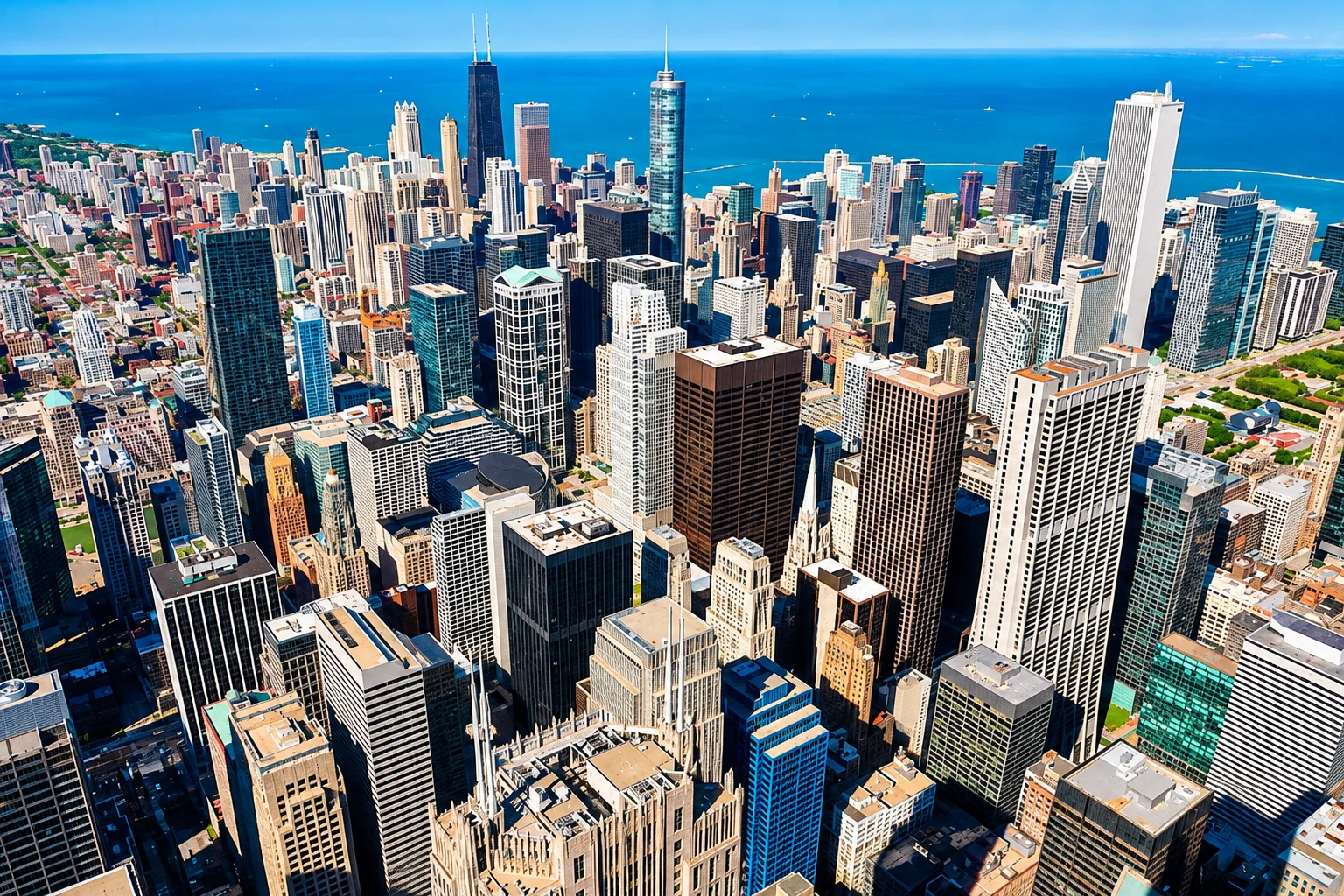
They snap a selfie at The Bean, eat a heavy slice of deep-dish pizza, look at the towering skyscrapers, and fly home thinking they’ve “done” Chicago.
They haven’t.
 JM
AK
Don’t get it twisted—The Loop is incredible. You should absolutely spend time exploring the stunning lobbies in Chicago you can experience for free.
But the true soul of the city doesn’t live in the commercial high-rises.
It lives in the late-night taquerias, the independent bookstores, the unmarked cocktail lounges, and the corner taverns.
If you want to experience the real city this year, you need to brush up on your Chicago slang terms, grab a Ventra transit card, and escape the downtown bubble.
And if you are wondering, is Chicago safe for tourists? The answer is yes—especially when you stick to these vibrant, community-driven areas.
Here is your insider’s guide to the Chicago neighborhoods where locals actually hang out right now.
1. West Town (The Global Cool-Kid)
If you want to know where the trendsetters are hanging out in 2026, look no further than West Town.
In fact, West Town was recently ranked as one of the coolest neighborhoods in the entire world.
The Vibe: A flourishing mix of art galleries, vintage record shops, and some of the most exciting restaurant debuts in the city.
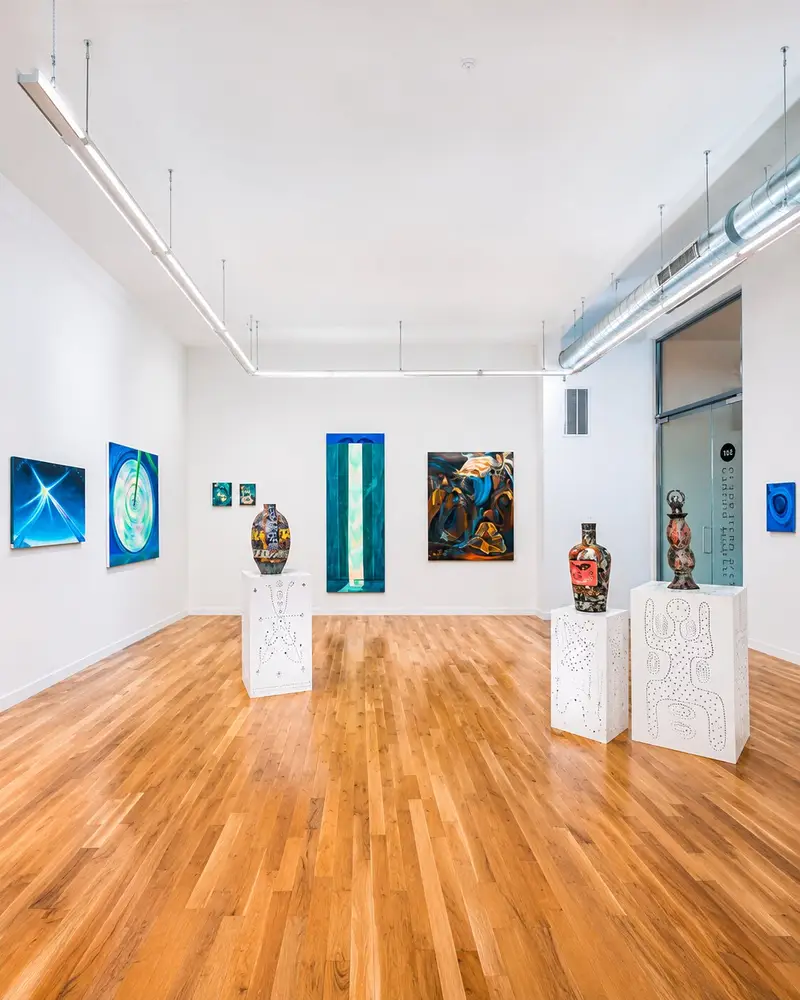
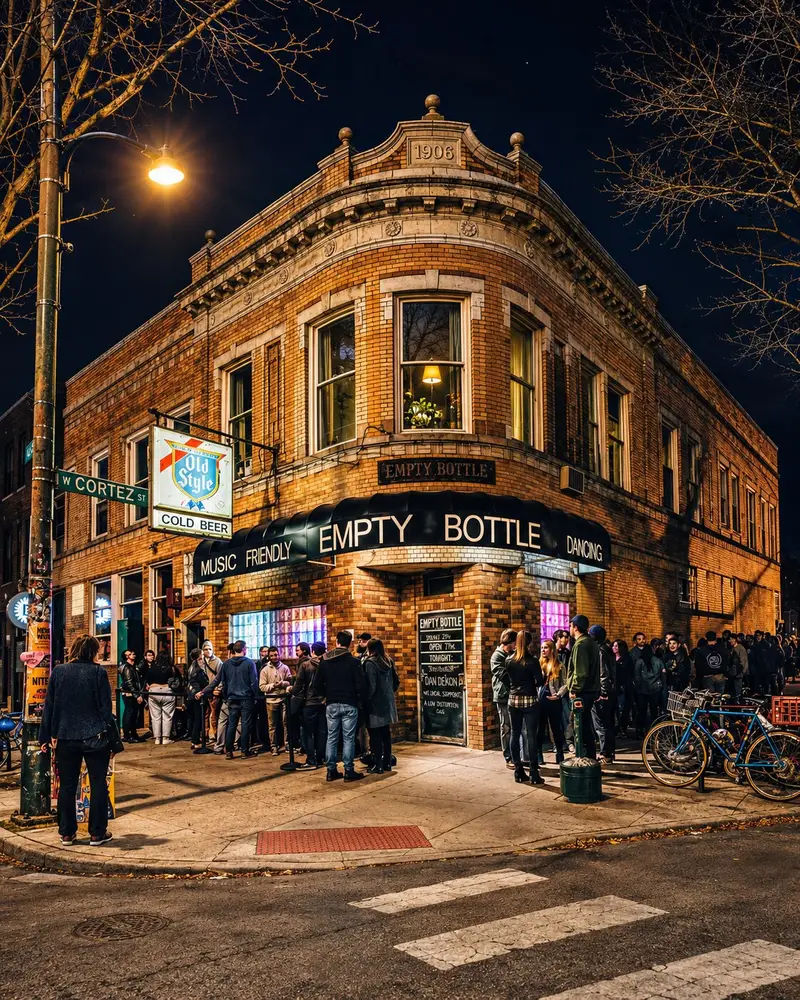
The Itinerary: Dig through vinyl at Dusty Groove, browse the Monique Meloche Gallery, and catch a gritty indie show at The Empty Bottle.
The Local Secret: Chicago Avenue is the beating heart of this community. Skip the crowded downtown tourist traps and spend an afternoon wandering this vibrant strip.
2. West Loop & Fulton Market (The Foodie Heavyweight)
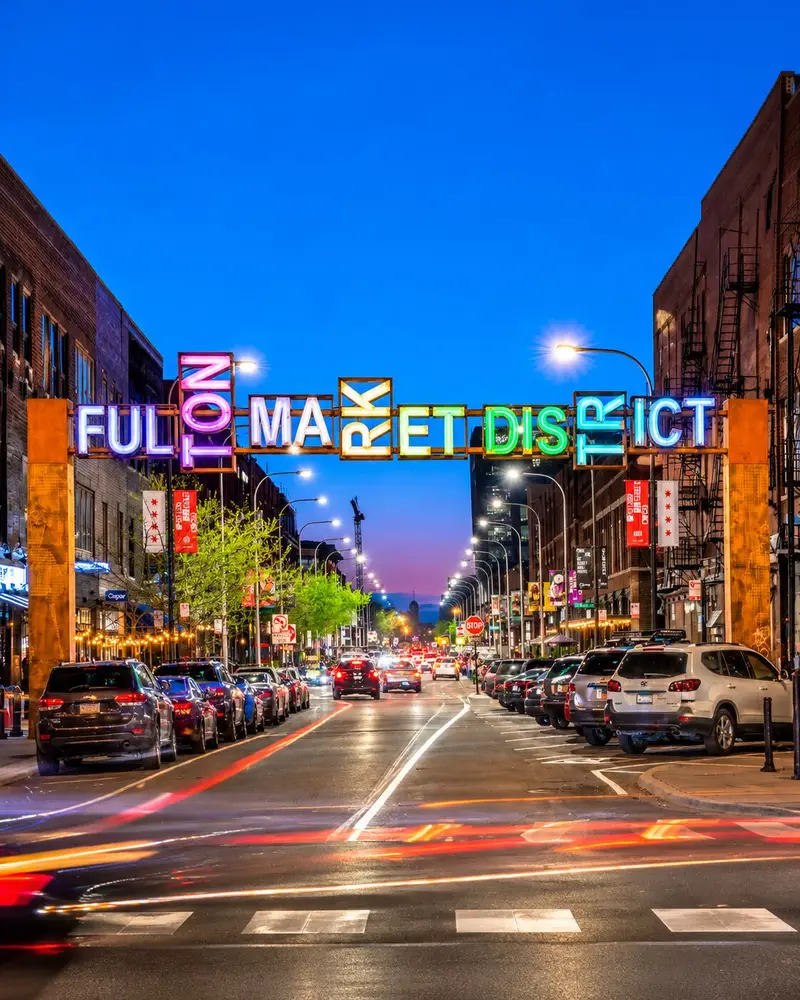
The West Loop is the undisputed culinary heavyweight of the Midwest.
What used to be a gritty meatpacking district is now a maze of industrial-chic warehouses housing the city’s elite dining scene.
The Vibe: Trend-forward, bustling, and heavily focused on world-class food.
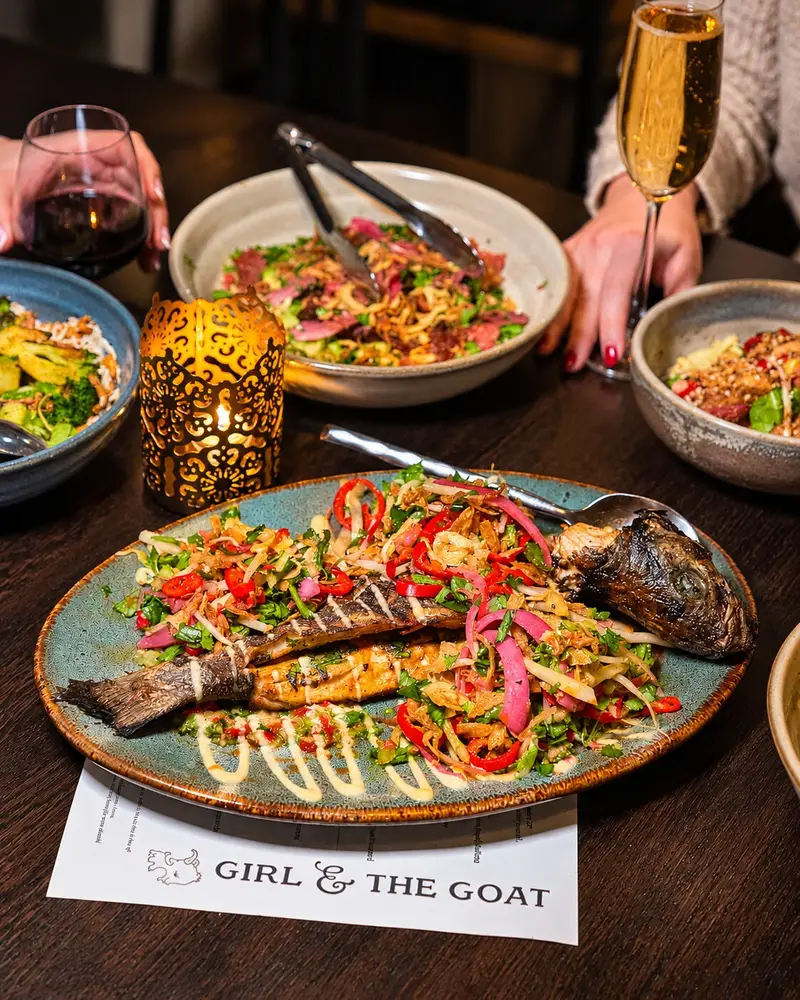
The Itinerary: Grab a table at Stephanie Izard’s legendary Girl & the Goat, or brave the notorious line for America’s best burger at Au Cheval. Both are prime examples of wildly famous Chicago restaurants that are actually worth the hype.
The Local Secret: Pay homage to the neighborhood’s wholesale roots by grabbing lunch at J.P. Graziano Grocery. It’s a fourth-generation Italian market slinging the best Italian sub you will ever eat.
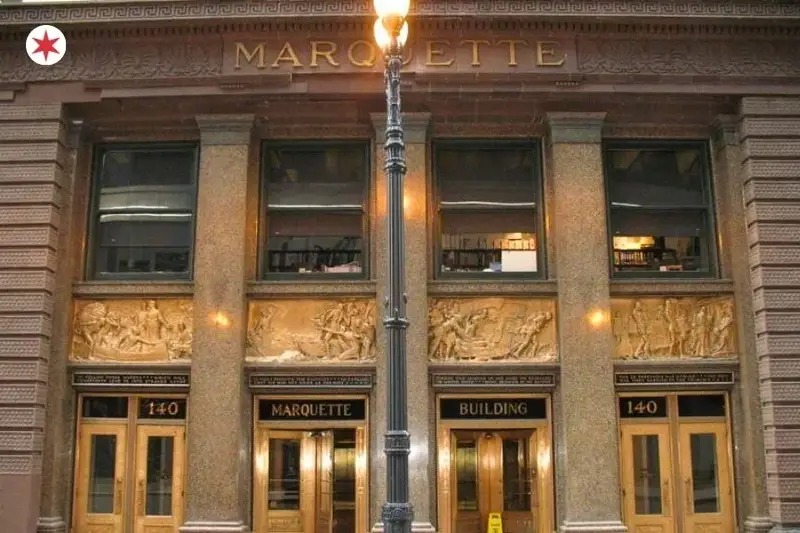
10 Hidden Architectural Details Chicago Locals Walk Past Every Day (But Tourists Never Notice)
3. Logan Square (Craft Cocktails & Laid-Back Energy)
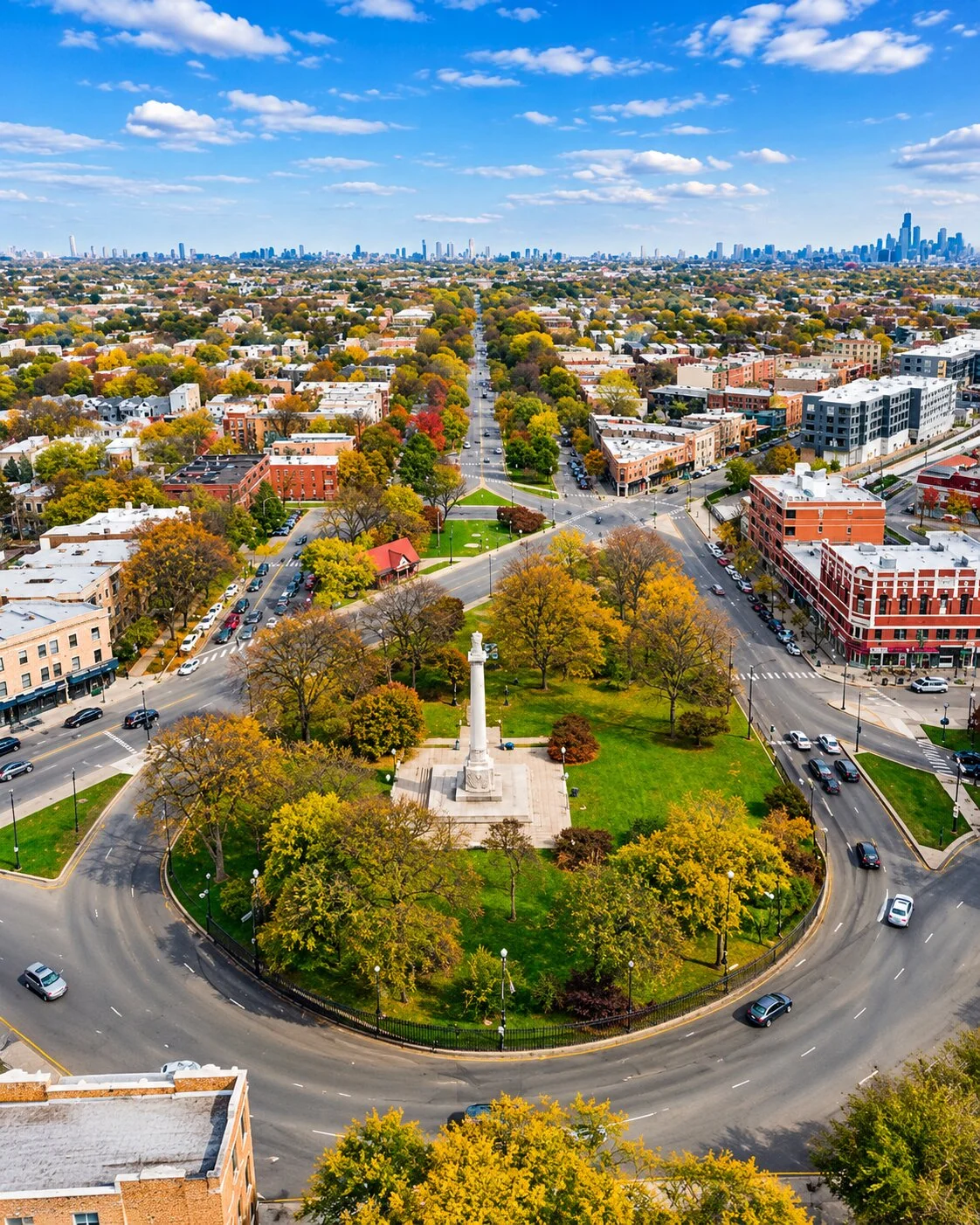
Think of Logan Square as Wicker Park’s slightly more grown-up, drink-obsessed sibling.
Known for its beautiful, tree-lined boulevards and historic greystone buildings, Logan Square pulses with a creative and deeply local energy.
The Vibe: Hip, laid-back, and effortlessly cool.
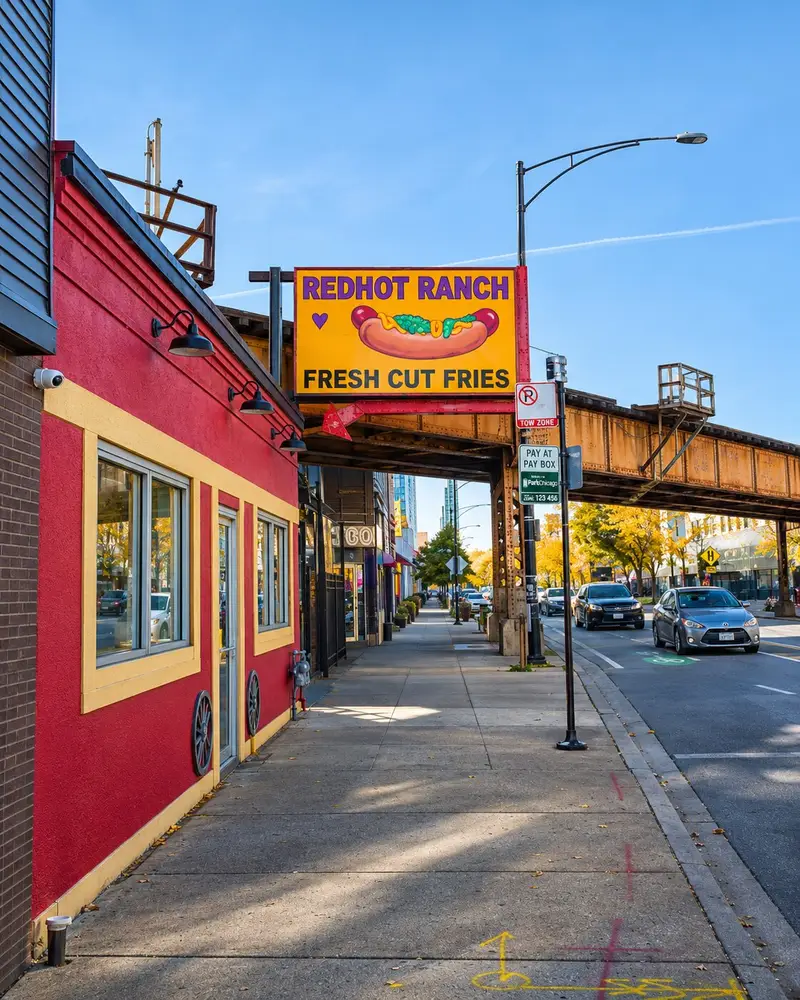
The Itinerary: Catch an indie flick at the neon-lit Logan Theatre, or sip locally brewed pints at Revolution Brewing.
The Local Secret: This neighborhood is packed with some of the best speakeasies in Chicago. When the bars close, locals stumble over to Redhot Ranch. Bring cash, order the double cheeseburger, and enjoy a greasy masterpiece.
4. Pilsen (Art, Culture, & Legendary Tacos)
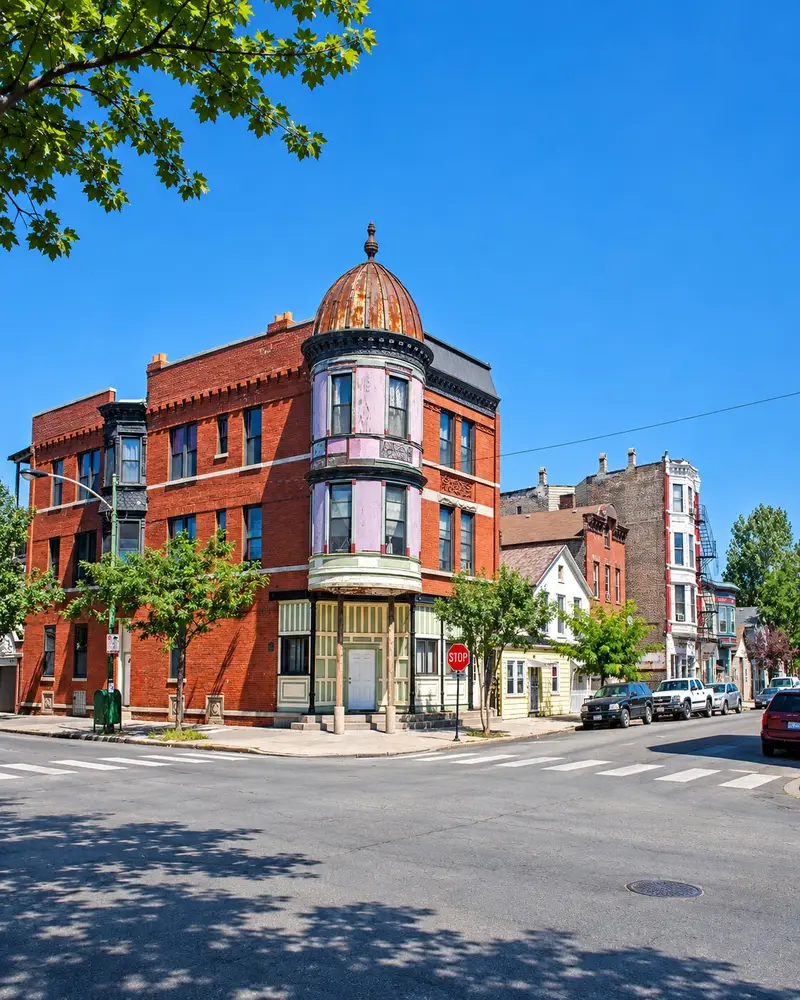
Pilsen is a vibrant, open-air art gallery and the cultural heart of Chicago’s Mexican-American community.
It is a neighborhood where history, music, and incredible food blend seamlessly.
The Vibe: Colorful, historically rich, and deeply authentic.
The Itinerary: Start at the free National Museum of Mexican Art. Then, walk down 16th Street to take in the massive murals painted along the railway embankment. At night, catch a concert at Thalia Hall.
The Local Secret: Wake up early and head to Carnitas Uruapan. This no-frills spot sells legendary pork carnitas by the pound. Get a half-pound, grab some tortillas, and experience a true Chicago rite of passage.
5. Andersonville (Independent & Charmingly Local)
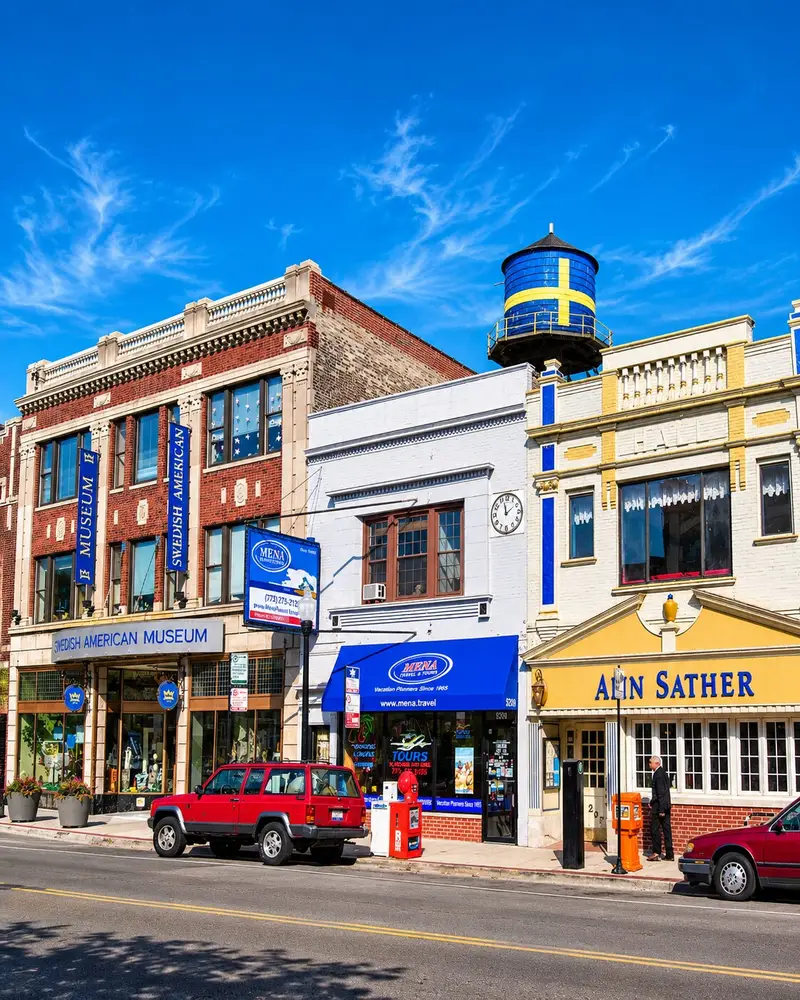
Andersonville is a fiercely independent enclave with deep Swedish roots.
Walk down Clark Street and you won’t see big-box chains.
Instead, you’ll find a thriving hub of local commerce, vintage shops, and fantastic neighborhood restaurants.
The Vibe: LGBTQ+-friendly, welcoming, and feeling like a charming village hidden within a massive city.
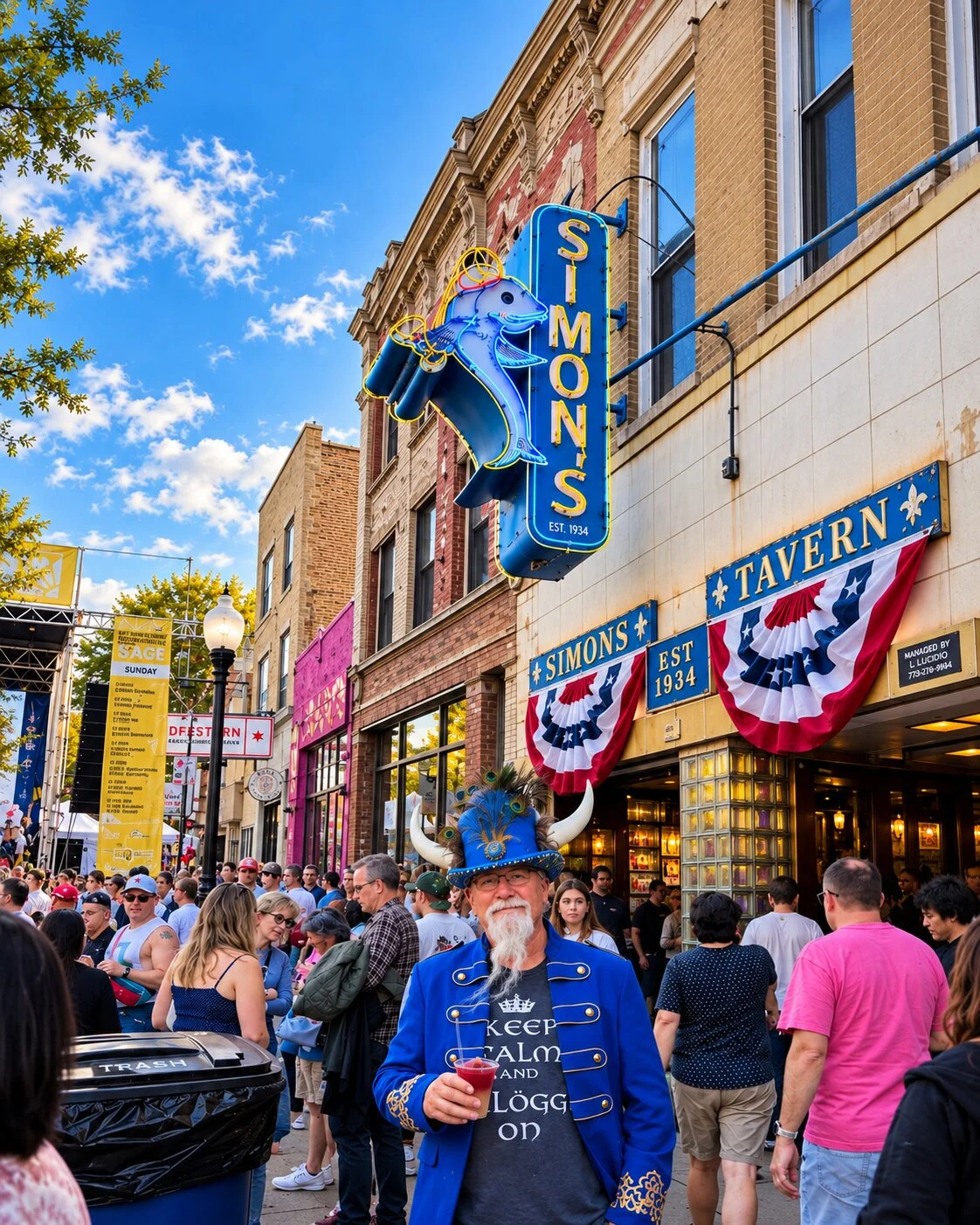
The Itinerary: Grab a Belgian beer and a plate of mussels at Hopleaf Bar, then browse the massive feminist bookstore, Women & Children First.
The Local Secret: Head to Simon’s Tavern, a former speakeasy where you can drink Glogg (warm Swedish mulled wine) in the winter.
6. Bridgeport (Old-School Grit Meets New-School Art)
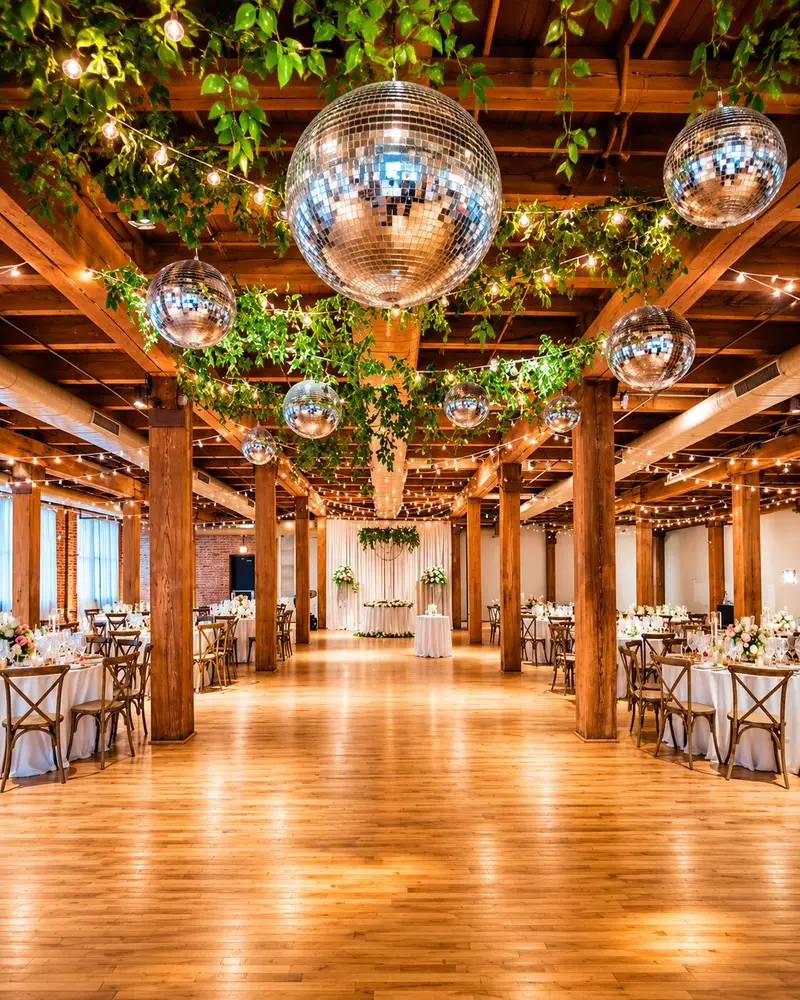
Bridgeport is old-school Chicago evolving in real time.
Historically known as the working-class, South Side stronghold that produced five Chicago mayors, it is currently blending its blue-collar roots with a quirky underground arts scene.
The Vibe: Gritty, authentic, and rapidly becoming a favorite for young locals looking for affordability.
The Itinerary: Catch a White Sox game at Guaranteed Rate Field, then explore the massive Bridgeport Art Center.
The Local Secret: Bridgeport is a fantastic place to hunt down the absolute best Italian beefs in Chicago. After lunch, you cannot leave without visiting Maria’s Packaged Goods & Community Bar. Half classic liquor store, half trendy craft cocktail lounge, it perfectly captures the neighborhood’s identity.
7. Hyde Park (Historic & Intellectual Sanctuary)
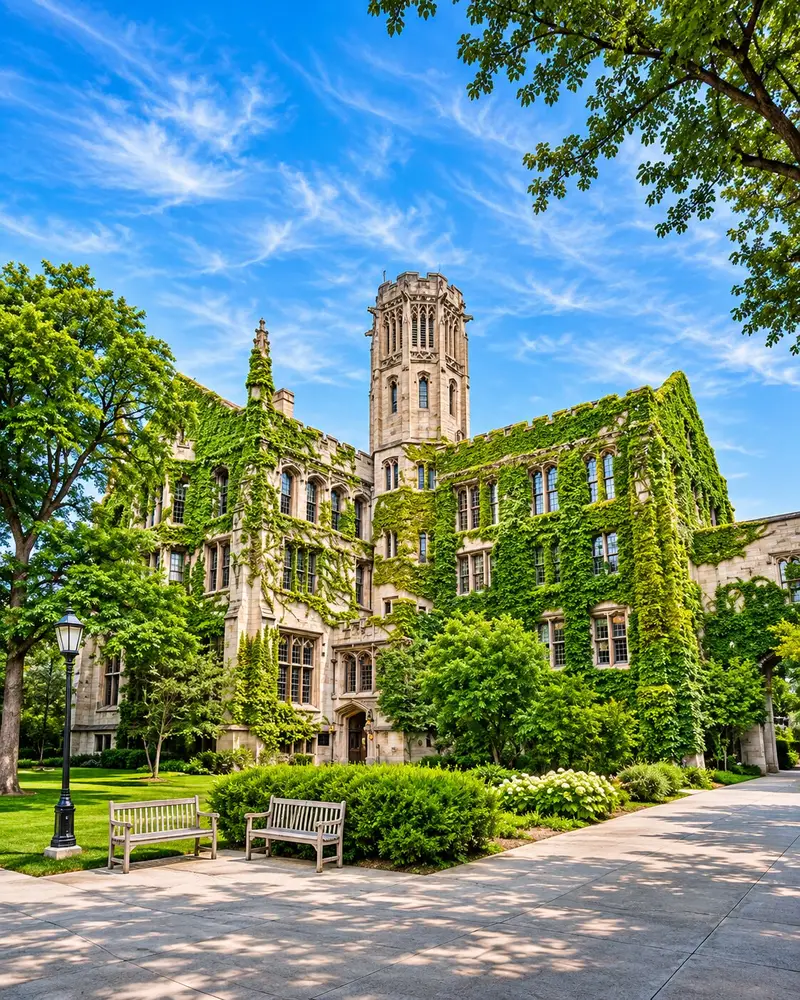
Hyde Park is a stunning historic sanctuary tucked away on the South Side.
Home to the gorgeous, ivy-covered gothic campus of the University of Chicago, this neighborhood offers world-class museums and a layered history.
The Vibe: Intellectual, leafy, and architecturally stunning.
The Itinerary: Explore the Griffin Museum of Science and Industry, tour Frank Lloyd Wright’s Robie House, and walk out to Promontory Point for breathtaking skyline views.
The Local Secret: Grab breakfast at Valois Restaurant. This classic, cafeteria-style diner is famously Barack Obama’s favorite breakfast spot.
8. Rogers Park (Diverse & Lakeside Quiet)
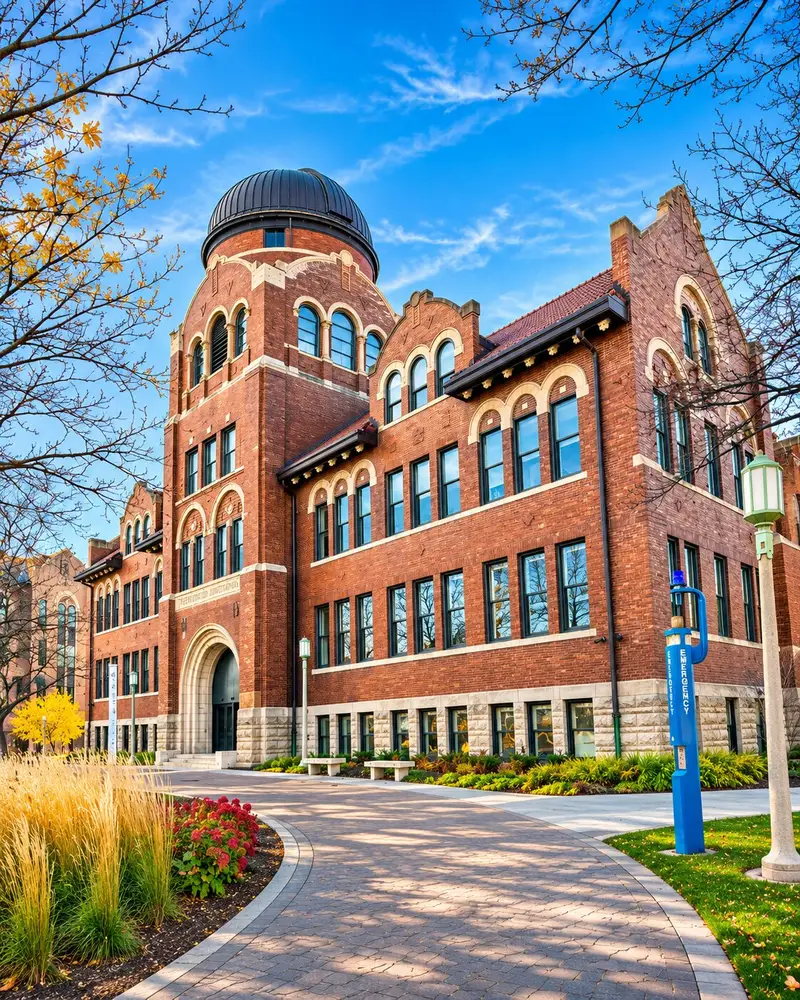
If you want to see where real Chicagoans are flocking for affordability and community in 2026, look to the far north side.
Rogers Park is consistently ranked as one of the most diverse neighborhoods in the city.
The Vibe: Relaxed, globally influenced, and deeply connected to the lakefront.
The Itinerary: Eat your way around the world. The neighborhood boasts incredibly authentic global cuisine right next to a calmer, quieter stretch of Lake Michigan.
The Local Secret: The beaches here are much less crowded than the downtown spots. Locals come here to enjoy the water without fighting for towel space. It is one of true Chicago hidden gems during the summer.
9. Lincoln Square (European Charm & Family-Friendly)
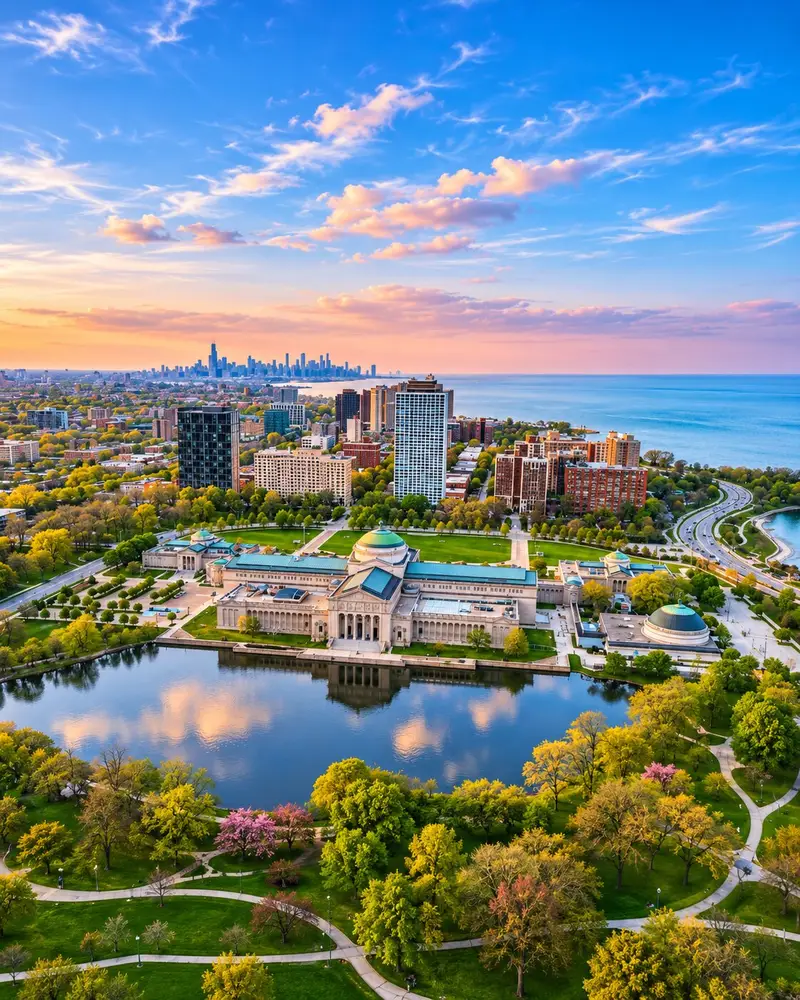
Stepping off the Brown Line at Western Avenue feels like you’ve been teleported to a small village in Germany.
Lincoln Square is defined by its cobblestone pedestrian plazas, historic apothecaries, and deep European roots.
The Vibe: Quaint, historic, and incredibly welcoming.
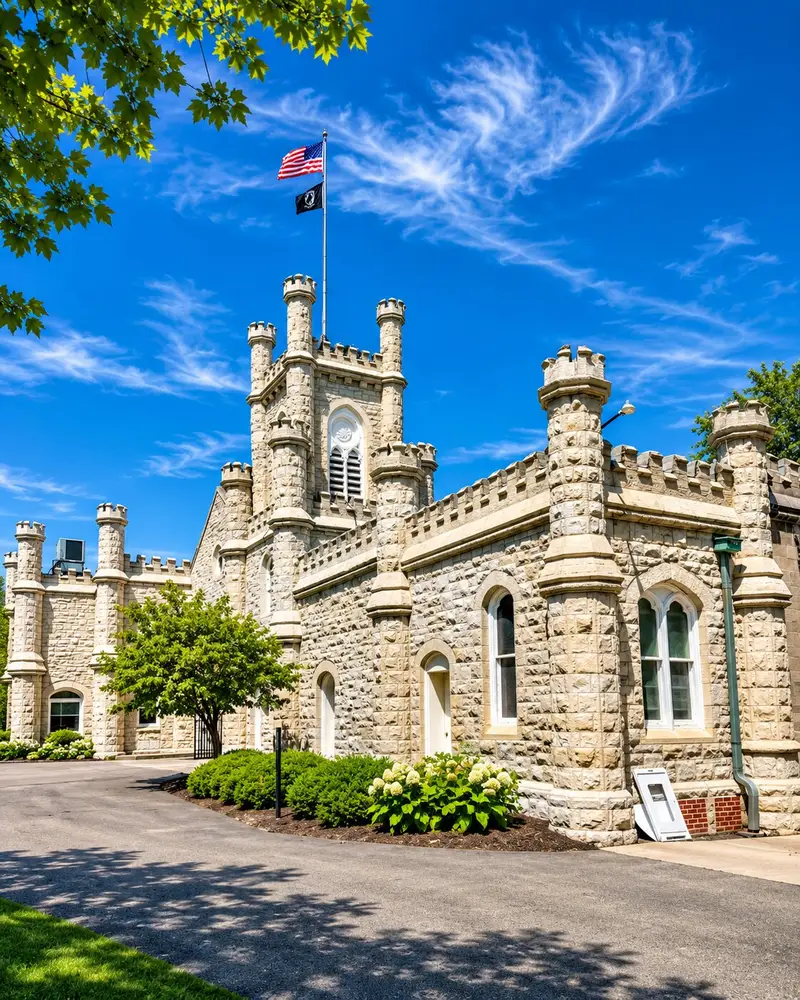
The Itinerary: Browse the massive, globally-sourced selection of skincare at the historic Merz Apothecary. Then, catch an independent film at the Davis Theater, a beautifully restored art deco cinema.
The Local Secret: During the summer months, locals skip the crowded downtown rooftops and head to the roof of Gene’s Sausage Shop. It’s a literal grocery store that hides a phenomenal, open-air beer and bratwurst garden on its roof.
10. Wicker Park & Bucktown (Vintage Shopping & The 606)
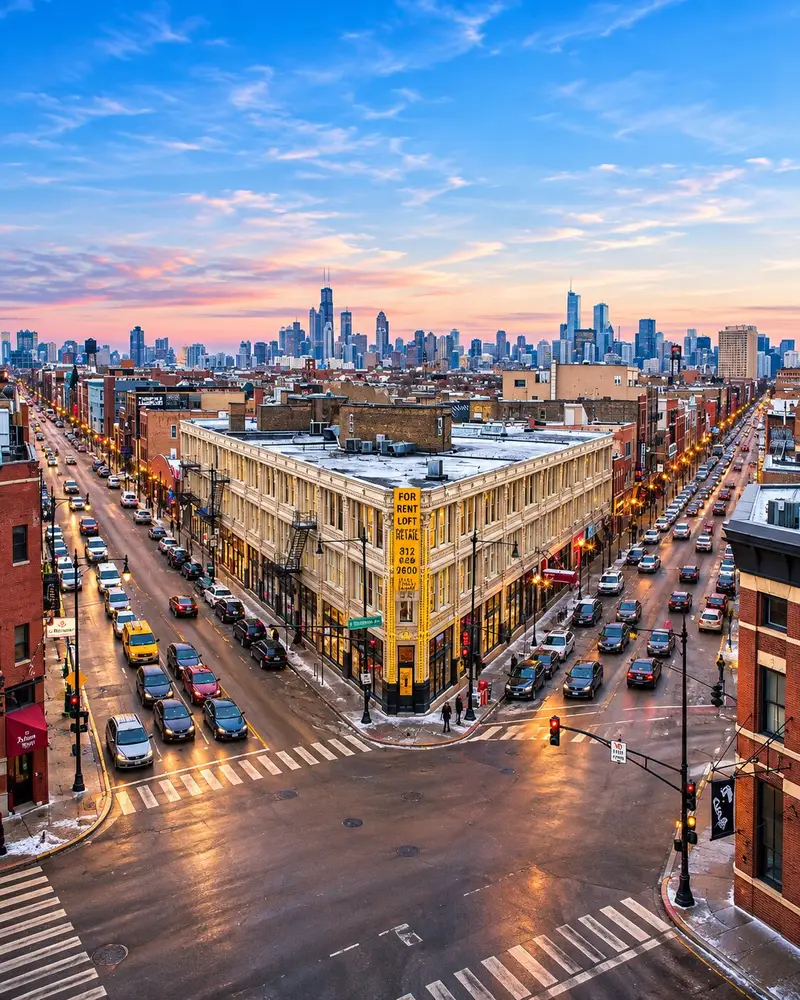
Wicker Park and Bucktown sit side-by-side and offer the ultimate collision of high-end boutiques and gritty vintage charm.
Milwaukee Avenue remains one of the best stretches for shopping, people-watching, and coffee-drinking in the Midwest.
The Vibe: Bustling, stylish, and highly walkable.
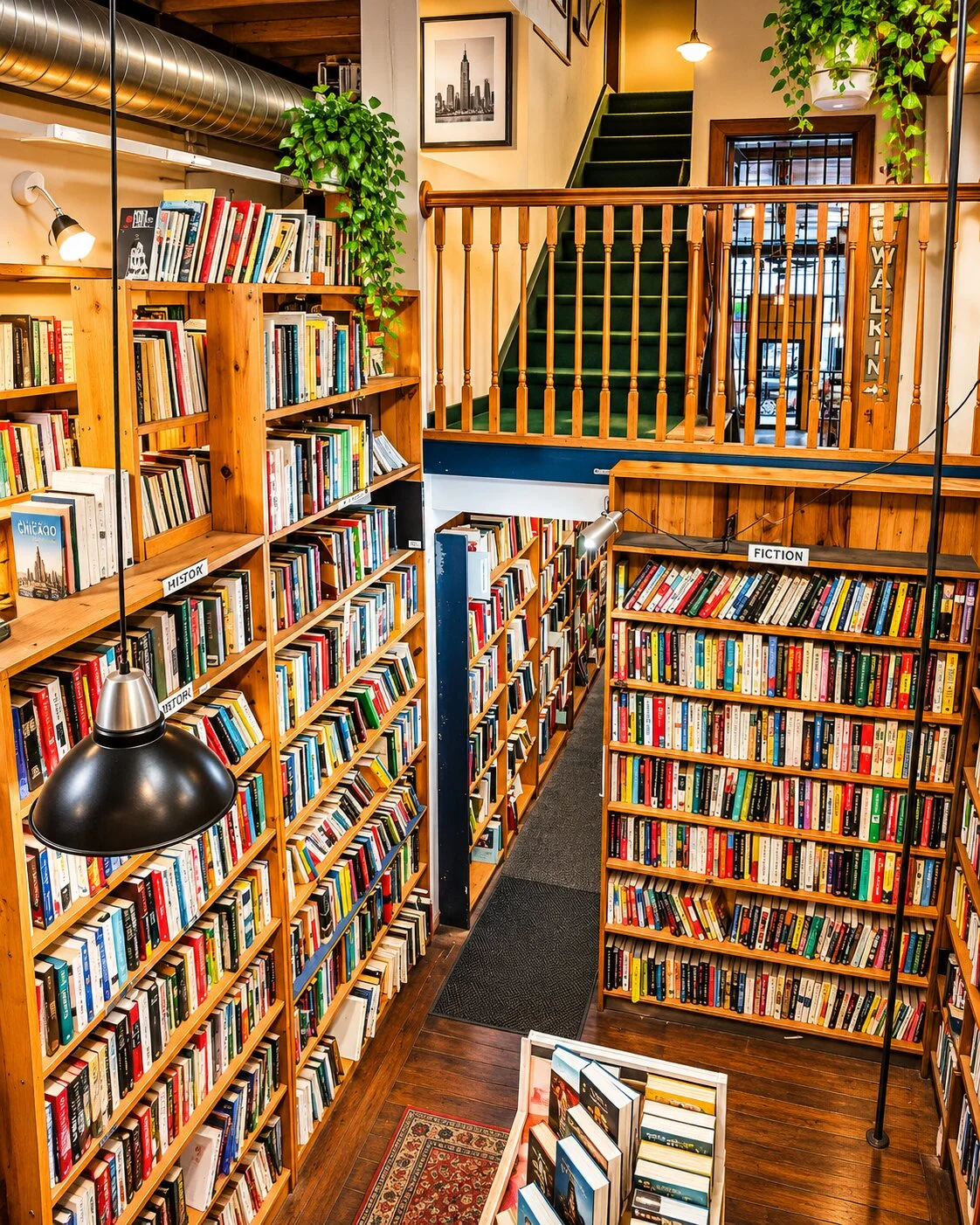
The Itinerary: Get lost in Myopic Books, a legendary multi-level used bookstore. Afterward, walk up the ramp to The 606 (also known as the Bloomingdale Trail)—Chicago’s elevated train track that was converted into a stunning 2.7-mile walking and biking trail.
The Local Secret: The Violet Hour is the bar that kicked off Chicago’s craft cocktail craze. The entrance is completely unmarked (hidden behind a constantly changing street-art mural). Find the doorknob, step inside, and experience absolute mixology perfection.
11. Uptown (Jazz, Art Deco, & Global Eats)
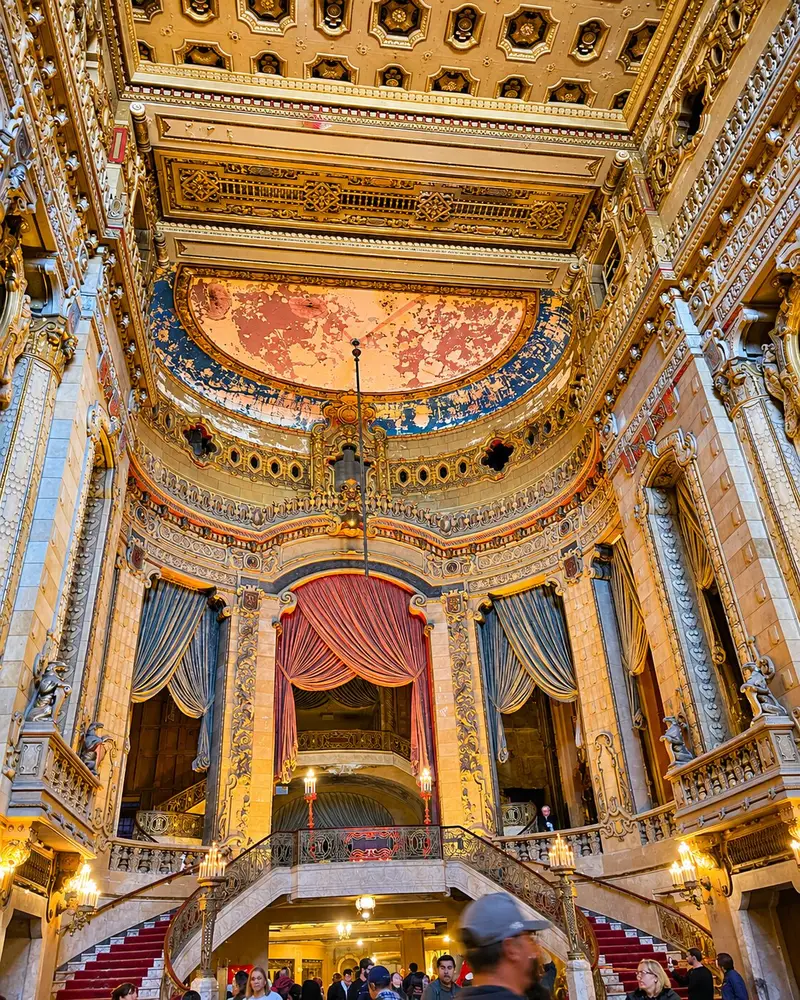
Uptown is Chicago’s historic entertainment district, boasting breathtaking 1920s architecture and a rich musical legacy.
Today, it is a brilliant collision of historic theaters and one of the best Asian food scenes in the country.
The Vibe: Historic, vibrant, and musically driven.
The Itinerary: Walk down Argyle Street (often called Little Vietnam) for the best Pho and Banh Mi in the city.
The Local Secret: The biggest news in the neighborhood is that the historic Uptown Theatre is reopening for Open House Chicago 2026. It is a monumental restoration you have to see to believe.
12. Chinatown (World-Class Food & River Views)
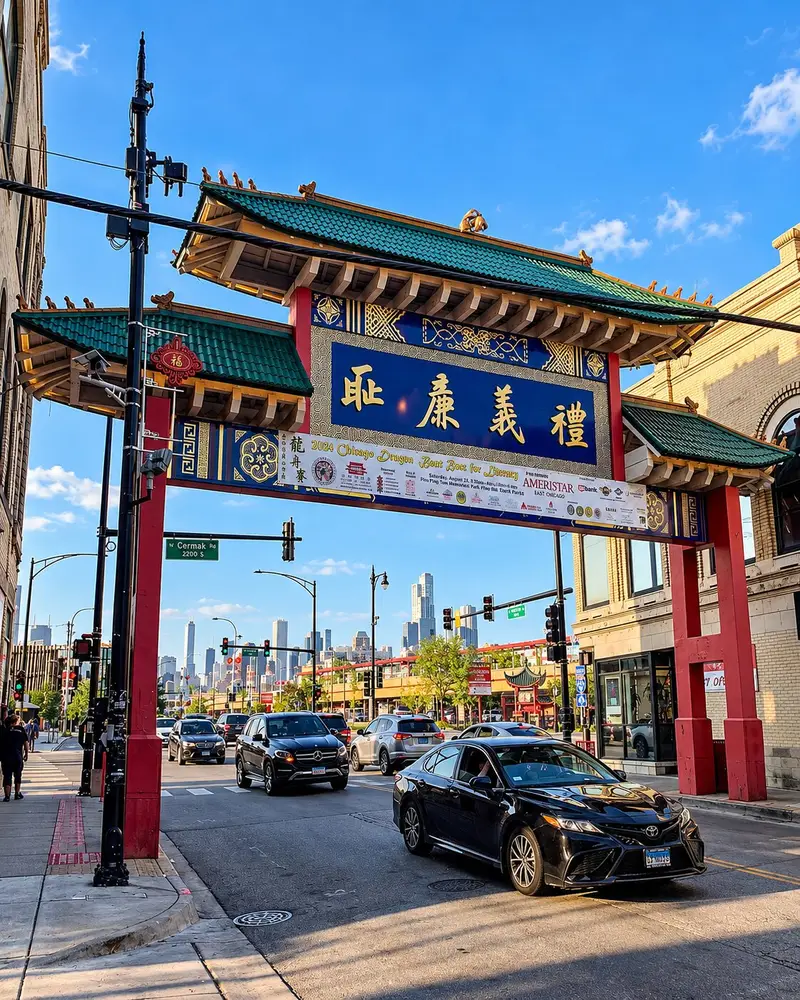
Chicago’s Chinatown is one of the only historic Chinatowns in the United States that is actually growing.
Located just a short Red Line or Water Taxi ride south of the Loop, it is a bustling, neon-lit neighborhood divided into two sections: the historic Wentworth Avenue and the modern Chinatown Square.
The Vibe: Energetic, culturally immersive, and incredibly delicious.
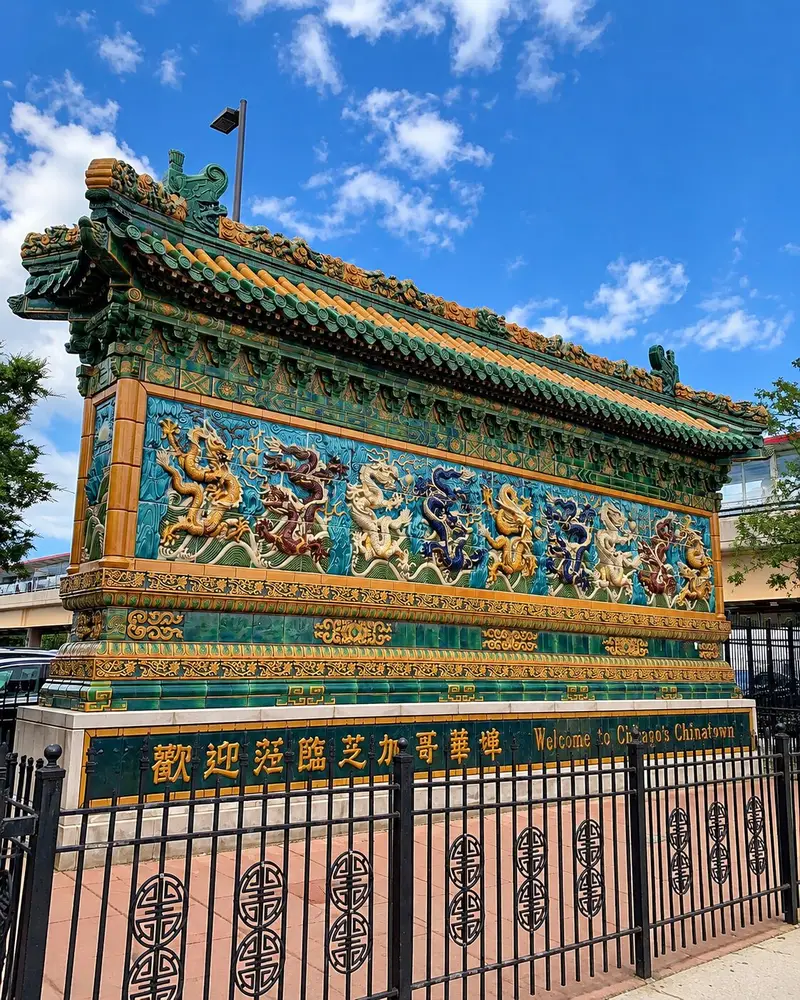
The Itinerary: There are so many incredible things you have to do in Chicago’s Chinatown. Grab a milk tea, wander through the outdoor zodiac statues in Chinatown Square, and spend the afternoon at Ping Tom Memorial Park for skyline views.
The Local Secret: QXY (Qing Xiang Yuan) Dumplings. Locals will wait hours for a table here. They hand-make the dumplings right in front of you, and the northern-style steamed and boiled dumplings are life-changing.
13. Lakeview & Southport Corridor (Boutiques & Brunch)
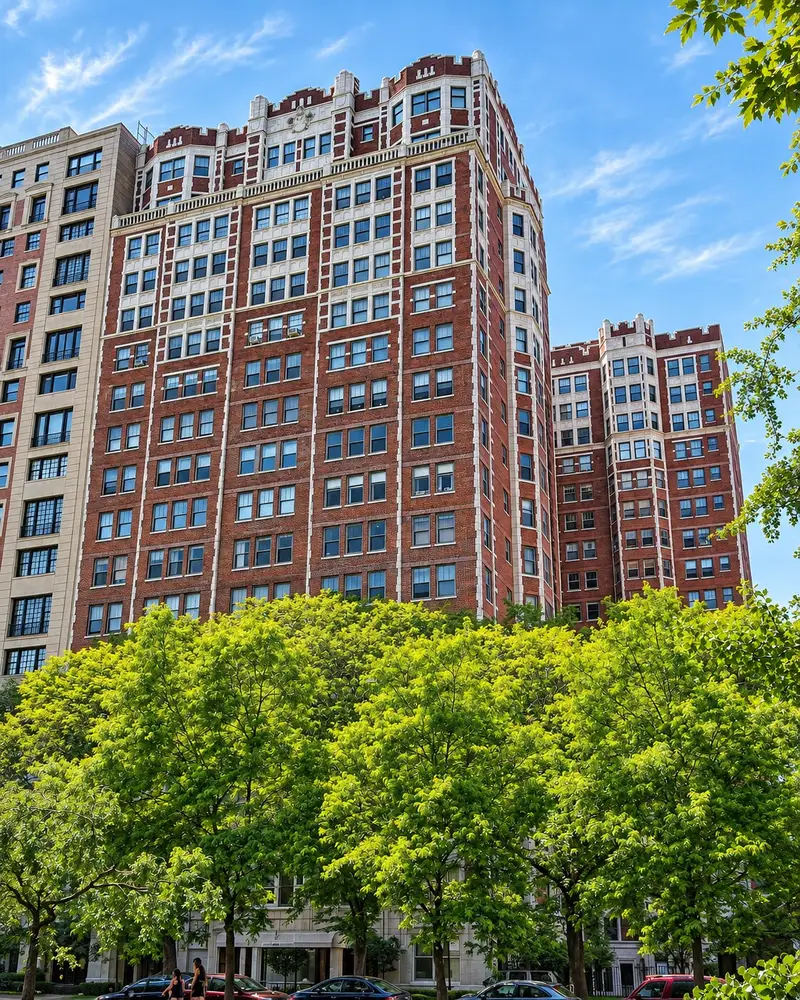
While tourists flock to the Wrigleyville section of Lakeview to take pictures of Wrigley Field, real locals head a few blocks west to the Southport Corridor.
This tree-lined street is the brunch and boutique capital of the North Side.
The Vibe: Upscale, preppy, and brunch-obsessed.
The Itinerary: Grab an artisanal coffee at Southport Grocery and Cafe, shop for independent brands and vintage finds along Southport Avenue, and catch an evening comedy show at the Music Box Theatre.
The Local Secret: Skip the overpriced sports bars near the baseball stadium and grab a table at Tango Sur on Southport. It’s an incredibly atmospheric, dimly lit Argentinian steakhouse that is completely BYOB (Bring Your Own Booze).
How to Explore Chicago Neighborhoods Like a Local (Without a Car)
Do not rent a car to explore Chicago. Between the expensive parking and the notorious traffic, it will only cause you headaches. Here is how locals actually get around:
- Master the CTA: Read up on our tourist’s guide to using the Chicago ‘L’ Train. The Blue Line and Brown Line are your best friends for neighborhood hopping.
- Download the Ventra App: The Ventra app allows you to tap your phone to ride any CTA train or bus seamlessly.
- Rent a Divvy Bike: Chicago is incredibly flat, making it a fantastic biking city. Divvy is the city’s bike-share program. Opt for an e-bike to cover more neighborhoods without breaking a sweat!
- Eat Like a Local on the Go: While moving between neighborhoods, skip the chain restaurants. Hunt down the best hot dog in Chicago from a corner stand—just remember, no ketchup allowed!
When is the Best Time to Visit Chicago?
If you want to experience these neighborhoods when they are truly alive, timing is everything.
Summer (June – August): The Golden Era
Chicago in the summer is entirely undefeated. Locals spend every waking second outdoors. The neighborhoods host massive weekend street festivals, outdoor patios spill onto the sidewalks, and the lakefront is packed.
Fall (September – October): The Local Favorite
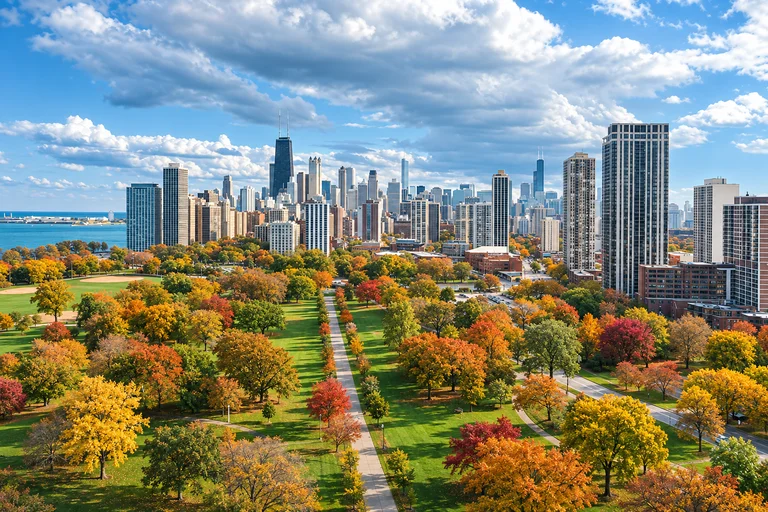
Fall is Chicago’s best-kept secret. The suffocating humidity of August breaks, the leaves change in Logan Square and Lincoln Square, and you can comfortably explore the city in a light jacket.
Winter (November – March): For the Brave
Chicago winters are brutal, and the wind coming off Lake Michigan is no joke. However, if you don’t mind the cold, flights and hotels drop drastically in price. Plus, there is nothing cozier than sitting by a fireplace in an Andersonville tavern while the snow falls outside.
The next time you find yourself booking a trip to Chicago, do yourself a massive favor.
Skip the overpriced steakhouse next to your hotel.
Buy a Ventra transit pass, pick a train line, and go get lost in a new zip code. The real Chicago is waiting for you.
Which of these Chicago neighborhoods is your favorite? Let us know in the comments below!
JM
AK