

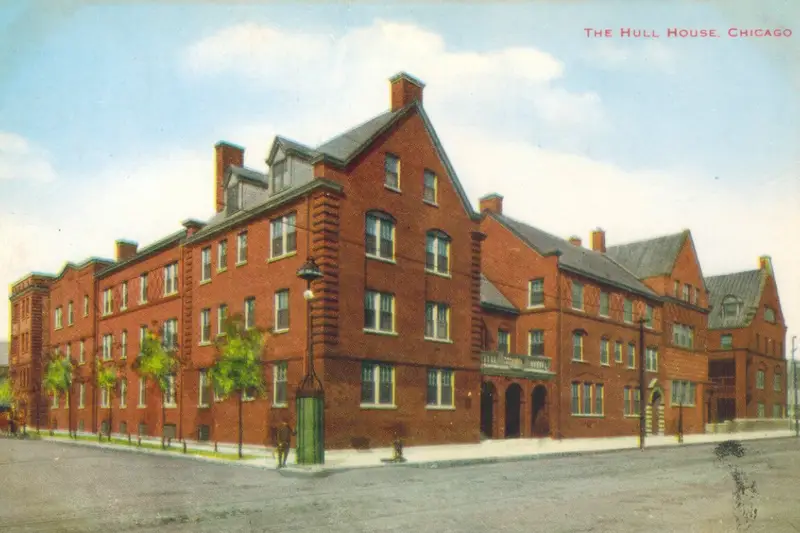
In the fall of 1913, tens of thousands of Chicagoans laid siege to a progressive settlement house demanding to see a cigar-smoking, profane demonic infant locked in the attic.
This was not a Halloween prank or a cheap urban legend, but a documented six-week mass hysteria that paralyzed the city.
The epicenter of this madness was the original Hull-House mansion, still standing today at the intersection of South Halsted and West Polk.
Behind the barricades and the bribery attempts lay a heartbreaking underground network of abused immigrant women using a supernatural monster to protect themselves from violent husbands.
The Cigar-Chomping Monster of Halsted Street
The madness ignited in late September 1913 when three frantic Italian women burst through the heavy doors of the settlement house.
They demanded immediate entry to the nursery to see a creature born with cloven hooves, pointed ears, and a diminutive tail.
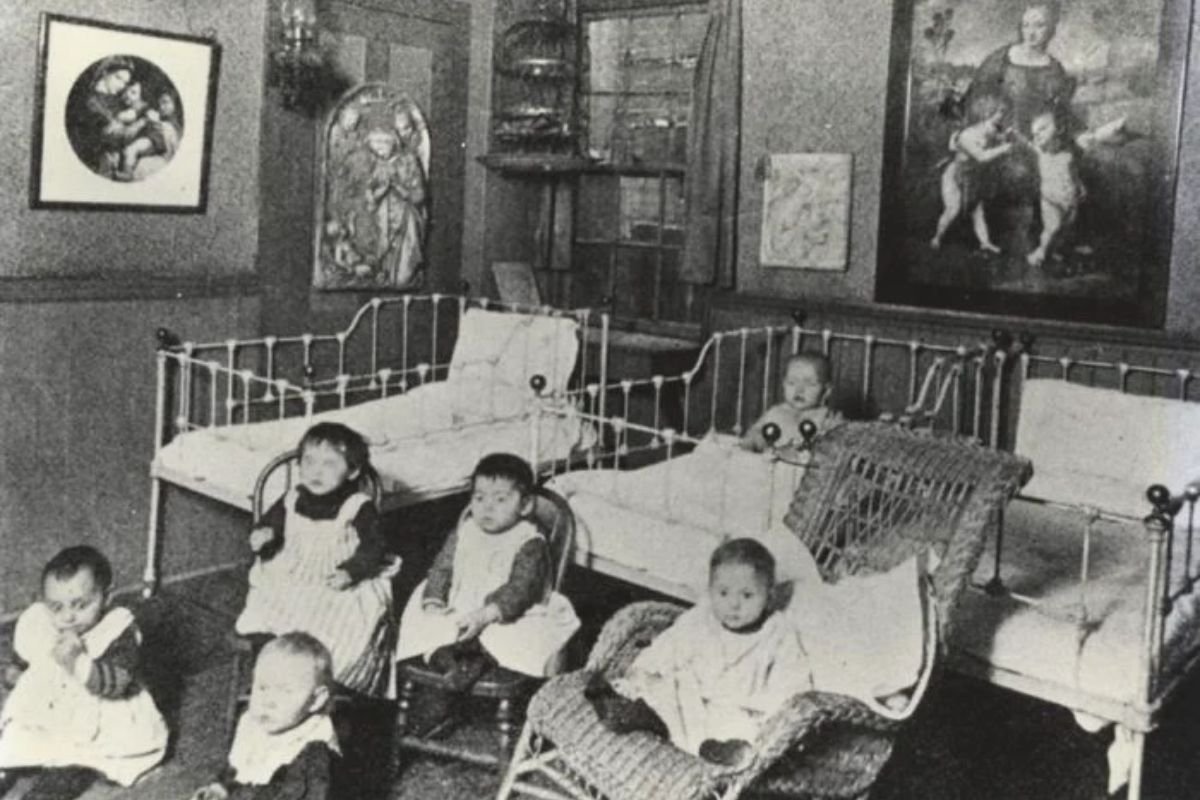
According to the neighborhood grapevine, this newborn didn’t just cry for its mother.
It possessed full adult faculties, snatched cigars from its father’s mouth, and vaulted over church pews to dodge holy water.
The exact origin story depended entirely on which block of the 19th Ward you lived on.
The Italian-Catholic version blamed an atheist husband who tore down a holy picture and cursed his pregnant wife.
Down the street in the Jewish enclave along Maxwell Street, the story morphed into a desperate patriarch with six daughters who screamed he would rather have a devil than a seventh girl.
That specific version even featured a weirdly modern twist.
Locals swore the father whisked the monster away to Hull-House in a speeding crimson automobile.
The Six-Week Police Barricade
By October 1913, the rumor had mutated into a full-blown civic crisis.
Thousands of onlookers arrived weekly, packing Halsted Street for blocks and ringing the settlement house telephone at all hours of the night.
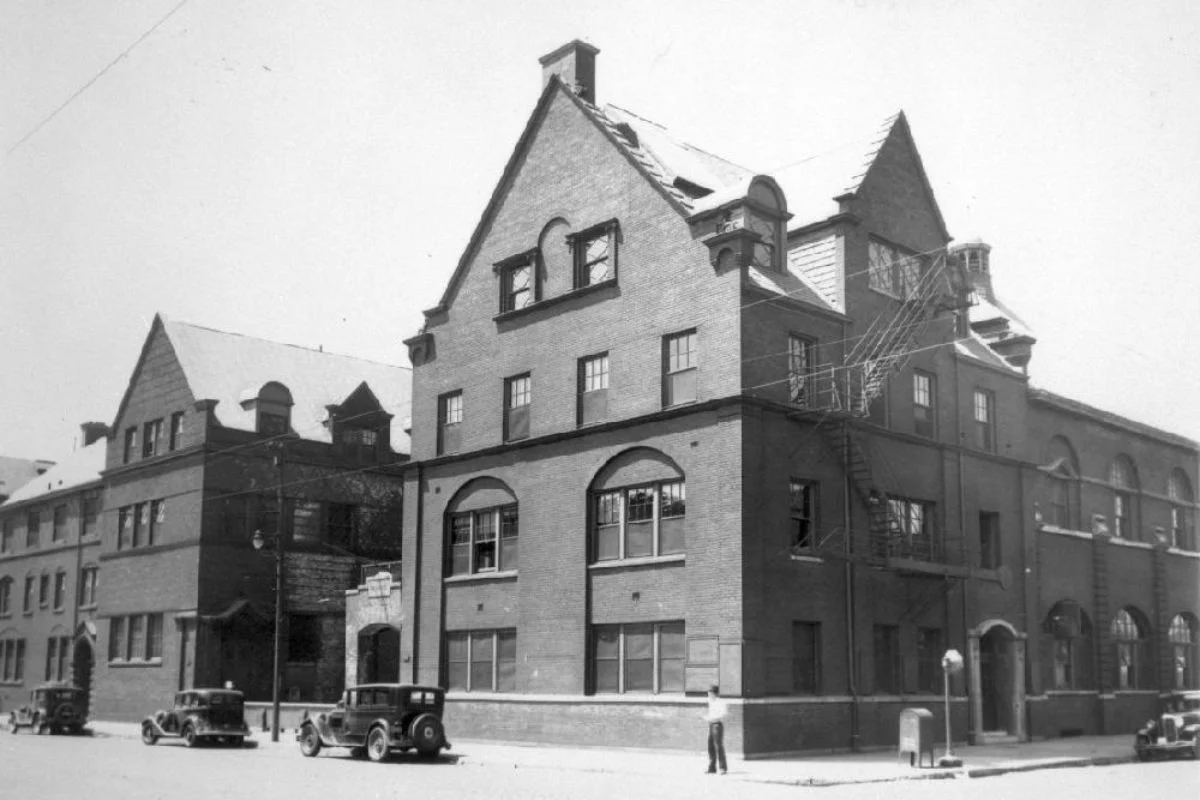
The crowds grew so massive and aggressive that the Chicago Police Department had to deploy officers to set up barricades and manage streetcar traffic.
Desperate onlookers offered settlement staff admission fees ranging from 25 cents up to several dollars—the modern equivalent of over $75—just to peek through a second-floor window.
Immigrant mothers didn’t just want to gawk at the spectacle.
They literally dragged their rebellious children to the barricades, pleading for a glimpse of the beast to frighten them into obedience.
On October 31, 1913, the Chicago Examiner published a sensational front-page report on the hysteria, driving even larger crowds from throughout Cook County.
For 42 consecutive days, the nation’s premier progressive citadel for empirical sociology was completely paralyzed by archaic myth.


The Dark Truth Behind the Hysteria
Jane Addams, the co-founder of Hull-House and future Nobel Peace Prize laureate, refused to dismiss the crowds as ignorant fools.
Instead, she stepped out into the bitter cold and began conducting empathetic sociological interviews with the elderly matriarchs waiting in line.
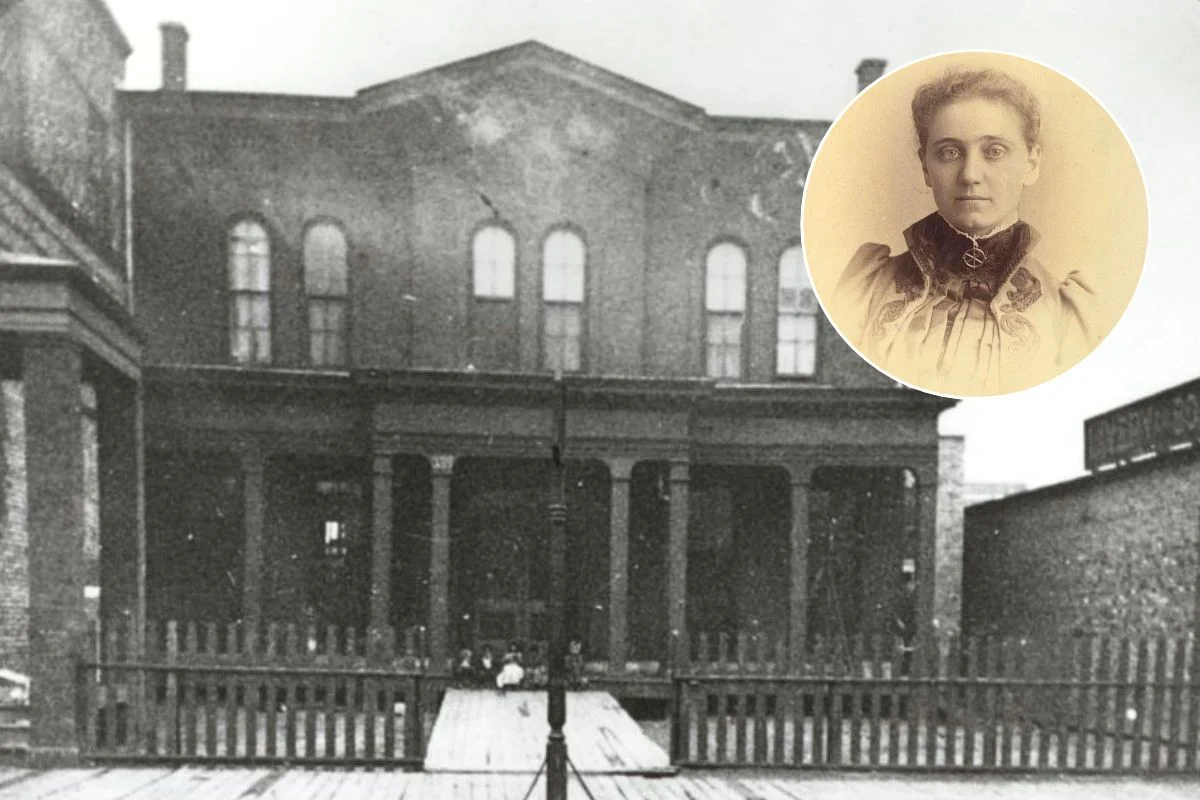
She quickly realized the “Devil Baby” was not a simple urban legend, but an underground shield for abused women.
The 19th Ward was a brutal pressure cooker of uncollected garbage, severe tenement housing shortages, and agrarian immigrants struggling to survive in a highly disorienting industrial metropolis.
These elderly women wielded the terrifying tale to restrain drunk, abusive, or blasphemous husbands by warning them of supernatural retribution.
The thousands of grandmothers standing outside were using the monster as an excuse to unburden horrific, hidden histories of personal trauma.
They poured out stories of domestic abuse, stolen grocery funds, and children dying of preventable diseases in the city’s unforgiving slums.
The Smudged Glass and the Ghost Tour Legacy
By early November 1913, the brutal Chicago winter set in and the crowds finally dispersed.
Addams later published a brilliant sociological breakdown of the panic in the Atlantic Monthly in October 1916.
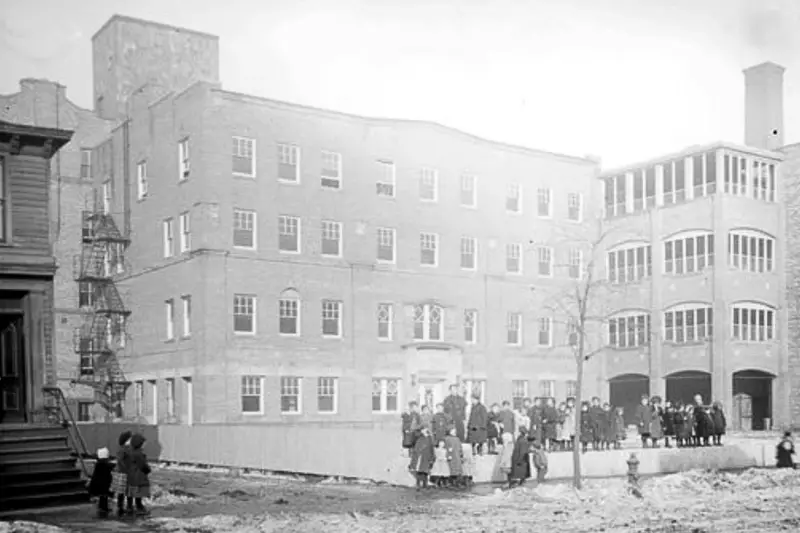
But the narrative didn’t end when the police barricades came down.
For decades after the panic, Hull-House staff reported finding persistent grease marks and smudges on the outside of the high attic windows.
These were left by neighborhood children climbing up the masonry, convinced they could see the shape of the Devil Baby scratching at the glass.
For generations of Chicagoans, this legend became a cornerstone of local supernatural lore.
Today, locals know that this 1913 panic laid the gritty framework for the famous Chicago Ghost Tours pioneered by local legend Richard Crowe.
It permanently locked the Hull-House attic into the city’s collective memory, proving that Chicago’s most enduring ghost stories are always born from real human struggle.
How to Visit the Epicenter of the Panic
The original mansion survived the Great Chicago Fire and the wrecking balls that cleared the way for the UIC campus.
It now operates as a free public museum dedicated to social reform.

Exact Address: Jane Addams Hull-House Museum, 800 S. Halsted Street, Chicago, IL 60607.
Cross Streets: The intersection of South Halsted Street and West Polk Street on the Near West Side.
Transit Directions: Take the CTA Blue Line to the UIC-Halsted station and walk two blocks south.
Alternatively, take the #8 Halsted bus directly to the Polk Street stop.
What to Look For: Stand in the courtyard and look up at the second- and third-floor attic windows of the original 1856 Charles J. Hull mansion.
Read the official 1965 National Historic Landmark bronze plaque detailing the site’s transformation from a country home into a 12-building social welfare complex.