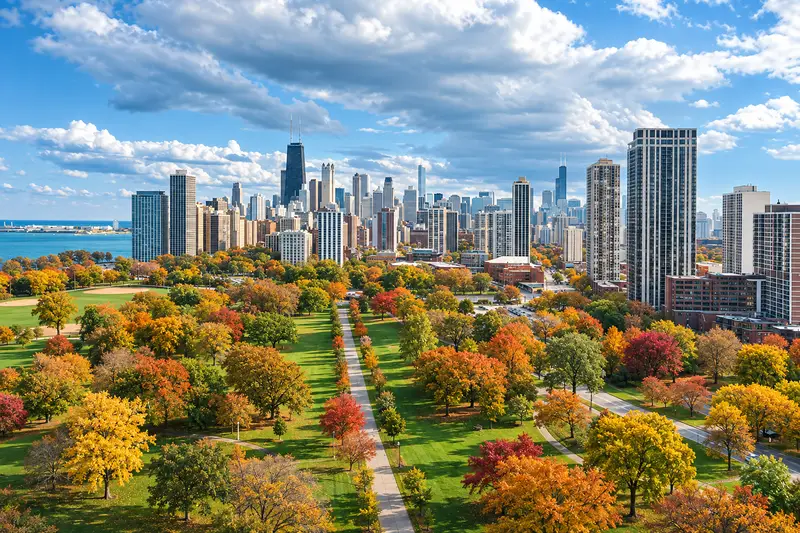
Have you ever stood in the middle of a massive city and felt completely awestruck?
That’s exactly what happens when you step into Downtown Chicago for the very first time.
Between the towering skyscrapers and the vibrant energy of the streets, the Windy City is an unforgettable destination. It has all the hustle and bustle of New York City, but with its own distinct Midwestern flavor.
Because of headlines, many people plan their trip wondering if Chicago is actually safe for tourists. The answer is a resounding yes—but there are still a few things about the city that will completely catch you off guard!
 JM
AK
From hidden underground streets to lakes that look like oceans, Chicago is full of surprises.
Whether you’re planning your first trip or just dreaming of a Midwestern getaway, here are the top things that shock first-time visitors about Downtown Chicago.
1. Lake Michigan Looks Exactly Like an Ocean
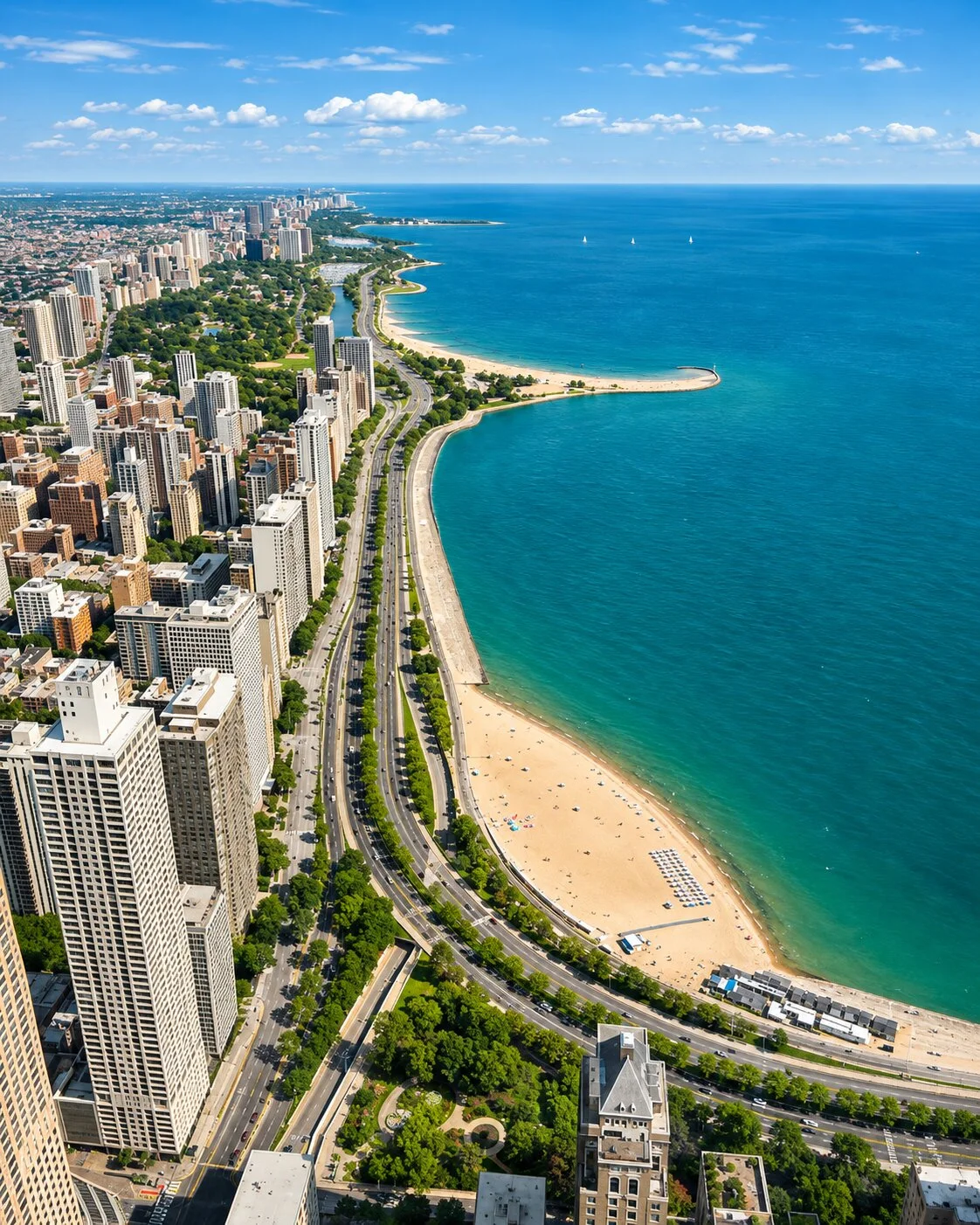
When you hear the word “lake,” you probably picture a calm, enclosed body of water.
Lake Michigan is going to shatter that expectation entirely.
When you stand at Navy Pier or walk along the Lakefront Trail, you cannot see the other side. The water stretches out to the horizon, complete with crashing waves, seagulls, and sandy beaches.
In the summer, you’ll find locals sunbathing on Oak Street Beach with massive skyscrapers towering directly behind them. It is a surreal, beautiful contrast that you just don’t see in many other American cities.
2. The GPS-Killing Underground Streets
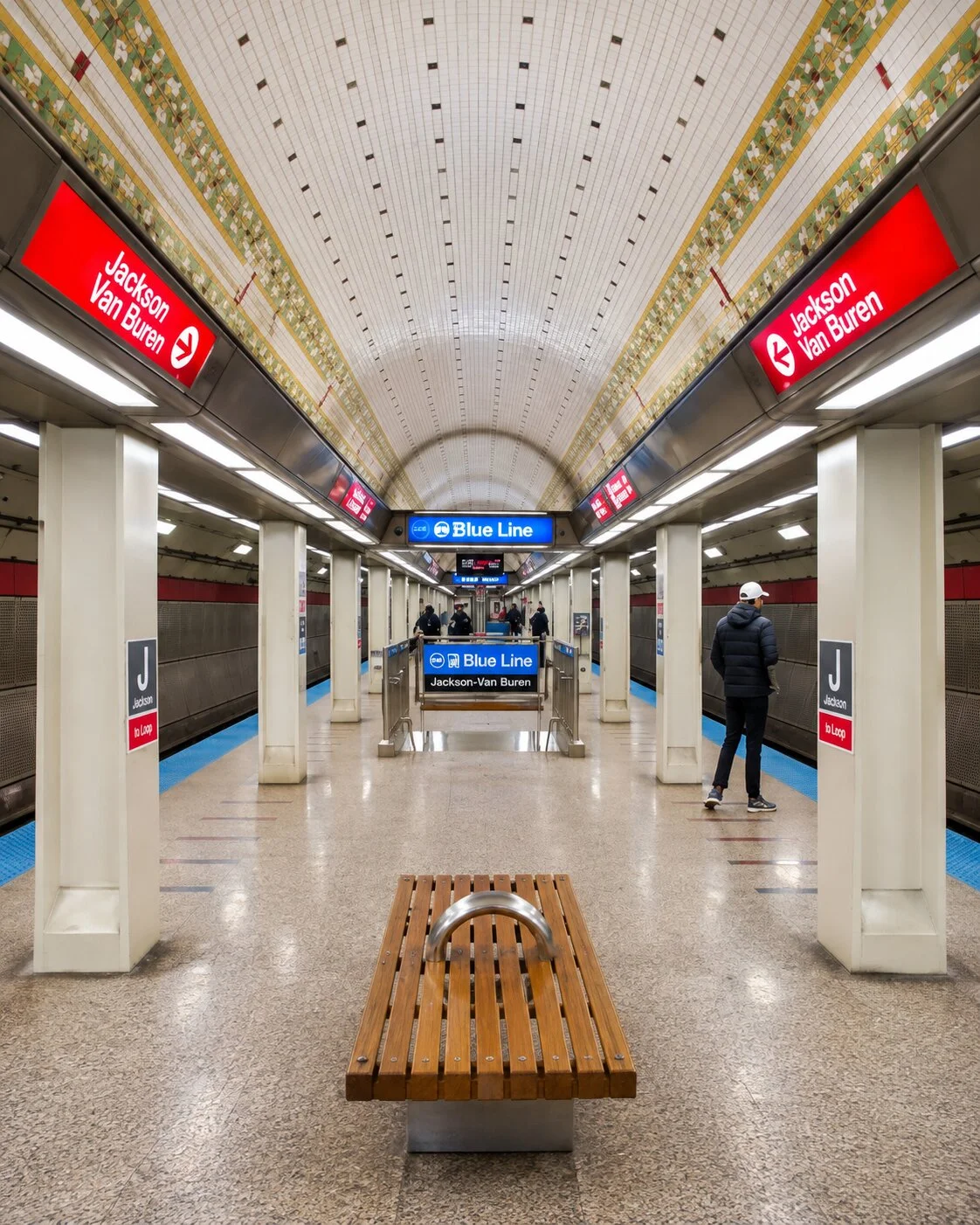
If you plan on driving or taking an Uber in Downtown Chicago, prepare for the confusion of the multi-level streets.
Downtown Chicago is built on a massive grid, but in some areas, it is stacked two or even three levels high.
The most famous is Lower Wacker Drive.
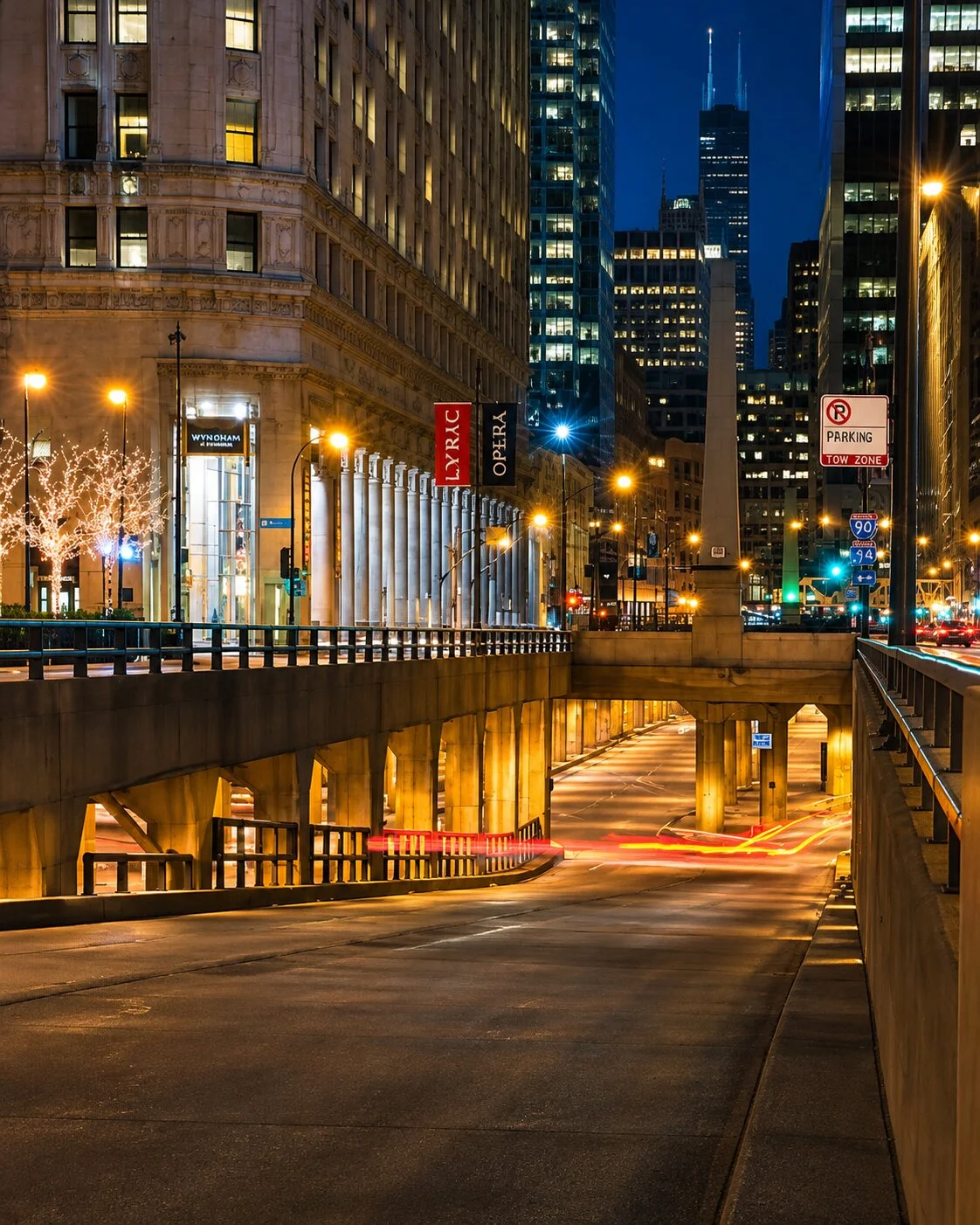
When you descend into these lower streets, it feels exactly like you’ve entered Gotham City. It’s dark, gritty, and completely hidden from the sunshine above.
The most shocking part? Your GPS will instantly stop working.
First-time visitors often find themselves completely lost underground while their map app spins in endless confusion.
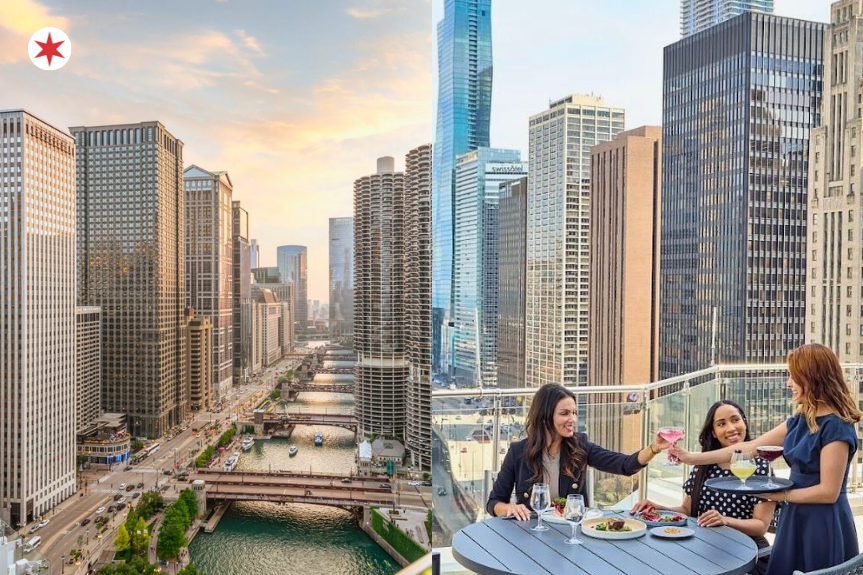

3. The City is Surprisingly Clean
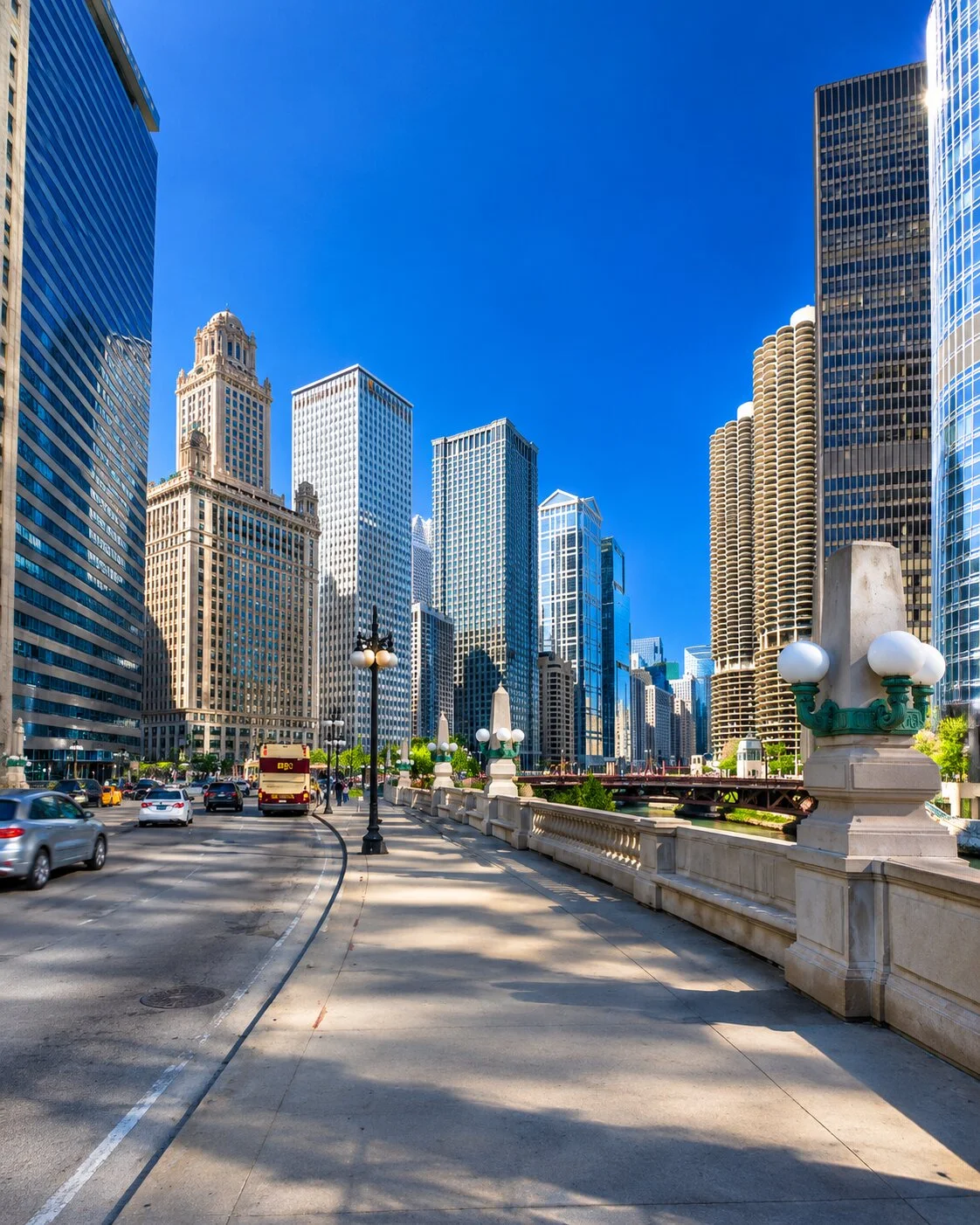
If you are used to the overflowing trash bags on the sidewalks of New York City, Chicago will be a breath of fresh air.
Downtown Chicago is incredibly clean for a metropolis of its size.
The secret? The alley system.
Unlike older East Coast cities, Chicago was largely rebuilt after the Great Fire of 1871. City planners smartly included a sprawling network of alleys behind the buildings.
This means that all the dumpsters, delivery trucks, and garbage collections happen out of sight, helping to create some of the most beautiful streets in Chicago.
The main sidewalks are left wide, clean, and completely free of garbage bags!
4. The Deafening Roar of the “L” Train
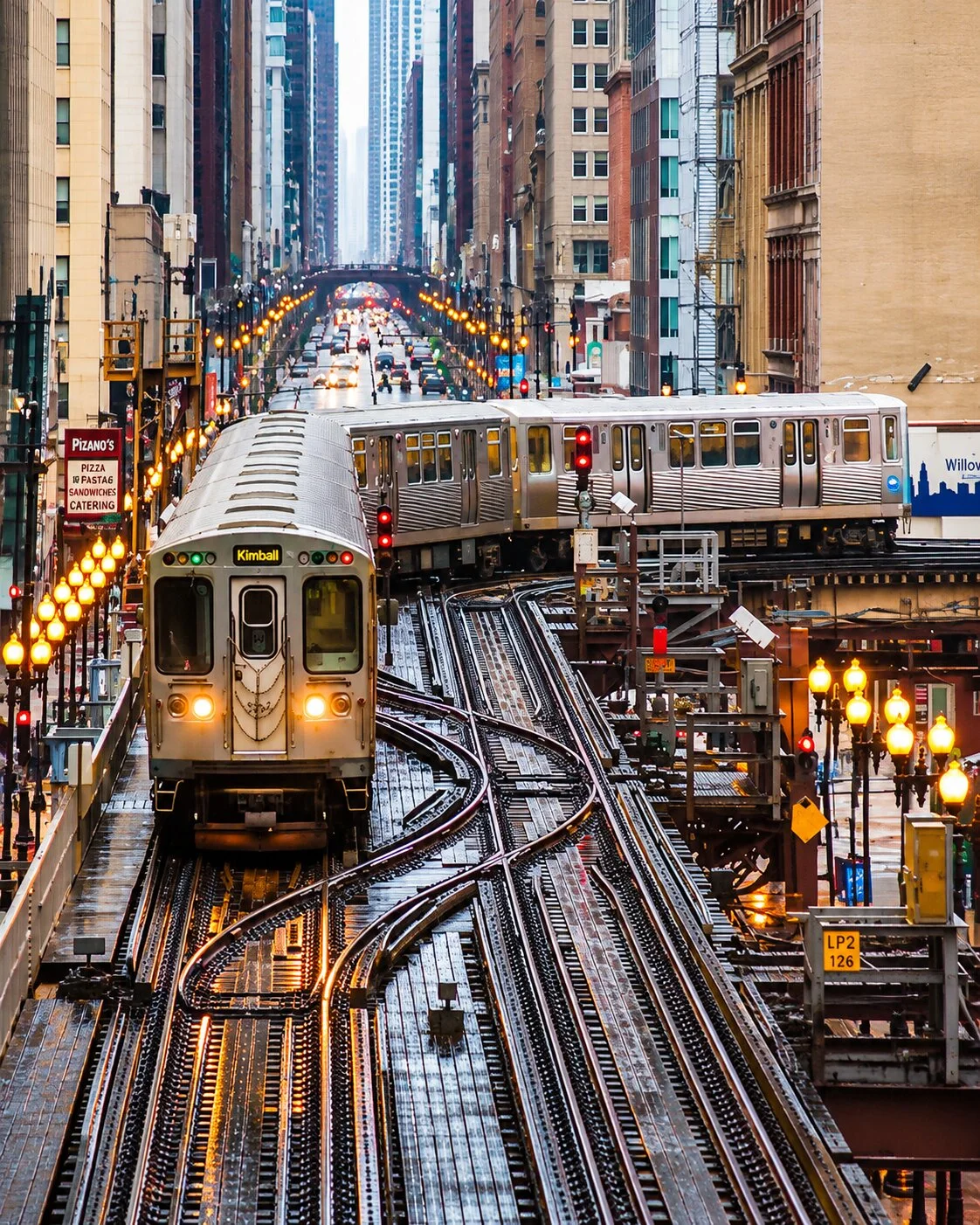
The elevated train—affectionately known as the “L”—is an iconic part of the Chicago skyline.
Watching the trains loop around the downtown area is incredibly scenic and cinematic.
But no one warns you about the noise!
When you are walking down Wabash Avenue or Wells Street and a train passes directly overhead, the roar of the metal tracks is deafening.
You will literally have to pause your conversation until the train passes. If you plan on riding it yourself, make sure to read up on a few essential tips for using the L train before you swipe your card.
5. There’s a Secret Underground Pedestrian City
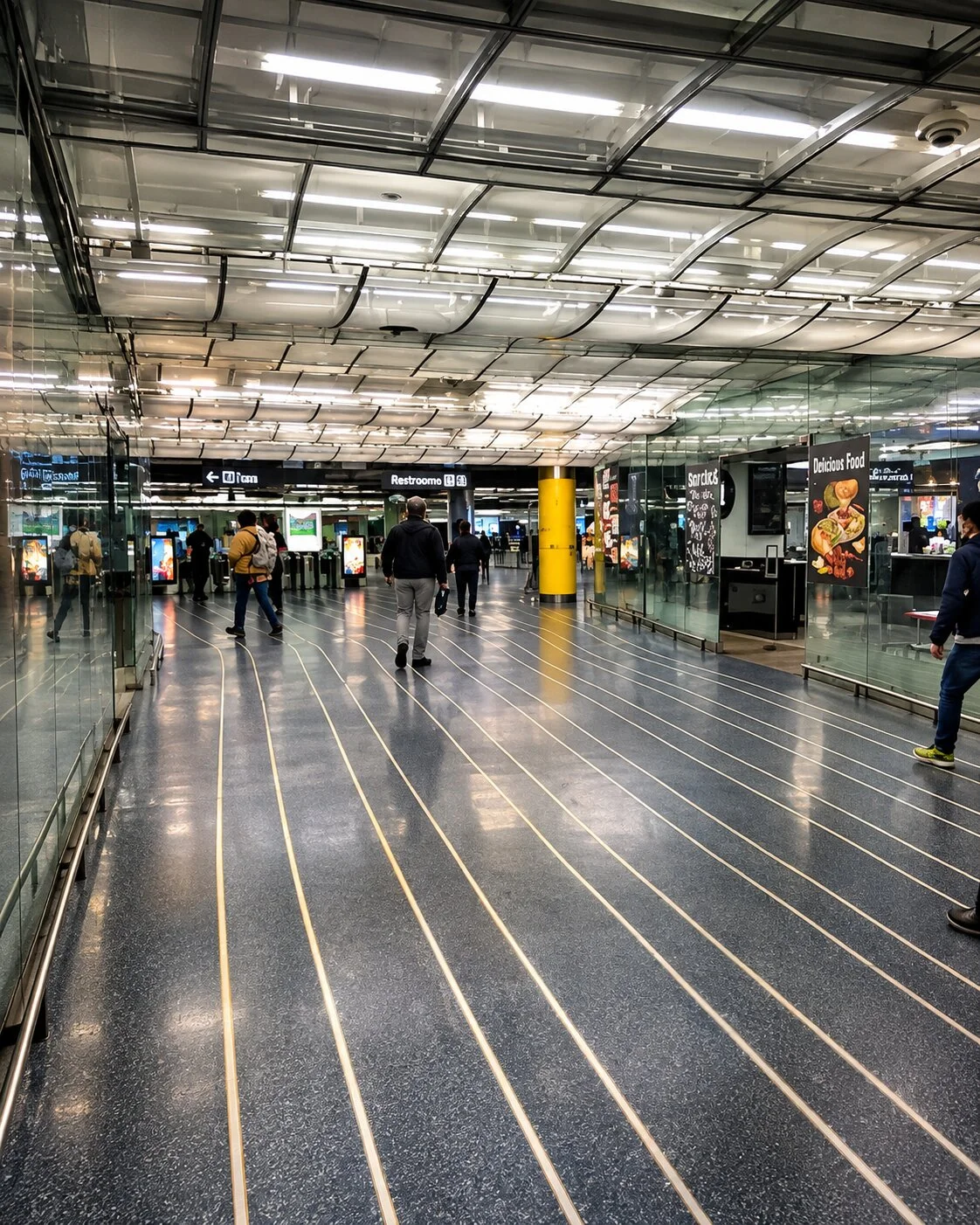
Chicago winters are notoriously brutal. But locals have a secret weapon to survive the freezing temperatures.
It’s called The Pedway.
The Pedway is a network of underground tunnels and overhead bridges connecting more than 40 blocks of the central business district.
You can walk from train stations to office buildings, shopping centers, and even hotels without ever stepping foot outside in the snow.
First-time visitors are always shocked to find this bustling underground world. Exploring it is easily one of the best unusual things to do in Chicago that tourists always miss.
6. Locals Don’t Eat Deep Dish Every Day
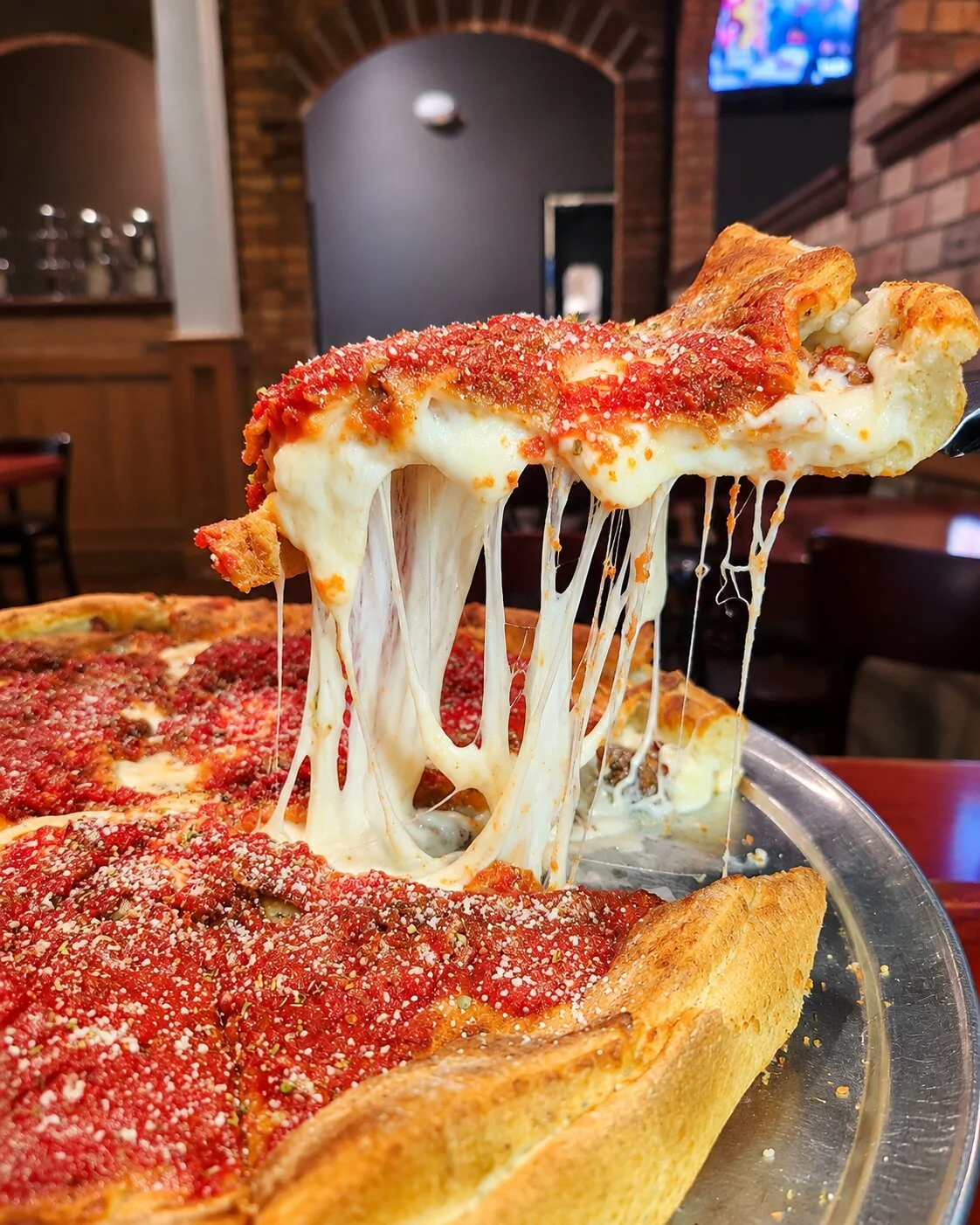
When tourists come to Chicago, their first stop is usually a massive slice of deep-dish pizza.
Deep dish is delicious, but visitors are shocked to learn that locals rarely eat it!
For Chicagoans, deep dish is usually reserved for special occasions or when out-of-town family is visiting. It takes 45 minutes to bake and requires a knife and fork to eat.
What do the locals actually eat? Thin-crust pizza.
The pizza features a cracker-thin crust, a sweet and tangy sauce, and is always cut into small, shareable squares. If you want to eat like a local, you have to track down Chicago’s best thin crust pizza.
7. The Architecture Will Literally Hurt Your Neck
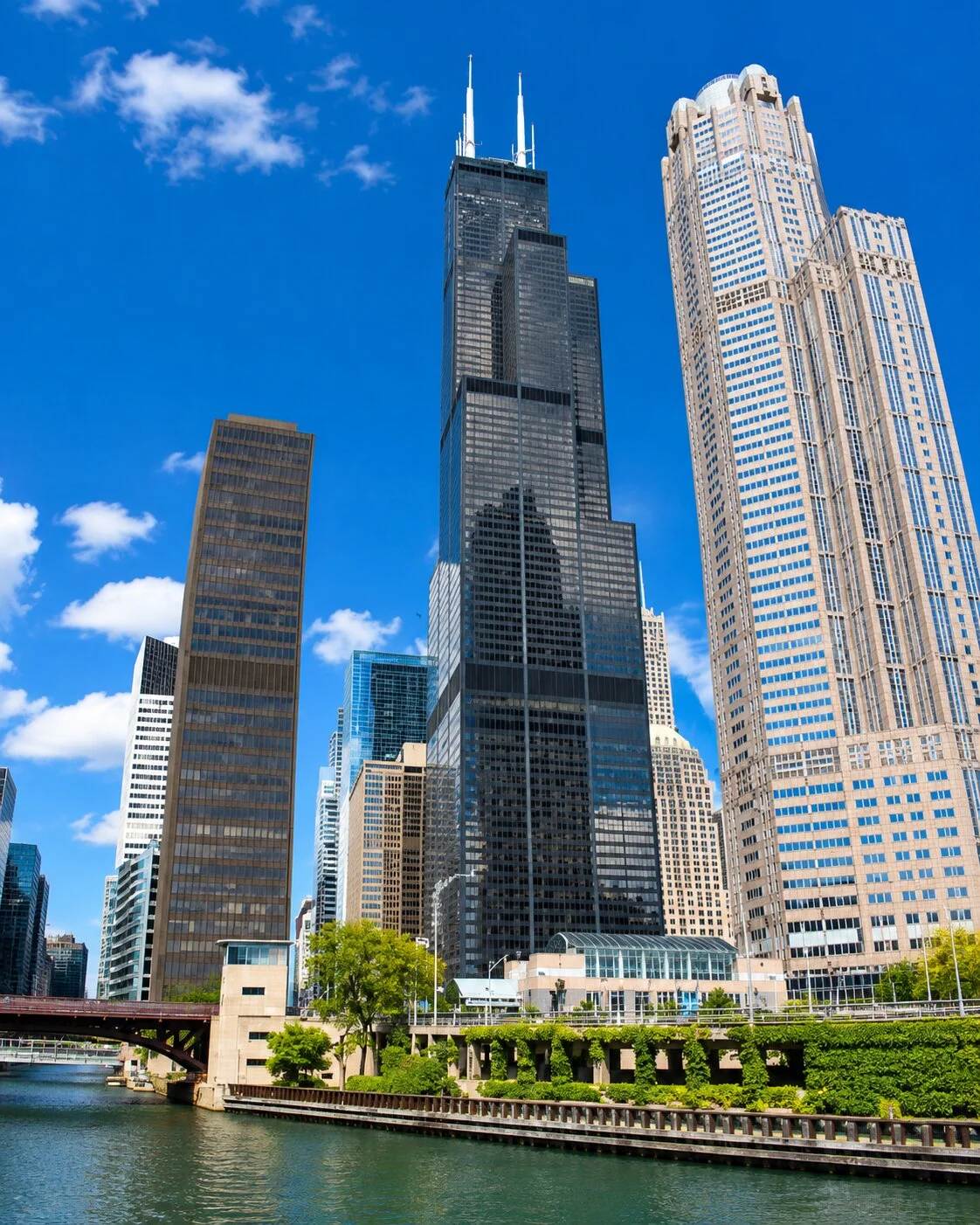
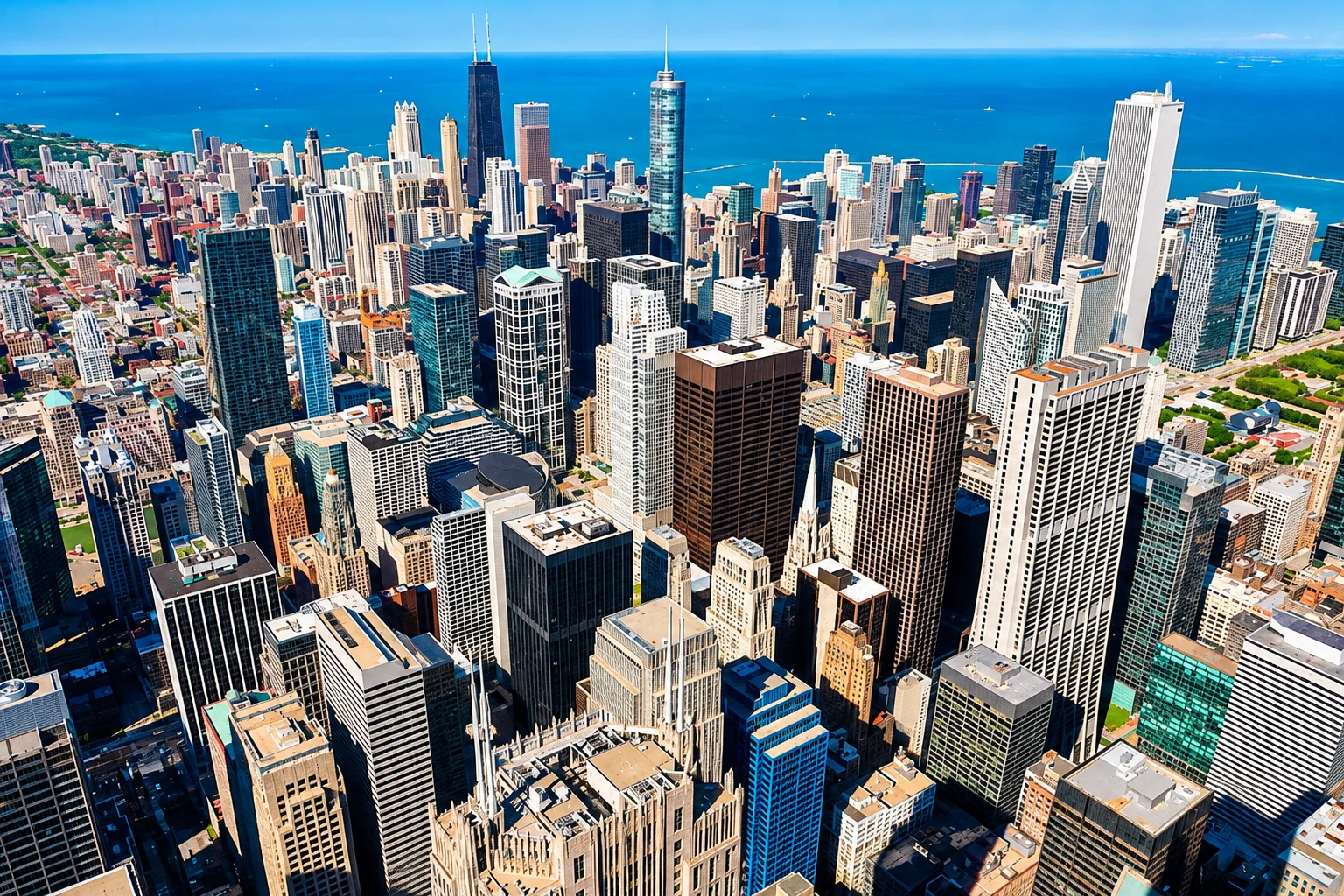
Chicago is the birthplace of the modern skyscraper.
New York might have more buildings, but Chicago’s skyline is widely considered by architects to be the most beautiful in America.
First-time visitors are often shocked by how thoughtfully designed the city is. In fact, you can just wander into many buildings and find the most stunning lobbies in Chicago for free.
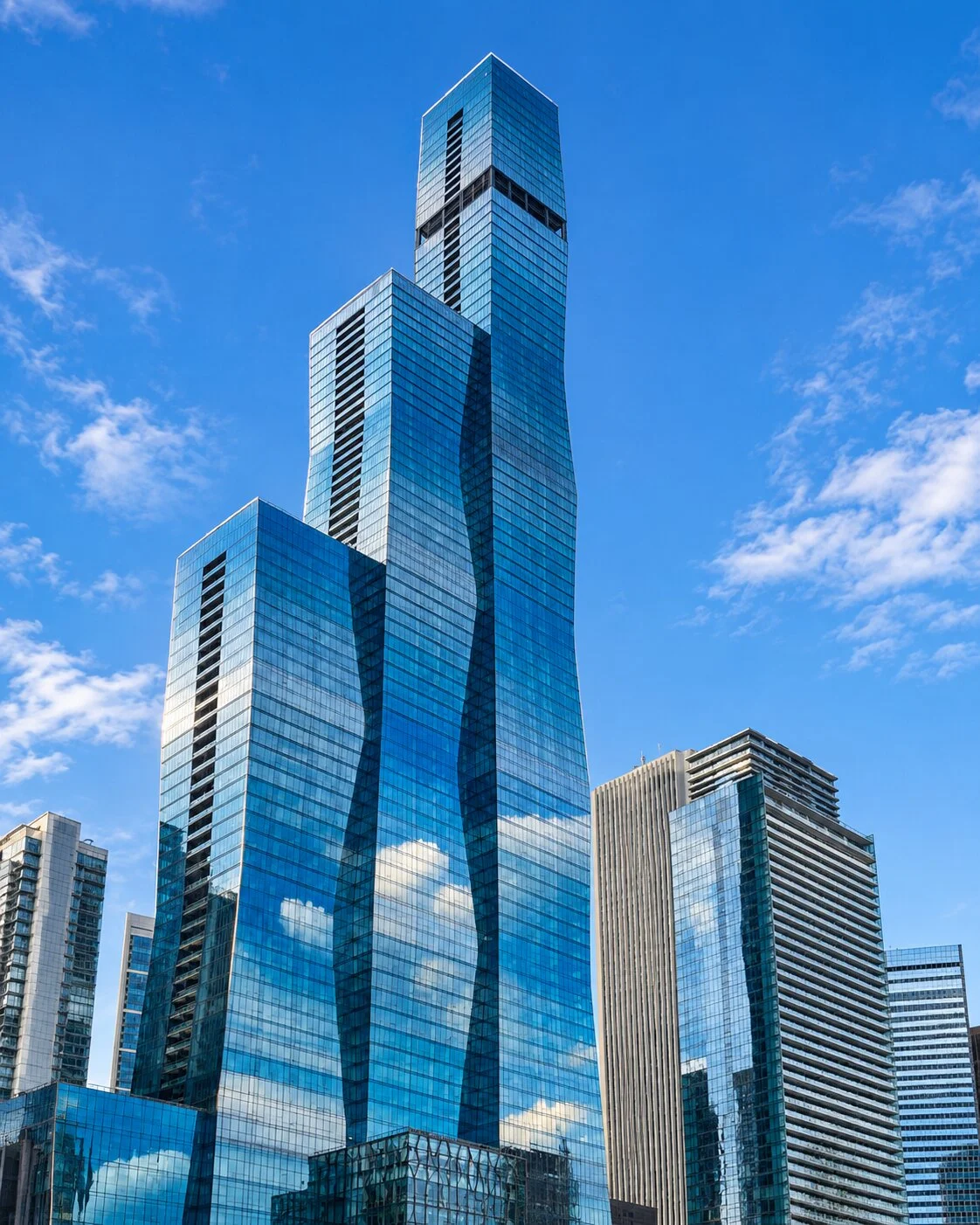
Even the buildings that look standard often have a fascinating past. There are dozens of normal-looking Chicago buildings that hide a very dark history.
Pro Tip: You will spend so much time looking up that your neck might actually get sore. Do yourself a favor and book one of the architecture boat tours locals actually recommend—it’s the absolute best way to see the skyline.
8. The Wind Tunnels Are Very Real

You probably know Chicago is called the “Windy City.”
While popular legend says this nickname was coined by a 19th-century journalist making fun of Chicago’s “full of hot air” politicians, early records show it also referred to the literal weather and boastful locals.
When you visit downtown, you’ll realize the nickname is completely accurate in a literal sense, too.
The combination of the icy breezes blowing off Lake Michigan and the canyon-like layout of the skyscrapers creates intense wind tunnels.
Walking across a downtown bridge in the middle of winter will hit you with a gust of wind so strong it can practically blow you backward.
9. The Chicago River is Stunning (and Runs Backwards!)
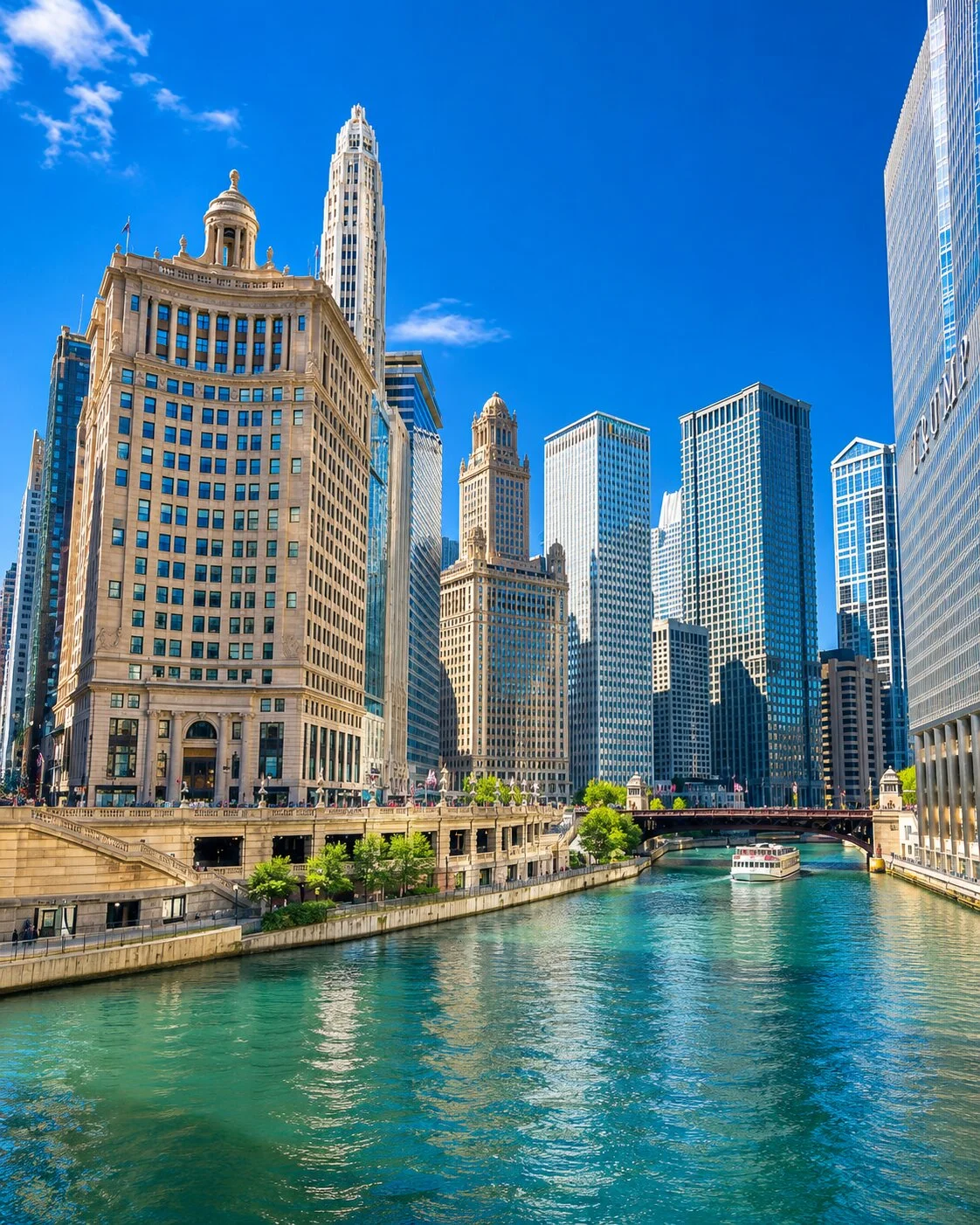
The Chicago River runs straight through the heart of downtown.
While urban rivers in other cities are often industrial and murky, the Chicago River is the crown jewel of the downtown area.
The Chicago Riverwalk is a gorgeous, multi-mile pedestrian path lined with wine bars, public art, and outdoor seating.
The most shocking fact? The river flows backward.
In a massive feat of engineering in 1900, the city reversed the flow of the river to stop pollution from entering Lake Michigan. It’s one of those crazy Chicago facts that sound made up but are completely true.
10. Midwestern Charm Survives the Big City
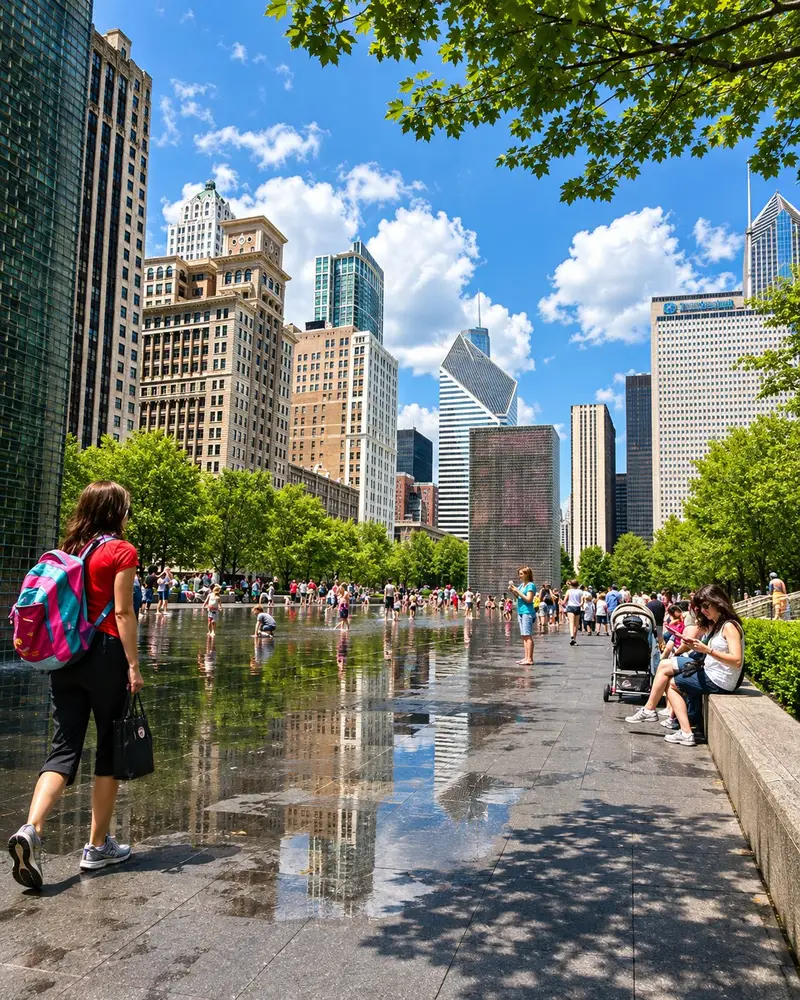
Perhaps the most delightful shock for first-time visitors is the people.
Big cities often get a reputation for having rude, fast-paced locals who won’t give you the time of day.
But Chicago is firmly rooted in the Midwest, and that famous “Midwestern Nice” completely applies here.
If you look lost on a street corner holding a map, there is a very high chance a local will stop and ask if you need directions.
Bartenders will chat with you, shop owners will welcome you warmly, and if you brush up on your Chicago slang terms, you’ll quickly feel an unexpected sense of community in a city of nearly three million people.
11. Asking for Ketchup on a Hot Dog is a Cardinal Sin

You might think you know how to eat a hot dog, but Chicago plays by entirely different rules.
A classic Chicago-style hot dog is a masterpiece.
It gets dragged through the garden with yellow mustard, neon green relish, chopped onions, tomato slices, sport peppers, a pickle spear, and a dash of celery salt.
Notice what is missing? Ketchup.
To Chicagoans, putting ketchup on a hot dog is an absolute travesty. If you want to do it right, skip the ketchup and head straight to the spots locals voted as the best hot dogs in Chicago.
12. The Brutal Rite of Passage Known as “Malört”

If you make friends with a local at a downtown dive bar, they will almost certainly offer to buy you a shot.
Beware: it is probably Jeppson’s Malört.
Malört is a locally produced wormwood liqueur that has a legendary reputation in Chicago. It is famously bitter, and locals affectionately describe the taste as a mix between bug spray, gasoline, and grapefruit peels.
Buying a shot of Malört for an out-of-towner is a beloved local prank.
You can find it in just about every corner tavern, or even hiding behind the bar at the best speakeasies in Chicago. First-time visitors are completely shocked by the terrible taste!
13. The Bridges Are Alive (And Will Stop Traffic)
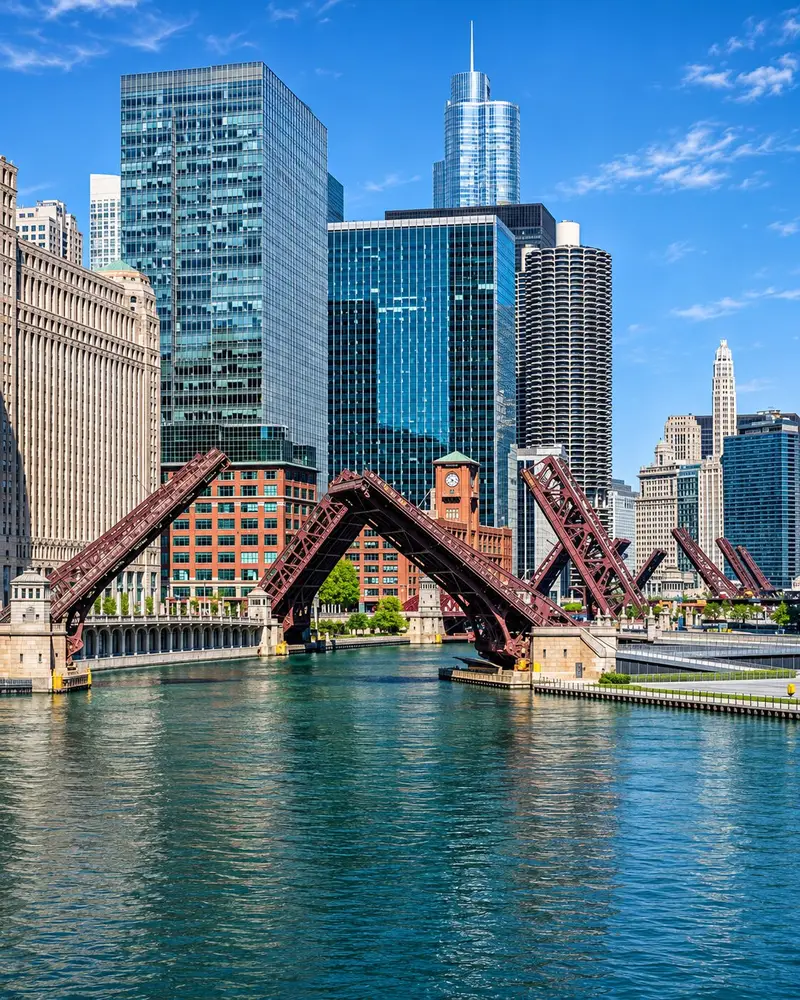
When you walk around downtown, you’ll cross dozens of massive steel bridges over the Chicago River.
What shocks visitors is that these bridges actually move.
Chicago is second only to Amsterdam for having the most movable (bascule) bridges in the world!
If you visit during the spring or fall, you will likely experience a “boat run.” This is when the city halts downtown traffic to lift the massive bridges up in the air so tall sailboats can pass through.
It is incredible to watch a giant city street literally crack in half and raise into the sky.
14. The Address System is a Giant Math Equation
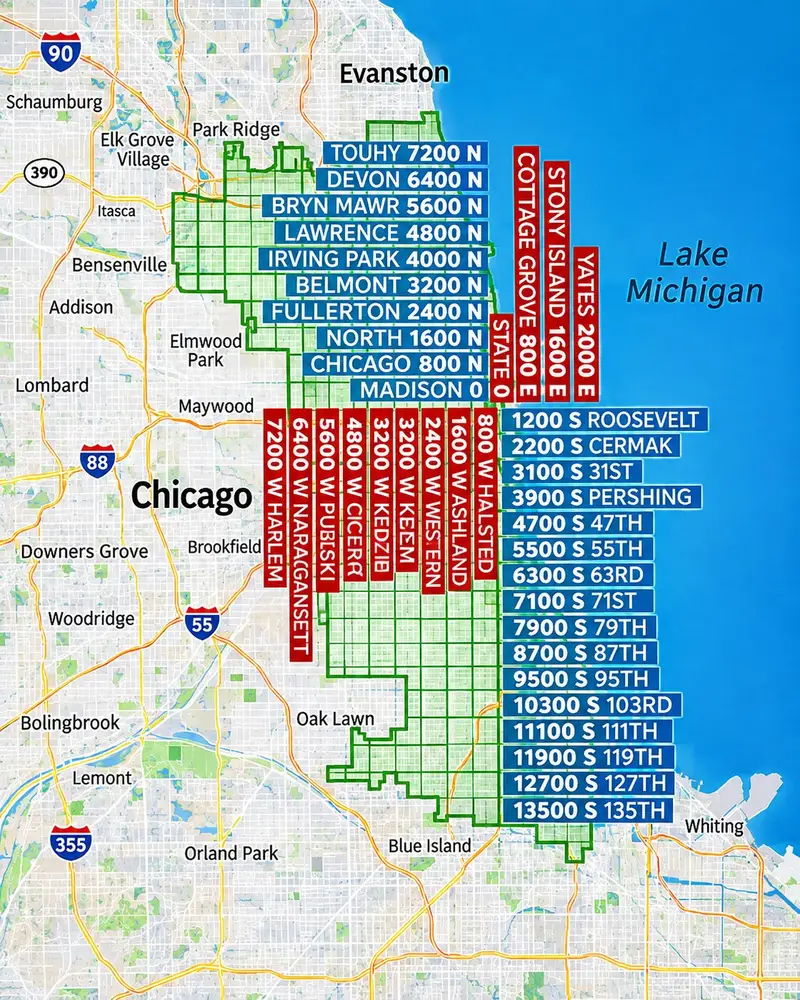
Getting lost in downtown Chicago is actually pretty hard to do once you learn the city’s secret.
The entire city is laid out on a massive, perfectly calculated grid system.
The intersection of State Street and Madison Street in the heart of downtown is the “zero-zero” point.
Every block you move away from that intersection increases the street numbers by 100. Exactly 800 numbers equals exactly one mile.
First-time visitors are shocked by how mathematically perfect it is. If someone tells you they are at 3200 North, you instantly know they are exactly four miles north of downtown!
15. It is Always “Cooler by the Lake”
If you tune into a local morning news station, you will inevitably hear the meteorologist say a very specific phrase: “Cooler by the lake.”
First-time visitors are shocked to realize this is a very real, very literal weather phenomenon.
Because Lake Michigan is so vast, it creates its own micro-climate.
You can start your morning in one of the Chicago neighborhoods where locals actually hang out where it feels warm and balmy, but as you walk 20 minutes east toward Navy Pier, the temperature can suddenly plummet by 10 to 15 degrees.
Pro Tip for First-Timers: Always bring an extra layer if your plans take you near the water!
16. The Smell of Cheese and Caramel is Everywhere
When you are walking down Michigan Avenue, you will inevitably be hit by an incredibly rich, buttery, and sweet smell.
First-time visitors are always caught off guard by this mouth-watering scent floating through the streets.
The culprit? Garrett Popcorn Shops.
Locals are obsessed with the “Garrett Mix,” which is a blend of savory cheddar cheese popcorn and sweet caramel crisp popcorn.
It is just as iconic as finding the absolute best Italian beefs in Chicago. One bite of the sweet and salty mix will make you a believer.
17. You Can Take a Train Directly from the Airport to Downtown
In a lot of major U.S. cities, getting from the airport to the city center requires a $70 Uber ride and an hour sitting in gridlock traffic.
Chicago shocks visitors by making this incredibly easy and cheap.
The CTA Blue Line train runs directly inside O’Hare International Airport, and the Orange Line runs directly inside Midway Airport.
For $5 or less, you can hop on a train and be whisked right into the heart of downtown in about 45 minutes.
If your flight arrives after dark, just be sure you know what to expect and avoid the common mistakes tourists make when landing in Chicago late at night.
18. The St. Patrick’s Day Hype is Unreal
If you happen to visit Chicago in the middle of March, prepare for an absolute spectacle.
Chicago takes St. Patrick’s Day more seriously than almost any other city in the world.
The most shocking tradition is the dyeing of the Chicago River.
Early on a Saturday morning, the local plumbers union dumps a secret, eco-friendly orange powder into the river. Within minutes, the entire river turns a brilliant, neon, shamrock green.
The city completely shuts down as millions of people pack the downtown bridges wearing head-to-toe green.
19. The “Bean” Acts Like a Giant Funhouse Mirror
Almost everyone who visits downtown Chicago makes a beeline for Millennium Park to see Cloud Gate, affectionately known as “The Bean.”
You’ve probably seen photos of it, but standing underneath it in person is a totally different experience.
Visitors are shocked by just how massive and seamless it is. There are no visible weld marks anywhere on its stainless-steel surface.
When you walk underneath the center (the “omphalos”), it warps your reflection into dozens of crazy, funhouse-style distortions that make for incredibly fun photos.
20. The Museums Are So Big You Need Multiple Days
Many first-time visitors plan to just “pop into” a museum for a couple of hours.
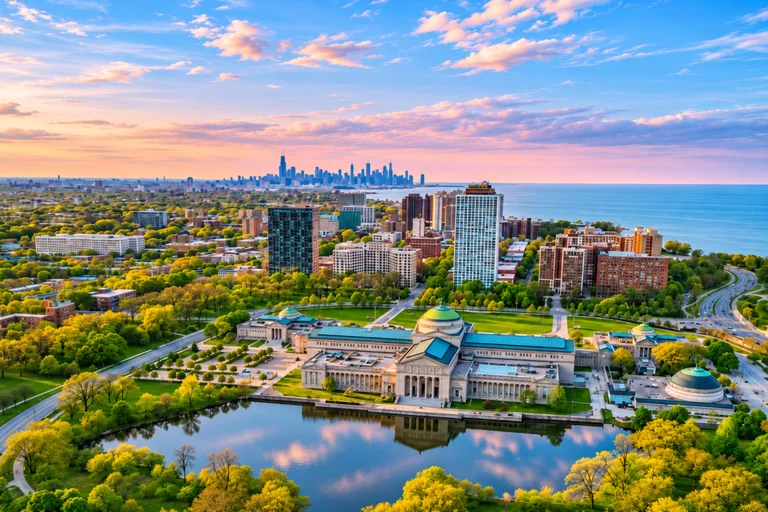
They are immediately shocked by the sheer, overwhelming scale of the downtown museum campus.
The Art Institute of Chicago covers nearly one million square feet. To do it right, you should plan out a list of the masterpieces you need to see at the Art Institute ahead of time so you don’t get lost.
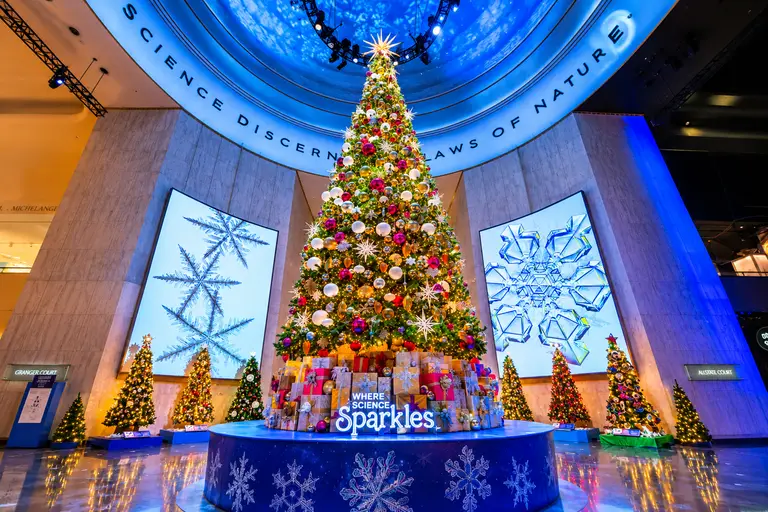
The Field Museum of Natural History is so massive that it houses Máximo, a 122-foot-long Titanosaur, right in the main lobby!
Pro Tip: Don’t try to cram three museums into one day. Pick one, wear your most comfortable walking shoes, and take your time!
Final Thoughts on Visiting Downtown Chicago
Ultimately, the best part about visiting Chicago is that it constantly defies your expectations.
You might come for the famous deep dish and the towering skyscrapers, but you’ll leave talking about the incredibly kind people, the massive ocean-like lake, and the rich history hidden on every street corner.
The Windy City has a very specific magic to it that leaves a lasting impression on everyone who walks its streets.
If you are planning your first trip, embrace all the surprises!
Wander through the underground Pedway, try the thin-crust pizza, brace yourself for those icy wind tunnels, and don’t be afraid to strike up a conversation with a local.
Just promise us one thing: whatever you do, keep the ketchup far away from your hot dog.
Now it’s your turn!
If you’ve visited the city before, what was the most shocking thing you noticed during your first trip? Drop your experience in the comments below!
JM
AK