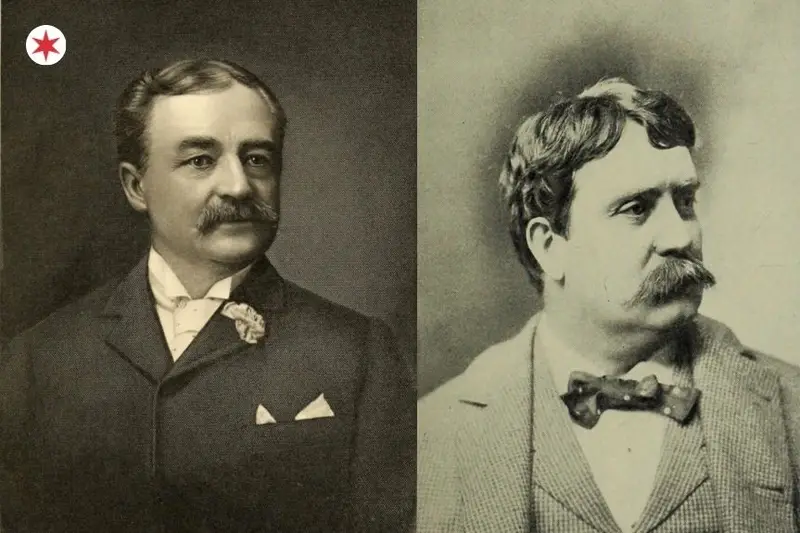
Tourists think Chicago was built by Tommy-gun-wielding gangsters and deep-dish pizza barons.
They are dead wrong.
Chicago was built by a ruthless breed of visionaries, hustlers, and architectural geniuses.
These people looked at a freezing, mosquito-infested swamp and decided to build an empire.
They reversed the flow of a river.
They invented the skyscraper.
They laid down steel tracks that connected a fractured nation.
If you talk to neighborhood historians today, they will fiercely debate who actually holds the crown for making Chicago what it is.
But the truth is, this city was forged by a handful of titans who refused to take no for an answer.
Here are the 15 most influential people who built Chicago—and exactly where you can go to pay your respects.
1. Jean Baptiste Point du Sable (The First Chicagoan)
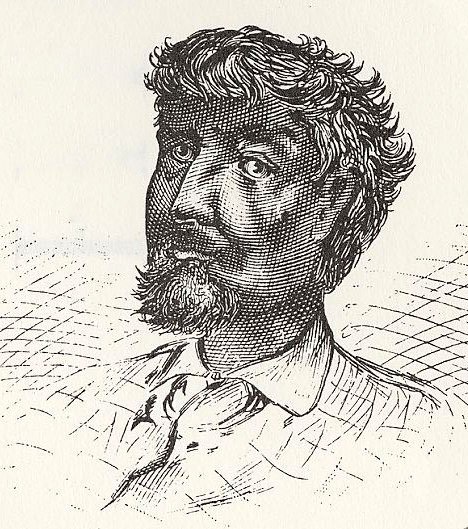
Long before the Sears Tower pierced the skyline, there was just a muddy river and a single trading post.
Jean Baptiste Point du Sable was the man who built it.
He was a frontiersman of Haitian and French-Canadian descent.
He arrived around 1779 and realized the strategic goldmine of the Chicago River’s mouth.
He didn’t just build a shack.
He built a sprawling, prosperous estate with a bakehouse, a smokehouse, a poultry house, and a dairy.
He established the first permanent settlement in what is now the third-largest city in America.
If you dig into the archives, you’ll find that he eventually sold his massive property in 1800 to an explorer named Jean La Lime.
The price tag? An astonishing 28,000 French livres.
That massive payout is one of those 15 facts about Chicago that sound made up but are completely verified by historical bills of sale.
Today, locals fiercely protect his legacy, ensuring he is rightfully recognized as the true Founder of Chicago.
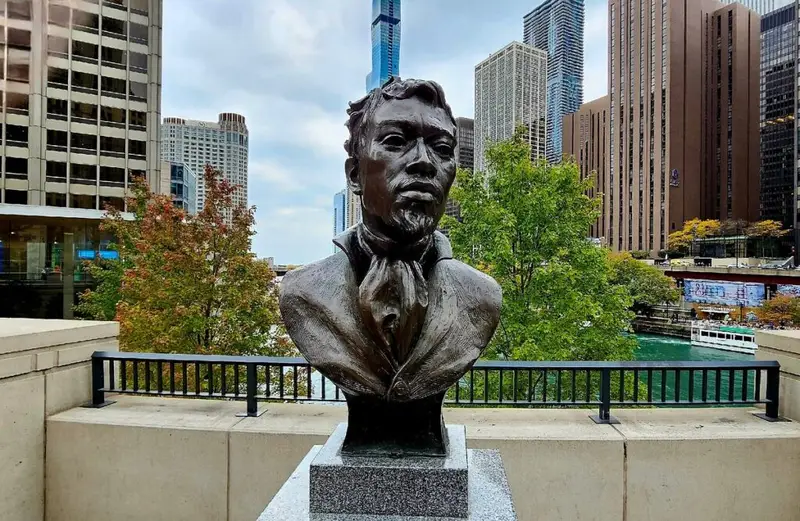
The DuSable Bust at Pioneer Court
Exact Address: 401 N Michigan Ave, Chicago, IL 60611 (Just north of the DuSable Bridge)
Cost: Free
Access: Open 24/7 in the public plaza.
Local Pro-Tip: Stand right next to his bronze bust and look south across the river. You are standing on the exact plot of land where his 1700s mansion once sat.
2. William B. Ogden (The Railroad Hustler)
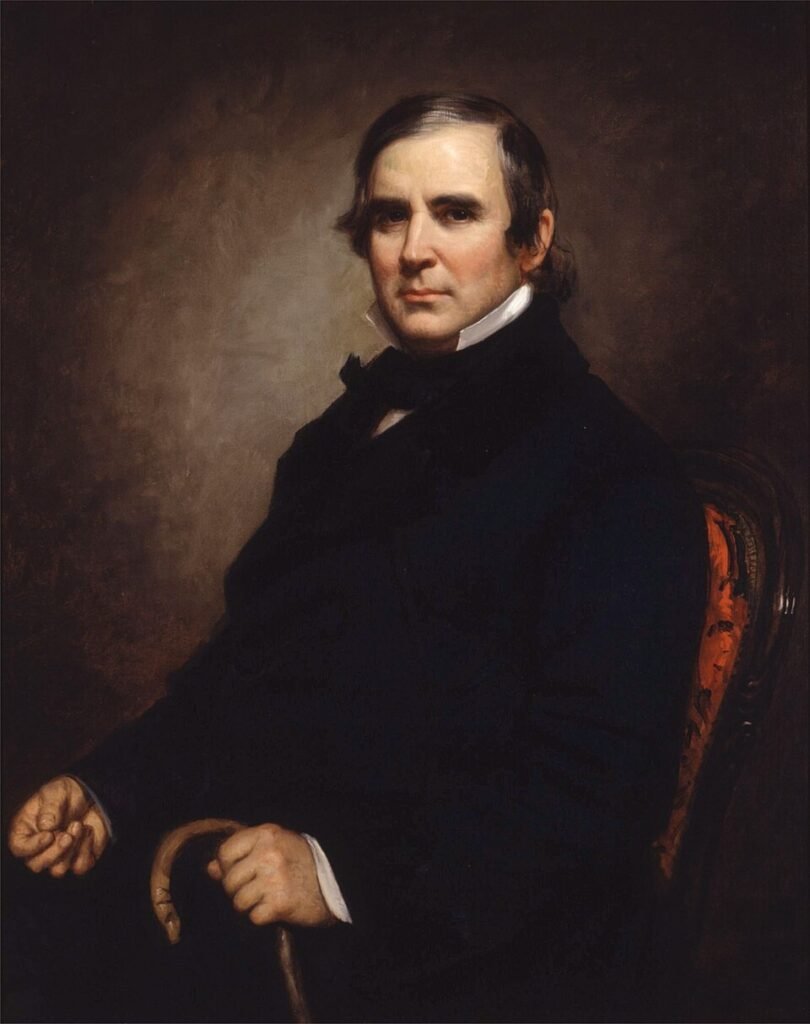
William B. Ogden is the reason Chicago isn’t just a forgotten Midwest farming village.
He came to the city in 1835 from New York.
His job was to manage a plot of swampy real estate for his wealthy brother-in-law.
When he first saw the mud, he actually tried to sell the land and flee back east in disgust.
But the real estate market exploded, making him a fortune overnight.
He stayed, and in 1837, he was elected as Chicago’s very first mayor.
Ogden realized that if Chicago was going to survive, it needed to move goods faster than boats could carry them.
In 1847, eastern bankers laughed at him when he asked for railroad funding.
So, he rode his horse across the Midwest, raising $350,000 directly from local farmers.
He used that cash to build the Galena and Chicago Union Railroad in 1848.
That single move transformed Chicago into the transportation hub of America.
Today, you can still trace his legacy if you take the most scenic train rides you can take from Chicago, many of which roll right over the very routes his company pioneered.
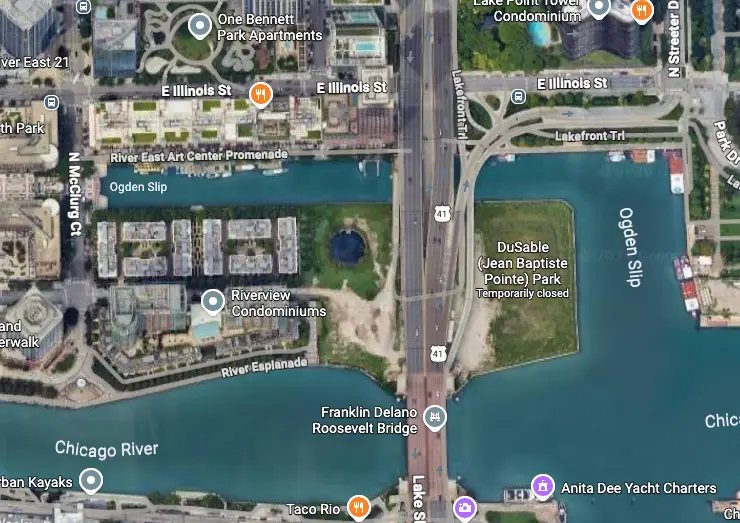
Ogden Slip
Exact Address: 465 E Illinois St, Chicago, IL 60611 (Streeterville neighborhood)
Cost: Free to walk the waterway.
Access: Open 24/7.
Local Pro-Tip: Walk the north side of the slip at sunset. This man-made harbor was dredged in the 1860s by Ogden’s company to bring lumber ships directly to the rail lines.
3. Daniel Burnham (The Master Planner)
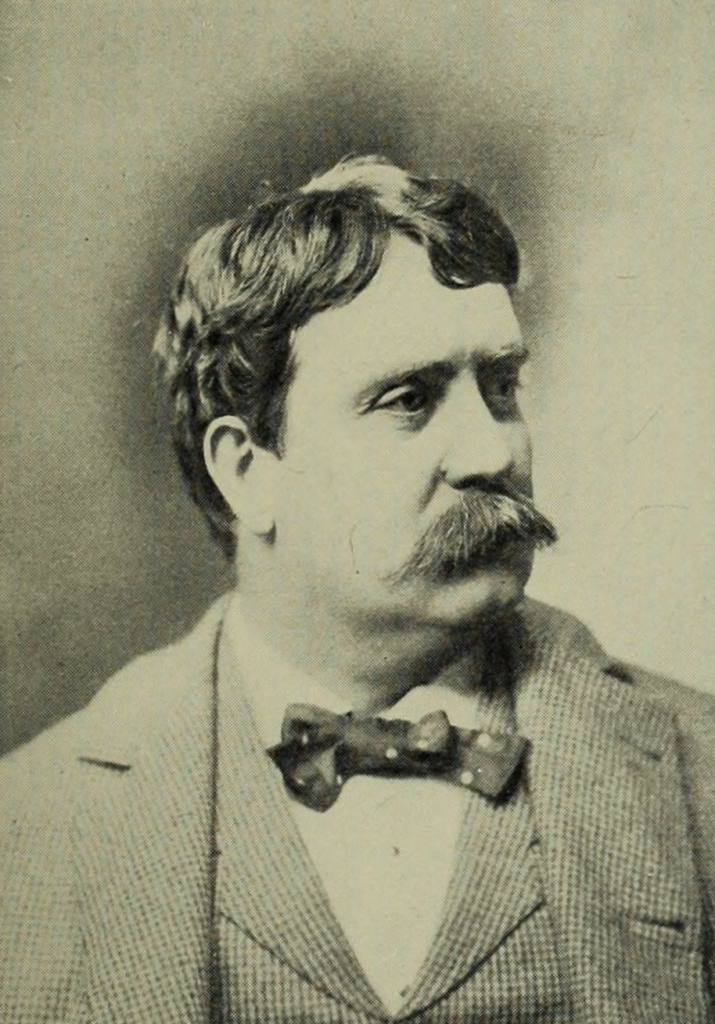
You cannot walk two blocks in downtown Chicago without staring at the genius of Daniel Burnham.
He is the architect who famously commanded: “Make no little plans; they have no magic to stir men’s blood.”
He was the Director of Works for the legendary 1893 World’s Columbian Exposition.
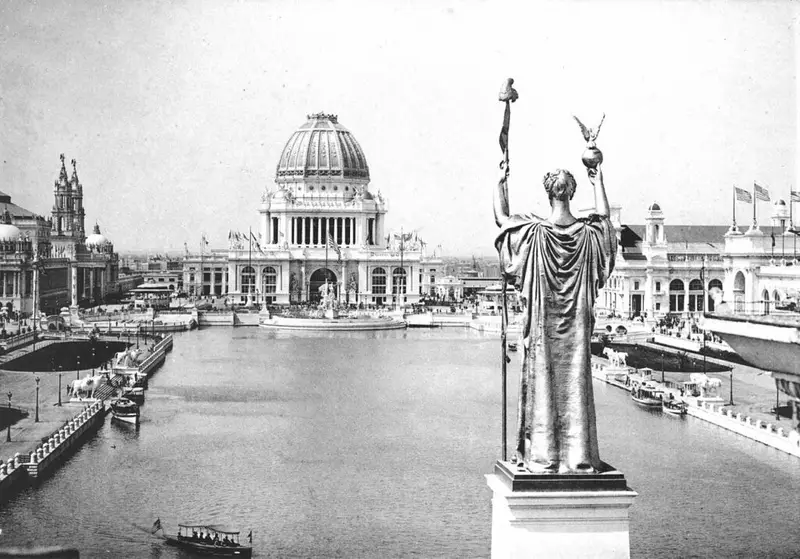
He turned a desolate Jackson Park into the shimmering “White City” for 27 million visitors.
But his ultimate masterpiece came sixteen years later.
In 1909, he co-authored the Plan of Chicago with Edward Bennett.
That document saved the lakefront for the public forever.
It birthed Navy Pier, Northerly Island, and the sprawling park system we use today.
He is the reason we don’t have a shoreline choked by private industrial factories.
While he designed several of the most iconic Chicago buildings, his greatest creation was the layout of the city itself.
He died in 1912, but his ghost still dictates how this city breathes.
Daniel Burnham’s Grave at Graceland Cemetery
Exact Address: 4001 N Clark St, Chicago, IL 60613
Cost: Free
Access: Open daily 8:00 AM to 4:00 PM.
Local Pro-Tip: Burnham is buried on a private, wooded island in the middle of Lake Willow within the cemetery. Grab a free map at the entrance gate; you have to cross a small footbridge to find the massive granite boulder marking his resting place.
4. Aaron Montgomery Ward (The Lakefront Protector)
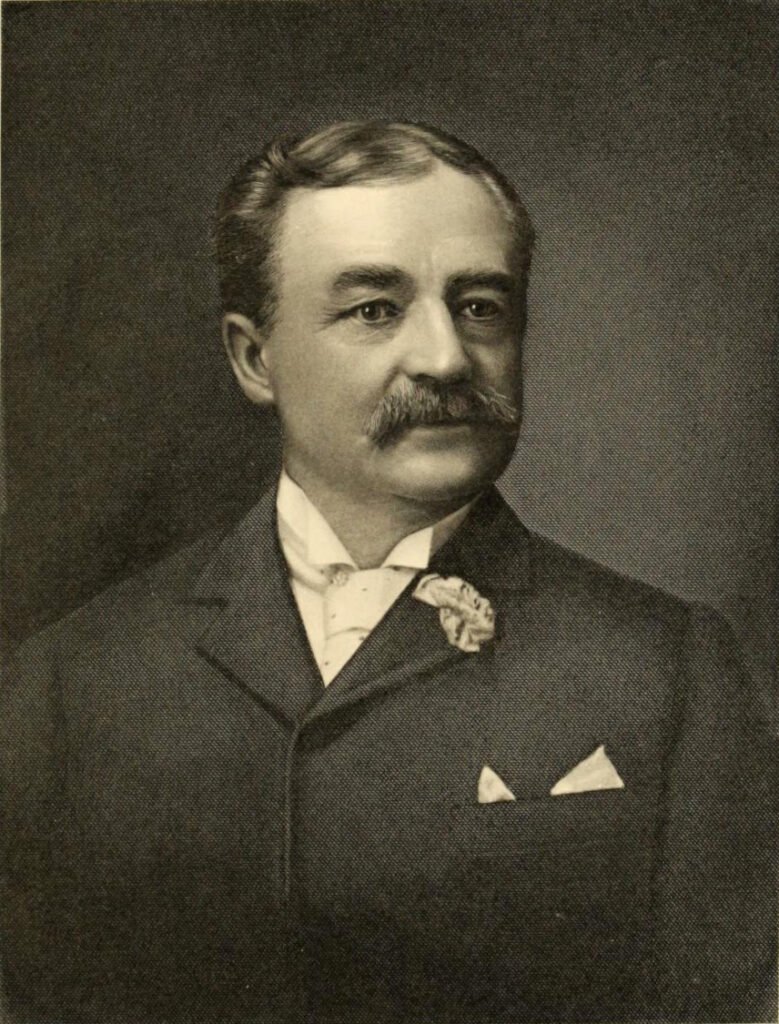
Aaron Montgomery Ward is famous for inventing the mail-order catalog in 1872.
He built a massive retail empire right here in the city.
But local historians do not revere him for selling pocket watches.
They revere him because he went to war with the city of Chicago.
In the late 1800s, the downtown lakefront was a toxic, trash-filled dumping ground.
Corrupt politicians wanted to sell off Grant Park to private developers and railroad barons.
Ward said no.
In 1890, he sued the city of Chicago.
He based his ruthless lawsuit on an 1836 canal map that declared the lakefront “Public Ground—A Common to Remain Forever Open, Clear and Free.”
Ward fought four brutal Illinois Supreme Court battles over twenty long years.
He spent $50,000 of his own fortune on legal fees.
He made powerful enemies who smeared him in the press as a stubborn crank.
But he won every single case.
Because of his relentless legal crusade, our downtown lakefront is not a wall of private mansions and factories.
It remains one of the most peaceful spots in Chicago where anyone can sit on the grass for free.
He is the sole reason Grant Park exists today.
The Montgomery Ward Bust in Grant Park
Exact Address: 337 E Randolph St, Chicago, IL 60601 (Near the cancer survivors garden)
Cost: Free
Access: Open daily 6:00 AM to 11:00 PM.
Local Pro-Tip: Find his bronze bust tucked away in the park. Read the plaque. It rightfully crowns him the “Watchdog of the Lakefront.”
5. Bertha Honoré Palmer (The Queen of the Arts)
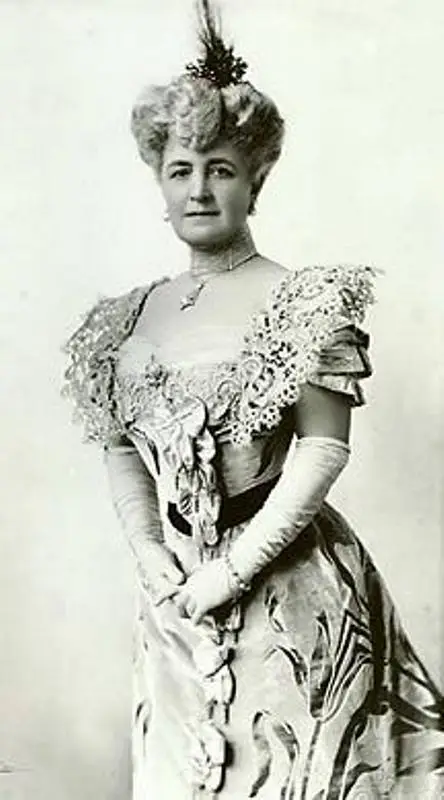
Chicago in the 1800s was a gritty, blood-soaked meatpacking town.
Bertha Palmer decided it needed to be a global cultural capital.
She was the undisputed queen of Chicago high society.
When the Great Chicago Fire of 1871 destroyed her husband’s brand new Palmer House hotel, she didn’t panic.
She helped him rebuild it even bigger just two years later.
But her real power move happened across the Atlantic in Paris.
In 1891, she traveled to France and started buying up paintings by struggling, controversial artists.
She purchased works by Claude Monet and Pierre-Auguste Renoir long before they were famous.
She brought these radical French Impressionist paintings back to her massive, castle-like mansion on Lake Shore Drive.
When she died in 1918, she left a massive chunk of her collection to the city.
In 1922, the Art Institute of Chicago officially received her priceless gift.
Today, if you ask local art snobs, they will tell you her collection is the absolute backbone of the museum.
Her specific acquisitions make up the bulk of the must-see art at the Art Institute of Chicago.
She single-handedly forced the world to take Chicago seriously as a hub of high culture.
Logistics: The Palmer House Hilton Lobby
Exact Address: 17 E Monroe St, Chicago, IL 60603
Cost: Free to enter the lobby (drinks at the bar are $16+).
Access: Open 24/7.
Local Pro-Tip: Walk up the grand staircase to the lobby level. Look up at the 21 Greek mythological ceiling murals by Louis Pierre Rigal. Bertha demanded absolute perfection, and this lobby proves it.
6. Ellis S. Chesbrough (The Mad Scientist of the Sewers)
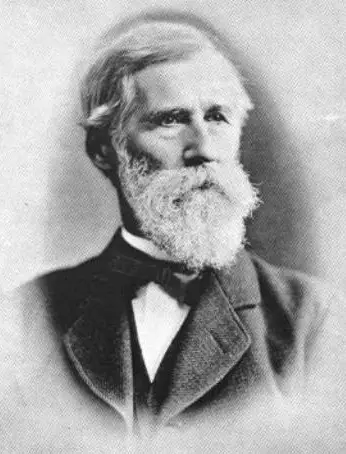
In the 1850s, Chicago was quite literally choking on its own filth.
The city was built on a flat, impermeable swamp.
Raw sewage flowed directly into the Chicago River.
That same river flowed right into Lake Michigan, which was the city’s only drinking water supply.
Cholera and dysentery outbreaks were slaughtering thousands of residents.
Enter Ellis S. Chesbrough.
He was appointed the chief engineer of the newly formed Board of Sewerage Commissioners in 1855.
Chesbrough looked at the deadly swamp and proposed an utterly insane solution.
He decided to physically jack up the entire city of Chicago.
Using thousands of hand-turned jackscrews, his crews lifted entire blocks of brick buildings 4 to 14 feet into the air.
They built a modern gravity-fed sewer system underneath the newly raised streets.
Then, in 1864, he ordered workers to dig a two-mile tunnel directly under the bottom of Lake Michigan.
This connected to a massive offshore water crib to pull in clean drinking water.
His final masterstroke was laying the groundwork to permanently reverse the flow of the Chicago River.
Checking out his surviving water cribs from the shoreline is one of the most unusual things to do in Chicago that tourists always miss.
Without Chesbrough’s terrifyingly bold engineering, Chicago would have wiped itself off the map.
The Historic Chicago Avenue Pumping Station
Exact Address: 811 N Michigan Ave, Chicago, IL 60611
Cost: Free to view from the outside.
Access: Visible 24/7 (Currently houses a theater and visitor center).
Local Pro-Tip: Stand across the street at the Water Tower. These limestone structures were built in 1869 to house Chesbrough’s massive water pumps. They are some of the only public buildings to survive the Great Fire of 1871.
7. George Pullman (The Ruthless Industrialist)
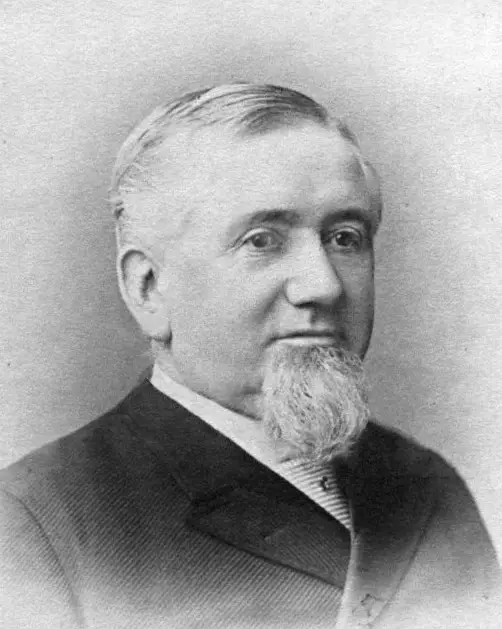
George Pullman did not just build luxury sleeper train cars.
He built an entire city from scratch to completely control his workforce.
In 1880, he purchased 4,000 acres of marshland near Lake Calumet on the far South Side.
He constructed the massive Pullman Palace Car Company factory and a surrounding utopian company town.
He owned the brick rowhouses, the grocery stores, the church, and the library.
His workers were forced to pay him rent directly out of their paychecks.
In 1893, a severe economic depression slammed into Chicago.
Pullman ruthlessly slashed his workers’ wages by 30 percent to protect his profits.
But he aggressively refused to lower the rent on the homes they leased from him.
This sparked the infamous Pullman Strike of 1894, which paralyzed the entire nation’s railway system.
President Grover Cleveland had to send in 12,000 federal troops to crush the violent uprising in the streets of Chicago.
Pullman was so deeply hated by his own employees that when he died in 1897, his family took extreme precautions.
They buried him in Graceland Cemetery under a massive pit of reinforced concrete and steel railroad ties so angry workers could not dig up his corpse.
Walking through his preserved neighborhood today is fascinating, and you will easily spot the rigid, uniform architectural details built right into the ornate worker housing.
Pullman National Historical Park
Exact Address: 610 E 111th St, Chicago, IL 60628
Cost: Free
Access: The Visitor Center is open daily from 9:00 AM to 5:00 PM.
Local Pro-Tip: Do not just look at the massive factory. Walk down 111th Street to see the Hotel Florence, built in 1881. It was the only place in the entire town where alcohol was legally served, but Pullman’s workers were strictly forbidden from drinking there.
8. Ida B. Wells (The Unbreakable Crusader)
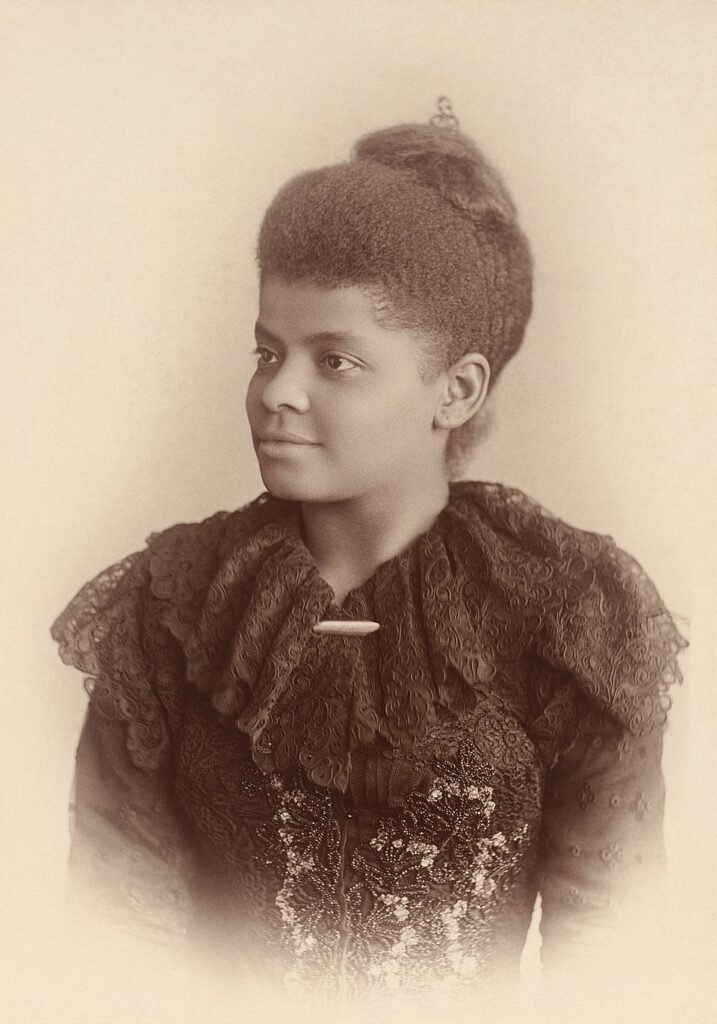
Ida B. Wells was a relentless, unstoppable force of nature.
She arrived in Chicago in 1893 to protest the blatant exclusion of African Americans from the World’s Columbian Exposition.
She settled in the Bronzeville neighborhood and launched a lifelong crusade for civil rights.
She was a fearless investigative journalist who risked her life to document the horrific reality of lynchings across America.
In 1909, she traveled to New York and helped co-found the NAACP.
Back in Chicago, she realized Black women needed political power to force local change.
In 1913, she created the Alpha Suffrage Club, the very first Black women’s suffrage organization in Illinois.
When white organizers told her she had to march at the back of the historic 1913 Women’s Suffrage Parade in Washington D.C., she flatly refused.
She waited in the massive crowd and boldly stepped right into the front of the white Illinois delegation.
If you ask South Side historians, they will tell you she was the absolute moral compass this city desperately needed.
For decades, her massive legacy was completely overlooked by corrupt city politicians.
Finally, in 2019, Chicago renamed the massive downtown Congress Parkway to Ida B. Wells Drive.
It was the very first downtown street named after a woman of color.
You can also find stunning, towering tributes to her life if you track down the famous Chicago murals scattered throughout the historic Bronzeville neighborhood.
The Light of Truth Ida B. Wells National Monument
Exact Address: 3722 S Langley Ave, Chicago, IL 60653
Cost: Free
Access: Open 24/7 in the public plaza.
Local Pro-Tip: The monument sits on the exact former footprint of the Ida B. Wells Homes, a massive public housing project that was demolished in 2011. Stand in the center of the pillars and look up to read the quotes carved into the metal.
9. Fazlur Rahman Khan (The Father of the Skyline)
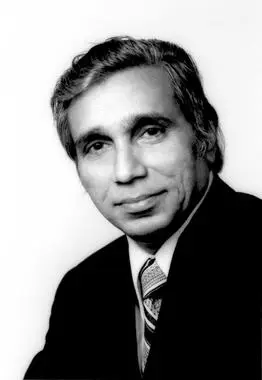
If you look up at the Chicago skyline, you are looking directly into the brain of Fazlur Rahman Khan.
He was a brilliant structural engineer who immigrated from Bangladesh.
He joined the legendary Chicago architectural firm Skidmore, Owings & Merrill (SOM) in 1955.
Before Khan, skyscrapers were built using incredibly heavy, rigid steel grids inside the building.
They were wildly expensive and could only go so high before the wind off Lake Michigan would threaten to tear them apart.
Khan threw out the rulebook and invented the “tubular” design system.
He realized that by building a rigid, hollow tube on the outside perimeter of the building, the structure could withstand massive wind loads with a fraction of the steel.
In 1969, he used this exact method to engineer the 100-story John Hancock Center with its famous, highly visible exterior X-braces.
Then, in 1973, he used a “bundled tube” design to build the 110-story Sears Tower.
That massive black monolith held the undisputed title of the tallest building in the world for 25 straight years.
Every modern supertall skyscraper on Earth, including the Burj Khalifa in Dubai, relies entirely on Khan’s engineering principles.
He is the undisputed father of the modern skyline, responsible for the absolute best architecture in the city.
He died tragically young of a heart attack at age 52 in 1982, but his steel giants will stand for centuries.
The Sears Tower (Skydeck Chicago)
Exact Address: 233 S Wacker Dr, Chicago, IL 60606
Cost: $32 to $44 for adult general admission.
Access: Open daily, typically 9:00 AM to 10:00 PM (hours fluctuate by season).
Local Pro-Tip: Do not pay for the Skydeck if you just want to appreciate Khan’s engineering. Walk to the corner of Wacker Drive and Adams Street. Look at how the nine massive square tubes bundle together and drop off at different heights. That staggered design is what keeps the building from snapping in the wind.
10. Richard J. Daley (The Boss)
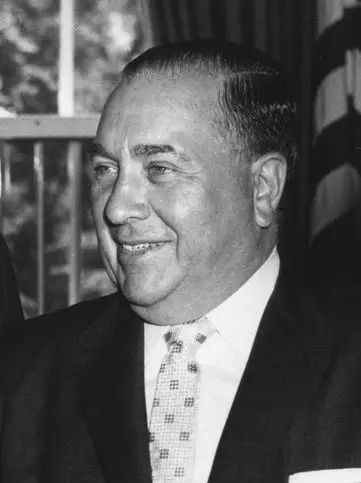
You cannot talk about the physical concrete of modern Chicago without talking about “The Boss.”
Richard J. Daley ruled the Chicago political machine with an absolute iron fist.
He sat in the mayor’s chair from 1955 until his sudden death in 1976.
He looked at an aging city and decided to bulldoze it into the future.
He constructed O’Hare International Airport.
He ripped through historic neighborhoods to lay down the massive Dan Ryan Expressway in 1962.
In 1965, he ruthlessly demolished the dense, working-class Italian neighborhood of Harrison-Halsted.
He did it to build the sprawling, brutalist concrete campus of the University of Illinois at Chicago (UIC).
If you talk to old-school South Siders today, they will fiercely debate his ruthless tactics.
He displaced thousands of marginalized residents to achieve his grand vision.
But if you look at the 10 incredible before & after photos that show how much Chicago has changed, his fingerprints are on every single major piece of infrastructure.
He built the city that works, regardless of who got crushed in the gears.
Daley Plaza
Exact Address: 50 W Washington St, Chicago, IL 60602
Cost: Free
Access: Open 24/7 in the public square.
Local Pro-Tip: Stand under the massive 1967 Picasso statue. Daley famously championed this bizarre, abstract sculpture despite massive public backlash. It was a massive flex of his political power to force Chicagoans to embrace modern art.
11. Marshall Field (The Merchant King)
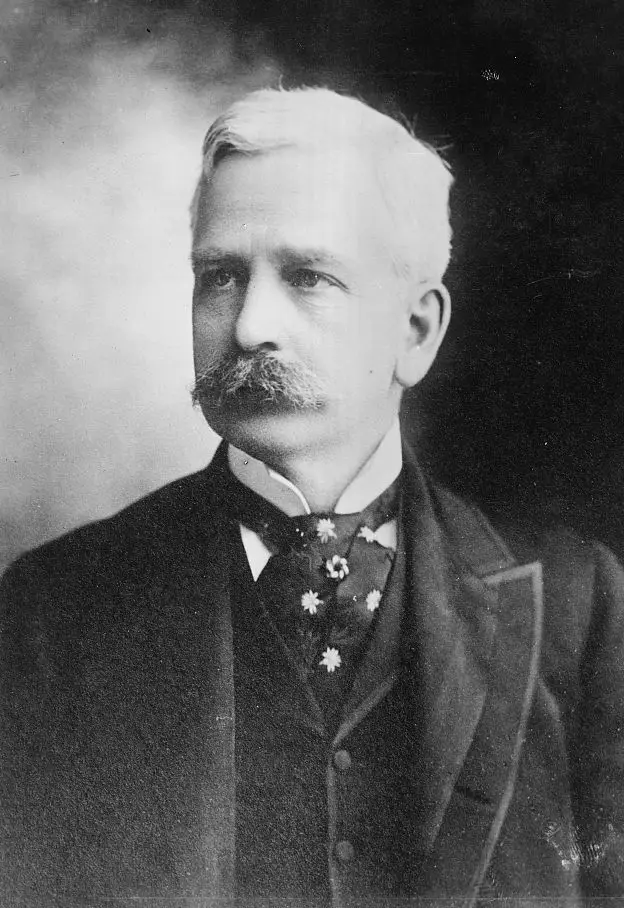
Let’s get one thing straight right now.
True Chicagoans absolutely never, ever call the massive building on State Street “Macy’s.”
It is Marshall Field’s.
Marshall Field was a ruthless, brilliant merchant who practically invented modern retail.
He built his massive flagship department store in stages between 1892 and 1914.
He created the first bridal registry.
He invented the personal shopper.
He popularized the phrase, “The customer is always right.”
He generated such a massive fortune that he single-handedly bankrolled the city’s natural history museum.
In 1893, he wrote a staggering $1 million check to fund the Columbian Museum of Chicago.
That institution was later renamed the Field Museum in his honor.
Today, it ranks at the absolute top of the list when locals debate the best museums in Chicago.
He died in 1906, leaving behind an estate valued at $125 million.
He cemented State Street as the undisputed center of the commercial universe.
The Marshall Field and Company Building
Exact Address: 111 N State St, Chicago, IL 60602
Cost: Free to enter the building.
Access: Generally open Monday through Saturday 10:00 AM to 8:00 PM, Sunday 11:00 AM to 7:00 PM.
Local Pro-Tip: Walk inside and immediately head to the fifth floor. Look up. You will see the largest vaulted Tiffany glass ceiling in the entire world, installed in 1907. It is a stunning piece of history that most tourists completely walk right past.
12. George “Cap’n” Streeter (The Armed Squatter)
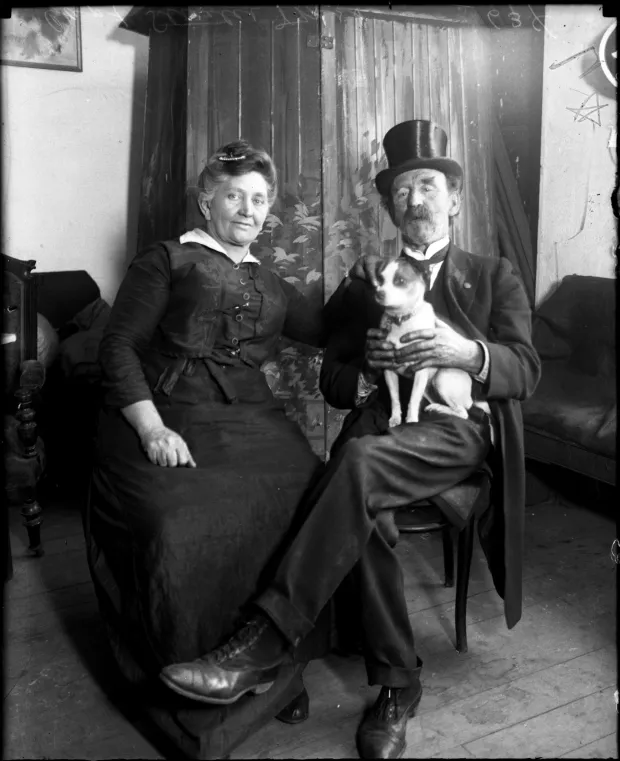
Chicago was not just built by mayors and wealthy retail kings.
It was also built by heavily armed, cigar-chomping con artists.
In the summer of 1886, a steamboat captain named George Streeter ran his boat, the Reutan, aground on a sandbar.
He was stuck just off the shore of Superior Street.
Instead of moving his boat, he hatched a brilliant, highly illegal scheme.
He invited local contractors to dump their construction rubble and ash directly into the lake around his stranded boat.
He charged them a fraction of the city’s official dump fees.
Over several years, the trash piled up, eventually connecting his boat to the mainland.
He accidentally created 186 acres of brand new, highly valuable lakefront real estate.
Streeter forged historical documents and declared the new land the “District of Lake Michigan.”
He refused to pay Chicago taxes and fought violent, bloody gun battles with the local police to defend his trash empire.
The city finally evicted him in 1918.
But his grift was so legendary that the neighborhood is still officially named Streeterville to this day.
Finding his tribute is definitely one of Chicago’s hidden gems.
He proves that in Chicago, sheer audacity is sometimes enough to build a neighborhood.
Cap’n Streeter Statue
Exact Address: 401 E Grand Ave, Chicago, IL 60611 (At the intersection of Grand Ave and McClurg Ct)
Cost: Free
Access: Open 24/7 on the public sidewalk.
Local Pro-Tip: The statue is located right next to a modern grocery store. Grab a coffee and look east toward Navy Pier. Every single inch of concrete you are standing on is man-made land, built entirely because one stubborn guy refused to move his stuck boat.
13. William Le Baron Jenney (The Father of the Skyscraper)
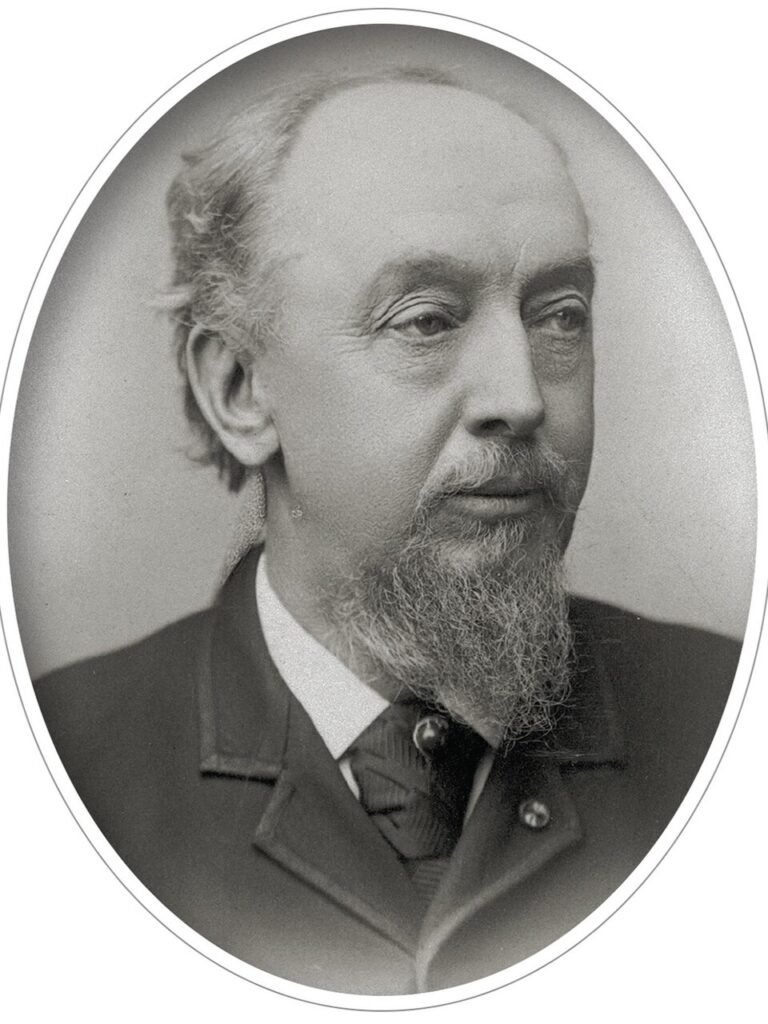
Before 1885, if you wanted to build a tall building in Chicago, you had to use massive, heavy stone walls.
The taller the building, the thicker the base had to be just to support the crushing weight of the masonry.
William Le Baron Jenney realized this was a dead end.
He was a brilliant engineer who served under General Sherman during the Civil War.
When he returned to Chicago, he decided to completely reinvent how humans build structures.
In 1885, he designed the Home Insurance Building at the corner of LaSalle and Adams.
Instead of relying on heavy stone walls, Jenney used a revolutionary fireproof metal skeleton of iron and steel to hold up the building.
The walls were just a lightweight “curtain” hanging on the metal frame.
It was the very first metal-framed skyscraper in human history.
It only stood 10 stories tall, but it permanently changed the skyline of every major city on Earth.
The original building was tragically demolished in 1931 to make way for the massive 45-story Field Building.
However, if you walk inside that replacement structure today, you will find one of the most stunning lobbies in Chicago you can experience for free.
Jenney’s radical engineering gamble is the only reason Chicago became the undisputed skyscraper capital of the world.
The Field Building (Site of the Home Insurance Building)
Exact Address: 135 S LaSalle St, Chicago, IL 60603
Cost: Free
Access: Lobby is open to the public during normal business hours (Monday through Friday, 8:00 AM to 6:00 PM).
Local Pro-Tip: Walk into the main LaSalle Street entrance and look for the historic bronze plaque on the wall. It officially designates this exact plot of land as the undisputed birthplace of the modern skyscraper.
14. Jane Addams (The Unstoppable Civic Warrior)
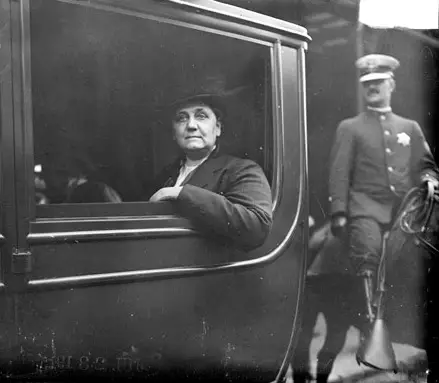
Tourists often think of Jane Addams as just a polite, wealthy lady who did charity work.
Neighborhood historians know the real truth.
Jane Addams was a fierce, relentless street fighter who went to war with Chicago’s corrupt political machine.
In 1889, she and Ellen Gates Starr rented an old, dilapidated mansion on the desperately poor Near West Side.
They opened Hull-House, a revolutionary settlement complex for marginalized European immigrants.
She didn’t just hand out soup.
She built a sprawling 13-building campus with a public bathhouse, a theater, a massive library, and the first public playground in Chicago.
She physically fought corrupt ward bosses to get raw sewage removed from the streets.
She successfully lobbied the state of Illinois to pass the very first factory inspection laws and establish the first juvenile court system in America.
In 1931, she became the very first American woman to win the Nobel Peace Prize.
Tragically, Mayor Richard J. Daley bulldozed almost her entire historic campus in 1963 to build the UIC campus.
Today, only the original mansion and the dining hall survive.
If you talk to local ghost hunters, they will swear it is one of those normal-looking Chicago buildings that hide a very dark history.
But the real history here is the story of a woman who forced a ruthless, industrial city to finally grow a conscience.
Jane Addams Hull-House Museum
Exact Address: 800 S Halsted St, Chicago, IL 60607
Cost: Free (but a $5 donation is highly encouraged).
Access: Open Tuesday through Friday 9:00 AM to 5:00 PM, Sunday 12:00 PM to 5:00 PM.
Local Pro-Tip: Walk up the creaky wooden stairs to the second floor of the museum. You can look at the actual, physical Nobel Peace Prize medal that Addams was awarded in 1931. It sits quietly in a glass case.
15. Louis Sullivan (The Prophet of Modern Architecture)
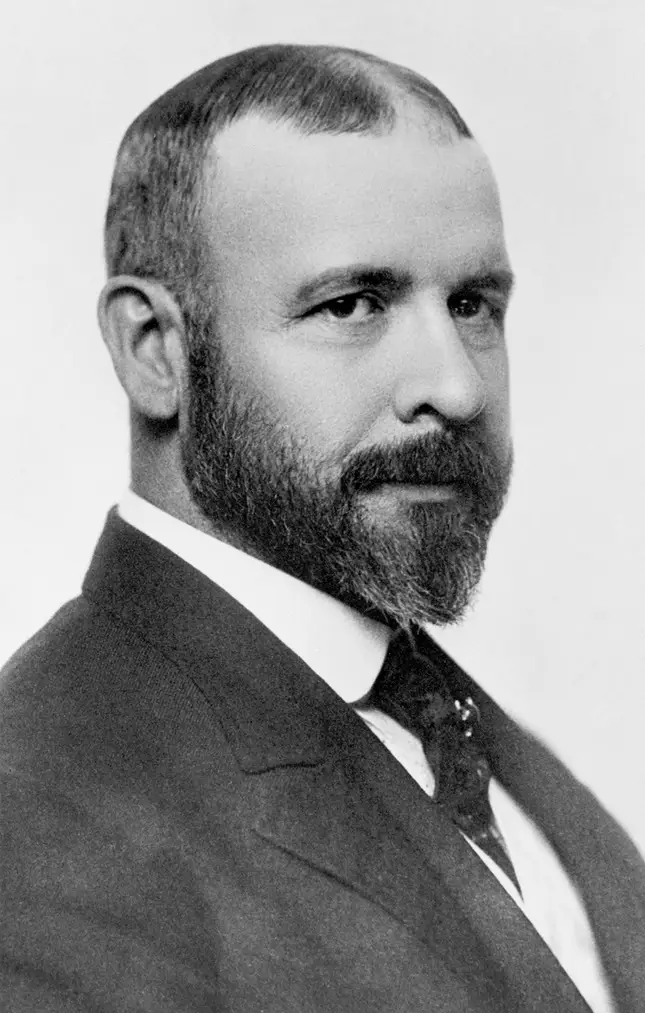
If Daniel Burnham was the master planner of Chicago, Louis Sullivan was its tortured, poetic genius.
Sullivan absolutely hated the fake, copy-and-paste European architecture that dominated the 1800s.
He coined the famous phrase, “Form follows function.”
He believed that a tall Chicago office building should look like a proud, soaring Chicago office building—not a fake Greek temple.
In 1889, he and his partner Dankmar Adler designed the massive Auditorium Building on Michigan Avenue.
It was the heaviest, most complex building in the world at the time.
But Sullivan’s absolute masterpiece sits right in the middle of State Street.
In 1899, he designed the Carson Pirie Scott Building (now known as the Sullivan Center).
He wrapped the first two floors in a breathtaking, swirling forest of oxidized cast-iron leaves and geometric vines.
If you look closely at that ironwork, it is easily one of the most incredible hidden architectural details Chicago locals walk past every day (but tourists never notice).
Sullivan mentored a young draftsman named Frank Lloyd Wright, teaching him everything he knew.
But Sullivan refused to compromise his artistic vision for wealthy, tasteless clients.
The city’s elite eventually blacklisted him, and he died completely broke in a rented South Side hotel room in 1924.
He died in poverty, but today, architectural scholars travel from across the globe just to touch the ironwork he left behind.
The Sullivan Center (Target / Former Carson Pirie Scott)
Exact Address: 1 S State St, Chicago, IL 60603
Cost: Free
Access: Open 24/7 to view the exterior from the sidewalk.
Local Pro-Tip: Walk to the exact corner of State and Madison streets. Look at the ornate cast-iron doorway. Sullivan designed this specific corner entrance to act as a literal funnel, naturally drawing massive crowds of pedestrians off the sidewalk and directly into the department store.
The Bottom Line
Chicago was not built by accident.
It was not built by polite politicians or timid architects.
It was dragged out of a freezing, muddy swamp by a gang of ruthless, stubborn visionaries who refused to fail.
They fought the federal government, they fought the lake, and they fought each other.
The next time you walk down State Street or look up at the Sears Tower, remember the blood and the bankruptcies that paid for that view.
Do not just take a selfie at the Bean and go home.
Walk the grid.
Touch the cast iron.
Go find the graves and the monuments of the people who actually built this empire.
Because if you don’t understand the grit of the people who laid these bricks, you will never truly understand Chicago.