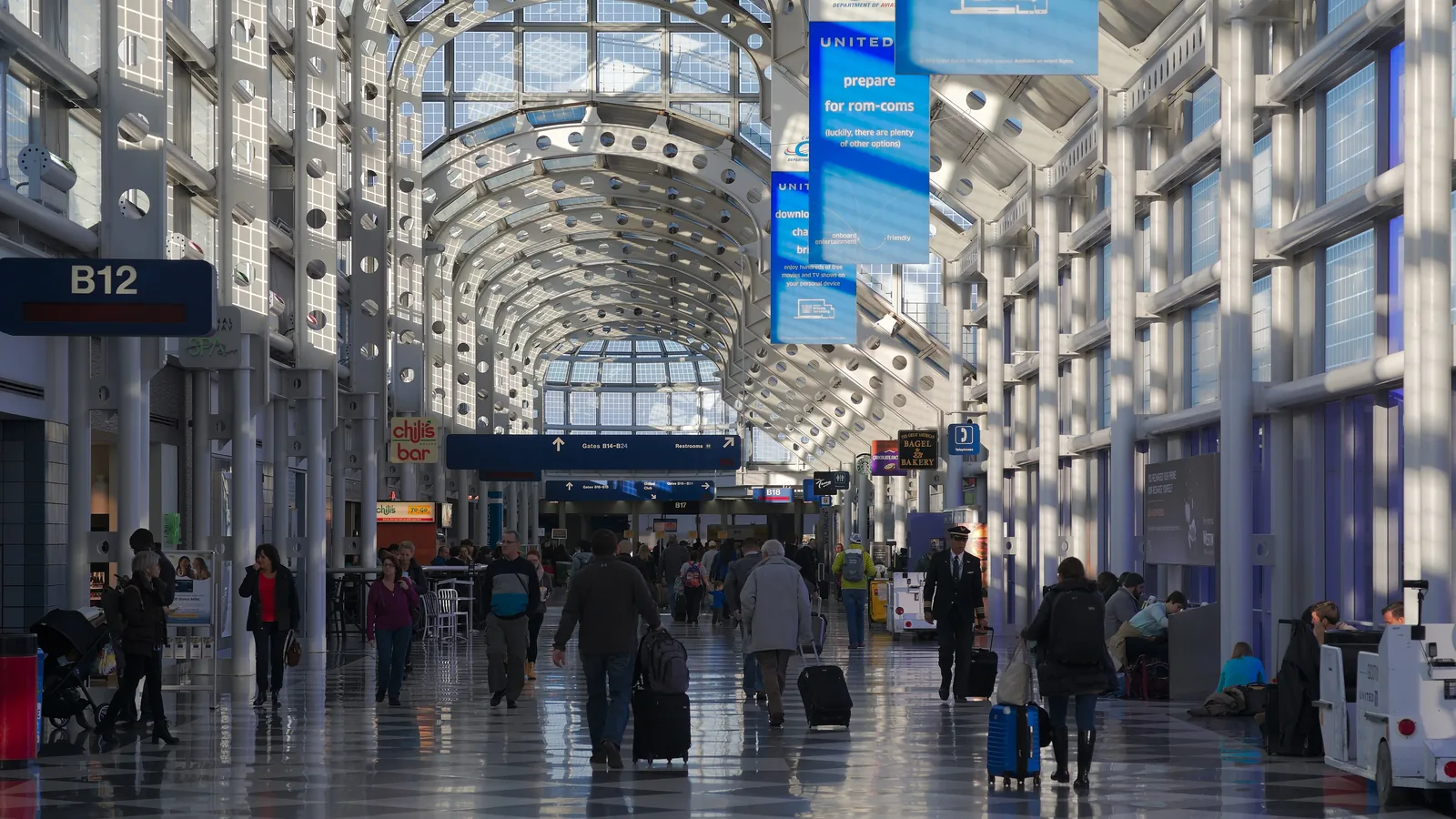
O’Hare has eight runways, more than any other airport on Earth. Its Terminals 2 and 3 opened in 1962, and parts of them still look it.
On November 17, 2026, crews broke ground on yet another new concourse, the $917 million Concourse E, while the 19-gate Concourse D rises next door.
Translation: a lot of the advice your uncle swears by is now half-right. A transfer-bus stop has already moved, most security checkpoints close at night, and the same overnight parking stay can cost $16 or $79 depending on which sign you follow.
These are the 12 O’Hare tips locals actually use right now, from the $5 Blue Line trick to the free lot where pickup drivers wait. One of them ends at a four-story dinosaur (more on her at #12).
Construction keeps moving the details, so treat flychicago.com and your airline app as the last word the morning you fly.
1. Take the Blue Line — and Don’t Pay the $5 Fare Twice
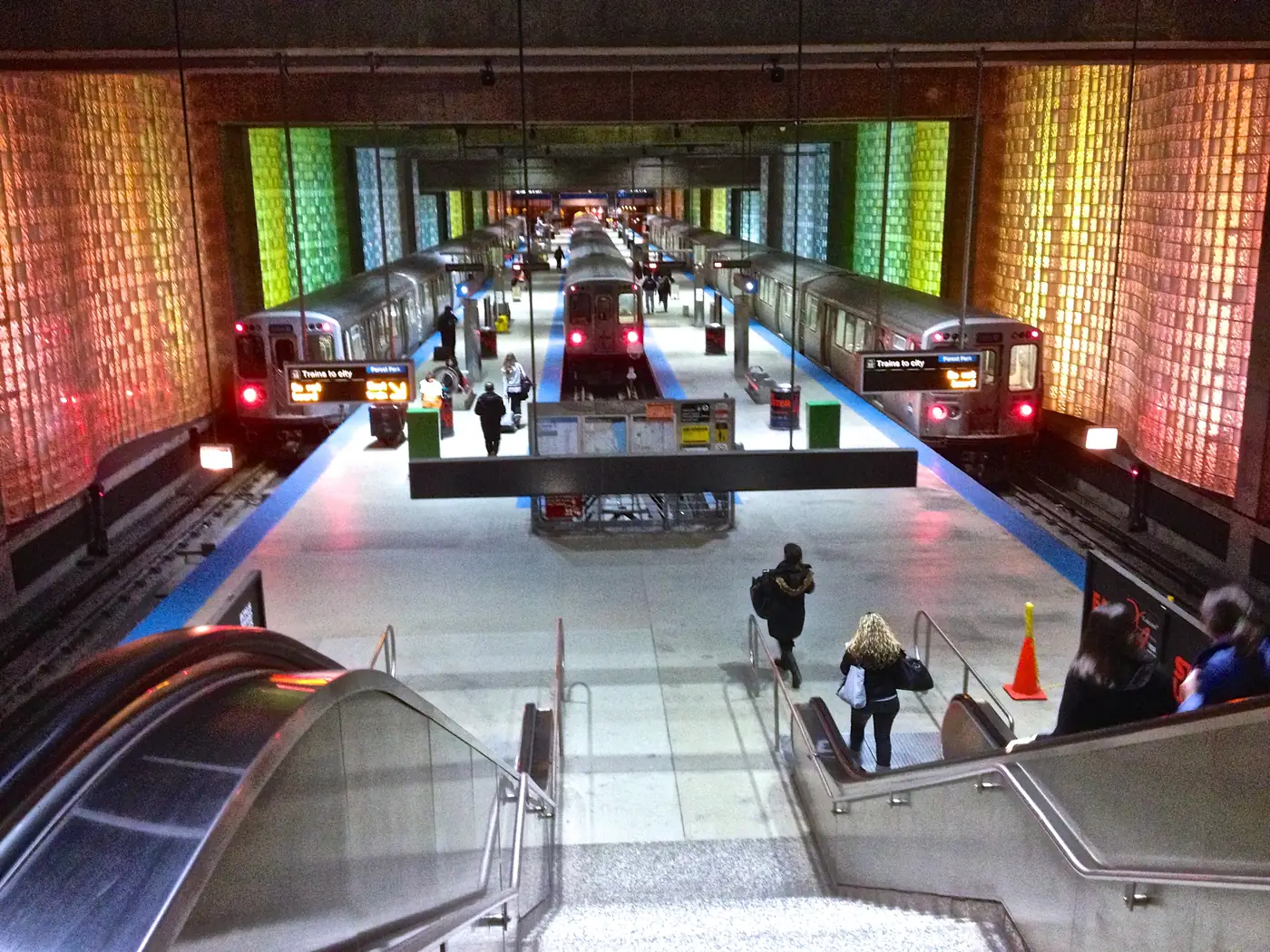
The official airport site still calls the Blue Line the easiest and most affordable way to get to O’Hare. It runs 24 hours a day, more often at rush hour, and it bypasses the Kennedy Expressway entirely.
A regular L ride in the rest of the city is $2.50. Entering at the O’Hare station is $5 — unless you tap an unlimited pass.
A 1-Day CTA/Pace pass is also $5, and it covers that airport ride plus the rest of your day. That’s the workaround locals use, and it’s explained in full in our L train tips.
Riding back to O’Hare at the end of a trip is the regular $2.50 fare, not $5. We have also written about why taking a rideshare from the airport at rush hour is the expensive version of this mistake.
- Where: The Blue Line station is on the lower level of the main parking garage. From Terminals 1, 2 and 3, follow the overhead “Trains to City” signs through the basement-level pedestrian tunnels. From Terminal 5, take the Airport Transit System to Terminal 3 or 2, then follow the same signs
- Hours: Blue Line trains run 24 hours a day
- Price: $5 to enter at O’Hare if you pay as you go; $5 for a 1-Day unlimited pass; $2.50 for a regular ride, including the trip back to the airport
Insider tip: Load a 1-Day or 3-Day pass in the Ventra app before you land, and skip the vending-machine line. If you’re flying out of Terminal 5, budget the extra ATS ride before you even look for the Blue Line.
Good to know: O’Hare in 30 seconds
- Cheapest way downtown: the Blue Line, 24 hours a day. It’s $5 to board at O’Hare, or tap a $5 1-Day pass and ride all day.
- Terminal 5? There’s no Blue Line station there. Ride the free Airport Transit System to Terminal 3 or 2 first.
- Cheapest parking: Economy Lots G and H, $16 per 24 hours, with a 24-hour shuttle.
- Picking someone up: wait in the free cell phone lot at 560 N. Bessie Coleman Dr., never at the curb.
- Taxi downtown: the airport’s published average is about $50, depending on traffic.
- Late-night flight: most checkpoints close in the evening. Terminal 5’s CP10 is the one listed as 24 hours.
That people-mover is the next thing locals actually use, and a lot of first-timers walk right past it.
2. The ATS Is Free, 24 Hours, and Faster Than You Think
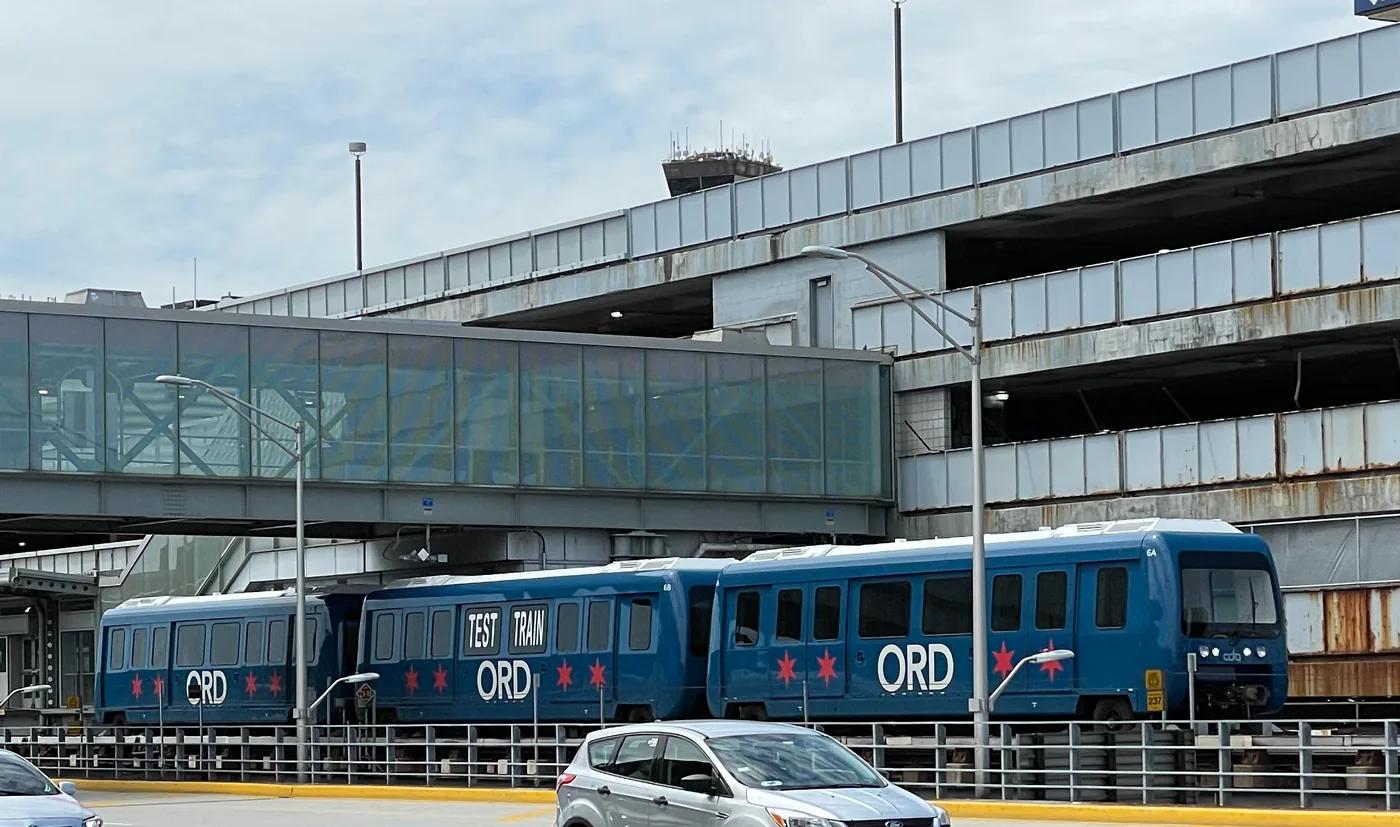
The Airport Transit System is a driverless people-mover that links Terminals 1, 2, 3 and 5 with the Multi-Modal Facility. It runs every 3 to 5 minutes at peak hours, 24 hours a day, seven days a week.
Official numbers: the trip from Terminal 1 to the Multi-Modal Facility takes about 10 minutes, the top speed is 50 mph, and there are five stations on about three miles of track.
Did you know? The ATS was closed for a years-long rebuild. It reopened in November 2021, and 24-hour service only came back in April 2022.
This is how you get from Terminal 5 to the Blue Line, to the rental cars, to Economy Lot F, to Metra and Pace, and to Kiss ’n’ Fly. It is free.
There is no Blue Line station in Terminal 5.
- Where: Stations at Terminals 1, 2, 3 and 5, plus the Multi-Modal Facility at 10255 W. Zemke Blvd.
- Hours: 24 hours a day, seven days a week
- Price: Free
Insider tip: If you land at Terminal 5 and you’re going downtown, do not look for a taxi first and do not hunt for a hidden Blue Line entrance in that terminal. Get on the ATS, ride to Terminal 3 or 2, then follow “Trains to City.”
If you’re driving, the next mistake is parking in the first garage you see.


3. Don’t Park Overnight in the Hourly Garage
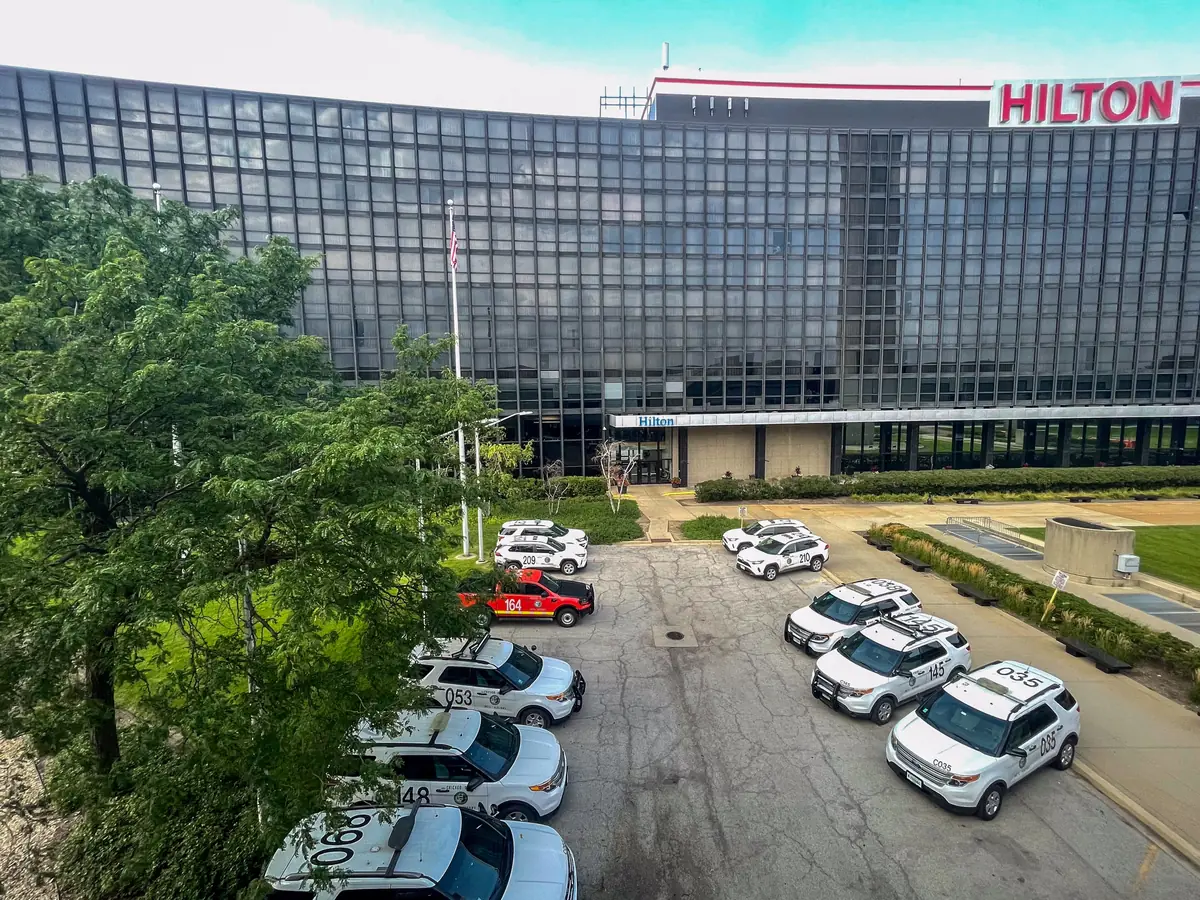
The main garage sits next to the domestic terminals. Hourly parking is on Level 1, and it is priced for short stays.
The official rates, including tax, are $3 for the first hour, then $6, $10 and $14 as you pass two, three and four hours — and then $36 for 4 to 8 hours and $79 for 8 to 24 hours.
Daily parking on Levels 2 through 6, and in outdoor Lots B and C, is $43 for 8 to 24 hours. The airport’s own parking pages say it doesn’t recommend the main garage for extended overnight stays at all, because the economy lots are cheaper.
And Level 1, at $79 for 8 to 24 hours, is the worst place to leave a car overnight. Write down your level.
The main garage clearance is only 6 feet 6 inches; Lot B is 9 feet, and Lot C is 8 feet 5 inches.
- Where: Main garage, adjacent to Terminals 1, 2 and 3. Hourly parking on Level 1; daily parking on Levels 2–6 and in Lots B and C
- Hours: Open for airport parking at all hours
- Price: Hourly Level 1 is $79 for 8–24 hours. Daily parking is $43 for 8–24 hours. All official rates include tax
Insider tip: If you’ll be gone overnight, skip the first entrance that says hourly and go straight to an economy lot, or at least up to the daily levels. The difference is not a few dollars.
The cheap overnight move is even more specific than “economy parking.”
4. Lots G and H Are $16 a Day. The Covered Lot Is $30
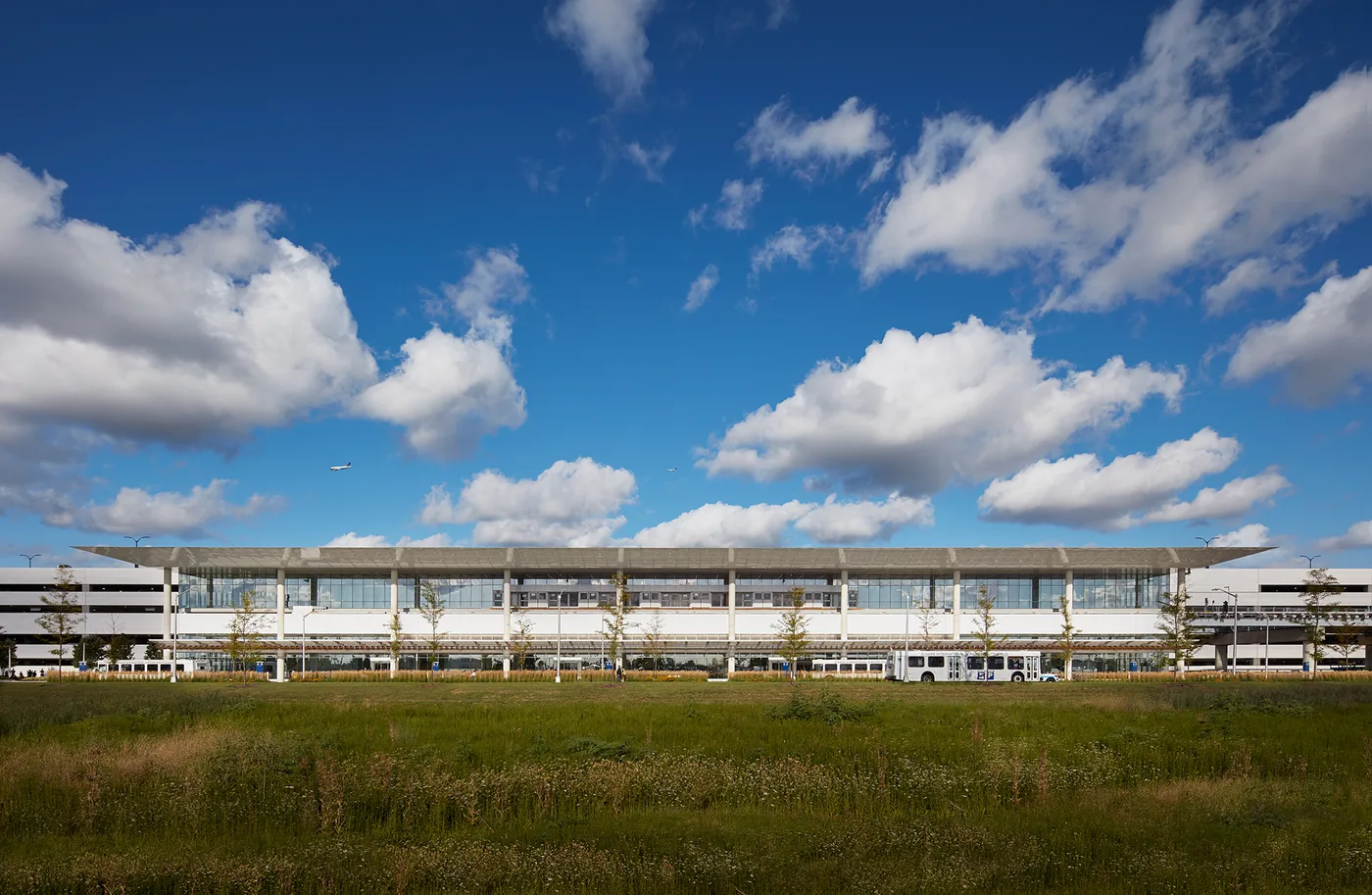
Official economy rates, including tax, range from $16 to $30 a day. Lots G and H, off Bessie Coleman Drive near Mannheim and Zemke, are $3 for the first hour and $16 per 24 hours — the cheapest on-airport parking the airport currently advertises.
A shuttle runs 24 hours, every 5 to 10 minutes, from those lots to the Multi-Modal Facility, where you board the ATS to the terminals.
Lot F is the covered option, on floors 4 and 5 of the Multi-Modal Facility at 10255 W. Zemke Blvd. It’s $30 for 4 to 24 hours, with 8-foot-4-inch clearance and electric-vehicle chargers on Level 4. You walk onto the ATS there.
If you’re flying out of Terminal 5, that terminal now has its own six-story garage, about 1,700 spaces, connected by an enclosed pedestrian bridge, at the same $43 daily rate as the main daily garage.
- Where: Lots G and H along Bessie Coleman Drive; Lot F in the Multi-Modal Facility; Terminal 5 garage next to the international terminal
- Hours: ATS and the G/H shuttles run 24 hours a day
- Price: Lots G and H $3 the first hour, then $16 per 24 hours; Lot F $30 for 4–24 hours; Terminal 5 garage $43 for 8–24 hours. All include tax
Insider tip: If you’re parking more than a few hours, the $16 lots are the local play. If you want to stay covered and dry, pay the $30 at Lot F and skip the shuttle.
If you’re not parking at all — you’re just picking someone up — do not sit at the curb.
5. Use Kiss ’n’ Fly or the Cell Phone Lot. The Curb Will Tow You
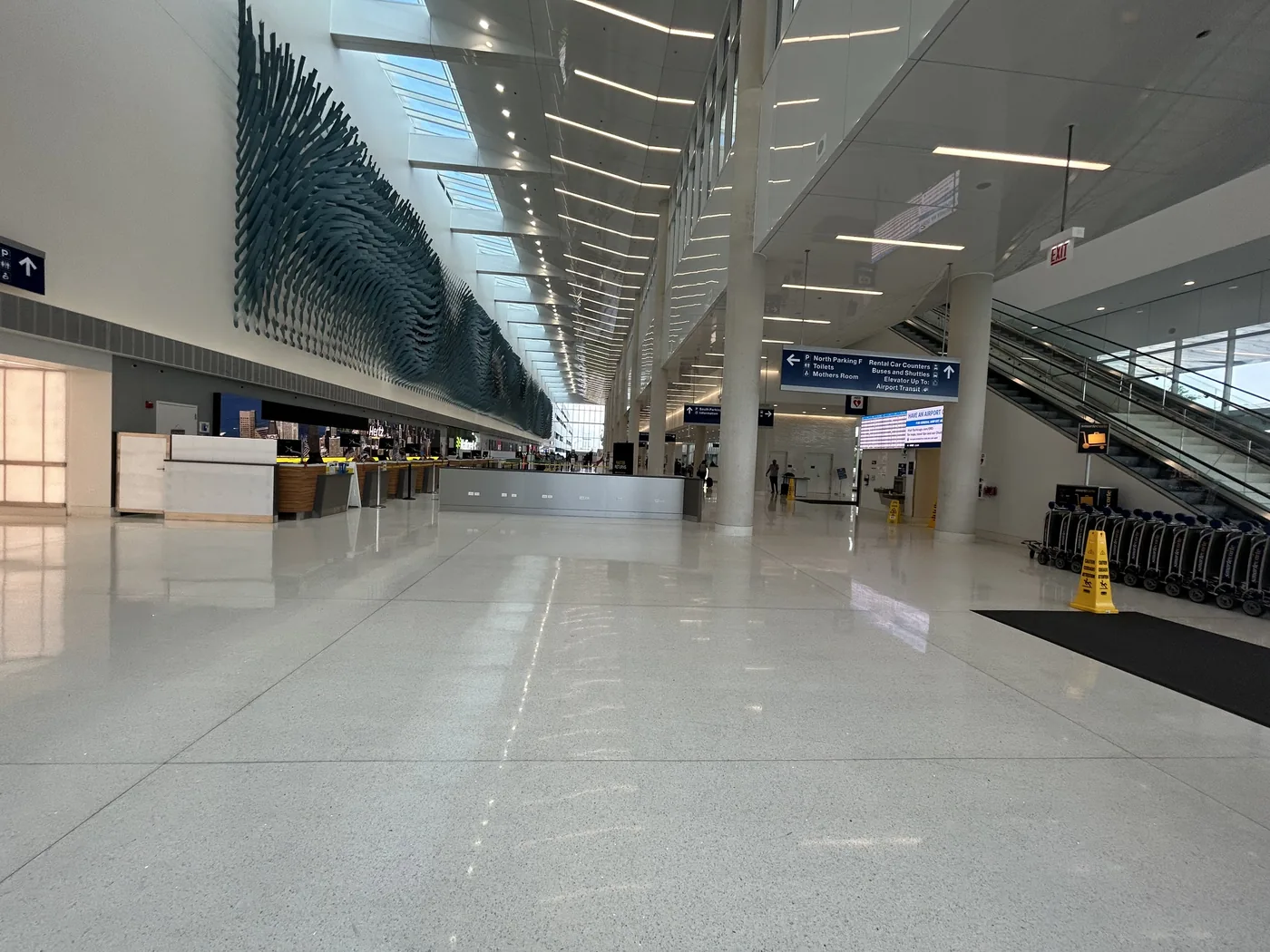
You can drop departing passengers at the upper-level Departures curb of the correct terminal. Arriving passengers can be picked up on the lower level, on the outermost curb.
What you cannot do is wait there. Curbside waiting is prohibited; unattended vehicles are ticketed and towed.
The official workarounds: the free cell phone lot at 560 N. Bessie Coleman Drive, where you wait until your person has bags in hand and calls you to the curb; or Kiss ’n’ Fly at the Multi-Modal Facility, off Mannheim and Zemke, which has a 15-minute limit.
From Kiss ’n’ Fly, passengers ride the ATS to any terminal. Locals heading in from the north and northwest suburbs often skip the terminal roadways entirely and use this.
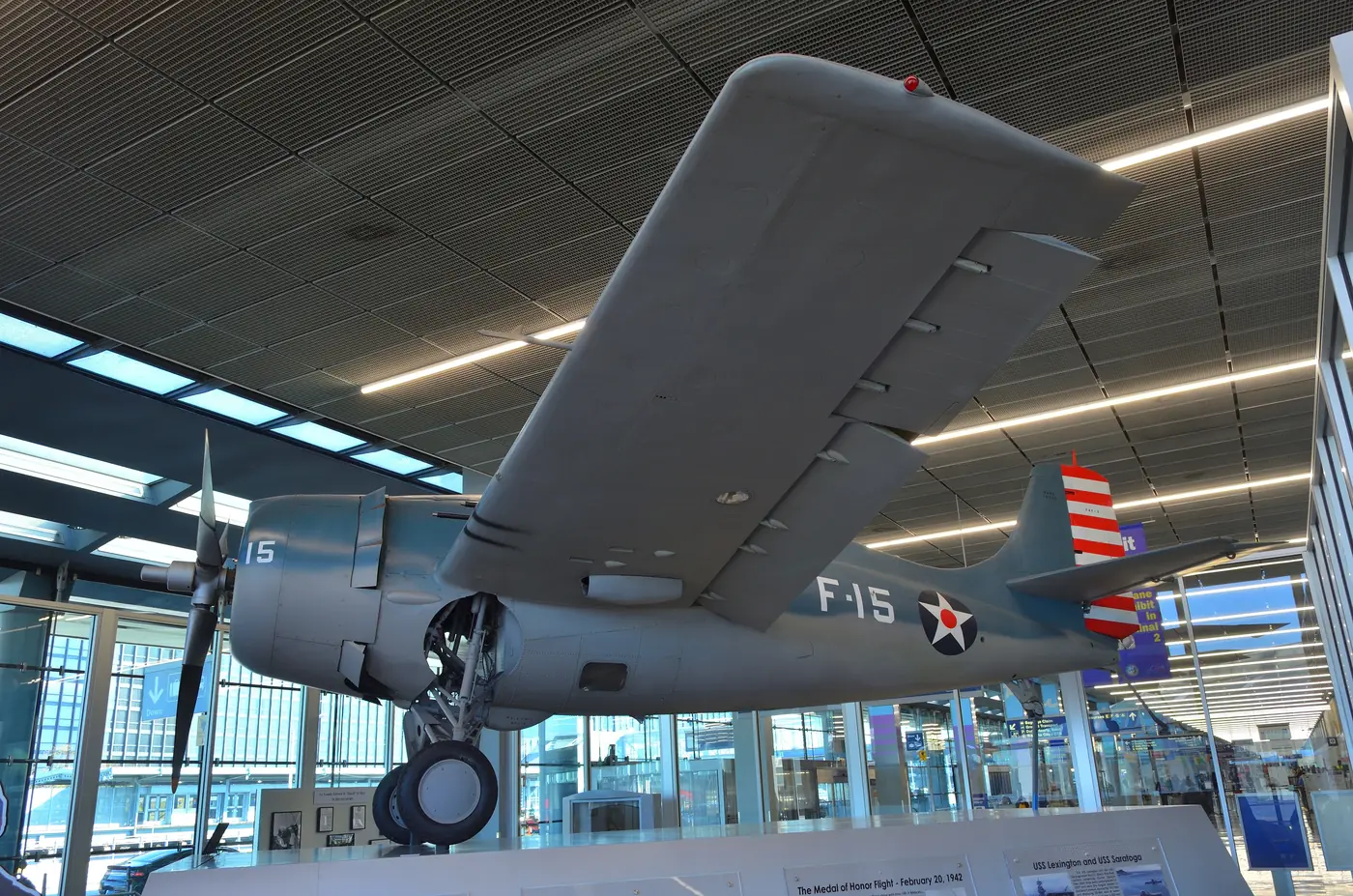
Did you know? O’Hare’s baggage-tag code, ORD, has nothing to do with its name. It comes from Orchard Field, what the site was called in the 1940s, when it served a Douglas plant building C-54 military transports. It was renamed in 1949 for Edward “Butch” O’Hare, the U.S. Navy’s first Medal of Honor recipient of World War II. A Grumman F4F-3 Wildcat, the type of fighter he flew, has hung in Terminal 2 for years.
- Where: Cell phone lot: 560 N. Bessie Coleman Dr. Kiss ’n’ Fly: northeast corner of the Multi-Modal Facility, off Mannheim Road and Zemke Boulevard
- Hours: Both are part of the airport’s 24-hour ground system; the ATS from Kiss ’n’ Fly runs all night
- Price: The cell phone lot is free. Kiss ’n’ Fly has a 15-minute limit
Insider tip: If your flight is early or your person is stuck at baggage claim, sit in the cell phone lot and do not circle. When they call, you have a short, legal trip to the lower-level curb.
Rideshare is its own maze, and the pickup is not where the taxis are.
6. Rideshare Pickup Is Not at the Taxi Stand
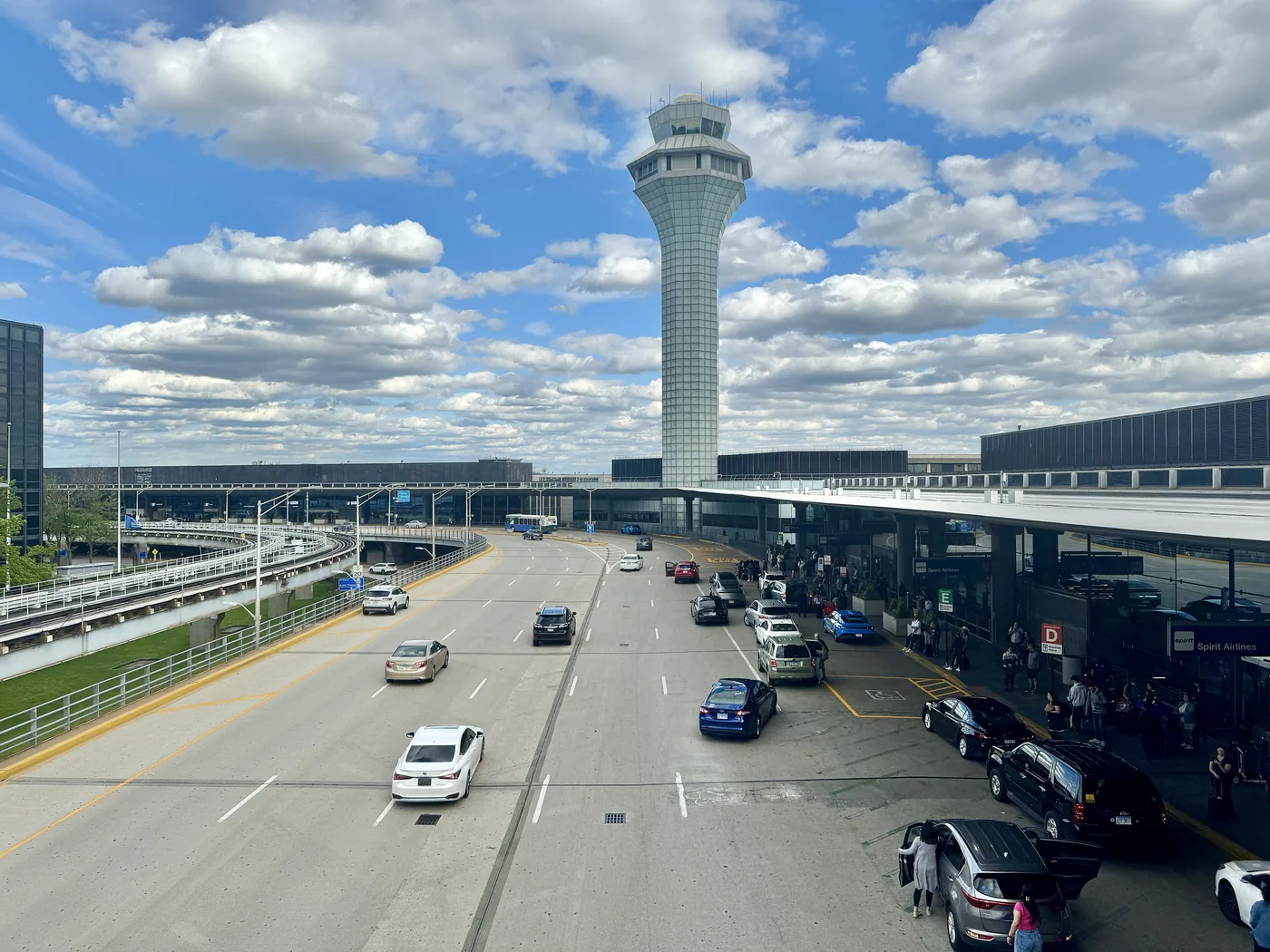
Taxi stands are on the lower level, outside baggage claim, at each terminal. Rideshare is not there.
The airport’s official rideshare page currently spells out pickup for Terminal 2 and Terminal 3 on the upper level: Terminal 2 uses orange poles labeled 2A through 2G, with an indoor waiting area between vestibules 2A and 2D; Terminal 3 uses green poles labeled 3G, 3H, 3J and 3K.
Black-car pickups stay on the lower level of all terminals.
If you’re flying out of Terminal 1 or 5, follow the official signs and check flychicago.com on the day you travel. Construction has already moved other pickup points, and the public page does not currently list those two terminals in the same detail.
Do not take a ride from someone who approaches you on the departure level or away from a marked stand.
- Where: Follow official rideshare signage at your terminal. Documented upper-level zones are at Terminals 2 and 3; taxi stands are lower level, outside baggage claim
- Hours: Whenever flights are arriving
- Price: Varies by app, traffic and demand. The airport lists an average official taxi fare to downtown of about $50, also depending on traffic
Insider tip: Open the app before you walk outside and look at the zone letter it gives you. Then go to that exact pole. For Terminal 2, you can wait inside between 2A and 2D until the car is actually close.
If you’d rather a metered cab, the rule is simpler, and it exists for a reason.
 JM
AK
7. Only Get in a Taxi at the Official Stand
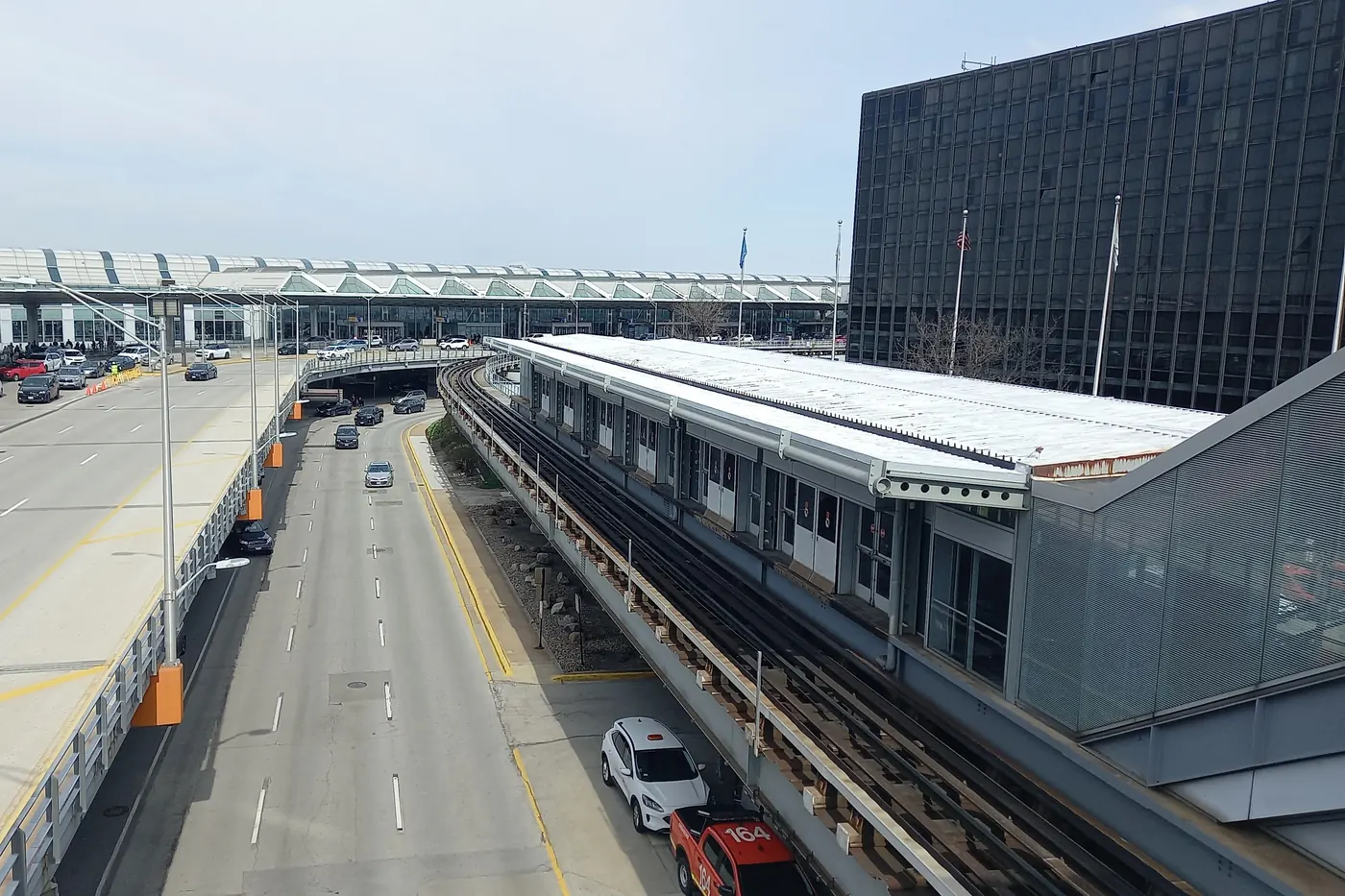
The airport is blunt about this. Use the designated taxi stands on the lower level, outside baggage claim, so you get a licensed driver.
Do not accept a ride from someone who approaches you away from the stand, or up on the departure level. Cabs should have a working meter.
The airport’s current published average fare to downtown is about $50, depending on traffic. Taxi fare rates were updated on July 1, 2026.
Suburban taxis have to be pre-arranged, with designated pickup in the commercial lanes — the middle commercial lane at Terminals 1, 2 and 3, and the inner commercial lane at Terminal 5. If someone offers you a “special” ride at baggage claim, keep walking to the stand.
- Where: Official taxi stands, lower level curb front outside baggage claim at each terminal
- Hours: Whenever flights are arriving
- Price: Metered; the airport’s published average to downtown is about $50, depending on traffic
Insider tip: If you’re going downtown and it’s rush hour, compare this $50-plus, maybe-stuck-on-the-Kennedy option with the $5 Blue Line before you get in the cab. Our rookie mistakes guide exists mostly because of this exact moment.
Inside the building, the next surprise is that security is not always open.
8. Most Security Checkpoints Are Not Open All Night

Being early still matters, but not only because of the line. The airport publishes checkpoint hours, and most of them close in the evening.
In Terminals 1, 2 and 3, several checkpoints are listed as closing between 8 p.m. and 11 p.m., and PreCheck hours are often shorter than the main lane. Terminal 5’s CP10 is the checkpoint officially listed as open 24 hours.
The same page says hours can change with day-to-day operations, and you should confirm with your airline on the day you fly. That matters even more if you’re landing late and heading into the city.
If you don’t have acceptable ID — including a non-REAL ID state license — TSA ConfirmID, a fee-based identity check, has been in use at checkpoints since February 1, 2026. Bring a REAL ID or other acceptable document if you can, and use PreCheck if you have it.
Standard 3-1-1 liquids rules still apply.
- Where: Checkpoint locations and hours are on flychicago.com’s TSA page, by terminal
- Hours: Vary by checkpoint; most are not 24-hour. Terminal 5 CP10 is listed as 24 hours. Confirm with your airline the day you fly
- Price: Standard screening is included in your ticket. TSA PreCheck and ConfirmID have their own enrollment or service fees, set by TSA
Insider tip: For a very early or late flight in Terminals 1, 2 or 3, do not assume the closest checkpoint is open. Check the official hours the night before, and give yourself more time than you would at a smaller airport.
If you’re connecting, construction has already moved one of the important meeting points.
9. Connecting? Terminals 1, 2 and 3 Are Linked — but the Transfer Bus Has Moved
O’Hare has four terminals: 1, 2, 3 and 5. Terminals 1, 2 and 3 are connected.
If you arrive on a domestic flight and you’re connecting to another domestic or international flight out of those terminals, you can usually walk between them without exiting security. Check with the airlines if you’re changing carriers.
You can also ride the ATS, or the Terminal Transfer Bus between Terminals 1, 3 and 5. The bus is for connecting passengers only and you need a same-day boarding pass for the terminal you’re going to.
Official pickup points, as of the airport’s connecting page: Terminal 1 at Gate C18B — moved from Gate B1 because of construction — Terminal 3 at Gates G17 and K20, and Terminal 5 at Gate M13.
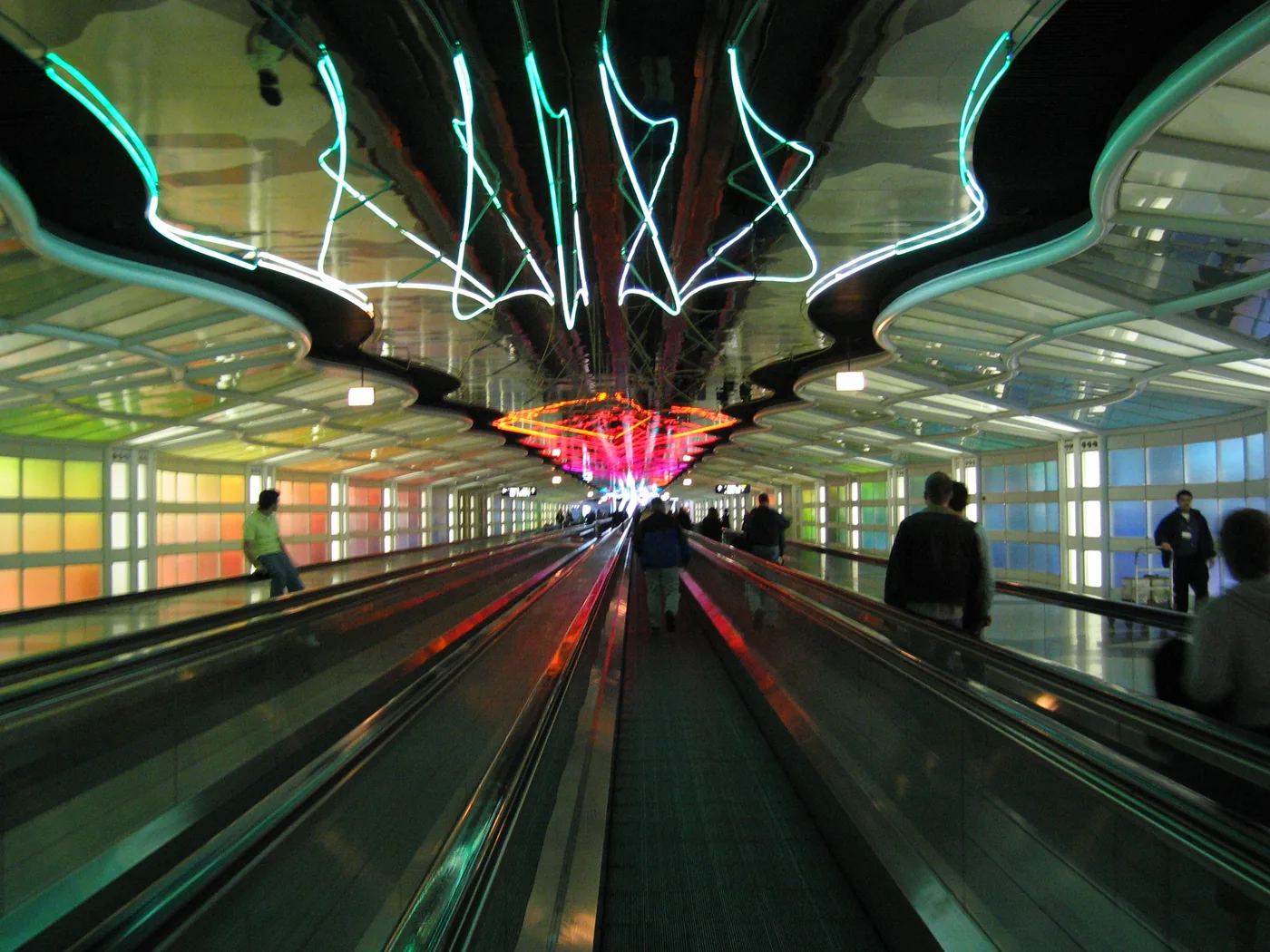
Did you know? If you connect between Terminal 1’s B and C concourses, you’ll walk through the most photographed tunnel in Chicago. The neon installation is “Sky’s the Limit” (1987) by Canadian artist Michael Hayden, and the soundtrack is a slowed-down version of “Rhapsody in Blue.” Ride the moving walkway, don’t walk it, and look up.
If you arrive on an international flight, unless you came through a preclearance airport, you have to clear customs, collect your bags, recheck them if you’re connecting, and go through TSA again. Then use the ATS if you’re bound for Terminals 1, 2 or 3.
- Where: Follow official connecting-traveler signs. Current Terminal Transfer Bus stops include T1 Gate C18B, T3 Gates G17 and K20, and T5 Gate M13
- Hours: The ATS runs 24 hours. Bus and walking connections depend on your flight times
- Price: ATS and the Terminal Transfer Bus are free for eligible connecting passengers
Insider tip: If an older blog post tells you to meet the transfer bus at Terminal 1 Gate B1, ignore it. The official stop is now C18B. Screenshot the connecting page before you fly, because this is exactly the kind of detail that will move again.
The bigger backdrop is that the whole campus is being rebuilt around you.
10. Budget Extra Time. The Airport Is Mid-Construction
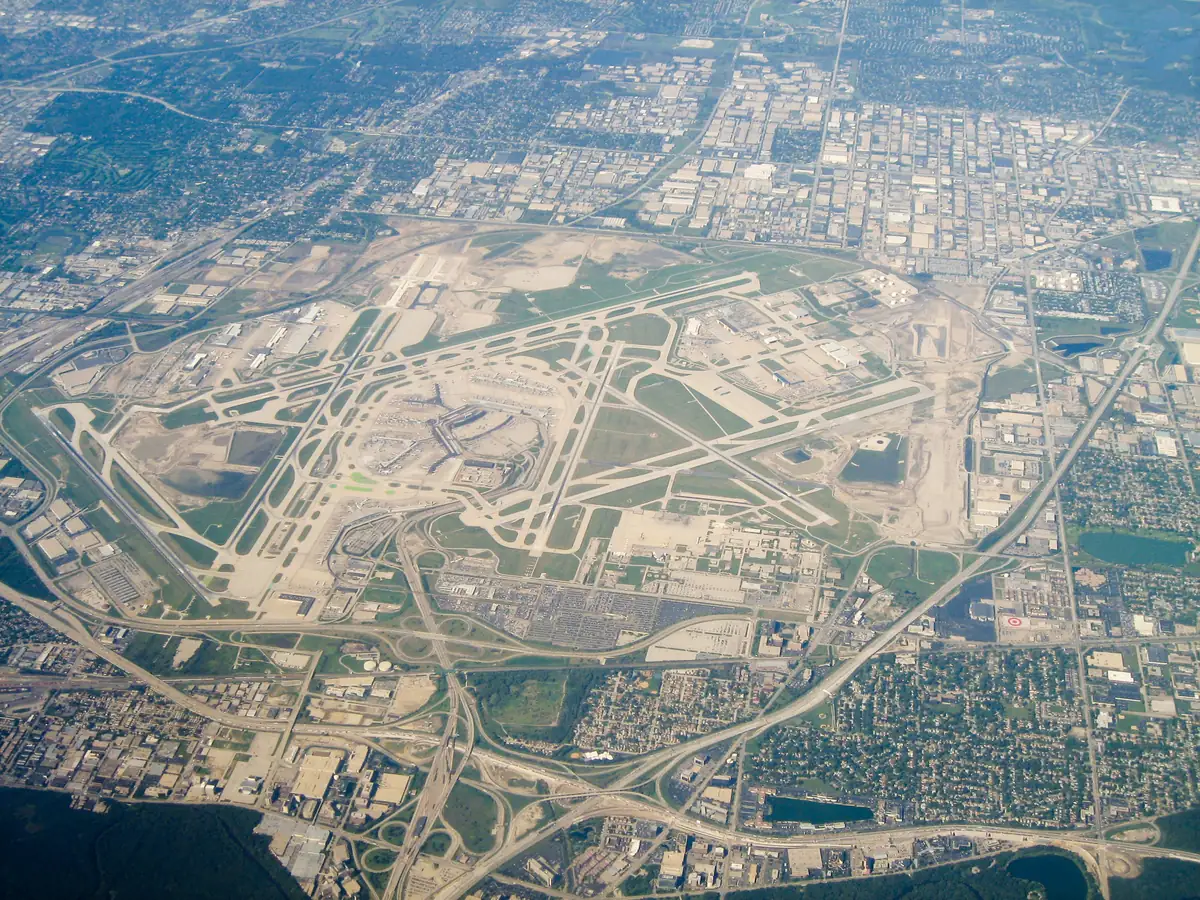
The official expansion program is called ORDNext, and 2026 is the year it got loud. Vertical construction is under way on the 19-gate Concourse D, which is due to open in late 2028.
On November 17, 2026, crews broke ground on Concourse E next to Terminal 2. Its first 14 gates are targeted for 2030.
The big one comes after that. Terminal 2, the 1962 terminal between the United and American hubs, is due to be replaced by the O’Hare Global Terminal, designed by a team led by Studio Gang.
Construction is scheduled to start in 2029, with opening targeted for late 2033.
You do not need the whole timeline to travel well. You do need to assume that a walk which used to take eight minutes might take longer, that a bus stop may have moved, and that your gate area might feel like a renovation site.
Did you know? A November 2026 policy brief from DePaul University’s Chaddick Institute found O’Hare is the only one of the 25 busiest U.S. airports that hasn’t built or completely redesigned a large terminal or concourse in the past 25 years. It also warned that construction could mean crowded concourses and longer taxi times over the next several years.
Check flychicago.com and your airline app the morning you travel, not the week before. If you’re coming from downtown, the Blue Line still avoids the worst of the Kennedy, but you should still leave earlier than you would have in 2019.
This is also why a first-day itinerary should not start with a tight museum reservation an hour after landing.
Insider tip: Add 20 to 30 minutes to whatever you used to allow, more if you’re connecting from Terminal 5 or parking in an economy lot. Comfortable is cheaper than a rebooked flight.
One last transit option looks official and is usually the wrong downtown move.
11. Metra From O’Hare Is Real — and Usually Not Your Downtown Train
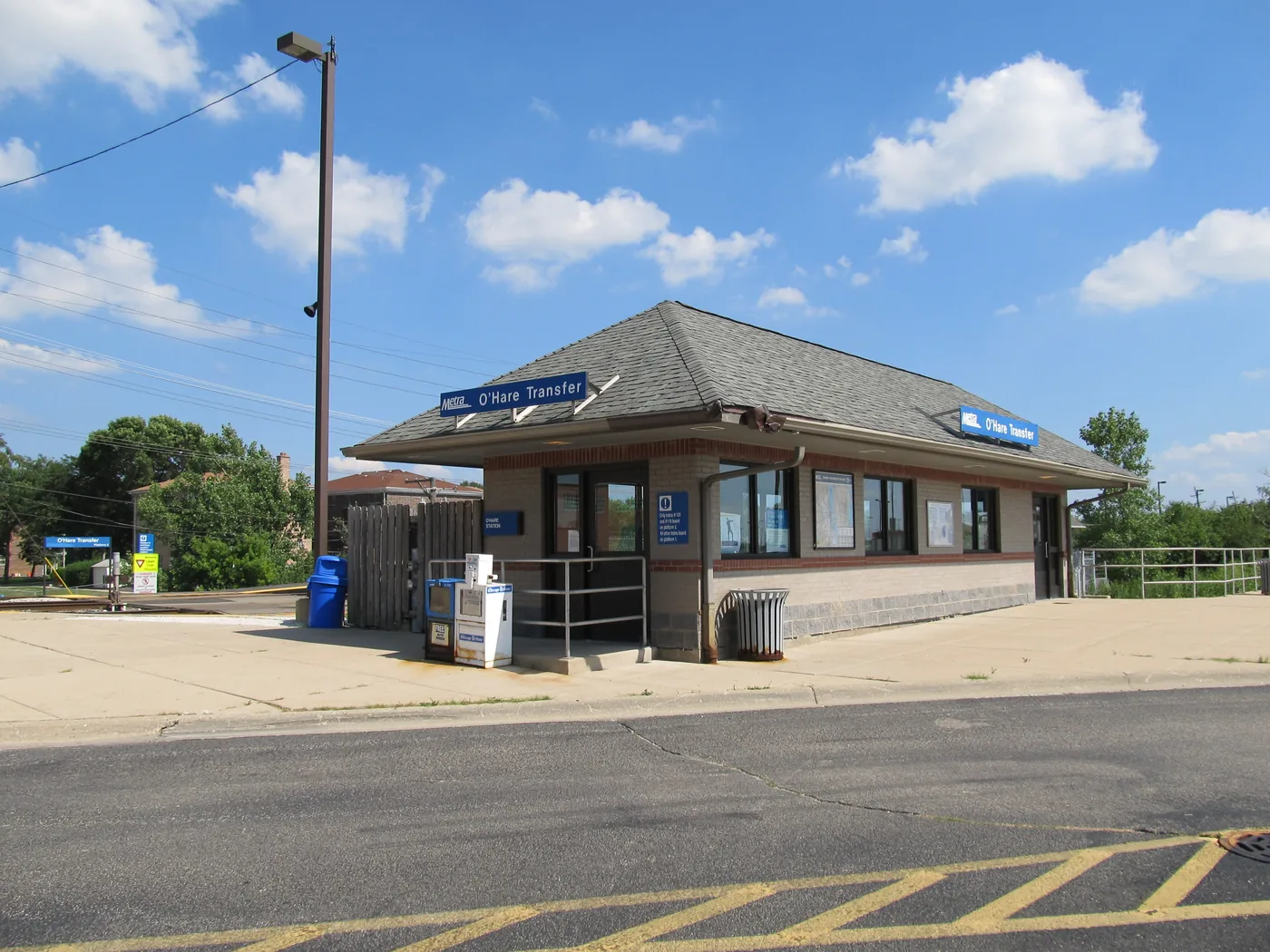
Metra’s North Central Service does stop at O’Hare. The station is called O’Hare Transfer, on the northeast corner behind the Multi-Modal Facility at Zemke and Mannheim.
You reach it on the ATS. Trains run on weekdays, to Union Station downtown or out to the north suburbs, and you can buy a ticket from the conductor. Fares are zone-based.
For most people going to the Loop, a hotel, or anywhere on the L, the Blue Line is still the simpler 24-hour choice. Metra is useful if you already live along that line, or you’re heading to a suburb it actually serves.
It is not a secret faster downtown express.
- Where: O’Hare Transfer station, behind the Multi-Modal Facility, 10255 W. Zemke Blvd.
- Hours: North Central Service is weekday service; it is not a 24-hour airport train
- Price: Metra zone fares; buy from the conductor or check metrarail.com
Insider tip: If a well-meaning relative offers to “just take Metra from the airport,” ask whether they’re actually on the North Central Service and whether it’s a weekday. Otherwise, go downstairs to the Blue Line.
Put all of that together, and the last tip is the unglamorous one locals actually follow.
12. Leave Earlier Than the Version of You Who Remembers the Old O’Hare
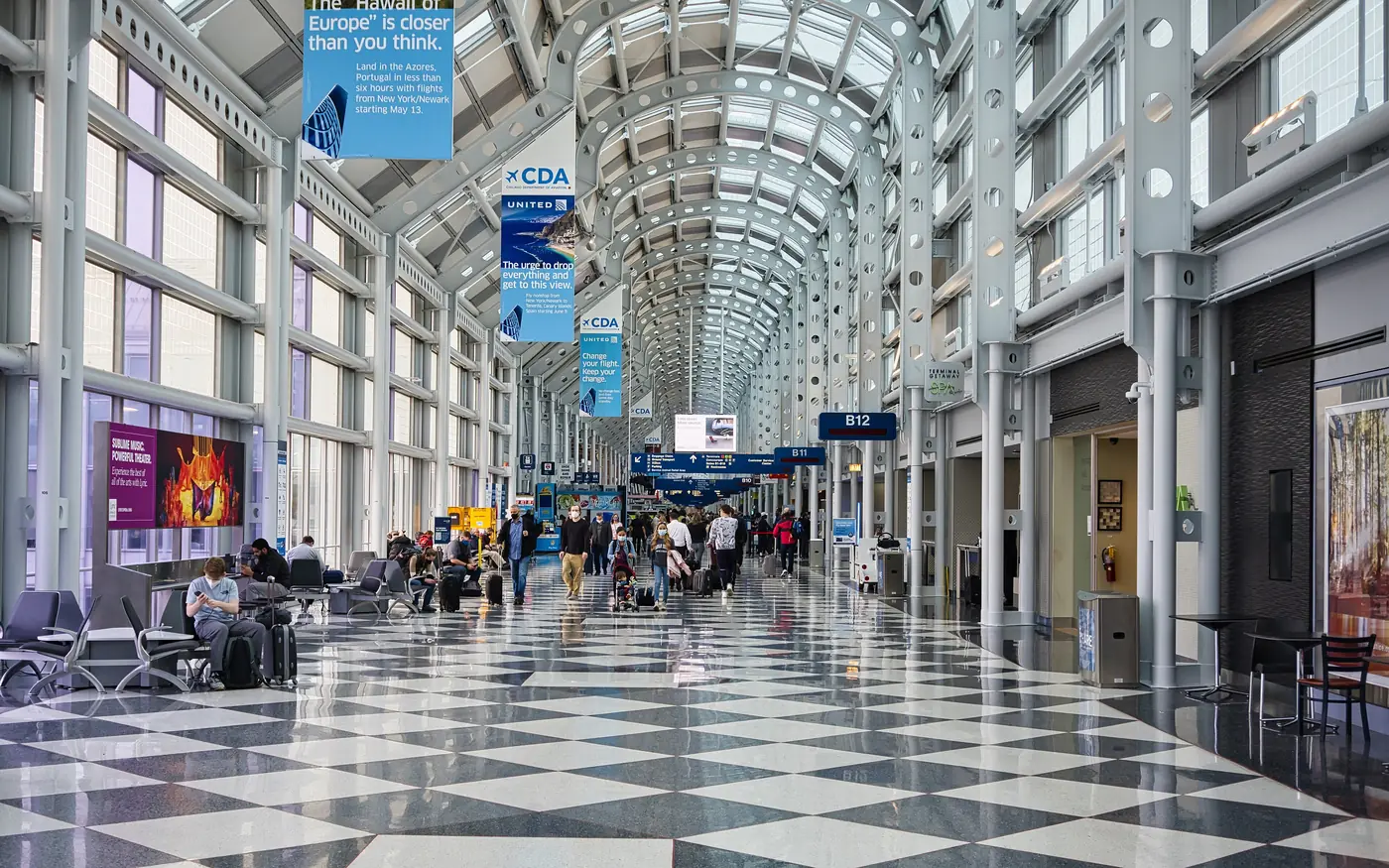
The locals’ habit is not a secret shortcut through security. It’s leaving earlier than the O’Hare in your memory.
Construction has already moved a transfer-bus stop. Some checkpoints close in the evening.
Parking shuttles and the ATS are reliable, and they still take real minutes. The Blue Line is 24 hours, and it is still only as fast as the train you’re actually on.
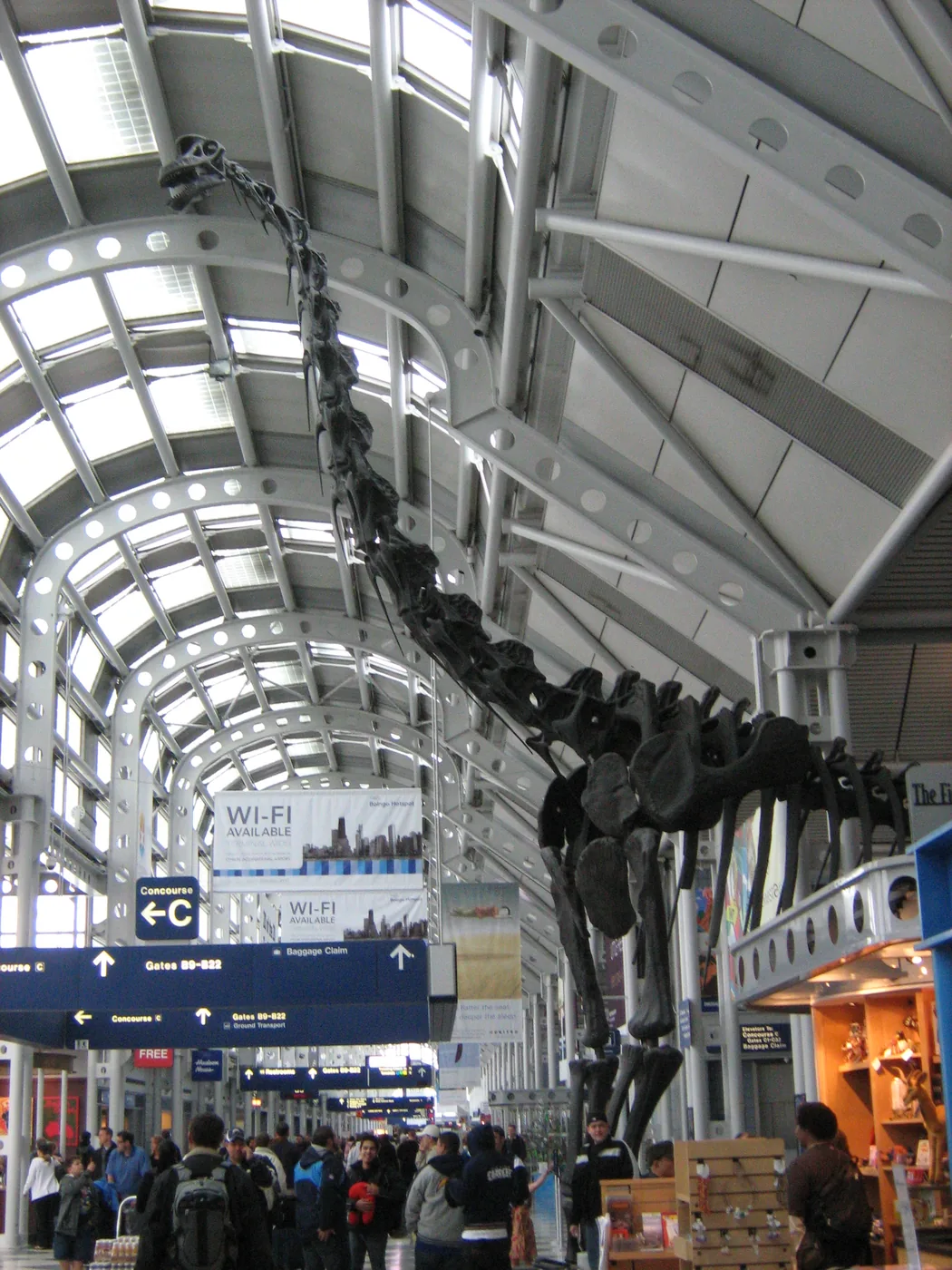
Did you know? Flying United? Terminal 1’s Concourse B has a four-story Brachiosaurus skeleton, a cast from the Field Museum that has stood there for more than a quarter-century. United has dressed her in Chicago team jerseys, including a Blackhawks one for the team’s 2025–26 centennial season. Leave 10 minutes for the photo; everyone does.
If you’re staying in the city the night before an early flight, that’s often calmer than a 4 a.m. drive — a downtown hotel puts you on the Blue Line.
If you’re coming in on a winter morning, give yourself even more of a cushion; Chicago winter rules apply on the way to the airport too. The Blue Line remains the move that doesn’t care about the Kennedy.
And if you’re the person picking someone up, you’re in the cell phone lot, not at the curb, until the phone rings.
Insider tip: The night before, do three things: check your airline’s terminal, check the official TSA checkpoint hours, and decide in advance whether you’re on the Blue Line, in Lot G, or being dropped at Kiss ’n’ Fly. The people who look calm at O’Hare made those decisions at the kitchen table.
Read next
- How to ride the L like a local (Ventra, passes and the rules nobody tells you)
- Landing in Chicago late at night? Avoid this common mistake
- 18 expensive mistakes tourists make in Chicago
- The best downtown Chicago hotels
- Where locals actually eat late at night
- 20 things that shock first-time visitors to downtown Chicago
Want more Chicago stories like this one? Join the free Hey Chicago newsletter at newsletter.heychicago.us.
Sources:
- City of Chicago, Nov 17 2026: Concourse E groundbreaking, Concourse D late 2028, Global Terminal 2029–2033
- FOX 32, Nov 11 2026: DePaul Chaddick Institute report on O’Hare construction
- Chicago Department of Aviation: Public Transit at O’Hare (Blue Line location and wayfinding, Metra North Central Service, MMF)
- Chicago Transit Authority: fares (O’Hare $5 entry, $2.50 regular ride, $5 1-Day pass)
- Chicago Department of Aviation: Airport Transit System (hours, stations, 10-minute T1-to-MMF trip, 2021/2022 reopening)
- CDA: Main Garage hourly parking rates and 6’6” clearance
- CDA: Main Garage daily parking rates
- CDA: Economy Lots F, G and H (rates, Lot F in the MMF, G/H shuttles)
- CDA: Terminal 5 parking garage and Lot D
- CDA: Drop off and pick up, Kiss ’n’ Fly, cell phone lot, no curbside waiting
- CDA: Taxis, rideshare zone details for Terminals 2 and 3, average downtown taxi fare
- CDA: Connecting travelers, Terminal Transfer Bus stops including the construction move to T1 Gate C18B
- CDA: TSA information, checkpoint hours, PreCheck, ConfirmID effective 1 Feb 2026
- CDA: Multi-Modal Facility
 10 Rookie Mistakes Everyone Makes When Visiting Chicago (And What To Do Instead)
 A Seattle Transplant Posted an Honest Review of Chicago. They did not Hold Back.
 Planning a Trip to Chicago in 2026? You Need to Know About the New Hotel Tax.
 Everyone is Raving About This Pop-Up Museum in Chicago – Go See It Before It Shuts Down in April 2026
 We Asked Our Community For The Sexiest, Most Romantic Hotels In Chicago – The Winners Were Clear!
 This Budget Chicago Cafe Is President Obama’s Favorite Breakfast Spot In The World!
JM
AK