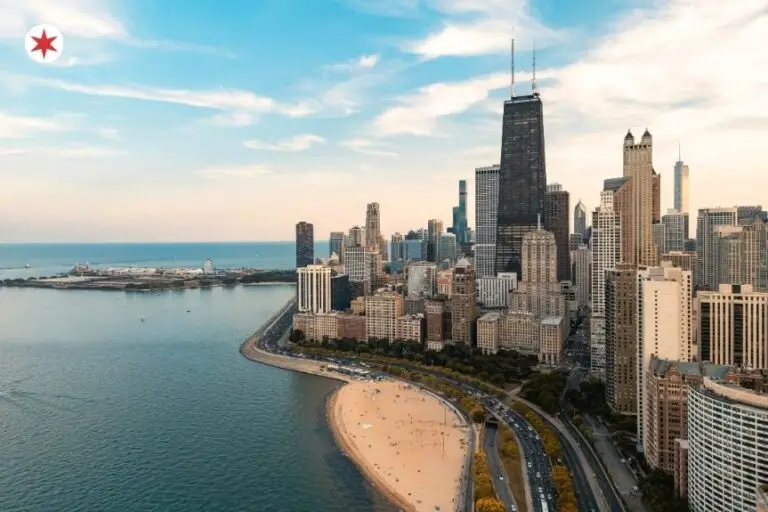
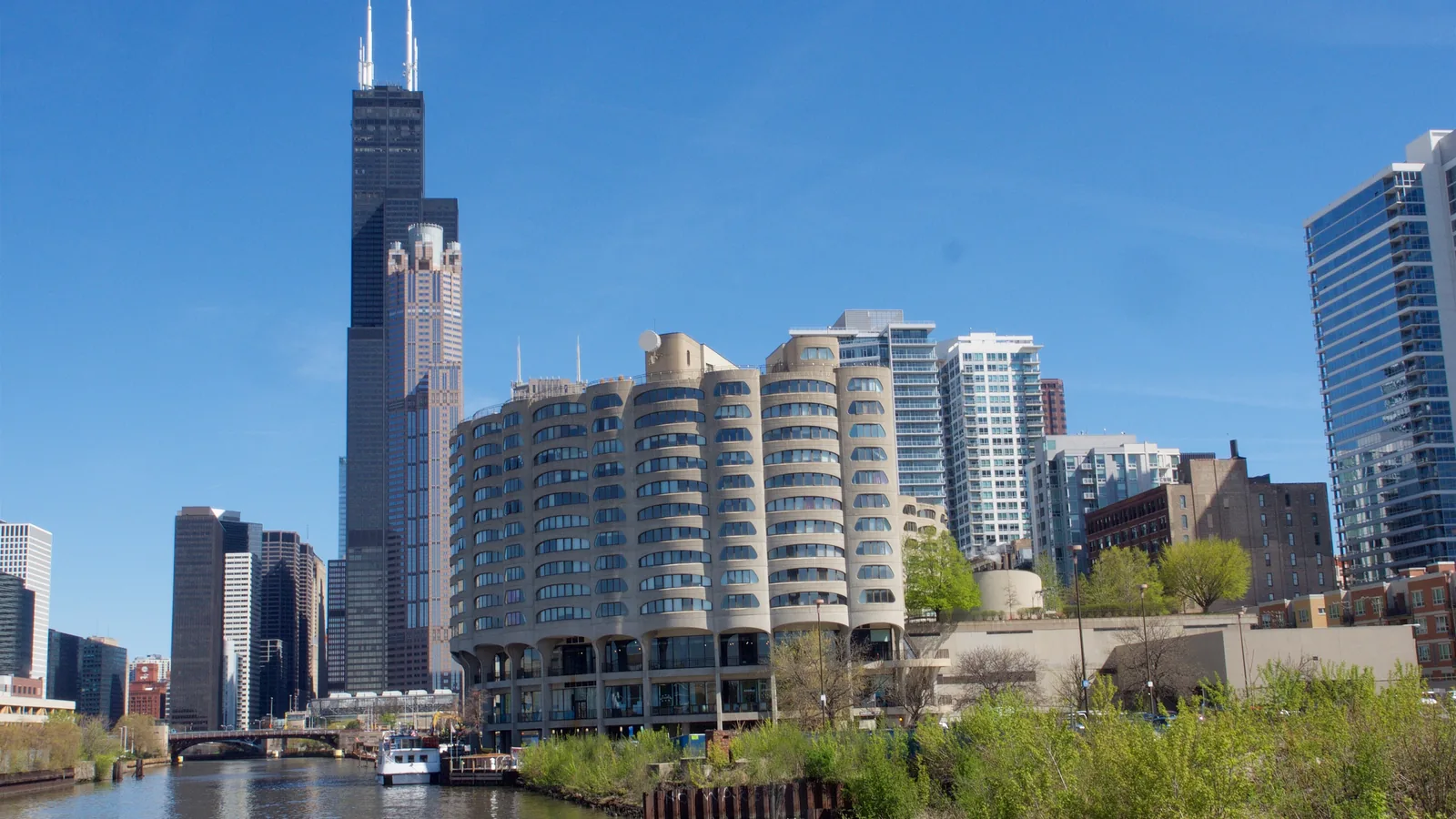
The Sears Tower hasn’t been the Sears Tower since July 16, 2009. Seventeen years later, ask a Chicagoan for directions and see what they call it.
This city will let a company put a new name on a building. It will not agree to use it.
Here are 11 places where the official name lost to the one locals actually say, from a ballpark with four official names to a sculpture whose own artist eventually gave in. We’ll get to him at No. 8.
We already touched a few of these in our guide to things you only learn by growing up in Chicago, and once, slightly unfairly, in a piece about Chicago food crimes. This time we’re going building by building.
We start with the one that still causes the most trouble at the ticket window.
1. The Sears Tower (Renamed in 2009. Nobody Got the Memo)
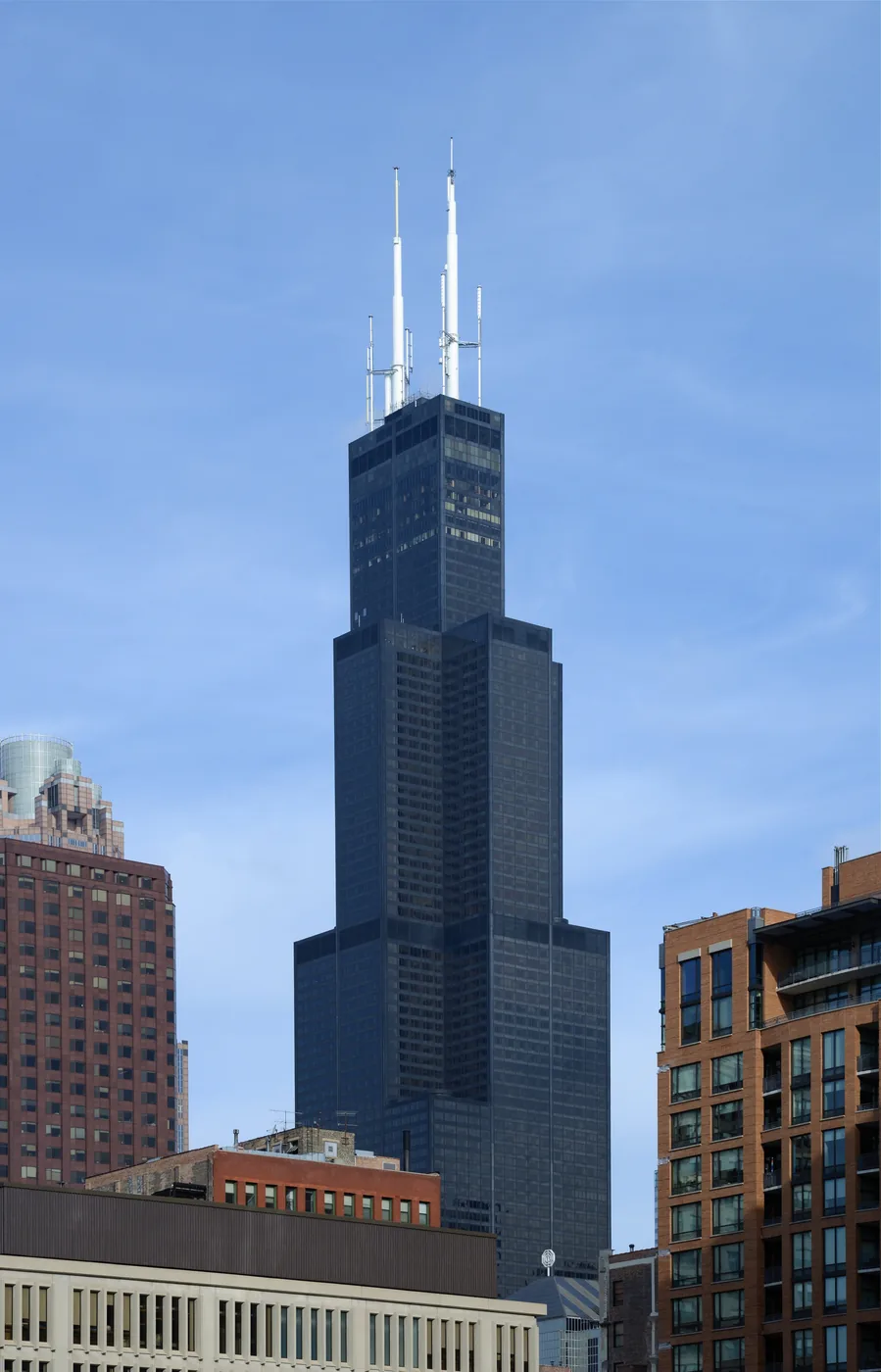
The official name, since 2009, is Willis Tower.
That is what it says on the door at 233 S. Wacker Drive, and that is what the London insurance broker Willis Group secured in 2009, when it leased about 140,000 square feet on three floors and got naming rights in the deal.
The Chicago Architecture Center, to its credit, still lists the building as “Willis Tower (Sears Tower),” which is as close as a formal database will come to admitting defeat.
Sears, then the world’s largest retailer, hired Skidmore, Owings & Merrill to consolidate its Chicago staff in one tower.
Architect Bruce Graham and engineer Fazlur Khan used a bundled-tube design — nine square tubes tied together, stepping down as they rise — and produced a 110-story black shaft that became the tallest building in the world in the 1970s.
We have more on Khan in the visionaries who actually built Chicago. The company left decades ago.
The name did not.
If you want to go up, the attraction is called Skydeck Chicago. Buy tickets on the official site and don’t argue with the cashier.
Argue, if you must, on the sidewalk afterward. For a view that doesn’t require a ticket, keep our guide to the best free views in Chicago open.
Did you know? In 1970, Sears chairman Gordon Metcalf explained the plan simply: “Being the largest retailer in the world, we thought we should have the largest headquarters in the world.” The tower held the world height record for nearly 25 years.
Insider tip: Walk the Wacker Drive side and look for the way the tubes actually step back as the building rises. That’s Khan’s design, and it’s clearer from the sidewalk than from a postcard. If a visitor says “Willis,” you can let it go once.
Twice is showing off.
Good to know: the official name vs. what locals say
- Willis Tower (233 S. Wacker Dr.) = the Sears Tower
- Macy’s on State Street (111 N. State St.) = Marshall Field’s, or just Field’s
- 875 North Michigan Avenue = the Hancock, or Big John
- Rate Field (333 W. 35th St.) = Comiskey, or the Cell to a certain generation
- Aon Center (200 E. Randolph St.) = the Standard Oil Building, or Big Stan
- 330 North Wabash / AMA Plaza = the IBM Building
- Millennium Station = Randolph Street, or just Randolph
- Cloud Gate (Millennium Park, open 6 a.m. to 11 p.m.) = the Bean
- Bally’s temporary casino (600 N. Wabash Ave.) = the Medinah Temple
- Allstate Arena (Rosemont) = the Horizon
- Credit Union 1 Arena (525 S. Racine Ave.) = the UIC Pavilion
The same rule applies a few blocks east, in a department store that has not officially been itself for 20 years.
2. Marshall Field’s (Macy’s Since 2006, Field’s Forever)
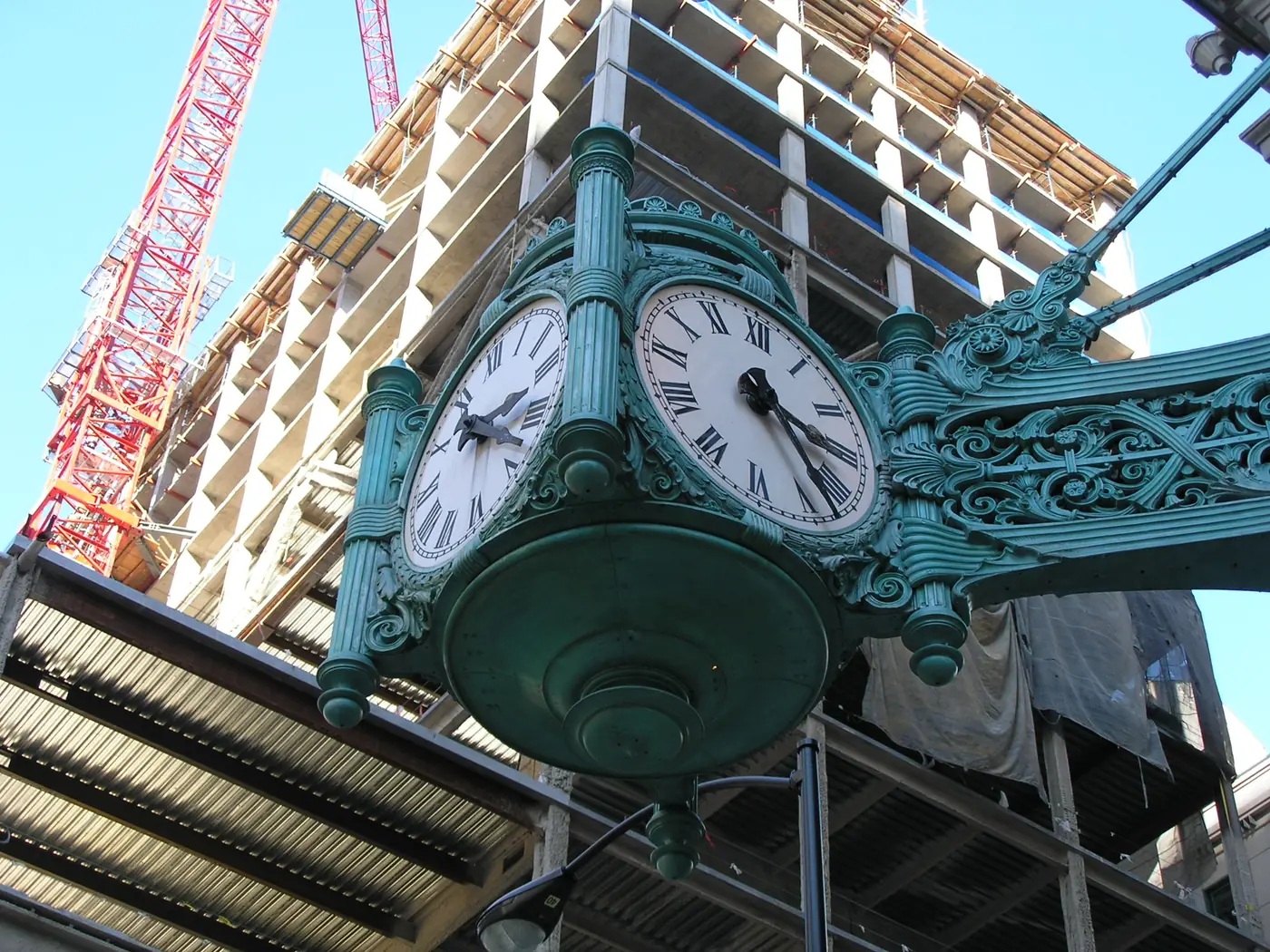
In 2006, the State Street store became Macy’s. The landmark itself is still the Marshall Field and Company Building.
Ask for directions, though, and a lot of Chicagoans will still tell you to meet them at Field’s, usually under the clock at State and Washington.
That isn’t just stubbornness about a logo. For more than a century the store was a civic habit — the clocks, the Walnut Room, the Christmas windows, the Frango mints.
When the name changed, it felt like someone had relabeled the living room. The clocks are still the best downtown meeting point that doesn’t involve a phone.
For the sweet side of that habit, see our guide to famous Chicago desserts.
The Walnut Room is the part that never changed. It opened in 1907 on the seventh floor, the first full-service restaurant in a department store, and it still serves Mrs. Hering’s chicken pot pie from a 136-year-old recipe.
This season, the Great Tree stands in the Walnut Room from November 7, 2026, through January 17, 2027. Reservations are required, so book ahead.
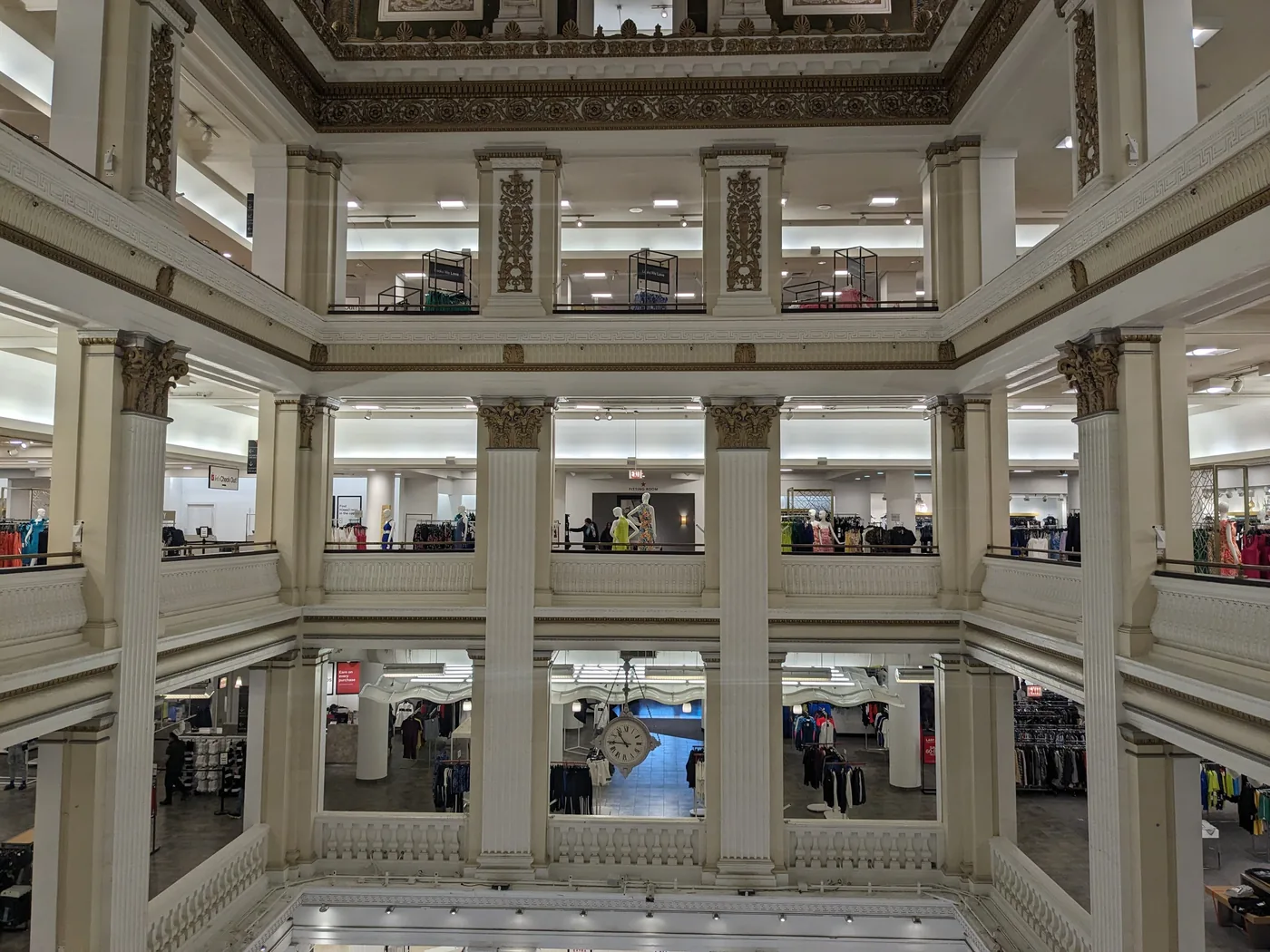
Did you know? The first Field’s clock went up at State and Washington in 1897. Norman Rockwell painted a man winding one for a Saturday Evening Post cover in 1945.
If what you miss is the old store itself, not only the name, we already collected those stories in what Chicagoans miss most about the old city.
This is the simpler point: the building kept the Field name in the landmark designation, and a lot of people kept it in conversation too.
Insider tip: If you’re taking someone to the Walnut Room, go up through the store rather than hunting for a mall-style shortcut. The point is the building. And if you want a Frango tin, buy it in this store, not at the airport.
A few blocks north, another giant lost its official name and somehow became even more itself.
3. The Hancock (The Name Came Off in 2018. “Big John” Stayed)
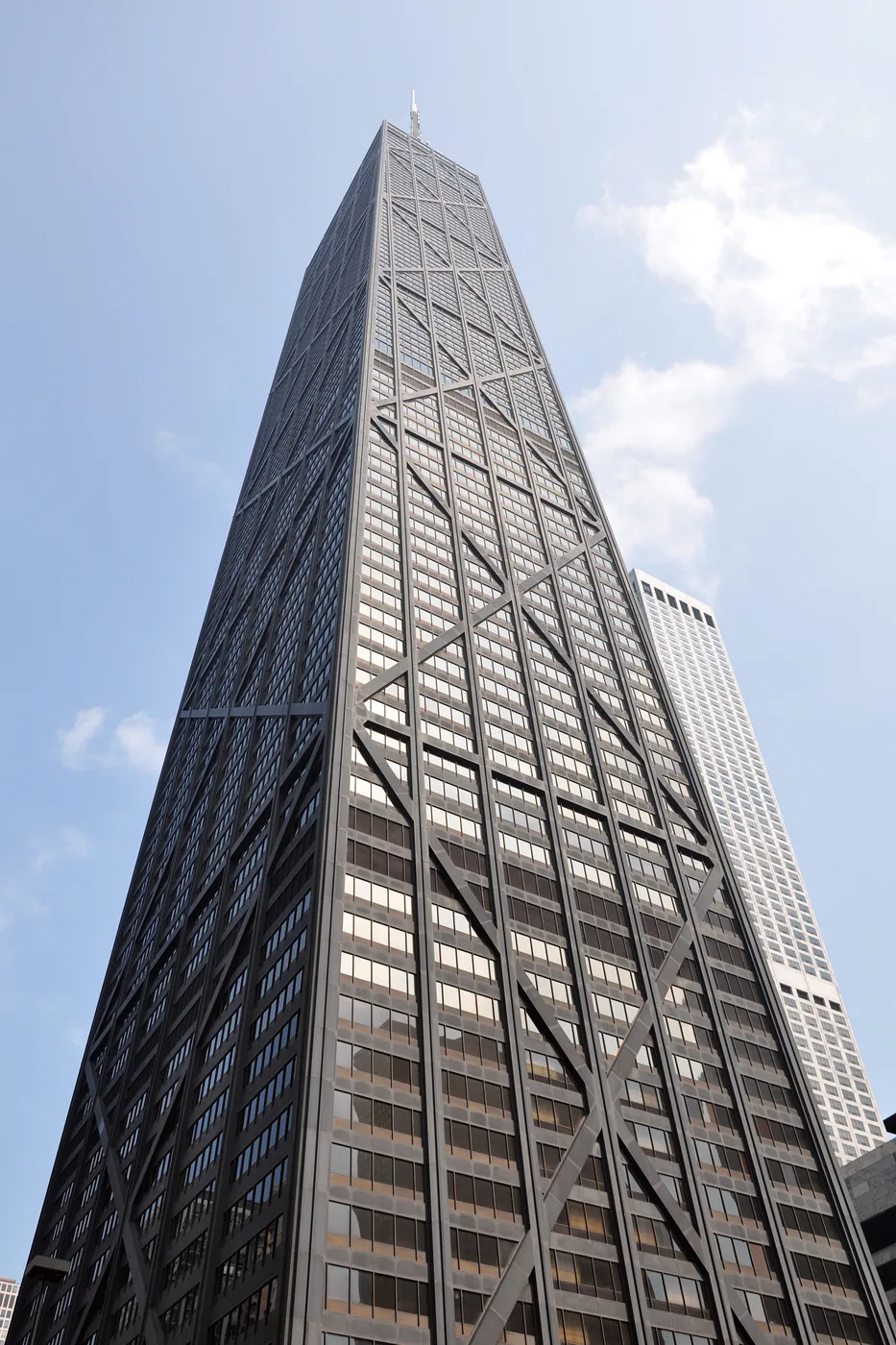
The official name, since 2018, is 875 North Michigan Avenue. That is what happened when the John Hancock name and logos came off the building, after the naming rights ended, and no new sponsor took the job.
The Chicago Architecture Center still hedges, listing it as “875 North Michigan Avenue (John Hancock Center).” Locals never needed the parentheses.
They say the Hancock, or Big John.
Skidmore, Owings & Merrill finished the tapered black tower in 1969, with engineer Fazlur Khan’s trussed-tube idea written on the outside in those giant X-braces. The braces aren’t decoration.
They hold the building against the wind and let the floors stay more open inside. At 1,128 feet, with an observatory, a bar and the TILT attraction on the 94th floor, it is still one of the most recognizable shapes on the skyline.
Did you know? There are 1,632 steps from the lobby to the 94th-floor observatory. Once a year people race up them for charity: more than 2,000 climbers did it in February 2026. The elevator takes about 39 seconds.
Insider tip: Stand on the west side of Michigan Avenue and look at how the X-braces actually land at the corners. That’s the whole structural idea, in plain sight. If you only come for the 94th-floor view, you’ll miss the part you can see for nothing.
South of the river, a ballpark has had four official names since 1991. The one people use is older than the building.
4. Comiskey Park (Four Official Names, One Real One)
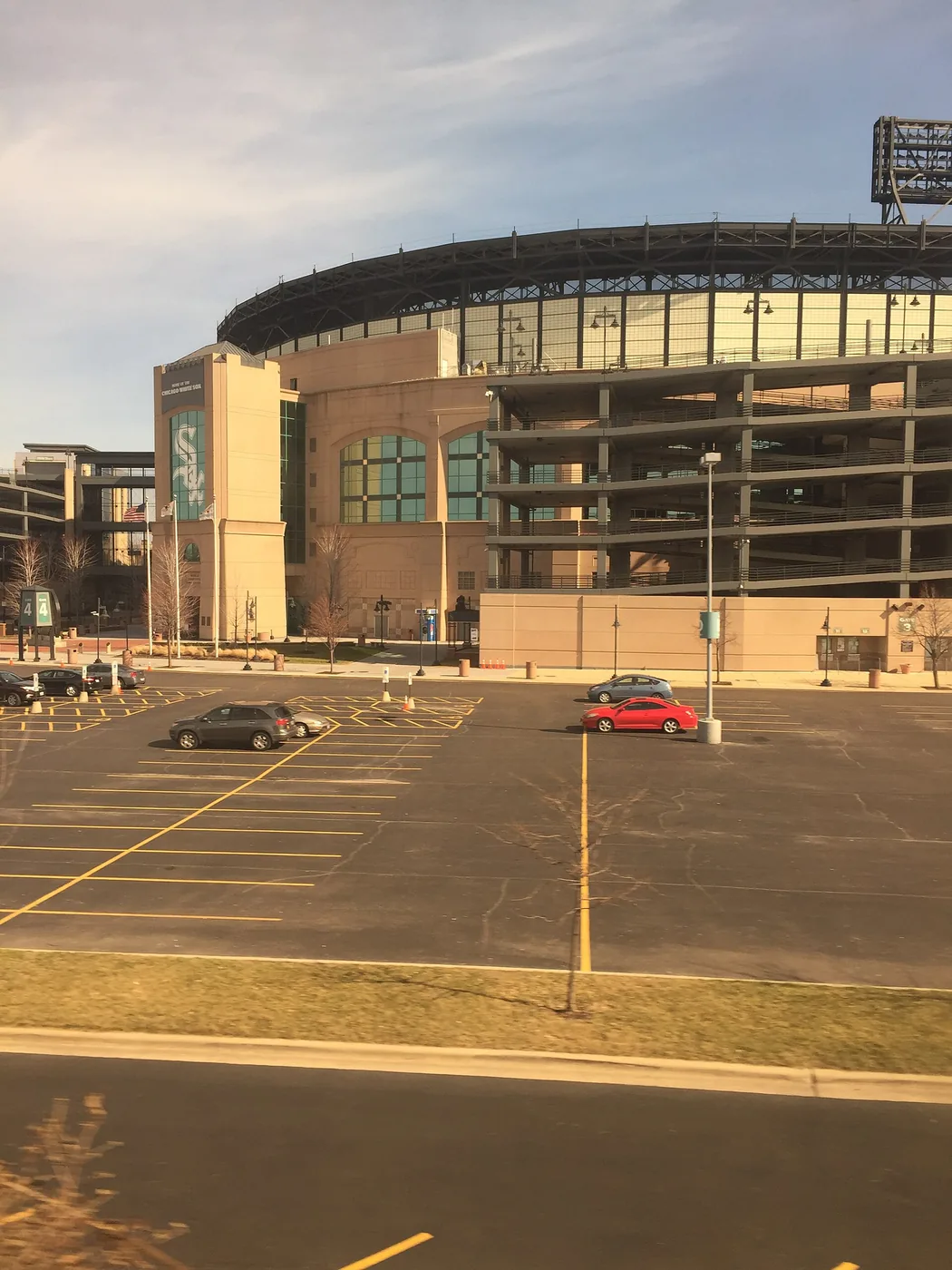
The official name, as of December 2024, is Rate Field. Before that it was Guaranteed Rate Field, starting in November 2016.
Before that, from January 2003, it was U.S. Cellular Field, which is why people of a certain age still say “the Cell.”
Before that, when the new park opened on April 18, 1991, it was Comiskey Park — the new one, built directly across the street from the old one.
The White Sox’s own history page still introduces the current stadium as “New Comiskey Park / U.S. Cellular Field / Guaranteed Rate Field / Rate Field,” which is a lot of official names for a place people never stopped calling Comiskey.
The original Comiskey Park opened on July 1, 1910, as White Sox Park and “soon became known as Comiskey Park,” after the team’s owner, Charles Comiskey. That park closed in 1990.
The name walked across the street.
Insider tip: Take the Red Line to Sox–35th, not a rideshare that dumps you on the wrong side of the Dan Ryan. If you’re with someone who only knows Wrigley, walk them to the marker for old Comiskey’s home plate, set into the parking lot just north of the ballpark, then tell them the current one is still Comiskey.
For a Wrigley-specific survival guide, we already wrote how not to ruin a day at Wrigley Field.
Another Loop tower has had almost as many names as the ballpark, and a marble problem to go with them.
5. The Standard Oil Building (The Tower That Lost Its Marble Skin)
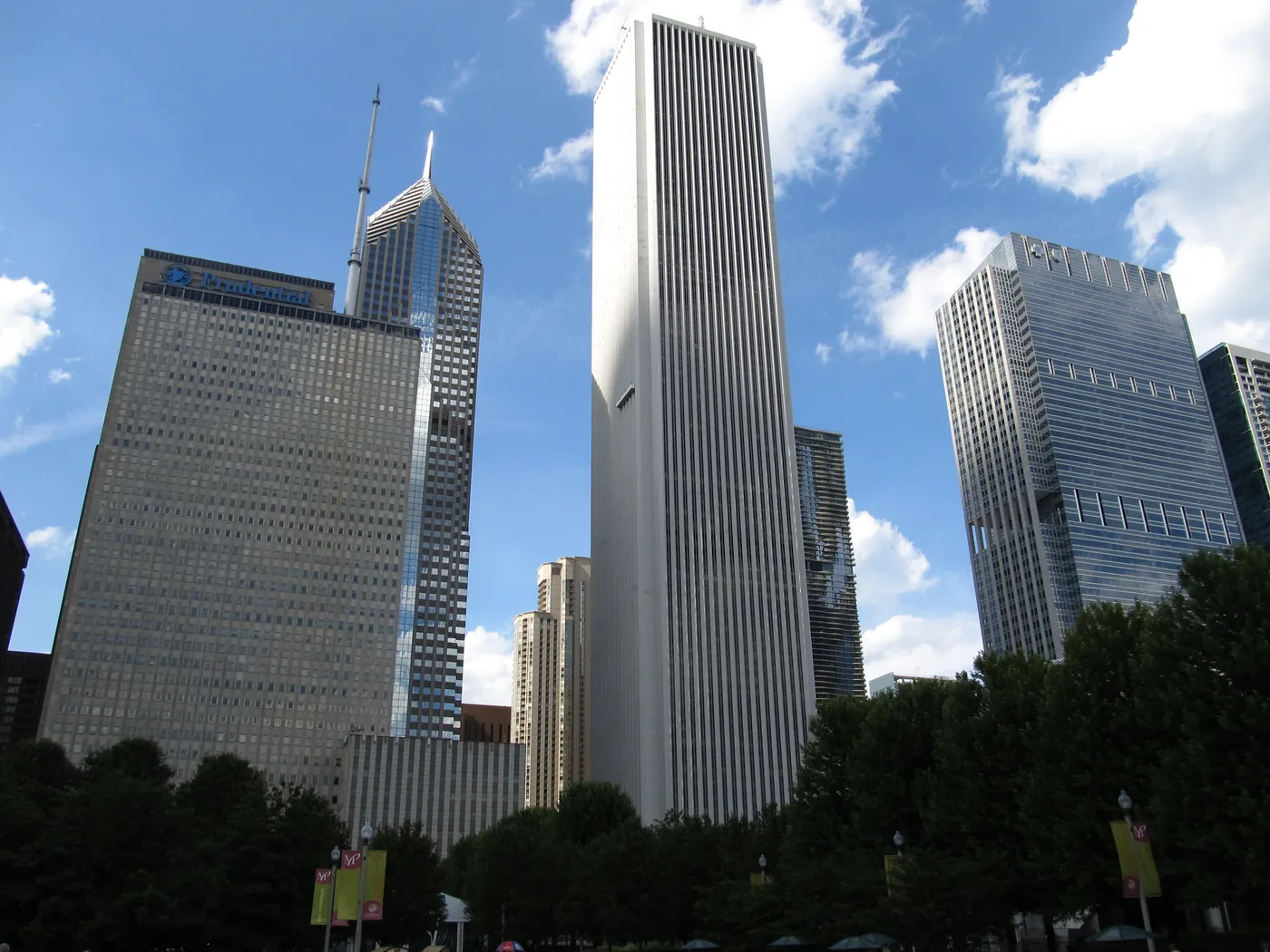
The official name is Aon Center, at 200 E. Randolph Street. When the tower opened in 1973, it was the Standard Oil Building, and people called it Big Stan.
Standard Oil became Amoco in 1985, and the building’s name followed. In the late 1990s, after the building was sold, it became the Aon Center, after a major tenant.
The nickname that really stuck, at least with older Chicagoans, is still Standard Oil, or Stan. The building’s most Chicago story may be its skin.
It was originally clad in white Carrara marble, the kind sculptors used. Chicago weather cracked it.
In the early 1990s the whole tower was resurfaced in granite, at enormous cost. The name kept changing.
 JM
AK
The pale, ribbed silhouette did not.
Did you know? Some of the cracked Carrara marble got a second life: the Chicago Architecture Center says it was recycled into staff award trophies and landscaping at an Amoco refinery in Whiting, Indiana. The reskin may have cost as much as half the original building.
Insider tip: The best angle is from Grant Park or the south edge of Millennium Park, where you can see how slender the tower is compared with the block it sits on. The Architecture Center notes that the building occupies only about a quarter of its lot. That empty pavement is part of why it still reads as a monument.
A black Mies tower on the river has a newer official name too. Good luck hearing anyone on the riverwalk use it.
6. The IBM Building (Mies Built It for a Computer Giant)
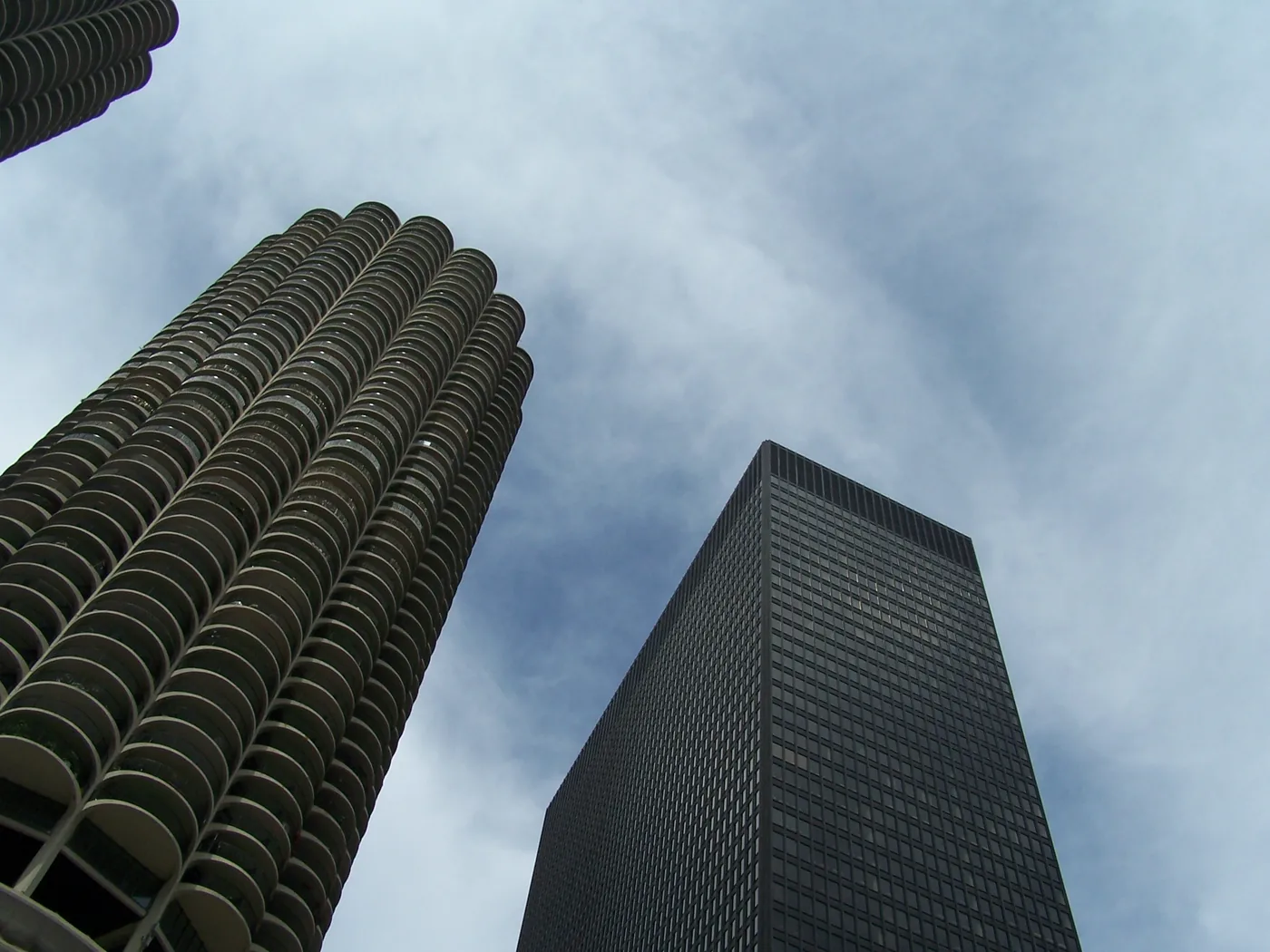
The official names now are 330 North Wabash and AMA Plaza. The American Medical Association moved into the building in 2013 and the plaza name followed.
The Chicago Architecture Center still keeps “IBM Plaza” in parentheses, which is the tell.
Ludwig Mies van der Rohe designed the black, 52-story tower, and it was completed in 1972 — one of his last American buildings.
It was built for IBM, with the kind of extra structural and electrical muscle a computer company wanted in the early 1970s, and it still sits on the river as if it were a dark, perfect ruler stood on end.
The Langham hotel opened in the lower floors in 2013. The name people use, walking along the riverwalk, is still the IBM Building.
Insider tip: Walk the riverwalk on the south side and look back at the grid. That’s Mies, unsoftened. If you only photograph the glass riverwalk cafés, you’ll miss the reason the building still goes by its first tenant’s name.
Our guide to hidden architectural details in Chicago is a good companion for this stretch of the river.
Did you know? IBM sold the building in 1996 and moved out in 2005. The name never left.
Not every stubborn name belongs to a tower. Some of them are underground, on a train announcement.
7. Randolph Street Station (The Platforms Are Still Under Randolph)
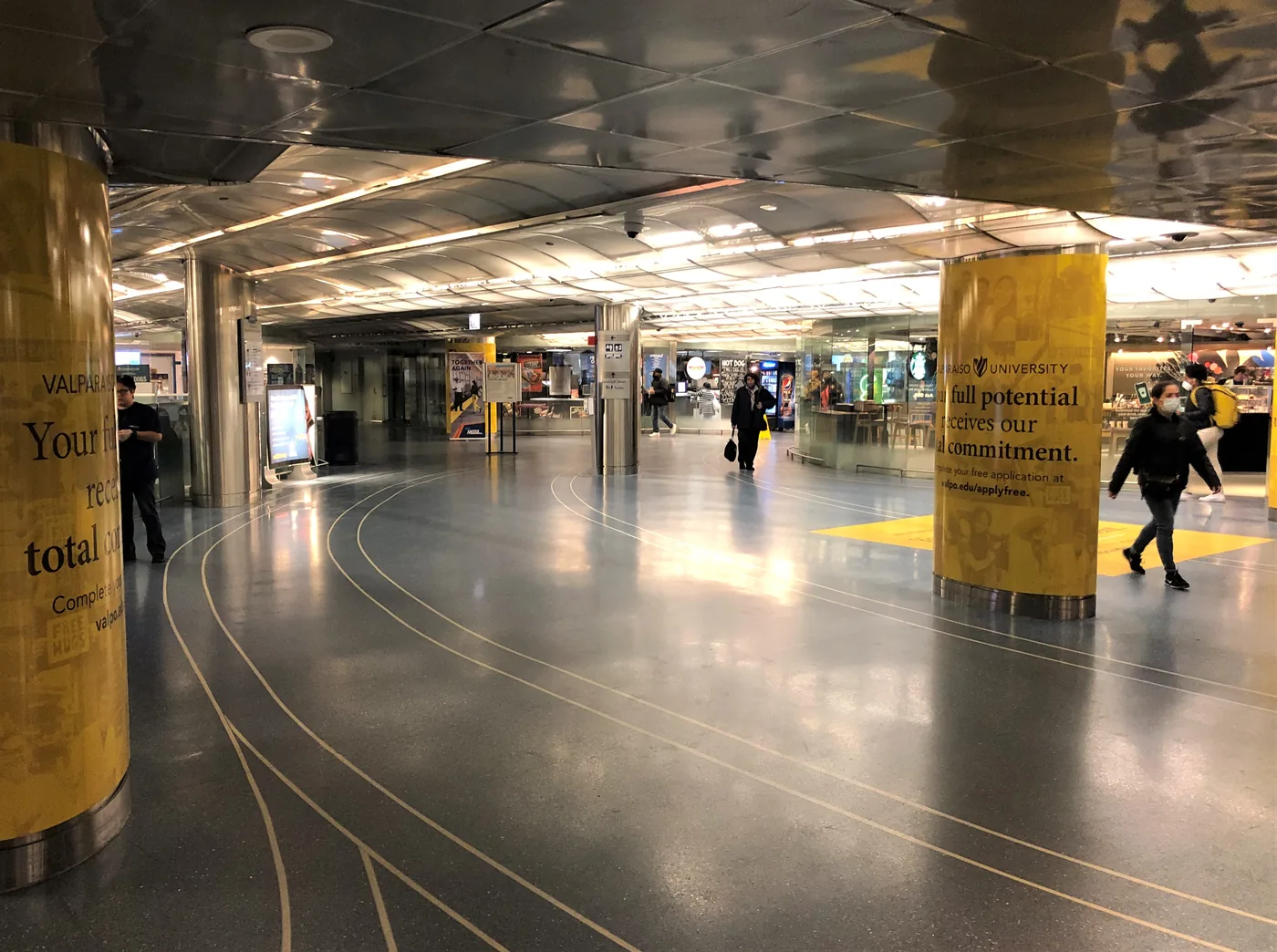
The official name, since 2005, is Millennium Station. That was the year the rebuilt downtown terminal for the Metra Electric and the South Shore Line was finished, and the name was lined up with Millennium Park, just upstairs.
If you ride those trains often, you will still hear people say they’re getting off at Randolph, or meeting you at Randolph Street Station.
It isn’t contrariness so much as geography. The platforms are still under Randolph Street.
The old name described where you actually were. The new name describes the park you pop out into.
Both are useful. Only one sounds like a press event.
Insider tip: If a local says “Randolph,” they mean this station, not the CTA’s old Randolph/Wabash L stop, which closed in 2017 when Washington/Wabash opened. Follow signs for Metra Electric or the South Shore Line. For getting around once you’re above ground, our L train tips cover the rest of the system.
Just upstairs, Chicago did the opposite thing: it gave a sculpture a beautiful official name, then ignored it.
8. The Bean (Even the Artist Gave In)
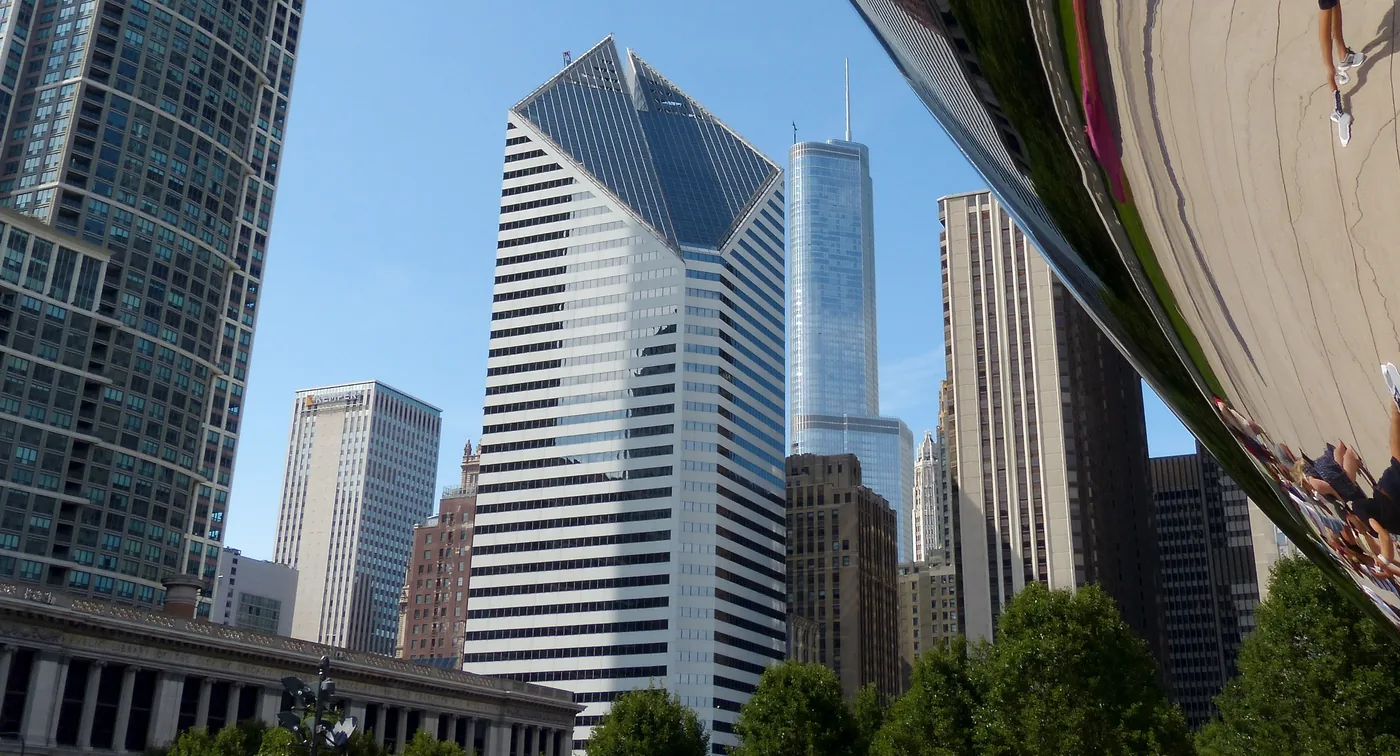
The official name is Cloud Gate. That’s what the sculptor, Anish Kapoor, titled the 110-ton chrome sculpture in Millennium Park, and that’s what the City of Chicago still calls it.
It was dedicated on May 15, 2006, after sitting unfinished behind a tent when the park opened in 2004. The public took one look at the shape and called it the Bean.
The nickname is so complete that even Kapoor has given in.
“It’s great for it to have a colloquial name, its own lingo. I call it ‘The Bean,’ too,” he told the Chicago Sun-Times in 2017.
Official names have won less graceful battles than this one. If you want to sound like a visitor, say Cloud Gate.
If you want to be understood, say the Bean.
Did you know? Cloud Gate is 66 feet long, 33 feet high and weighs 110 tons. Kapoor’s inspiration, the city says, was liquid mercury.
Insider tip: Go early, on a weekday morning, if you want the surface without a hundred phones in the reflection. Stand underneath, in the omphalos, and look up — that’s the view a lot of people miss because they’re busy taking the skyline shot from 20 feet away.
The park’s other pieces, and the way to get here, sit nicely next to our local 3-day Chicago itinerary.
A few blocks north, a building has kept its original name through a temple, a department store and, for now, a temporary casino.
9. The Medinah Temple (Shriners, Bloomingdale’s, Then a Casino)
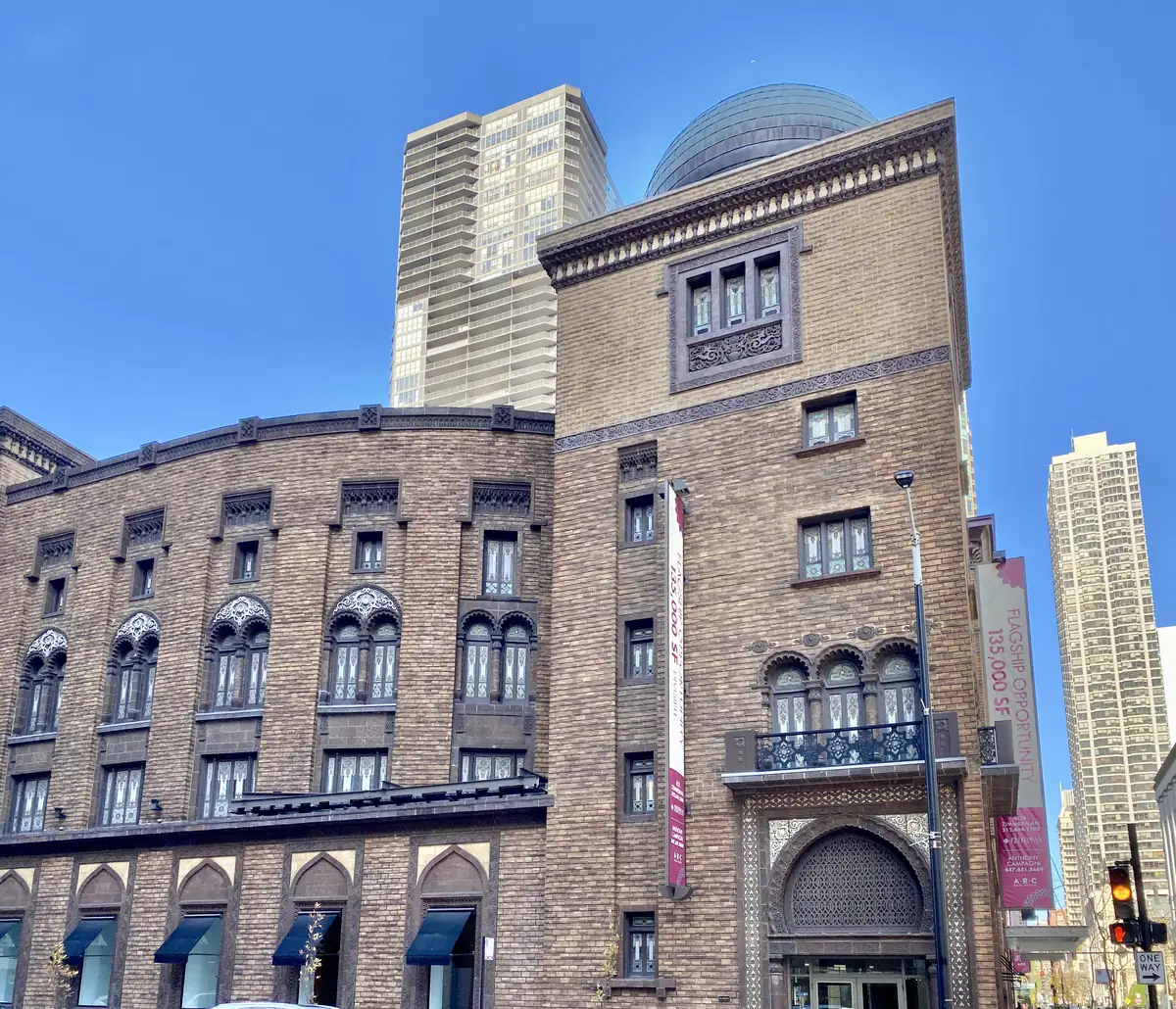
The official building, completed in 1912, is the Medinah Temple, the old auditorium of the Shriners at 600 N. Wabash Avenue. That is still what people call it, even though the Shriners moved out long ago.
Bloomingdale’s ran a home store in the landmark from 2003 to 2020. In September 2023, Bally’s Chicago opened its temporary casino inside.
It is due to move out when its permanent River West casino opens, currently targeted for spring 2027.
Tenants come and go. The onion domes stay: the two copper domes, about 10,000 pounds each, were rebuilt and put back during a 2000 restoration.
Chicago has a habit of keeping the first memorable name for a building, especially when the later ones sound like a lease. You don’t have to go inside to see why this one stuck.
The street-facing temple is the whole point.
Insider tip: Stand across Wabash, on the east side, and look up at the domes and the arched windows. That’s the 1912 building, not the business currently renting it. If you’re already in River North for galleries, this is the historic oddball on the eastern edge of the district.
One more name lives just over the city line, in Rosemont, and Chicagoans of a certain age will fight you for it in a ticket line.
10. The Horizon (Allstate Bought the Name, Not the Habit)
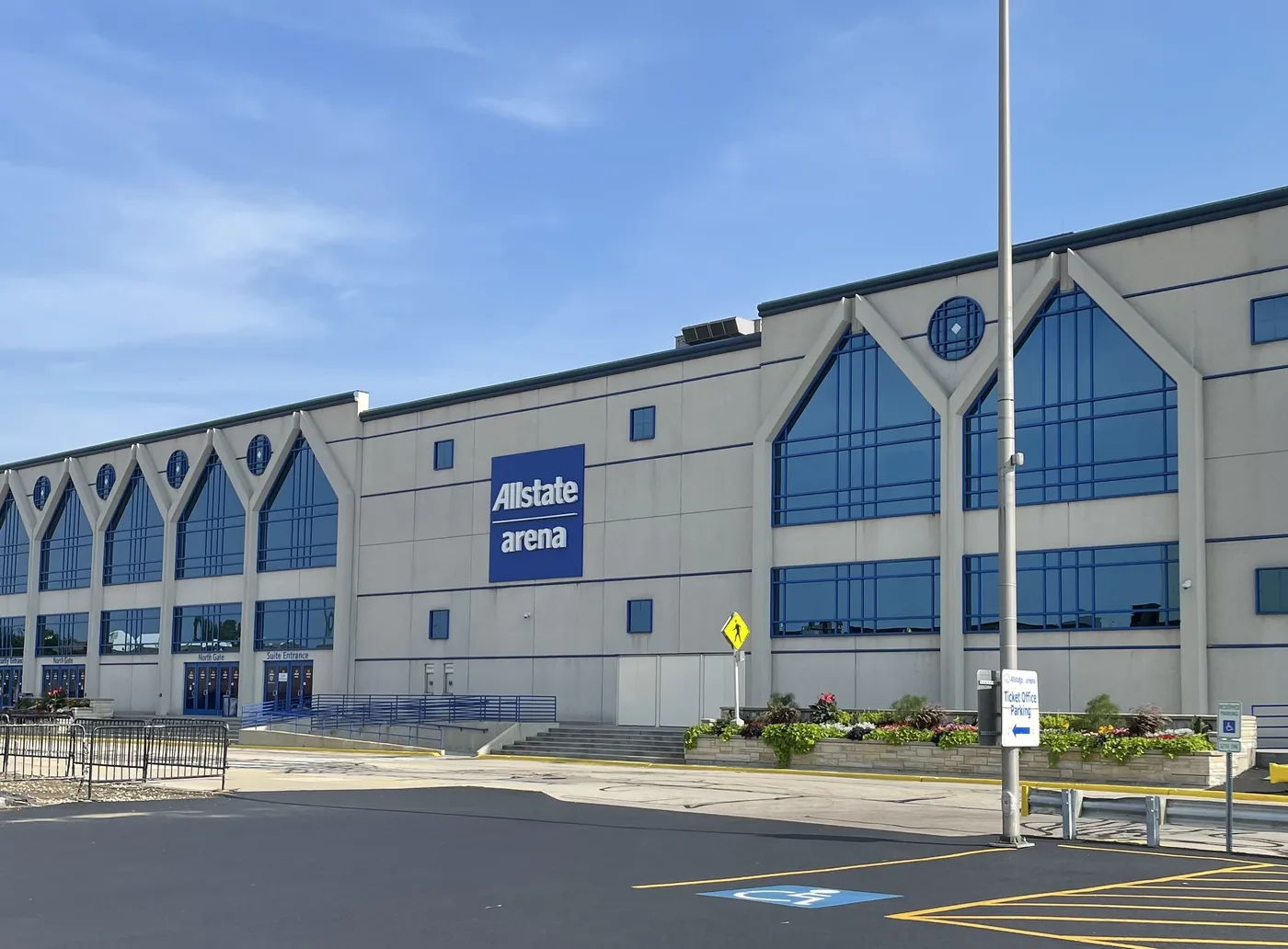
The official name, since 1999, is Allstate Arena, at 6920 N. Mannheim Road in Rosemont. Before that it was the Rosemont Horizon, the big suburban arena that opened in 1980 and became a default room for concerts, college basketball and the occasional circus.
Allstate bought the naming rights in 1999. The signs changed.
A lot of ticket-buyers did not.
You will still hear people say they’re going to the Horizon, the way they still say Comiskey. It isn’t in the city, but it is part of the Chicago habit: a name that worked is expensive to replace, even when the arena roof says otherwise.
Insider tip: If someone older than the naming-rights deal gives you a ride, they may say “Horizon” and they may also know the parking tricks better than the app does. Follow the official event parking signs anyway. Leaving right at the last encore is how you sit in Mannheim Road traffic for half an hour.
A last one, south of the Eisenhower, proves the habit isn’t only for landmarks on postcards.
11. The UIC Pavilion (Tell the Driver Both Names)
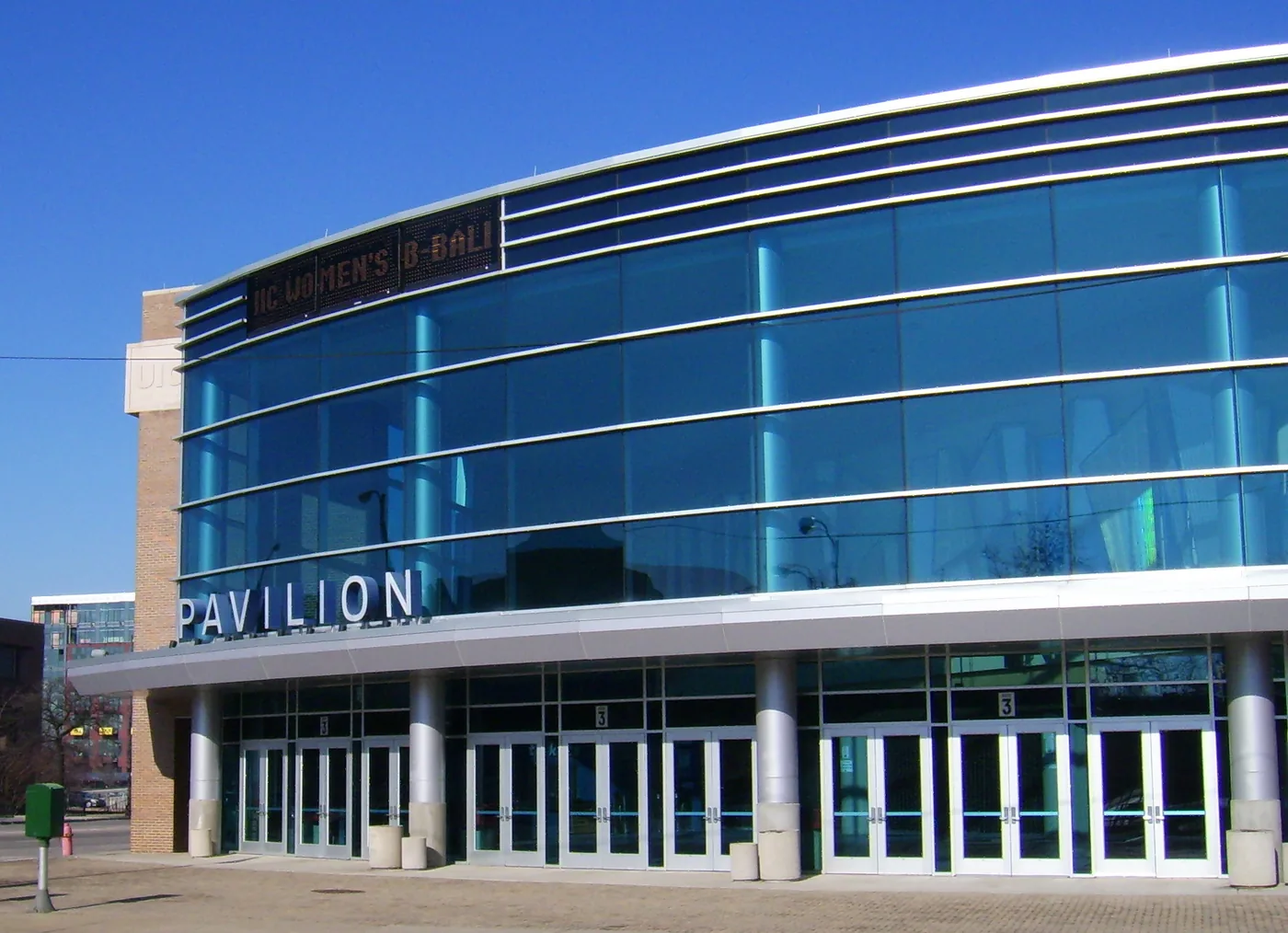
The official name, since 2018, is Credit Union 1 Arena. The building opened in 1982 as the UIC Pavilion, the campus arena on the Near West Side, and that is still what a lot of students, alumni and concertgoers say when they’re trying to find the door.
Sponsors have every right to put their names on arenas. Chicago has every right to keep walking toward “the Pavilion.”
If you say Credit Union 1 Arena to a cab driver who went to UIC in the 1990s, add the old name anyway. You’ll get there faster.
Insider tip: The Blue Line’s Racine stop, a short walk north of the arena, is less miserable than circling for campus parking on a show night. If your ticket says Credit Union 1 Arena and your friend says Pavilion, you’re going to the same place.
None of this is a debate that needs settling. The official names are on the signs, and they are not going anywhere.
The older ones are in people’s mouths, and those aren’t going anywhere either.
And if a visitor slips and says Willis Tower, be kind. Then point up and tell them the real name.
Read next
- 18 things you only learn by growing up in Chicago
- Chicago street names locals say wrong (and how to say them right)
- 16 hidden architectural details Chicago locals walk past every day
- 15 facts about Chicago that sound made up
- What Chicagoans miss most about the old city
Want more Chicago stories like this one? Join the free Hey Chicago newsletter at newsletter.heychicago.us.
Sources:
- Chicago Architecture Center: Willis Tower (Sears Tower)
- NPR: Sears Tower Changes Name to Willis Tower (16 July 2009)
- Chicago Architecture Center: 875 North Michigan Avenue (John Hancock Center)
- Crain’s Chicago Business: John Hancock Center loses its name (13 Feb 2018)
- Chicago White Sox: Rate Field History & Dimensions
- Chicago Architecture Center: Aon Center
- Chicago Architecture Center: 330 North Wabash / AMA Plaza (IBM Plaza)
- City of Chicago: Millennium Park — Plan Your Visit (hours)
- City of Chicago: Cloud Gate in Millennium Park
- WBEZ: ‘The Bean’ Dedicated Today (15 May 2006)
- Chicago Sun-Times: Anish Kapoor, ‘I call it “The Bean,” too’ (13 Oct 2017)
- Macy’s Restaurants: The Marshall Field’s Walnut Room
- HMdb: Comiskey Park Home Plate marker
- Respiratory Health Association: Hustle Chicago stair climb
- CBS Chicago: Bally’s temporary casino at Medinah Temple opens (2023)
- Bally’s Corporation: Third Quarter 2026 results (permanent Chicago casino timing)
- Friedman Properties: Medinah Temple
- Preservation Chicago: Medinah Temple and the planned 2027 tenant change
- Allstate Arena official information
- Sports Business Journal: Allstate naming rights, 1999
- Credit Union 1 Arena official site
- Chicago Sun-Times: UIC Pavilion to be renamed Credit Union 1 Arena (15 Nov 2018)
- UIC Athletics: Credit Union 1 Arena facilities
 12 Normal-Looking Chicago Buildings That Hide a Very Dark History (One of Them Is a Post Office)
 Chicago Bars Where You Can Still Drink Like It’s 1920
 5 Legendary Chicago Restaurants We Lost Forever
 The Gritty Truth Behind Chicago’s Urban Legends
 Chicago’s Most Haunted Places & Dark History
 The Hidden Meanings of Chicago’s 4 Flag Stars
JM
AK