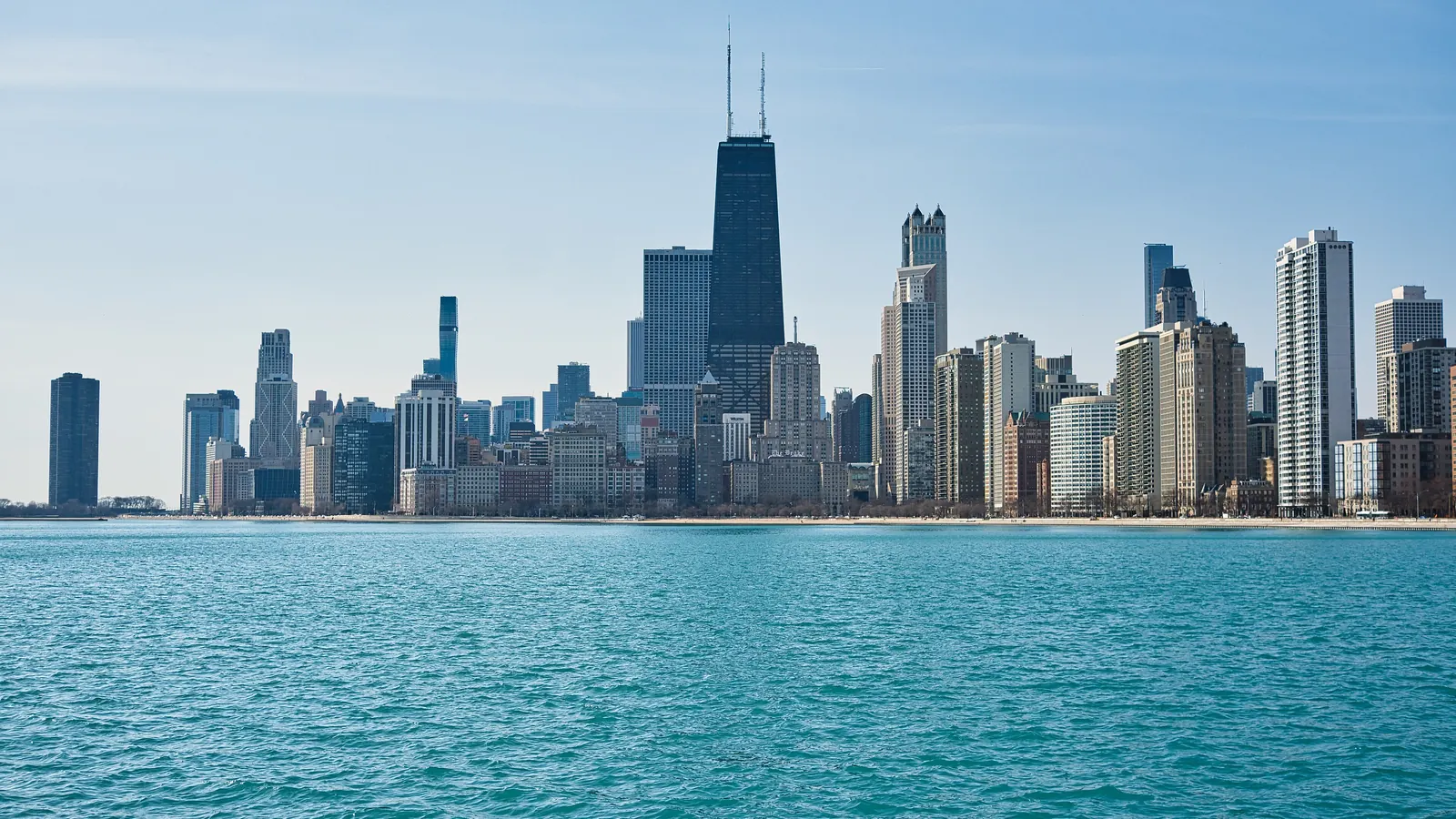
Nobody moves away from Chicago and misses the potholes.
They miss a lake big enough to have waves. A street grid you can do in your head. A beef so wet it needs two hands and a lean. And a city where a stranger will be short with you at the register and then help you push your car out of a snowbank.
Here’s the good news for anyone who left: every one of these is still here. We checked. The hot dog stand from 1948 still has the giant hot dogs on the roof. The 1946 pizza counter still won’t deliver and still takes only cash.
We already asked Chicagoans what they miss most about the old city, the Chicago that’s gone. This is the one that’s waiting for you. One of these 12 has an official city rule written because of a blizzard; you’ll find it at #8.
1. The Lake at the End of the Street
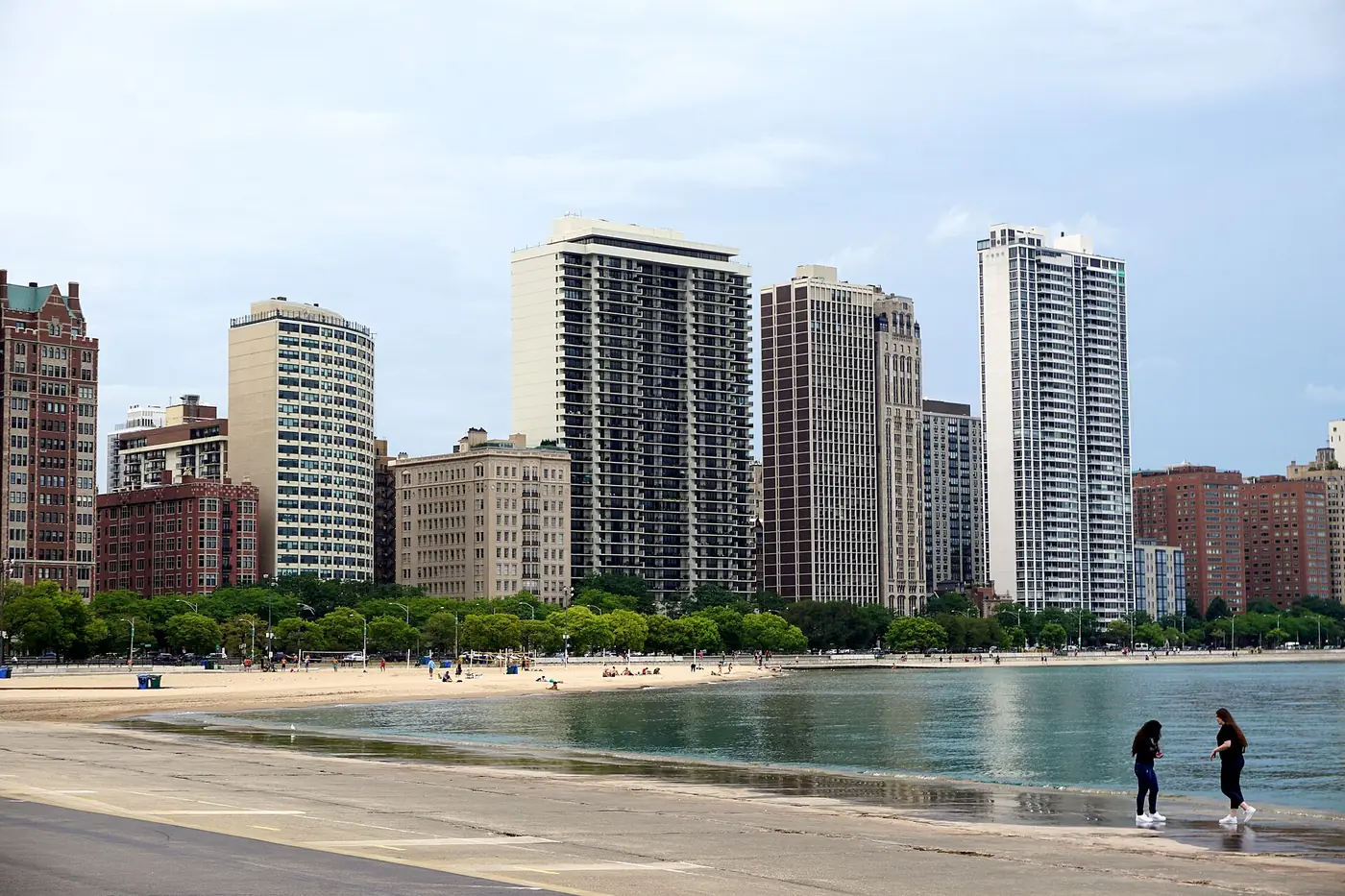
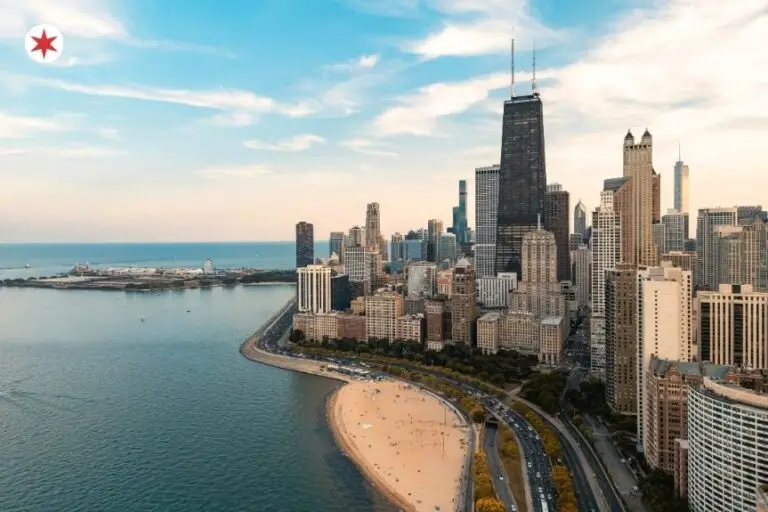
Other cities have a river, a harbor, or a waterfront district with a parking structure. Chicago has a freshwater sea, and you can walk to it from a lot of the city.
What people miss is not Navy Pier. It’s the ordinary Tuesday version: walking east until the buildings stop, feeling the temperature drop ten degrees, and watching the water change colour for twenty minutes before going home.
Ex-Chicagoans in landlocked cities say the same thing. The horizon is missing. There’s nothing at the end of the street.
Did you know? The lakefront is open because of an 1836 note on a map. Canal commissioners marked the land east of Michigan Avenue “Public Ground – A Common to Remain Forever Open, Clear and Free of any Buildings.” Chicagoans have been defending that sentence ever since.
Where to go back to: the Lakefront Trail runs about 18 miles along the shore, with a separate 18.5-mile walking path. Oak Street Beach, North Avenue Beach and 12th Street Beach are the easy returns.
Heads-up for this winter: the Chicago Park District is repairing the trail one section at a time, south to north, so expect the odd closed stretch and a detour sign.
Insider tip: skip the skyline cruise. If you’re staying with family, walk east from their exact block until you hit water. That walk is the thing people mean when they say they miss the lake. If you want to linger afterward, here’s where locals actually hang out.
The second thing people miss is less photogenic. They notice it the first time they try to give directions in a new city.
2. A Grid You Can Do in Your Head
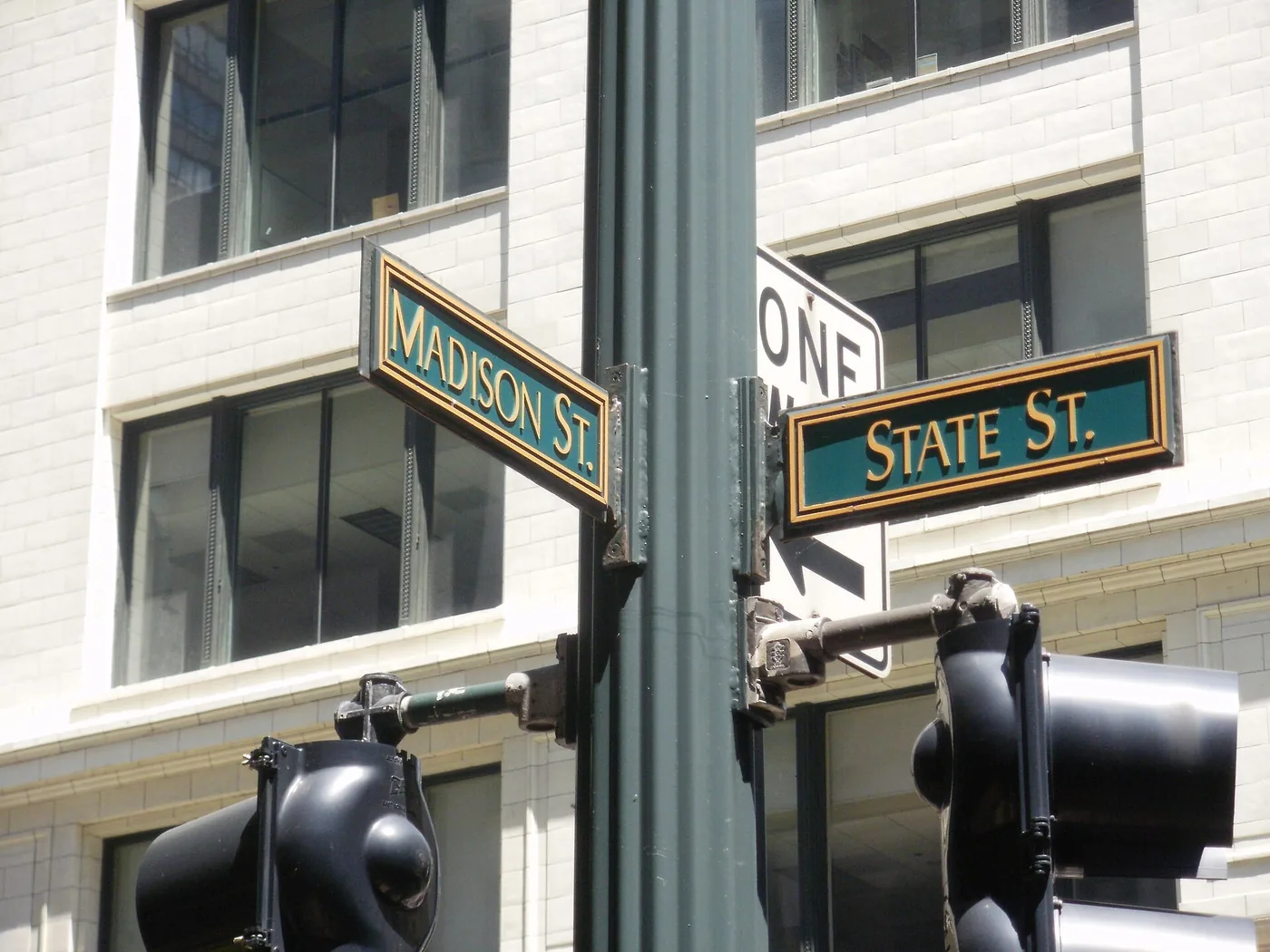
State and Madison is 0 and 0. Eight blocks make a mile, so every 800 in an address is another mile out.
If someone says 2400 North, you know you’re at Fullerton, three miles north of Madison, without touching your phone. 3200 North? Belmont. 1600 West? Ashland.
Ex-Chicagoans miss that more than they expect to. In cities built on cow paths, “meet me at 3200 North and 1600 West” sounds like a military coordinate. Here it’s just being polite.
The system is younger than people think. Until 1909, addresses were chaos, with different starting points on different streets.
Then a Rogers Park man named Edward P. Brennan, a private citizen, wrote to the City Council in 1901 with a plan to count everything from State and Madison. It took the aldermen until 1908 to agree, and the new numbers took effect on Sept. 1, 1909. Brennan also suggested at least 130 new street names.
Did you know? The rule has one sneaky exception. On the South Side, the old numbered streets kept their spacing, so the first three “miles” south of Madison end at 12th, 22nd and 31st Streets. After that, 800 a mile works again: 39th, 47th, 55th, 63rd.
Insider tip: when you come back, put the phone away for one trip and navigate by the numbers on the street signs. It is a small, smug pleasure. For the stories behind the names on those signs, read the Chicago street names visitors say wrong.
The grid tells you where you are. The next thing gets you there at 2 a.m.

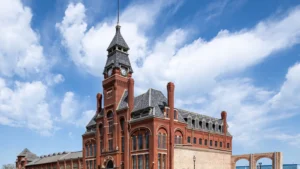
3. The L, at an Hour Other Cities Give Up
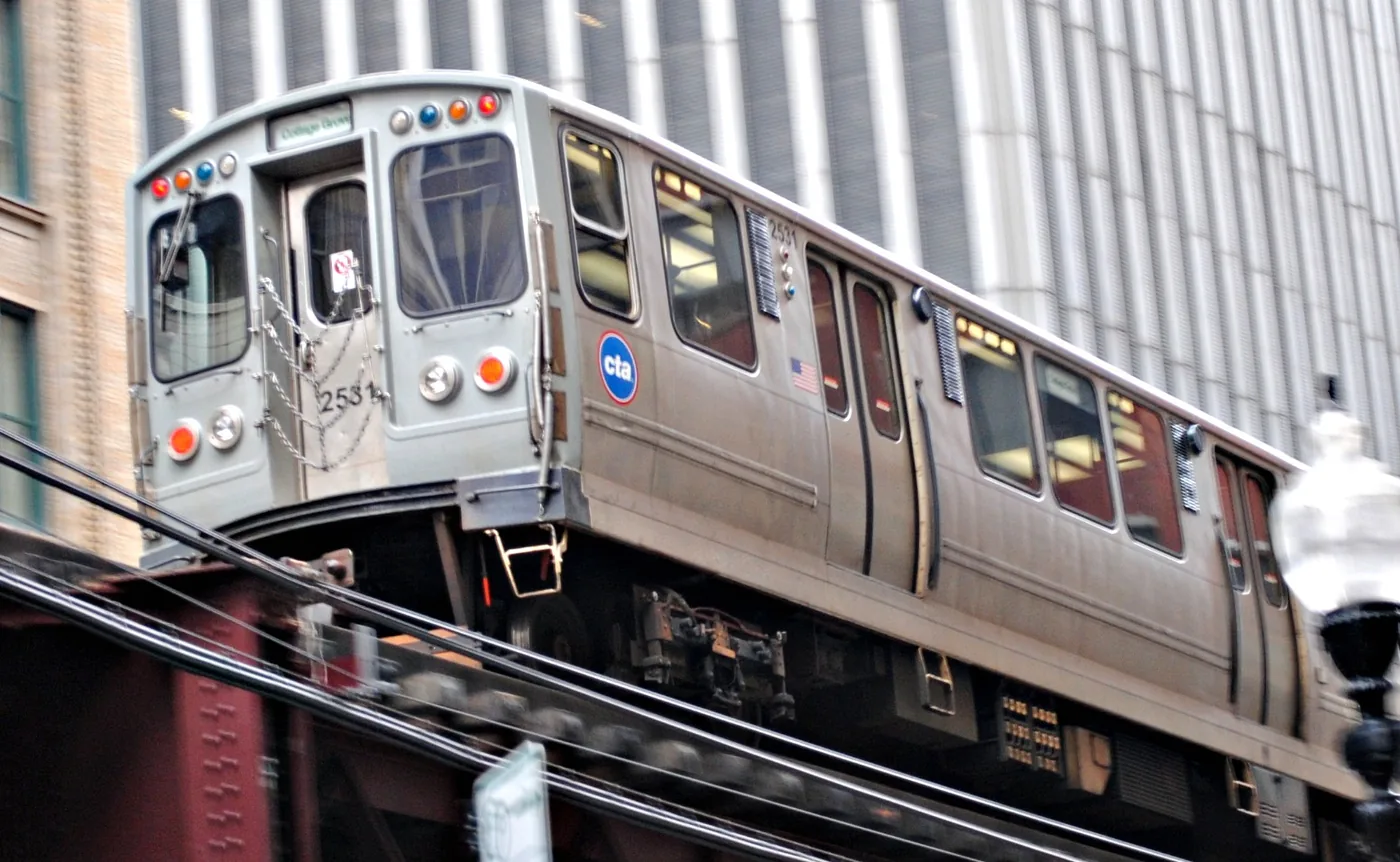
Plenty of cities have trains. Fewer have two lines, the Red and the Blue, that run 24 hours a day.
What people miss is the freedom of not doing the maths. You can leave a show at 12:40 a.m. and still get a train. You can get to O’Hare without guessing the Kennedy.
And there’s the look of it. The Loop’s elevated tracks opened in 1897, and they still carry trains over Wabash, Lake, Wells and Van Buren close enough to the windows to read the office calendars.
What it costs: a regular L ride is $2.50. Entering at the O’Hare station is $5, unless you tap an unlimited pass. A 1-Day pass is $5 and a 3-Day pass is $15.
Insider tip: if you’re home for a weekend, load a 3-Day pass in the Ventra app before you land and ride the Brown Line around the Loop at least once. Our O’Hare tips locals swear by cover the airport end, and how to ride the L like a local covers the rest.
Good to know: coming home for a visit
- Airport to the city: the Blue Line runs 24 hours from O’Hare. It’s $5 to board there, or tap a $5 1-Day pass.
- Driving in after Dec. 1? The winter overnight parking ban is back on about 107 miles of main streets, 3 to 7 a.m., until April 1. Check the posted signs.
- Cash: Vito & Nick’s and the Old Town Ale House (both below) are cash only.
- Thanksgiving week: Vito & Nick’s closes for Thanksgiving, Christmas and Easter. Al’s on Taylor Street is closed every Sunday.
- Free all year: the lakefront, Lincoln Park Zoo and Lincoln Park Conservatory.
Then there’s the food, which other cities say they can copy, and can’t.
4. An Italian Beef, Dipped
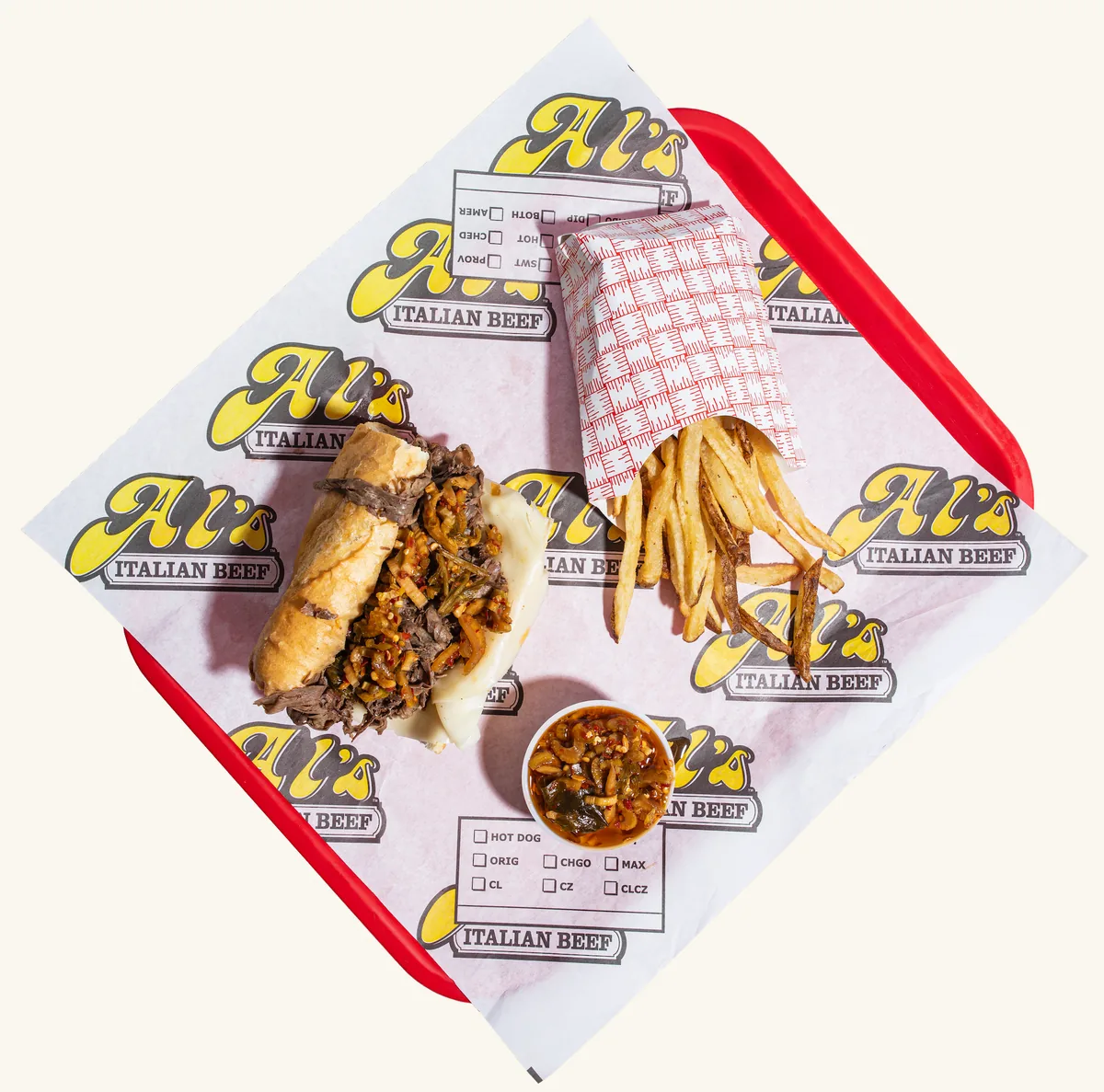
An Italian beef is roast beef sliced paper-thin, soaked in its own seasoned juice, piled into a roll that should barely hold, and finished with hot giardiniera or sweet peppers.
“Dipped” means they dunk the whole sandwich. “Wet” means extra gravy. “Hot” means giardiniera. Say all three fast and you are speaking fluent Chicago.
This is the sandwich ex-Chicagoans try to make at home and get wrong. The bread is wrong, the beef is too thick, and nobody at the new grocery store has heard of giardiniera.
Al’s #1 Italian Beef says the family opened its first stand in 1938 at Harrison and Laflin, in what’s now Little Italy. Its stand at 1079 W. Taylor St. is the pilgrimage, open 9 a.m. to 11 p.m. on weekdays, 10 a.m. to 11 p.m. Saturdays, and closed Sundays.
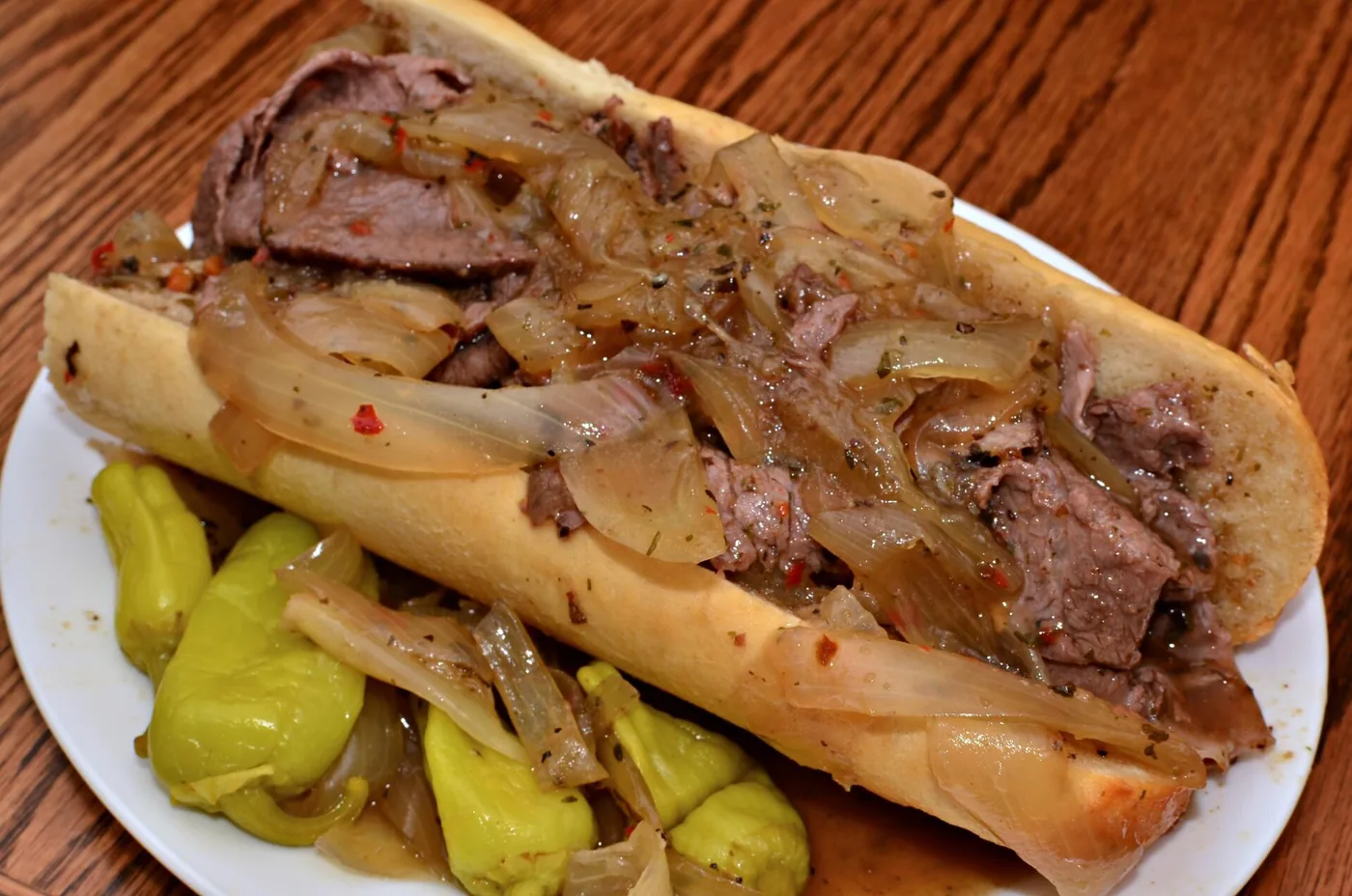
How to order: “Beef, hot, dipped.” Then stand at the counter, elbows out, and lean over the paper so the juice hits the counter and not your shoes. Al’s calls it the Italian Stance.
Insider tip: if you’re only back for 48 hours, let the person you’re staying with pick the stand. Everyone has one, and the argument is part of the meal. The city’s food etiquette crimes will keep you out of trouble.
The next one looks simple, and people get it wrong even faster.
5. A Hot Dog With No Ketchup Anywhere Near It
A Chicago dog is an all-beef frank on a steamed poppy-seed bun with yellow mustard, neon-green relish, chopped onion, tomato wedges, a pickle spear, sport peppers and a shake of celery salt.
Ketchup is not part of the build. Asking for it is still the quickest way to tell everyone you live somewhere else now.
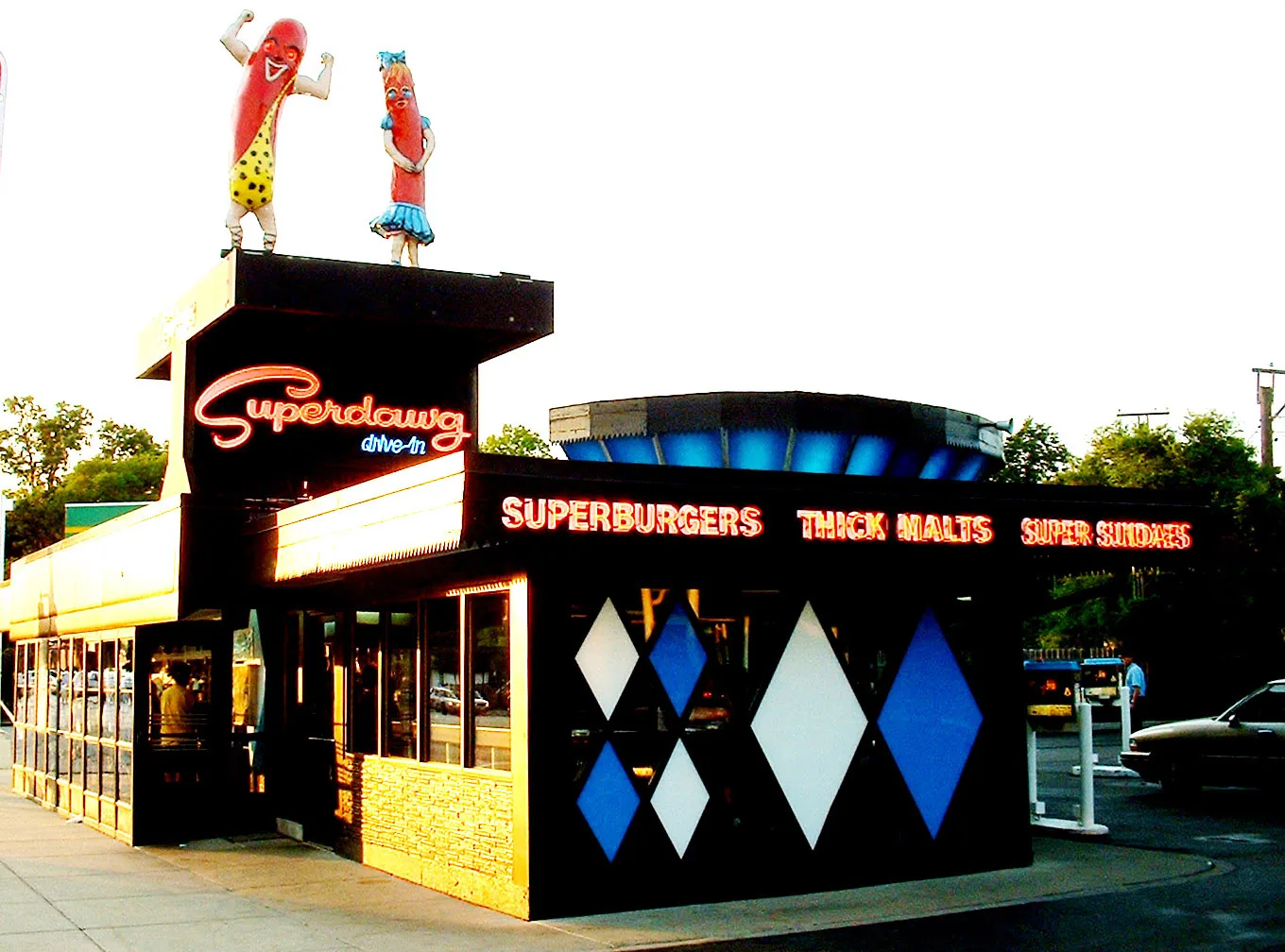
Superdawg is the one ex-Chicagoans bring up first, because you can see it from Milwaukee Avenue. Maurie and Flaurie Berman opened it in May 1948 at Milwaukee and Devon, and the two giant hot dogs are still up on the roof.
It is still a drive-in, and you can still eat in your car. It is at 6363 N. Milwaukee Ave., open 11 a.m. to 1 a.m. Sunday to Thursday and until 2 a.m. on Friday and Saturday.
Did you know? The two hot dogs on Superdawg’s roof have names: Maurie and Flaurie, after the couple who opened the stand. The family still runs the place.
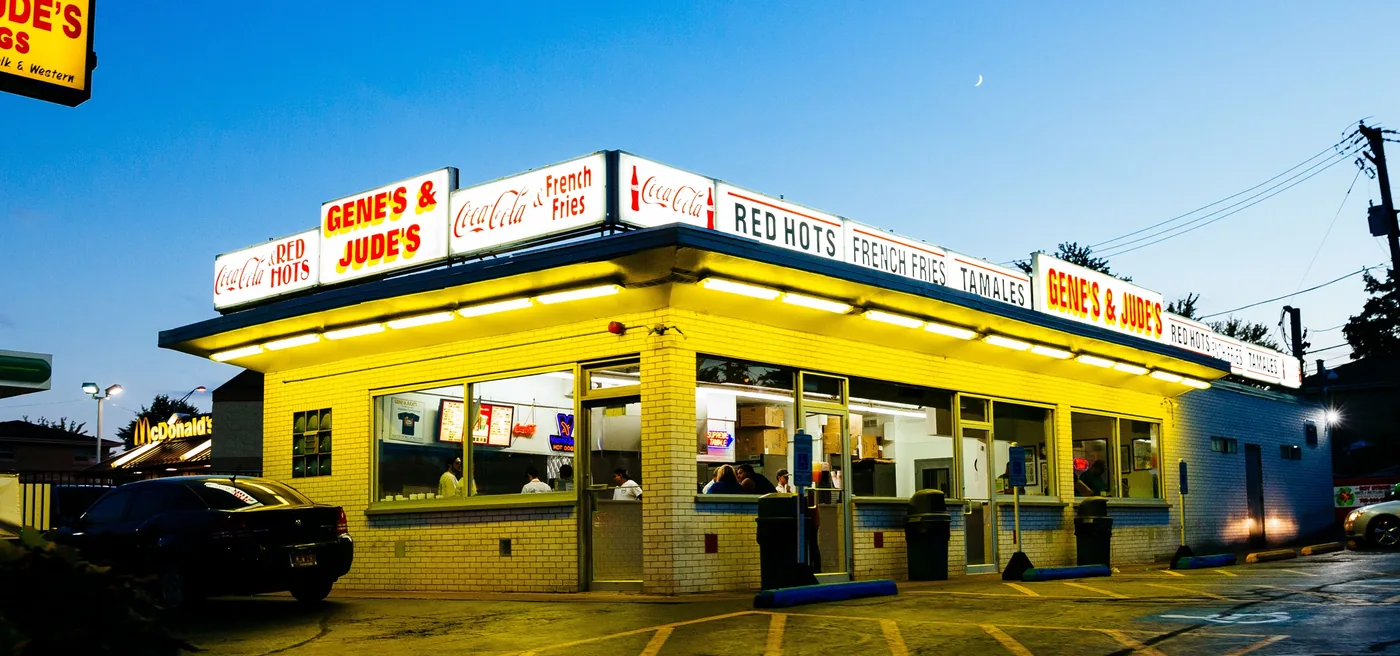
Then there’s Gene & Jude’s at 2720 N. River Rd. in River Grove, just past the city line. Gene started with a stand at Polk and Western in 1946 and moved here in 1950.
Its motto is printed on the website: “No Seats, No Ketchup, No Pretense, No Nonsense.” You eat standing at the counter, and the fries go on top of the dog, inside the paper.
Its website lists hours from 10:30 a.m. to 1 a.m., and to 2 a.m. on Friday and Saturday. If you want the full locals’ ranking, here’s where Chicagoans send people for a dog.
Food is the easy answer. The next one is social, and it sneaks up on people in cities that don’t ask the question.
6. Being Asked “What Neighborhood?”
In most American cities, “Where are you from?” means which metro area. In Chicago it means which neighborhood, and people will wait for a real answer.
Bridgeport is not Beverly. Rogers Park is not Lincoln Park. The city’s official map has 77 community areas, and locals carve those into many more neighborhoods, sometimes down to the parish.
Ex-Chicagoans miss being placed correctly. In a new city you can live somewhere for ten years and still just be “from Chicago,” which is true and far too big to be useful.
Here, the follow-up question is a kind of respect. Tell me the actual place.
 JM
AK
Did you know? Plenty of neighborhood names are older than the city limits around them. How Chicago neighborhoods got their names tells the best stories, from the squatter behind Streeterville to the goats in Bucktown.
Insider tip: when you’re back, walk the block you grew up on, or the one you lived on last, before you do the downtown circuit. The homesick part lives on that block, not at the Bean. For neighborhoods that feel like a trip abroad, see the corners of Chicago that feel like a different country.
Walk east from some of those blocks and you get the view people try, and fail, to describe to their new friends.
7. The Skyline Sitting on the Water
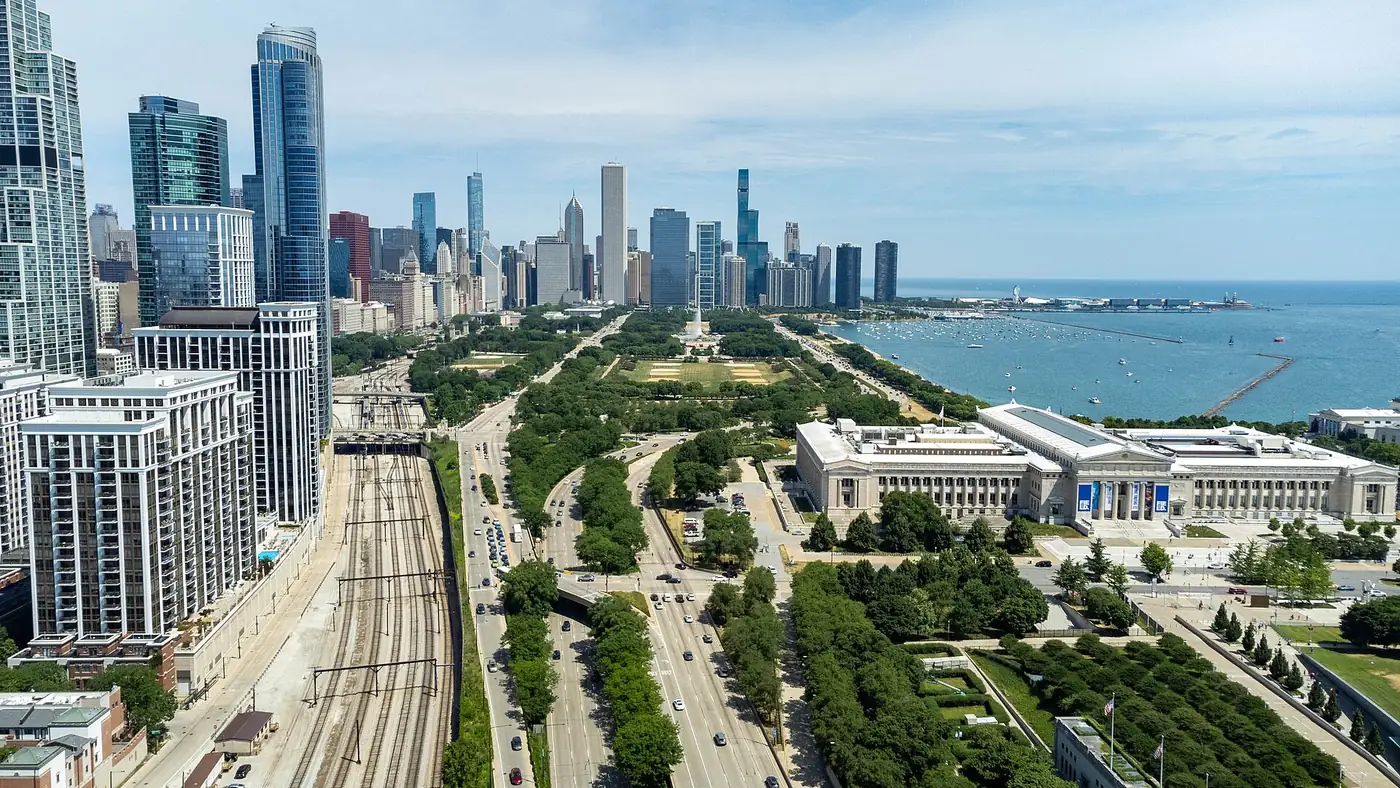
Plenty of cities have tall buildings. What Chicagoans miss is the way theirs sit on a flat lake, with no hills to hide behind and no harbor cranes in the way.
You get it from the Drive, from a beach, and from a plane banking over the water into O’Hare or Midway. The homesick version shows up at odd moments: a wide street in the new city that should have a skyline at the end, and doesn’t.
Lake Shore Drive is the thing they try to explain. The lake on one side, the towers on the other, and the city rearranging itself every half mile as you drive.
Best free spots: North Avenue Beach for the Gold Coast wall, Promontory Point in Hyde Park for the long view north, and the Museum Campus for the towers head-on. Our guide to the best views in Chicago has more.
Insider tip: come in daylight on a clear day and walk or bike the trail from North Avenue down to the museums. It costs nothing and beats any observation deck.
Then comes the season everyone claims to hate, and then talks about with real tenderness once they’ve left.
8. Winter, and the People Who Show Up in It
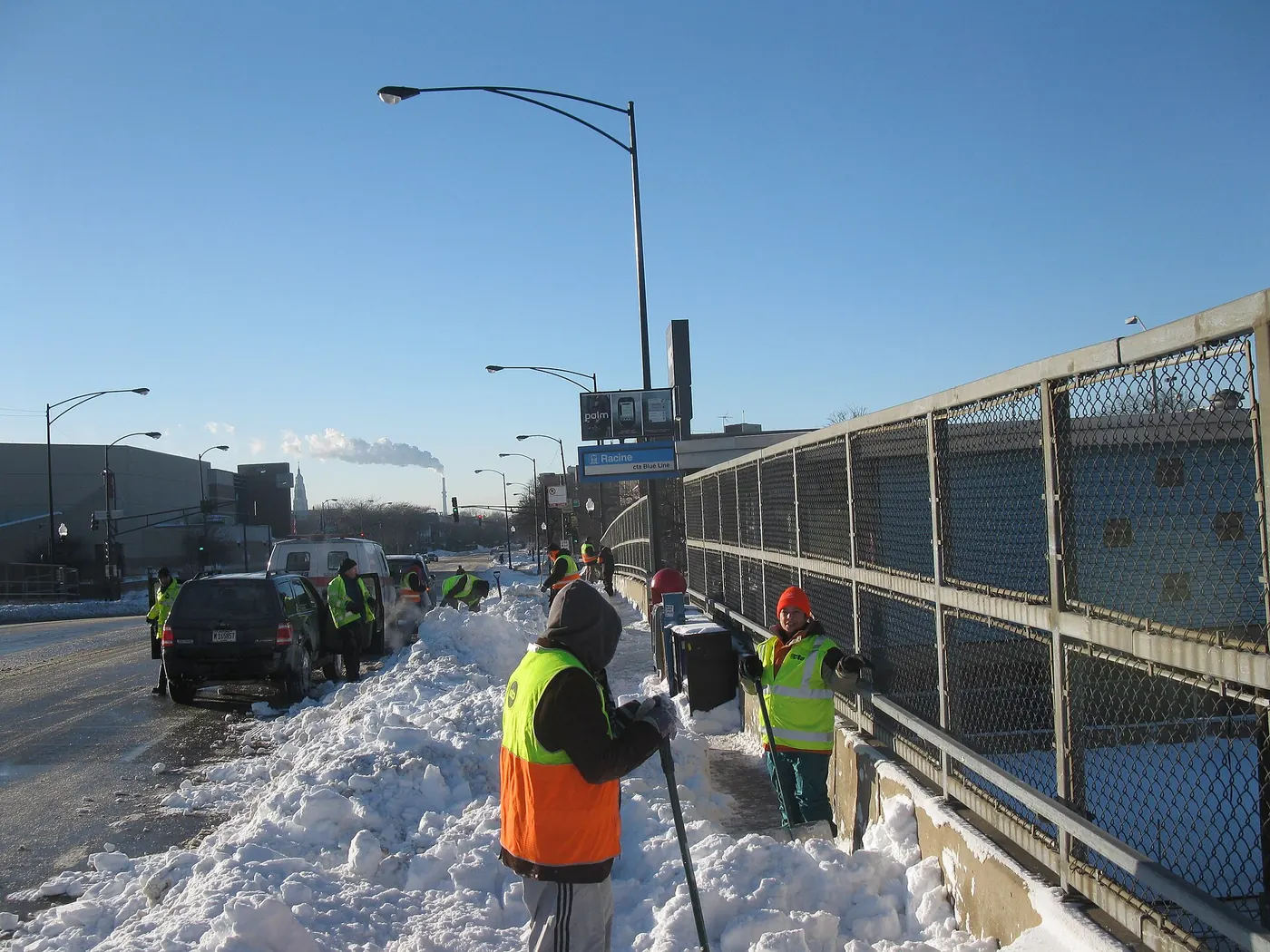
Outsiders think the hard part of a Chicago winter is the cold. Locals know it’s the grey. We already collected the unspoken rules of a Chicago winter.
What people miss after they move somewhere milder is stranger: the shared project of it. Sidewalks get shoveled, or they don’t, and the whole block notices. Strangers still come out of doorways to push a stuck car.
And there is dibs. Dig out a parking space and you can mark it with a lawn chair, a laundry basket or an ironing board. Whether that’s fair is Chicago’s longest-running argument.
Then there are the storms people date their lives by. The Groundhog Day blizzard of 2011 dropped more than 20 inches and left hundreds of drivers stranded on Lake Shore Drive overnight. Ask anyone who was here; they’ll tell you where they were.
Did you know? The city’s winter overnight parking ban exists because of the blizzards of 1967 and 1979, when Chicago came to a standstill. Now about 107 miles of main streets are off-limits from 3 to 7 a.m., Dec. 1 to April 1, snow or no snow.
Get towed and it’s at least $150, plus a $60 ticket and $25 a day in storage. This winter’s ban starts on Tuesday, Dec. 1.
Insider tip: if you come back in January, walk a residential side street, not just Michigan Avenue. The official city looks decorated. The real city looks shoveled, and that’s the version you’ll recognise.
After the sidewalks, people miss a room that was never trying to be a concept.
9. A Corner Tavern That Isn’t Trying
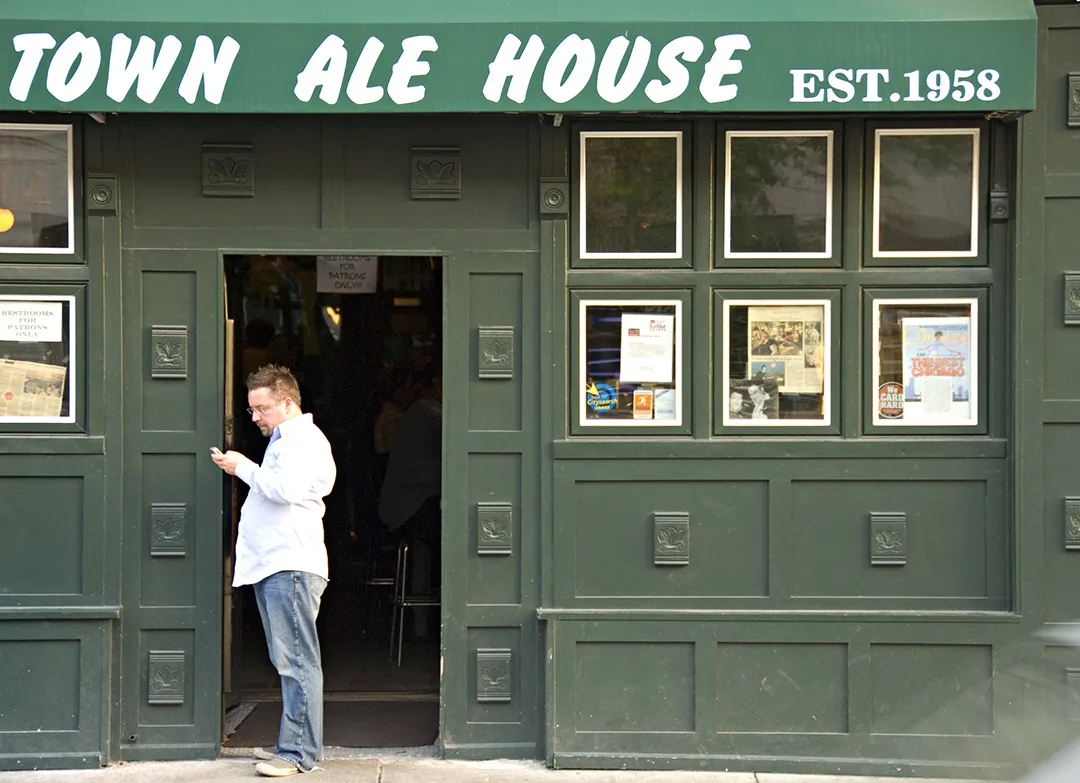
Chicago still has rooms where the whole point is a beer, a stool, a TV and the same faces at the end of the bar. They are not speakeasies and they are not “experiences.”
Ex-Chicagoans miss walking in alone, in a coat that has seen snow, and being left alone in a friendly way. In a new city with only cocktail bars and loud sports restaurants, this is the hole they try to explain.
The Old Town Ale House at 219 W. North Ave. has been that room since 1958. It is cash only (there’s an ATM), and it opens at 3 p.m. and stays open until 4 a.m., or 5 a.m. on Saturday.
It’s dim, the walls are covered in art, and the jukebox has opinions. Nobody has redecorated it to look like a dive bar. It just is one.
Insider tip: ask the person you’re visiting for “their” place, not the one with a national listicle taped in the window. Sit at the bar. If the Cubs or the Hawks are on, you don’t have to talk, which is half of why it works.
And because this is still Chicago, people miss a pizza that tourists were never told about.
10. Tavern-Style Pizza, Cut in Squares
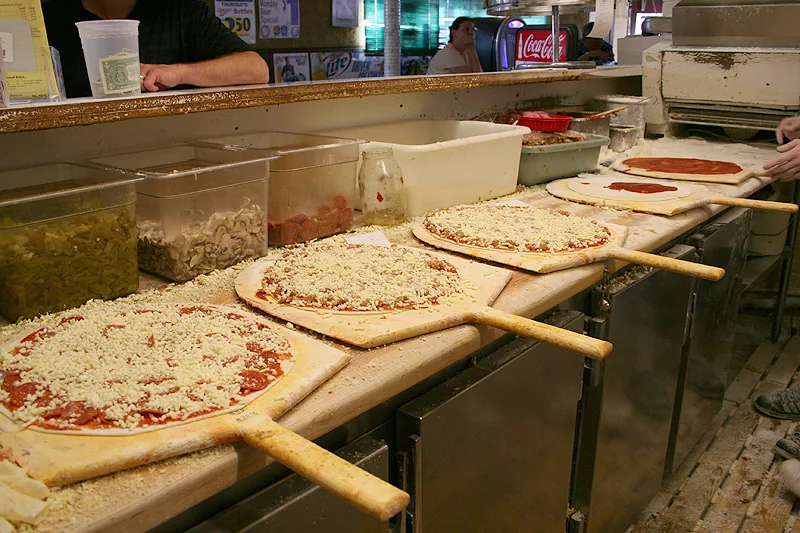
Deep dish is real, and it has its days. But a lot of people who grew up here will tell you the pizza they miss is thin: cracker crust, cut into squares so it can sit on a bar table and feed everybody.
It’s the Friday-night pizza, the carryout box on the kitchen counter, the one that doesn’t need a plan. The corner pieces are the prize, and the middle squares go first.
Vito & Nick’s at 8433 S. Pulaski Rd. is the one South Siders bring up. Vito and Mary Barraco opened their first tavern in 1923, and the family started making pizza in 1946.
Nick Barraco’s line from 1965 is still on the website: “We will never deliver. If they want a truly great pizza, they will come in for it.” They still don’t. It is dine-in or pick-up only, and cash only.
Did you know? Vito & Nick’s is closed on Thanksgiving, Christmas and Easter, so ex-Chicagoans home for the holidays should plan their pizza night around it.
Insider tip: if someone takes you for deep dish because you’re visiting, go. Then get tavern-style the next night with the people who actually live here. There’s a whole locals’ deep-dish argument on the site if you want both.
The last two are harder to replace: a free afternoon that still feels like a city, and the way Chicagoans talk to you.
11. A Free Afternoon That Still Feels Huge
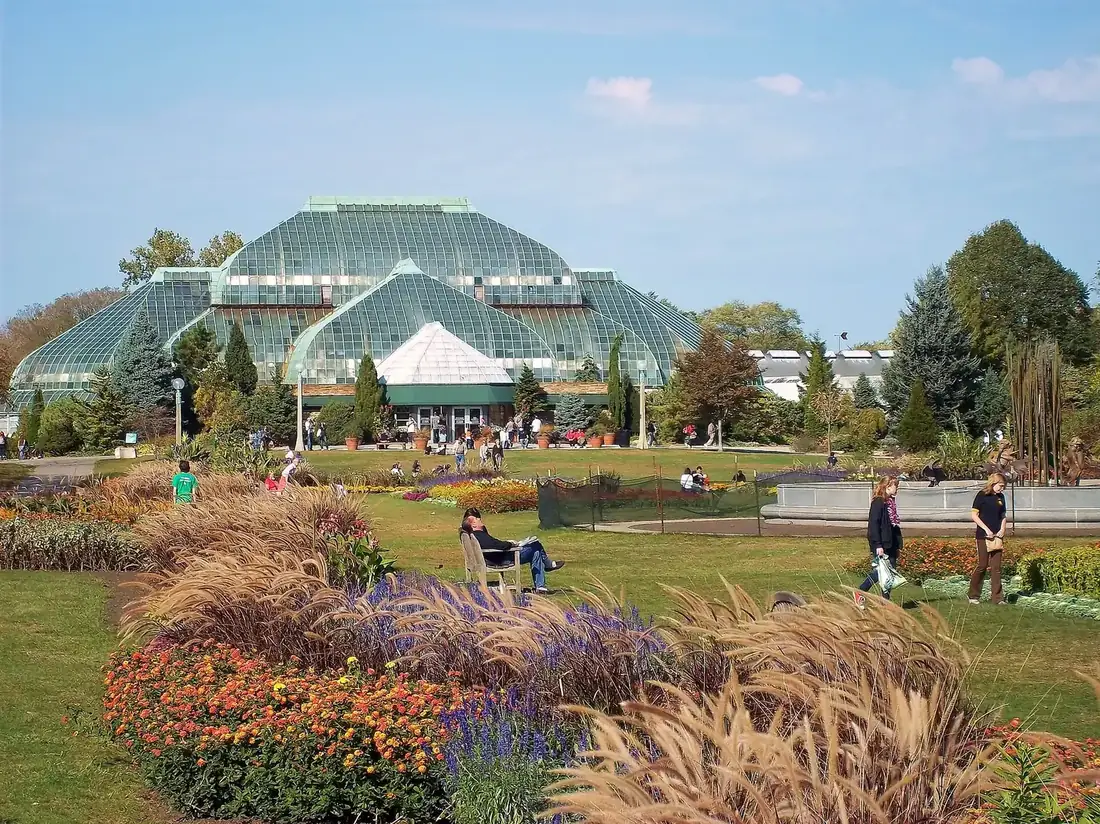
Chicago is expensive in the ways big cities are expensive. It is also a place where you can still spend a whole Sunday in public and spend almost nothing.
Lincoln Park Zoo is open 365 days a year and entry is always free; the gates open at 10 a.m. Next door, the Lincoln Park Conservatory, built between 1890 and 1895, is free too. It’s open Wednesday to Sunday, 10 a.m. to 5 p.m.
Ex-Chicagoans miss that looseness. In a new city, an afternoon out turns into a string of timed tickets. Here you can walk until you’re tired, end up at the water, and go home on a $2.50 train.

On the West Side, Garfield Park Conservatory at 300 N. Central Park Ave. is one of the largest in the country. Book a timed reservation first.
One catch for anyone who moved away: it’s free for Chicago residents with ID, but visitors from outside the city now pay $10 for adults and $5 for seniors, children and students. It is open every day except Tuesday, 10 a.m. to 5 p.m., and until 8 p.m. on Wednesdays.
Insider tip: both conservatories open their winter flower shows this week and run them to Jan. 10, and reservations are required. In January, an hour in the palm house is the best weather in the city. Our Garfield Park Conservatory guide has the room-by-room tour.
And then there’s the thing you can’t photograph, which is how people talk.
12. The Blunt Kindness
Chicago is not, despite the brochures, a shy Midwestern town. The social style is closer to the East Coast than people expect: direct, a little fast, and not interested in fake warmth at the register.
It can read as rude if you just flew in from somewhere that smiles more. Once you live in it, it reads as honesty.
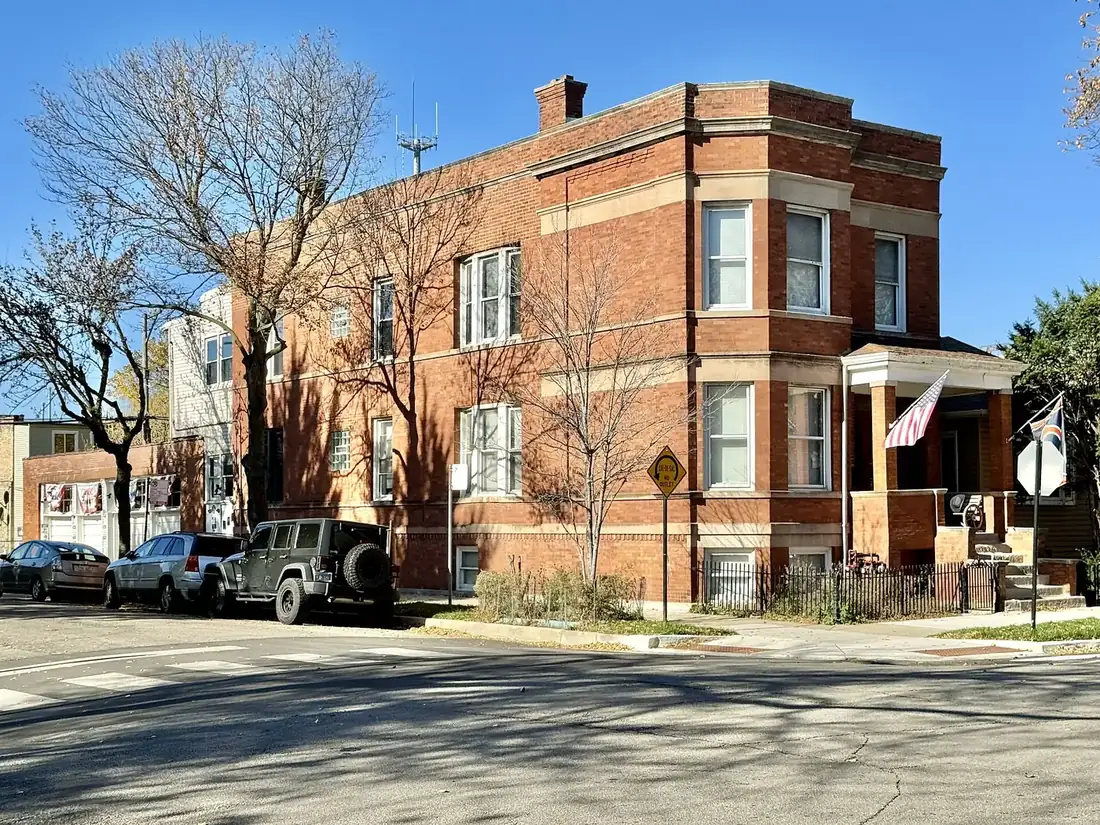
What ex-Chicagoans miss is the combination. The neighbor who won’t make small talk in the elevator will still help you carry a couch down the back stairs of a two-flat, and then tell you exactly what he thinks of the couch.
You notice it most in a new place that is either colder or sweeter, and somehow less useful. If you want the version that picks a fight with another city, try 17 things Chicago does better than New York.
Did you know? A lot of Chicago’s blunt kindness is said in its own words. “The Jewels,” “gym shoes” and “the Drive” all make our list of Chicago slang terms. Hear one in an airport and you know exactly where that person grew up.
Insider tip: when you’re back, don’t spend the whole visit in planned hospitality. Ride the L, stand in a regular line, ask a slightly too-direct question. The thing you missed isn’t a monument. It’s the tone of the room.
Coming Home for a Visit?
If you live somewhere else now, you don’t have to miss a vanished Chicago to miss this one. The lake is still at the end of the street. The grid still works. The beef stands still open at 9 a.m., and the hot dogs are still on Superdawg’s roof.
Come back, skip the official “best of” loop for one afternoon, and go to the exact block that still has your name on it.
If you need a bed for the weekend, start with our best downtown Chicago hotels, and save room for the most famous restaurants in Chicago.
Read next
- What Chicagoans miss most about the old city (the places that are gone)
- Things you only learn growing up in Chicago
- How Chicago neighborhoods got their names
- The unspoken rules of a Chicago winter
- O’Hare tips locals swear by
- Things to know before moving to Chicago
Want more Chicago stories like this one? Join the free Hey Chicago newsletter at newsletter.heychicago.us.
Sources: Chicago Park District: Lakefront Trail; CTA fares; Al’s #1 Italian Beef: our story; Al’s Taylor Street hours; Superdawg; Gene & Jude’s; Old Town Ale House; Vito & Nick’s history; Lincoln Park Zoo; Lincoln Park Conservatory; Garfield Park Conservatory: visit; Chicago Park District: winter flower shows 2026; City of Chicago: winter snow clearing and parking bans; Encyclopedia of Chicago: the street grid; Burnham Plan Centennial: Who was Edward P. Brennan?.
 How Chicago Made Its River Run Backward Before a Court Could Stop It
 12 Normal-Looking Chicago Buildings That Hide a Very Dark History (One of Them Is a Post Office)
 Chicago Bars Where You Can Still Drink Like It’s 1920
 5 Legendary Chicago Restaurants We Lost Forever
 The Gritty Truth Behind Chicago’s Urban Legends
 Chicago’s Most Haunted Places & Dark History
JM
AK